
Reviewed · TOKYO TRADITIONAL CRAFT WORKSHOPS
Tokyo: Learn Traditional Origami with a Local
Tokyo’s best souvenirs do not always come from a shop. In this 90-minute class, you sit with Manami Watanabe, a Tokyo native who has practiced origami since she was three, and make three to five paper shapes with your own hands. She explains the stories behind each design, from the crane’s place in Japanese culture to the family meaning of the craft.
I like the patient, step-by-step teaching, especially for children and first-timers. I also like the choice of papers and designs, which lets you leave with handmade keepsakes rather than another mass-produced trinket. The main drawback is that experienced folders may find the projects too easy, and the $58 price is higher than a casual paper-folding activity.
Key points to know before booking

- Manami teaches in English: Her calm, personal instruction helps you keep up with every fold.
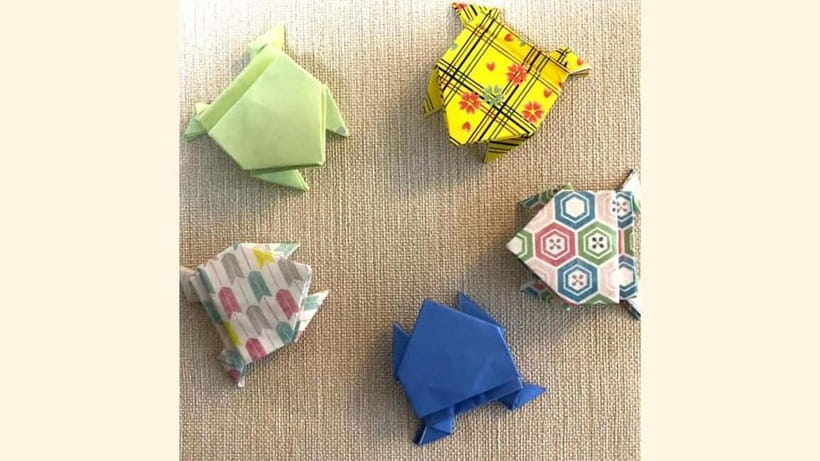
- You make three to five pieces: Choices can include a crane, jumping frog, box, lotus flower, balloon, or samurai helmet.
- The class is aimed at beginners: People with strong origami skills may not find the designs demanding enough.
- The stories matter: Manami connects each shape with Japanese culture, family memories, and traditional meaning.
- Everything needed is supplied: Paper, scissors, pens, bags, water, and snacks are included.
- The meeting point is in Shinjuku: FEEP Shinjuku Higashi-guchi is closest to Shinjuku-sanchome Station and also reachable from JR Shinjuku’s east gate.
Why this small craft class works in Tokyo
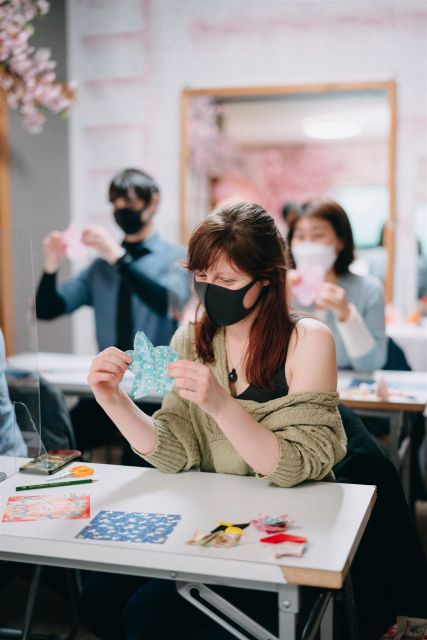
Tokyo can be noisy, crowded, and fast. Origami gives you a quiet change of pace without requiring a full day away from the city. You are not simply watching a demonstration. You are folding, correcting, asking questions, and seeing a flat square become something recognizable.
That hands-on element is the real reason to book. A temple visit can teach you about Japan. A museum can show you beautiful objects. Here, you learn a small skill that you can repeat at home, perhaps with children or around the holidays. Several finished pieces fit easily into your luggage, and each one carries a memory of the time you made it.
Manami adds the personal side. She grew up in East Tokyo and has practiced since early childhood, so her teaching is connected to lived experience rather than a short script. She talks about the meaning of the shapes and shares stories tied to her family and childhood. That makes the session feel more like a cultural exchange than a craft table.
More Tokyo craft workshops:
- Tokyo Shinjuku Chopsticks Making Class
★ 5.0 · 1,763 reviews - Chopstick Making Workshop in Ginza
★ 4.8 · 1,366 reviews - Kintsugi Experience: Art of Golden Joinery in Tokyo
★ 5.0 · 467 reviews
Meeting Manami at FEEP in Shinjuku
The class meets at FEEP Shinjuku Higashi-guchi, in the Shinseido Building at 5F, 3-29-11 Shinjuku. The closest station is Shinjuku-sanchome, served by the M09, F13, and S02 lines. You can also reach the building from the east gate of JR Shinjuku Station.
Allow extra time to find the entrance. FEEP is a shared workspace, and the floor is divided into several meeting booths. The entrance is locked, so you need to message Manami after reaching the fifth floor. There is no station pickup, making a little advance planning worthwhile.
The setting may change for groups that include children under seven, elderly people, or anyone needing special care. Tell the provider in advance if that applies to your party. The activity is wheelchair accessible, but the venue may need to be changed for particular access needs.
Choosing your first three to five origami designs
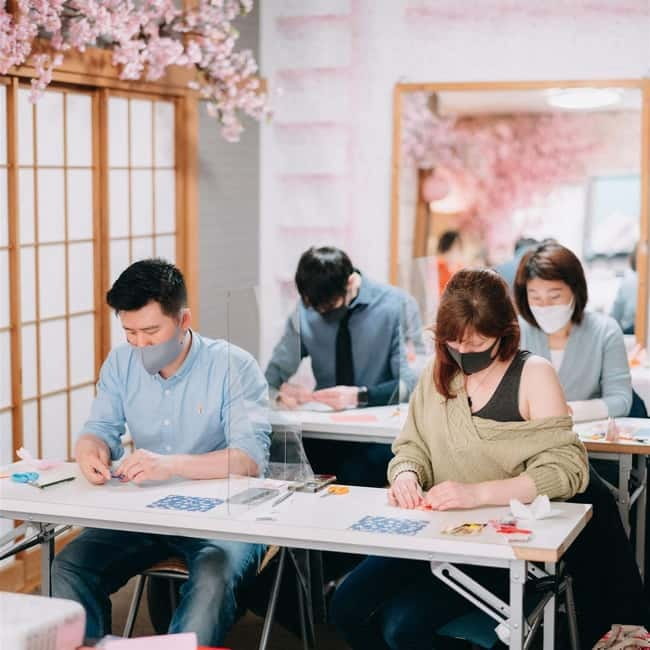
Manami begins by showing designs at different skill levels. You then choose what you want to make, with the goal of completing about three to five pieces during the session. The exact mix depends on your pace and choices.
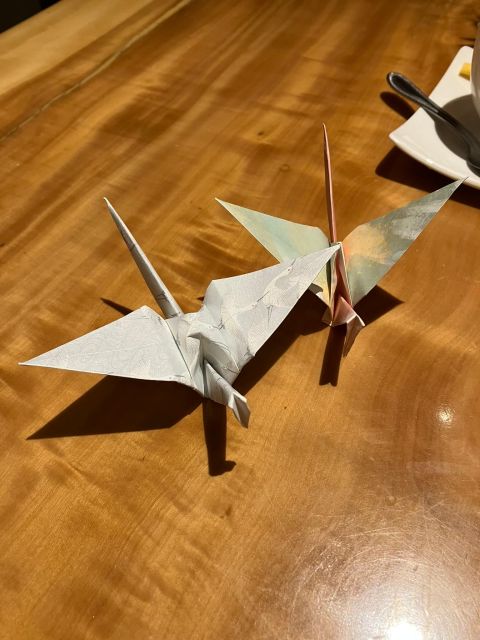
A crane is an obvious place to start if you want a shape with strong cultural meaning. It is also a good reminder that origami has layers. You learn the folds, but you also hear why the form matters in Japan.
The jumping frog offers a more playful choice. It is especially suitable for children and for anyone who wants a finished object that does something. A samurai helmet gives the class a distinctly Japanese feel, while a lotus flower offers a more decorative result.
You might also choose an open box, balloon, or another beginner design. An open box is practical and helps you understand how folded sections support one another. The lotus takes more attention but gives you a satisfying display piece. One family made a crane, open box, and lotus flower, while another group completed a samurai helmet, jumping frog, and crane.
The class does not promise custom projects for advanced folders. If you already make complex animals, modular pieces, or intricate designs, the available options may feel basic. This is best viewed as a friendly introduction and cultural lesson, not an advanced origami workshop.
How the 90-minute lesson unfolds
Manami demonstrates each stage before you follow. She watches your folds, checks that the paper is lined up, and helps when a crease or corner goes wrong. You can stop and ask questions instead of trying to interpret diagrams in a book.
That personal guidance makes a real difference. Origami instructions often look simple until one fold is slightly off. By the time the error appears, several later steps may no longer work. Manami’s approach helps you correct the problem early, and her patient manner is particularly useful for children.
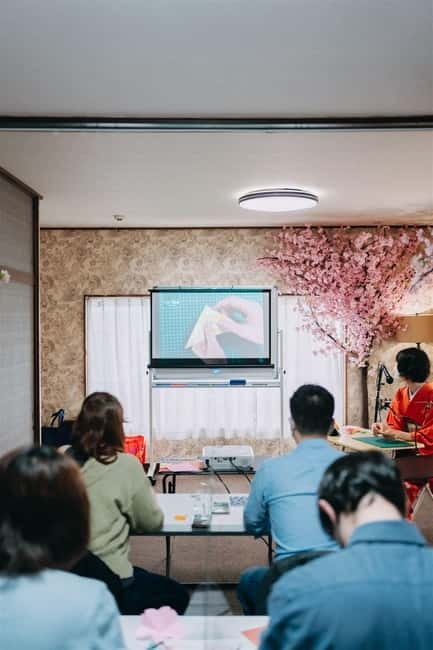
The pace is steady rather than rushed. Some people complete three pieces, while faster participants have made four or five. A one-to-one session allowed one participant to finish four pieces, and a group of four adults and an eight-year-old completed three designs together.
You should not expect a formal lecture followed by a timed test. The class includes conversation about Japanese culture and the background of each figure. That makes the pace feel relaxed, but it also means your final number of pieces depends on how quickly you fold.
A completely different kind of day in Tokyo:
- Mt Fuji and Hakone 1-Day Bus Tour Return by Bullet Train
★ 5.0 · 26,383 reviews - 1-Day Tokyo Bus Tour
★ 5.0 · 14,250 reviews - Tokyo: teamLab Planets TOKYO Digital Art Museum Entry Ticket
★ 4.6 · 9,779 reviews - Mt Fuji & Hakone Cruise, Drum Show Bullet Train 1 Day from Tokyo
★ 4.0 · 7,413 reviews
The paper selection is part of the fun
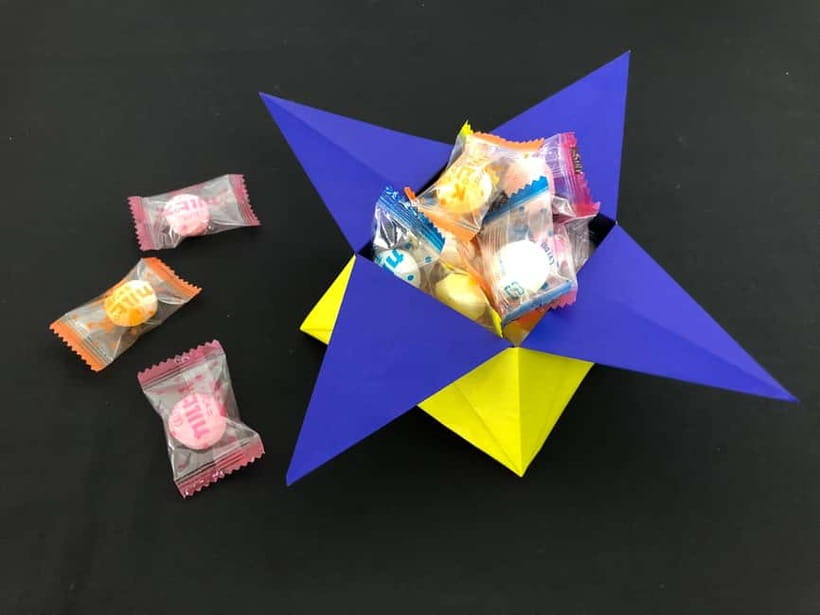
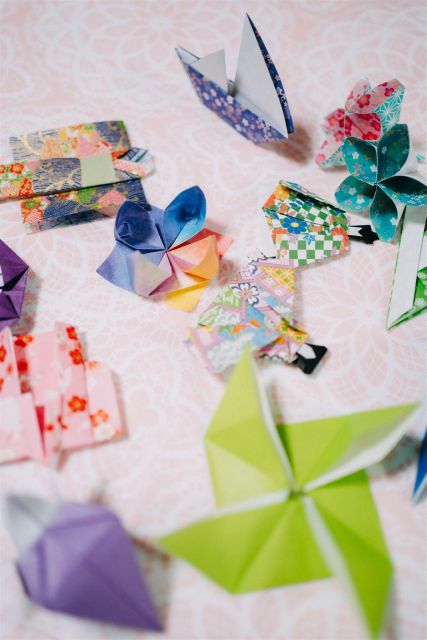
You receive a choice of traditional and modern origami papers, including attractive printed designs. You select a sheet for each piece, so the finished shapes are not all identical.
This small choice gives the activity a personal touch. A crane in one paper may look formal, while a frog in another feels playful. You can think about which design suits each pattern, or simply choose the sheet that catches your eye.
Scissors and pens are supplied, along with small bags for carrying your work home. Water and snacks are included as well. The materials are practical, but the bag is especially useful because freshly folded paper can bend inside a crowded day bag.
Do not expect a shopping experience or a large take-home kit. The value is in the instruction, the stories, and the pieces you make during the class. If you are comparing this with buying a packet of paper and following an online tutorial, the extra cost pays for direct correction and cultural context.
What Manami adds beyond the folding
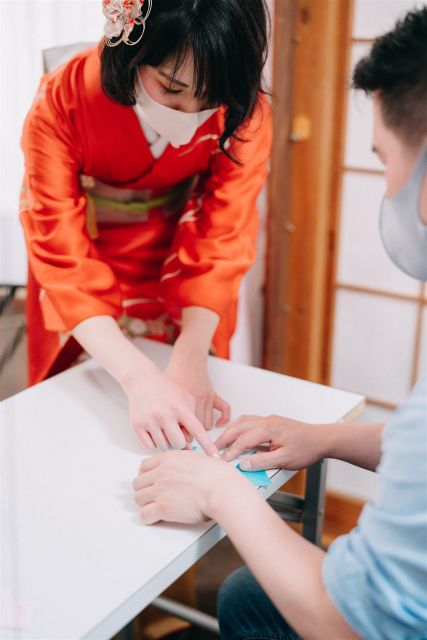
The strongest part of the session is the explanation behind the shapes. Manami discusses the cultural importance of the crane and gives background on origami as a Japanese tradition. She also brings in stories from her own family and childhood.
That personal layer helps you understand why the craft has lasting appeal. Origami is not only about precision. It can be a quiet pastime, a gift, a decoration, a lesson for children, or a way to mark an occasion. You hear about the ideas attached to the shapes while making them yourself.
The class also gives you a chance to talk with Manami. One-to-one participants can expect particularly close guidance, while a family or larger party shares the instructor’s attention. Her teaching style is described as gentle, respectful, and encouraging, including when she improves a fold line or helps a child through a difficult step.
English is the teaching language. The experience is designed for solo visitors, couples, families, and large groups, though the level of personal attention can naturally vary with group size.
Is $58 a fair price?
At $58 per person, this is not the cheapest way to spend 90 minutes in Tokyo. You could buy paper and learn a basic crane for very little. The price makes more sense if you want a structured activity with an instructor, several designs, selected papers, cultural explanation, and finished pieces to carry home.
I would consider it fair for someone who values personal instruction. You are paying for Manami’s time and corrections as much as for the materials. That matters when you are new to origami or when a child needs help at each stage.
The value is also stronger for a family or couple seeking a shared activity. Adults can work at their own pace, children can choose playful designs, and everyone leaves with a physical reminder of the afternoon. One family with two adults, two teenagers, and an eight-year-old found that the activity worked across age groups.
The price may feel high if you already fold confidently or want advanced designs. The class is built mainly for beginners, and the provider cannot customize the options at the venue. In that case, spend the money on a more specialized workshop or use the class as a cultural introduction rather than a technical challenge.
Who will enjoy this most?
I would recommend this activity to:
- First-time origami folders who want clear help
- Families with children aged seven and above
- Couples looking for a quiet indoor activity
- Solo visitors who enjoy conversation and hands-on learning
- Small groups wanting a shared Tokyo memory
- Anyone who wants a souvenir they made rather than bought
Children under seven are not accepted at the usual venue, and the provider asks for advance notice about elderly participants or anyone needing special care. The activity is wheelchair accessible, but those groups may be moved to another venue.
I would be more cautious about booking if your main goal is difficult origami. The designs are selected for beginners, so experienced crafters may finish quickly or wish for more challenging options.
Practical tips for a smoother visit
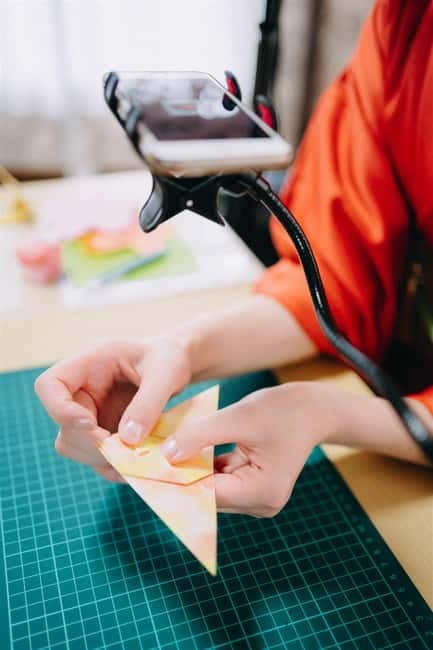
Book with enough time to reach Shinjuku-sanchome or JR Shinjuku’s east gate. The building location is central, but FEEP’s locked entrance can cause confusion if you arrive without reading the instructions.
Message Manami once you reach the fifth floor. If you get lost, contact her rather than wandering around the building. One group arrived late after struggling to find the meeting point, and Manami waited patiently, but it is still better to avoid cutting into your 90 minutes.
Wear nothing special. The activity uses paper, pens, and scissors, not messy materials. Keep a little room in your day bag for the small carry bag containing your finished designs.
You can cancel up to 24 hours before the start time for a full refund, and the reserve-now, pay-later option keeps your plans flexible. Check the available start times when booking, since the duration is fixed at 90 minutes.
Should you book Manami’s origami class?
Book it if you want a calm, personal activity that connects a simple craft with Japanese culture. Manami’s patience, clear demonstrations, and childhood experience make the class especially suitable for beginners, families, and anyone who prefers doing over watching.
Think twice if you are an advanced folder or expect an unusual, difficult design. The class stays at an accessible level, and the $58 cost is easiest to justify when you value instruction and the stories behind the shapes.
For most visitors, the best reason to go is simple: you leave Shinjuku with several handmade objects, a better sense of why origami matters, and a skill you can continue at home.
FAQ
How long does the origami class last?
The experience lasts 90 minutes.
How many origami pieces will I make?
You can expect to make about three to five shapes during the session. Your total depends on your chosen designs and folding pace.
Who teaches the class?
Manami Watanabe teaches the class. She is from East Tokyo and has practiced origami since she was three years old.
Is the class taught in English?
Yes. English is the listed teaching language.
Is this activity suitable for beginners?
Yes. The class is mainly designed for people new to origami, with step-by-step guidance throughout.
Can experienced origami folders choose harder designs?
The available designs may be too easy for highly experienced folders, and the options cannot be customized at the venue.
What is included in the price?
Origami paper, scissors, pens, small bags for carrying your work, water, and snacks are included.
Where is the meeting point?
The meeting point is FEEP Shinjuku Higashi-guchi, Shinseido Building 5F, Shinjuku 3-29-11, Shinjuku-ku, Tokyo. The nearest station is Shinjuku-sanchome, and the building is also accessible from the east gate of JR Shinjuku Station.
Newly reviewed around Tokyo
- Tokyo Asakusa:Calligraphy & Make T-shirt Activity★ 5.0 · 62 reviews
- Intercity Shuttle, Tokyo to Haneda /Narita /Yokohama /Makuhari★ 5.0 · 5 reviews
- 1 Hour Travel around Tokyo with a Professional Photographer★ 5.0 · 3 reviews
- Travel Tokyo with Your Own Personal Photographer★ 5.0 · 43 reviews
- Train in Samurai Swordsmanship and Defeat the Demon in Tokyo★ 5.0 · 5 reviews
- Shuttle Van 6hr Tokyo Tour to-and-from Tokyo, Yokohama and Narita★ 5.0 · 9 reviews
- Kickboxing & Body Training with EX-Pro Fighter★ 5.0 · 4 reviews
- Traditional Japanese Knife Sharpening Class★ 5.0 · 18 reviews
Tokyo Traditional Craft Workshops, compared.
Kintsugi Experience: Art of Golden Joinery in Tokyo
Read our review →

Authentic Pure Gold Kintsugi Workshop with Master Taku in Tokyo
Read our review →
Private Handmade Ring Workshop Activity in Tokyo Shibuya
Read our review →
Browse the lists this tour appears in