
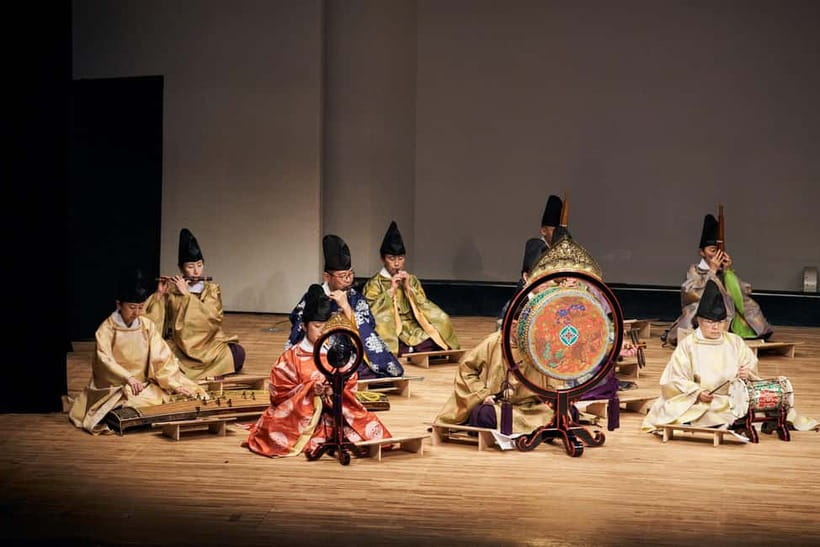
Reviewed · TOKYO TRADITIONAL MUSIC AND DANCE SHOWS
Tokyo: KABUKI, BUNRAKU, etc. presented by National Theatre
Japanese classical theatre can seem mysterious at first. Then the shamisen begins, the actors take the stage, and the careful gestures start to make sense. This program gives you a chance to see Kabuki, Bunraku, or Hogaku performed by specialists who have carried these forms forward for generations.
I like the English audio guide, which explains the main action without drowning out the live voices. I also like the setting: this is a presentation by National Theatre Japan, not a tourist imitation. The main caution is time. Depending on the program, you may spend 75 minutes to three hours watching a performance that moves at a slower pace than most Western theatre.
- Bunraku combines three art forms: narration, shamisen music, and puppetry work together with remarkable precision.
- The English guide explains the plot: it gives you the main points rather than translating every line.
- The venue may be in Yokohama: the featured Bunraku performance is at KAAT Kanagawa Arts Theatre, not the National Theatre in Hanzomon.
- Kabuki changes with each era: its stories, costumes, music, and stage effects still follow a centuries-old theatrical tradition.
- Hogaku focuses on sound: an English explanation sheet helps you follow traditional Japanese music, including melodies linked with snow.
- Seats are assigned by the theatre: you cannot choose your exact position when booking.
What You Are Really Seeing
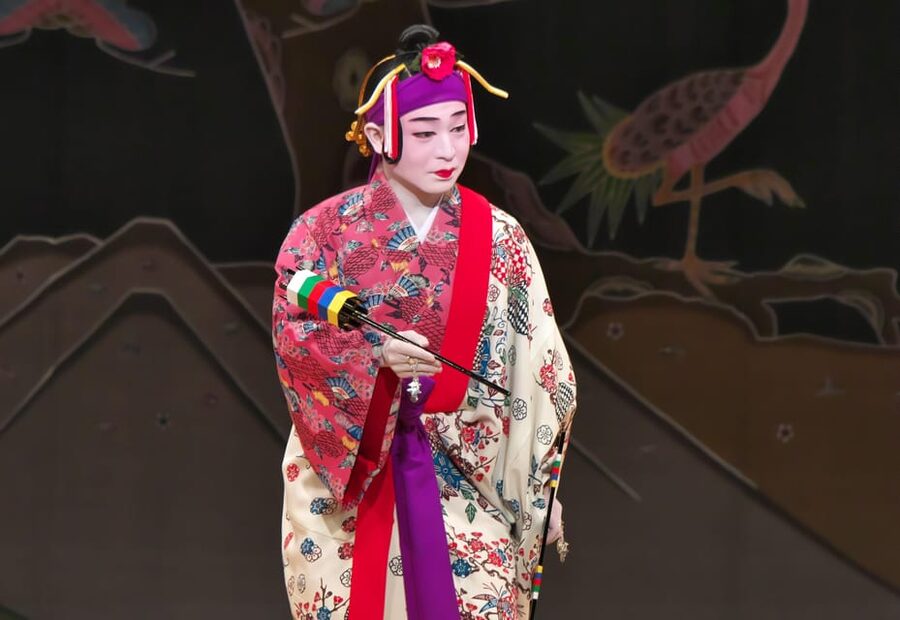
This is not one fixed show. The program changes by date, and the booking option tells you which form you will see. The choices include Kabuki, Bunraku, and Hogaku, with performances lasting from about 75 minutes to three hours.
For the information provided here, the Bunraku option takes place at KAAT Kanagawa Arts Theatre in Yokohama. If you book a different date or option, check the venue carefully. The words National Theatre refer to the presenting organization, not always the building where you will sit.
That distinction matters. Many visitors assume they are going to the famous National Theatre in Hanzomon. For this Bunraku performance, you are going to Yokohama, so allow time for the train and a little extra time to find the theatre.
The program is aimed at showing the real forms of Japanese classical performance. You will not get a simplified cultural demonstration or a short stage sample. You will see a proper theatre presentation, performed without loud speakers pushing the sound toward you. The natural voices, music, and stage sounds are part of the appeal.
Bunraku at KAAT Kanagawa Arts Theatre
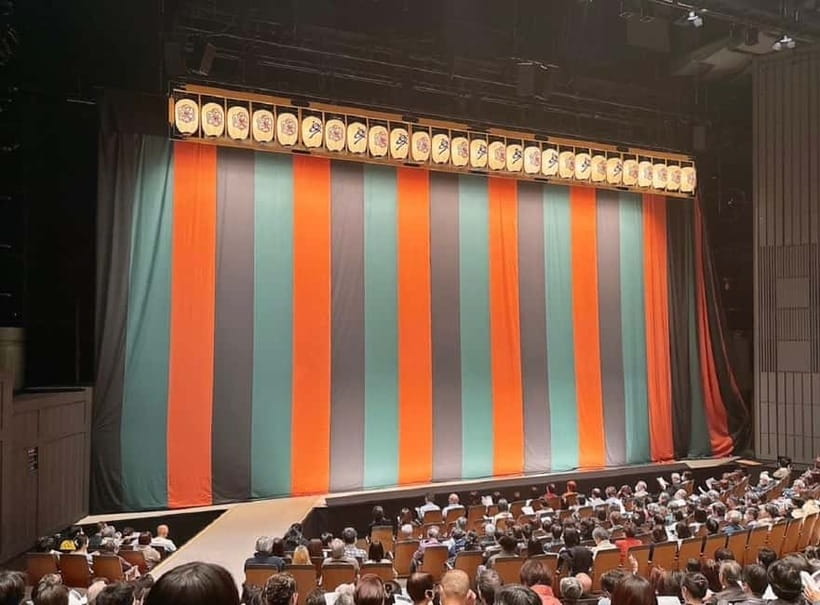
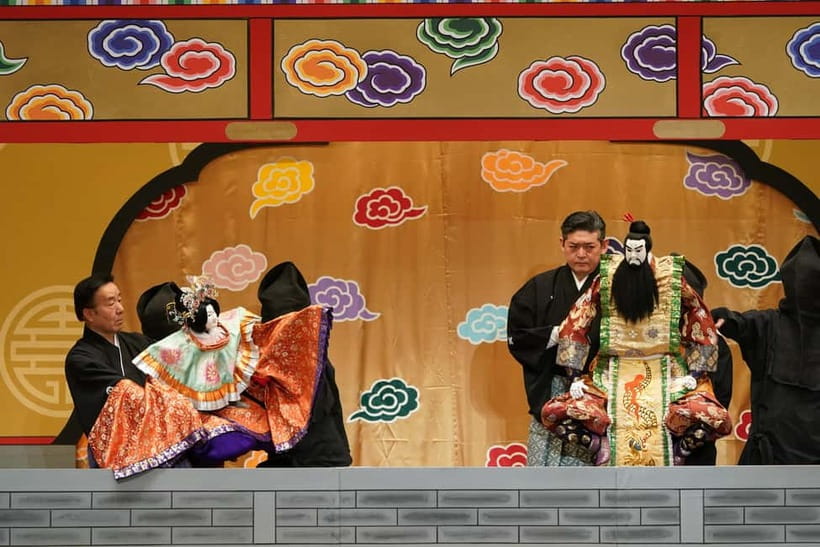
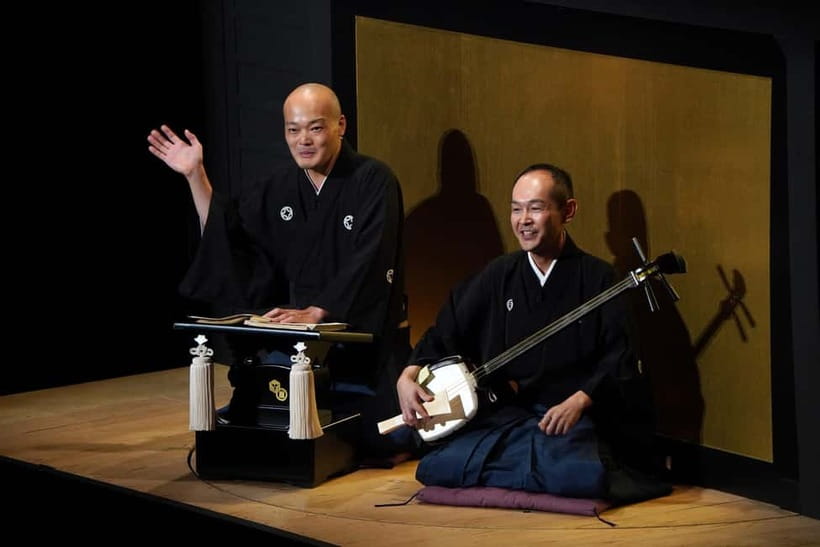
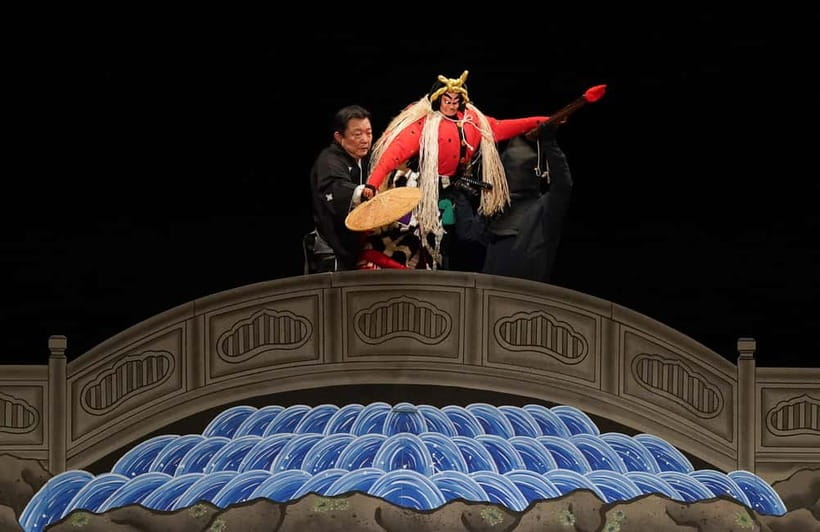
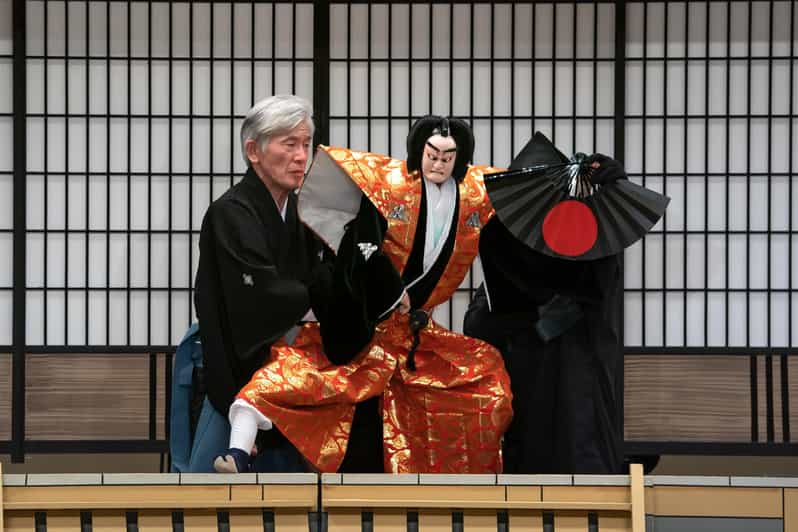
Bunraku is puppet theatre, but calling it simply a puppet show misses the point. It is a tightly coordinated performance built from three parts: a narrator delivers the story, a shamisen player supplies the music, and puppeteers control the figures.
The narrator uses extraordinary vocal force and changes tone to carry the characters and events. The shamisen creates both rhythm and mood. The puppets then move with careful, expressive gestures. The effect is formal, intense, and very different from animated entertainment for children.
Bunraku is traditionally intended for adults, and some stories deal with serious subjects. One program included a love-suicide story, so families should consider the subject matter before bringing young children. The theatre setting also demands quiet attention. Very young children may struggle with the length, slower pace, and strict no-noise rule.
The performance can take time to reveal itself. At first, you may focus on the unusual staging and wonder how the puppets can carry emotional weight. As the narration and music build, the story becomes easier to follow, especially with the English audio guide.
One important warning: special programs can differ from a standard Bunraku production. A special show may include no puppets, even though it is connected to Bunraku. Read the exact option title before booking so you know what form of performance you are selecting.
More Tokyo traditional music and dance shows:
- Tokyo: Japanese Dance Cabaret Theater Asakusa-Kaguwa Ticket
★ 4.8 · 2,270 reviews - Tokyo: KABUKI Show at Kabukiza Theatre Admission Ticket
★ 4.8 · 152 reviews - Japanese Traditional Music Show in Tokyo
★ 5.0 · 72 reviews
Kabuki: Music, Dance, and Theatrical Style
Kabuki is more familiar to many visitors because of its bold costumes, makeup, movement, and dramatic stage pictures. It combines acting, music, and dance, with stories shaped by several hundred years of Japanese theatre.
You should not expect a Western-style play with every line translated into fluent English. The audio guide summarizes the main action and gives background on the form. It is designed to help you follow the performance while still letting you hear the actors and musicians.
That balance is useful, but it takes a few minutes to adjust. You may hear the English explanation in one ear while the Japanese performance continues in the other. Some details, wordplay, and emotional shades will remain out of reach. Reading a little about Kabuki before the show can help you understand why a costume, pose, or movement matters.
Kabuki also does not always offer a neat beginning, middle, and end in the way you may expect. A program can contain several acts or separate stories, and some may feel unfinished when the curtain falls. Think of the event as a selection of theatrical scenes and traditions rather than a single simple plot.
The reward is visual and musical. Kabuki absorbs styles from different periods and keeps changing while holding on to its formal methods. For an introduction to Japanese performance, it gives you plenty to watch, even when the story is hard to follow.
Hogaku and the Sound of Snow
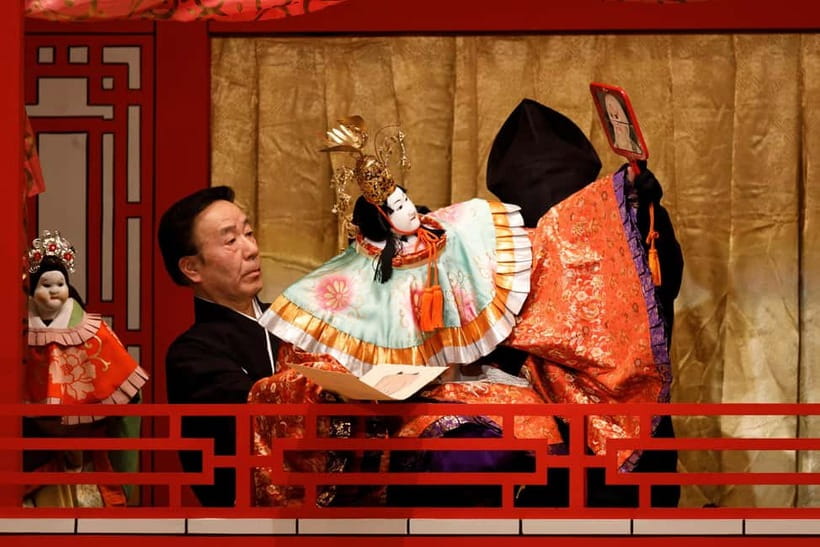
Hogaku is the concert option, centered on traditional Japanese music rather than staged drama. You receive a free English explanation sheet instead of an audio guide.
The program described here focuses on Yuki no Aikata, a long shamisen interlude from the Jiuta piece Yuki, or Snow. The melody appears in different songs and is associated with scenes of falling snow. You are encouraged to listen for the way this musical idea returns and changes across the pieces.
This is likely the best choice for someone who cares more about traditional instruments and musical structure than plot. It is also the option that gives you the least direct English help, since the explanation comes on paper. Read the sheet before the performance or during any permitted break so you know what to listen for.
Hogaku may require more patience than Kabuki or Bunraku. There is no story continually pushing the performance forward. Instead, the interest comes from the sound, repetition, and small changes in the music.
The English Audio Guide Helps, But It Is Not a Translation
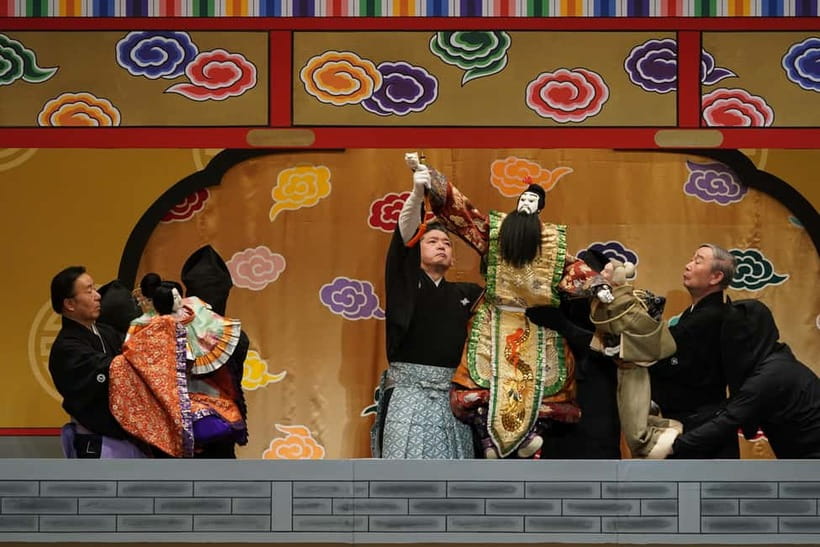
The English audio guide is one of the strongest practical features of this experience. It explains the main points, provides context, and makes a Japanese-language performance much less intimidating.
Do not expect a literal translation of every spoken line. The guide gives you an outline of the story and major actions so it does not interfere with the actors, narrator, or musicians. That means you can still hear the live performance clearly, but you will miss some details in the original language.
I would arrive early enough to listen to any introductory explanation before the show begins. One useful part of the introduction explains how Kabuki differs from Western theatre. That short orientation can make the costumes, pauses, gestures, and stage conventions easier to read.
The audio guide is available in English only. Japanese and other languages are not provided. For Hogaku, you receive an English explanation sheet instead.
A completely different kind of day in Tokyo:
- Mt Fuji and Hakone 1-Day Bus Tour Return by Bullet Train
★ 5.0 · 26,383 reviews - 1-Day Tokyo Bus Tour
★ 5.0 · 14,250 reviews - Tokyo: teamLab Planets TOKYO Digital Art Museum Entry Ticket
★ 4.6 · 9,779 reviews - Mt Fuji & Hakone Cruise, Drum Show Bullet Train 1 Day from Tokyo
★ 4.0 · 7,413 reviews
Getting to Yokohama Without a Mix-Up
For the featured Bunraku performance, the destination is KAAT Kanagawa Arts Theatre in Yokohama. The nearest stations are on the Minatomirai Line:
- Nihon-odori Station, Exit 3 or 4, about a five-minute walk
- Motomachi-Chukagai Station, Exit 1, about an eight-minute walk
The Minatomirai Line connects directly with the Tokyu Toyoko Line and the Tokyo Metro Fukutoshin Line. From Shibuya, a train bound for Motomachi-Chukagai takes about 45 minutes.
That makes this a practical add-on to a Yokohama day, especially since the theatre is in an area you can continue exploring after the performance. It is less convenient for a tightly packed Tokyo schedule. A three-hour program plus the train ride can use a large part of your day.
Do not go to the National Theatre in Hanzomon for this ticket. The venue can vary by date, and the location shown in the meeting information is the one to trust.
Tickets, Seating, and Theatre Etiquette
You exchange the booking voucher for a theatre-issued ticket at the venue entrance on the day of the performance. Staff ask for the name used for the reservation. Arrive with enough time to complete this exchange and find your seat.
The theatre assigns seating. You cannot request a particular section or seat through this booking. The available position may be perfectly good, but you should not buy this experience expecting to choose the view yourself.
Photography, video recording, and audio recording are not allowed inside. Smoking, alcohol, drugs, pets, and disruptive noise are also prohibited. Assistance dogs are allowed.
Drinks cannot be taken into the theatre. If you buy a coffee during the interval, remember that you need to return to your seat before the second part begins. A hot drink may still be too hot to finish, so plan your break rather than rushing back with it.
Wheelchair access is available, but you should contact the provider as soon as possible. Accessible seating needs to be arranged in advance.
Is $37 a Fair Price?
At about $37 per person, this is a reasonable price for a genuine theatre ticket with English support. You are paying for a professional performance, not a short demonstration arranged only for tourists.
The value depends on your interest and available time. For someone curious about Japanese theatre, the combination of a live performance and a clear English introduction can be far more useful than reading about Kabuki or Bunraku alone. You see the timing, voices, music, costumes, and gestures working together.
The value drops if your Tokyo visit is very short or if you dislike slow, formal performances. A three-hour program can feel costly in time, even if the ticket price itself is modest. You also need to pay for transportation to the theatre, which is not included.
Free cancellation up to 24 hours before the start time and a reserve-now, pay-later option make planning easier. Still, check the date, program title, venue, and length before committing. Those details shape the experience more than the headline price.
Who Should Book This Performance?
I would recommend it to you if you enjoy theatre, music, visual art, or cultural history. It is especially useful for first-time visitors who want to see a serious Japanese art form rather than a staged tourist introduction.
Bunraku suits you if the mechanics of performance fascinate you. Watching the narrator, shamisen player, and puppeteers coordinate is the main event. Kabuki is a good pick if you prefer dramatic costumes, dance, movement, and large theatrical gestures.
Hogaku is best for a listener who can enjoy traditional music without needing a clear plot. It may be less suitable if you want constant action or extensive spoken explanation.
I would think twice if your children are very young, if you have less than five days in Tokyo, or if you need a fast-paced afternoon. The performance can be lengthy, the English guide is only a summary, and some stories address serious adult themes.
Should You Book It?
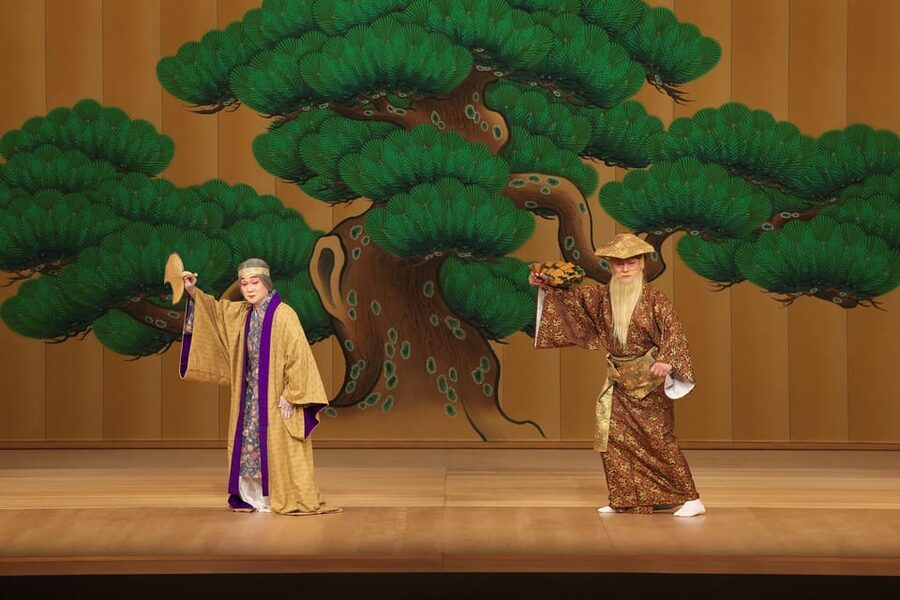
Book this if you want an authentic introduction to Japanese performing arts and are willing to give the show your full attention. The English audio support is valuable, the performers are highly trained, and the experience gives you something a standard sightseeing stop cannot.
For the Bunraku option, make Yokohama part of the plan and check the theatre address twice. For Kabuki or Hogaku, read the exact program description before you pay. If you accept the slower pace and limited translation, this $37 ticket offers a rare chance to hear and see traditional Japanese performance in its proper form.
FAQ
Where does the Bunraku performance take place?
The Bunraku performance takes place at KAAT Kanagawa Arts Theatre in Yokohama. It is not held at the National Theatre in Hanzomon.
How do I reach KAAT Kanagawa Arts Theatre?
The theatre is about a five-minute walk from Nihon-odori Station, Exit 3 or 4, or about an eight-minute walk from Motomachi-Chukagai Station, Exit 1, on the Minatomirai Line.
How long does the performance last?
The available programs last from about 75 minutes to three hours. Check the date and option before booking because the length depends on the performance.
Is English support available?
Kabuki and Bunraku include an English audio guide. Hogaku includes a free English explanation sheet. The audio guide is available in English only.
Is the audio guide a full translation?
No. It explains the main points and gives an overview of the action rather than translating every line. This allows you to hear the live performers clearly.
Can I choose my seat?
No. Seating positions are assigned by the theatre.
Can I take photographs or record the performance?
No. Photography, video recording, and audio recording are not allowed inside the theatre.
Is the experience wheelchair accessible?
Yes, wheelchair access is available. Contact the provider as soon as possible so accessible seating can be arranged.
Newly reviewed around Tokyo
- Tokyo Asakusa:Calligraphy & Make T-shirt Activity★ 5.0 · 62 reviews
- Travel Tokyo with Your Own Personal Photographer★ 5.0 · 43 reviews
- Intercity Shuttle, Tokyo to Haneda /Narita /Yokohama /Makuhari★ 5.0 · 5 reviews
- 1 Hour Travel around Tokyo with a Professional Photographer★ 5.0 · 3 reviews
- Train in Samurai Swordsmanship and Defeat the Demon in Tokyo★ 5.0 · 5 reviews
- Shuttle Van 6hr Tokyo Tour to-and-from Tokyo, Yokohama and Narita★ 5.0 · 9 reviews
- Kickboxing & Body Training with EX-Pro Fighter★ 5.0 · 4 reviews
- Traditional Japanese Knife Sharpening Class★ 5.0 · 18 reviews
Tokyo Traditional Music and Dance Shows, compared.
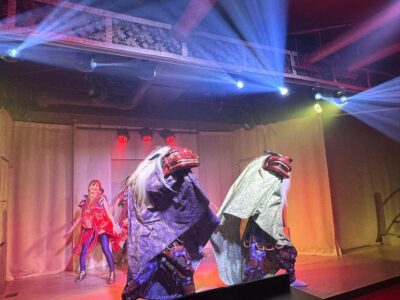
Japanese Dance Cabaret Theater Asakusa-Kaguwa Ticket
Read our review →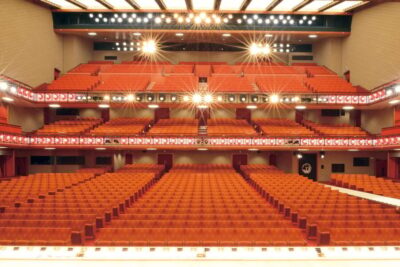
KABUKI Show at Kabukiza Theatre Admission Ticket
Read our review →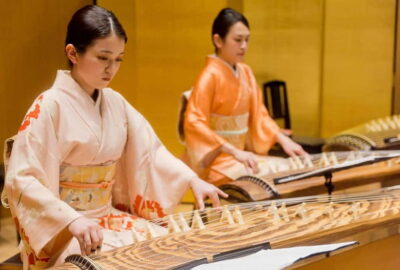
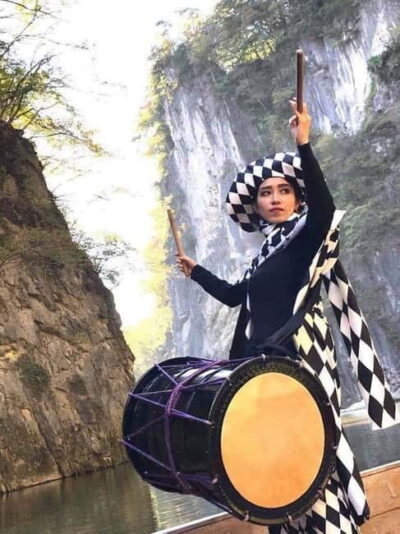
Tokyo’s Authentic and Finest Taiko Drumming Experience
Read our review →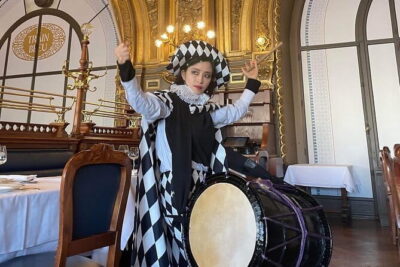
Tokyo’s Authentic and Finest Taiko Drumming Workshop
Read our review →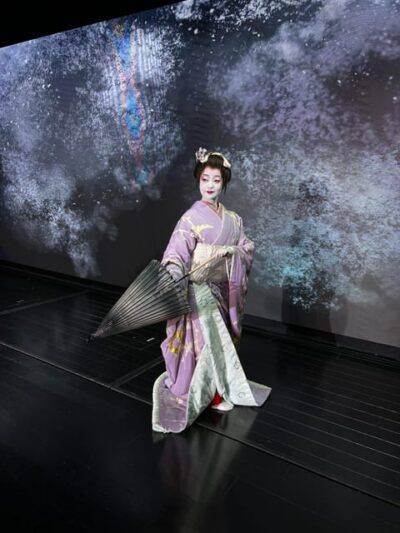
Authentic Japanese Dance Show ticket by professionals
Read our review →
Tsugaru shamisen performance over traditional dinner
Read our review →Browse the lists this tour appears in