
Reviewed · TOKYO IMPERIAL PALACE TOURS
Tokyo: Imperial Palace East Gardens and Tokyo Station Tour
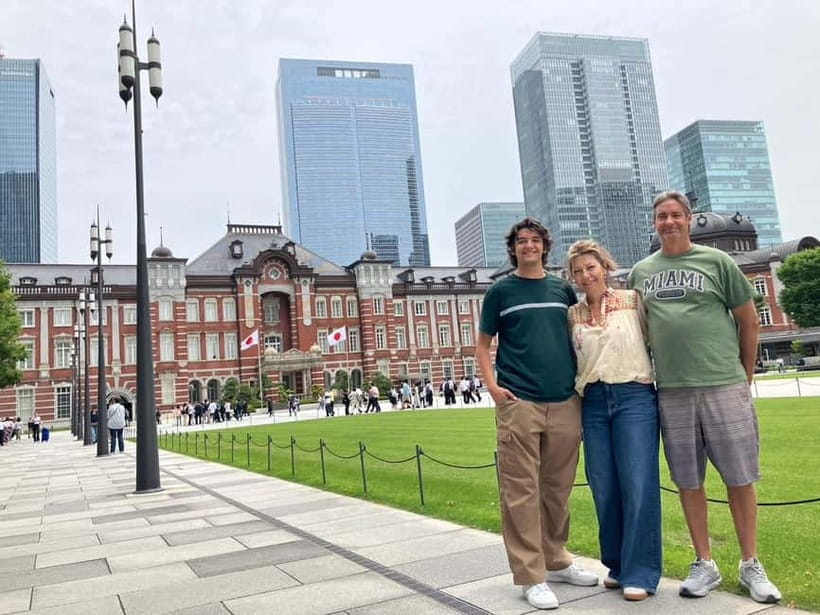
The best part of this walk is the sharp change in scenery: you begin among moats, stone walls, and Edo Castle ruins, then finish beneath the red-brick towers of Tokyo Station. Guide Yuki is especially good at turning old walls and garden paths into clear stories about samurai rule, the shogunate, and life 400 years ago.
I like the strong historical focus and the way the route links the Imperial Palace with the Marunouchi business district. I also like the compact 150-minute format, which gives you a useful introduction without eating up a full day.
The main consideration is the amount of walking. You will cover gardens, palace grounds, and city streets, so comfortable shoes, water, sunscreen, and weather-ready clothing matter. Backpacks and smoking are not allowed, and flash photography is prohibited.
Key points at a glance
- Edo Castle beneath today’s palace: See the moats, gates, guardhouses, watchtower, ruins, and a scale model of the former main keep.
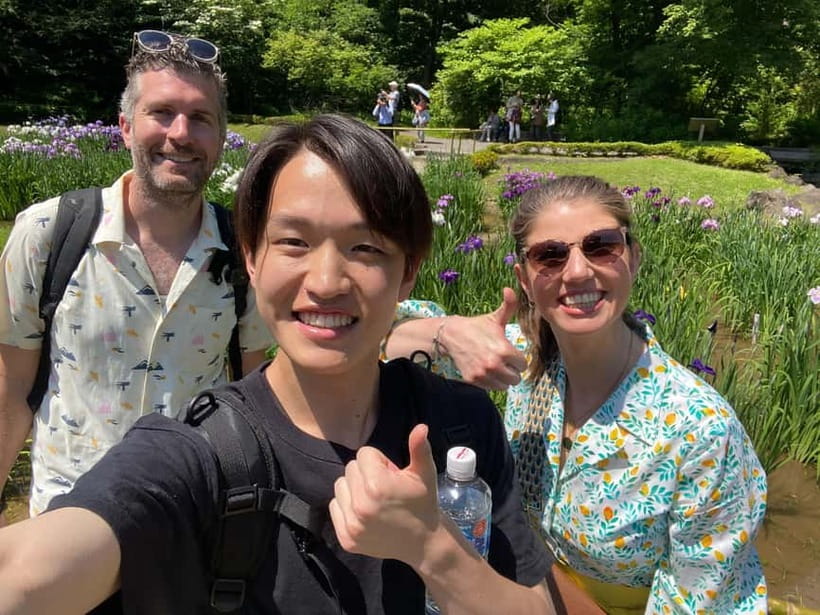
- Ninomaru Garden’s careful design: Walk through one of the East Gardens’ most attractive areas while learning how garden design reflected samurai-era values.
- A clear route from old Tokyo to new Tokyo: The walk connects imperial grounds with Marunouchi’s offices, art, architecture, and polished streets.
- Nijubashi views and Kokyo Gaien: Enjoy one of the classic exterior views associated with the Imperial Palace.
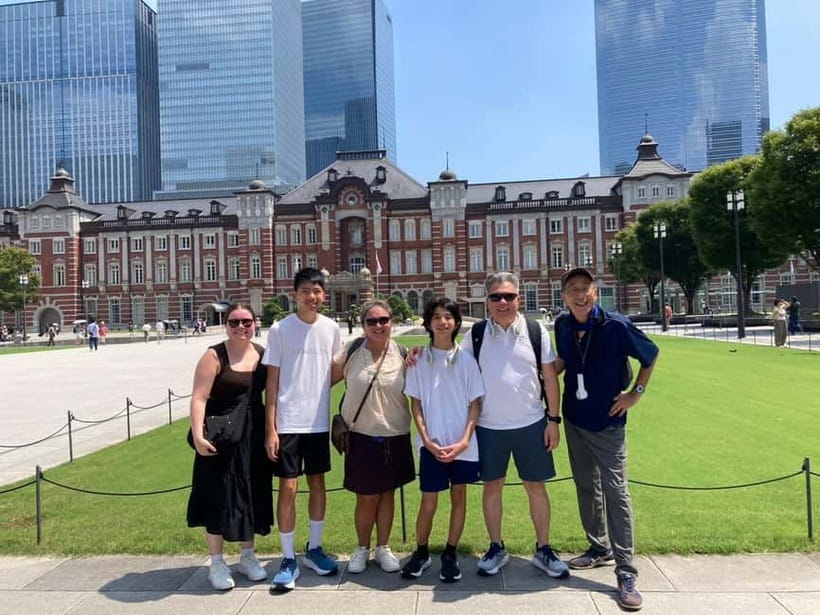
- Tokyo Station finish: End at the beautifully restored red-brick station, a fitting final chapter to the city’s transformation.
- Yuki’s story-led guiding: Her humor and plain explanations help you picture Tokyo as it was during the Edo period.
Starting beside the Imperial Palace moat
Meet at the Starbucks Coffee Imperial Palace Gaien Wadakura Fountain Park branch, written in Japanese as スターバックス コーヒー 皇居外苑 和田倉噴水公園店. This is a practical starting point near the palace grounds and the Wadakura Fountain Park area.
The meeting location also gives you a gentle introduction to the setting. Tokyo’s office towers are close by, yet the palace moats and open garden spaces quickly make the city feel less crowded. You are not starting at a museum entrance or inside a grand palace hall. This is an outdoor walk, and the first lessons come from the physical setting around you.
Your guide leads you toward the East Gardens and explains how the current Imperial Palace grounds were once part of Edo Castle. That shift in meaning is central to the tour. The same site has served different political roles over time, and the remaining walls, gates, and garden spaces help you see those changes without needing a long academic lecture.
The tour is offered with live guiding in English, Japanese, Spanish, Chinese, and French. The English option is the natural choice for most international visitors, and the guide style matters here because the site contains many names and layers of history. Yuki’s approach, based on the available guide feedback, mixes clear explanations with humor and specific images of what the castle area may have felt like hundreds of years ago.
More Imperial Palace tours in Tokyo:
- Tokyo: Imperial Palace and Shogun Historical Walking Tour
★ 5.0 · 2,251 reviews - Tokyo: Imperial Palace Japanese History Walking Tour
★ 4.9 · 987 reviews - Tokyo: Imperial Palace and Shogun Walking Tour
★ 4.9 · 935 reviews
Ote-mon Gate and the route into Edo Castle
Ote-mon Gate is one of the important early stops. Gates were not simply openings in a wall. They controlled movement into the castle complex and helped protect the shogun’s seat of power.
As you pass through the palace grounds, your guide points out features connected with the castle’s defensive system. The route includes the Hyakunin Bansho Guardhouse, where the name itself suggests the scale of security once needed here. You will also encounter moats, stonework, and the remains of the castle compound.
I like this section because it gives the garden visit some structure. Without a guide, you could easily see an attractive park and miss the fact that you are walking through a former castle center. The ruins are not presented as a complete fortress, so you need to use your imagination. That is where the guide’s storytelling earns its keep.
You also see a scale model of the Edo Castle main keep. This is a useful visual aid. The keep no longer dominates the grounds, so the model helps you understand the size and importance of the building that once rose here.
The walk includes the Honmaru area, the main compound of the former castle. You should expect a mix of open spaces, surviving structures, garden sections, and historical traces rather than a preserved palace interior. If you want rooms filled with original furnishings, this is not that kind of visit. The value comes from reading the site itself.
Ninomaru Garden and the art of a Japanese garden
Ninomaru Garden is one of the more peaceful parts of the route. Here, the focus shifts from military power to garden design. Ponds, planted areas, paths, and carefully arranged views show how a garden could serve as both a place of beauty and a setting for formal life.
Your guide explains the connection between the garden and the people who used the castle. This helps you look beyond individual plants or scenic corners. The garden was designed, maintained, and viewed within the world of the shogunate, where order and presentation mattered.
The East Gardens are especially useful for first-time visitors to the Imperial Palace area because they combine nature with visible historical remains. You get the quiet of a public garden, but you are still surrounded by the old castle’s footprint.
The official guided portion in the East Gardens lasts about 30 minutes, though the full experience runs for 150 minutes. That balance works well. You receive focused information inside the gardens, then continue through nearby palace and city areas rather than spending the whole afternoon on one patch of ground.
Plan for outdoor conditions. Bring water, a hat, sunscreen, and clothing suited to the weather. The route is wheelchair accessible, but it still involves a moderate amount of walking. If you use a wheelchair or have limited stamina, consider the length of the outing when deciding if this pace suits you.
Fujimi-yagura, moats, and the castle’s missing keep
The Fujimi-yagura watchtower is another key historical sight. A yagura was a defensive tower, and the name connects it with views of Mount Fuji. The structure gives you a sense of how the castle’s high points served both practical and symbolic purposes.
The surrounding moats and stone foundations are just as important as the tower itself. They show how the castle was arranged and protected. Your guide can connect these physical features to the political system of the Edo period, when the shogunate governed Japan from this center.
One of the strongest parts of the tour is the explanation of how the castle once worked as a living seat of power. You are not only hearing dates and names. You are learning why guardhouses, walls, towers, formal gardens, and controlled gates were placed where they were.
Still, keep your expectations realistic. Some historical details must be reconstructed from ruins, models, and verbal explanation. The experience is strongest for people who enjoy context and storytelling. If you prefer a large collection of original objects, you may want to pair this walk with a museum visit elsewhere in Tokyo.
A completely different kind of day in Tokyo:
- Mt Fuji and Hakone 1-Day Bus Tour Return by Bullet Train
★ 5.0 · 26,383 reviews - 1-Day Tokyo Bus Tour
★ 5.0 · 14,250 reviews - Tokyo: teamLab Planets TOKYO Digital Art Museum Entry Ticket
★ 4.6 · 9,779 reviews - Mt Fuji & Hakone Cruise, Drum Show Bullet Train 1 Day from Tokyo
★ 4.0 · 7,413 reviews
Nijubashi and the Imperial Palace exterior
The route also brings you toward Kokyo Gaien National Garden and views associated with Nijubashi Bridge. This is one of the most recognizable exterior scenes connected with the Imperial Palace.
The view is scenic, but it also carries political meaning. The palace remains an active imperial site, so the experience is about seeing its exterior setting rather than wandering through private or restricted buildings. Your guide helps explain that distinction and places the bridge within the wider story of Japan’s imperial institution.
I appreciate this part of the walk because it gives you a pause between the older castle grounds and the city section ahead. The open space around Kokyo Gaien lets you step back and take photographs, although flash photography is not allowed.
Do not expect a long stop at every viewpoint. This is a walking tour with a set route, and the guide needs to keep the group moving toward Marunouchi and Tokyo Station. If taking photographs is your main goal, you may want to return on your own later for more time.
Ten minutes into Marunouchi’s office district
The move from the palace area to Marunouchi takes about 10 minutes on foot. This short connection is one of the tour’s best ideas. Instead of treating old Tokyo and new Tokyo as separate sightseeing stops, the route shows how close they are.
Marunouchi is known for large office buildings, formal streets, architecture, and public art. Here, the visual language changes quickly. Palace walls and garden paths give way to glass, steel, stone, and carefully designed urban spaces.
Your guide keeps the focus on the relationship between the old and new city. Tokyo’s financial district grew beside the imperial grounds, and that physical closeness says a lot about the capital. You can look from a modern building toward a moat or palace garden and see two eras sharing one view.
This section may be less exciting if you only want traditional sights. Marunouchi is not a historic village or an old temple district. It is polished and contemporary. Yet it adds useful balance, showing that Tokyo’s identity is not limited to shrines, gardens, and wooden buildings.
The walk through Marunouchi also gives you a chance to notice public art and architectural details you might pass without a guide. The tour does not treat the district as a shopping stop. Its purpose is to explain how the business area fits into the city’s broader development.
Tokyo Station and the final red-brick view
The tour finishes at Tokyo Station, where the route’s two time periods meet. The station’s red-brick exterior and restored appearance make a strong final stop after the palace grounds.
Tokyo Station is more than a transport hub in this setting. It represents the capital’s movement into the modern era, while the Imperial Palace area represents earlier political power. Ending here gives the walk a clear shape: castle town, imperial center, business district, railway capital.
Your guide provides a guided visit focused on the station exterior. You should not expect a full railway history tour or an extended interior visit. The point is to see the building, understand its place in Tokyo, and finish near one of the city’s most useful transport centers.
This ending is practical, too. After the tour, you can continue around Marunouchi, find food, visit nearby shops, or use Tokyo Station to reach another part of the city. The finish is not in an isolated suburb or at a difficult meeting point.
What $38 means for the value
At $38 per person, this is reasonably priced for a 150-minute guided walk that combines two major Tokyo areas. The East Gardens themselves do not require an admission fee, so you are mainly paying for the guide, route planning, explanations, and the connection between the palace and station districts.
The price makes the most sense if you want historical context. You can walk through the gardens on your own for less, but you may miss the story behind the Hyakunin Bansho Guardhouse, Edo Castle ruins, Fujimi-yagura, the Honmaru area, and the scale model of the main keep.
The value is also in the route design. Many short Tokyo tours focus on one landmark. This one gives you a clear progression across 150 minutes, from feudal power to imperial symbolism to modern city life.
I would not choose it if you dislike guided pacing or prefer to stop wherever you like. A private self-guided visit allows more time for photos and quiet observation. This tour is better for building a strong first understanding of the area.
Free cancellation up to 24 hours before the start and the reserve-now, pay-later option make the $38 commitment less difficult to fit into a changing Tokyo schedule. Starting times vary, so check availability before planning the rest of your day.
Who will get the most from this walk
I recommend this experience for first-time visitors who want an organized introduction to the Imperial Palace grounds. It also suits history fans who want to understand the Edo period, the shogunate, and the layout of Edo Castle without spending several hours in a museum.
It is a good fit for cultural explorers who enjoy comparing old and new city spaces. The Marunouchi section keeps the tour from becoming only a castle-ruins walk, while Tokyo Station gives you a memorable finish.
Families may appreciate the guide’s use of humor and visual storytelling, though the moderate walking time could be tiring for young children. Anyone with limited mobility should note that the tour is wheelchair accessible, but the full route still covers gardens and city streets.
Bring comfortable shoes, water, a hat, sunscreen, a camera, and weather-appropriate clothing. Leave your backpack behind because backpacks are not allowed. Smoking is also not allowed, and flash photography is prohibited.
Should you book the Imperial Palace and Tokyo Station tour?
Book it if you want the Imperial Palace area to make sense rather than simply look attractive. The best reason to join is the bridge between history and city life: Edo Castle ruins and garden design lead naturally into Marunouchi’s architecture and Tokyo Station.
I would especially choose it if you are visiting the palace grounds for the first time or if you enjoy guides who explain places with humor and vivid historical detail. Yuki’s style, with clear stories about what Tokyo was like 400 years ago, appears well suited to this route.
Skip it if you want a slow, photography-first garden visit or a full palace interior tour. For most people interested in Tokyo’s past and present, though, the $38 fee buys a well-shaped walk, useful context, and a strong first look at one of the capital’s most important areas.
FAQ
How long does the tour last?
The tour lasts 150 minutes, or two and a half hours.
Where does the tour begin?
It begins at Starbucks Coffee Imperial Palace Gaien Wadakura Fountain Park branch, written in Japanese as スターバックス コーヒー 皇居外苑 和田倉噴水公園店.
Where does the tour finish?
The tour finishes at Tokyo Station.
Does the tour enter the Imperial Palace East Gardens?
Yes. The experience includes entry to the Imperial Palace East Gardens, and no admission fee is required.
What places are included in the route?
The route includes Ninomaru Garden, Ote-mon Gate, the Hyakunin Bansho Guardhouse, the Honmaru area, Edo Castle ruins, Fujimi-yagura, Kokyo Gaien National Garden, Marunouchi, and the exterior of Tokyo Station.
Is an English-speaking guide available?
Yes. English is one of the available live guide languages.
What other guide languages are offered?
Live guiding is also available in Japanese, Spanish, Chinese, and French.
Is the tour wheelchair accessible?
Yes, the activity is listed as wheelchair accessible. It still involves a moderate amount of walking.
What should I bring?
Bring comfortable shoes, a hat, a camera, sunscreen, water, and clothing suited to the weather.
Are backpacks allowed?
No. Backpacks are not allowed. Smoking and flash photography are also prohibited.
Can I cancel for a full refund?
Yes. You can cancel up to 24 hours in advance for a full refund.
Newly reviewed around Tokyo
- Tokyo Asakusa:Calligraphy & Make T-shirt Activity★ 5.0 · 62 reviews
- Intercity Shuttle, Tokyo to Haneda /Narita /Yokohama /Makuhari★ 5.0 · 5 reviews
- 1 Hour Travel around Tokyo with a Professional Photographer★ 5.0 · 3 reviews
- Travel Tokyo with Your Own Personal Photographer★ 5.0 · 43 reviews
- Train in Samurai Swordsmanship and Defeat the Demon in Tokyo★ 5.0 · 5 reviews
- Shuttle Van 6hr Tokyo Tour to-and-from Tokyo, Yokohama and Narita★ 5.0 · 9 reviews
- Kickboxing & Body Training with EX-Pro Fighter★ 5.0 · 4 reviews
- Tokyo History: Sensoji Temple & Asakusa District Private Tour★ 5.0 · 28 reviews
Tokyo Imperial Palace Tours, compared.

Imperial Palace and Shogun Historical Walking Tour
Read our review →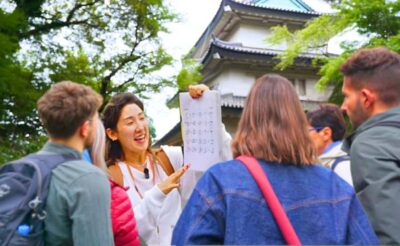
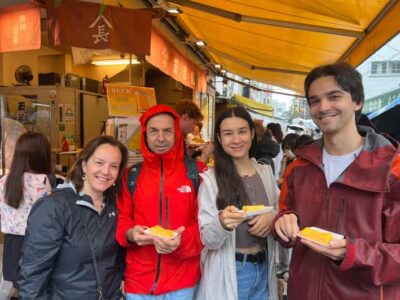
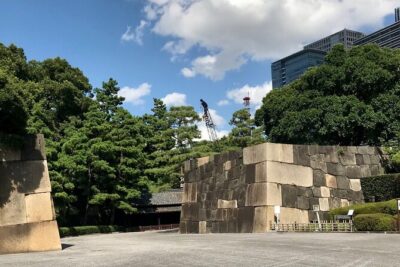
Imperial Palace East Garden and Edo Castle Walking Tour in Tokyo
Read our review →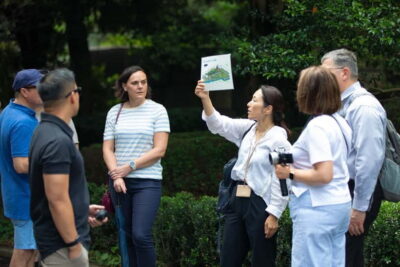
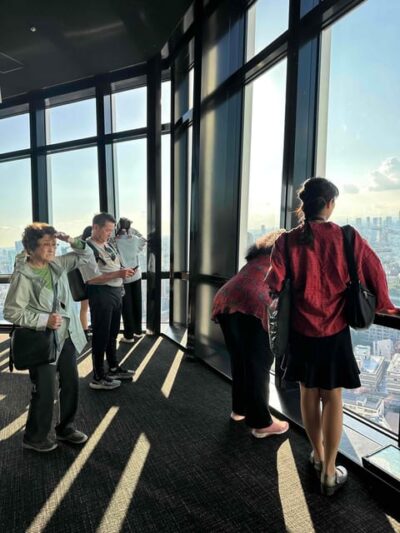
Imperial Palace, Sensō-ji Temple, & Tokyo Tower Tour
Read our review →
Tokyo Castle, Imperial Palace, Shogun & Garden Walking Tour
Read our review →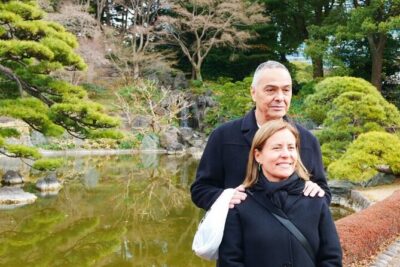
Edo Castle & East Garden of the Imperial Palace Tour
Read our review →Browse the lists this tour appears in