
Reviewed · TSUKIJI AND TOYOSU FISH MARKET TOURS
Tokyo: Explore Authentic Japanese Food Culture at Tsukiji
Tsukiji is best understood through its food, not just its famous fish. This three-hour walk takes you through the Outer Market, where seafood, snacks, prepared foods, and Japanese pantry staples fill a maze of small shops. You will taste several recommended foods, visit Tsukiji Honganji Temple, and finish at Namiyoke Shrine.
I like the small group of six or fewer, which gives you a better chance to ask questions and keep up in crowded lanes. I also like the mix of food and local tradition: you get seafood and sweets, then see the temple and shrine that help explain why Tsukiji matters. The main drawback is the fixed menu of tastings. Vegans and people with food allergies should not book, and lunch costs extra.
Key points to know before booking
- Tsukiji is more than a fish market: You will see snacks, dried foods, meat, seafood, and other everyday Japanese ingredients.
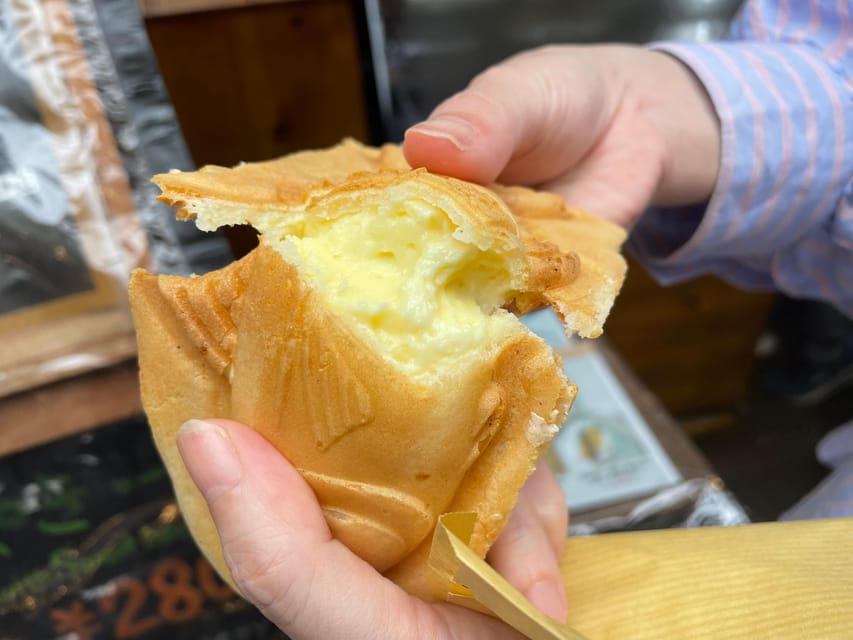
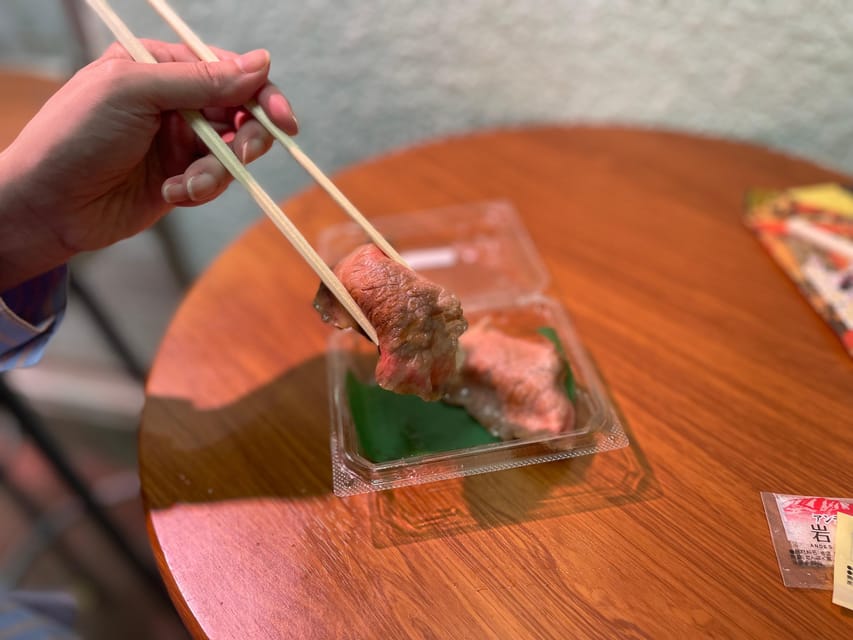
- Several tastings are included: Expect seasoned seaweed, dried fish, roast beef sushi, oysters or sashimi, and bean snacks.
- The group stays small: The maximum group size is six, a useful advantage in narrow market lanes.
- A guide helps you beat the maze: Haruka received especially strong praise for finding the best spots and explaining what you were eating.
- Lunch is your choice and your cost: After the included tastings, you can buy a preferred lunch at your own expense.
- The route includes two important religious sites: Tsukiji Honganji Temple comes early, and Namiyoke Shrine is the final stop.
Why Tsukiji works as a food tour
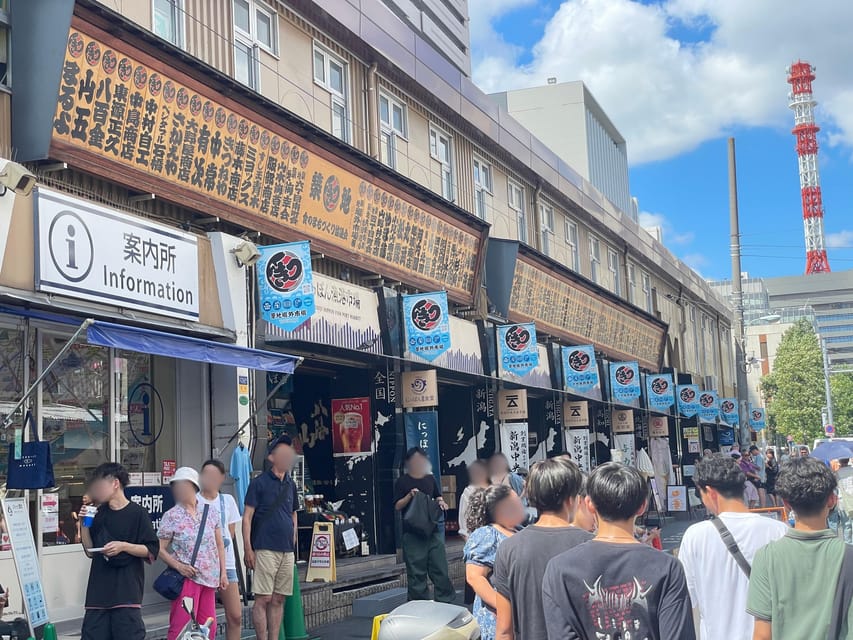
Tsukiji Outer Market is one of those Tokyo places that can feel confusing until someone gives you a clear path. The area grew beside the former wholesale market, once Tokyo’s central fish market. The wholesale operation later moved, but the Outer Market continued as a shopping and dining district.
That change matters. You are not signing up for a tour of the old wholesale facility. You are exploring the public market area that remains open to shoppers, cooks, and people looking for a quick bite. The focus is on how food is sold, prepared, and enjoyed in Japan.
I like that this tour does not reduce Tsukiji to tuna auctions and sushi counters. The included tastings cover different textures and styles. Seasoned seaweed and dried fish point to pantry food used at home. Roast beef sushi shows a more modern prepared-food choice. Oysters or sashimi bring you back to the raw seafood that made Tsukiji famous. Bean snacks add something sweet and simple.
Your guide also helps explain what to do with each food. That is useful in a market where a small shop may have no English menu and where the most interesting item may not be obvious from the display.
More Tsukiji and Toyosu fish market tours:
- Tokyo Tsukiji Fish Market Food and Culture Walking Tour
★ 5.0 · 3,184 reviews - Tokyo: Tsukiji Fish Market Food and Walking tour
★ 5.0 · 1,724 reviews - Tokyo: Tsukiji Fish Market Guided Walking Tour
★ 4.9 · 1,397 reviews
Starting at Tsukiji Honganji Temple
The meeting point is outside the main gate of Tsukiji Honganji Temple. This makes the temple more than a place to gather. It is the first stop, with about 20 minutes for a visit, photos, and a guided look around.
The temple gives you a quieter beginning before the market’s food stalls take over your attention. It also helps place Tsukiji in a wider local setting. The tour does not treat food as a separate tourist attraction. It connects the market to the religious and working community around it.
You should arrive ready to walk from the start. The meeting point is specific, but the experience does not include transportation between stops. The route proceeds on foot through the temple area and into the market.
Two hours inside Tsukiji Outer Market
Most of the experience takes place in the Outer Market. Two hours is enough time for a guided walk, several food stops, shopping, and a chance to choose lunch, though you should not expect to inspect every stall.
The market is easy to enjoy and easy to lose your way in. Small lanes lead past shops selling seafood, dried goods, prepared foods, snacks, and cooking ingredients. A guide matters here because you can spend your time tasting and learning instead of stopping at every corner to work out where you are.
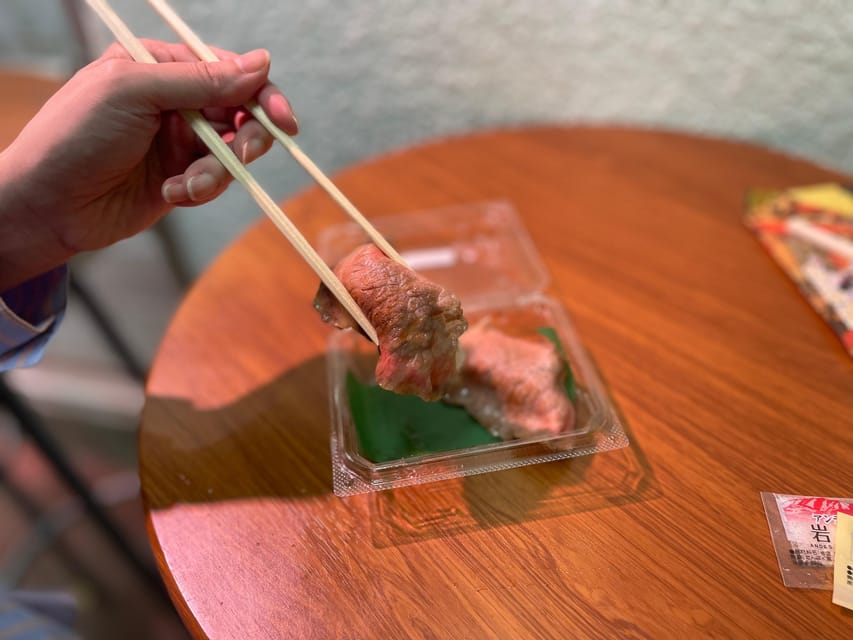
The food portion is flexible in feel, but the included snacks are specified. You can expect seasoned seaweed, dried fish, roast beef sushi, oysters or sashimi, and bean snacks. The exact seafood choice may depend on what is available, but the selection gives you a broad sample of Tsukiji rather than one large meal.
That distinction is important. This is a tasting walk, not an all-you-can-eat food tour. The samples are light meals and snacks. You should come hungry enough to enjoy them, but plan on buying lunch if you want a full meal.
Shopping is also part of the route. The tour includes guidance around recommended stores, but products you decide to buy are not covered by the $99 price. Your final spending depends on your appetite and shopping habits.
I suggest setting a simple budget before you arrive. Tsukiji makes it easy to add one more snack, one more seafood item, or a packaged food to take away. The guide can point you toward good choices, but you remain responsible for purchases at each shop.
What the tastings tell you about Japanese food
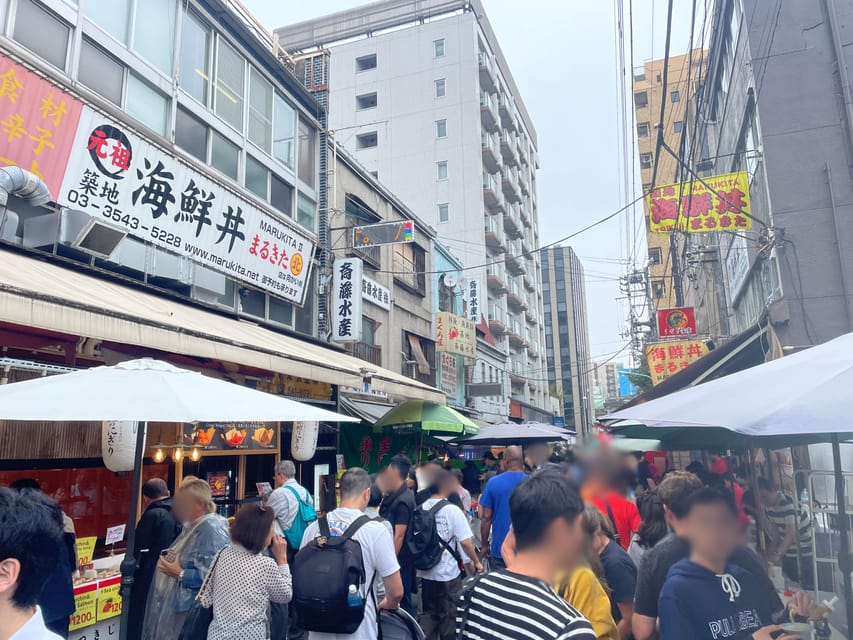
The strongest part of this experience is the variety. A food tour can feel narrow if every stop serves a different version of the same dish. Here, the tasting list moves from pantry staples to seafood and prepared food.
Seasoned seaweed is a small but useful introduction to Japanese flavor. It is light, savory, and easy to sample while walking. Dried fish offers a closer look at an ingredient often used in everyday cooking, not just restaurant dishes.
Roast beef sushi gives the tasting a different direction. It is not a traditional seafood-only stop, and that makes it useful for understanding how Japanese food culture includes both established forms and newer combinations.
Oysters or sashimi are likely to appeal most to seafood lovers. They also make clear why you should not book if you have a seafood allergy or avoid raw foods. The activity specifically warns about seafood and meat in the included snacks.
Bean snacks round out the list with a sweeter, lighter option. They help prevent the food stops from becoming all salt and seafood.
You should tell the guide about allergies before eating, but the experience is not suitable for people with food allergies. It is also not suitable for vegans, since the tastings include seafood and meat. There is no indication that a vegan substitute is offered.
More Tokyo food tours:
- Tokyo: Shinjuku Food Tour (13 Dishes at 4 Local Eateries)
★ 5.0 · 6,603 reviews - Tokyo: Shinjuku Food Tour (15 Dishes and 4 Eateries)
★ 4.9 · 2,033 reviews - Best of Shinjuku: Izakaya Food Tour (4 Stops, 14+ Tastings)
★ 5.0 · 1,863 reviews - Eat and Drink Like a Local: Tokyo Ueno Food Tour-Taverns&Ramen
★ 5.0 · 957 reviews
Choosing your own lunch
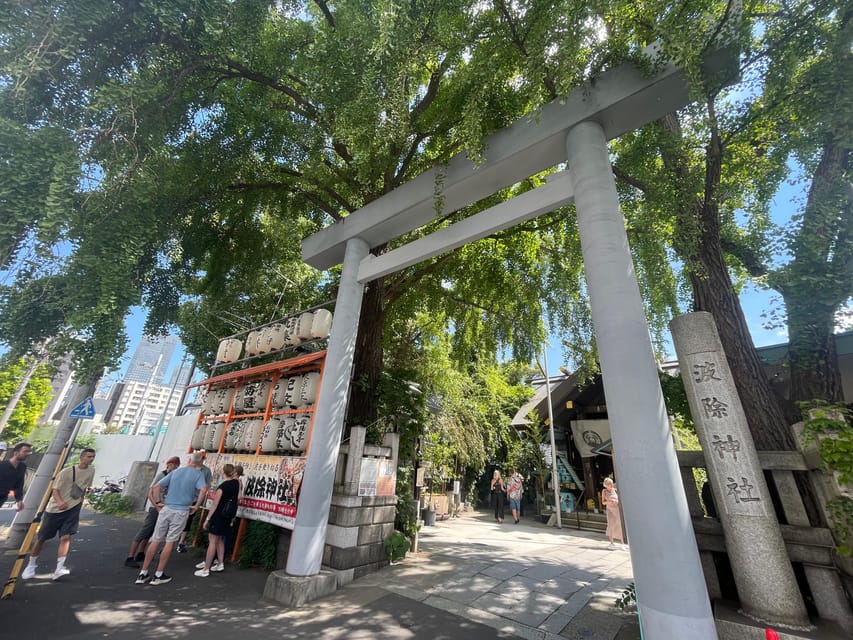
The tour lets you purchase a preferred lunch after the included snacks, then eat it with the food already bought during the route. Lunch is not included in the $99 price.
I see this as a useful arrangement. People in a small group rarely want exactly the same meal, and Tsukiji offers enough choice to let you decide. You might prefer more seafood, another prepared dish, or something lighter after the tastings. The guide can help you navigate the choices, but your lunch purchase remains separate.
The tradeoff is that the final cost is not fixed. The tour fee covers the guide and listed snacks, but not lunch or additional shopping. If you want to keep spending low, treat the included tastings as the main food portion and choose lunch carefully.
Why a small group changes the experience
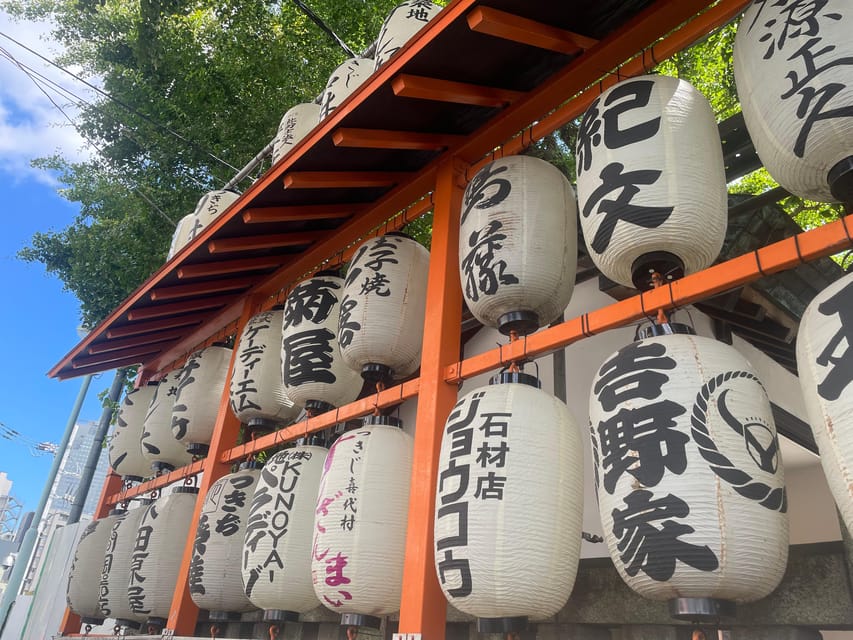
The maximum group size is six participants. That is a strong feature for this particular route.
Market lanes can be tight, and a large group would be harder to keep together. With fewer people, the guide can give clearer instructions at food stops and answer individual questions without turning every stop into a lecture.
One guide named in the feedback was Haruka. Her strongest quality was knowing how to move through Tsukiji’s maze and select good food stops. You should not assume Haruka will lead every departure, but her mention gives you a useful picture of the kind of guidance this tour aims to provide.
The small group also makes the tour feel more personal than simply following a printed food map. You can ask what an ingredient is, how a snack is normally eaten, or which item might suit your preferences. That help is especially valuable if this is your first Japanese market visit.
Namiyoke Shrine and the meaning of the final stop
The route finishes at Namiyoke Shrine, also called Tsukiji Namiyoke Shrine. The shrine supports the workers of Tsukiji, making it a fitting final stop after you have seen the market as a place of work, trade, and food preparation.
The shrine adds context that you would miss if you only came for snacks. Tsukiji is not just a backdrop for photos. It is connected to the people who handle, sell, prepare, and depend on food every day.
Because the tour ends at the shrine, think about what you want to do next before booking. The meeting point is at Tsukiji Honganji Temple, but the finish is at Namiyoke Shrine. The supplied details do not give a return transfer or a specific nearby station, so plan your onward arrangements separately.
Is $99 a fair price?
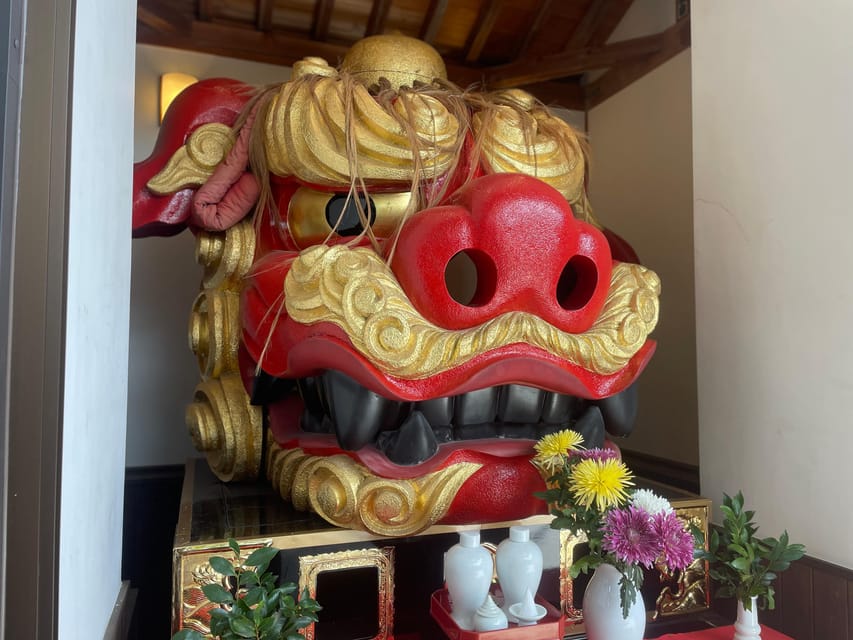
At $99 per person, this is not the cheapest way to wander through Tsukiji. You could visit the market on your own and pay only for the food you choose.
The value comes from the guided structure. Your fee includes an English-speaking guide, the listed tastings, a small group, the temple visit, and the shrine visit. It also saves you from guessing which stores to try in an area that can be hard to read at first glance.
I think the price makes more sense for a first visit than for a repeat visitor who already knows Tsukiji. If you are confident ordering food, finding the market’s main lanes, and choosing shops without help, a self-guided visit may cost less. If you want a clear introduction and several tastings without having to plan every stop, the fee is easier to justify.
Remember that lunch and shopping are extra. Your actual spending will be higher than the tour price if you buy a full lunch or take food home.
Timing, walking, and practical limits
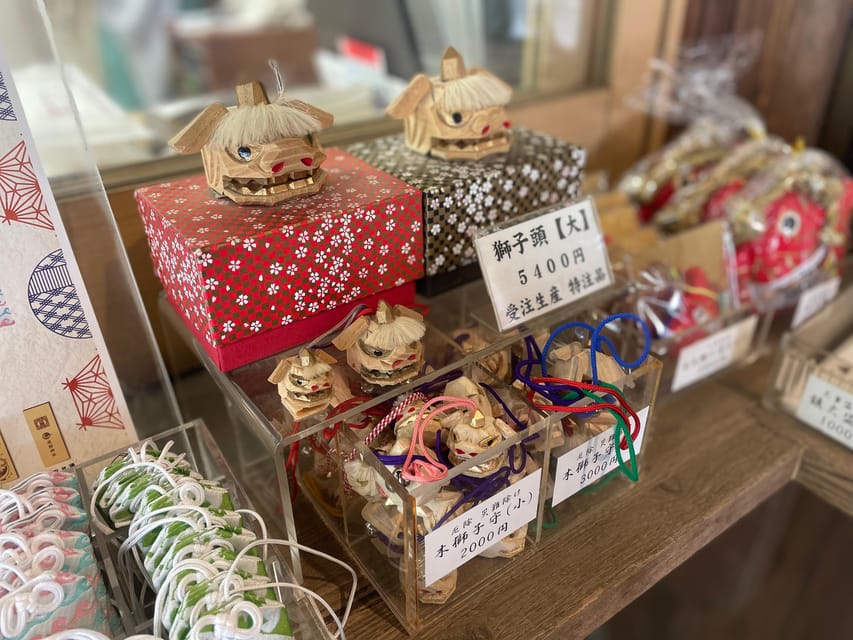
The experience lasts three hours, with availability depending on the selected starting time. The exact start time matters in a food market, so check the available departure before planning other Tokyo activities.
You will walk through the temple and market areas, stop at shops, eat small portions, and browse. The activity is not wheelchair accessible. The narrow market setting and walking-based route make that restriction important, not a minor footnote.
Wear comfortable shoes and keep your belongings manageable. The tour details do not specify a dress code or transport arrangements, but the route itself is clearly built around walking between nearby stops.
Food allergies need serious attention. Included snacks can contain seafood and meat, and the activity is not suitable for people with food allergies or vegans. If you have dietary limits, this is not the place to hope that substitutions will appear.
The tour offers free cancellation up to 24 hours before the start, with a full refund, and you can reserve now while paying later. Those terms give you some flexibility, but you still need to check the starting time and your food requirements before committing.
Who should book this Tsukiji experience?
You should book if you want an easy introduction to Tsukiji and prefer to taste several foods with a guide rather than plan your own route. It is especially suited to first-time visitors, seafood fans, and anyone who wants both market culture and a little local religious context.
The tour also fits people who like small groups. A maximum of six keeps the walk manageable and gives you a better chance to ask questions.
You should skip it if you are vegan, have food allergies, use a wheelchair, or want a full lunch included in the tour price. You may also prefer to explore independently if you already know Tsukiji and want complete control over where and what you eat.
For most eligible visitors, the best reason to book is not simply the food. It is the combination of a guide, a manageable group, several tastings, and a route that shows Tsukiji as both a market and a working community. If that sounds like the kind of Tokyo morning you want, $99 can be a sensible use of three hours.
FAQ
How long does the Tsukiji food tour last?
The tour lasts three hours.
What is the tour price?
The price is $99 per person.
What food is included?
Included snacks are seasoned seaweed, dried fish, roast beef sushi, oysters or sashimi, and bean snacks.
Is lunch included?
No. You can purchase your preferred lunch during the tour, but the lunch fee is separate.
Is the tour conducted in English?
Yes. An English-speaking live guide leads the experience.
How many people are in the group?
The group is limited to six participants.
Where does the tour meet?
Meet outside the main gate of Tsukiji Honganji Temple at 3-chōme-15-1 Tsukiji.
Where does the tour finish?
The tour finishes at Namiyoke Shrine, written in the supplied details as 波除神社.
Is the activity wheelchair accessible?
No. The activity is not suitable for wheelchair users.
Can vegans or people with food allergies join?
No. The activity is not suitable for vegans or people with food allergies because the included snacks contain seafood and meat.
Newly reviewed around Tokyo
- Tokyo Asakusa:Calligraphy & Make T-shirt Activity★ 5.0 · 62 reviews
- Intercity Shuttle, Tokyo to Haneda /Narita /Yokohama /Makuhari★ 5.0 · 5 reviews
- 1 Hour Travel around Tokyo with a Professional Photographer★ 5.0 · 3 reviews
- Travel Tokyo with Your Own Personal Photographer★ 5.0 · 43 reviews
- Kickboxing & Body Training with EX-Pro Fighter★ 5.0 · 4 reviews
- Train in Samurai Swordsmanship and Defeat the Demon in Tokyo★ 5.0 · 5 reviews
- Shuttle Van 6hr Tokyo Tour to-and-from Tokyo, Yokohama and Narita★ 5.0 · 9 reviews
- Traditional Japanese Knife Sharpening Class★ 5.0 · 18 reviews
Tsukiji and Toyosu Fish Market Tours, compared.
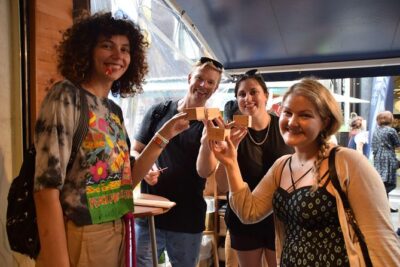
Tokyo Tsukiji Fish Market Food and Culture Walking Tour
Read our review →
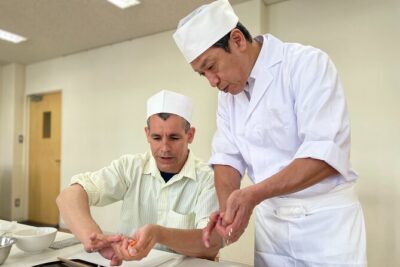
Tokyo Sushi Making Class in Tsukiji with Professional Chef
Read our review →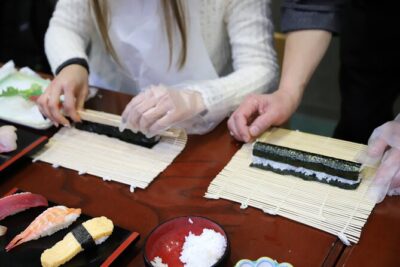
Tsukiji Fish Market Guided Tour and Sushi Making with Pro Chef
Read our review →Tsukiji Fish Market Food and Culture Walking Tour
Read our review →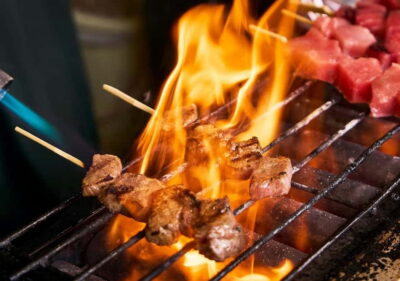
Tsukiji Fish Market: Street Food & Culture Walking Tour
Read our review →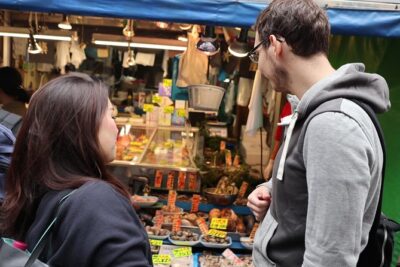
Tsukiji Fish Market Small-Group Food Walking Tour
Read our review →Browse the lists this tour appears in