
Reviewed · TOKYO SAKE TASTINGS
Tokyo: 7 Kinds of Sake Tasting with Japanese Food Pairings
Seven glasses tell the story here, moving from sparkling and sweet styles to savory sake and dessert sake. You get more than a drink sampler: an English-speaking sake instructor explains how rice, brewing, and tradition shape what is in your glass, then pairs each pour with a bite of food.
I like two things especially. First, the seven pairings give you a practical way to understand sake instead of judging every sample on its own. Second, the setting is small, with no more than 10 people, so you can ask questions and get a personal explanation. The main drawback is the meeting point, which can be hard to spot inside a building opposite Tokyo Tower.
Key points
- Seven distinct sake samples: Taste a broad range, including sparkling, sweet, savory, and dessert-style sake.
- Seven matching food bites: Pairings include Japanese and Western dishes, with some food prepared hot in front of you.
- English instruction: A nationally accredited sake instructor explains production, styles, serving, and cultural meaning.
- Small group format: The class is limited to 10 people and may feel almost private when attendance is light.
- Tokyo Tower location: Meet at the main entrance of Kikai Shinko Kaikan, but allow extra time to find the building and room.
- A short, focused session: The 75-minute length fits neatly into a Tokyo day and costs $106 per person.
Seven sake styles in 75 minutes
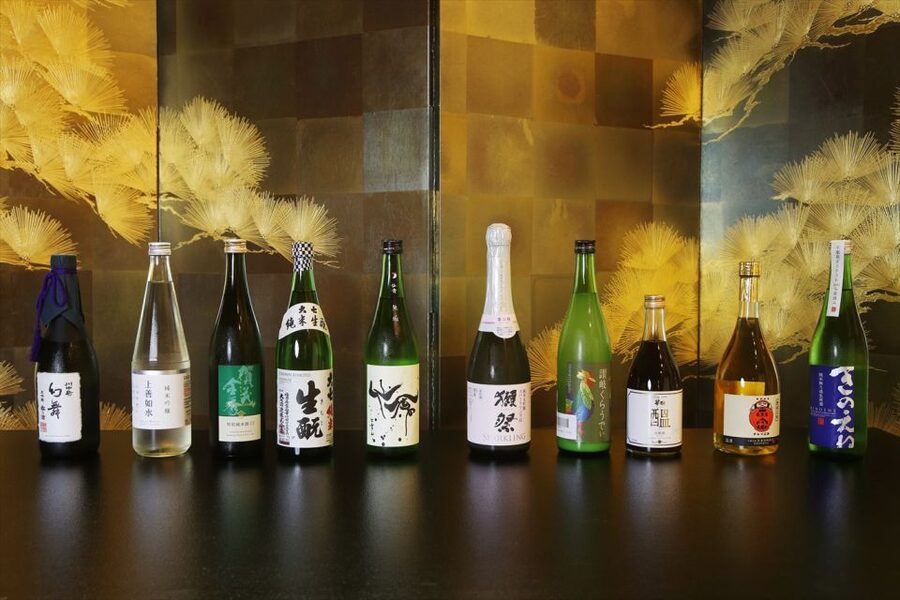
This is a compact tasting, not a long meal or a visit to a brewery. In 75 minutes, your instructor guides you through seven sake samples and seven food pairings, giving each glass a job in the lesson.
The collection covers a useful range. You may begin with sparkling sake, then move through sweeter and more savory examples before finishing with a dessert-style pour. The point is not to crown one bottle as the winner. It is to show how different sake can taste and how food changes your impression of it.
That range makes the activity useful for beginners. If you have only tried one warm sake at a Japanese restaurant, you will quickly see why that experience does not represent the whole category. Sake can be light, sweet, fragrant, crisp, or full-bodied, and the tasting gives you a controlled way to compare those differences.
The session also helps if you already enjoy sake but do not know what to order in Japan. You can pay attention to the styles you prefer, then use that vocabulary in a shop or restaurant later.
More Tokyo sake tastings:
- Ramen and Sushi Cooking Class with Sake Pairing Set in Tokyo
★ 5.0 · 291 reviews - Sake Tasting Masterclass in Shinjuku (8+ Varieties with a Pro)
★ 5.0 · 271 reviews - Sake Omakase in Tokyo: Guided Tasting by Certified Sommeliers
★ 5.0 · 239 reviews
The opening lesson: rice, brewing, and tradition
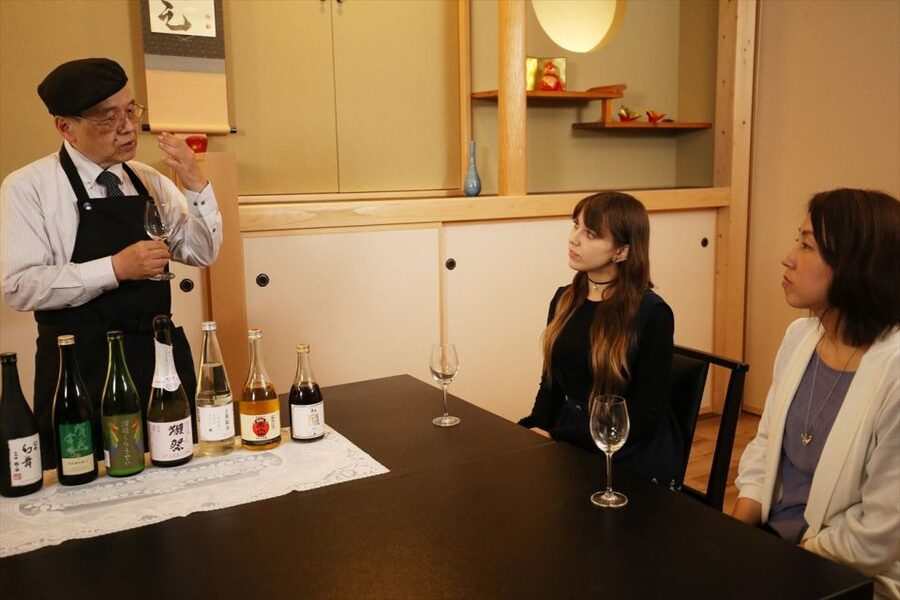
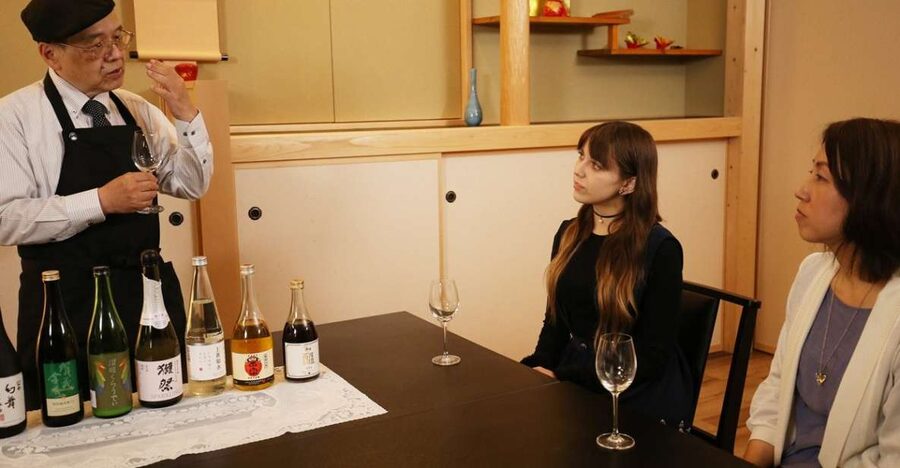
Your instructor begins with the role sake has played in Japanese culture for more than 1,000 years. It is tied to religion and tradition as well as dining, so the introduction adds cultural context without turning the session into a formal lecture.
You learn how sake is made and how the production process affects the final drink. The exact depth of the explanation can depend on your group and instructor, but the session is designed around tasting, so the information stays connected to what you are drinking.
That connection matters. Instead of hearing a list of brewing terms and forgetting them, you can compare a sample immediately after learning about its style. A good instructor might point out why one sake feels sweeter, why another works better with savory food, or why a dessert-style sample belongs at the end.
The activity is conducted in English. Instructors have included Tanaka-san and Taka-san, and the experience is led by a nationally accredited sake instructor. Some sessions may be handled by a training sake sommelier, so the exact guide can vary, but the format remains focused on clear explanation and questions.
Food pairings that make the tasting practical
Each of the seven sake samples comes with a food pairing. That is one of the strongest reasons to choose this activity instead of a simple bar tasting.
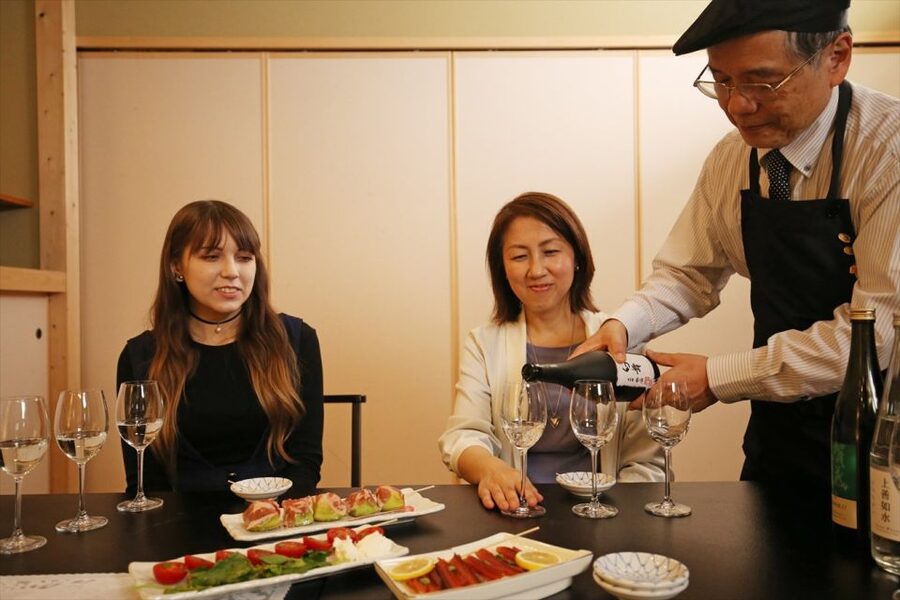
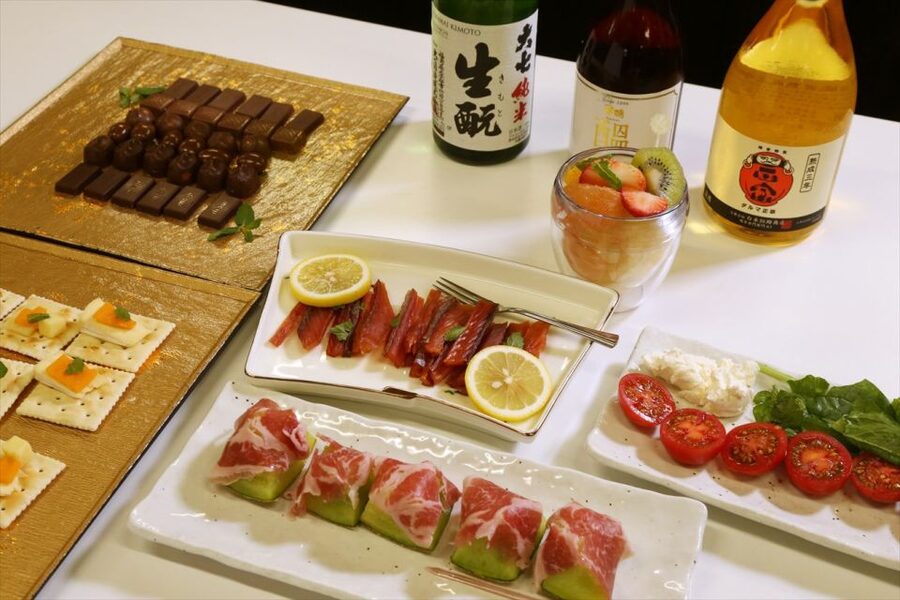
The food can include Japanese cheese, crudités, duck, and other Japanese and Western dishes. Some bites are prepared in front of you and served hot, giving the session a little cooking-class character. The food is not just decoration on the plate. It gives you a way to test how acidity, sweetness, salt, fat, and texture affect sake.
For example, a savory bite may make a sweeter sake seem more balanced. A richer food can show why a particular pour works better with a meal than by itself. You do not need a trained palate to notice these changes. The instructor guides you toward the comparison, and the small portions keep the focus on tasting rather than filling up.
Expect seven tasting portions and seven matching bites, not a full lunch. The food is well prepared and substantial enough to support the alcohol, but you should choose this for education and pairing rather than for a large meal.
I also like the Japanese and Western mix. It shows that sake is not limited to traditional Japanese menus. You can think about how to pair it with different foods at home, which gives the activity value beyond your Tokyo stay.
Why the small group matters
The maximum group size is 10. That is large enough to create a little conversation, but small enough for the instructor to keep the tasting moving and answer questions.
Attendance may be much lighter. Some sessions have had only two people, creating an almost private lesson. You should not book on the assumption that the class will be private, but the limited capacity gives you a better chance of personal attention than a large sightseeing tour.
That matters during a tasting because your questions may be specific. You might want to know how to identify a sweet style, how sake is served, or which kinds of bottles to seek out in Japan. A small group makes those questions easier to ask.
The tone also sounds friendly rather than stiff. The instructors are described as welcoming, attentive, and good-humored. For me, that is important in a food and drink class. You should feel comfortable admitting that you cannot detect a flavor or that one style is not for you.
A completely different kind of day in Tokyo:
- Mt Fuji and Hakone 1-Day Bus Tour Return by Bullet Train
★ 5.0 · 26,383 reviews - 1-Day Tokyo Bus Tour
★ 5.0 · 14,250 reviews - Tokyo: teamLab Planets TOKYO Digital Art Museum Entry Ticket
★ 4.6 · 9,779 reviews - Mt Fuji & Hakone Cruise, Drum Show Bullet Train 1 Day from Tokyo
★ 4.0 · 7,413 reviews
Meeting near Tokyo Tower
The meeting point is at the main entrance of the Kikai Shinko Kaikan building on the first floor. The building is directly opposite Tokyo Tower, which gives you a useful landmark, but the entrance and interior may not be obvious.
The actual teaching space is in a basement room used for cooking classes and demonstrations. If you cannot find your instructor, go to True Japan Tour in Room B109 on the B1 floor.
Allow extra time before the start. Several people have had trouble locating the building or room, and one practical improvement would be a clearer meeting point outside. The most useful plan is simple: find Tokyo Tower first, identify Kikai Shinko Kaikan, and check the instructions before you arrive.
Do not expect a scenic restaurant or a polished sake bar. This is an office-building cooking and teaching space. That may sound plain, but it suits the purpose. You are there to taste, learn, and ask questions, not to pay for an elaborate dining room.
Is $106 a fair price?
At $106 per person, this is not a cheap drink stop. You are paying roughly $15 per sake sample before assigning any value to the food, instruction, and cultural explanation.
I think the price can make sense if you are new to sake or want a structured introduction. Seven samples would cost money on their own in a Tokyo bar, and ordering randomly would not give you the same comparison or expert guidance. The seven food pairings also turn the tasting into a short food experience rather than a series of isolated sips.
The value is weaker if you already know your preferred sake styles and only want a quick drink. You could spend less at a restaurant or bar, but you would lose the teaching and the planned range.
The 75-minute length helps justify the cost for a busy itinerary. It is long enough to cover seven styles, but short enough to fit before dinner, after sightseeing around Tokyo Tower, or between other plans in Minato City. Hotel pickup and drop-off are not included, so your price covers the tasting itself rather than a full transport package.
Who will enjoy this tasting most
I would recommend it to adults who want a useful introduction to sake without committing to a full day of food study. It works particularly well for:
- First-time sake drinkers who want to understand the range
- Food lovers interested in pairing rather than drinking alone
- Visitors who want a cultural activity near Tokyo Tower
- Couples or small groups who prefer conversation and personal attention
- People who want English instruction and a short scheduled activity
You must be at least 20 years old. This is an alcohol tasting, so it is not suitable for anyone under that age.
The activity is also wheelchair accessible. Since the meeting point and teaching room are in a building, you may want to confirm the exact route when booking if you have detailed mobility needs, but the experience is listed as accessible.
The best way to prepare
Read the meeting instructions carefully and arrive early. The building is opposite Tokyo Tower, but do not assume you will see an obvious sake sign at street level.
Come ready to taste rather than to drink large amounts. Seven samples can add up, even when each portion is small, and the food pairings are there to help you compare flavors. If you have questions about sake names, sweetness, serving temperature, or bottles to buy, ask during the lesson while the examples are in front of you.
You may also want to keep notes on the styles you prefer. The session moves quickly, and the final dessert sake may leave you remembering the novelty rather than the sample that best suited your taste.
The activity is offered in English, which makes the production and cultural explanations easier to follow if you do not speak Japanese. The guide can also explain how each pairing changes the drink, a detail that is harder to understand from a menu alone.
Should you book this sake experience?
Book it if you want a guided introduction, seven contrasting pours, and food matched to each one. The small group format, friendly instruction, and practical pairings are the strongest reasons to choose it, and the 75-minute schedule fits well into a Tokyo sightseeing day.
Think twice if you are mainly looking for a cheap drink, a full meal, or a brewery visit. This is a classroom-style tasting in a modest building, and finding the meeting point can take patience.
For most adults curious about Japanese food and drink, I think the experience earns its price. You leave with a clearer idea of what you like, why sake tastes different from bottle to bottle, and how it fits into Japanese culture. Just plan your arrival carefully and use Tokyo Tower as your first landmark.
FAQ
How many sake samples are included?
The experience includes seven different sake samples.
How many food pairings are included?
You receive seven food pairings, with Japanese and Western dishes included in the tasting.
What types of sake will I taste?
The selection ranges from sparkling to sweet and savory styles, and ends with a sample of dessert-style sake.
Is the instruction provided in English?
Yes. The instructor speaks English, and the session includes explanations about sake production, varieties, and cultural importance.
Who leads the tasting?
The session is led by a nationally accredited sake instructor. Guides have included Tanaka-san and Taka-san, although the exact instructor can vary.
How long does the activity last?
The tasting lasts 75 minutes.
Where is the meeting point?
Meet at the main entrance of the Kikai Shinko Kaikan building on the first floor, opposite Tokyo Tower in Tokyo’s Minato City.
What should I do if I cannot find the instructor?
Go to True Japan Tour in Room B109 on the B1 floor of the building.
Is the activity suitable for people under 20?
No. The activity is not suitable for people under 20 years old.
Is the tasting wheelchair accessible?
Yes, the activity is listed as wheelchair accessible.
More Tokyo food tours
- Tokyo: Shinjuku Food Tour (13 Dishes at 4 Local Eateries)
★ 5.0 · 6,603 reviews - Tokyo Tsukiji Fish Market Food and Culture Walking Tour
★ 5.0 · 3,184 reviews - Tokyo: Shinjuku Food Tour (15 Dishes and 4 Eateries)
★ 4.9 · 2,033 reviews - Tokyo: Tsukiji Fish Market Food and Walking tour
★ 5.0 · 1,724 reviews
More Tokyo drink tastings and bars
- Tokyo Bar Hopping Tour in Shinjuku (All-You-Can-Drink + Dinner)
★ 5.0 · 3,587 reviews - Best of Shinjuku: Izakaya Food Tour (4 Stops, 14+ Tastings)
★ 5.0 · 1,863 reviews - Tokyo: Shinjuku Local Bar and Izakaya Guided Walking Tour
★ 4.9 · 1,794 reviews - Shibuya Meltdown Nightlife Tour: All-You-Can-Drink Bar Hopping
★ 5.0 · 1,058 reviews
Newly reviewed around Tokyo
- Tokyo Asakusa:Calligraphy & Make T-shirt Activity★ 5.0 · 62 reviews
- Intercity Shuttle, Tokyo to Haneda /Narita /Yokohama /Makuhari★ 5.0 · 5 reviews
- 1 Hour Travel around Tokyo with a Professional Photographer★ 5.0 · 3 reviews
- Travel Tokyo with Your Own Personal Photographer★ 5.0 · 43 reviews
- Train in Samurai Swordsmanship and Defeat the Demon in Tokyo★ 5.0 · 5 reviews
- Shuttle Van 6hr Tokyo Tour to-and-from Tokyo, Yokohama and Narita★ 5.0 · 9 reviews
- Kickboxing & Body Training with EX-Pro Fighter★ 5.0 · 4 reviews
- Traditional Japanese Knife Sharpening Class★ 5.0 · 18 reviews
Tokyo Sake Tastings, compared.
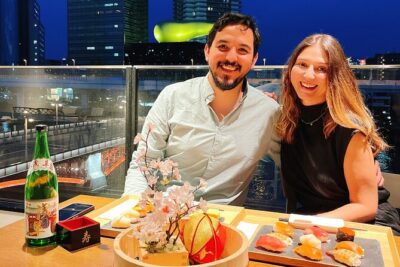
Ramen and Sushi Cooking Class with Sake Pairing Set in Tokyo
Read our review →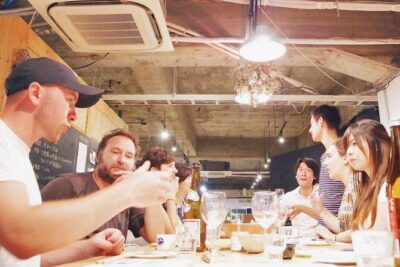
Sake Tasting Masterclass in Shinjuku (8+ Varieties with a Pro)
Read our review →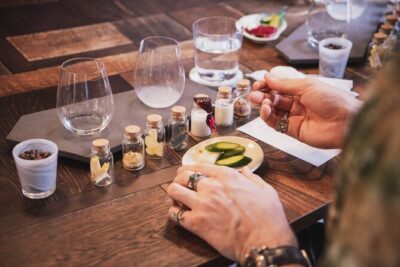
Sake Omakase in Tokyo: Guided Tasting by Certified Sommeliers
Read our review →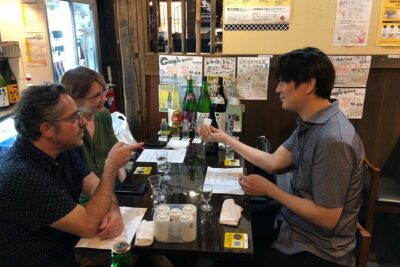
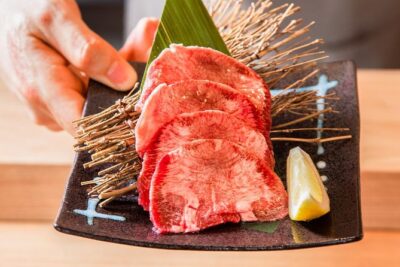
Wagyu & Sake Pairing in Shinjuku – Steak, Shabu-Shabu & More
Read our review →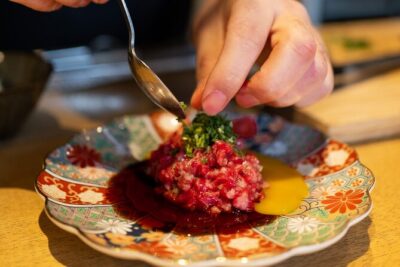
Tokyo Wagyu & Sake Pairing Tasting Experience with Local Flavors
Read our review →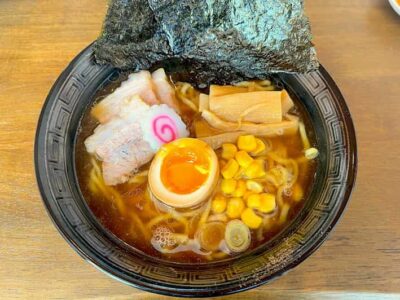
Sushi and Ramen Cooking Class with Sake Pairing Set
Read our review →
Tsukiji: Outer Market Walking Tour & Sake Tasting Experience
Read our review →Browse the lists this tour appears in