
Reviewed · TOKYO SUMO EXPERIENCES
Tokyo: Sumo Morning Practice with Photo Banzuke and Guide
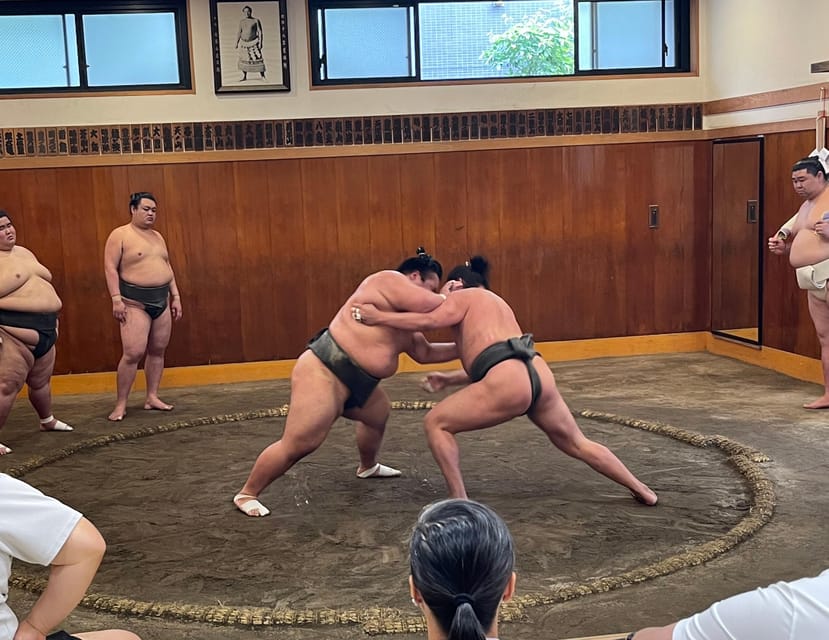
Sumo practice is not a polished stage show. It is a working morning session, with enormous wrestlers training at close range in a traditional stable. You sit in chairs, watch the drills, and see a sport with no weight classes, where technique and timing matter as much as size. I especially like the genuine access and the short lesson afterward, which helps you understand what you are seeing.
I also like the small group of no more than nine people and the stable’s convenient location, about 14 minutes from Otemachi and Tokyo Station. The main caution is time: the experience is advertised as seven hours, and one visitor found it longer than expected. Arrive early, and do not book it on a day when you need to hurry across Tokyo.
Key points to know before booking
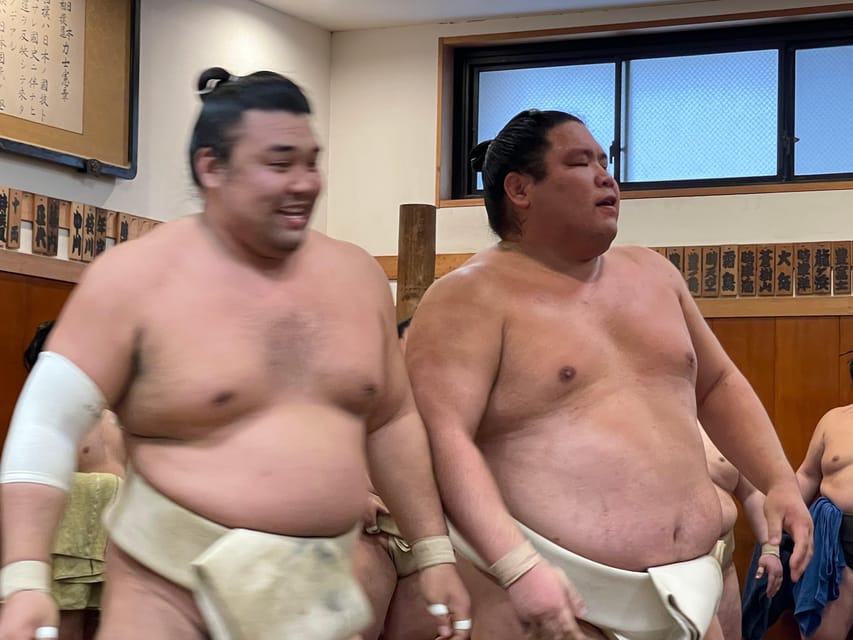
- Watch real morning training: This is practice inside a sumo stable, not a staged demonstration or tournament.
- Sit in chairs: You do not need to sit on the floor during the observation session.
- Learn the rules afterward: The guide explains basic sumo traditions and how the sport works.
- Small group format: The group is limited to nine people, which helps with sightlines and questions.
- Plan around the full seven hours: The day includes guided time, walking, a photo stop, and the practice session.
- Meet at Exit B1: Find the Kiyosumi-Shirakawa Station exit near the FamilyMart convenience store and arrive before the stated meeting time.
Why a practice session tells you more than a tournament
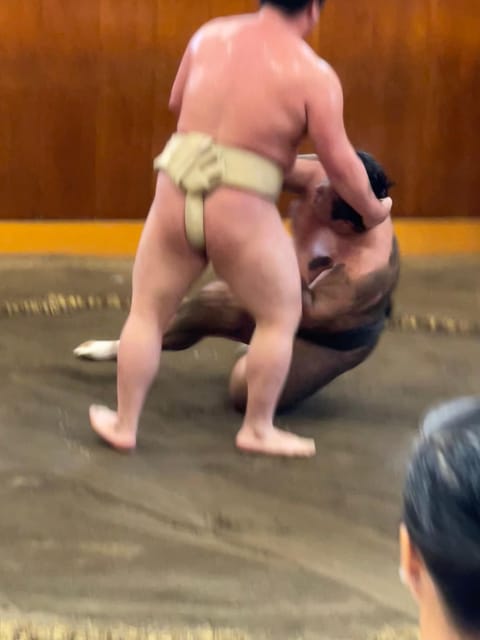
Tokyo’s official sumo tournaments take place for only 90 days each year. That makes a morning practice session a useful option if your visit does not match the tournament calendar, or if tickets to the big arena are unavailable.
A tournament gives you formal bouts, a packed schedule, and the pageantry of competition. Practice gives you something different. You see the work behind the spectacle: repeated movements, physical preparation, and wrestlers testing their strength before the next major match. The setting is smaller and less theatrical, but that is part of the appeal.
The sport has no weight class. A smaller wrestler can face a much larger opponent, so the action is not simply a contest between two heavy bodies. Your guide’s explanation matters here. Without some context, you may see stomping, pushing, and sudden charges without knowing what each part means. The short presentation after practice helps turn an impressive sight into something you can follow.
The experience has earned a 4.9 rating from 34 bookings, with repeated praise for the guide’s friendly explanations and the chance to get close to the wrestlers. The most useful takeaway for you is simple: this works best if you want a real look at sumo as a daily discipline, not just a photo opportunity.
More Tokyo sumo experiences:
- Tokyo: Sumo Show and Dining Experience
★ 4.8 · 2,742 reviews - the SUMO show
★ 5.0 · 1,960 reviews - Tokyo Shinjuku Sumo Show & Experience with Photo
★ 5.0 · 1,750 reviews
Meeting at Kiyosumi-Shirakawa Station
The meeting point is Exit B1 of Kiyosumi-Shirakawa Station, near a FamilyMart convenience store. The meeting instructions are designed to work for people arriving by train, taxi, or another form of transport, but punctuality matters.
I would leave extra time to find the correct exit. One person specifically wanted clearer directions about waiting in front of the FamilyMart, so do not rely on a quick glance at a station map. Locate Exit B1 in advance and check the position of the convenience store before you set out.
This is a group tour, and the guide cannot hold the entire schedule for one late arrival. If you are running behind, contact the operator as soon as possible. The guide may still try to help, but the group takes priority.
Kiyosumi-Shirakawa is a practical starting point rather than a sightseeing highlight in itself. That is fine. The point of meeting here is to get to the stable without a long cross-town transfer. The location is described as only 14 minutes from Otemachi and Tokyo Station, making the experience easier to fit into a Tokyo itinerary than one based far outside the central area.
The short guided walk and arrival at the stable
The day begins with a guided segment of about 15 minutes, followed by the longer portion of the visit. The exact route and timing may vary, but expect some walking before and around the main practice session.
Wear comfortable shoes. You are not taking a strenuous hike, but the schedule includes walking segments of about 10 minutes each, and the total experience is long enough for poor footwear to become annoying. Bring a camera if you want pictures during the permitted photo stop, but the practice itself should be approached with attention and respect for the working environment.
The stable is not presented as a tourist attraction built for visitors. Only a select number of Japan’s 44 operating sumo stables allow outside observers at morning practice. That limited access is what gives the visit its value, but it also means you should not expect the flexible behavior of a museum or show venue.
Follow the guide’s instructions closely. A stable is a place where wrestlers are training, not performing on demand. The quieter and more observant you are, the better the experience is likely to feel.
Sitting close to the wrestlers during practice
The central event is the morning training session. You sit in chairs and watch the wrestlers work through their practice inside the stable. That seating detail matters, especially for anyone who has worried about sitting on the floor for a long period.
The close range is the strongest part of the experience. You can appreciate the scale of the wrestlers, but you can also notice that sumo is built from repeated actions and discipline. The impact of bodies meeting is striking, yet the session is not only about dramatic collisions. Much of its interest comes from seeing how the wrestlers prepare and repeat their movements.
The setting also keeps the experience grounded. You are not watching a large public event with thousands of spectators. You are seeing a smaller training environment where the focus stays on the wrestlers and their work.
That closeness comes with an important limit: the session is not a guaranteed series of full competitive bouts. Practice can include drills and training exchanges, and the exact rhythm depends on what is happening that morning. Go expecting observation rather than a theatrical program with a fixed running order.
One person who booked the experience described it as a genuine look at sumo rather than a tourist trap. That is the right way to approach it. You are paying for access to an uncommon setting and for help understanding it, not for a choreographed show.
More early morning tours in Tokyo:
- Tokyo: Sumo Morning Practice Viewing Tour
★ 4.8 · 570 reviews - Tokyo: Sumo Morning Training Visit
★ 4.4 · 370 reviews - Tokyo: Sumo Morning Practice Tour at Sumida City
★ 4.8 · 308 reviews - Tokyo Sumo Morning Practice Tour at Stable
★ 5.0 · 298 reviews
The guide’s explanation makes the action easier to read
After the practice, the local English-speaking guide gives a short presentation on the basics of sumo. This is not a full academic lecture, and it does not need to be. A clear introduction is enough to help you recognize the sport’s main ideas and traditions.
I value this part because the visual impact of sumo can overpower the details. You may remember the force of a collision, but the explanation gives you a framework for understanding what came before and after it. It also helps you take more away from later sumo coverage or a future tournament.
The guide has been praised for being friendly and clear, with especially strong comments about the way the sport was explained. No guide name is provided, so you should not book expecting a particular individual. What you can count on is an English-language guide and a presentation designed for newcomers.
Keep your questions for this part if the practice requires quiet observation. The small group makes it easier to hear the explanation and ask about the rules, traditions, or the wrestlers’ training.
The photo stop and photo banzuke
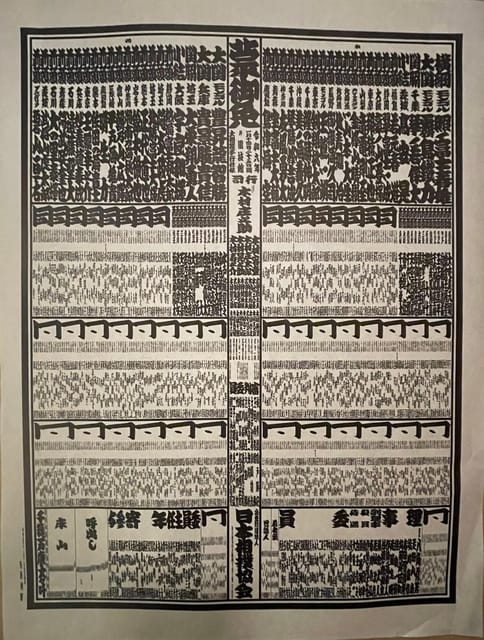
A photo stop follows the practice and presentation. The experience is also sold with a photo banzuke, which adds a useful visual record of the wrestlers and their rankings or participation. The supplied details do not specify exactly how the photo banzuke is presented, so treat it as part of the photo portion rather than assuming a particular souvenir format.
Bring a camera. The photo stop gives you a clearer chance to take pictures than the practice itself, when you may need to keep still and follow the stable’s rules. Ask the guide what is permitted before photographing people or objects inside the stable.
The photo element is a bonus, not the reason I would book this experience. If you want the strongest value, focus on the access to training and the explanation of sumo. The pictures will help you remember the morning, but they cannot replace the sight and sound of the wrestlers practicing a few feet away.
Walking segments, timing, and the seven-hour schedule
The published duration is seven hours. The listed sequence includes a 15-minute guided tour, a 2.5-hour guided portion, a 15-minute photo stop, and two walking sections of about 10 minutes each. Those listed segments do not add up to seven hours, so you should check the available start time and full schedule when booking.
That timing issue is worth taking seriously. One person found the experience a little long and wished to spend more time elsewhere in Tokyo on a sunny day. The same person still recommended it, but the lesson is clear: do not schedule a museum reservation, restaurant booking, or train departure too close to the tour’s expected end.
The long duration may include time spent traveling, waiting, observing, and moving between parts of the activity. Morning practice itself can be absorbing, but not every minute will be filled with dramatic action. If you prefer a fast, tightly packed attraction, this may feel slow.
On the other hand, the slower pace suits the subject. Sumo training is not a quick photo stop. You need time to watch patterns, absorb the guide’s explanation, and appreciate the difference between a public contest and daily preparation.
Is $115 a fair price?
At $115 per person, this is not a bargain activity in the usual Tokyo sightseeing sense. You are not paying only for admission. The price covers a rare chance to enter a sumo training environment, an English-speaking local guide, a presentation, and a small group capped at nine people.
The value depends on access. If you only want to see what a sumo wrestler looks like, you can find other ways to do that for less. If you want to watch a real morning practice session from seated chairs and receive context from a guide, the price becomes easier to justify.
The small group is important. A group of nine is still large enough to feel social, but far more manageable than a standard coach tour. It should also make the guide’s explanation more useful, since questions are less likely to disappear in a crowd.
I would consider the price reasonable for a visitor who has a strong interest in Japanese sport and tradition, especially during a period when no tournament is taking place. For someone with only one free morning in Tokyo, the seven-hour commitment makes the value question harder. You need to care about sumo enough to give it a large part of your day.
Who will enjoy this most?
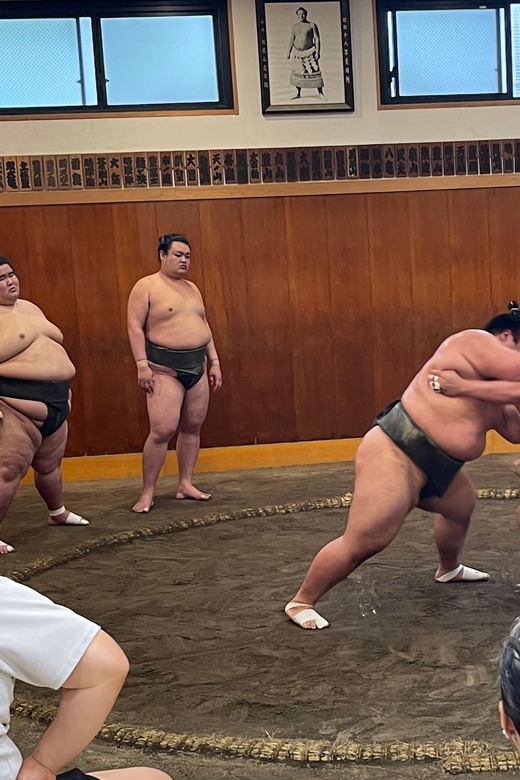
This experience suits adults and families with children aged nine and older who want cultural context rather than a quick attraction. It is especially good for first-time sumo viewers, since the guide explains the basics and helps you understand the training.
It also suits photographers who value a rare setting, provided they respect the stable’s rules and save the main picture-taking for the designated photo stop. The chairs make the observation more comfortable for many people, and the activity is listed as wheelchair accessible.
I would choose it for you if you enjoy watching a tradition in its working setting, can stay quiet and attentive during practice, and have most of a day available. I would skip it if you need a short activity, dislike scheduled group tours, or mainly want the excitement of a formal tournament.
Children under nine cannot join. That rule may matter to families planning a Tokyo morning, so check ages before paying for the booking.
Booking details that matter
You can cancel up to 24 hours before the activity for a full refund, and the reserve-now, pay-later option gives you some flexibility while planning your Tokyo schedule. The activity is offered in English, and the group is limited to nine participants.
Bring comfortable shoes and a camera. Most important, arrive at Exit B1 near the FamilyMart before the meeting time. If you are late, contact the operator, but do not assume the guide can delay the group.
Should you book this sumo morning?
Book it if you want a close, authentic look at sumo training and are willing to give the activity a substantial part of your day. The strongest reasons are the rare stable access, seated viewing, small group, and clear introduction to a sport that can be hard to understand from a distance.
Think twice if your Tokyo schedule is tight. The seven-hour duration is a serious commitment, and the pace may feel long if you want constant action. For the right visitor, though, this is far more meaningful than a staged sumo photo opportunity. It gives you a glimpse of the work behind Japan’s national sport, with a guide helping you see what the wrestlers are actually doing.
FAQ
Where does the sumo experience meet?
Meet at Exit B1 of Kiyosumi-Shirakawa Station, near a FamilyMart convenience store.
How long does the activity last?
The advertised duration is seven hours. The schedule includes guided portions, the practice session, a photo stop, and walking segments.
What language is the tour conducted in?
The live tour guide speaks English.
How many people can join the group?
The group is limited to nine participants.
Can I sit during the sumo practice?
Yes. Chairs are provided for observing the wrestlers during practice.
Are children allowed to join?
Children under nine years old are not permitted to take part.
What should I bring?
Bring comfortable shoes and a camera.
Newly reviewed around Tokyo
- Tokyo Asakusa:Calligraphy & Make T-shirt Activity★ 5.0 · 62 reviews
- Intercity Shuttle, Tokyo to Haneda /Narita /Yokohama /Makuhari★ 5.0 · 5 reviews
- 1 Hour Travel around Tokyo with a Professional Photographer★ 5.0 · 3 reviews
- Travel Tokyo with Your Own Personal Photographer★ 5.0 · 43 reviews
- Kickboxing & Body Training with EX-Pro Fighter★ 5.0 · 4 reviews
- Train in Samurai Swordsmanship and Defeat the Demon in Tokyo★ 5.0 · 5 reviews
- Shuttle Van 6hr Tokyo Tour to-and-from Tokyo, Yokohama and Narita★ 5.0 · 9 reviews
- Traditional Japanese Knife Sharpening Class★ 5.0 · 18 reviews
Tokyo Sumo Experiences, compared.
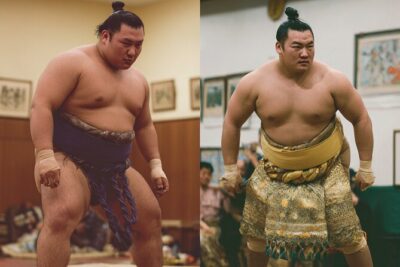
Tokyo Shinjuku Sumo Show & Experience with Photo
Read our review →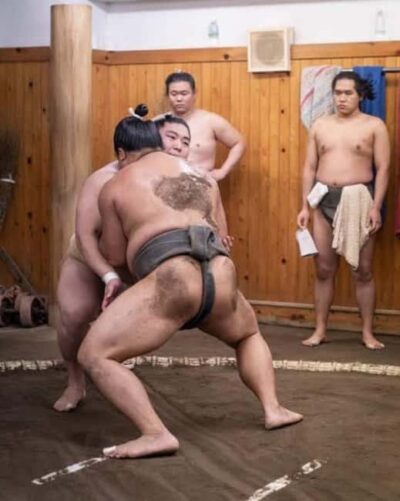

Luxury Sumo Show Experience & Japanese cuisine & Drink
Read our review →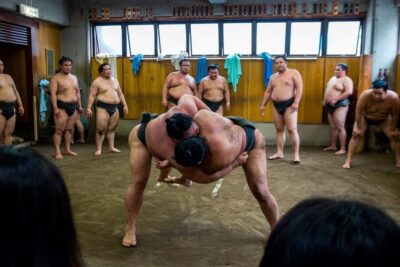
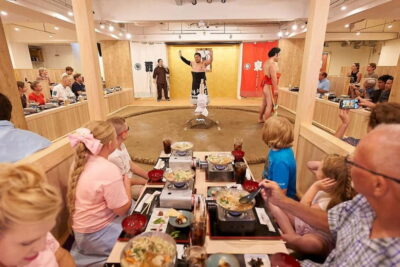
Tokyo Sumo Experience: Chanko & Mochi with a Former Pro
Read our review →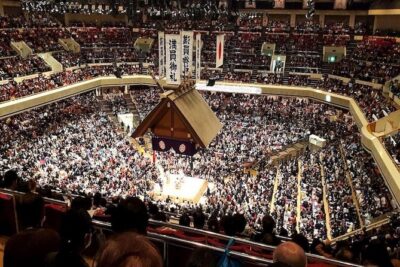
Ultimate Sumo Tournament: Tokyo, Osaka, Nagoya, Fukuoka
Read our review →Browse the lists this tour appears in