
Reviewed · TOKYO COOKING CLASSES
Shibuya Tokyo: Onigiri & Tamagoyaki Cooking Class
Onigiri looks simple, but good rice balls depend on the right rice, careful texture, and a light touch. At Sorisso, you learn those small details, then shape three onigiri with fillings that range from classic to modern. I like the small-group format, which allows plenty of personal help, and I like that you also make tamagoyaki, Japan’s neatly rolled omelet.
The class is friendly and practical, with clear English guidance and recipes to take home. The main consideration is timing: 90 minutes gives you a focused introduction, not a full tour of Japanese cooking. Children under five cannot join, and serious food allergies cannot be accommodated.
Key points to know before booking
- You make three onigiri and half a portion of tamagoyaki, so this is a hands-on class rather than a cooking demonstration.
- The group is limited to eight people, with past sessions as small as three participants.
- Rice selection and texture receive proper attention, a useful lesson if you want to repeat the dishes at home.
- You practice classic triangle shapes and nori wrapping, along with more creative designs.
- The $49 price includes ingredients, utensils, an apron, recipes, and a small souvenir.
- English instruction and a 24-hour cancellation window make the class easy to fit into a Tokyo schedule.
Why onigiri makes a good first Japanese cooking class
Onigiri is one of Japan’s most familiar foods. It is also a smart dish for a short cooking lesson because the method is simple enough for a beginner, while the small choices make a real difference.
The class begins with the rice. That matters. Rice is the body of the onigiri, so its variety, cooking, moisture, and final texture affect everything that follows. You are not simply scooping cooked rice into a mold. You learn why the rice needs to hold together without becoming heavy or sticky in the wrong way.
That lesson gives the activity more value than a quick food-making stop. You leave with a better sense of what Japanese home cooking depends on: good basic ingredients, careful preparation, and restraint. The food is plain by design, but plain does not mean careless.
You also get to work with fillings. The choices include traditional and vegetarian options, as well as newer interpretations. This is useful if you do not eat fish or meat, or if you want to understand how flexible onigiri can be. The class is not limited to one fixed flavor idea.
More things to do in Shibuya:
- Official Street Go-Kart in Shibuya
★ 5.0 · 3,435 reviews - Tokyo: Street Kart Experience in Shibuya
★ 4.9 · 1,484 reviews - Shibuya Meltdown Nightlife Tour: All-You-Can-Drink Bar Hopping
★ 5.0 · 1,058 reviews
The 90-minute cooking sequence
The exact order may vary with the class, but the session is built around two foods: onigiri and tamagoyaki. The pace is short and purposeful, with enough time to prepare, shape, cook, and eat what you make.
Rice selection and preparation
The first important lesson is choosing the right rice. You learn about the texture needed for a rice ball and how preparation affects the finished result. For many first-time cooks, this is the most useful part of the class because it explains why homemade onigiri can turn out dry, loose, or overly dense.
The instructor then guides you through the rice work needed for shaping. Because the class includes ingredients and utensils, you do not need to bring cooking equipment. An apron is provided as well, which keeps the session easy for a visitor who is fitting this into a day in Shibuya.
Fillings and shaping
Once the rice is ready, you work with several filling choices. The range from traditional to modern gives you a chance to compare flavors instead of repeating one basic recipe three times.
You make three rice balls per person. Classic triangles are part of the lesson, and you also get room for creative designs. The shaping technique is more precise than it first appears. You need enough pressure to hold the rice together, but not so much that the texture becomes compact and dull.
The instructor guides each step in English. That is especially helpful here because shaping, filling, and wrapping all happen at once. A clear demonstration followed by hands-on practice lets you correct small mistakes before making the next one.
More Tokyo cooking classes:
- Tokyo: Roll and Authentic Sushi Making Class in Asakusa
★ 4.9 · 1,957 reviews - Tokyo Shinjuku Chopsticks Making Class
★ 5.0 · 1,763 reviews - Tokyo: Sushi Making Class in a Happi Coat near a Famous Spot
★ 4.9 · 1,377 reviews - Tokyo Sushi Making Class in Tsukiji with Professional Chef
★ 5.0 · 1,177 reviews
Nori wrapping
Nori is more than decoration. It gives the rice ball its familiar roasted seaweed flavor and adds a useful contrast in texture. You practice traditional wrapping techniques so the seaweed sits properly around the rice.
This is one of the class’s practical strengths. You are learning a method you can use at home, not just arranging food for a photograph. Your three onigiri also give you repeated practice, so the second and third should feel more controlled than the first.
Rolling tamagoyaki
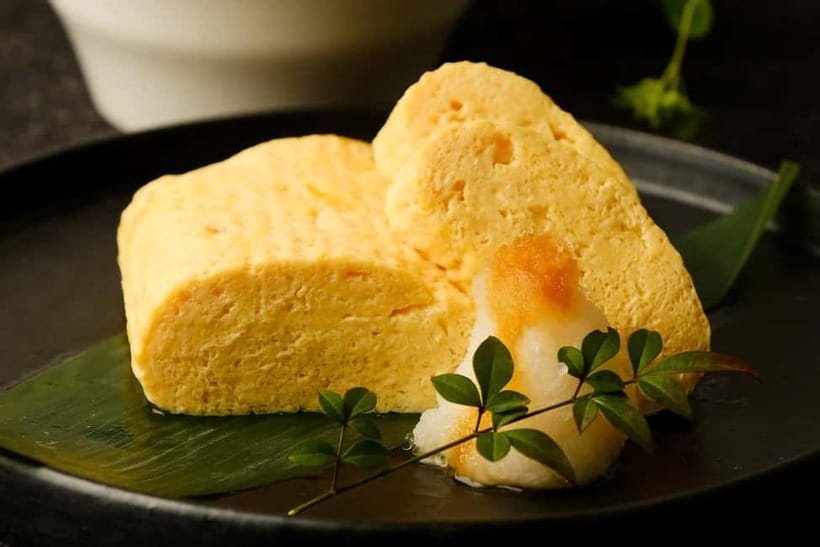
The second dish is tamagoyaki, the Japanese rolled omelet. Each person makes half a portion. It adds a different skill to the session because the egg must be cooked and rolled in stages rather than simply stirred in a pan.
Making tamagoyaki alongside onigiri gives the class a better balance. You work with rice, seaweed, fillings, and egg, so the 90 minutes does not feel like one repeated task. The portion is modest, but it is enough to introduce the technique and let you taste the result with your rice balls.
What the small group changes
The class allows up to eight participants, but one past session had only three people. That is a meaningful difference from a large food workshop.
With fewer people, you have more chances to ask for help and show the instructor your shaping or rolling technique. You are less likely to spend the session watching from the back of the room. The compact group also makes the final meal more social, since you sit close enough to share the food and talk with the people beside you.
The cooking takes place in a small shop with a cozy kitchen setup. That means you should expect an intimate working space, not a large professional teaching kitchen. The space is comfortable for the group size, but the small setting may feel close if you prefer lots of room around your elbows.
The location is easy to find, according to the information available for the class. Transportation to and from the venue is not included, so you need to make your own way there. The activity is in Shibuya, but the supplied details do not specify a meeting landmark or station exit, so check the final booking instructions carefully.
The food you actually make
You receive ingredients and utensils for three onigiri and half a portion of rolled omelet per person. That is enough food to make the class feel like lunch or a substantial snack, though you should not book it as a full multi-course meal.
The three rice balls are useful for comparing shapes and fillings. You can try a traditional filling, test a vegetarian option, and then make a more modern version. The variety also helps you decide what you would like to prepare at home.
Tamagoyaki brings a soft, layered texture to the meal. It is a good match for onigiri because the two foods show different sides of everyday Japanese cooking. One depends on rice and filling; the other depends on controlled heat and rolling.
The best part is that you eat what you make. That gives the lesson a clear finish and lets you judge the texture while the process is still fresh in your mind. Sharing the food with the group adds a pleasant social touch without turning the class into a performance.
English guidance and teaching style
The instructor teaches in English, which removes one of the main worries for international participants. Clear directions matter in this class because the key skills are physical: how firmly to press the rice, where to place the filling, and how to roll the egg.
The staff at Sorisso are described as friendly and encouraging. The English is strong enough to keep the session moving and make the instructions easy to follow. You do not need previous cooking experience, and the class is set up for beginners.
One past participant specifically found the steps clear and the individual attention helpful. That matches the value of a group limited to eight people. You can ask a question when something feels uncertain instead of trying to copy the person next to you.
The class also works well for families with older children. The minimum age is five, so children five and above may join, but the cooking involves handling ingredients and following several steps. A parent should be ready to help younger children stay focused.
What you take home besides the food
The recipes are included, along with a small souvenir. Those extras matter because onigiri and tamagoyaki are both dishes you can repeat without a long shopping list or specialist equipment.
The recipe booklet gives you a reference after the rice and egg have been eaten. It is especially useful for remembering the filling combinations and the shaping method. A small souvenir adds a pleasant reminder of the session, though its exact form is not specified.
You also take home a better understanding of texture. That may sound minor, but it is the difference between making a rice ball that holds together and making one that breaks apart. The class gives you a repeatable process rather than a one-time result.
Is $49 a fair price?
At $49 per person, this is not the cheapest way to eat onigiri in Tokyo. You could buy a rice ball for far less. The price makes sense only if you want to learn how to prepare the food yourself and value the guided activity.
For the fee, you receive 90 minutes of instruction, ingredients and utensils for three onigiri and half a tamagoyaki portion, apron rental, recipes, a small souvenir, and English guidance. The limited group size is important here. You are paying for personal instruction as well as food.
I see the value most clearly for first-time cooks, families, and people who want a cultural activity with an edible result. If you only want a quick taste of onigiri, buying one from a shop is better value. If you want to understand how the dish is made and take the method home, the price is reasonable.
The class also avoids the expense and hassle of buying several ingredients yourself for a single meal. You get to try different fillings and rice techniques without being left with unopened packages in your hotel room.
Who will enjoy this class most
This is a good choice for food-focused visitors who want a low-pressure introduction to Japanese cooking. You do not need experience, and the session is short enough to fit between other plans in Shibuya.
Families can consider it if all children are at least five. The activity has a clear goal and hands-on work, which can be more engaging for children than a long cultural talk. Still, younger children may need close help during the shaping and egg portions.
It also suits solo participants and couples who like meeting people in a small setting. A group of three to eight creates room for conversation without the noise and distance of a large class.
You should think twice if you have a severe or life-threatening food allergy. Dietary restrictions and allergies should be shared in advance, and gluten-free options may be possible upon request, but the class is not suitable for severe or life-threatening allergies. The same caution applies if you need a tightly controlled kitchen environment.
Timing, booking, and practical details
The session lasts 90 minutes. That makes it easy to place in a morning or afternoon, but you should leave enough time to reach the venue in Shibuya because transport is not included.
You can reserve now and pay later, which helps if your Tokyo schedule is still changing. Free cancellation is available up to 24 hours before the class for a full refund. Starting times depend on availability, so check the schedule that appears for your chosen date.
The activity is offered in English and is limited to eight participants. Sorisso is the provider, and the available information identifies the location as Shibuya, Tokyo, on Honshu.
Should you book the Sorisso onigiri class?
Book it if you want a friendly, hands-on food lesson rather than a simple meal. The strongest reasons are the small group, clear English instruction, three different rice balls, and the chance to learn rice texture, nori wrapping, fillings, and tamagoyaki in one short session.
Skip it if you are looking for a large meal, a long cooking course, or an activity for children under five. You should also avoid it if you have a severe food allergy. For most beginners, though, $49 buys more than lunch: it gives you a simple set of Japanese cooking skills that you can use again after Tokyo.
FAQ
Where does the onigiri and tamagoyaki class take place?
The class takes place in Shibuya, Tokyo, on Honshu. Transportation to and from the venue is not included.
How long does the class last?
The cooking class lasts 90 minutes.
How much does the class cost?
The price is $49 per person.
How many people can join the class?
The class is limited to eight participants.
Is the class taught in English?
Yes. English guidance is provided by the host and instructor.
What food will I make?
You will make three rice balls per person and half a portion of rolled tamagoyaki. The lesson covers rice selection, fillings, shaping, and nori wrapping.
Are ingredients and cooking tools included?
Yes. Ingredients and utensils for the listed portions are included. An apron rental is also provided.
Can children join the class?
Children under five cannot join. Children age five and older may attend.
Can the class accommodate allergies or dietary restrictions?
You should report dietary restrictions or allergies in advance. Gluten-free options may be available upon request, but the class is not suitable for people with severe or life-threatening food allergies.
More hands-on classes and workshops in Tokyo
- Sushi Making Tokyo Roll and Authentic Japanese Sushi Class
★ 5.0 · 3,971 reviews - Chopstick Making Workshop in Ginza
★ 4.8 · 1,366 reviews - Ramen & Gyoza Cooking Class in Tokyo with Local Supermarket Visit
★ 5.0 · 823 reviews - Matcha Making Class in Tokyo with Authentic Japanese Sweets Set
★ 5.0 · 744 reviews
Newly reviewed around Tokyo
- Tokyo Asakusa:Calligraphy & Make T-shirt Activity★ 5.0 · 62 reviews
- Intercity Shuttle, Tokyo to Haneda /Narita /Yokohama /Makuhari★ 5.0 · 5 reviews
- 1 Hour Travel around Tokyo with a Professional Photographer★ 5.0 · 3 reviews
- Travel Tokyo with Your Own Personal Photographer★ 5.0 · 43 reviews
- Train in Samurai Swordsmanship and Defeat the Demon in Tokyo★ 5.0 · 5 reviews
- Shuttle Van 6hr Tokyo Tour to-and-from Tokyo, Yokohama and Narita★ 5.0 · 9 reviews
- Kickboxing & Body Training with EX-Pro Fighter★ 5.0 · 4 reviews
- Traditional Japanese Knife Sharpening Class★ 5.0 · 18 reviews
Tokyo Cooking Classes, compared.
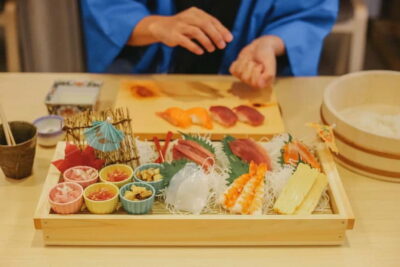
Roll and Authentic Sushi Making Class in Asakusa
Read our review →
Sushi Making Class in a Happi Coat near a Famous Spot
Read our review →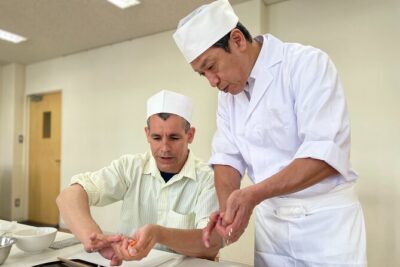
Tokyo Sushi Making Class in Tsukiji with Professional Chef
Read our review →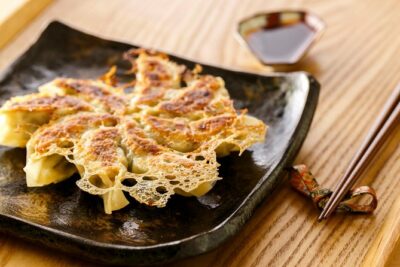
Ramen & Gyoza Cooking Class in Tokyo with Local Supermarket Visit
Read our review →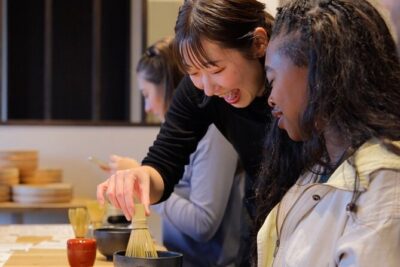
Matcha Making Class in Tokyo with Authentic Japanese Sweets Set
Read our review →
Tsukiji Fish Market Sushi Making Class with Pro Chef
Read our review →
Browse the lists this tour appears in