
Reviewed · TOKYO SAMURAI AND NINJA EXPERIENCES
Tokyo: Samurai Kendo Practice Experience
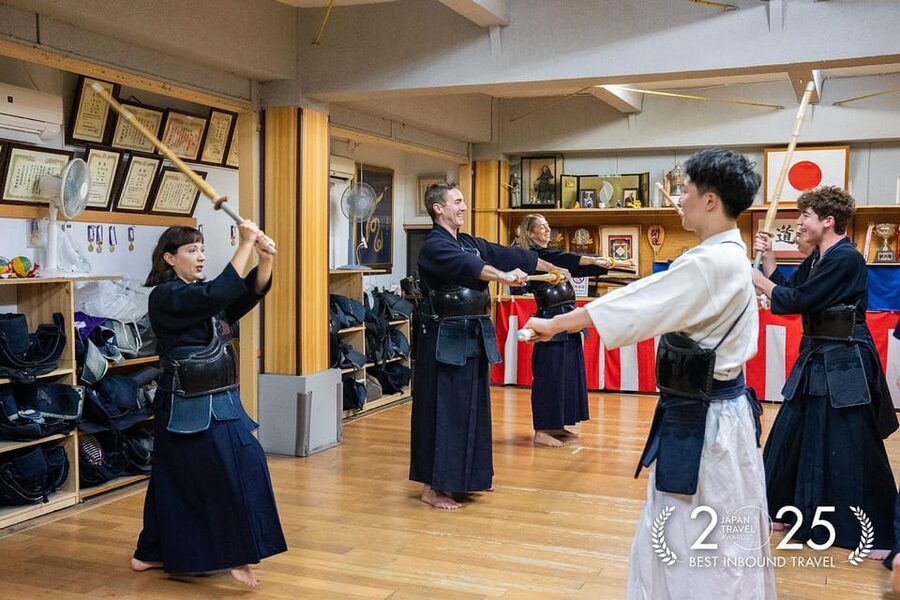
Tokyo’s Samurai Kendo Practice Experience puts you in full protective armor, hands you a bamboo sword, and gets you moving quickly. This is not a museum talk about samurai. You learn basic kendo strikes, footwork, rules, and controlled combat inside a working dojo.
I like the small six-person limit, which gives the instructor room to correct your stance. I also like the mix of discipline and play: you learn men, kote, and do strikes, then use them in light sparring and simple games. The main caution is communication. Instruction is in English and Japanese, and some explanations may come quickly. The house-style dojo can also be hard to spot.
Key points at a glance
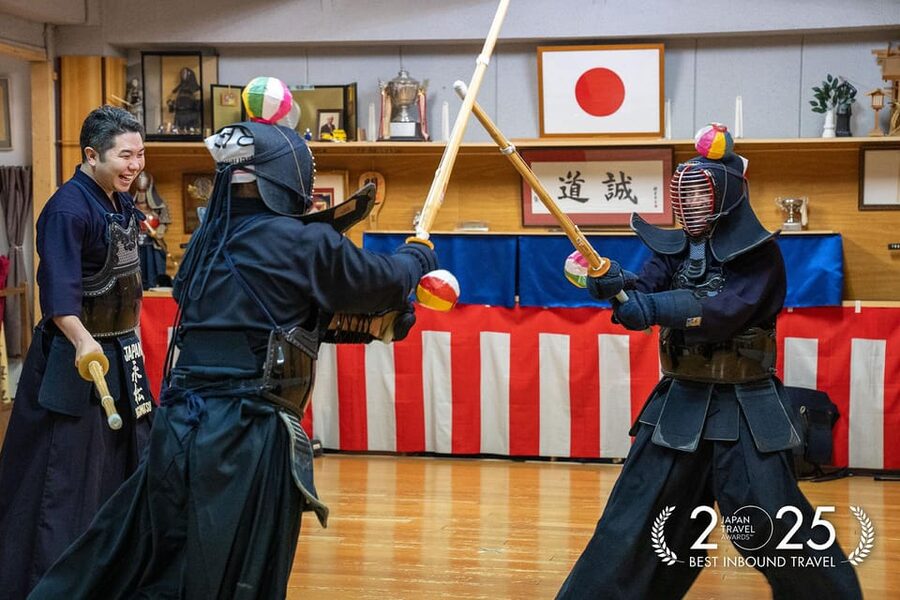
- Full kendo armor: Wear the protective uniform, headgear, gloves, and other equipment used for practice.
- Three basic strikes: Learn men, kote, and do, along with footwork and counter techniques.
- Small groups: A maximum of six participants makes personal instruction more likely.
- Real practice, not just posing: Beginners are guided through actual movement and light combat.
- Traditional dojo setting: Seidokan is 10 to 12 minutes from the North Exit of JR Uguisudani Station.
- Useful extras: Mineral water and a Japanese hand towel are included.
What this Tokyo kendo session really offers
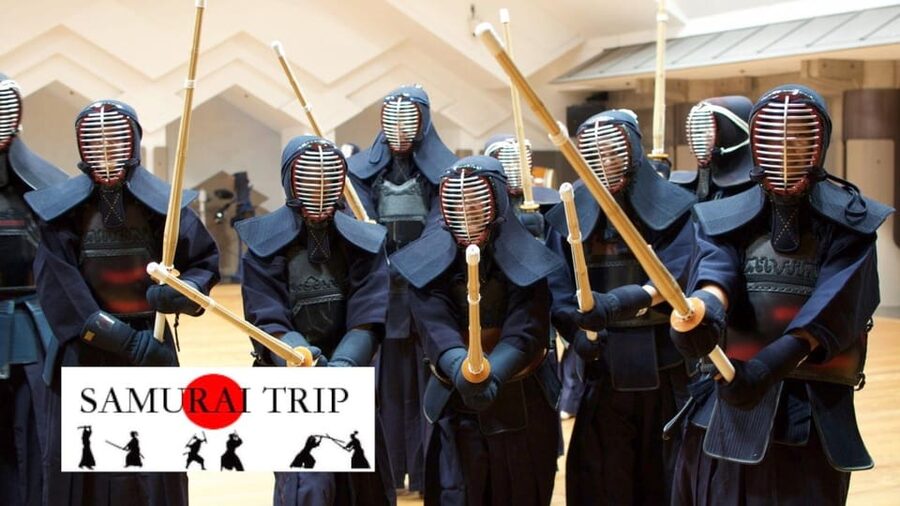
The word samurai may suggest theatrical sword shows, but this activity is closer to a beginner kendo class. Kendo is a modern Japanese martial art built around swordsmanship, strict etiquette, focused movement, and bamboo swords called shinai.
You will not simply put on a costume for photographs. The session involves physical instruction and practice against a partner or instructor. The activity is designed so complete beginners can try genuine kendo movements, yet the format still has enough structure to feel like training rather than a staged performance.
The group is limited to six people. That matters here. Kendo depends on small corrections: where your feet point, how you hold the sword, when you strike, and how you recover. In a crowded class, you might spend much of the session watching. With six or fewer participants, you have a better chance to practice repeatedly and receive direct help.
The instruction is available in English and Japanese. The teachers are experienced kendo instructors, and one instructor is described as having more than 60 years of practice. You should expect a traditional teaching style: patient and playful at times, but also strict about discipline and form.
More Tokyo samurai and ninja experiences:
- Tokyo: Samurai Ninja Museum Guided tour and Experience
★ 4.6 · 1,010 reviews - Tokyo: Samurai Sword & Archery Class from Samurai Descendant
★ 5.0 · 603 reviews - Best Samurai Experience in Tokyo
★ 5.0 · 458 reviews
Finding Seidokan near Uguisudani Station
The dojo, Seidokan, is at 4-7-2 Higashinippori in Arakawa-ku. From the North Exit of JR Uguisudani Station, allow about 10 to 12 minutes on foot.
The address is important because this is not presented as a large commercial sports center. It operates from a house, and the entrance can be a little confusing to locate. Give yourself extra time instead of arriving at the last minute in exercise clothes, especially if you are not familiar with the Uguisudani and Nippori area.
Your confirmation details should be close at hand, including the Japanese name 誠道館. Once you find the dojo, the setting helps the activity feel more genuine. You are entering a place used for martial arts practice, not a purpose-built attraction designed only for short-term visitors.
The total session is listed as two hours, though the actual schedule can run a little shorter or longer. Keep your afternoon or evening flexible. You do not want to rush from the final practice straight to another timed booking.
Starting with etiquette, equipment, and basic form
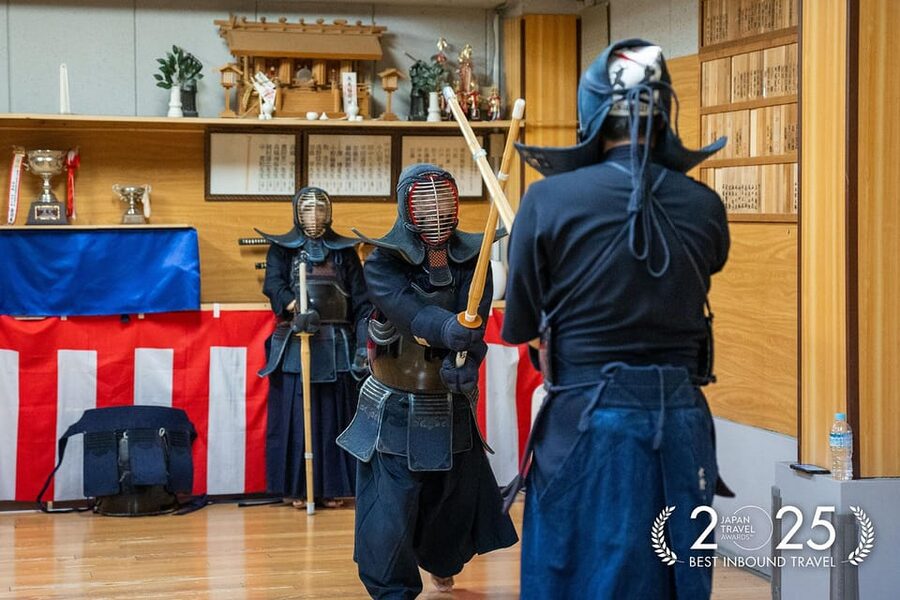
A kendo session begins with more than picking up a sword. Etiquette is part of the art, and you will be introduced to the calm, ordered atmosphere of the dojo before the pace rises.
The activity includes rental kendo armor and equipment. You should wear loose exercise clothing underneath. If the correct uniform size is not available, you may be asked to practice in your own clothes, so comfortable sportswear is the sensible choice.
Putting on the gear is part of the fun, but it also changes how you move. The head protector, gloves, body protection, and clothing add weight and restrict your view. That is useful context: kendo can look simple when an expert performs it, but the equipment quickly shows you why balance and footwork matter.
Bring contact lenses if you normally wear glasses and can safely use them. Glasses are not recommended with the kendo head armor because they can be difficult to wear and may be damaged. The equipment may also feel tight for some body types. One participant found the activity unsuitable for plus-size bodies, so you may want to ask the operator about available sizes before booking if fit is a concern.
Learning men, kote, and do
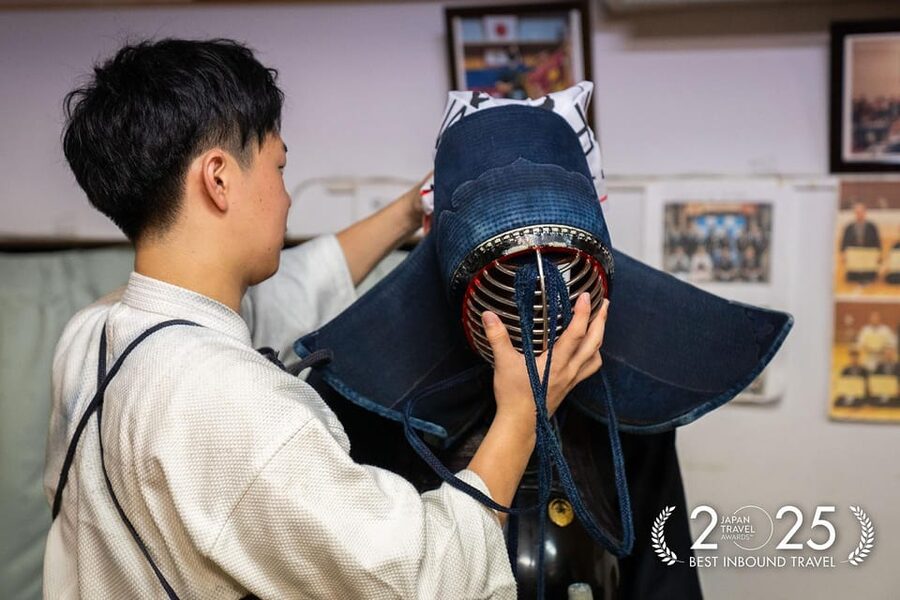
The lesson moves into the basic strikes. You can expect to practice men, a strike toward the head area, kote, a strike toward the wrist or forearm area, and do, a strike toward the body. These are not random swings. Each has a target, a set movement, and a proper way to return to position.
Footwork is just as important as the strike itself. You will be expected to pick up the basics fairly quickly, and prior martial arts experience may help, particularly with moving your feet while keeping your upper body controlled. You do not need previous training, but you should be ready to listen closely and repeat the same movement several times.
This is where the class becomes a real workout. You will sweat, especially while wearing armor, so bring water and a change of fresh clothes. Mineral water is included, but your own extra drink is a sensible addition for a physical session.
The instructors also introduce rules and some counter techniques. That gives you a clearer idea of kendo as a sport, rather than reducing it to movie swordplay. The goal is not merely to hit something. Timing, distance, posture, and accuracy all matter.
More Tokyo martial arts classes:
- Tokyo:Samurai sword and archery class from a samurai descendant
★ 5.0 · 121 reviews - Tokyo 2-Hour Genuine Samurai Experience: Kendo in Japan
★ 5.0 · 112 reviews - Samurai Experience – Learn Bushido through Kendo, in Tokyo
★ 5.0 · 88 reviews - Tokyo: Japanese Archery (Kyudo) Experience
★ 5.0 · 78 reviews
From drills to controlled combat
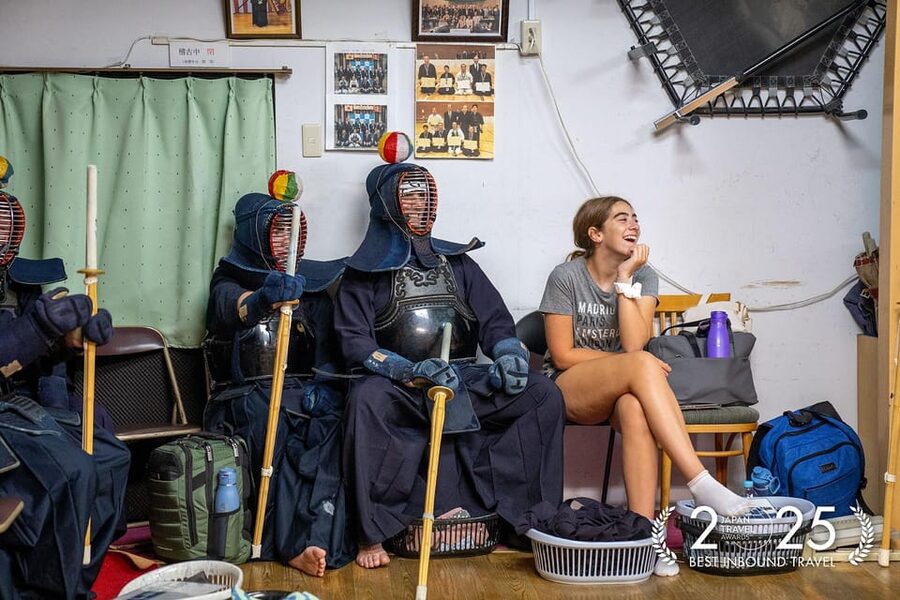
The most exciting part comes when the basic movements are used in practice bouts. Even beginners are guided in a way that resembles a real kendo match, but the session remains controlled and suitable for first-timers.
You may practice with another participant, play a light game against the instructor, or take part in playful exercises using balloons. This mix keeps the class from becoming too formal or intimidating. It also lets you test the techniques without pretending that two hours makes you a trained swordsman.
Some participants described the strikes to the helmet as harder than expected. The protective armor is there for a reason, but you should understand that this is physical practice, not a gentle photo opportunity. Follow the instructor’s directions, use the equipment properly, and tell the teacher if you are uncomfortable.
One of the useful lessons is seeing an expert move at full speed. After struggling with basic footwork, you get a better sense of how much timing and precision kendo requires. The contrast between beginner movement and an experienced instructor’s speed can be humbling in a good way.
Bamboo swords, katana, and the samurai appeal
The main practice uses training equipment, including bamboo swords. The experience also includes an opportunity to handle a real katana, according to the activity details provided by participants. That moment adds a memorable historical and cultural element, but it should not be confused with using a sharp sword in combat.
The appeal here is not only the weapon. Kendo gives you a more grounded view of Japanese swordsmanship than films usually provide. The movements are disciplined and economical. The armor is practical. The focus on ritual, posture, and respect is as important as the strike itself.
You may also see regular dojo members training. Watching experienced practitioners work together can be as instructive as your own lesson. Their speed and control show what years of practice look like, and they give the room a sense of an active martial arts community rather than a set built for tourists.
There is usually time for photographs and conversation during or after the session. The free Japanese hand towel makes a useful little souvenir, though it is worth bringing your own towel and spare clothing if you expect to sweat heavily.
The instructor’s style and language
The teaching style is part of the experience, and it may not suit every personality. The instructors are described as friendly, patient, strict, and playful. That combination works well for a martial art: you need enough warmth to feel comfortable, but enough firmness to keep the practice safe and focused.
English explanations are available, but they may not cover every nuance. One participant found the instructor’s English sufficient for the class, while some directions were difficult to understand. Another felt explanations moved too fast. Watch the demonstrations carefully, ask for a repeat when needed, and do not rely on spoken English alone.
The instructor’s manner may also feel blunt at times. In a traditional dojo, direct correction is normal. If you want a soft, highly polished entertainment experience, this may feel rough around the edges. If you want a more authentic introduction to a real martial art, the strict tone may be part of the appeal.
The small group helps offset the language barrier. You can copy the movement, watch the instructor’s hands and feet, and get corrections in person rather than trying to follow a long explanation from the back of a large room.
Is $116 good value for two hours?
At $116 per person, this is not a cheap activity if you measure value by time alone. Two hours passes quickly, especially once you include changing, equipment, instruction, and photographs.
I think the price makes more sense if you value access to a specialist setting and want to do something you cannot easily reproduce on your own. The fee covers an instructor, rental armor and equipment, mineral water, and a Japanese hand towel. You are paying for guided practice, not just admission to a dojo.
The six-person limit also matters. A larger, cheaper class might offer less individual attention, which is not ideal when you are learning a physical skill. The activity becomes better value for couples, families, and small groups who want a shared experience with a real cultural focus.
It is less convincing for someone seeking an in-depth kendo course. Two hours can introduce the fundamentals, but it cannot provide advanced training. Think of this as a serious first lesson with a playful finish, not a qualification or long-term martial arts program.
Who should book this experience?
This is a strong choice if you want active cultural experiences rather than passive sightseeing. It suits first-time visitors to Japan, families with older children, couples, and friends looking for something unusual to do in Tokyo.
Pre-teens have taken part successfully, and the small group format can help families stay involved. Still, the physical contact and helmet strikes mean parents should decide if the activity suits their children. It is not simply dress-up.
You should also be comfortable with exercise, heat, and direct instruction. Loose clothes, contact lenses instead of glasses, and a willingness to sweat will make the session easier. If you have mobility, size, or equipment concerns, contact the provider before reserving.
The activity is a good fit for anyone curious about martial arts, Japanese etiquette, or the difference between movie sword fighting and real technique. It may disappoint you if you want a quiet cultural demonstration, a long historical lecture, or a polished stage show.
Booking is flexible, with payment available later and free cancellation up to 24 hours before the activity. The language options are English and Japanese only, so plan around that if neither language works for you.
Should you book the Tokyo kendo experience?
I would book this if you want to take part, not just watch. The strongest parts are the small class, full equipment, direct instruction, and chance to use beginner techniques in controlled combat. You get a workout, a cultural lesson, and a better respect for how difficult kendo really is.
Go in with loose clothing, contact lenses if possible, extra water, and fresh clothes. Allow more than the stated walking time to find Seidokan, and keep your schedule open around the two-hour session.
Skip it if you dislike physical contact, need a gentle sightseeing activity, or expect fluent English explanations at every moment. For everyone else, the $116 fee buys a rare Tokyo experience with real structure, real effort, and enough fun to make the strict parts worthwhile.
FAQ
Where does the kendo experience take place?
It takes place at Seidokan, located at 4-7-2 Higashinippori, Arakawa-ku, Tokyo. The dojo is about 10 to 12 minutes from the North Exit of JR Uguisudani Station.
How long does the activity last?
The listed duration is two hours. The actual program may take slightly more or less time depending on the situation, so avoid scheduling another activity too closely afterward.
Is the experience suitable for beginners?
Yes. Beginners are taught basic kendo movements and guided through practice in a way that resembles a real match. Prior martial arts experience may help with footwork, but it is not required.
What languages are spoken?
Instruction is provided in English and Japanese. Some explanations may move quickly, so watch demonstrations closely and ask for clarification when needed.
What clothing should I wear?
Wear loose-fitting exercise clothing. If a suitable kendo uniform size is unavailable, you may need to practice in your own clothes.
Can I wear glasses during the session?
Glasses are not recommended while wearing the kendo head armor because they may be difficult to wear and could be damaged. Contact lenses are advised.
What is included in the price?
The $116 price includes a professional instructor, rental kendo armor and equipment, mineral water, and a Japanese hand towel. Food and hotel pickup are not included.
Newly reviewed around Tokyo
- Tokyo Asakusa:Calligraphy & Make T-shirt Activity★ 5.0 · 62 reviews
- Intercity Shuttle, Tokyo to Haneda /Narita /Yokohama /Makuhari★ 5.0 · 5 reviews
- 1 Hour Travel around Tokyo with a Professional Photographer★ 5.0 · 3 reviews
- Travel Tokyo with Your Own Personal Photographer★ 5.0 · 43 reviews
- Kickboxing & Body Training with EX-Pro Fighter★ 5.0 · 4 reviews
- Train in Samurai Swordsmanship and Defeat the Demon in Tokyo★ 5.0 · 5 reviews
- Shuttle Van 6hr Tokyo Tour to-and-from Tokyo, Yokohama and Narita★ 5.0 · 9 reviews
- Traditional Japanese Knife Sharpening Class★ 5.0 · 18 reviews
Tokyo Samurai and Ninja Experiences, compared.
Samurai Ninja Museum Guided tour and Experience
Read our review →
Samurai Sword & Archery Class from Samurai Descendant
Read our review →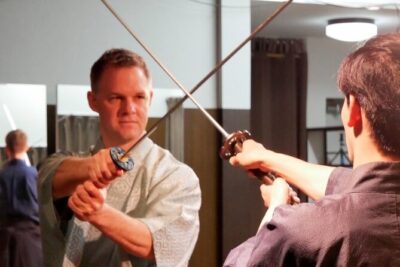
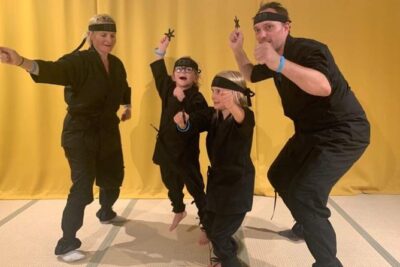
Ninja Experience (Family Friendly) at Samurai Ninja Museum TOKYO
Read our review →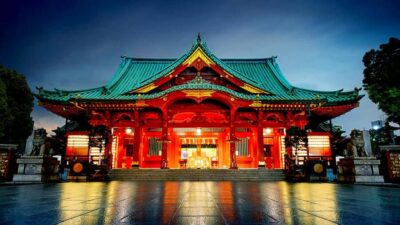
Samurai Entertainment Night Show in Kanda Shrine
Read our review →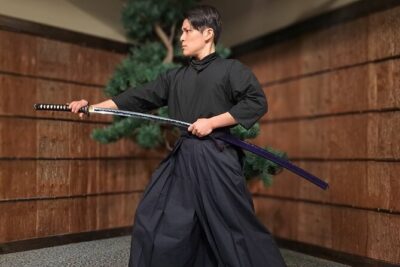
Tokyo Sword Experience – includes Museum Ticket/Ninja Experience
Read our review →
Samurai Ninja Museum Asakusa: Samurai Sword Lesson & Tour
Read our review →
Ninja Samurai 2-hour hands-on lesson by Japanese master in Tokyo
Read our review →Browse the lists this tour appears in