
Reviewed · TSUKIJI AND TOYOSU FISH MARKET TOURS
Classic Tsukiji Food Tour
Tsukiji is no longer Tokyo’s main wholesale fish market, but its outer market remains one of the city’s best places to eat. This morning walk takes you past seafood specialists, long-running food shops, a local shrine, and a small eatery where you’ll have a full Tsukiji breakfast. The food is the main event, but the guide helps you understand why these stalls still matter.
I like the small maximum group of 10, which makes it easier to hear explanations and move through tight market lanes. I also like the human touch: guides such as Asami, Jordan, and Asha have been praised for making the morning feel friendly and personal, not like a rushed march from snack to snack.
The main drawback is the price, $231 per person for about three hours. That is a serious breakfast bill, and you’ll want to be comfortable with seafood, market crowds, early timing, and walking. Vegetarians, pescatarians, and gluten-free diners can be accommodated, but this is not recommended for vegans or people who avoid seafood.
Key points to know before booking
- You start with coffee at Turret Coffee Tsukiji, a useful first stop before the market gets underway.
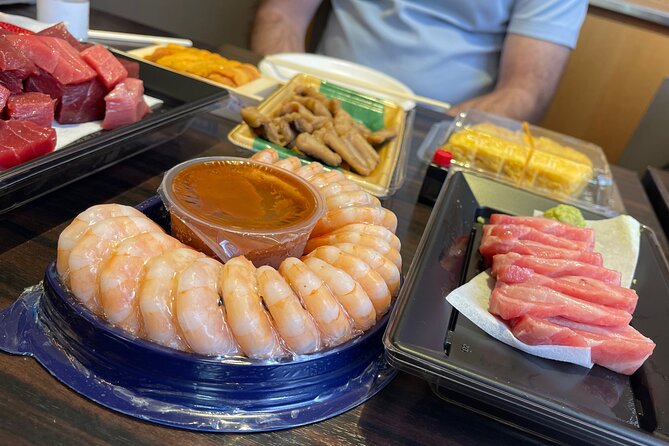
- The meal is more than a few samples: a full Tsukiji specialty seafood breakfast is included.
- The wholesale fish market has moved, but the outer market still has seafood vendors and shops that chose to remain in Tsukiji.
- A visit to Namiyoke Inari Shrine adds a cultural stop beyond food and shopping.
- The group is capped at 10 people, a good fit for a guided walk through narrow market lanes.
- Bring Japanese yen or other cash, since credit cards are generally not accepted for extra food and souvenirs.
Why Tsukiji still deserves a morning
Many people know Tsukiji because the famous wholesale fish market once handled some of Tokyo’s most important seafood trade. The wholesale operation moved away, but the outer market remained. That distinction matters. You are not touring the old auction floor, and this experience does not promise access to the relocated wholesale facilities.
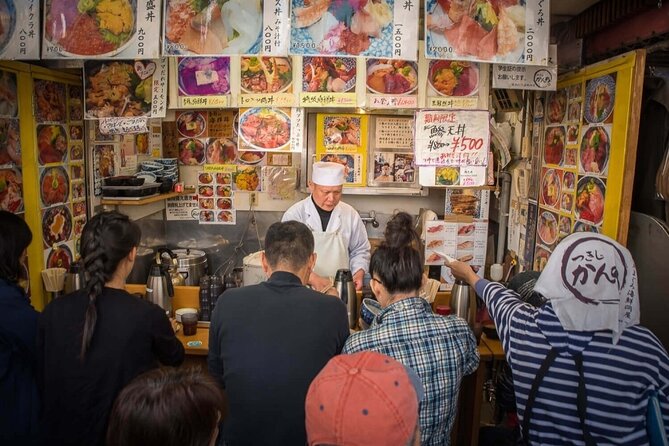
What you do get is a working food district with seafood vendors, small shops, restaurants, and food traditions that reach back more than 100 years. The tour uses that setting well. Instead of treating Tsukiji as a museum, it introduces you to the vendors and traders who stayed and continue to give the area its character.
I like this approach because it avoids a common Tokyo mistake: chasing a vanished version of a place. The market’s story is not only about what moved away. It is also about what remained, and how the outer market continues to serve cooks, shoppers, and hungry visitors.
The morning start at 8:30 a.m. is practical. Food stalls and eateries are best approached early, and you finish with much of the day still ahead. You should arrive ready to walk, stand, taste several foods, and keep up with the group.
More Tsukiji and Toyosu fish market tours:
- Tokyo Tsukiji Fish Market Food and Culture Walking Tour
★ 5.0 · 3,184 reviews - Tokyo: Tsukiji Fish Market Food and Walking tour
★ 5.0 · 1,724 reviews - Tokyo: Tsukiji Fish Market Guided Walking Tour
★ 4.9 · 1,397 reviews
Coffee and orientation at Turret Coffee Tsukiji
The meeting point is Turret Coffee Tsukiji at 2-chōme-12-6 Tsukiji, Chuo City. The tour begins here at 8:30 a.m., with one drink included. Starting with coffee gives you a calm way to meet the guide and settle into the morning before entering the market lanes.
This first stop is short, listed at about five minutes, so do not expect a long café visit. Its purpose is to get the group together, provide a drink, and set the tone for the walk.
The meeting point is near public transportation, but hotel pickup is not included. You will need to make your own way to Tsukiji and pay your own transportation costs. The tour ends back at the same address, which simplifies the rest of your plans. You can continue exploring Tsukiji, head elsewhere in Tokyo, or return to your hotel without arranging a separate pickup.
If you are prone to arriving late, leave extra time. A market tour works best when the group enters together, and the start time is early by ordinary vacation standards.
Tsukiji Hongan-ji adds a pause before the food
Tsukiji Hongan-ji is included as a stop during the walk. The supplied timing does not give a fixed visit length, so treat it as part of the route rather than a long temple tour.
This pause helps place the market in its neighborhood. Tsukiji is not only a collection of food stalls. It also has religious and community spaces, and the tour gives you a look at that wider setting before concentrating on seafood and breakfast.
The experience later includes a blessing at a local shrine, so Hongan-ji and Namiyoke Inari Shrine give the morning some cultural shape. You are not simply eating your way through the district. You are also seeing the places that connect food, trade, community, and daily life.
The outer market: seafood, shopkeepers, and seasonal bites
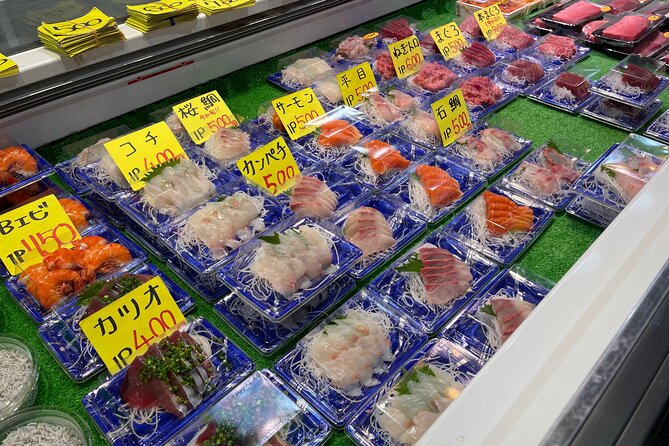
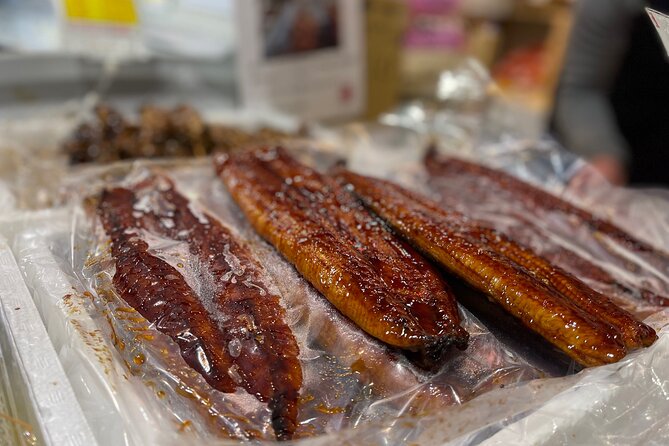
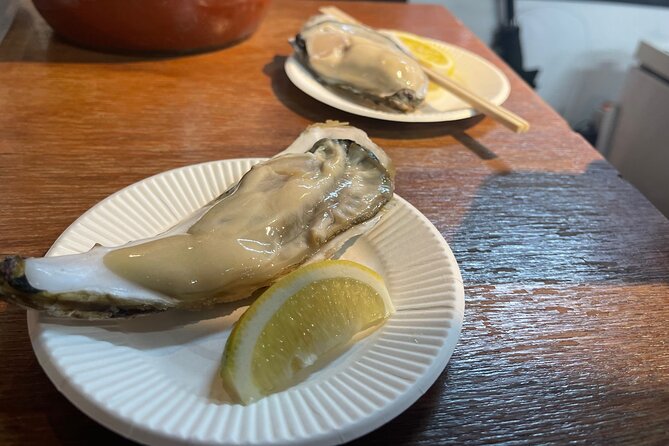
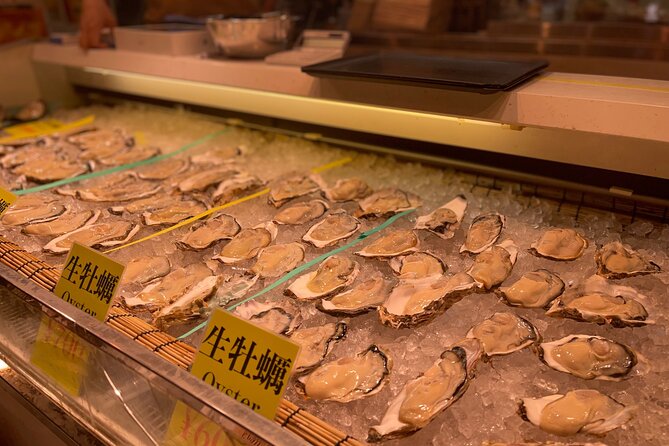
The central part of the tour takes place in the outer market. You will visit specialty seafood vendors and learn about the market’s food traditions while sampling local dishes. The exact foods can vary, since the market has its own calendar and restaurants or vendors may not always be available.
That flexibility is worth understanding before you book. A market is not a fixed theater show. Restaurant schedules, public holidays, weather, and other unexpected changes can affect the route and the stops. If a planned location cannot operate, a suitable substitute may be used.
The tasting break includes seasonal bites. This means the food reflects what is available rather than following a rigid menu every day. For you, that can make the experience feel more connected to the market, but it also means you should not book with a strict list of expected dishes.
The tour description specifically emphasizes seafood specialists who remained in Tsukiji after the wholesale vendors moved. Your guide can explain that change while introducing the shops that continue to trade here. That background is useful because it turns a plate of food into part of a larger story about Tokyo’s changing markets.
The outer market portion is listed at about 20 minutes in the supplied schedule, but the full experience includes several food-related stops and the breakfast. Expect the morning to move at a walking-tour pace, with short explanations, tastings, and stops rather than one long seated meal from the beginning.
More Tokyo food tours:
- Tokyo: Shinjuku Food Tour (13 Dishes at 4 Local Eateries)
★ 5.0 · 6,603 reviews - Tokyo: Shinjuku Food Tour (15 Dishes and 4 Eateries)
★ 4.9 · 2,033 reviews - Best of Shinjuku: Izakaya Food Tour (4 Stops, 14+ Tastings)
★ 5.0 · 1,863 reviews - Tokyo Night Foodie Tour in Shinjuku – Seasonal Sushi, Wagyu Beef
★ 5.0 · 1,161 reviews
The fish market experience is about context, not an auction
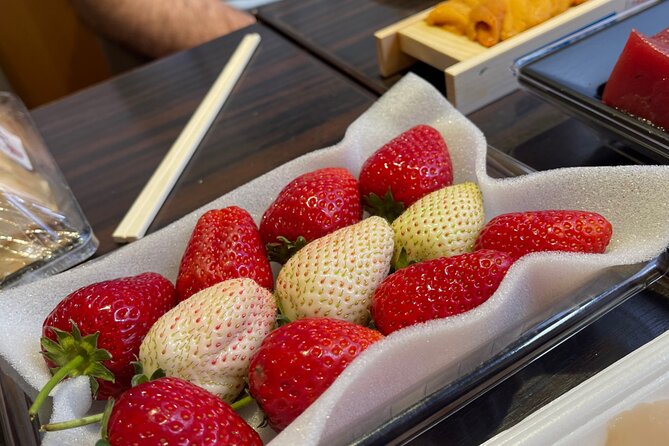
The name Tsukiji Fish Market can create the wrong expectation. You will not be visiting the old wholesale auction operation as it once existed. The tour focuses on the outer sections and the food businesses that continue there.
That is still worthwhile, especially if you are visiting Tokyo for the first time. A guide can point out the difference between the former wholesale market and the outer market, explain why certain vendors stayed, and help you understand the role of seafood in Japanese cooking.
The food is not limited to one narrow category. The experience includes many foods beyond fish, according to the tour details and guide feedback. That makes it a better fit for someone who wants a broad introduction to Japanese market eating rather than a technical lecture on tuna alone.
One especially memorable possibility is seeing live blowfish, known in Japan as fugu. This detail appears in the tour feedback, but it should not be treated as a guaranteed part of every departure. Market conditions and vendor availability can change.
If you are curious about Japanese food but feel unsure about ordering at a crowded stall, the guide is the main value here. You can ask questions, learn what you are seeing, and avoid making every choice alone. The guide also helps with cultural context, including information that connects Japanese food customs with those familiar to visitors from other countries.
Breakfast is the tour’s biggest value test
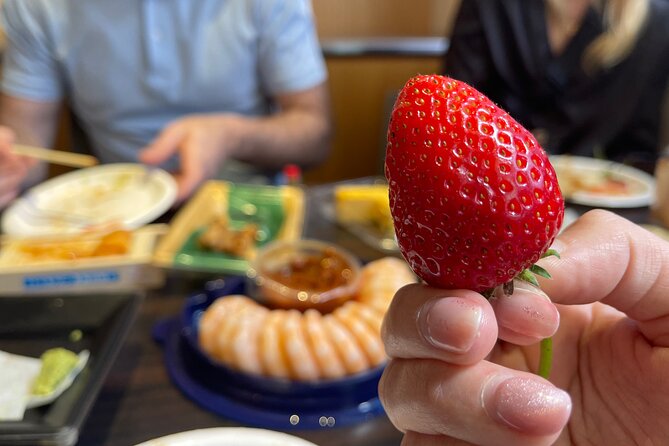
A full Tsukiji specialty seafood breakfast is included, along with one drink. This is more substantial than a tour that simply hands you two or three samples and sends you on your way.
The breakfast takes place at a local eatery in the outer market. It gives you time to sit down and enjoy food after walking among the stalls, and it turns the morning into a complete meal rather than a series of scattered tastes.
At $231, the breakfast alone cannot justify the price. You are paying for the guide’s time, food tastings, interpretation, market access, and the convenience of having someone organize the morning. You are also paying for a small group and a route designed around places that can be difficult to understand on your own.
I would consider the price reasonable only if you place real value on guided food experiences and cultural explanation. If your goal is simply to eat breakfast at Tsukiji, you can spend far less by visiting on your own. If you want a structured introduction with a local guide and several tastings, the cost becomes easier to defend.
Extra drinks and food are not included. Bring cash for anything you buy beyond the included items. Credit cards are generally not accepted in the market, so do not assume you can pay for souvenirs or an additional snack with a card.
Namiyoke Inari Shrine brings the morning to a close
The final named stop is Namiyoke Inari Shrine, also called Namiyoke Inari Jinja. The visit is listed at about five minutes and includes a blessing.
This is a small but meaningful ending. The shrine is associated with the market area, and the visit gives the tour a moment of reflection after the noise, movement, and food tastings. It also shows how religious practice remains part of the daily setting around a working market.
Do not expect an extended shrine visit or a major sightseeing presentation. The stop is brief. Its value is in the connection it provides between the market and the local community.
After the shrine, the tour returns to the meeting area at 2-chōme-12-6 Tsukiji. The full experience lasts about three hours, though individual stops and the route may change.
What the small group changes
The maximum group size is 10 people. That is small enough for a guide to keep the group together in narrow market spaces and answer questions without relying on a microphone.
The guide is particularly important here. The strongest praise attached to this experience centers on the warm, family-like way guides such as Asami, Jordan, and Asha handle the morning, along with their ability to explain food and culture clearly. Jordan is described as an experienced guide in one account, while another mentions Jordan in training for Tsukiji, so guide assignments may vary.
You should not assume you will meet a particular person unless the operator confirms it. Still, the available names give you a sense of the guiding style the experience aims for: friendly, informed, and personal rather than formal and distant.
The group size also affects timing. Ten people can move more slowly than one or two independent diners, especially when stopping at stalls. In return, you get a more organized route and an easier way to ask questions.
Who will enjoy this morning most
I would recommend this tour to a first-time Tokyo visitor who wants food, local context, and a clear introduction to Tsukiji without having to plan every stop. It also suits people who enjoy tasting several dishes and prefer a guide to explain what they are eating.
Families can book, and children must be accompanied by an adult. Children aged 10 and above require a copy of passport information. The tour asks for moderate physical fitness, so you should be ready for walking and standing during a three-hour morning.
Vegetarians, pescatarians, and people eating gluten-free can be accommodated. You should state your needs when booking, since market food depends on what is available. The experience is not recommended for vegans or anyone who does not eat seafood.
This is less suitable for someone seeking the old wholesale auction, a private shopping trip, or a cheap breakfast. It is also not ideal if you dislike early starts, uncertain seasonal menus, or the possibility of route changes.
Practical details that affect your decision
You receive confirmation at booking, and the ticket is mobile. The tour does not include hotel pickup, hotel drop-off, or transportation, so plan your route to Tsukiji in advance.
The market follows its own calendar. Public holidays and restaurant schedules can alter the stops, and weather may affect the experience. If poor weather causes cancellation, you can choose another date or receive a full refund. If the minimum number of participants is not met, the operator offers a different date or experience, or a full refund.
You can cancel free of charge up to 24 hours before the start time. Cancellations or changes made less than 24 hours before the tour are not refunded or accepted.
Wear comfortable shoes and bring cash. You should also arrive hungry enough for a full breakfast, but not so hungry that you feel uncomfortable tasting food along the way.
Should you book the Classic Tsukiji Food Tour?
Book it if you want a guided introduction to Tsukiji’s surviving food district, not a visit to the former wholesale auction. The included breakfast, seasonal tastings, shrine visit, and small group create a well-shaped morning, and the guide’s role adds much of the value.
Skip it if $231 feels too high for three hours, if you avoid seafood, or if you prefer to browse and eat independently. For the right person, especially a first-time Tokyo visitor who wants cultural explanation with breakfast, this is a strong and easy way to get oriented in Tsukiji.
FAQ
Where does the Classic Tsukiji Food Tour start?
It starts at Turret Coffee Tsukiji, 2-chōme-12-6 Tsukiji, Chuo City, Tokyo 104-0045, Japan.
What time does the tour begin?
The tour starts at 8:30 a.m.
How long does the experience last?
The tour lasts approximately three hours.
Where does the tour end?
It ends at 2-chōme-12-6 Tsukiji, the same address listed for the starting point.
Is breakfast included?
Yes. A full Tsukiji specialty seafood breakfast is included.
Is a drink included?
Yes. One drink is included. Additional drinks and food cost extra.
Is the tour suitable for vegetarians or gluten-free diners?
Yes. Vegetarian, pescatarian, and gluten-free options are available.
Is the tour suitable for vegans or people who do not eat seafood?
No. The experience is not recommended for vegans or people who avoid seafood.
How many people can join the tour?
The group has a maximum of 10 participants.
Can I cancel for a full refund?
Yes, if you cancel at least 24 hours before the experience start time. Poor-weather cancellations or cancellations caused by not meeting the minimum number of participants may also result in a different date or a full refund.
Newly reviewed around Tokyo
- Tokyo Asakusa:Calligraphy & Make T-shirt Activity★ 5.0 · 62 reviews
- 1 Hour Travel around Tokyo with a Professional Photographer★ 5.0 · 3 reviews
- Travel Tokyo with Your Own Personal Photographer★ 5.0 · 43 reviews
- Intercity Shuttle, Tokyo to Haneda /Narita /Yokohama /Makuhari★ 5.0 · 5 reviews
- Train in Samurai Swordsmanship and Defeat the Demon in Tokyo★ 5.0 · 5 reviews
- Shuttle Van 6hr Tokyo Tour to-and-from Tokyo, Yokohama and Narita★ 5.0 · 9 reviews
- Kickboxing & Body Training with EX-Pro Fighter★ 5.0 · 4 reviews
- Traditional Japanese Knife Sharpening Class★ 5.0 · 18 reviews
Tsukiji and Toyosu Fish Market Tours, compared.
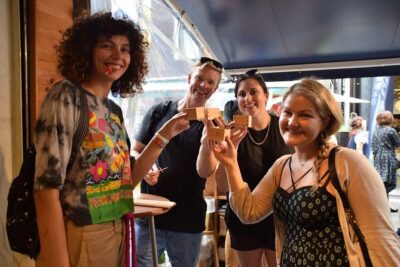
Tokyo Tsukiji Fish Market Food and Culture Walking Tour
Read our review →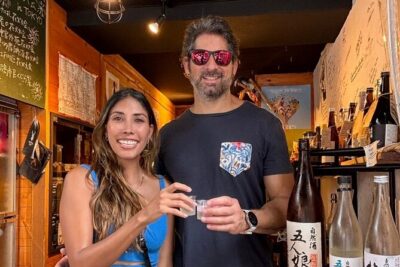
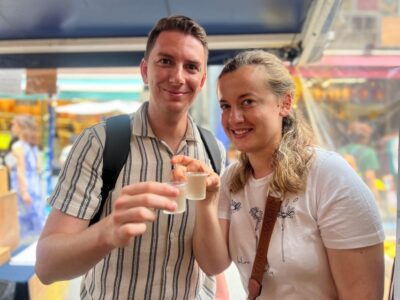
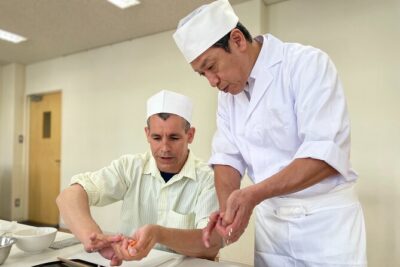
Tokyo Sushi Making Class in Tsukiji with Professional Chef
Read our review →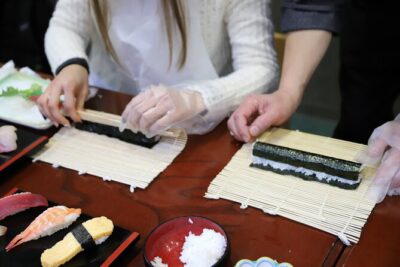
Tsukiji Fish Market Guided Tour and Sushi Making with Pro Chef
Read our review →Tsukiji Fish Market Food and Culture Walking Tour
Read our review →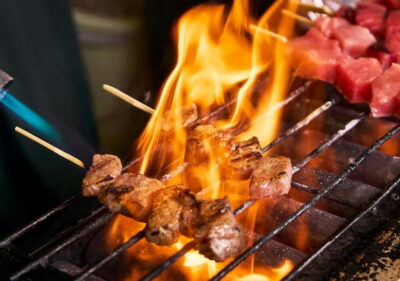
Tsukiji Fish Market: Street Food & Culture Walking Tour
Read our review →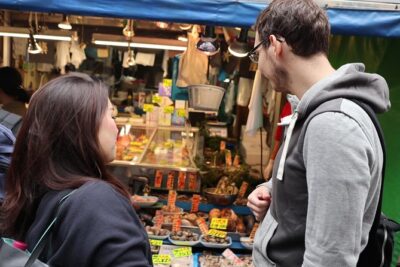
Tsukiji Fish Market Small-Group Food Walking Tour
Read our review →Browse the lists this tour appears in