
Reviewed · TOKYO WALKING TOURS
Tokyo: Shibuya Highlights Walking Tour & Secret View Spot
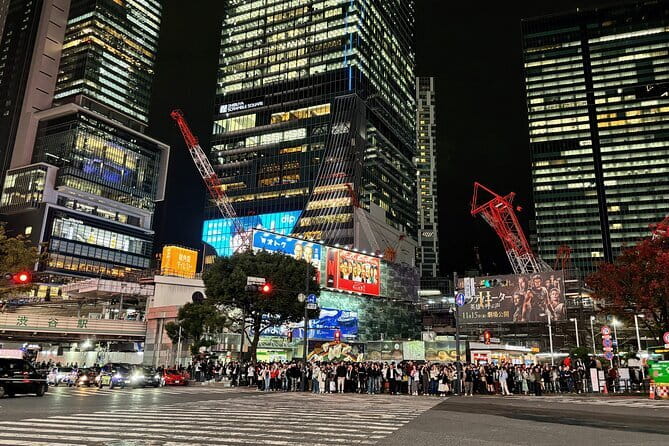
Shibuya Crossing is the headline, but this 90-minute walking tour is really about learning how the district fits together. A local guide leads you from the famous crossing through old drinking lanes, modern shopping streets, Miyashita Park, and the basement passages of Mark City. It is a quick way to get your bearings without stopping every few minutes to check a map.
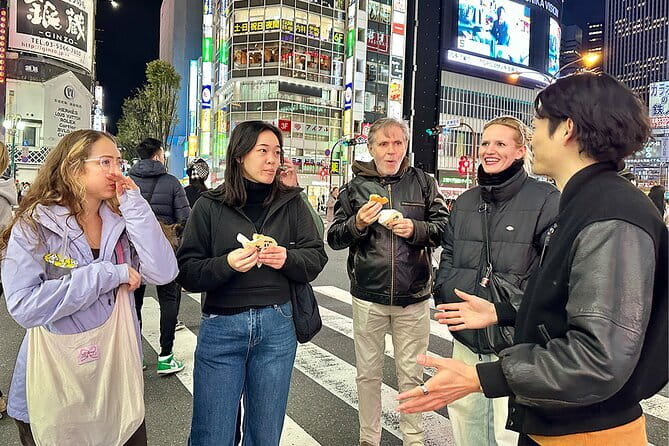
I like the small-group format, advertised at up to 10 people, and the fact that photos are taken during the walk. I also like the guides’ personal touch. Hannah has been praised for useful recommendations and exclusive finds, while Mao is noted for good stories and for guiding the group through the crossing while taking pictures.
The main point to check is the panoramic view. The route includes Shibuya Scramble Square in the schedule, but one guide reportedly said that the observation view was not included. The additional tour information also gives a maximum of 20 people, not 10, so confirm the current group size and viewpoint details before paying.
Key points to know before you book
- Shibuya Crossing anchors the walk: You get a guided look at Tokyo’s famous intersection rather than simply passing through it alone.
- The route mixes old and new Shibuya: Nonbei Yokocho’s tiny izakaya lanes sit alongside Miyashita Park, Center-gai, and modern station buildings.
- Hannah and Mao are named guide highlights: Hannah is praised for helpful recommendations, while Mao adds stories and takes photos at the crossing.
- The tour is fast by design: Six stops fit into about 90 minutes, so you get orientation rather than a slow, detailed visit.
- The viewpoint needs confirmation: The advertised observation stop may not always be available, despite the planned visit to Shibuya Scramble Square.
- It costs $25.20 per person: That is fair if you want a local introduction, but less compelling if you only want free viewpoints and already know the district.
Starting at Shibuya Crossing
The tour begins at SHIBU HACHI BOX, at 2-chōme-1-1 Dōgenzaka, close to Shibuya’s main activity. Your guide leads the way from there, which matters in a district built around several station exits, raised walkways, department stores, and busy streets.
The first stop is Shibuya Crossing, with about 10 minutes set aside to experience the famous intersection. You can expect an introduction to the crossing and time for photos, rather than a long lecture. Mao, one of the named guides, is especially praised for taking pictures as the group moved through the crossing.
That small service makes a difference. Shibuya Crossing is easy to photograph from a distance, but it is harder to get a good picture of yourself in the middle of it. A guide who knows when and where to pause can save you the awkward task of handing your phone to a stranger.
You should also keep your expectations sensible. Ten minutes is enough to see the crossing in action and understand why it matters, but not enough for an extended study of the surrounding buildings or several crossings at different times.
More things to do in Shibuya:
- Official Street Go-Kart in Shibuya
★ 5.0 · 3,435 reviews - Tokyo: Street Kart Experience in Shibuya
★ 4.9 · 1,484 reviews - Shibuya Meltdown Nightlife Tour: All-You-Can-Drink Bar Hopping
★ 5.0 · 1,058 reviews
The Shibuya view that may need checking
The next listed stop is Shibuya Scramble Square, with another 10 minutes for a panoramic view. From a planning point of view, this is one of the most useful parts of the route. Shibuya can feel flat and confusing at street level, and a higher viewpoint helps you see the roads, station, towers, and dense blocks as one district.
There is an important catch. The tour details describe an observation deck, while one report from a participant says the panoramic view was not included on the day and that the guide explained it was outside the tour. That could reflect a change in access, timing, or how the experience was being operated, but the result is the same: do not book this solely for the observation deck.
Ask the provider to confirm whether admission to the viewpoint is included and whether the group will actually go up. The tour says entrance and experience fees are included, but the conflicting information makes a quick check worthwhile.
If the view is available, it adds real value to a short orientation walk. If it is not, you will still see the district from ground level, but the tour loses one of its strongest planned features.
Nonbei Yokocho and old-style Shibuya
The walk then turns toward Shibuya Nonbei Yokocho, a narrow area known for its traditional izakaya atmosphere. The schedule allows about 10 minutes here, so think of this as a short look at the area rather than a meal stop.
This is a useful contrast with the giant screens and broad pedestrian spaces around the crossing. Nonbei Yokocho offers a more compact, old-fashioned side of Shibuya, with small drinking places and a nostalgic feel. The guide’s commentary helps explain why this pocket belongs in the district’s story.
You will not have time for a full food crawl during this tour. The stop works best if you want a quick introduction and plan to return later on your own. Ask your guide for suggestions if you would like to come back for a drink or dinner, especially since guides such as Hannah are praised for sharing practical local recommendations.
The short visit also shows the tour’s basic tradeoff. You cover a lot of ground, but each place receives only a brief look. I would treat this as a sampler, not a detailed neighborhood walk.
Miyashita Park’s modern public space
The longest single stop is Miyashita Park, with about 20 minutes scheduled. The park is especially popular with younger people and is known for its illuminated setting. It gives the walk a change of pace after the station area and narrow lanes.
The value here is less about one landmark and more about seeing how modern Shibuya uses public space. You get time to look around, hear the guide’s explanation, and notice how the park fits into the surrounding district.
Because the tour takes place outdoors and requires walking between stops, weather matters. The activity requires good weather, and poor conditions can lead to a different date or a full refund. Wear shoes you can walk in and keep your schedule flexible if rain is likely.
The 20-minute allocation is enough for a useful stop, though it is not a full visit to every part of the park. If you want to linger over the lights, shops, or nearby facilities, plan to return after the tour.
More Tokyo walking tours:
- Tokyo Tsukiji Fish Market Food and Culture Walking Tour
★ 5.0 · 3,184 reviews - Tokyo: Imperial Palace and Shogun Historical Walking Tour
★ 5.0 · 2,251 reviews - Tokyo: Shinjuku Local Bar and Izakaya Guided Walking Tour
★ 4.9 · 1,794 reviews - Tokyo: Tsukiji Fish Market Food and Walking tour
★ 5.0 · 1,724 reviews
Center-gai, where Shibuya gets loud and busy

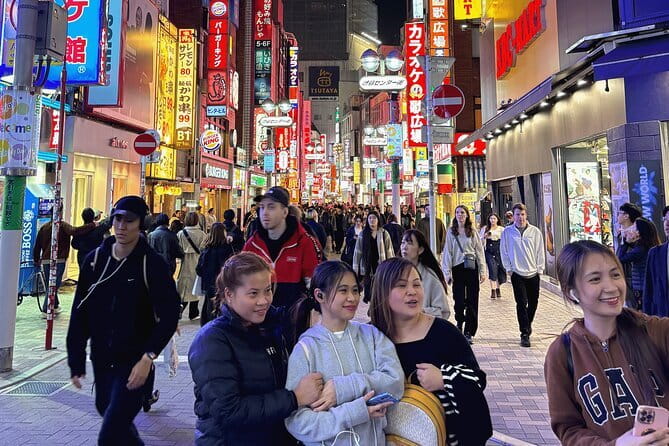
The route continues through Shibuya Center-gai, with about 20 minutes to explore the main streets. This is where the tour’s guide service becomes especially useful. You can walk these streets alone, of course, but a guide gives you context and helps you understand how Center-gai relates to the station, crossing, shopping areas, and nearby lanes.
The guide’s role is not just to keep the group moving. Commentary about local history and current Shibuya helps turn a simple stroll into a better first look. One guide was praised for knowing good stories, which is the kind of detail that can make a short tour feel personal rather than mechanical.
Center-gai is also where you should expect noise, crowds, and plenty of visual stimulation. The group may need to stay close together, especially near crossings and busy entrances. The small-group promise helps, but the extra information allowing up to 20 people means you should verify the actual size before booking if you dislike larger groups.
Twenty minutes gives you a good sense of the area, but not enough time to browse at leisure. Keep shopping for later unless you are happy to split from the group and miss part of the walk.
Mark City and the useful side of the station
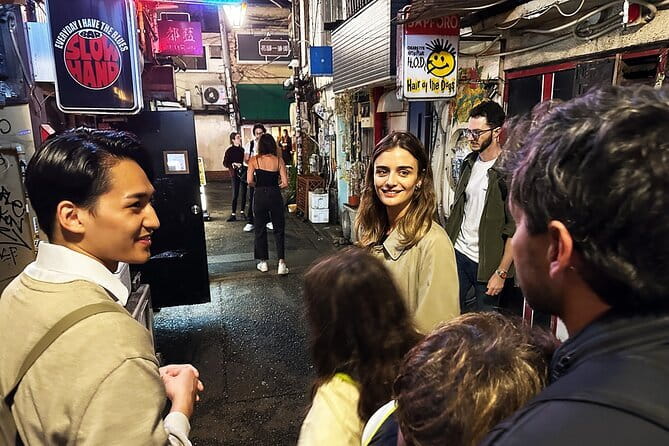
The final scheduled stop is Shibuya Mark City, where the group explores the basement floor for about 20 minutes. This is a smart practical ending. Shibuya is not only a collection of outdoor streets and famous photo points. Much of daily movement happens inside station-linked buildings, underground passages, and shopping complexes.
A guide can help you see Mark City as part of the district’s working layout rather than just another mall. The stop may also be useful in bad weather, though the tour itself is weather dependent.
The basement visit rounds out the experience by showing a less postcard-ready side of Shibuya. You get a look at how people move through the area and how the station connects different parts of the neighborhood.
After this stop, the activity ends back at the starting point. That makes the tour easy to pair with your own plans for lunch, shopping, or another Tokyo neighborhood.
What the $25.20 price really buys
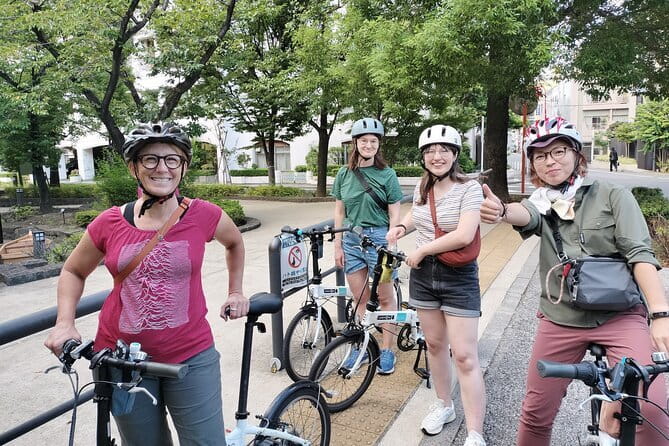
At $25.20 per person, the tour is reasonably priced for a guided introduction to one of Tokyo’s most confusing districts. The fee includes the entrance and experience fees, photos during the tour, and an English-speaking local guide. You are paying mainly for orientation, stories, and the convenience of a planned route.
The value is strongest on a first visit to Tokyo. If you want someone to explain the area while you walk, point out places you might otherwise miss, and take pictures at the crossing, the price is easy to justify.
The value is weaker if you already know Shibuya or only want the crossing. Most of the route is made up of public spaces that you can visit without a ticket. The tour becomes worthwhile because of the guide’s local knowledge and the range of stops, not because it grants access to a long list of paid attractions.
Private transportation is not included. That is not a major problem here, since the activity is built around walking and starts near public transportation. It does mean you should allow time to reach the meeting point on your own.
Guides, group size, and pace
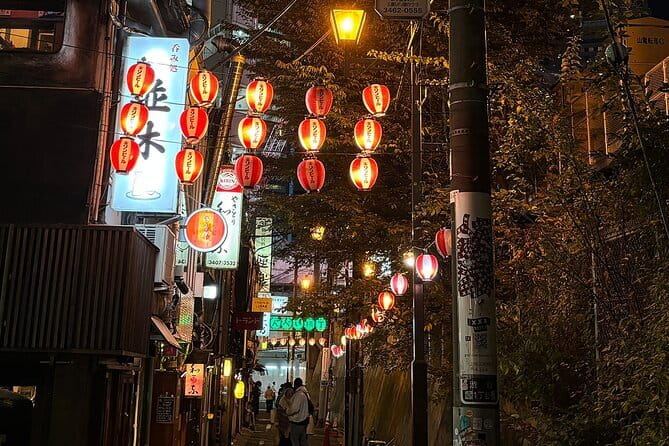
The strongest personal element comes from the guides. Hannah is praised for being friendly, attentive, helpful, and generous with recommendations. Mao is highlighted for good stories, clear guidance through Shibuya Crossing, and taking photos for the group.
Those details tell you what to look for from the experience: a guide who does more than recite facts, helps with pictures, and offers useful ideas for the rest of your time in Tokyo. The quality may vary by guide, but the named examples suggest that the human side of the tour can be its best feature.
The advertised group limit is 10 people, which would make it easier to hear commentary and stay together. Elsewhere, the maximum is given as 20 people. That is a noticeable difference. If group size is important to you, ask the provider which limit applies to your date.
The pace is brisk. Six stops are covered in roughly 90 minutes, with the walk itself linking them together. You should be comfortable walking for the full duration and keeping up with the group. Most people can participate, but the tour is not designed for a slow, extended visit at each site.
Who should book this Shibuya walk?
I would recommend it to a first-time Tokyo visitor who wants a clear introduction to Shibuya without spending hours planning a route. It also suits solo visitors who would like a guide to take photos and explain what they are seeing.
It works well early in a Tokyo stay. After 90 minutes, you should have a better sense of the crossing, Center-gai, Miyashita Park, Nonbei Yokocho, and the station area. You can then return to the places that interest you most.
Families and mixed-age groups may also find the short format manageable, provided everyone is comfortable walking. The guide-led route removes some of the stress of navigating a crowded district.
I would be more cautious if you want a slow food-focused walk, a serious architecture tour, or guaranteed access to a high observation deck. The tour touches these themes, but it does not spend enough time on any one of them to satisfy a specialist interest.
Booking details and cancellation
You receive confirmation when booking, and the experience accepts mobile tickets. The activity starts and ends at SHIBU HACHI BOX, so check the exact meeting point before setting out.
Free cancellation is available up to 24 hours before the start time for a full refund. Changes or cancellations within 24 hours are not refunded, and changes cannot be accepted inside that window. Since poor weather can cancel the activity, keep an eye on the forecast and understand that the provider may offer another date or a full refund.
Should you book the Shibuya Highlights Walk?
Book this tour if you want a fast, friendly introduction to Shibuya with a local guide, useful stories, and photos at the crossing. The mix of famous sights, old drinking lanes, public space, shopping streets, and station passages gives you a solid first map of the district.
Before booking, confirm two things: the actual group size and whether the Shibuya Scramble Square viewpoint is included. If the answer is clear and you value guidance more than paid attractions, $25.20 is fair.
Skip it if you are happy exploring Shibuya alone or if the observation deck is your main reason for going. In that case, spend your money on a confirmed viewpoint and use a self-guided route through the same streets.
FAQ
How long does the Shibuya walking tour last?
The tour lasts approximately 1 hour and 30 minutes.
Where does the tour start and finish?
It starts at SHIBU HACHI BOX, 2-chōme-1-1 Dōgenzaka, Shibuya, Tokyo 150-0043. The activity ends back at the meeting point.
What places does the tour visit?
The route includes Shibuya Crossing, Shibuya Scramble Square, Shibuya Nonbei Yokocho, Miyashita Park, Shibuya Center-gai, and Shibuya Mark City.
Is the tour conducted in English?
Yes. The experience includes an expert English-speaking local guide.
Are photos included?
Yes. Photos are taken during the tour and are included in the experience.
How many people can join the tour?
The experience is advertised as a small group with a limit of 10 people, while the additional information gives a maximum of 20 participants. Confirm the current group limit before booking.
Can I cancel for a full refund?
Yes, if you cancel at least 24 hours before the experience start time. Cancellations or changes made less than 24 hours before the start are not refunded. If poor weather causes the activity to be canceled, you can be offered another date or a full refund.
Newly reviewed around Tokyo
- Tokyo Asakusa:Calligraphy & Make T-shirt Activity★ 5.0 · 62 reviews
- Intercity Shuttle, Tokyo to Haneda /Narita /Yokohama /Makuhari★ 5.0 · 5 reviews
- 1 Hour Travel around Tokyo with a Professional Photographer★ 5.0 · 3 reviews
- Travel Tokyo with Your Own Personal Photographer★ 5.0 · 43 reviews
- Train in Samurai Swordsmanship and Defeat the Demon in Tokyo★ 5.0 · 5 reviews
- Shuttle Van 6hr Tokyo Tour to-and-from Tokyo, Yokohama and Narita★ 5.0 · 9 reviews
- Kickboxing & Body Training with EX-Pro Fighter★ 5.0 · 4 reviews
- Traditional Japanese Knife Sharpening Class★ 5.0 · 18 reviews
Tokyo Walking Tours, compared.

Tokyo Tsukiji Fish Market Food and Culture Walking Tour
Read our review →
Imperial Palace and Shogun Historical Walking Tour
Read our review →
Shinjuku Local Bar and Izakaya Guided Walking Tour
Read our review →
Asakusa Walking Tour with Sensoji Temple Visit
Read our review →
Tokyo Castle & Imperial PalaceーShogun Walking Tour
Read our review →
Browse the lists this tour appears in