
Reviewed · TOKYO SAKE TASTINGS
Tokyo Sake Tasting Tour with a Sake Expert
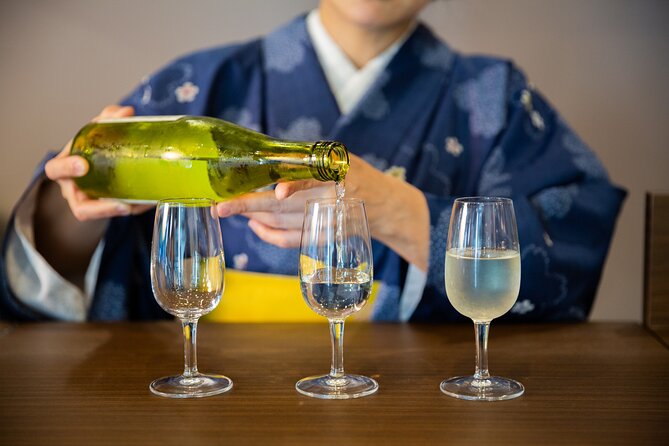
Tokyo Sake Tasting Tour with a Sake Expert gives you a friendly way to make sense of Japan’s national drink without committing to a full meal or a long evening out. You begin with three selected sakes, then try more than 50 labels in a cozy Shibuya bar, with an English-speaking guide helping you compare dry, sweet, fruity, nigori, plum wine, and craft-style bottles.
I like the small group limit of six, which gives the guide room to answer questions and suggest drinks for each person. I also like the relaxed format: you get a short lesson on sake’s history, a taste comparison, and all-you-can-drink sampling within the allotted time.
The main catch is the short 70-minute duration. You can sample many styles, but this is a lively introduction rather than a slow, detailed sake seminar. Food is not included, and you pay separately if you want the bar’s snacks or original dishes.
Key points to know before booking
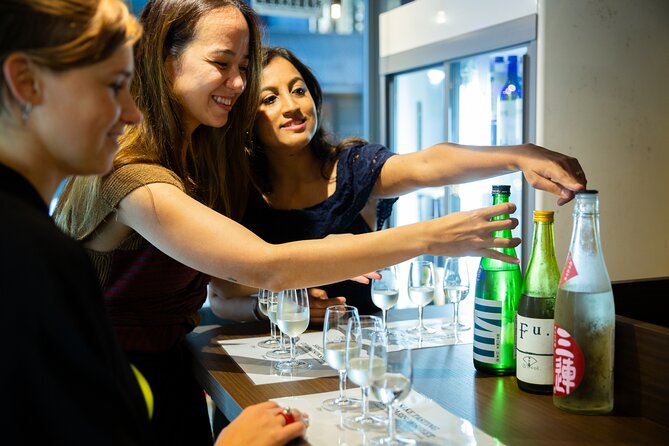
- More than 50 labels: Sample sake from a broad selection after comparing three introductory pours.
- Taste matching: Your guide recommends bottles based on whether you prefer dry, sweet, fruity, light, or fuller flavors.
- Small-group format: The maximum is six people, making it easier to ask questions and get personal suggestions.
- Shibuya location: The bar is about a five-minute walk from Shibuya Station, near the famous crossing.
- English-speaking guides: Guides named in the feedback include Mieko, Keko, Yoshie, and Tack.
- Short but generous format: The activity lasts about 1 hour and 10 minutes and includes alcoholic drinks, but not food.
Starting near Shibuya Crossing
The meeting point is at 29-7 Udagawachō, Shibuya, Tokyo 150-0042, Japan. The experience is described as a short walk from Shibuya Station, about five minutes, with Shibuya Crossing listed as the nearby itinerary stop.
That location matters. Shibuya is one of Tokyo’s easiest places to reach by train, and you can pair the tasting with sightseeing before or after. Still, do not expect a major walking tour of the district. The real focus is the bar and the sake, not a long route through Shibuya.
I would allow a few extra minutes to find the exact meeting point. Shibuya has large crowds, many station exits, and streets that can feel confusing on a first visit. Your mobile ticket is useful, but checking the address before you leave your hotel will save time.
Once everyone meets, the group heads into the bar for the tasting. Since the maximum group size is six, the setting should feel closer to a guided conversation than a large class. That is especially helpful if you know little about sake and want to ask basic questions without feeling out of place.
More Tokyo sake tastings:
- Ramen and Sushi Cooking Class with Sake Pairing Set in Tokyo
★ 5.0 · 291 reviews - Sake Tasting Masterclass in Shinjuku (8+ Varieties with a Pro)
★ 5.0 · 271 reviews - Sake Omakase in Tokyo: Guided Tasting by Certified Sommeliers
★ 5.0 · 239 reviews
Three opening pours that make sake easier to understand
The tasting starts with three carefully selected sakes. This is a smart structure because sake labels can be confusing when you have no reference point. Instead of choosing at random from 50 or more bottles, you first get a small comparison lesson.
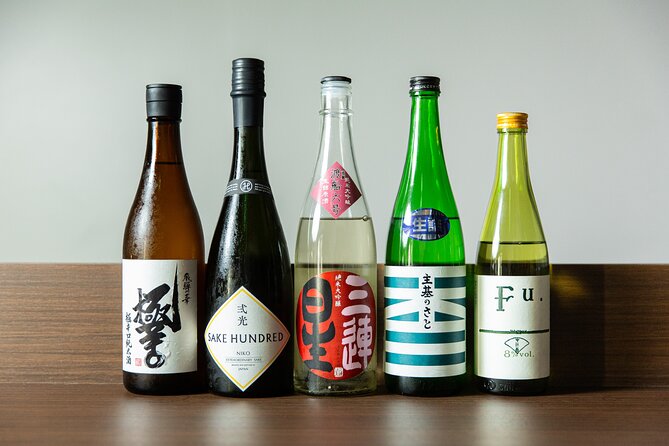
Your guide explains the basics, including sake’s history and the differences between styles. The exact bottles can vary, but the stated range includes crisp and dry options, fruity and easy-drinking bottles, gently sweet sake, nigori, plum wine, and craft-style varieties.
I like this opening because it gives you a starting vocabulary. You can say that you prefer something dry, soft, sweet, fruity, or smooth, and the guide can use that information for the next round. You do not need prior sake experience, and you do not need to arrive knowing technical terms.
A short quiz may also be part of the guide’s introduction. One guide used a simple quiz alongside basic sake information, which adds a little fun without turning the session into a formal class. The tone appears to be casual and approachable rather than academic.
Finding your preferred style from 50-plus labels
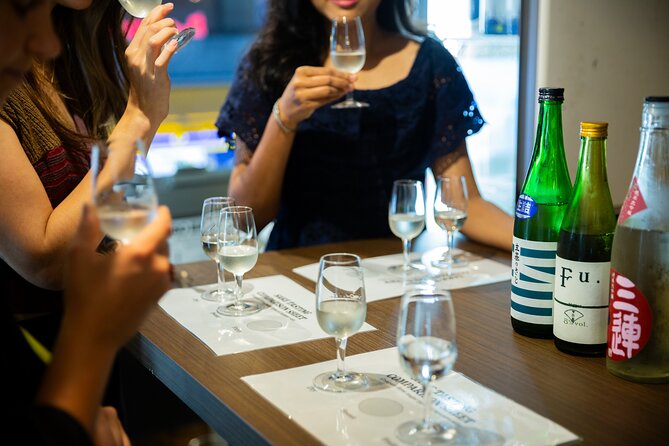
After the first three pours, you can explore the larger selection. The important point is not simply the number of bottles. It is the help you receive in choosing among them.
The guide asks what you liked in the opening tasting and then recommends something suited to your palate. If a dry sake seemed too sharp, you might be directed toward a fruitier or sweeter bottle. If you liked a clean, crisp drink, you might try another bottle with a similar character.
This personal matching is the strongest reason to book the experience instead of ordering sake on your own. A bar with more than 50 labels can be exciting, but it can also be overwhelming. The guide gives the selection some shape and helps you notice how different bottles can taste.
The all-you-can-drink setup applies to the available selection during the allotted time. That gives you the freedom to sample several styles without paying separately for every taste. At the same time, 70 minutes passes quickly, so I would focus on comparing a few clear categories rather than trying to rush through every bottle.
Drink at a sensible pace. The format invites sampling, but it is still a drinking session. Taking small pours and pausing between styles will help you taste the differences and enjoy the lesson.
What makes nigori, plum wine, and craft styles useful additions

A sake tasting limited to one narrow style would not suit every palate. This experience includes more than standard dry sake, which makes it friendlier for people who are unsure about the drink.
Nigori is typically associated with a cloudy appearance and a softer, fuller impression than clear sake. Plum wine offers a sweeter fruit-based alternative, while craft-style varieties give you a chance to try bottles that may feel less familiar than the standard choices found on a restaurant menu.
The tour also includes fruity and gently sweet sake. These can be useful entry points if you normally prefer white wine, fruit-forward drinks, or cocktails. You may still prefer dry sake in the end, but the broad selection lets you test that preference rather than assume it.
I would not treat every category as a strict rule. Taste depends on the individual bottle, and the guide’s recommendations are valuable because they can steer you toward a specific label rather than a general style. Ask why a particular bottle fits your preferences, then pay attention to what changes from one pour to the next.
A completely different kind of day in Tokyo:
- Mt Fuji and Hakone 1-Day Bus Tour Return by Bullet Train
★ 5.0 · 26,383 reviews - 1-Day Tokyo Bus Tour
★ 5.0 · 14,250 reviews - Tokyo: teamLab Planets TOKYO Digital Art Museum Entry Ticket
★ 4.6 · 9,779 reviews - Mt Fuji & Hakone Cruise, Drum Show Bullet Train 1 Day from Tokyo
★ 4.0 · 7,413 reviews
The guides shape the experience
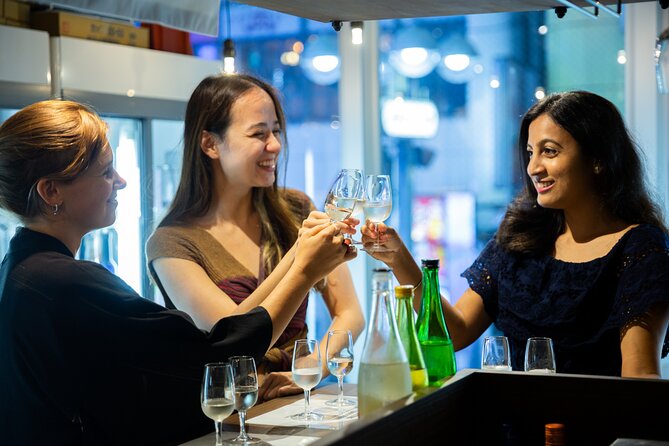
The activity includes a local English-speaking guide, and the guide’s personality appears to be an important part of the appeal. Mieko is described as sweet, engaging, and good at sharing sake information. Keko is noted for personable service, strong English, and clear explanations about sake.
Yoshie is praised for explaining the drink’s history and offering ideas for other places to see around Tokyo. Tack is also associated with a separate Tokyo food experience and is described as fun company with strong local knowledge. Guide assignments can change, so you should not book expecting one specific person unless the provider confirms it.
What I would look for is not a formal lecture but a guide who listens to your preferences. The best use of the 70 minutes is a back-and-forth conversation: taste, describe what you notice, and let the guide suggest the next pour.
This approach also helps if you are visiting with friends who like different drinks. One person can explore dry sake while another tries fruity, sweet, or cloudy styles. With only six people in the group, the guide has a better chance of offering individual suggestions.
A calm bar setting in the middle of Shibuya
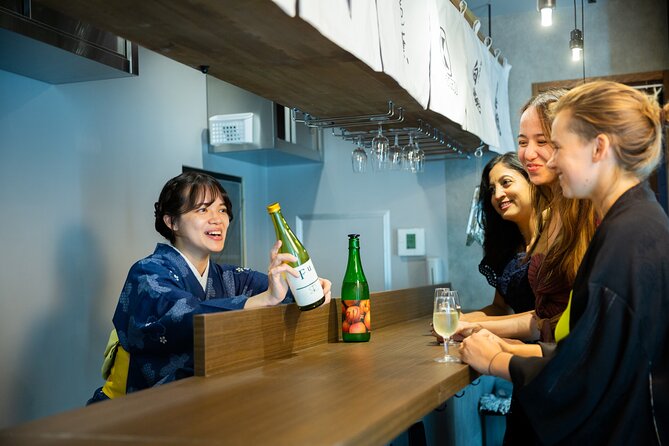
The experience takes place in a relaxed sake bar rather than in a large hall or a crowded sightseeing venue. That setting suits the subject. Sake is a drink to compare and discuss, and a quieter room makes it easier to hear the guide and focus on the flavors.
The contrast with Shibuya outside is part of the appeal. You can begin in one of Tokyo’s most famous areas, then step into a calmer drinking space a short walk from the station. The activity gives you a change of pace without sending you across the city.
Food is not included, but the bar offers sake-friendly snacks and original dishes created by the owner. These could make the tasting more satisfying, especially if you are visiting around dinner time. Since the cost of food is separate, ask about the menu and prices before ordering if you are keeping to a set budget.
I would not choose this activity as a replacement for a full Japanese meal. Think of the food as an optional companion to the drinks. If you want a complete dining experience, plan another meal before or afterward.
Is $27.36 good value for 70 minutes?
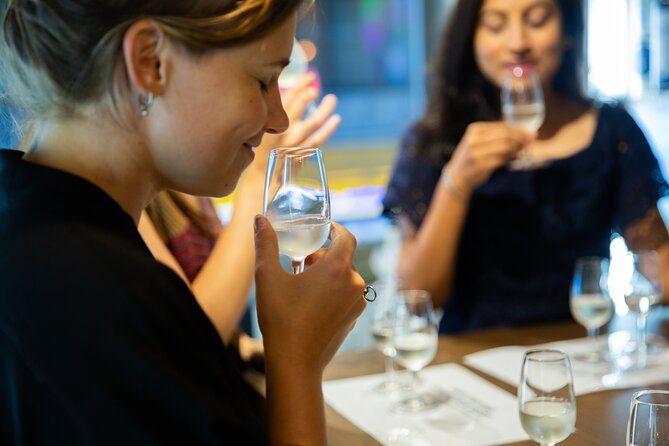
At $27.36 per person, the price is reasonable if you want a guided introduction and plan to sample several styles. The value comes from three parts: the English explanation, the small group, and the all-you-can-drink access to a selection of more than 50 labels.
Buying individual sake pours in a bar could cost more, especially if you do not know which bottles to choose. The guide also saves you from spending your first evening in Tokyo trying to decode unfamiliar labels without context.
The price is less compelling if you only want one drink or already have strong sake knowledge. A specialist who can identify preferred styles and producers may not need an introductory session. For most first-time tasters, though, the tasting format makes the cost easier to justify.
The tour is booked about 40 days ahead on average. That suggests you should reserve early if the timing matters, especially during a short Tokyo stay. The experience is small, and a six-person limit leaves less room for last-minute availability.
How the 70-minute schedule works for your day
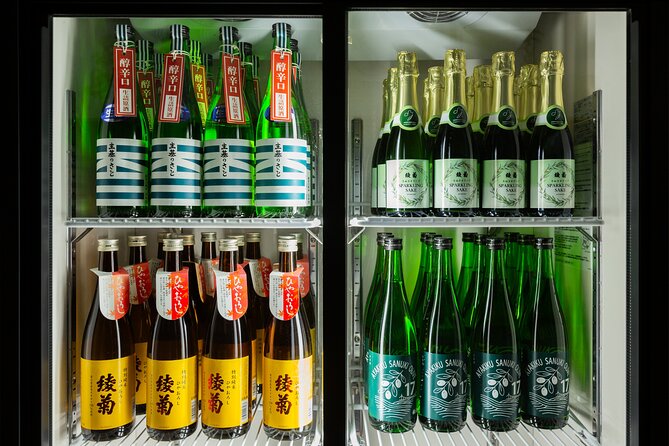
The activity lasts approximately 1 hour and 10 minutes and ends back at the meeting point. That makes it easy to fit into a busy Shibuya day.
You could schedule it before dinner, then order food elsewhere afterward. You could also use it as a break between sightseeing stops. Because the experience stays near Shibuya Station, you are not committing to a long transfer or a half-day excursion.
The short schedule has a clear benefit: it is manageable for visitors who want a taste of sake but do not want a full evening centered on drinking. The tradeoff is that there is little time for a long history lesson, a meal, or extended conversation with the guide.
I would arrive ready to focus. Think of the first three pours as the lesson, and the 50-plus selection as the hands-on practice. If you spend too long deciding, you will lose some of the tasting time.
Who should book this sake experience?
I would recommend it to first-time sake drinkers, couples, small groups of friends, and anyone who wants help choosing a bottle in Japan. It also suits people who normally prefer sweeter or fruitier drinks because the selection goes beyond dry sake.
The experience works well for a mixed group. You do not all need the same taste, and the guide can suggest different options. The small group size also makes it more comfortable for people who prefer conversation over a large organized tour.
It is less suitable for someone seeking a long cultural lecture, a full meal, or a visit to a brewery. You will learn about sake’s history and drinking culture, but the format is centered on tasting in Shibuya.
I would also be cautious if you do not drink alcohol. Alcoholic beverages are included, and the activity is built around sampling them. The provided details do not describe nonalcoholic alternatives.
Booking, cancellation, and practical details
You receive confirmation when you book, and the activity accepts a mobile ticket. It is near public transportation, with the meeting point close to Shibuya Station.
Free cancellation is available if you cancel at least 24 hours before the start time. Changes or cancellations made inside that window are not accepted for a refund, and the cut-off follows local Tokyo time.
The experience provider is Japan Wonder Travel. The maximum group size is six, which is worth checking when you compare it with larger sake tastings. A small group will not guarantee a particular guide, but it should give you more room for questions and tailored suggestions.
Should you book the Tokyo Sake Tasting Tour?
Book it if you want an easy, social introduction to sake in central Tokyo. The three opening pours, broad selection, personal recommendations, and small group make the experience more useful than simply ordering a random glass at a bar.
I especially like it for visitors who are curious but unsure where to begin. You can compare dry, sweet, fruity, nigori, plum wine, and craft-style drinks, then leave with a clearer idea of what you like.
Skip it if you want a brewery visit, a full dinner, or a long technical course. The 70-minute format is brisk, and the food costs extra. For a modest price and a convenient Shibuya location, though, it is a practical way to add sake culture to your Tokyo plans without giving up half a day.
FAQ
Where does the sake tasting take place?
The meeting point is at 29-7 Udagawachō, Shibuya, Tokyo 150-0042, Japan. The bar is described as about a five-minute walk from Shibuya Station, near Shibuya Crossing.
How long does the experience last?
The tasting lasts approximately 1 hour and 10 minutes.
How many people can join the tour?
The maximum group size is six travelers.
Is the tour conducted in English?
Yes. The experience includes a local English-speaking guide.
Do I need prior sake knowledge?
No. The guide explains the basics, including sake’s history, so you can join without previous experience.
How many types of sake can I try?
You start with three selected sakes, then can sample from a selection of more than 50 labels during the tasting.
Does the price include alcoholic drinks?
Yes. Alcoholic beverages are included, with all-you-can-drink access during the allotted time.
Is food included?
No. Food is not included, but you may order snacks and original dishes made by the bar’s owner.
Does the tour end at the meeting point?
Yes. The activity ends back at the meeting point.
Can I cancel for a full refund?
Yes, if you cancel at least 24 hours before the experience start time. Cancellations or changes made less than 24 hours beforehand are not accepted for a refund.
More Tokyo food tours
- Tokyo: Shinjuku Food Tour (13 Dishes at 4 Local Eateries)
★ 5.0 · 6,603 reviews - Tokyo Tsukiji Fish Market Food and Culture Walking Tour
★ 5.0 · 3,184 reviews - Tokyo: Shinjuku Food Tour (15 Dishes and 4 Eateries)
★ 4.9 · 2,033 reviews - Tokyo: Tsukiji Fish Market Food and Walking tour
★ 5.0 · 1,724 reviews
More Tokyo drink tastings and bars
- Tokyo Bar Hopping Tour in Shinjuku (All-You-Can-Drink + Dinner)
★ 5.0 · 3,587 reviews - Best of Shinjuku: Izakaya Food Tour (4 Stops, 14+ Tastings)
★ 5.0 · 1,863 reviews - Tokyo: Shinjuku Local Bar and Izakaya Guided Walking Tour
★ 4.9 · 1,794 reviews - Shibuya Meltdown Nightlife Tour: All-You-Can-Drink Bar Hopping
★ 5.0 · 1,058 reviews
Newly reviewed around Tokyo
- Tokyo Asakusa:Calligraphy & Make T-shirt Activity★ 5.0 · 62 reviews
- Intercity Shuttle, Tokyo to Haneda /Narita /Yokohama /Makuhari★ 5.0 · 5 reviews
- 1 Hour Travel around Tokyo with a Professional Photographer★ 5.0 · 3 reviews
- Travel Tokyo with Your Own Personal Photographer★ 5.0 · 43 reviews
- Train in Samurai Swordsmanship and Defeat the Demon in Tokyo★ 5.0 · 5 reviews
- Shuttle Van 6hr Tokyo Tour to-and-from Tokyo, Yokohama and Narita★ 5.0 · 9 reviews
- Kickboxing & Body Training with EX-Pro Fighter★ 5.0 · 4 reviews
- Traditional Japanese Knife Sharpening Class★ 5.0 · 18 reviews
Tokyo Sake Tastings, compared.
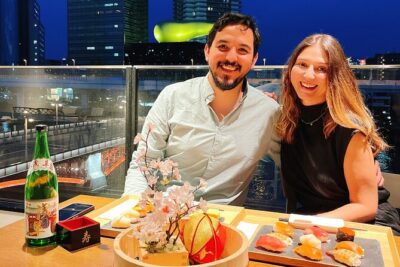
Ramen and Sushi Cooking Class with Sake Pairing Set in Tokyo
Read our review →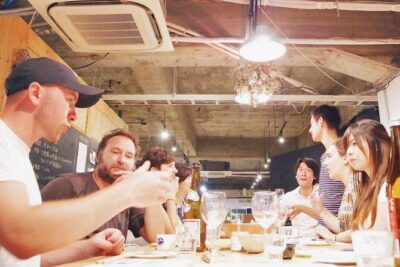
Sake Tasting Masterclass in Shinjuku (8+ Varieties with a Pro)
Read our review →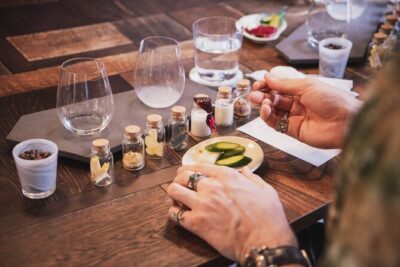
Sake Omakase in Tokyo: Guided Tasting by Certified Sommeliers
Read our review →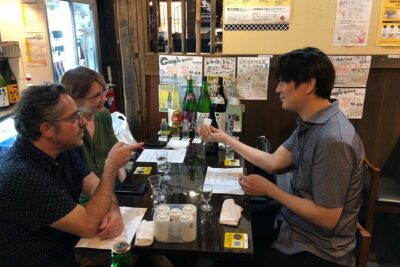
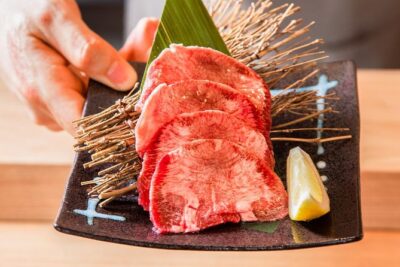
Wagyu & Sake Pairing in Shinjuku – Steak, Shabu-Shabu & More
Read our review →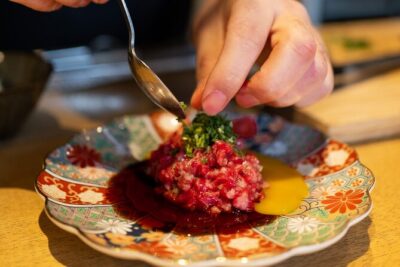
Tokyo Wagyu & Sake Pairing Tasting Experience with Local Flavors
Read our review →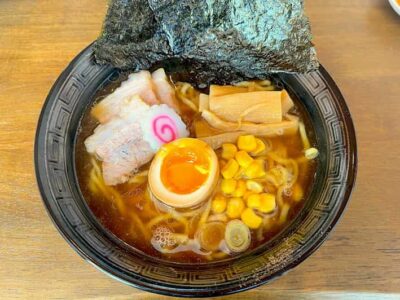
Sushi and Ramen Cooking Class with Sake Pairing Set
Read our review →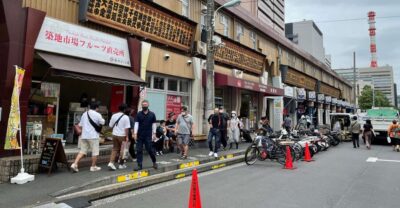
Tsukiji: Outer Market Walking Tour & Sake Tasting Experience
Read our review →Browse the lists this tour appears in