
Reviewed · TOKYO SAMURAI AND NINJA EXPERIENCES
Samurai Experience – Learn Bushido through Kendo, in Tokyo
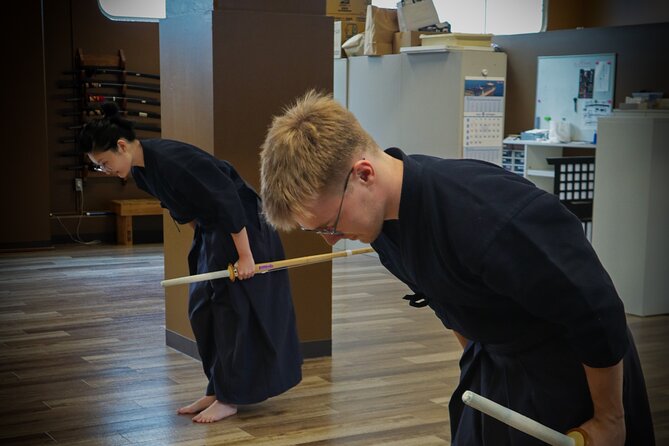
The best part of this Tokyo activity is that you do not just look at samurai culture from behind glass. You put on kendo gear, grip a bamboo sword, and train inside a working dojo with Daichi, an active practitioner with 19 years of experience. You learn by moving, not by watching a staged show.
I like the small maximum of eight people and the patient English instruction. I also like that you get a real taste of kendo’s mental side, including posture, timing, focus, and the strong shout called kiai. The main drawback is the price, $132.14 for about two hours, which is more than a museum visit or a standard cultural demonstration.
Key points to know
- Train with Daichi: Your main instructor has 19 years of kendo practice and speaks fluent English.
- Use proper equipment: Kendo clothing, a shinai, and other cultural tools are provided.
- Expect a beginner-friendly lesson: More than 90 percent of participants are new to kendo, and instruction moves slowly.
- Finish with action: After learning the basics, you can take part in a match-style exercise.
- Keep the memory: A photographer takes photos and videos, sent to you by email afterward.
- Small group, central setting: The session starts at 10:00 a.m. in Nihonbashikobunachō, Chuo City, and ends at the same meeting point.
What you really learn inside the Tokyo dojo
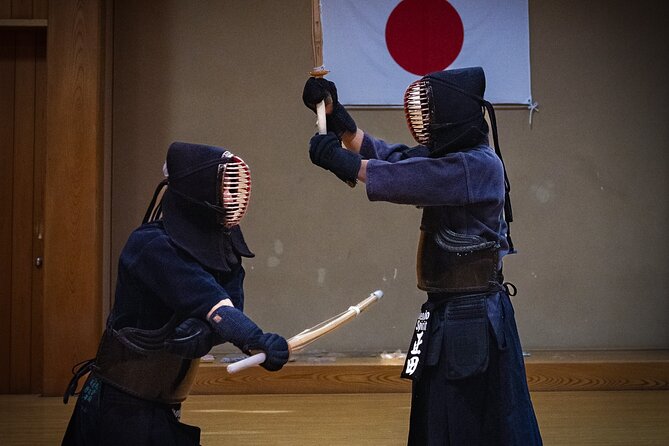
Kendo is often translated as the way of the sword, but this class is not simply about swinging a stick at another person. The practice joins body, mind, and spirit. You work on stance, footwork, timing, accuracy, and control, while also learning why discipline matters in Japanese martial arts.
That distinction makes this activity more worthwhile than a costume photo opportunity. You are not dressing up as a samurai for five minutes. You are given a bamboo sword called a shinai and shown how kendo is practiced today.
The Bushido connection is handled through movement and conduct. You learn to focus before striking, keep your posture, and act with purpose. The physical work gives those ideas a practical shape. You may leave with a better sense of why kendo is considered an art and a way of training the character, not just a sport.
The lesson also gives you a useful glimpse of modern Japan. Kendo remains an active martial art practiced by Japanese people in real dojos. This is a living custom, not a recreated scene designed only for visitors.
More Tokyo samurai and ninja experiences:
- Tokyo: Samurai Ninja Museum Guided tour and Experience
★ 4.6 · 1,010 reviews - Tokyo: Samurai Sword & Archery Class from Samurai Descendant
★ 5.0 · 603 reviews - Best Samurai Experience in Tokyo
★ 5.0 · 458 reviews
Meeting Daichi and the teaching team
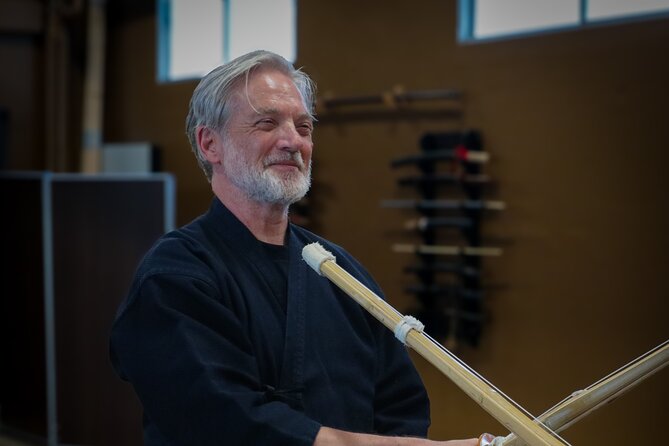
Daichi is the central figure in the class. He has trained in kendo for 19 years and continues to practice, which matters when you are learning a martial art that depends on precise movement and timing. His overseas work experience and fluent English make it easier to ask questions as the class develops.
That language access is important. Kendo has its own terms, rituals, and body positions, and a short explanation can make the difference between copying a movement and understanding it. You can ask questions during the session rather than trying to guess what each gesture means.
Assistant instructors also help during practice. English ability may vary among the assistants, but the class is designed around demonstration, repetition, and direct guidance. One unusual advantage is that you can see experienced practitioners perform the techniques at close range before trying them yourself.
The teaching style suits first-timers. The organizers say more than 90 percent of participants are beginners, and the instruction is kept slow and careful. That does not mean the session lacks energy. The goal is to get you moving quickly while keeping the basics clear.
How the two-hour session is likely to unfold
The activity begins at 10:00 a.m. at the meeting point in Nihonbashikobunachō, in Tokyo’s Chuo City. The location is near public transportation, and the activity returns to the same point at the end. You receive confirmation when you book, so check the meeting details before setting out.
You do not need to pack special clothing or equipment. Kendo attire, a bamboo sword, and Japanese cultural experience tools are included. T-shirts and pants are available to wear under the kendo uniform, so you can arrive with ordinary clothes and avoid carrying a bulky costume through Tokyo.
The opening part focuses on getting dressed and learning how to handle the equipment. The uniform changes your posture and movement right away. Even before the more active practice begins, you start to understand that kendo has a formal structure.
The core instruction covers basic strikes, footwork, and body position. You learn how to hold and swing the shinai, how to move forward, and how to coordinate the sword with the rest of your body. A little martial arts experience can help with balance or footwork, but it is not required.
A key part of the session is the kiai, the forceful call used during a strike. It can feel strange at first, especially if you are not used to making noise in a class. Yet it helps connect breath, intention, and movement. You are not simply hitting a target. You are learning to commit to the action.
The class then builds toward a match-style exercise. This is one of the most exciting parts, but it should be understood as a supervised practice rather than a full competitive bout. You get to test your new skills under pressure, which makes the earlier lessons easier to appreciate.
The session ends back at the meeting point. Bottled water is included, along with a souvenir. A photographer takes photos and videos during the activity, with the files sent to you by email afterward.
Why the working dojo matters
A genuine dojo feels different from a theater set. It is a place where Japanese practitioners train their sword skills, so you are seeing the setting used for regular practice rather than a room built only for cultural entertainment.
That setting adds value in two ways. First, it gives the lesson a stronger sense of place. You are in Tokyo, surrounded by the sounds and routines of a Japanese martial arts school. Second, it places the activity in a modern context. The samurai image belongs to the past, but kendo continues as a disciplined practice today.
Do not expect a full lesson in samurai history. The focus is on doing kendo, with cultural and mental ideas explained along the way. If you want long historical lectures or a museum-style presentation, this may feel too active and too short. If you want to understand culture through your own body, the format works well.
More Tokyo martial arts classes:
- Tokyo:Samurai sword and archery class from a samurai descendant
★ 5.0 · 121 reviews - Tokyo 2-Hour Genuine Samurai Experience: Kendo in Japan
★ 5.0 · 112 reviews - Tokyo: Samurai Kendo Practice Experience
★ 4.7 · 102 reviews - Tokyo: Japanese Archery (Kyudo) Experience
★ 5.0 · 78 reviews
The real value of the $132.14 price
At $132.14 per person, this is not a budget activity. The two-hour length also means you are paying a sizable amount for a short session. You should choose it for the quality and access of the experience, not because it is an inexpensive way to fill a morning.
The fee includes the instructor, small group setting, uniform rental, shinai rental, other cultural tools, bottled water, a souvenir, and photos and video sent later. You do not need to rent equipment or buy clothing before you arrive. Those inclusions make the price easier to justify.
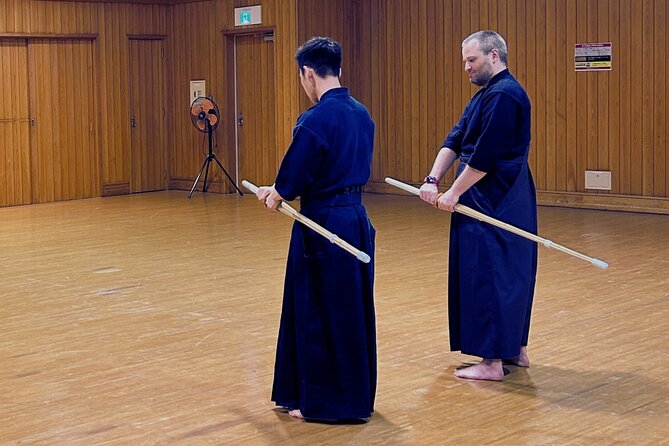
The small group is especially important. With no more than eight people, the instructor can watch your stance and help adjust your movements. That matters in kendo, where a small error in foot position or timing can affect the whole strike.
I see the strongest value for people who want more than a passive cultural stop. You can use the basic skills as a starting point for kendo lessons after returning home. One participant even left considering continued practice in Canada, which says something about the class’s ability to spark a lasting interest.
Still, I would not recommend it to everyone at this price. If you want a quick samurai-themed photo and little physical activity, cheaper options may suit you better. This class earns its cost through participation, instruction, and access to a real dojo.
Is kendo hard for beginners?
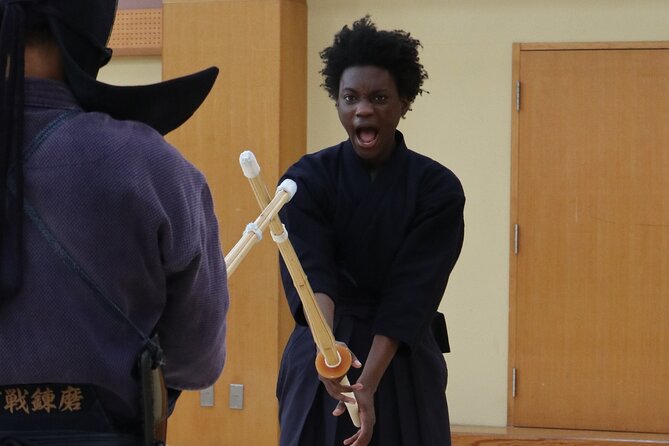
The short answer is no, provided you accept that the first movements may feel unfamiliar. You do not need martial arts experience, athletic ability, or prior knowledge of Japanese. The class is built for beginners, and the instructors teach slowly.
You will need to pay attention. Kendo combines the feet, hands, eyes, posture, and voice, so it can feel like a lot to coordinate in two hours. That is part of the appeal, but it also means you may not master every movement before the session ends.
The physical effort is real, even at an introductory level. You practice repeated strikes and footwork, then take part in a match-style exercise. The activity includes bottled water, but you should still arrive ready to move.
Younger participants can join too. A 12-year-old took part with a parent, and the instruction suited both of them. The available information does not give a minimum age for all bookings, so families should confirm before reserving for children younger than that.
What the match adds to the lesson
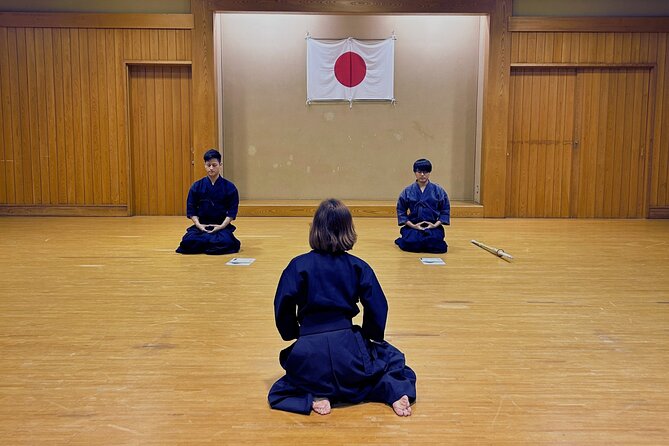
The final match-style practice gives the class a clear payoff. During the earlier instruction, you learn the mechanics. In the match, you must remember them while watching another person and deciding when to move.
That pressure reveals why kendo is about the mind as well as the sword. You need timing and focus, not just strength. A powerful strike is useful only when it is controlled and properly directed.
The activity is not presented as a dangerous fight. It is a guided way to use the new skills. Still, you should expect a more energetic finish than a simple demonstration.
The match also helps explain the excitement many people feel during the session. Watching skilled instructors perform is impressive, but taking part gives you a more direct connection to the practice. Even a beginner’s attempt can show how much concentration the art demands.
Photos, souvenirs, and what to wear
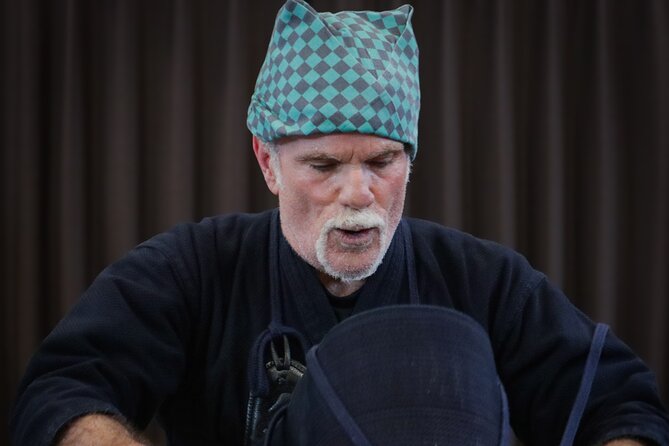
You can travel light. The organizers provide the kendo attire, including a T-shirt and pants to wear under the uniform, along with the shinai and other cultural tools. Bottled water is also included.
Wear something comfortable underneath the provided clothing. The session involves movement, so you will appreciate clothes that allow you to bend and walk easily. No special martial arts gear is needed.
Photography is included in a useful way. A photographer takes both still photos and videos, then sends the data to you by email after the experience. This gives you a record of the practice without requiring you to hold a phone while trying to learn.
A souvenir is included as well. The exact item is not specified, so do not book expecting a particular object. Think of it as a small extra rather than the reason to choose the activity.
Who should book this experience
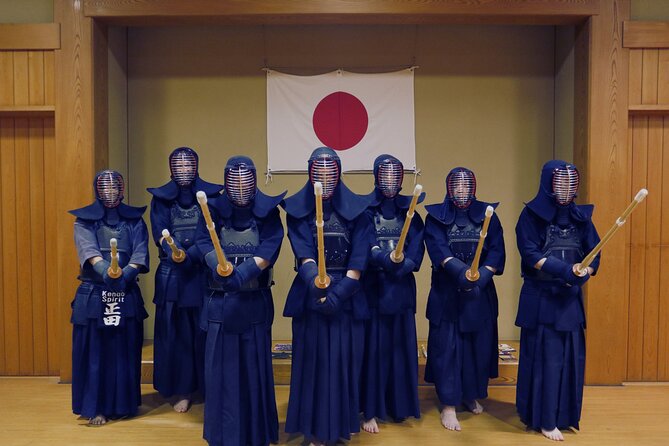
I would choose this for you if you want an active cultural morning in Tokyo and are curious about martial arts. It is a good match for solo visitors, couples, families with suitable children, and people who already practice another discipline.
A background in taekwondo, karate, or fencing may help you notice certain differences in footwork, distance, or timing. It is not necessary, though. Beginners make up most of the group, and the instructors are used to explaining the basics.
You should also book it if you want to continue kendo after Japan. The class gives you enough practical contact to decide if the art interests you beyond a single holiday activity.
I would think twice if you dislike exercise, feel uncomfortable making a loud kiai, or want a quiet cultural lecture. The activity asks you to participate fully. It is friendly, but it is not passive.
The current score is 5 out of 5 from 88 ratings, with 100 percent recommending it. The strongest praise centers on the instructors’ enthusiasm, the clear teaching, the balance of history and technique, and the chance to take part in a final match. Those are exactly the areas that matter most here.
Practical details before you reserve
The tour starts at 10:00 a.m. and lasts about two hours. The meeting point is Japan, 103-0024 Tokyo, Chuo City, Nihonbashikobunachō, 29 Sec日本橋ビル, and the activity ends there.
The maximum group size is eight. Public transportation is nearby, and most people can participate. The data does not give detailed information about physical accessibility, so contact Kendo Spirit if you have mobility or other access needs.
Free cancellation is available up to 24 hours before the start time for a full refund. Cancellations or changes made less than 24 hours before the start time are not accepted for a refund, and the cut-off follows Tokyo local time.
FAQ
How long does the kendo activity last?
The activity lasts about two hours.
What time does the session begin?
It begins at 10:00 a.m.
Where does the activity meet?
The meeting point is at Japan, 103-0024 Tokyo, Chuo City, Nihonbashikobunachō, 29 Sec日本橋ビル.
Where does the activity end?
The activity ends back at the meeting point.
Is kendo equipment included?
Yes. Kendo attire, a bamboo sword called a shinai, and Japanese cultural experience tools are included.
Do I need to bring special clothing?
No. T-shirts and pants are provided to wear under the kendo uniform.
Can I join without martial arts experience?
Yes. The class is designed for beginners, and more than 90 percent of participants are new to kendo.
Is English instruction available?
Yes. Daichi speaks fluent English and can answer questions during the session.
Are photos and videos included?
Yes. A photographer takes photos and videos, and the data is sent to you by email after the activity.
Can I cancel for a full refund?
Yes. You can cancel at least 24 hours before the start time for a full refund. Cancellations made less than 24 hours before the start time are not refunded.
Should you book Kendo Spirit?
Book this if you want to feel Japanese martial arts through your own movement rather than simply watch a performance. The real dojo, small group, English-speaking instruction, provided equipment, and match-style finish give the two hours a clear purpose.
At $132.14, it is a considered purchase, but the price includes the clothing, equipment, guide, water, souvenir, and photo package. I would make room for it if you value authentic participation and want a skill that might continue after Japan.
Skip it if you are looking for the cheapest cultural activity or prefer sightseeing that requires little physical effort. For everyone else, Kendo Spirit offers a focused, memorable way to meet modern Bushido in Tokyo.
Newly reviewed around Tokyo
- Tokyo Asakusa:Calligraphy & Make T-shirt Activity★ 5.0 · 62 reviews
- Intercity Shuttle, Tokyo to Haneda /Narita /Yokohama /Makuhari★ 5.0 · 5 reviews
- 1 Hour Travel around Tokyo with a Professional Photographer★ 5.0 · 3 reviews
- Travel Tokyo with Your Own Personal Photographer★ 5.0 · 43 reviews
- Train in Samurai Swordsmanship and Defeat the Demon in Tokyo★ 5.0 · 5 reviews
- Shuttle Van 6hr Tokyo Tour to-and-from Tokyo, Yokohama and Narita★ 5.0 · 9 reviews
- Kickboxing & Body Training with EX-Pro Fighter★ 5.0 · 4 reviews
- Traditional Japanese Knife Sharpening Class★ 5.0 · 18 reviews
Tokyo Samurai and Ninja Experiences, compared.
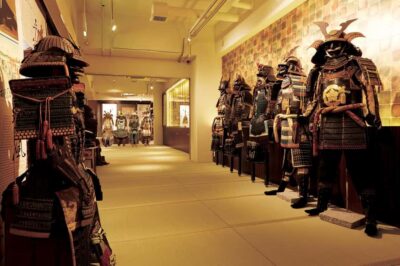
Samurai Ninja Museum Guided tour and Experience
Read our review →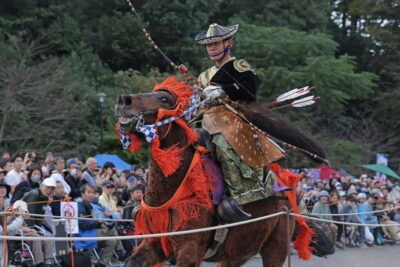
Samurai Sword & Archery Class from Samurai Descendant
Read our review →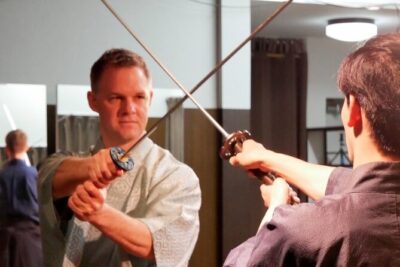
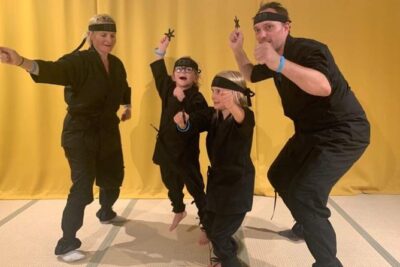
Ninja Experience (Family Friendly) at Samurai Ninja Museum TOKYO
Read our review →
Samurai Entertainment Night Show in Kanda Shrine
Read our review →
Tokyo Sword Experience – includes Museum Ticket/Ninja Experience
Read our review →
Samurai Ninja Museum Asakusa: Samurai Sword Lesson & Tour
Read our review →
Ninja Samurai 2-hour hands-on lesson by Japanese master in Tokyo
Read our review →Browse the lists this tour appears in