
Reviewed · TSUKIJI AND TOYOSU FISH MARKET TOURS
Tokyo Tsukiji Food & Culture 4hr Private Tour with Licensed Guide
Tokyo’s food story is spread across working markets, snack streets, temple approaches, and shops selling everything from sushi ingredients to restaurant knives. This private tour lets you choose two or three areas rather than follow a fixed route, and guides such as Hiromi, Nori, Maki, and Hideki have helped visitors turn a market visit into a useful lesson in eating and getting around.
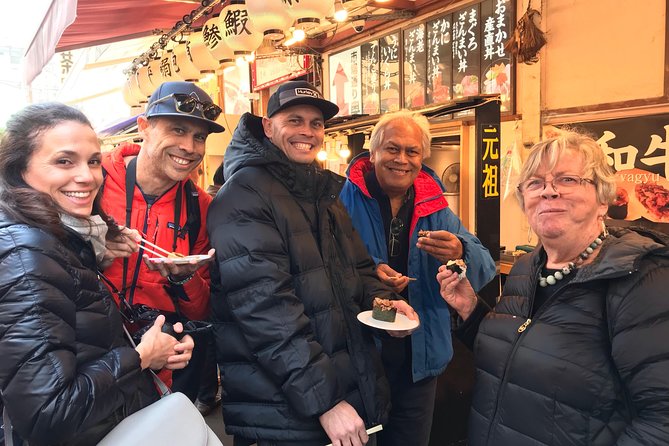
I like the personal guide and the chance to sample foods at Tsukiji, where guides have introduced guests to sushi, sea urchin, wagyu beef, tamagoyaki, crab, and other small bites. I also like the practical side: guides can show you how to use the subway and point you toward cooking goods at Kappabashi or everyday snacks at Yanaka Ginza. The main catch is time. Four hours is enough for two sites, perhaps three, but not all eight stops, and transportation and food cost extra.
Key points to know before you book
- Choose two or three places: The route can focus on Tsukiji and Asakusa, both fish markets, or a food-and-shopping combination.
- Tsukiji is the eating stop: Expect an outer-market setting with small food stalls and shops, not the former wholesale market and auction floor.
- Toyosu has a schedule trap: It is closed on Wednesdays, Sundays, and some irregular dates. An 8:00 start may also be too late for auction activity.
- Your guide meets you on foot: Hotel pickup means meeting at your hotel or designated area, then walking and using public transportation without a private car.
- Food and fares are extra: The $109.01 per-person price covers the licensed English-speaking guide, not lunch, tastings, train fares, or personal purchases.
- Private means flexible: Only your group participates, which works well for families, couples, and groups with different food interests.
Tsukiji is the heart of the food portion
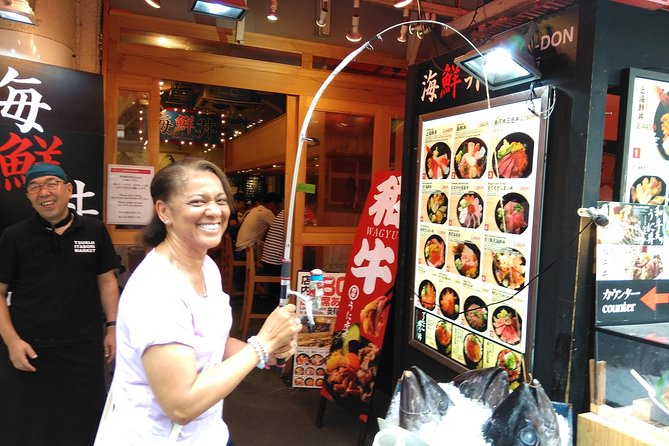
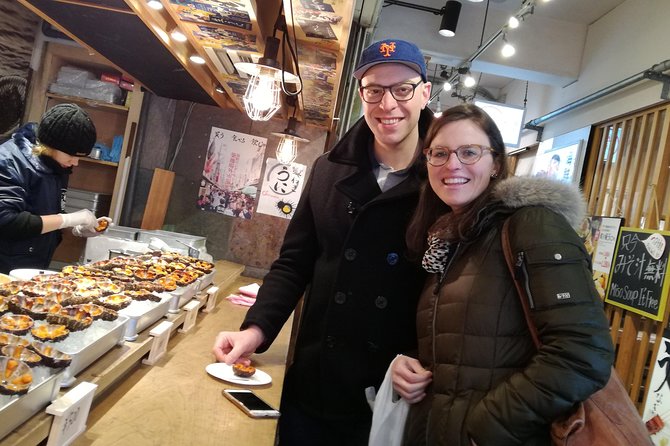
If you want a Tokyo food market where you can actually eat, Tsukiji is the safest choice on this route. The old wholesale market moved to Toyosu, but Tsukiji’s outer market continues with small retailers, food counters, and stalls selling ingredients and ready-to-eat treats.
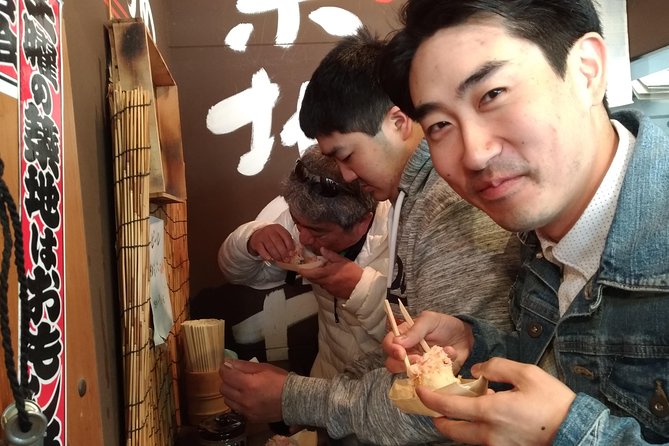
Your guide can help you make sense of the maze. That matters here. You may see sushi, grilled seafood, egg rolls, beef dishes, sea urchin, crab, and other foods in quick succession, with different queues, prices, and customs at each stop.
Past guides have helped guests sample as many as 13 small dishes, though you should not assume that number is included or possible on every visit. Your food bill is separate, and your appetite will help determine how much you try.
I like Tsukiji for another reason: it connects food with ordinary Japanese cooking. Your guide can explain what a food is, how it is used, and how to approach a stall politely. Maki, for example, has been praised for pointing out different foods and explaining how they are prepared. That sort of help is more useful than simply being led from one famous counter to the next.
Allow some patience for crowds and tight spaces. The tour gives you about 30 minutes at the market in the planned format, but the guide can shape the four hours around your interests. If Tsukiji is your main goal, tell the guide before setting off and avoid trying to add too many distant districts.
More Tsukiji and Toyosu fish market tours:
- Tokyo Tsukiji Fish Market Food and Culture Walking Tour
★ 5.0 · 3,184 reviews - Tokyo: Tsukiji Fish Market Food and Walking tour
★ 5.0 · 1,724 reviews - Tokyo: Tsukiji Fish Market Guided Walking Tour
★ 4.9 · 1,397 reviews
Toyosu offers a different market story
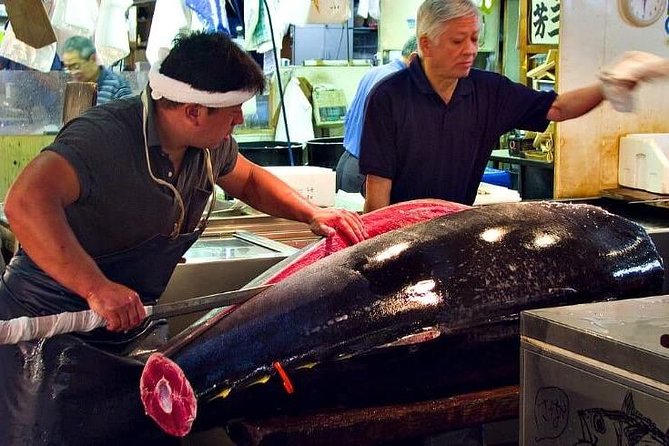
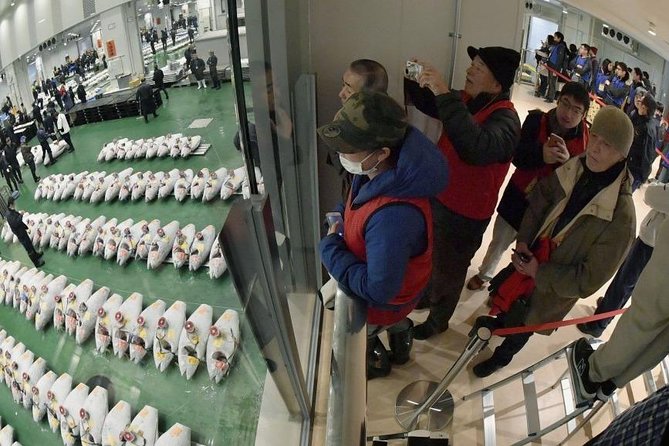
Toyosu is the modern wholesale market that opened on October 11, 2018. It replaced the old wholesale operations at Tsukiji, including the famous tuna auction. The setting is more organized and purpose-built, while Tsukiji is better for wandering, shopping, and eating.
The planned visit is about 30 minutes, and admission is not included. More important, Toyosu is closed on Wednesdays, Sundays, and occasionally on other irregular days. Confirm the operating date before you book, especially if Toyosu is the main reason for choosing this tour.
Timing matters even more. One disappointing experience began at 8:00, after the auction had finished and many shops had closed or reduced their hours. If you want auction activity, ask specifically about the start time and what can realistically be seen that day. Do not assume a morning tour automatically means an auction visit.
Toyosu and Tsukiji can work well together if you want to understand the change from old market to new market. They are not interchangeable, though. Choose Toyosu for the wholesale-market setting and Tsukiji for food stalls and hands-on eating.
Asakusa combines temple sights with snack shopping
Asakusa gives this food tour a needed change of pace. Senso-ji is one of Tokyo’s best-known temples, with a history reaching back about 1,300 years. Its Kaminarimon entrance gate is marked by a large red lantern, making it an easy meeting point and a memorable first view.
Nakamise Shopping Street leads about 250 meters toward Senso-ji. Shops sell traditional souvenirs, snacks, and small gifts. It is a good place to compare food culture with festival culture, since the approach to the temple is as much a shopping street as a religious entrance.
The guide can explain how the temple area fits into Tokyo’s older neighborhoods. Sally has been praised for arranging a Senso-ji visit around a group’s wishes, while other guides have paired Asakusa with Tsukiji and Hama Rikyu Garden. The garden is not one of the eight named stops, so treat it as a possible custom request, not a guaranteed part of the standard plan.
Asakusa is also a practical choice for families. You can combine a major temple, snack shopping, and street scenes without spending the entire four hours on food counters. The drawback is that Senso-ji and Nakamise are close together, so counting them as two separate stops may leave less time for another district.
Kappabashi turns cooking into shopping
Kappabashi Street, also called Kappabashi Dogugai, runs between Ueno and Asakusa. Its shops serve restaurant operators and home cooks, with cookware and other kitchen supplies filling the storefronts.
This is the best stop for a souvenir that has a real use. Instead of buying another generic Tokyo trinket, you might find cooking tools, tableware, or other kitchen goods. The exact purchases depend on the shops open and your interests, and personal spending is not included.
Kappabashi also explains something about Japanese food culture that a market tasting cannot. Food depends on tools, presentation, and careful preparation. A guide can help you understand what you are seeing and how to shop without wasting time in a long commercial street.
I would pair Kappabashi with Asakusa if you want a compact half-day around old Tokyo. I would not try to add it to both Toyosu and Yanaka Ginza unless you are happy with brief visits and a good deal of train travel.
More Tokyo food tours:
- Tokyo: Shinjuku Food Tour (13 Dishes at 4 Local Eateries)
★ 5.0 · 6,603 reviews - Tokyo: Shinjuku Food Tour (15 Dishes and 4 Eateries)
★ 4.9 · 2,033 reviews - Best of Shinjuku: Izakaya Food Tour (4 Stops, 14+ Tastings)
★ 5.0 · 1,863 reviews - Eat and Drink Like a Local: Tokyo Ueno Food Tour-Taverns&Ramen
★ 5.0 · 957 reviews
Ameyoko brings food and bargain shopping together
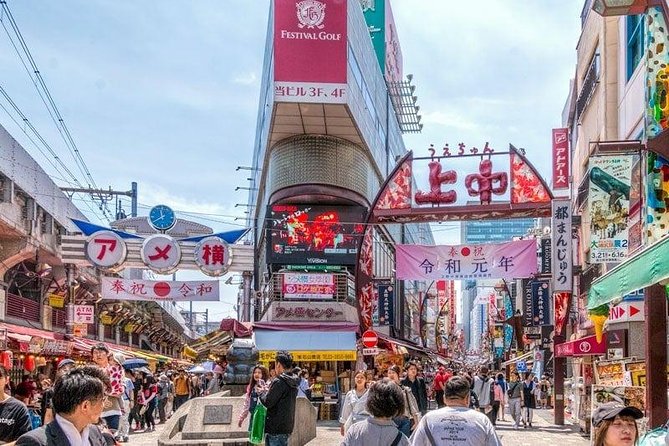
Ameyoko Shopping Street in Ueno is the broadest shopping option in this experience. It is useful for souvenirs, casual food, and everyday goods, with a less polished feel than high-end Ginza shopping.
The planned visit is about 30 minutes, so keep your expectations in check. That is enough to walk through part of the area and identify things worth returning for, but not enough for a long meal and serious shopping.
Ameyoko makes sense if you want a food stop that is not limited to seafood. It also works for a group with mixed interests, since one person can browse goods while another looks for snacks. Still, Tsukiji is the stronger pick for a focused food tour, while Kappabashi is the better choice for kitchen-related shopping.
Monjayaki and Yanaka Ginza show quieter sides of Tokyo
Tsukishima Monja Street introduces monjayaki, a Tokyo specialty made from a loose batter with flour and dashi. It is cooked hot and has a soft, less tidy appearance than many visitors expect. The dish is more about texture, shared cooking, and local habit than picture-perfect presentation.
Food is not included, so you pay separately for any monjayaki meal. This stop can take more time than the listed 30 minutes if you want to sit down and eat, so discuss the plan with your guide before choosing it.
Yanaka Ginza offers a different kind of Tokyo. The shopping street keeps an older shitamachi atmosphere, with small local businesses and a more relaxed neighborhood feel. It is a good pick if you have already seen the major sights and want daily life rather than another famous landmark.
Koba has guided visitors through Yanaka Ginza after Tsukiji, helping them shop for ordinary household items. That pairing makes sense: Tsukiji supplies the food excitement, while Yanaka shows how neighborhood shopping feels away from the major tourist centers.
A four-hour route needs firm decisions
The most important planning fact is simple: this is a custom visit to two or three sites, not a tour of every place named in the description. Each stop is listed at about 30 minutes, but the actual day includes walking, subway rides, transfers, and time for eating or shopping.
If you try to cover Toyosu, Tsukiji, Asakusa, Ameyoko, Kappabashi, Monja Street, and Yanaka Ginza, you will spend too much of the tour moving. One guest reached only two places after losing time on trains, which is exactly the risk of an overpacked plan.
A better approach is to pick a theme:
- Food first: Tsukiji plus Asakusa, with time for snacks.
- Market comparison: Toyosu plus Tsukiji, if both are open and the timing works.
- Food and tools: Tsukiji plus Kappabashi.
- Old Tokyo: Asakusa plus Yanaka Ginza.
- Family variety: Tsukiji, Senso-ji, and one short shopping stop.
Tell the guide what matters most before the start. Several guides, including Hiromi, Shuji, Koji, and Nori, have adjusted plans around food preferences, teenagers, temples, train practice, and shopping.
The guide is the main value
At $109.01 per person, this is not a cheap way to buy four hours of sightseeing. The price makes more sense if you want a private English-speaking guide who can explain food, manage a flexible route, and help with Tokyo’s rail system.
The guide fee does not cover transport, meals, entrance fees, or personal purchases. There is no private vehicle. You meet the guide on foot within the designated Tokyo area, then walk and use public transportation. For a couple, the total cost can rise quickly once you add train fares and food, but you gain a private schedule instead of joining a large group.
The strongest guide accounts show what you are paying for. Hiromi helped visitors navigate the metro and choose Tsukiji tastings. Maki explained foods and shorter queues. Hideki added historical context and practical Tokyo tips. Other guides have included small useful touches such as wet wipes, chopsticks, and maps.
That service can be especially helpful on your first Tokyo visit. If you already know how to use the trains and feel comfortable ordering food, you may get better value by exploring Tsukiji independently and paying only for what you eat.
Timing, weather, and practical limits
The tour lasts about four hours and is conducted on foot with public transportation. Wear shoes suited to walking and leave room in your schedule for train connections. A private vehicle is not provided.
A rainy day does not automatically ruin the visit, but market streets and shopping areas may be less comfortable. One guide continued explaining food and culture despite poor weather, yet you should still plan for changing conditions.
Most people can participate, and service animals are allowed. Since this is a private activity, only your group takes part. That makes it easier to pause, change the food focus, or slow down for children, but it does not remove the physical demands of walking.
Free cancellation is available up to 24 hours before the start time. Changes or cancellations inside that period are not accepted for a refund.
Should you book the Tokyo food tour?
Book it if you want help choosing Tsukiji foods, need support with Tokyo trains, or prefer a private guide who can adjust the day around your group. It is particularly suited to couples, families, and first-time visitors who want food, shopping, and a temple in one short outing.
Choose Tsukiji and one nearby district if food is your priority. Choose Toyosu only after checking its closing days and asking about auction timing. Most of all, agree on two or three targets before you begin.
Skip it if you expect an early tuna auction, a private car, lunch included, or a complete tour of all eight stops. At its best, this is a flexible introduction to Tokyo’s food culture, not an all-day market expedition.
FAQ
How long does the Tokyo Tsukiji Food and Culture Tour last?
The tour lasts approximately four hours.
How many places can I visit?
The experience is designed around two or three sites selected with your guide. Trying to visit all eight named places would leave too little time because of walking, public transportation, shopping, and meals.
Is hotel pickup included?
The guide can meet you at your hotel or within the designated Tokyo area on foot. There is no private vehicle.
Is food included in the price?
No. Lunch, food tastings, personal purchases, and other personal expenses are not included.
Are transportation costs included?
No. Train and other transportation fees are separate.
Is Toyosu Market open every day?
Toyosu Market is closed on Wednesdays, Sundays, and occasionally on other irregular days. Check the date before choosing it as one of your main stops.
Is the tour private?
Yes. Only your group participates, and the tour uses a licensed local English-speaking guide.
Newly reviewed around Tokyo
- Tokyo Asakusa:Calligraphy & Make T-shirt Activity★ 5.0 · 62 reviews
- Travel Tokyo with Your Own Personal Photographer★ 5.0 · 43 reviews
- Intercity Shuttle, Tokyo to Haneda /Narita /Yokohama /Makuhari★ 5.0 · 5 reviews
- 1 Hour Travel around Tokyo with a Professional Photographer★ 5.0 · 3 reviews
- Train in Samurai Swordsmanship and Defeat the Demon in Tokyo★ 5.0 · 5 reviews
- Shuttle Van 6hr Tokyo Tour to-and-from Tokyo, Yokohama and Narita★ 5.0 · 9 reviews
- Kickboxing & Body Training with EX-Pro Fighter★ 5.0 · 4 reviews
- Traditional Japanese Knife Sharpening Class★ 5.0 · 18 reviews
Tsukiji and Toyosu Fish Market Tours, compared.
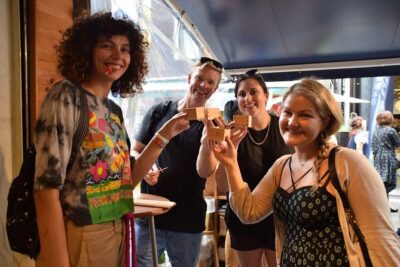
Tokyo Tsukiji Fish Market Food and Culture Walking Tour
Read our review →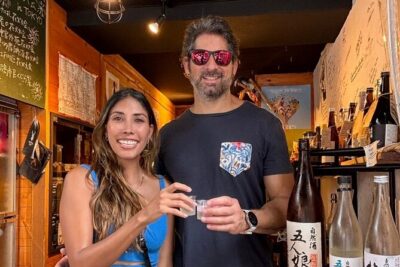
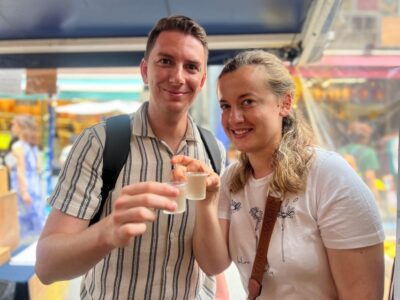
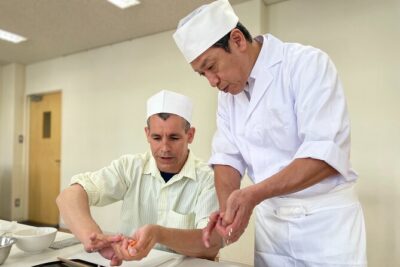
Tokyo Sushi Making Class in Tsukiji with Professional Chef
Read our review →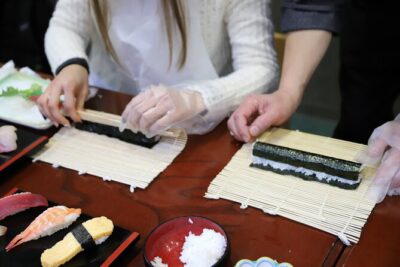
Tsukiji Fish Market Guided Tour and Sushi Making with Pro Chef
Read our review →Tsukiji Fish Market Food and Culture Walking Tour
Read our review →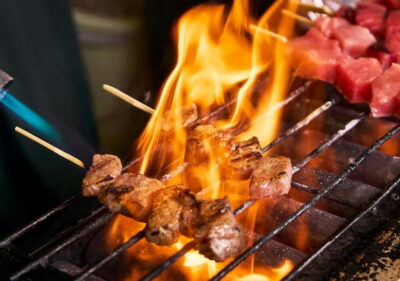
Tsukiji Fish Market: Street Food & Culture Walking Tour
Read our review →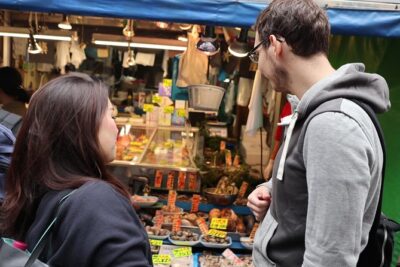
Tsukiji Fish Market Small-Group Food Walking Tour
Read our review →Browse the lists this tour appears in