
Reviewed · TOKYO WALKING TOURS
Tokyo Architecture and Contemporary Art Walking Tour with a local guide
Tokyo’s best architecture is scattered across the city, and this private walking tour gives you a smart way to connect the dots. You’ll see Rafael Viñoly’s Tokyo International Forum, Prada’s striking Omotesando store, the art institutions of Roppongi, and the bright spectacle of Shibuya Crossing.
I like the private format, which lets your guide adjust the day to your interests, and I like the mix of polished landmarks with everyday districts such as Takeshita Street and Daikanyama. The main catch is the amount of transit and walking. One full day reached 13,000 to 20,000 steps, with plenty of time underground between stops.
Key points at a glance
- Private group of up to nine: You explore with only your own party and can move at a more comfortable pace than a large group.
- Seven major Tokyo districts: The route links Ginza, Tokyo International Forum, Roppongi, Omotesando, Takeshita Street, Shibuya, and Daikanyama.
- Architecture with city culture: Expect high-fashion buildings, contemporary art areas, youth style, cafés, boutiques, and famous public spaces.
- Public transport is part of the day: Trains and subway travel connect the far-flung sights, and one guide has also suggested buses or taxis as possible alternatives.
- A serious walking day: Plan for long periods on foot, with one outing reaching roughly 13,000 to 20,000 steps.
- Strong guide feedback: Tomoya, Richie, Riley, and Masa are praised for English, planning, flexibility, and clear explanations.
Why this tour works for architecture fans
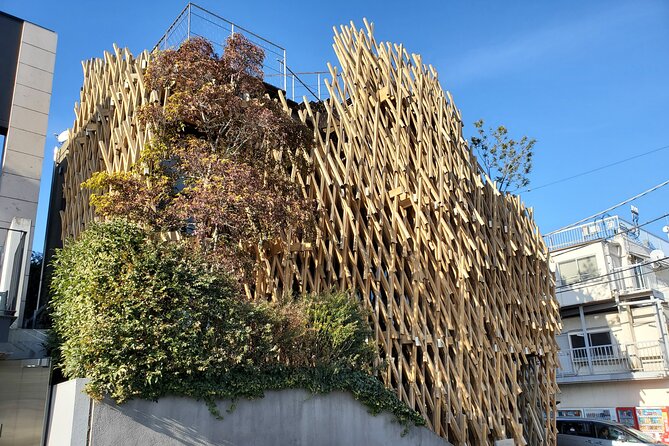
Tokyo can feel like several cities stitched together. A glass office tower may sit beside a narrow lane of small shops. A department store can share a block with a shrine, a gallery, or a café tucked into a carefully designed building.
That makes independent architecture sightseeing both exciting and awkward. You can find famous buildings, but they are spread across districts that are not naturally connected on foot. This tour handles that problem by using Tokyo’s public transport network and pairing each stop with a local guide’s explanation.
The focus is not only on old temples or grand historic structures. You’ll spend much of the day looking at modern and contemporary design, fashion stores, cultural centers, art districts, and public spaces. That gives you a useful view of present-day Tokyo, especially if you want to understand how architecture fits into shopping, youth culture, art, and daily life.
The private group format matters here. Up to nine people can join, but only your group participates. You are not tied to the pace of strangers, and the guide can respond to requests. Masa, for example, accommodated group preferences during a day focused on buildings inside and out. Riley is praised for responding to suggestions, while Tomoya and Richie are noted for planning and strong explanations.
More Tokyo walking tours:
- Tokyo Tsukiji Fish Market Food and Culture Walking Tour
★ 5.0 · 3,184 reviews - Tokyo: Imperial Palace and Shogun Historical Walking Tour
★ 5.0 · 2,251 reviews - Tokyo: Shinjuku Local Bar and Izakaya Guided Walking Tour
★ 4.9 · 1,794 reviews
Ginza: polished streets and bold storefronts
Ginza is the natural place to begin a tour about architecture and design. It is one of Tokyo’s best-known shopping areas, with boutiques, Japanese stores, small galleries, and buildings designed by major architects.
You’ll see how commercial architecture becomes part of the shopping experience. Storefronts here are often sleek, restrained, or deliberately unusual. Even if you are not shopping for luxury goods, the buildings offer a free outdoor exhibition of modern Japanese and international design.
The planned time is about one hour. That is long enough to look carefully at several façades without turning the first stop into a full shopping excursion. You might also find that the area feels more formal than Harajuku or Daikanyama, which helps set up the contrasts later in the day.
A guide is especially useful in Ginza because the best details can be easy to miss. A building may look like a simple retail box until you notice its materials, angles, or relationship to the street. The tour’s value here comes from learning what to look for, not simply being shown a famous address.
Tokyo International Forum and its sweeping interior
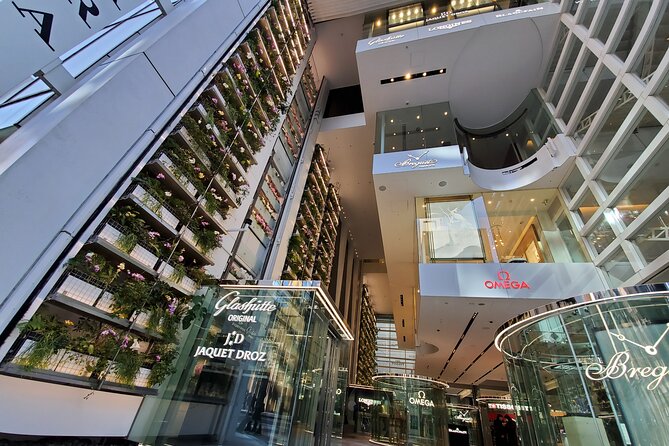
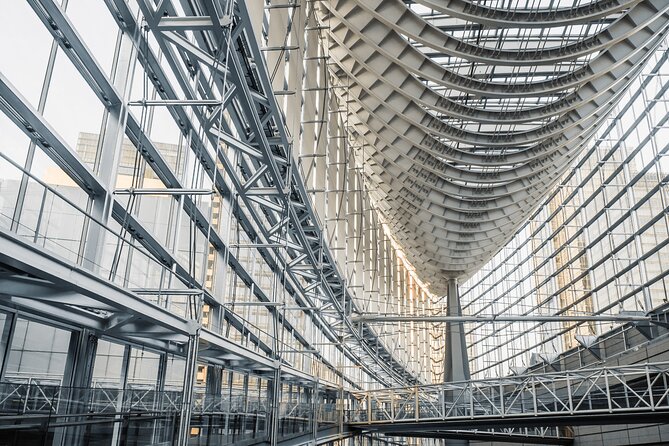
The Tokyo International Forum receives only about 15 minutes in the stated route, but it is one of the day’s most distinctive architectural stops. Designed by Uruguay-born American architect Rafael Viñoly, this postmodern convention and art center is known for its large, dramatic form.
The short visit suggests a focused photo and explanation stop rather than a long indoor program. You will have time to take in the building and hear why it matters, but you should not expect the schedule to provide a full tour of every space.
This is a good example of the way the day is organized. Instead of spending hours in one museum, you move through a series of architectural set pieces across Tokyo. That variety keeps the tour moving, though the tradeoff is less time at each location.
Roppongi: Tokyo’s art triangle
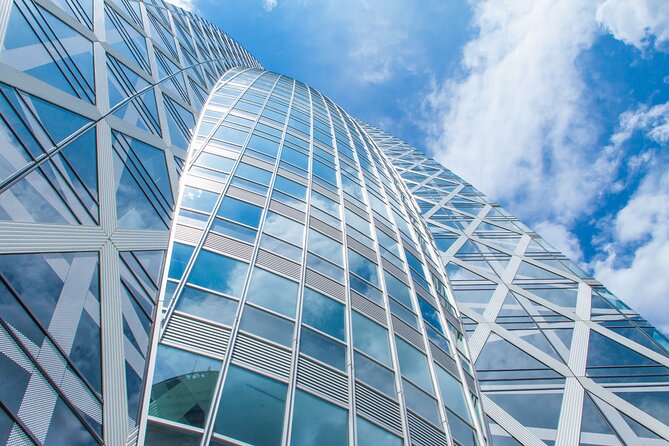
Roppongi brings the art side of the tour into sharper focus. The district is home to the three institutions known as the Art Triangle Roppongi: the National Art Center, Mori Art Museum, and Suntory Museum of Art.
The route also points to the FujiFilm area and other galleries. The point is not simply to enter one museum and study an exhibition. You’ll see how museums, galleries, commercial buildings, and public art spaces share one district.
The scheduled time is about one hour. Admission to the listed stops is shown as free, but the information does not promise entry into a specific paid exhibition or museum program. If a particular collection matters to you, ask your guide before the day begins so you understand what is included in the walking route.
Roppongi can be a strong stop for anyone who wants art with an urban setting. You are not isolated in a single gallery. You are comparing different types of cultural buildings and seeing how the district presents art as part of city life.
A completely different kind of day in Tokyo:
- Mt Fuji and Hakone 1-Day Bus Tour Return by Bullet Train
★ 5.0 · 26,383 reviews - 1-Day Tokyo Bus Tour
★ 5.0 · 14,250 reviews - Tokyo: teamLab Planets TOKYO Digital Art Museum Entry Ticket
★ 4.6 · 9,779 reviews - Mt Fuji & Hakone Cruise, Drum Show Bullet Train 1 Day from Tokyo
★ 4.0 · 7,413 reviews
Omotesando: fashion as architecture
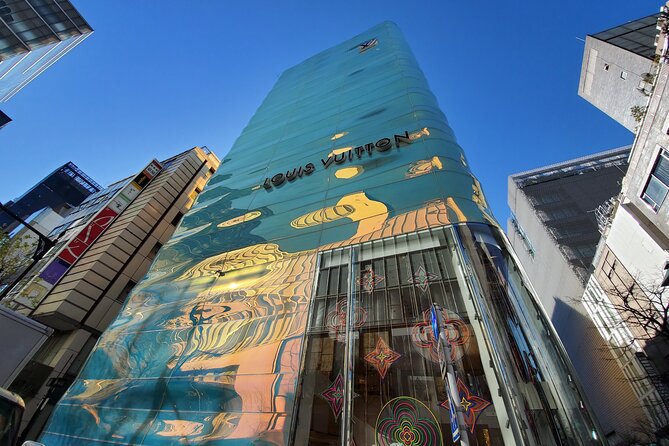
Omotesando is one of the tour’s best sections for people who enjoy contemporary design. The broad area is known for high-end fashion and jewelry stores, but the buildings are often the real attraction.
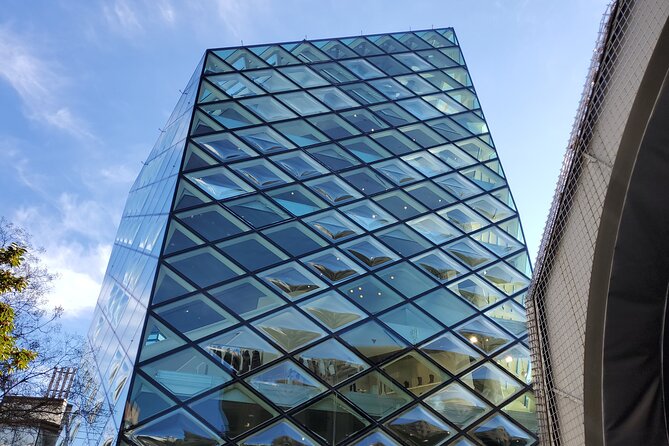
The route begins at the Prada flagship store, designed by Swiss architects Herzog & de Meuron. Its unusual exterior shows how a retail building can function as a piece of visual art. You do not need to buy anything to appreciate the design. The street offers a chance to study how global brands use architecture to create identity.
You’ll have about one hour here. That gives you time to compare several buildings instead of stopping only for a photograph. Your guide can point out differences in structure, glass, texture, scale, and the way each building meets the pavement.
This is also one of the tour’s more polished areas. If you prefer rougher, more ordinary city scenes, Omotesando may feel overly commercial. That is not a flaw, but it is worth knowing. The buildings are closely tied to luxury retail, so the stop is strongest for design-minded visitors rather than anyone seeking traditional Tokyo.
Takeshita Street and Harajuku youth style
Takeshita Street changes the mood. Here, the focus shifts from international luxury architecture to youth culture, unusual fashion, and eye-catching shops.
The tour allows about an hour in Harajuku. You’ll see a different kind of design language, with storefronts and fashion that are more playful, loud, and experimental. This is useful context after the controlled elegance of Omotesando. The two areas are close enough in spirit to compare, but they express very different audiences.
The stop may be especially useful if you want more than a parade of famous buildings. Architecture is not only about museums and landmark towers. It also appears in signs, façades, narrow commercial spaces, and the way people use a street.
Takeshita Street can be crowded and energetic. Keep your group together and expect the pace to slow at busy points. The tour is private, so your guide can manage the route around your interests, but this remains a lively shopping street rather than a quiet architecture walk.
Shibuya Crossing and the city as spectacle
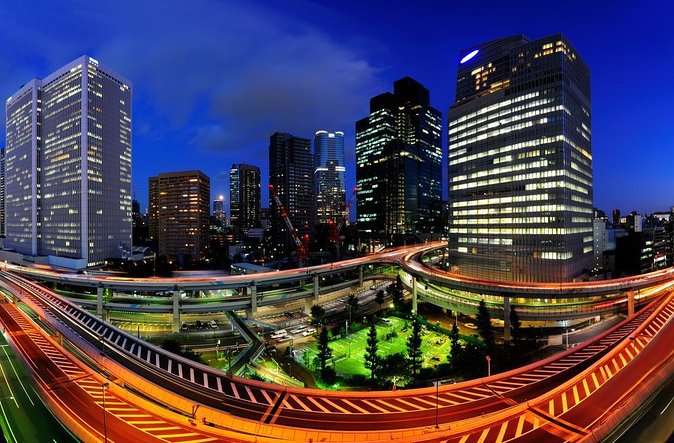
Shibuya Crossing gets about 30 minutes, enough to experience one of Tokyo’s most famous public spaces without letting it swallow the whole day.
The intersection is known for the large waves of people moving across it at once. From ground level, you experience the crossing as a practical part of city life. From nearby viewpoints, if your route includes them, you can think about it as a piece of urban theater. The supplied details do not guarantee a particular observation deck, so treat the crossing itself as the firm part of the stop.
This section is less about examining one building and more about reading the city at a large scale. Giant signs, pedestrian flow, rail connections, shops, and surrounding towers all work together. It gives you a break from close study of façades and helps explain why Tokyo architecture cannot be separated from movement and crowds.
You should expect noise, bright screens, and a busy public space. If you want a calm lunch break or a long museum visit, this is not that. It is a quick, memorable urban experience.
Daikanyama and Nakameguro at a slower pace
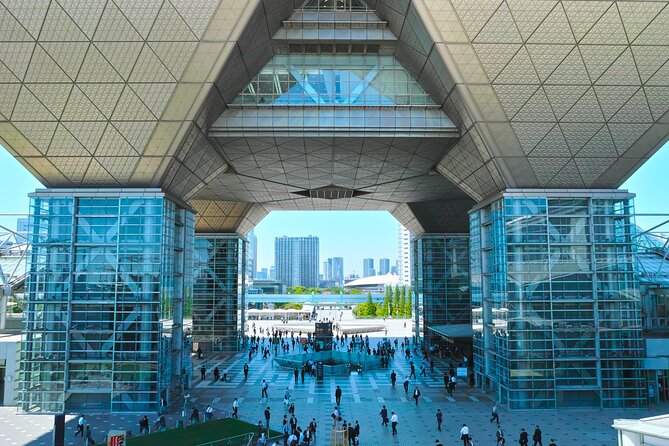
Daikanyama and Nakameguro provide the day’s quietest contrast. The area has boutiques, cafés, and a slower feel than more famous parts of Tokyo.
You’ll have roughly one hour to explore. The route includes the Tsutaya bookstore, a notable design and cultural stop in Daikanyama. The focus here is less on a single internationally famous building and more on how a neighborhood creates a pleasant rhythm through shops, cafés, streets, and carefully designed spaces.
This final district can be a welcome change after Shibuya and Takeshita Street. It also gives you a chance to see a side of Tokyo that is stylish without being as intense. The area may suit you best if you enjoy independent shops, book culture, and a relaxed walk rather than a checklist of major sights.
Because the tour ends back at the meeting point, ask your guide where the final stop will be and how much time remains for this area. The listed stops add up to less than the full six to eight hours, and actual timing can change with transport, walking speed, and requests from your group.
A full day of trains, walking, and city connections
The tour is sold as a walking tour, but public transport is a major part of the experience. You will move between distant districts by train or subway, then explore each area on foot.
One outing used local trains and IC cards to move around Tokyo. That is practical advice for the day. You will need to be comfortable entering stations, finding platforms, and walking through underground passages. One person described spending a lot of time underground between sites, and the guide acknowledged that buses or taxis could make some connections more enjoyable.
That transport time is both a strength and a weakness. It lets you see a wide slice of Tokyo in one day instead of staying in one neighborhood. At the same time, every transfer takes time away from the buildings, and underground stations are not the most scenic part of the city.
The walking can be substantial. A reported day reached about 13,000 to 20,000 steps, including a hot-weather outing. Wear comfortable shoes, bring patience for station transfers, and use the provided bottled water. The tour suits people who are happy to walk for most of a day, not those looking for a short sightseeing loop.
Guides, communication, and flexibility
The guide can make or break a tour built around architecture. A list of buildings is easy to produce. Explaining why they matter, and adjusting the day when your group has different interests, takes more skill.
The named guides include Tomoya, Richie, Riley, and Masa. Tomoya is praised for a well-planned full-day route and strong explanations. Richie guided a long walking day that included architecture, shopping for chopsticks, and a ramen lunch. Riley is noted for clear English, responsiveness to suggestions, and detailed architectural explanations. Masa is praised for a friendly approach and for accommodating requests.
These details give you a useful sense of the tour’s style. It is not limited to looking upward at buildings. The guide may help you connect the architecture to shopping, food, local stores, art, and neighborhood life. One group even added chopstick shopping and ramen to the day.
The published schedule is set for 8:30 a.m. to 3 p.m. during the listed operating periods, while the experience itself is described as lasting about six to eight hours. Pickup is offered, and the tour begins and ends at the meeting point in Tokyo. Confirmation is sent within 48 hours of booking, subject to availability.
Is $424.58 a fair group price?
The price is $424.58 per group, with up to nine people. For a full group, that is about $47 per person. For four people, it works out to roughly $106 per person. For one or two people, the price is much harder to justify unless you place a high value on private guiding and a tailored route.
You are paying for a full day with a local guide, not for a package of museum admissions. The listed stops are marked as free admission, and the main benefits are route planning, explanations, transport guidance, and flexibility.
The value is strongest for a family or group of friends who want private attention and would otherwise spend hours planning how to link these districts. It is weaker for independent visitors who already understand Tokyo’s train system and enjoy researching architecture on their own.
The tour is also booked an average of 77 days ahead, so advance planning is sensible. Free cancellation is available if you cancel at least 24 hours before the start time. Changes or cancellations inside that window are not refunded or accepted.
Who should book this Tokyo architecture tour?
I would choose this experience if you care about modern buildings, contemporary art, fashion districts, and the way Tokyo’s neighborhoods differ. It is also a good match if you want a local guide to handle the route while you concentrate on looking, asking questions, and taking photographs.
It fits families and small groups especially well because the price covers up to nine people. A group with mixed interests can ask for shopping, food, art, or architecture along the way. The private format gives you more room to adjust than a fixed large-group outing.
I would hesitate if you dislike long walks, crowded streets, frequent train rides, or a full day outdoors. You should also think twice if your main goal is traditional Tokyo. This route is heavily focused on modern urban design and contemporary culture.
Final verdict: a strong choice for design-minded visitors
Book this tour if you want to understand Tokyo through its buildings, commercial districts, art centers, and public spaces rather than only visiting temples and observation decks. The route is ambitious, and the guide adds the most value by explaining what you are seeing and keeping a complicated day organized.
Just prepare for a lot of steps and underground travel. Ask about your guide, share your priorities in advance, and consider the group price carefully. For four to nine people, it offers solid value. For a solo visitor, the cost is steep, but the private attention and tailored route may still make sense if architecture is central to your trip.
FAQ
How long does the Tokyo architecture tour last?
The experience lasts approximately six to eight hours. The listed operating hours are 8:30 a.m. to 3:00 p.m. during the stated booking periods.
Which areas does the tour visit?
The route includes Ginza, Tokyo International Forum, Roppongi, Omotesando, Takeshita Street in Harajuku, Shibuya, and Daikanyama.
Is this a private tour?
Yes. Only your group participates, with a maximum group size of nine people.
Does the tour include hotel pickup?
Pickup is offered, and the guide meets you outside your hotel or at a convenient central meeting point in Tokyo.
How do you travel between the stops?
The tour uses Tokyo’s public transport system, including local trains and subway travel. Buses and taxis may also be possible alternatives, depending on the route.
Is bottled water provided?
Yes. Bottled water is provided during the experience.
Do most people need special fitness for this tour?
The information says most people can participate, but you should still expect a substantial amount of walking. One outing reached roughly 13,000 to 20,000 steps.
What is the cancellation policy?
You can cancel up to 24 hours before the start time for a full refund. Cancellations or changes made less than 24 hours before the start time are not accepted or refunded.
Newly reviewed around Tokyo
- Tokyo Asakusa:Calligraphy & Make T-shirt Activity★ 5.0 · 62 reviews
- Intercity Shuttle, Tokyo to Haneda /Narita /Yokohama /Makuhari★ 5.0 · 5 reviews
- 1 Hour Travel around Tokyo with a Professional Photographer★ 5.0 · 3 reviews
- Travel Tokyo with Your Own Personal Photographer★ 5.0 · 43 reviews
- Kickboxing & Body Training with EX-Pro Fighter★ 5.0 · 4 reviews
- Train in Samurai Swordsmanship and Defeat the Demon in Tokyo★ 5.0 · 5 reviews
- Shuttle Van 6hr Tokyo Tour to-and-from Tokyo, Yokohama and Narita★ 5.0 · 9 reviews
- Traditional Japanese Knife Sharpening Class★ 5.0 · 18 reviews
Tokyo Walking Tours, compared.
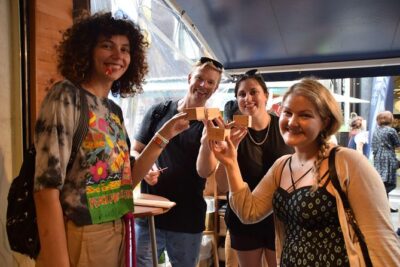
Tokyo Tsukiji Fish Market Food and Culture Walking Tour
Read our review →
Imperial Palace and Shogun Historical Walking Tour
Read our review →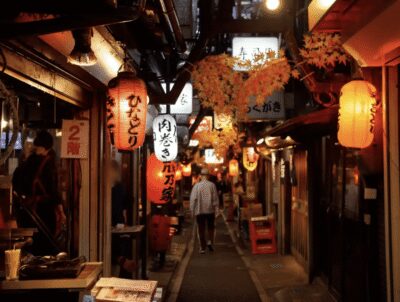
Shinjuku Local Bar and Izakaya Guided Walking Tour
Read our review →
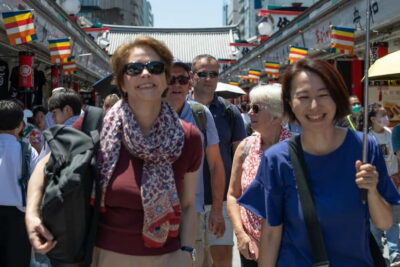
Asakusa Walking Tour with Sensoji Temple Visit
Read our review →
Tokyo Castle & Imperial PalaceーShogun Walking Tour
Read our review →
Browse the lists this tour appears in