
Reviewed · TOKYO SAKE TASTINGS
Wagyu & Sake Pairing in Shinjuku – Steak, Shabu-Shabu & More
The best part of this Shinjuku evening is the pairing itself. You are not simply served a steak and a glass of sake. You taste several Wagyu cuts in different preparations, then match each one with sake served warm, chilled, cloudy, unpasteurized, or mixed into an original cocktail. I like the clear sense of progression, from the opening drinks to sirloin, hotpot, udon, and dessert.
I also like the small-group format, capped at eight people. Guides such as Joe, Chi, Andrea, Tadashi, and Miyuki explain Wagyu grading and sake production, help with Japanese menus, and offer buying tips for the rest of your trip. The main drawback is the setting: the dining area can feel quite small, and one diner found six people crowded at the back of the bar for the price.
Key points to know before booking
- A full Wagyu meal, not just a tasting: Expect appetizers, tongue, tataki, steak, hotpot, udon, and dessert.
- Sake changes with every course: Pairings include aged or fermented styles, warm sake, nigori, unpasteurized sake, and original cocktails.
- Small group, maximum eight: You get more direct time with the guide and an easier chance to ask questions.
- A useful first-night food lesson: The menu guidance and sake shopping tips can help you eat better throughout Tokyo.
- Plan for a 6 p.m. start: The three-hour evening ends back at the Shinjuku meeting point.
- Food restrictions need advance notice: Contact the operator at least one week before arrival, since vegan, vegetarian, and gluten-free choices are limited.
What the three-hour Shinjuku evening is really about
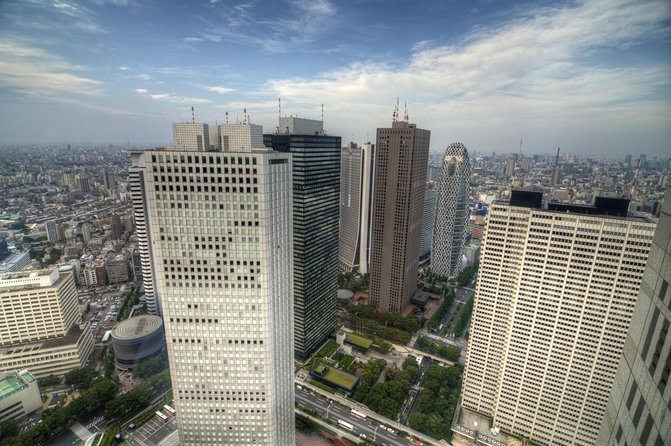
This experience works best if you want a guided meal rather than a standard restaurant reservation. You meet at Ushinobi Shinjuku in the NSK Building at 6 p.m., then settle in for an evening built around two Japanese specialties: Wagyu beef and sake.
The meal is designed to teach as much as it feeds you. You learn why Wagyu is different from ordinary beef, how grading works, and how regional production affects the meat. On the sake side, the guide explains how the drink is made and why serving temperature and style change its flavor.
That matters because a Japanese menu can otherwise feel like a puzzle. Here, you can ask what a cut means, how a drink was prepared, or what to look for when ordering later. The advice is practical rather than academic. It helps you make sense of dishes you may see elsewhere in Tokyo.
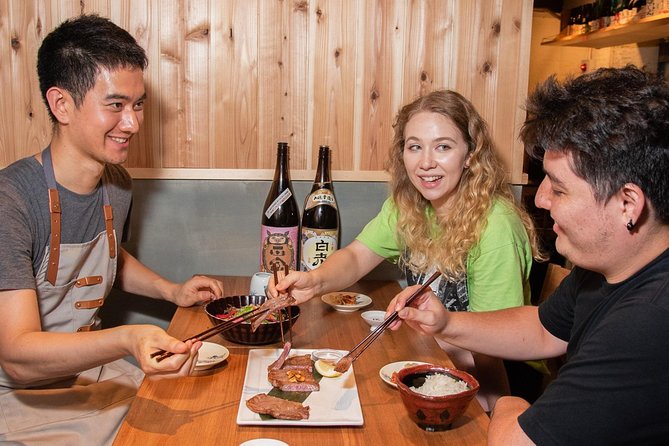
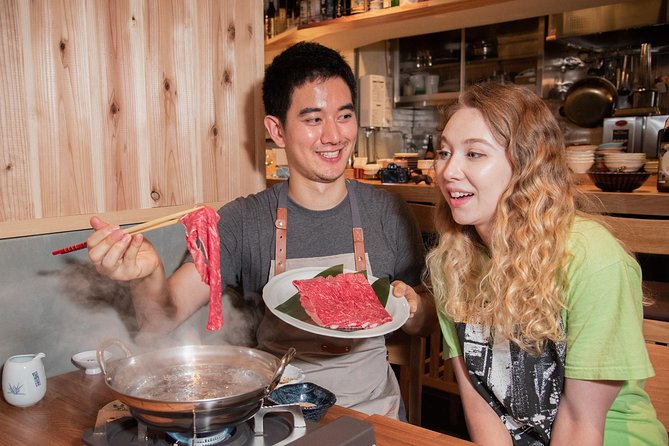
The group size is one of the strongest features. With no more than eight people, the guide can usually give the table personal attention. You are also likely to share the meal with people from different places, which adds a social element without the scale of a large food tour.
The evening lasts about three hours. That is long enough for a substantial meal and a proper tasting, but it also means you should arrive hungry and avoid booking another dinner afterward.
More things to do in Shinjuku:
- Tokyo: Shinjuku Food Tour (13 Dishes at 4 Local Eateries)
★ 5.0 · 6,603 reviews - Tokyo Bar Hopping Tour in Shinjuku (All-You-Can-Drink + Dinner)
★ 5.0 · 3,587 reviews - Tokyo: Shinjuku Food Tour (15 Dishes and 4 Eateries)
★ 4.9 · 2,033 reviews
Starting with Japanese drinks and the Wagyu lesson
The evening begins with unusual Japanese drinks served as an aperitif. While you sip, the guide sets out the basics of Wagyu and sake, including their history, importance, and regional differences.
This opening talk gives the rest of the meal a purpose. Instead of seeing marbled beef as simply expensive meat, you start to understand what you are tasting. The discussion of grading is especially useful because the labels can be confusing if you are new to Japanese beef.
You also get a grounding in sake. The experience includes several styles, including aged and fermented varieties, nigori, unpasteurized sake, and warm sake. Some pairings are original cocktails created specifically to work with Wagyu.
I appreciate this approach because sake is often treated as one broad category. In practice, it can be dry, cloudy, fruity, rich, warm, light, or strongly savory. A guided tasting gives you a better chance of finding a style you actually enjoy.
The guides bring different personalities to the table. Joe is described as a friendly English-speaking host who offers helpful advice about buying sake. Chi is praised for making the meal engaging, while Tadashi explains both the meat grading system and the sake-making process. Andrea and Miyuki also lead the tasting, with Miyuki noted for a warm and informative style.
Since the host may vary, you should think of the guide names as examples rather than a guarantee. The important point is that the activity is built around conversation and explanation, not a silent set menu.
The Wagyu course, from tongue to sirloin
The exact menu can change with the available beef and the date, but the sample course shows the range you can expect.
The meal begins with two appetizers. These give you something to eat while the main tasting gets underway and help ease you into the richer courses that follow.
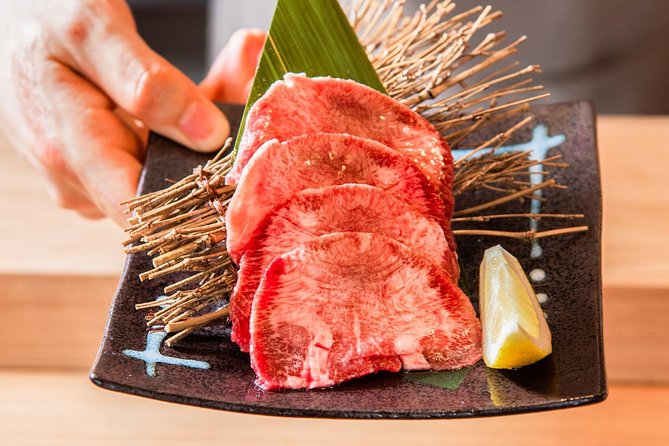
Next comes grilled Wagyu beef tongue, paired with an original sake cocktail. Tongue has a firm, distinctive texture compared with a tender steak, so it is a useful reminder that Wagyu is not one single eating experience. The cocktail pairing also sets the tone for the evening: familiar beef is matched with a drink prepared in an unfamiliar way.
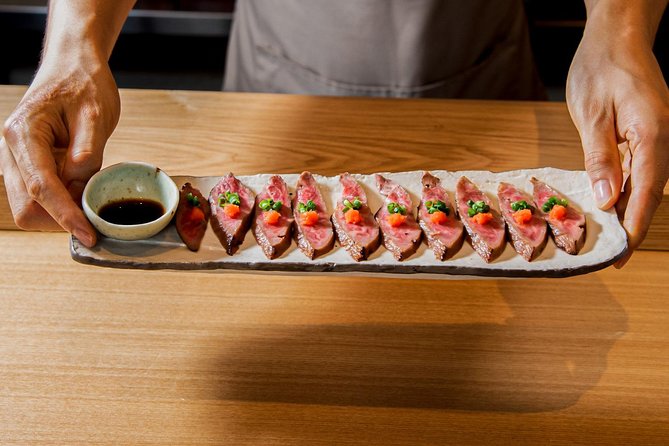
Wagyu chuck flap tataki follows with warm sake. Tataki is a preparation that leaves the center less cooked than the outside, giving the meat a different texture from the grilled tongue. Warm sake can feel fuller and more rounded than a chilled pour, making this a good course for noticing how serving temperature affects the match.
A seasonal salad breaks up the meat courses. It is a small but welcome change in a meal that otherwise leans heavily toward beef and alcohol.
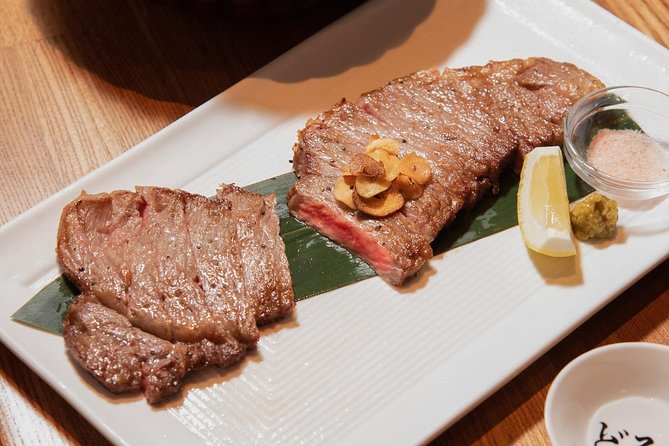
The Wagyu sirloin steak is paired with nigori, a cloudy style of sake. The creamy appearance and softer texture of nigori make it easy to distinguish from clearer sake. This is likely to be one of the most familiar courses for anyone booking the experience for steak, but the drink pairing keeps it from becoming an ordinary steak dinner.
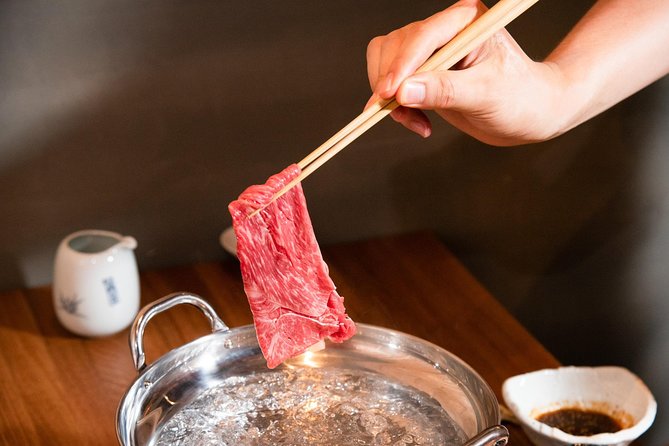
The menu then moves to Wagyu chuck hotpot with unpasteurized sake. Hotpot brings a different cooking style into the meal, and the chuck offers another cut to compare with tongue, tataki, and sirloin. Preparing or cooking some of the food yourself can also be part of the evening, giving you a more active role than a typical restaurant meal.
The final savory course is Wagyu dashi udon. Dashi adds a distinctly Japanese broth element, while udon gives the meal a filling finish. After several beef dishes, this course helps turn the tasting into a complete dinner rather than a string of small samples.
Dessert comes with sake and a surprise. The menu is not fixed in every detail, so you should treat the sample as a guide to the structure rather than a promise of every ingredient.
Why the sake pairings are worth your attention
At $148.65 per person, the value depends largely on how much you care about the sake. If you only want a premium steak, you may find the price harder to justify. This is not a simple steakhouse meal. You are paying for multiple Wagyu preparations, a full course dinner, several sake styles, instruction, and a hosted small-group setting.
The sake is poured throughout the meal, and several diners found the amount generous. The tasting can include aged and fermented sake, warm sake, nigori, unpasteurized sake, and specialty cocktails. One particularly useful part is the advice on purchasing sake for yourself later.
The operator does not include extra drinks outside the sake pairings. Beer and other additional beverages cost more, so keep that in mind if not everyone in your party wants the full sake program.
The pairings also make the food easier to understand. A fatty cut may work differently with cloudy sake than with a warm pour. A grilled preparation may call for a cocktail, while a hotpot course may suit a more traditional style. You do not need a trained palate to enjoy this. The guide gives you a framework, then you decide which combinations you prefer.
For someone visiting Japan for the first time, that education has value beyond this one meal. You can carry the vocabulary and basic distinctions into izakayas, department-store food halls, sake shops, and later restaurant visits.
More Tokyo wagyu and yakiniku dinners:
- Tokyo Night Foodie Tour in Shinjuku – Seasonal Sushi, Wagyu Beef
★ 5.0 · 1,161 reviews - Tokyo: Wagyu and 7 Japanese Dishes Cooking Class
★ 4.9 · 273 reviews - Small-Group Wagyu Beef and 7 Japanese Dishes Tokyo Cooking Class
★ 5.0 · 190 reviews - Nagano Snow Monkey 1 Day Tour with Beef Sukiyaki Lunch from Tokyo
★ 4.5 · 123 reviews
The small dining room and social format
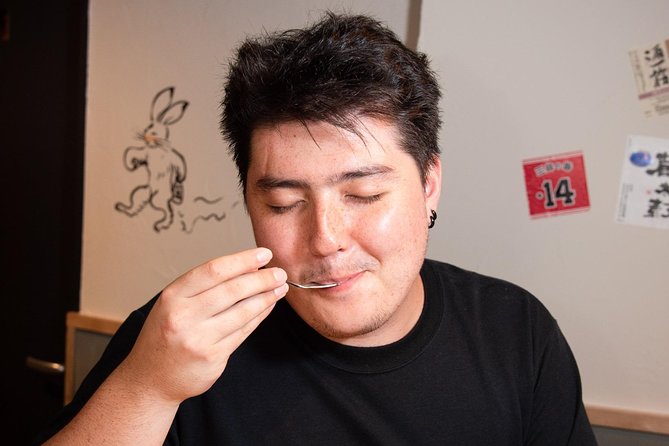
The intimate room is both a benefit and a limitation. A small group makes it easier to hear the guide, ask questions, and chat with the other diners. It also means the meal feels more personal than a large bus tour or a crowded group tasting.
The tradeoff is physical space. One account describes a very small area at the back of the bar, with six people sitting close together. That does not ruin the meal, but you should not book this expecting a spacious, polished dining room.
The experience ends where it starts, at Ushinobi Shinjuku. That makes the evening simple to plan, especially if you are staying in or around Shinjuku. The meeting point is near public transportation, and the activity runs in the evening from 6 p.m. for about three hours.
I would allow a little extra time to find the building and the correct restaurant space. The supplied address is NSK Building, 201, 1-chōme-22-1 Hyakuninchō, Shinjuku City, Tokyo 169-0073. Keep the mobile ticket available on your phone.
Food restrictions and who should think twice
You must send food restriction requests at least one week before the date. Last-minute requests cannot be accommodated, and vegan, vegetarian, and gluten-free options are limited.
That makes this a poor choice for a strict vegetarian or vegan diner, especially since the central feature is a multi-course Wagyu meal. It may work for some allergies if the kitchen has advance notice, as an allergy accommodation has been made for at least one party, but you should not assume every request can be handled.
The menu also includes alcohol throughout the meal. If you do not drink sake, the food alone may not provide the same value, since the pairings are a major part of the experience.
Most people can participate, and the activity is near public transportation. No special ability requirements are stated, but the compact setting may matter if you prefer more room around your seat.
Who will get the most from this experience
I would recommend this for a first visit to Japan if you want one evening that combines dinner, a lesson, and local food advice. It is especially suited to people who want to try several cuts of Wagyu instead of ordering one steak and stopping there.
It also fits food-focused couples, small groups of friends, and solo diners who enjoy meeting other people over a shared meal. The maximum group size of eight keeps the evening social without making it feel like a lecture.
You will get the most from it if you are curious about sake. The meal is not simply beef with a few token pours. The drinks change with the courses, and the guide explains what makes each one different.
I would be more cautious if you want a quiet, spacious, formal dinner, or if you are looking for a bargain meal. The setting is compact, the evening is social, and the price reflects both the food and the sake program.
Booking, cancellation, and practical value
The listed price is $148.65 per person, and the activity accepts mobile tickets. Confirmation is provided when you book, and free cancellation is available up to 24 hours before the start time. Changes or cancellations made within 24 hours are not refunded.
The strongest value comes from the combination of quantity and variety. You receive a full course rather than a few bites, with generous portions of meat, a substantial final udon course, dessert, and multiple sake pairings.
It is also a useful way to avoid ordering blindly. The guide can help decode Japanese menus and explain what you are drinking, which may save you from sticking only to familiar dishes for the rest of your trip.
Still, compare it with your own priorities. If you do not drink, have strict dietary needs, or dislike close seating, you may prefer to spend the same money on a conventional restaurant meal. If you want an easy introduction to Wagyu and sake in one sitting, the format makes a strong case.
Should you book the Wagyu and Sake Pairing?
Book it if you want a generous, guided dinner with several Wagyu cuts, changing sake styles, and enough explanation to make the meal useful beyond one night. The small group, English-language hosting, menu help, and shopping tips are practical advantages.
Skip it if you want a spacious room, a quiet formal meal, or a menu built around vegetables. Also think carefully about the price if sake is not part of your interest.
For most food-focused visitors, this is a good Shinjuku choice because it gives you variety rather than one expensive plate. Arrive hungry, tell the operator about restrictions a week ahead, and plan to let the meal take the full three hours.
FAQ
Where does the Wagyu and sake experience begin?
It begins at Ushinobi Shinjuku in the NSK Building, 201, 1-chōme-22-1 Hyakuninchō, Shinjuku City, Tokyo 169-0073, Japan.
What time does the experience start?
The start time is 6 p.m.
How long does the experience last?
The experience lasts approximately three hours.
Where does the activity end?
It ends back at the meeting point at Ushinobi Shinjuku.
How many people can join?
The maximum group size is eight travelers.
What food is included?
A full-course Wagyu meal is included. The sample menu includes two appetizers, grilled Wagyu tongue, chuck flap tataki, seasonal salad, sirloin steak, chuck hotpot, dashi udon, and dessert.
Is sake included?
Yes. The experience includes sake pairings with the Wagyu courses, including different serving styles and original sake cocktails.
Are other drinks included?
No. Additional drinks such as beer are not included.
Can dietary restrictions be accommodated?
You must send food restriction information at least one week before the tour date. Vegan, vegetarian, and gluten-free options are limited, and last-minute requests cannot be accommodated.
Can I cancel for a refund?
Yes. You can cancel at least 24 hours before the start time for a full refund. Cancellations or changes made less than 24 hours before the start time are not refunded.
More Tokyo drink tastings and bars
- Best of Shinjuku: Izakaya Food Tour (4 Stops, 14+ Tastings)
★ 5.0 · 1,863 reviews - Tokyo: Shinjuku Local Bar and Izakaya Guided Walking Tour
★ 4.9 · 1,794 reviews - Shibuya Meltdown Nightlife Tour: All-You-Can-Drink Bar Hopping
★ 5.0 · 1,058 reviews - Tokyo: Pub Crawl and Bar Tour
★ 4.5 · 951 reviews
More Tokyo sake tastings
- Ramen and Sushi Cooking Class with Sake Pairing Set in Tokyo
★ 5.0 · 291 reviews - Sake Tasting Masterclass in Shinjuku (8+ Varieties with a Pro)
★ 5.0 · 271 reviews - Sake Omakase in Tokyo: Guided Tasting by Certified Sommeliers
★ 5.0 · 239 reviews - Tasting All Types of Sake with Sommelier
★ 5.0 · 151 reviews
Newly reviewed around Tokyo
- Tokyo Asakusa:Calligraphy & Make T-shirt Activity★ 5.0 · 62 reviews
- Intercity Shuttle, Tokyo to Haneda /Narita /Yokohama /Makuhari★ 5.0 · 5 reviews
- 1 Hour Travel around Tokyo with a Professional Photographer★ 5.0 · 3 reviews
- Travel Tokyo with Your Own Personal Photographer★ 5.0 · 43 reviews
- Kickboxing & Body Training with EX-Pro Fighter★ 5.0 · 4 reviews
- Train in Samurai Swordsmanship and Defeat the Demon in Tokyo★ 5.0 · 5 reviews
- Shuttle Van 6hr Tokyo Tour to-and-from Tokyo, Yokohama and Narita★ 5.0 · 9 reviews
- Traditional Japanese Knife Sharpening Class★ 5.0 · 18 reviews
Tokyo Sake Tastings, compared.
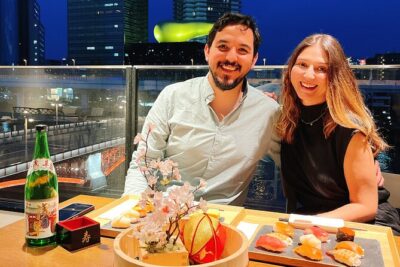
Ramen and Sushi Cooking Class with Sake Pairing Set in Tokyo
Read our review →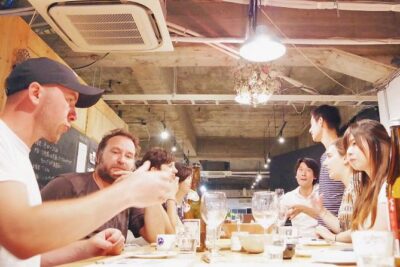
Sake Tasting Masterclass in Shinjuku (8+ Varieties with a Pro)
Read our review →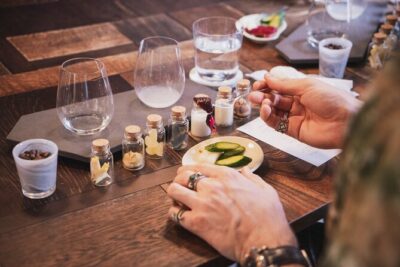
Sake Omakase in Tokyo: Guided Tasting by Certified Sommeliers
Read our review →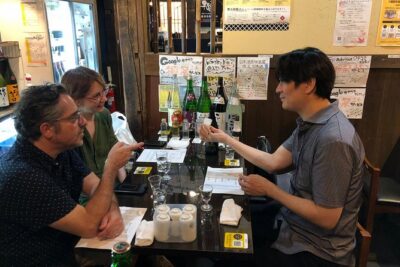
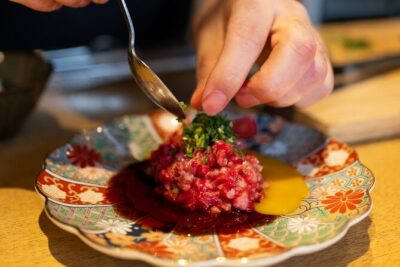
Tokyo Wagyu & Sake Pairing Tasting Experience with Local Flavors
Read our review →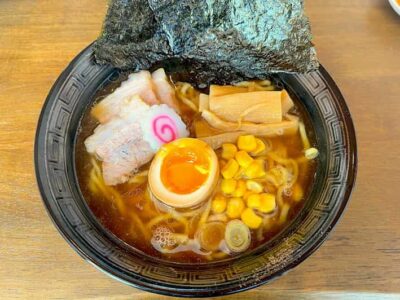
Sushi and Ramen Cooking Class with Sake Pairing Set
Read our review →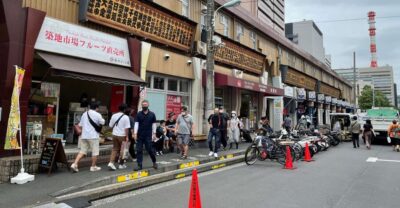
Tsukiji: Outer Market Walking Tour & Sake Tasting Experience
Read our review →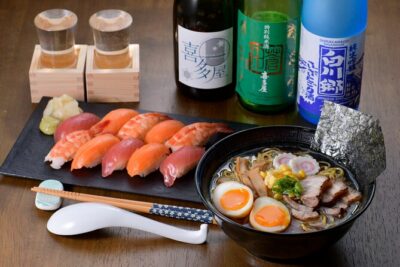
Cozy Tokyo Class: Ramen, Sushi, Sake Pairing & Cultural Exchange
Read our review →Browse the lists this tour appears in