
Reviewed · TOKYO SUSHI MAKING CLASSES
Japanese Knife Skills & Tuna Don/Sushi Workshop in Tokyo
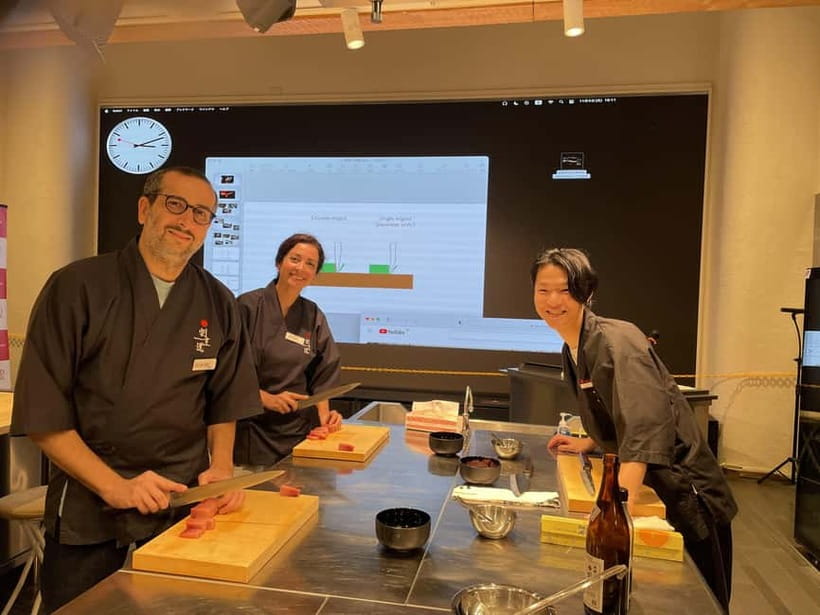
The sharpest lesson here is not simply how to cut fish. It is learning why Japanese knives work the way they do, how to sharpen one, and how a clean sashimi cut changes the food. You watch a professional performance, then handle the knife yourself before preparing lunch.
I like the small eight-person group, which gives you a better chance to ask questions and practice. I also like that the $127 price includes the meal, sake, tools, ingredients, costume rental, and a participation certificate. The main consideration is that the class lasts only two hours, so the knife practice and cooking lesson move at a brisk pace.
Key points at a glance
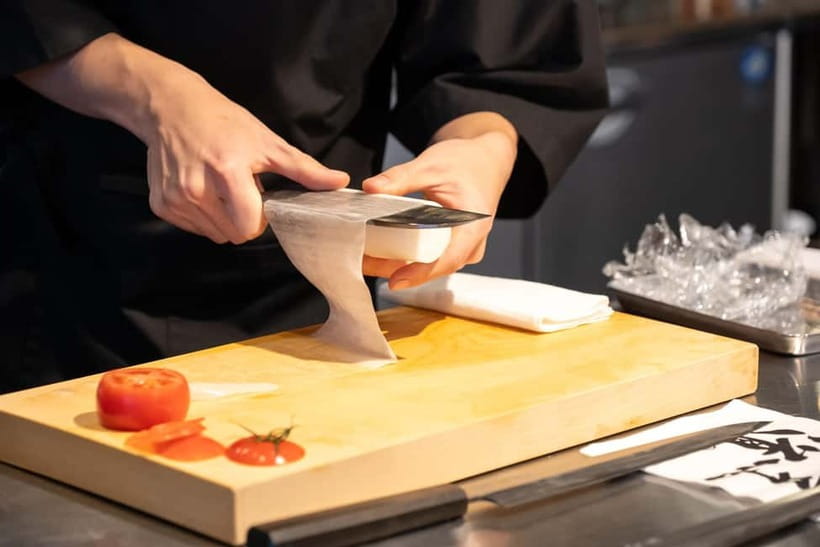
- Slice tuna sashimi yourself: The practical cutting session is the heart of the class, with an instructor showing the technique before you try it.
- Learn whetstone sharpening: You are taught how to maintain a Japanese knife, not just how to use one for a single meal.
- Choose your finished dish: Prepare either a tuna zuke don rice bowl or a 10-piece sushi set, with miso soup included.
- Eat what you make: The class ends with a full lunch, original sake, and green tea rather than a small sample.
- Small group, bilingual instruction: The class is limited to eight participants and runs in English or Japanese.
- Shop discount included: You receive 10 percent off items at the first-floor shop on the day of your workshop.
The real lesson is the knife, not just the lunch
Many Tokyo food classes teach you to assemble sushi. This one gives you a closer look at the tool behind the food.
You begin with Japanese knife culture and the way these blades are made. The focus is on craftsmanship, sharpness, and choosing the right knife for different foods. That context matters because sashimi cutting is not a rough chopping job. The angle, pressure, and condition of the blade all affect the texture and appearance of the fish.
The instructor first gives a knife skills performance, including sashimi slicing. Then you get your own turn. That change from watching to doing is important. You can see the clean motion, but your hands tell you much more about how gently the blade should move.
The workshop also includes sharpening with a whetstone. This is one of the more useful parts for anyone who cooks at home. A sharp knife is safer and more precise than a dull one, but sharpening takes control. You receive guidance rather than being left to guess at the angle.
More Tokyo sushi making classes:
- Sushi Making Tokyo Roll and Authentic Japanese Sushi Class
★ 5.0 · 3,971 reviews - Tokyo: Roll and Authentic Sushi Making Class in Asakusa
★ 4.9 · 1,957 reviews - Make Sushi and Create Unforgettable Memories in Tokyo
★ 5.0 · 1,413 reviews
A two-hour schedule with very little filler
Two hours is enough time for a clear introduction, practical work, and lunch, but it is not a long chef-training course. You should arrive ready to focus.
The session generally moves through these stages:
- Introduction to Japanese knives and how they are made
- Demonstration of knife skills and sashimi slicing
- Practice cutting fresh sashimi
- Instruction in whetstone sharpening
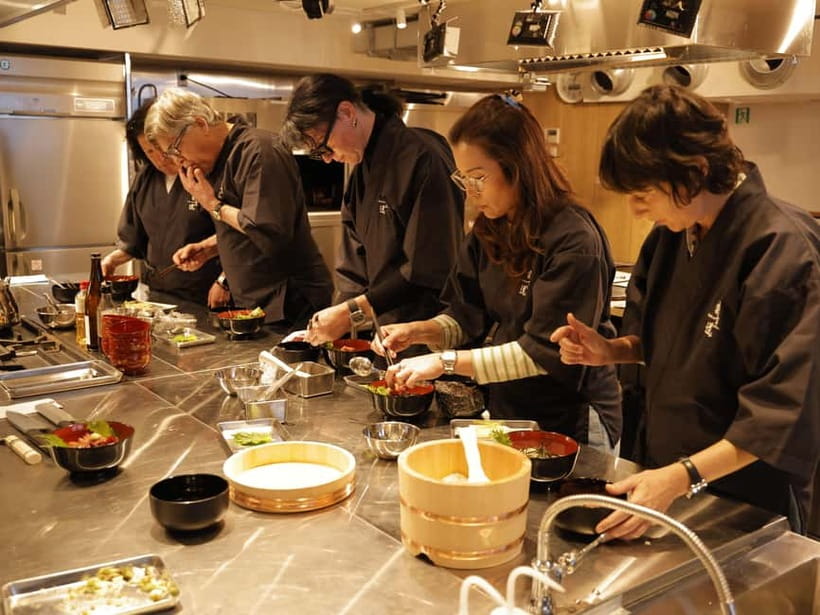
- Preparation of tuna zuke don or a 10-piece sushi set
- Miso soup and meal service
- Sake and green tea
- Participation certificate presentation
The order may vary slightly, but the design is easy to understand. You first learn about the tool, then watch the technique, then practice it, and finally use the result in a meal.
The meeting point is marked by samurai-style murals on the building, a useful visual clue in Tokyo. Transportation to and from the workshop is not included, so you need to plan your route separately and allow enough time to find the murals.
Watching sashimi become a clean slice
The instructor demonstration is likely to be the most visually memorable part of the class. Sashimi looks simple on the plate, but the cutting process requires control and confidence.
You watch how the blade travels through the fish rather than sawing back and forth. The point is not speed. It is a smooth cut that protects the fish’s texture. After the demonstration, you practice slicing sashimi yourself.
This is where the class earns its place above a standard sushi assembly lesson. You are not only placing ingredients on rice. You are handling the fish and learning how a Japanese knife behaves.
The fish may vary depending on availability. The activity information specifically mentions tuna zuke don, but also allows for other fish depending on supply. If you have your heart set on tuna, keep that flexibility in mind.
People who cook often will get plenty from this section. Beginners should also be able to take part, since the instructor demonstrates the movement first. Still, you should expect to pay attention and follow directions carefully. A very sharp knife is part of the lesson.
Whetstone sharpening you can use at home
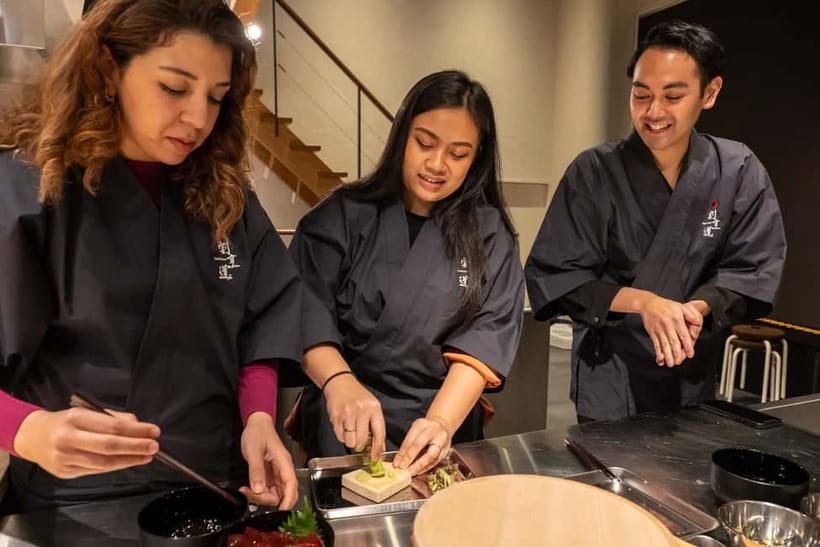
Knife sharpening is an unusually practical addition. Many food workshops show you how to cut, then send you home with no way to maintain the blade. Here, you learn the basic whetstone technique step by step.
The class presents sharpening as part of Japanese knife care. You learn that the knife is not a disposable kitchen item. It needs attention, the correct motion, and a steady hand.
The exact level of practice will depend on the pace of the group. With just two hours covering knife history, cutting, cooking, and lunch, you should not expect to become a sharpening expert in one visit. But you will leave with a method to continue practicing.
That makes the lesson useful beyond Tokyo. A recipe is easy to save on your phone. Knife control and sharpening are skills you can carry into your own kitchen.
More hands-on classes and workshops in Tokyo:
- Tokyo Shinjuku Chopsticks Making Class
★ 5.0 · 1,763 reviews - Tokyo: Sushi Making Class in a Happi Coat near a Famous Spot
★ 4.9 · 1,377 reviews - Chopstick Making Workshop in Ginza
★ 4.8 · 1,366 reviews - Tokyo Sushi Making Class in Tsukiji with Professional Chef
★ 5.0 · 1,177 reviews
Choosing between tuna zuke don and sushi
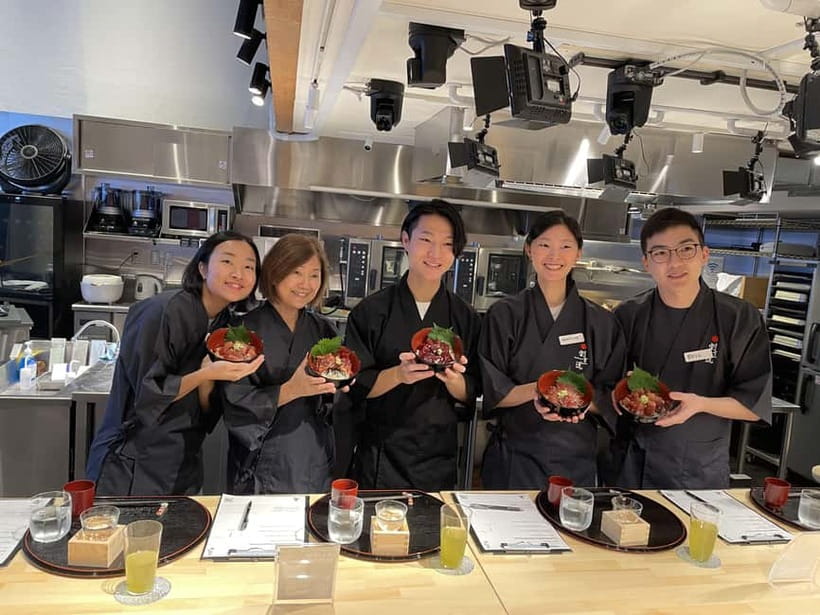
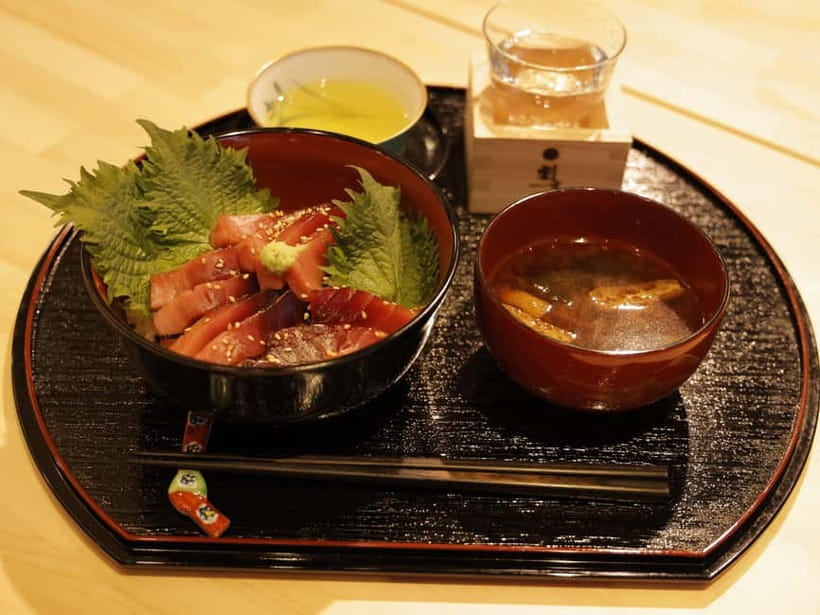
The cooking portion gives you a choice between a tuna zuke don rice bowl and a 10-piece sushi set. Zuke means marinated fish, so the rice bowl offers a direct way to enjoy sashimi with seasoning and rice.
If you prefer a bowl that lets the fish remain the main feature, zuke don is the natural choice. You prepare the marinated sashimi and serve it over rice. It is simple in appearance, but the quality of the fish and the cutting technique matter.
The sushi option gives you a more structured set of pieces. It may suit you if your main goal is learning how to form and present sushi rather than focusing on a rice bowl.
The supplied ingredients and tools are included, so you do not need to bring cooking equipment. You should wear comfortable clothes suitable for cooking. The class also provides a kappodo costume rental, adding a traditional culinary touch without asking you to pack special clothing.
A proper meal, not just a sample
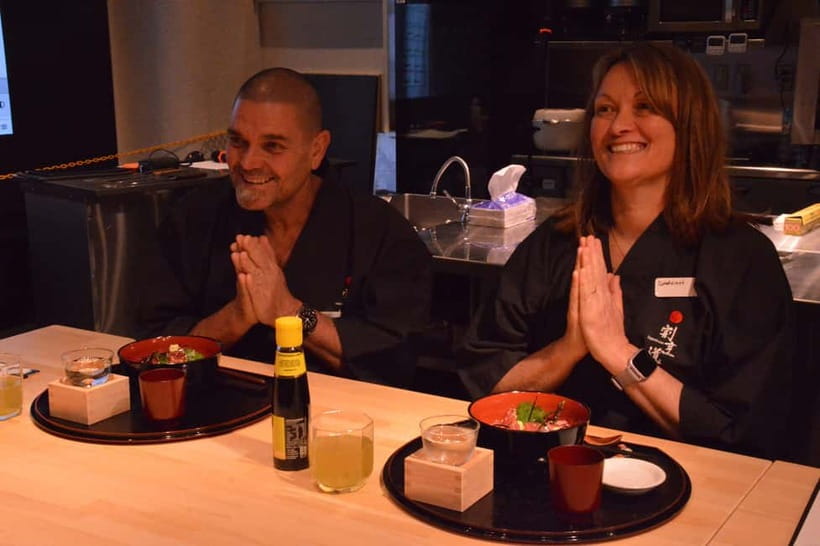
Once the cooking is complete, you sit down to eat your work. The meal includes your zuke don or sushi, miso soup, sake, and green tea.
The serving of fish has been described as generous, with soup and sake making the meal feel complete. That matters when you compare the price with a short demonstration or tasting session. You are paying for instruction, ingredients, tools, and a sit-down lunch in one package.
The original sake tasting is a small but welcome part of the meal. It gives the class a relaxed finish and pairs naturally with sashimi. If you do not drink alcohol, the listed inclusions do not specify an alternative, so you may want to ask the provider before booking.
Green tea is also included. Miso soup adds warmth and balance to the raw fish and rice, making the final meal feel more like lunch than a quick workshop snack.
What the $127 price really covers
At $127 per person, this is not the cheapest food activity in Tokyo. Its value depends on what you want to take away.
You receive a two-hour class, instruction in knife culture, a knife skills demonstration, sashimi practice, whetstone sharpening guidance, ingredients, tools, costume rental, lunch, miso soup, sake, green tea, and a participation certificate. You also get 10 percent off purchases at the first-floor shop on the same day.
If you only want to eat sushi, the price will not make much sense. Tokyo offers many less expensive ways to have a fish lunch. If you want to understand the work behind the dish and gain a skill you can repeat at home, the package is more convincing.
The small group helps justify the cost. With a limit of eight people, the instructor can keep the lesson more personal than a large cooking event. The available information does not promise individual one-on-one instruction, so you should still expect to share attention with the group.
Who will get the most from this workshop
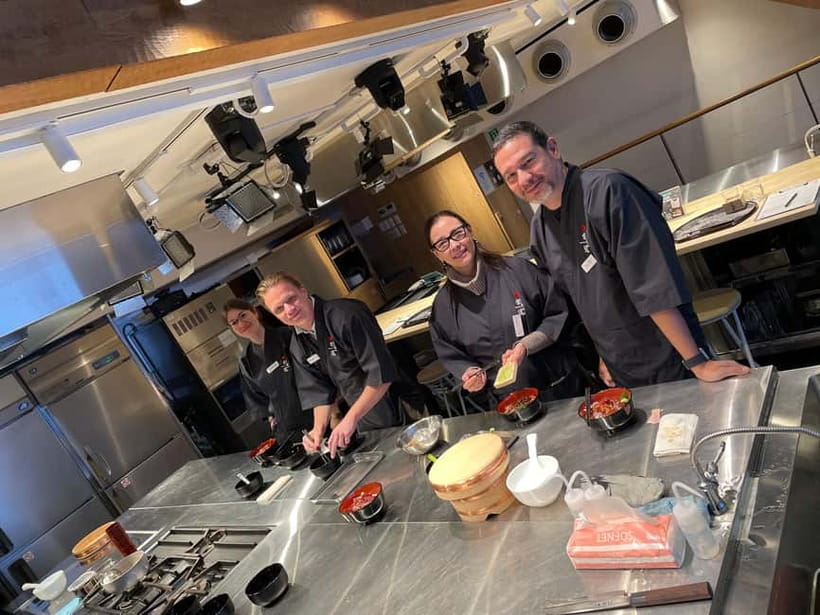
This class suits food-focused visitors, home cooks, aspiring chefs, and anyone curious about Japanese kitchen traditions. It is also a good choice if you want an activity that combines culture, practical work, and lunch rather than a passive food tour.
You do not need to be an expert with knives. The lesson begins with explanation and demonstration. But you should be comfortable following instructions and handling a very sharp blade.
The class is not suitable for children under 12. It is also not suitable for people with food allergies, according to the activity information. Fish availability can change, so this is not the right choice if you need a specific fish guaranteed.
Wear comfortable clothing that works for cooking. You will be handling food and participating in practical exercises, so formal sightseeing clothes are not ideal.
The language and group size
Instruction is available in English and Japanese. That makes the workshop accessible to English-speaking visitors, though the precise balance between languages may depend on the group.
The maximum group size is eight. This is small enough to keep the session focused and gives you a reasonable chance to see the demonstration clearly. It also means your class may feel more like a workshop than a large tourist event.
The provider is the Japanese Kappodo Association, or 日本割烹道協会. The activity information does not provide individual instructor names, so you should not book expecting a particular named teacher.
A few practical limits to keep in mind
The biggest limitation is time. In two hours, the class covers knife-making traditions, sharpening, sashimi slicing, cooking, and a meal. Each section is useful, but none can be explored at professional culinary-school length.
Fish availability is another consideration. Tuna zuke don is the featured dish, while the information also says the fish used may vary. The sushi choice is listed as a 10-piece set, but the exact fish selection is not specified.
Transportation is not included. You need to reach the meeting point yourself, using the samurai murals as the visual marker. The workshop location is in Tokyo on Honshu, but no neighborhood or station details are provided here, so check the meeting information carefully before setting out.
Cancellation is flexible up to 24 hours before the activity for a full refund. You can also reserve now and pay later, which helps if your Tokyo schedule is still shifting.
Should you book the Japanese knife workshop?
Book it if you want more than a meal. The strongest reasons are the sashimi cutting practice, the whetstone lesson, the small group, and the fact that your work becomes a generous lunch with soup, sake, and tea.
Skip it if you have food allergies, are bringing a child under 12, or want a long and highly technical chef course. It is also less useful if you care only about eating sushi and do not want to handle knives.
For the right person, this is a focused Tokyo food activity with a clear payoff. You learn why the knife matters, practice cutting fish, prepare a Japanese dish, and leave with a recipe and skills you can use at home. The participation certificate is a nice extra, but the lasting value is the confidence to sharpen a blade and slice sashimi with more care.
FAQ
Where does the workshop take place?
The workshop takes place in Tokyo on Honshu, at a building marked by samurai-style murals.
How long does the workshop last?
The activity lasts two hours.
How much does the workshop cost?
The price is $127 per person.
Is transportation included?
No. Transportation to and from the experience is not included.
What languages are available?
The instructor can teach in English or Japanese.
How many people are in the group?
The group is limited to eight participants.
What food can I prepare?
You can prepare a tuna zuke don rice bowl or a 10-piece sushi set. The fish used may vary depending on availability.
Is lunch included?
Yes. Lunch includes your prepared zuke don or sushi, miso soup, sake, and green tea.
Is knife sharpening part of the class?
Yes. The workshop includes instruction in Japanese knife sharpening techniques using a whetstone.
What should I wear?
Wear comfortable clothing suitable for cooking. A kappodo costume rental is included.
Is the class suitable for children?
No. The workshop is not suitable for children under 12.
Can I cancel for a refund?
Yes. You can cancel up to 24 hours in advance for a full refund. Reserve now and pay later is also available.
Newly reviewed around Tokyo
- Tokyo Asakusa:Calligraphy & Make T-shirt Activity★ 5.0 · 62 reviews
- Intercity Shuttle, Tokyo to Haneda /Narita /Yokohama /Makuhari★ 5.0 · 5 reviews
- 1 Hour Travel around Tokyo with a Professional Photographer★ 5.0 · 3 reviews
- Travel Tokyo with Your Own Personal Photographer★ 5.0 · 43 reviews
- Train in Samurai Swordsmanship and Defeat the Demon in Tokyo★ 5.0 · 5 reviews
- Shuttle Van 6hr Tokyo Tour to-and-from Tokyo, Yokohama and Narita★ 5.0 · 9 reviews
- Kickboxing & Body Training with EX-Pro Fighter★ 5.0 · 4 reviews
- Traditional Japanese Knife Sharpening Class★ 5.0 · 18 reviews
Tokyo Sushi Making Classes, compared.
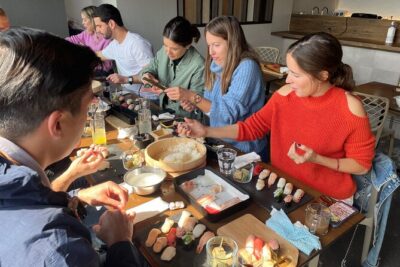
Sushi Making Tokyo Roll and Authentic Japanese Sushi Class
Read our review →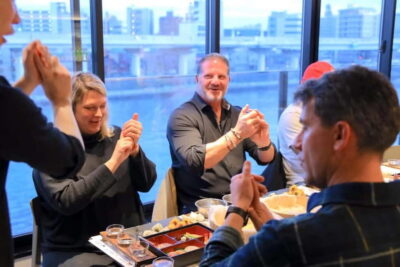
Roll and Authentic Sushi Making Class in Asakusa
Read our review →
Make Sushi and Create Unforgettable Memories in Tokyo
Read our review →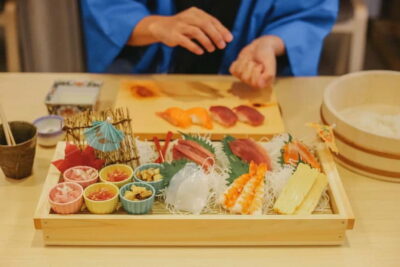
Sushi Making Class in a Happi Coat near a Famous Spot
Read our review →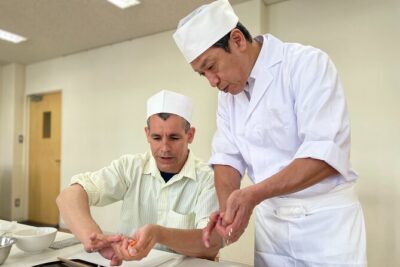
Tokyo Sushi Making Class in Tsukiji with Professional Chef
Read our review →
Tsukiji Fish Market Guided Tour and Sushi Making with Pro Chef
Read our review →
Tsukiji Fish Market Sushi Making Class with Pro Chef
Read our review →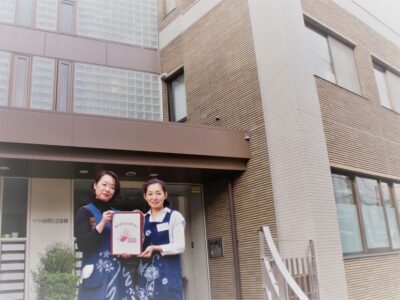
Browse the lists this tour appears in