
Reviewed · TOKYO WALKING TOURS
Old Town Tokyo: Shinagawa-Juku Walking Tour
Shinagawa-Juku gives you a different Tokyo: old fishing lanes, small temples, shrine grounds, and the surviving path of the Tokaido Road, the historic route between Tokyo and Kyoto. I like the way this three-hour walk gets off the main city grid, and I like the small group, capped at eight, which makes it easier to hear the guide and ask questions. The main drawback is that you pay $94.88 for a walking tour with no lunch or transportation included.
I also like the practical starting point near Shinagawa, one of Tokyo’s major transport hubs, and the hot coffee or tea during the outing. If Charlotte is leading your walk, expect a guide who can help with local history, culture, district details, and the subway system. You should be comfortable walking outdoors for three hours, and you will want weather-appropriate shoes and clothing.
Key points to know before booking
- Follow the old Tokaido Road: Spend about an hour on Kyu-Tokaido Street, once lined with inns and shops serving people moving between Tokyo and Kyoto.
- See Tokyo’s quieter side: Back lanes around Hozenji Temple reveal residential streets, old houses, greenery, and even a water well.
- Visit a mini-Fuji: Shinagawa Shrine contains a fujizuka, a small artificial mountain made for people unable to climb Mt. Fuji.
- Keep the group personal: The maximum group size is eight, a useful advantage on narrow lanes and at compact religious sites.
- Start near major transport: Meet at Kitashinagawa Station and finish at Shimbamba Station, only one stop from major Shinagawa Station.
- Plan for weather: The walk requires good weather, and poor conditions may lead to a new date or a full refund.
Why Shinagawa-Juku makes a good Tokyo walking route
Many first visits to Tokyo focus on giant crossings, department stores, neon districts, and ultra-modern stations. This walk heads in another direction. Shinagawa was once an important post-town on the old Tokaido Road, and its remaining lanes help you picture a slower Tokyo of travelers, inns, fishing boats, shrines, and neighborhood shops.
I find the appeal strongest if you want context rather than a checklist of famous sights. The tour does not promise the city’s biggest monuments. Instead, it uses small details, such as a well in a residential lane or a temple hidden behind a side street, to show how older places survive inside modern Tokyo.
The group limit matters here. Narrow alleys and compact temple grounds are not ideal for a large crowd. With no more than eight people, you should have a better chance of staying close to the guide and hearing explanations without constant noise from the street.
The route lasts about three hours. That is long enough to give the district a proper look, but short enough to fit around other Tokyo plans. You will walk between the stops, and the information provided does not give a total distance. Plan for an outdoor walk rather than a quick collection of photo stops.
More Tokyo walking tours:
- Tokyo Tsukiji Fish Market Food and Culture Walking Tour
★ 5.0 · 3,184 reviews - Tokyo: Imperial Palace and Shogun Historical Walking Tour
★ 5.0 · 2,251 reviews - Tokyo: Shinjuku Local Bar and Izakaya Guided Walking Tour
★ 4.9 · 1,794 reviews
Starting at Shinagawa-Ura Park and the old waterfront
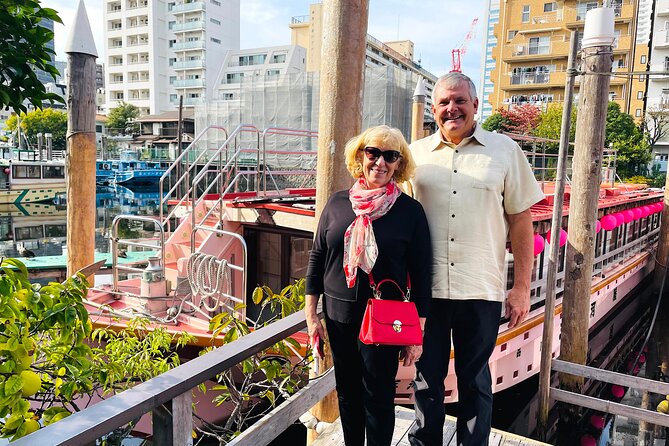
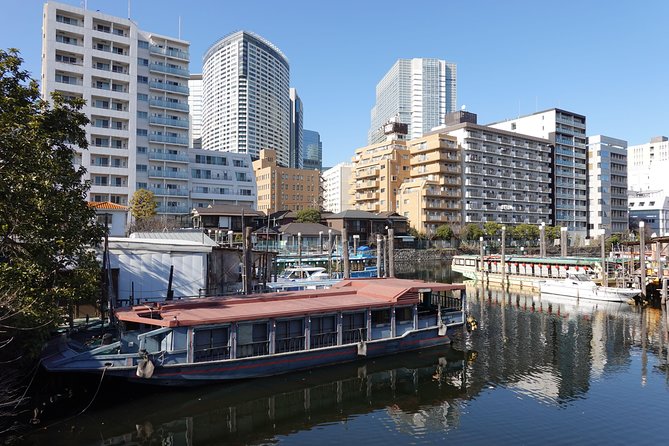
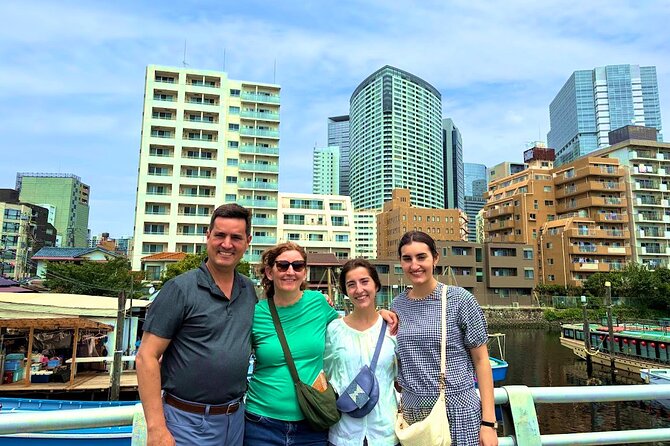
The first stop is Shinagawa-Ura Park, where you spend about 15 minutes. In the Edo period, the shore near Shinagawa supported a small but prosperous fishing village. Commercial fishing no longer defines this part of the city, but the stop gives you an opening view of Shinagawa before the route turns toward streets and shrines.
This is a useful beginning because it puts the district’s past in physical terms. Shinagawa was not simply a road stop. It also had a waterfront economy, with fishing tied to daily life. The park visit is brief, so do not expect a long waterfront stay or a separate sightseeing program there.
I like this kind of introduction because it gives the rest of the walk a frame. When you later pass through old streets and religious sites, you have already learned that the area grew from more than road traffic alone.
Walking Kyu-Tokaido Street for about an hour
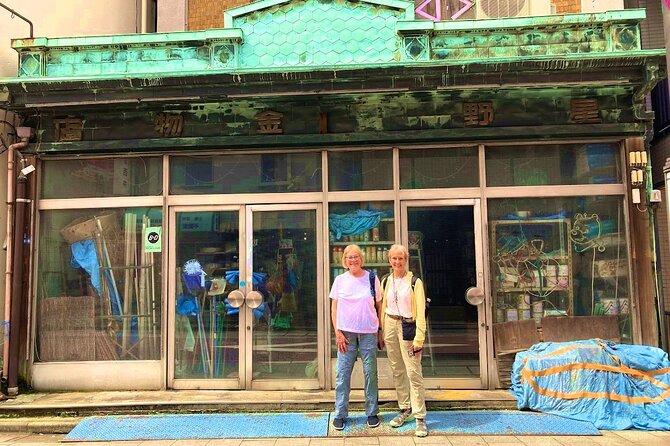
Kyu-Tokaido Street is the main historical section of the outing and receives about an hour. The name refers to the old Tokaido route, which connected Tokyo and Kyoto. Shinagawa was the first stop for people leaving Tokyo, so the road developed inns and shops that served people on the move.
This is where the tour’s focus on everyday history becomes most useful. You are not only looking at buildings. You are learning why this particular district mattered. An old road becomes easier to understand when you picture it as a working route lined with places to sleep, eat, buy supplies, and prepare for the next stage of a journey.
The area survived fires and later changes better than many parts of old Tokyo, which helps explain why the route can still offer a sense of its earlier shape. The supplied details do not promise that every building is from the Edo period, so keep your expectations sensible. The value is in the street pattern, the local atmosphere, and the guide’s explanation of what remains.
An hour is generous compared with the shorter temple visits later in the walk. That gives your guide time to point out details you could easily pass without noticing. It also means this is not a tour where you rush from one famous gate to another.
Turning into Hozenji Temple’s small lanes
A side route leads to Hozenji Temple, with about 10 minutes at the stop. The change of pace is part of the attraction. You leave the main historic road and enter smaller streets and alleys where local temples and older homes sit among greenery.
You may also see a water well in the middle of a residential lane. Details like this are easy to miss if you are exploring alone, especially in a district where the modern city sits close to older traces. The guide helps connect an ordinary-looking lane with the way the neighborhood once functioned.
Ten minutes is not enough for an extended temple visit, so think of Hozenji as a focused neighborhood stop. The point is not to linger for an hour. It is to notice how the old route branches into a quieter web of homes, religious sites, and narrow passages.
For me, this is one of the strongest reasons to choose a guided walk. The map can show you where an alley goes. It cannot explain why a well in a residential lane matters or how the side streets relate to the post-town.
A completely different kind of day in Tokyo:
- Mt Fuji and Hakone 1-Day Bus Tour Return by Bullet Train
★ 5.0 · 26,383 reviews - 1-Day Tokyo Bus Tour
★ 5.0 · 14,250 reviews - Tokyo: teamLab Planets TOKYO Digital Art Museum Entry Ticket
★ 4.6 · 9,779 reviews - Mt Fuji & Hakone Cruise, Drum Show Bullet Train 1 Day from Tokyo
★ 4.0 · 7,413 reviews
A quick look at Shotokuji Temple

Shotokuji Temple receives about five minutes, making it the shortest stop. You reach it by walking along Shinbaba Street after the Kyu-Tokaido section. The temple is especially attractive in autumn, when maple trees surround it.
The unusual fence is one of the details to watch for. The information available does not explain its full design, so your guide’s comments will add important context here. Because the visit is brief, treat it as a visual pause rather than a full temple tour.
That short timing may suit you if you prefer variety. It may disappoint you if you want long periods for quiet contemplation or detailed architectural study. This walk covers several places, so the trade-off is breadth across Shinagawa rather than extended time at each site.
Ebara Jinja Shrine beside the Meguro River
Ebara Jinja Shrine gets roughly 10 minutes. Founded in 709, it is associated with the dragon god, and people come to pray for rain. Its location beside the Meguro River connects the shrine with the area’s long relationship with water.
The shrine’s age gives this stop extra weight, but the visit is still compact. You will not have a long independent exploration period based on the stated schedule. Instead, expect the guide to explain why the shrine matters and how its traditions relate to the river and local worship.
This stop also helps balance the route. The tour is not only about roads and buildings. It includes the religious places that shaped community life and gave residents somewhere to pray for protection, rain, and good fortune.
Spending 50 minutes at Shinagawa Shrine
The final major stop is Shinagawa Shrine, where the schedule allows about 50 minutes. Founded in 1187 as a guardian of the nearby post-town, it has a direct connection to Shinagawa’s role along the old road.
Its most distinctive feature is the fujizuka, or mini-Fuji. These small constructed mountains gave people a way to worship Mt. Fuji without the money, time, or physical strength needed for the real climb. That detail says a lot about practical religious life in Japan. Worship was not reserved for people able to undertake a demanding pilgrimage.
The longer visit makes sense here. After the quick looks at Shotokuji and Ebara Jinja, Shinagawa Shrine gives you time to understand a larger religious site and its connection to the post-town. The route ends at Shimbamba Station, so this is not a return-to-start tour.
You should pay attention to the ending when planning your day. The finish is at Shimbamba Station, while the meeting point is Kitashinagawa Station. Both are in the same general area, and Shimbamba is useful for continuing by train, but you should not expect to be escorted back to a hotel or to the original meeting point.
What $94.88 buys you
At $94.88 per person, this is not a cheap way to get your first look at Tokyo. You can walk through a neighborhood independently for little or no cost, and admission is free at most of the listed stops. The price pays mainly for the guide, the planning, the small group, and the interpretation that ties scattered details together.
That value is strongest if you care about local history and do not want to spend time navigating unfamiliar back streets. Shinagawa-Juku is not presented as a single blockbuster attraction. Its interest is spread across the old road, side streets, temples, shrines, and waterfront traces. A guide can make those pieces form a clear story.
The maximum of eight is a real part of the price calculation. You are not paying for a large bus or a distant lecture. You are paying for a walk where the guide can keep the group together and answer questions. The included hot drink is a small benefit, not a reason to book by itself.
Lunch, transport fees, and hotel pickup and drop-off are not included. Pickup can be arranged for an extra fee. If you are already near central Shinagawa, meeting at a station should keep the logistics simple. If you need private pickup, add that cost before deciding if the tour fits your budget.
The tour is often reserved about 37 days ahead on average. That is a useful planning signal, particularly if your Tokyo dates are fixed, though it does not guarantee that every date sells out. The booking confirmation arrives at the time of booking, and group discounts are available.
Meeting points, walking comfort, and weather
You meet at Kitashinagawa Station, at 1 Chome-1 Kitashinagawa, Shinagawa City. The tour ends at Shimbamba Station, at 2-chome-18-1 Kitashinagawa. Shimbamba is one stop from major Shinagawa Station, making the route practical for a day built around the Shinagawa area.
No hotel pickup is included in the standard price. You will need to reach the starting station yourself unless you pay for the optional pickup. Transport fees are also your responsibility, so keep your train fare separate from the tour price.
Most people can participate, and service animals are allowed. The information does not provide an exact walking distance or a detailed accessibility description, so contact the provider if you need specific help with stairs, pavement, or temple access.
The walk requires good weather. If conditions force cancellation, you can choose another date or receive a full refund. For your own comfort, check the forecast and wear shoes suited to several hours outdoors. A hot coffee or tea is included, which is welcome on a cool day, but it does not replace water or a meal.
Free cancellation is available until 24 hours before the start time. Cancellations or changes made less than 24 hours ahead are not refunded or accepted under the stated terms.
Who will get the most from this walk
I would choose this tour if you have already seen some of Tokyo’s headline districts and want a more local-scale history lesson. It also suits anyone who likes temples, shrines, old roads, neighborhood details, and guide-led context more than shopping or major attractions.
It is a good fit for first-time visitors who worry about getting lost in older parts of Tokyo. The small group and English-speaking guide reduce the work of finding the less obvious stops. Charlotte, who has led the walk, is described as able to explain the city, culture, subway system, history, and district, so the tour can also help you get your bearings for the rest of your stay.
I would hesitate if you want a relaxed café walk, a full meal, or long visits at each temple. The schedule keeps moving, and several stops last only five or ten minutes. The price may also feel high if you are happy to read about Shinagawa and explore the streets independently.
Should you book the Shinagawa-Juku walk?
Book it if you want a compact, guided history walk through a part of Tokyo that many visitors could easily pass by. The old Tokaido Road, fishing-village background, quiet lanes, and mini-Fuji at Shinagawa Shrine give the route more substance than a simple neighborhood stroll.
Skip it if your priority is major Tokyo landmarks, shopping, food, or low-cost independent sightseeing. At $94.88, the best value comes from the guide’s explanations and the small group, not from paid admission to attractions.
For history and culture fans, I think the balance is good: three hours, a maximum of eight people, hot tea or coffee, and a route that moves from waterfront origins to road, temple, and shrine. Just budget for your own transport and lunch, meet at the correct station, and keep an eye on the weather.
FAQ
How long does the Shinagawa-Juku Walking Tour last?
The tour lasts approximately three hours.
What is the price of the tour?
The price is $94.88 per person. Group discounts are available.
Where does the tour begin?
The tour begins at Kitashinagawa Station, 1 Chome-1 Kitashinagawa, Shinagawa City, Tokyo 140-0001, Japan.
Where does the tour end?
The tour ends at Shimbamba Station, 2-chome-18-1 Kitashinagawa, Shinagawa City, Tokyo 140-0001, Japan.
How many people can join the tour?
The maximum group size is eight travelers.
Is a guide included?
Yes. An English-speaking guide is included.
Are food and drinks included?
Coffee and/or tea are included. Lunch is not included.
What happens if bad weather cancels the tour?
If the tour is canceled because of poor weather, you will be offered another date or a full refund.
Newly reviewed around Tokyo
- Tokyo Asakusa:Calligraphy & Make T-shirt Activity★ 5.0 · 62 reviews
- Intercity Shuttle, Tokyo to Haneda /Narita /Yokohama /Makuhari★ 5.0 · 5 reviews
- 1 Hour Travel around Tokyo with a Professional Photographer★ 5.0 · 3 reviews
- Travel Tokyo with Your Own Personal Photographer★ 5.0 · 43 reviews
- Shuttle Van 6hr Tokyo Tour to-and-from Tokyo, Yokohama and Narita★ 5.0 · 9 reviews
- Kickboxing & Body Training with EX-Pro Fighter★ 5.0 · 4 reviews
- Train in Samurai Swordsmanship and Defeat the Demon in Tokyo★ 5.0 · 5 reviews
- Traditional Japanese Knife Sharpening Class★ 5.0 · 18 reviews
Tokyo Walking Tours, compared.
Tokyo Tsukiji Fish Market Food and Culture Walking Tour
Read our review →
Imperial Palace and Shogun Historical Walking Tour
Read our review →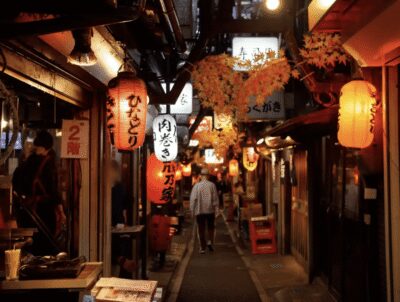
Shinjuku Local Bar and Izakaya Guided Walking Tour
Read our review →
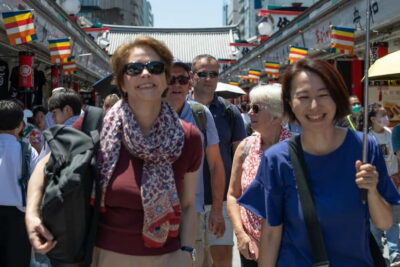
Asakusa Walking Tour with Sensoji Temple Visit
Read our review →
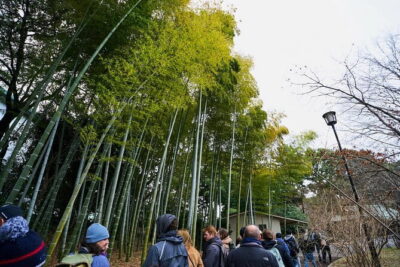
Tokyo Castle & Imperial PalaceーShogun Walking Tour
Read our review →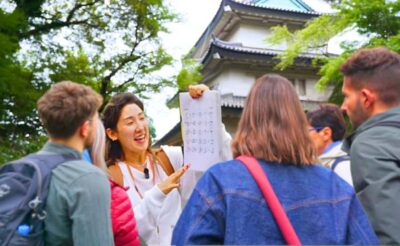
Browse the lists this tour appears in