
Reviewed · TOKYO COOKING CLASSES
Japanese Home Cooking Class with Local Supermarket Visit
Japanese food is not only sushi and restaurant ramen. This hands-on home cooking class with YUCa gives you a look at the everyday meals made in Japanese kitchens, with lessons on menu planning, nutrition balance, and seasonal ingredients. The class can include meat, fish, or vegetables, and past menus have featured gyoza, ramen, Japanese omelettes, pork katsu, and walnut miso sauce.
I like two things right away: you eat the traditional meal you prepare, and you leave with recipes and practical tips you can use at home. The supermarket visit adds useful context, especially if you want to understand Japanese ingredients or choose food souvenirs. The main consideration is price: at $162.88 per person for about two and a half hours, this is a premium cooking lesson, not a cheap lunch.
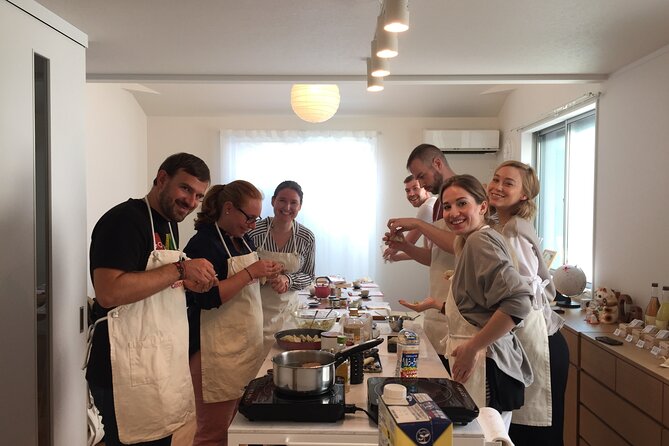
- A small class of no more than seven people keeps the lesson personal and makes it easier to ask questions.
- YUCa teaches home-style cooking, not just a restaurant dish made for show.
- Possible recipes include gyoza, ramen, Japanese omelettes, pork katsu, and walnut miso sauce, depending on the class menu.
- A local supermarket visit follows the cooking lesson, adding a practical look at daily food shopping.
- Lunch is included, and recipe notes help you recreate the dishes later.
- The class begins at 10:00 a.m. in Nishiogu, Arakawa City, near public transportation.
A Tokyo food lesson built around ordinary home cooking
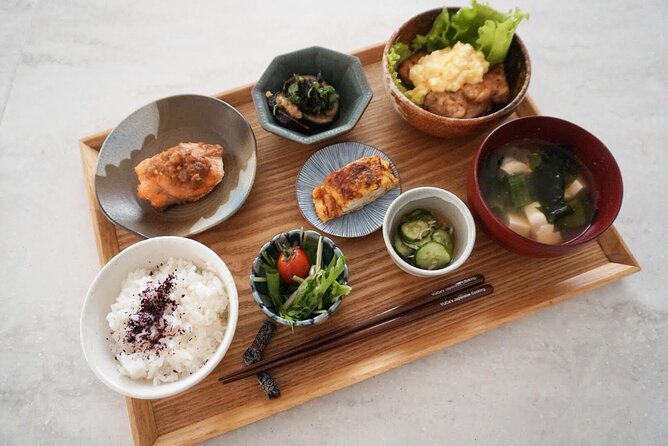
The appeal here is simple: you learn what Japanese people actually cook at home. That means the focus is not on elaborate restaurant plating or a formal tea ceremony. Instead, YUCa explains how a Japanese meal comes together, how different foods balance one another, and how the season affects the menu.
That practical focus matters. A dish can be delicious in Japan yet difficult to repeat at home if you do not understand the ingredients or the basic method. This class aims to bridge that gap. You do the work yourself, ask questions while cooking, and receive instructions to take home.
The class is suitable for people who already cook, but you do not need to be an expert. One especially useful feature is YUCa’s patient teaching style. She has worked with adults, families, and children, and the class can include elementary-age children when the group is arranged that way.
The exact menu is not fixed in the information provided. You may work with meat, fish, or vegetables. Past lessons have included gyoza, ramen, Japanese omelettes, pork katsu, and a walnut miso sauce. That range gives you a good idea of the class: familiar Japanese comfort food, useful sauces, and dishes that can fit into a normal home kitchen.
Meeting YUCa in Nishiogu at 10:00 a.m.
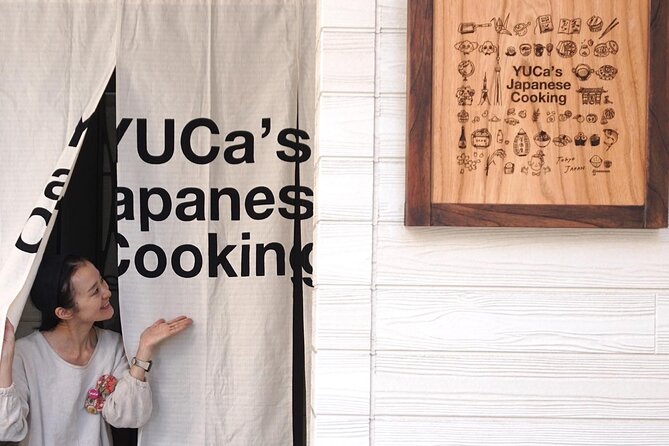
You meet at YUCa’s Japanese Cooking, at 2-chome-34-8 Nishiogu in Arakawa City. The meeting point is near public transportation, which helps, though you should still allow time to find the exact address in a residential part of Tokyo.
The 10:00 a.m. start works well with the meal schedule. You arrive in time to cook, eat lunch, and visit the supermarket afterward, all within roughly two hours and thirty minutes. The activity returns to the meeting point, so you do not need to arrange a separate end location.
The mobile ticket is convenient. Keep the booking details easy to access on your phone, and check the meeting instructions before leaving your hotel. The supplied information does not give a station name or walking time, so do not assume the address will be obvious from a major sightseeing area.
This is a small-group experience, capped at seven people. That limit is important in a cooking class. You are less likely to spend the whole lesson watching someone else chop, stir, or fold. You should have a better chance to handle ingredients and get an answer when something seems unclear.
More Tokyo cooking classes:
- Tokyo: Roll and Authentic Sushi Making Class in Asakusa
★ 4.9 · 1,957 reviews - Tokyo Shinjuku Chopsticks Making Class
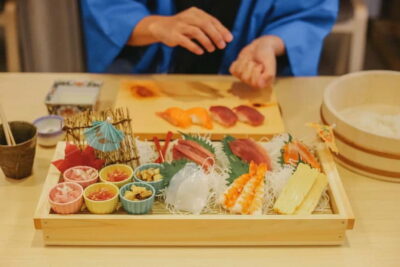
★ 5.0 · 1,763 reviews - Tokyo: Sushi Making Class in a Happi Coat near a Famous Spot
★ 4.9 · 1,377 reviews
Planning a Japanese meal, not just one recipe
The strongest part of the class is its wider food lesson. YUCa does not simply show you how to make one attractive dish and send you away. The class introduces menu planning, nutrition balance, and seasonal ingredients.
For you, that can mean learning how a main dish fits with other parts of a meal. It can also help explain why Japanese home cooking often feels varied without being overly complicated. A meal may rely on a few well-chosen components rather than one large plate.
Seasonality is another useful idea. Japanese supermarkets often organize food around the time of year, and ingredients can change with the seasons. You may not leave able to identify every item in the store, but the class gives you a better framework for understanding what you see.
This is also where the lesson differs from a simple cooking demonstration. You are not only collecting a recipe. You are learning how to think about a Japanese meal. That makes the experience more useful for anyone who wants to continue cooking after returning home.
Cooking dishes you can actually repeat
The best cooking souvenirs are often instructions rather than objects. YUCa provides recipes and notes so you can try the dishes again later. That is especially helpful for home cooks who want clear guidance after the holiday ends.
Gyoza is a good example of the hands-on appeal. Folding dumplings is a practical skill, and a small class lets you ask about technique as you work. Ramen can also offer more than a bowl at lunch, since you can learn how separate elements come together.
Japanese omelettes bring a different lesson. They require attention and practice, but they are also a familiar home-style food rather than a rare restaurant specialty. Pork katsu gives you another accessible option, while the walnut miso sauce shows how a simple condiment can change a meal.
Do not expect to make every one of these dishes in a single class. The available information presents them as examples from different sessions. Your menu will depend on the day and the class plan. If one particular dish matters to you, ask before booking rather than assuming it will be included.
The recipes appear to be one of the class’s best practical features. You can buy Japanese ingredients during the trip, then try the method again at home. Even if you do not reproduce the exact dish, you should gain ideas for sauces, preparation, and meal balance.
Lunch gives the lesson a satisfying finish
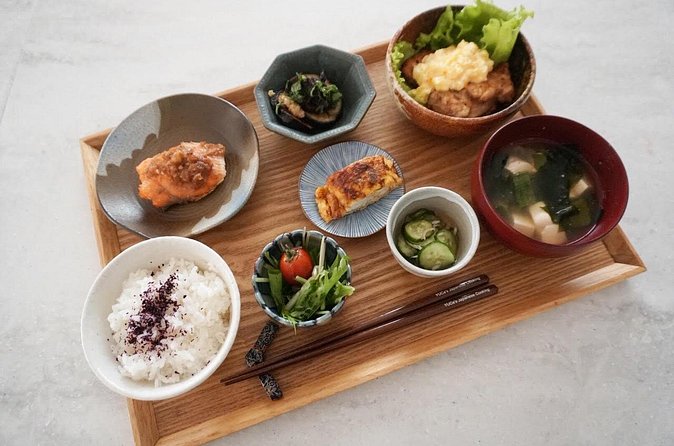
Traditional Japanese home meals are included, so you eat what you prepare. That makes lunch part of the lesson rather than an unrelated stop at a restaurant.
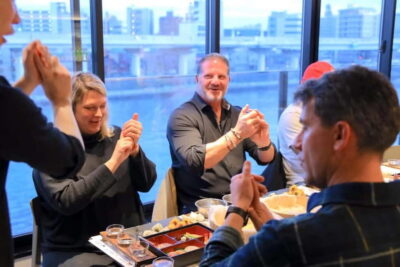
Eating the finished food also gives you a chance to notice details that can be missed while cooking. You can see how the flavors work together and judge the results of your own preparation. For someone learning a new cuisine, that connection between technique and taste is valuable.
The meal is likely to feel more personal than a standard food tour because you helped make it. At the same time, you should keep expectations sensible. This is not presented as a long tasting menu or a luxury dining experience. The value comes from the instruction, participation, and chance to repeat the recipes later.
Families may find the shared meal a pleasant end to the cooking portion. YUCa has included children in the kitchen and adjusted activities to suit family groups. Still, the activity lasts about two and a half hours, so very young children may find the full session demanding. The supplied details do not specify a minimum age, so confirm that point if it affects your booking.
A completely different kind of day in Tokyo:
- Mt Fuji and Hakone 1-Day Bus Tour Return by Bullet Train
★ 5.0 · 26,383 reviews - 1-Day Tokyo Bus Tour
★ 5.0 · 14,250 reviews - Tokyo: teamLab Planets TOKYO Digital Art Museum Entry Ticket
★ 4.6 · 9,779 reviews - Mt Fuji & Hakone Cruise, Drum Show Bullet Train 1 Day from Tokyo
★ 4.0 · 7,413 reviews
The supermarket visit adds everyday Tokyo context
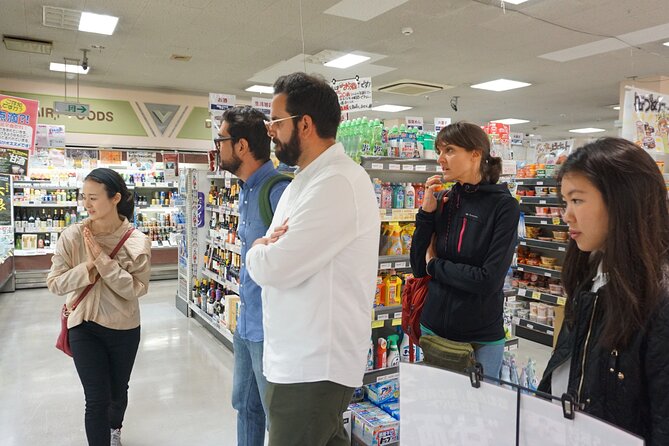
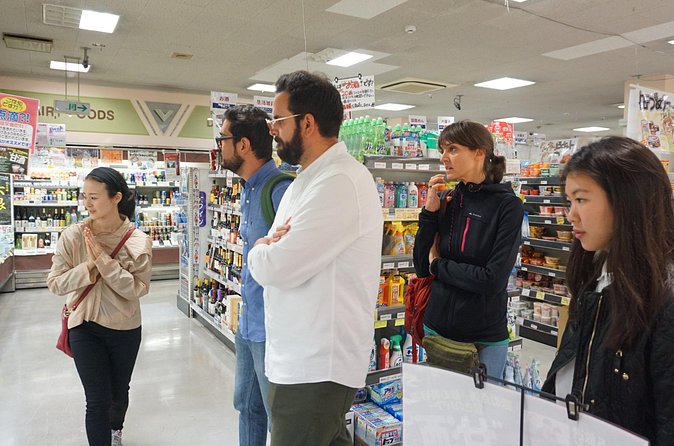
After the class, you visit a local supermarket. This is a small but useful addition. It moves the experience from the kitchen into daily life and shows you where ordinary shoppers find ingredients.
A supermarket can also be more helpful than a souvenir shop for understanding food in Japan. You might see packaged seasonings, noodles, snacks, sauces, and seasonal products that are hard to interpret on your own. With YUCa’s guidance, you can ask what an item is used for and how it fits into Japanese cooking.
The visit can help you choose edible souvenirs with more confidence. Instead of grabbing a package because the label looks interesting, you can ask about flavor, preparation, or storage. The information provided specifically points to choosing souvenirs together, which makes this part more than a quick walk through the aisles.
There is one limitation: the supermarket visit comes after the class and lunch, so it is not a full market tour. You should think of it as a useful food-shopping stop connected to the lesson. If your main goal is a large market, street-food route, or historic fish market, this is not that kind of experience.
What $162.88 buys you
At $162.88 per person, this class costs more than a regular Tokyo lunch and more than many short food tastings. The price makes sense only if you want active instruction and personal contact with the teacher.
You are paying for roughly two and a half hours, a cooked lunch, a small group, recipe guidance, and the supermarket visit. The group limit of seven is important to the value. A larger class could offer the same menu for less money, but it would likely give you less time with the teacher.
I would also count the take-home recipes as part of the value. A restaurant meal ends when you leave. A cooking class can continue to pay off if you actually prepare the dishes later. For someone who loves cooking, that makes the cost easier to justify.
The price is harder to defend if you mainly want to eat Japanese food. Tokyo has many less expensive ways to enjoy a meal. You should book this because you want to learn, not because you are seeking the cheapest lunch in the city.
Who will get the most from this class
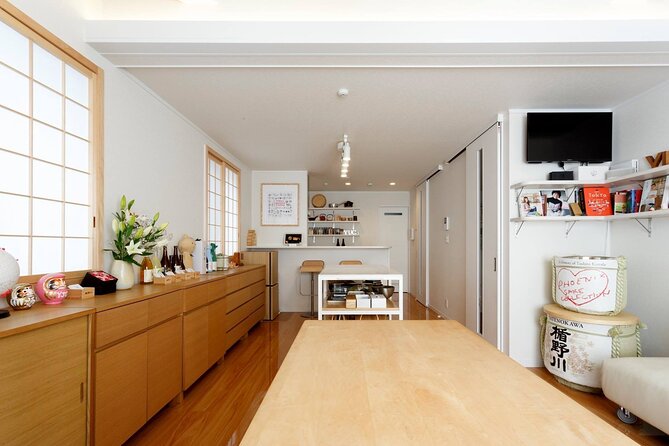
This experience fits you best if you like to cook, want a closer look at ordinary Japanese life, or plan to recreate Japanese dishes at home. It also suits families who want a shared activity and do not mind spending a morning in the kitchen.
It can work well for both beginners and experienced home cooks. Beginners get basic direction and a complete meal to work toward. More confident cooks can ask about substitutions, preparation choices, and how several dishes fit into a balanced menu.
The class is also a good choice if you have already visited Tokyo’s major sights and want a quieter neighborhood activity. Nishiogu offers a different pace from the city’s famous shopping and sightseeing districts, although the supplied information does not promise a separate neighborhood tour.
You may want to skip it if you dislike structured activities, have little interest in cooking, or want a broad food tour with many tasting stops. The experience is centered on one kitchen lesson and one supermarket visit. That focused format is its strength, but it will not suit everyone.
Booking details worth knowing before you go
You receive confirmation at the time of booking, and the activity uses a mobile ticket. The class starts at 10:00 a.m. and ends back at the meeting point.
Free cancellation is available when you cancel at least 24 hours before the local start time. Cancellations made less than 24 hours before the start are not refunded, and changes inside that window are not accepted. The class also requires a minimum number of participants. If that minimum is not reached and the activity is canceled, you are offered another date or experience, or a full refund.
Since the class has a maximum of seven people, book ahead if the date matters. Also check the menu if you have dietary restrictions. The information confirms that dishes may use meat, fish, or vegetables, but it does not provide a detailed allergy or dietary policy.
Should you book YUCa’s Japanese cooking class?
Book it if you want to do more than take pictures of Japanese food. The class gives you a practical introduction to home cooking, a meal you help prepare, recipes for later, and a supermarket visit that connects the kitchen to daily shopping.
I especially like the combination of small-group instruction and take-home recipes. The cooking feels useful rather than staged, and YUCa’s patient approach makes the class suitable for families as well as serious home cooks.
The price is the clear drawback. At $162.88, you should be ready to value instruction and personal attention, not just food. If that sounds worthwhile, this is a strong choice for a hands-on morning in Tokyo. If you only want a cheap meal or a large food tour, spend your money elsewhere.
FAQ
Where does the Japanese cooking class begin?
The class begins at YUCa’s Japanese Cooking, 2-chome-34-8 Nishiogu, Arakawa City, Tokyo 116-0011, Japan.
What time does the activity start?
The activity starts at 10:00 a.m.
How long does the cooking class and supermarket visit take?
The experience lasts approximately two hours and thirty minutes.
Where does the activity end?
The activity ends back at the meeting point.
How many people can join the class?
The activity has a maximum of seven participants.
Is lunch included?
Yes. Traditional Japanese home meals are included.
Can I cancel for a full refund?
Yes, if you cancel at least 24 hours before the local start time. Cancellations made less than 24 hours before the start are not refunded.
More hands-on classes and workshops in Tokyo
- Sushi Making Tokyo Roll and Authentic Japanese Sushi Class
★ 5.0 · 3,971 reviews - Chopstick Making Workshop in Ginza
★ 4.8 · 1,366 reviews - Tokyo Sushi Making Class in Tsukiji with Professional Chef
★ 5.0 · 1,177 reviews - Ramen & Gyoza Cooking Class in Tokyo with Local Supermarket Visit
★ 5.0 · 823 reviews
Newly reviewed around Tokyo
- Tokyo Asakusa:Calligraphy & Make T-shirt Activity★ 5.0 · 62 reviews
- 1 Hour Travel around Tokyo with a Professional Photographer★ 5.0 · 3 reviews
- Travel Tokyo with Your Own Personal Photographer★ 5.0 · 43 reviews
- Intercity Shuttle, Tokyo to Haneda /Narita /Yokohama /Makuhari★ 5.0 · 5 reviews
- Train in Samurai Swordsmanship and Defeat the Demon in Tokyo★ 5.0 · 5 reviews
- Shuttle Van 6hr Tokyo Tour to-and-from Tokyo, Yokohama and Narita★ 5.0 · 9 reviews
- Kickboxing & Body Training with EX-Pro Fighter★ 5.0 · 4 reviews
- Traditional Japanese Knife Sharpening Class★ 5.0 · 18 reviews
Tokyo Cooking Classes, compared.
Roll and Authentic Sushi Making Class in Asakusa
Read our review →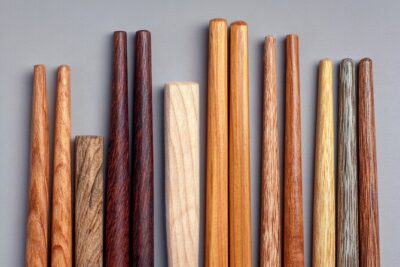
Sushi Making Class in a Happi Coat near a Famous Spot
Read our review →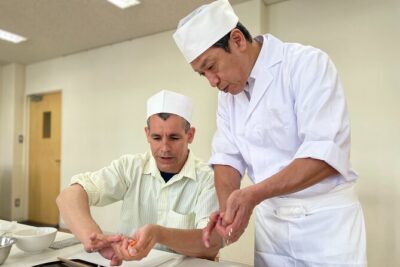
Tokyo Sushi Making Class in Tsukiji with Professional Chef
Read our review →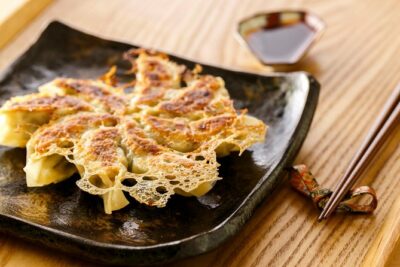
Ramen & Gyoza Cooking Class in Tokyo with Local Supermarket Visit
Read our review →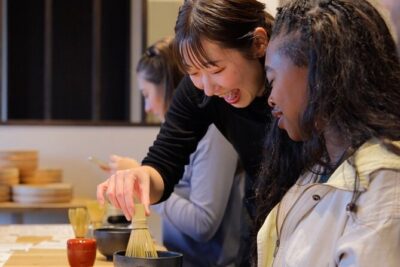
Matcha Making Class in Tokyo with Authentic Japanese Sweets Set
Read our review →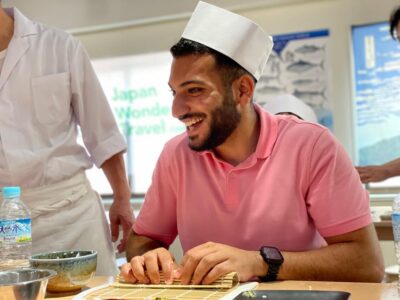
Tsukiji Fish Market Sushi Making Class with Pro Chef
Read our review →
Browse the lists this tour appears in