
Reviewed · WALKING TOURS
Sumida Riverside Walk: Garden &Temple Ritual (4 Meeting Points)
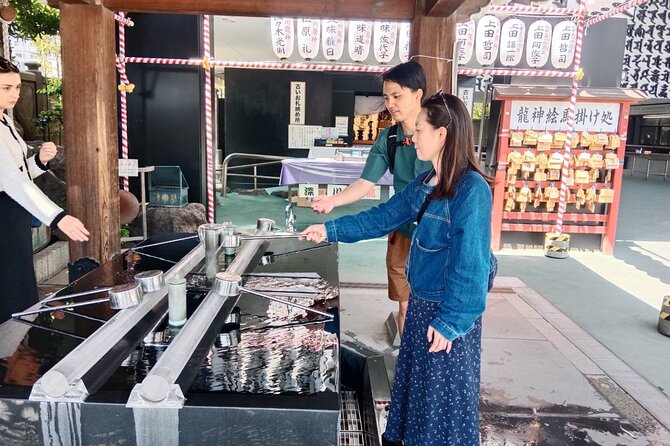
Tokyo can feel like a city turned up to full volume. This small-group morning walk takes you somewhere quieter: along the Sumida River, through Kiyosumi Garden, and into Fukagawa Fudōson, a temple where belief shows up in ordinary acts such as drawing omikuji and taking part in rituals.
I like the intimate group size, capped at six, and the way the route joins nature with living religious practice. I also like the guide’s local focus. Hiro, also referred to as Hiroyuki, explains details you could easily miss alone and may add an extra museum stop when time and interest allow. The main drawback is the early 8:30 am start and the fairly short schedule, so this is a gentle introduction rather than a full study of either the garden or temple.
Key points to know before booking
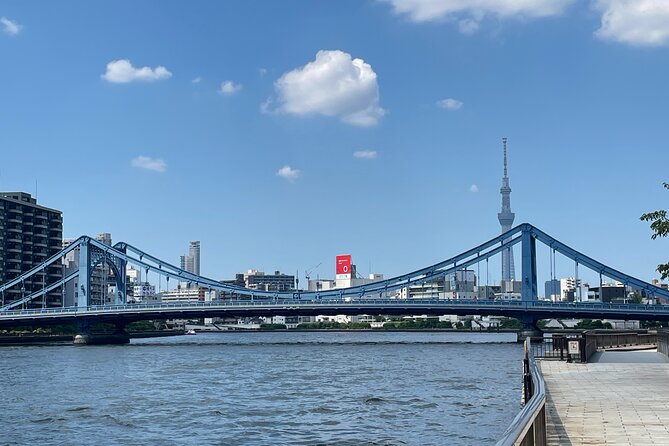
- A quiet side of eastern Tokyo: The route leaves the busiest streets for the Sumida River, an old iron bridge, a traditional garden, and a working temple.
- Small group, maximum six people: You get a better chance to ask questions and keep a comfortable walking pace.
- Fukagawa Fudōson is the cultural heart of the visit: Learn how omikuji, sacred spaces, architecture, and fire rituals fit into everyday religious life.
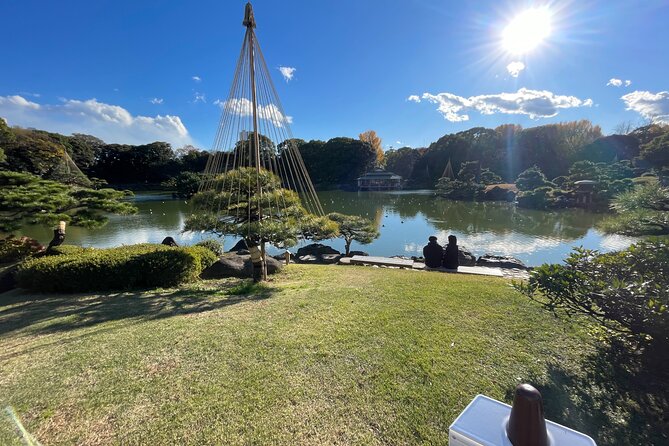
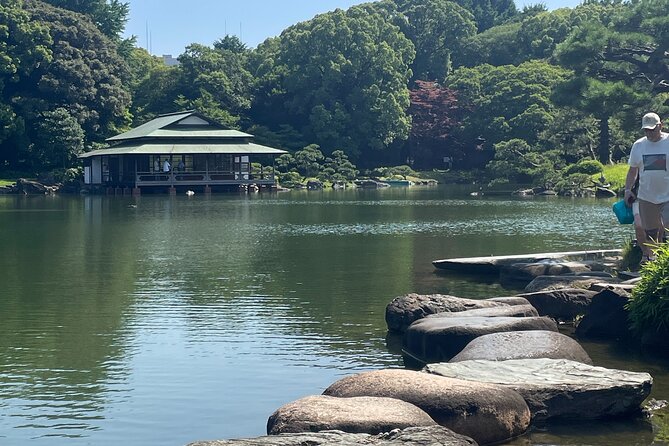
- Kiyosumi Garden rewards slow walking: Stones, water, balance, and the miniature Mount Fuji give the garden its appeal.
- Morning timing matters: The tour begins at 8:30 am and lasts about three hours, leaving most of the day free.
- Simple logistics: Meet and finish at Fukagawa Fudōson, about a four-minute walk from Monzen-Nakachō Station.
Why this Tokyo walk feels different
The best thing about this experience is its scale. You are not being rushed through a long list of famous sights. Instead, you spend a morning looking closely at a small part of Tokyo and learning how its parts connect.
The Sumida River gives the outing breathing room. The walk begins with water, bridges, and older traces of the city before moving into Fukagawa Fudōson and Kiyosumi Garden. That sequence helps you see Tokyo as more than towers, shopping streets, and neon signs.
I especially like the mix of subjects. One part is physical and scenic: stones, ponds, bridges, and garden paths. Another part is personal and cultural: how people approach a temple, read omikuji, and take part in quiet or highly visual rituals.
The group limit of six also matters. In a large tour, a guide may need to keep talking while everyone trails behind. Here, you should have more room to stop, look, and ask about details that catch your eye.
The experience is not designed for someone who wants a packed day of major attractions. It is better for you if you prefer a measured pace and a guide who can explain small cultural details without turning the morning into a lecture.
More Tokyo walking tours:
- Tokyo Tsukiji Fish Market Food and Culture Walking Tour
★ 5.0 · 3,184 reviews - Tokyo: Imperial Palace and Shogun Historical Walking Tour
★ 5.0 · 2,251 reviews - Tokyo: Shinjuku Local Bar and Izakaya Guided Walking Tour
★ 4.9 · 1,794 reviews
Starting beside the Sumida River at 8:30 am
You meet at Fukagawa Fudōson, also known as the Naritasan Tokyo branch temple, at 1-chōme-17-13 Tomioka in Koto City. The tour begins at 8:30 am, so plan your route carefully and allow time to find the temple entrance.
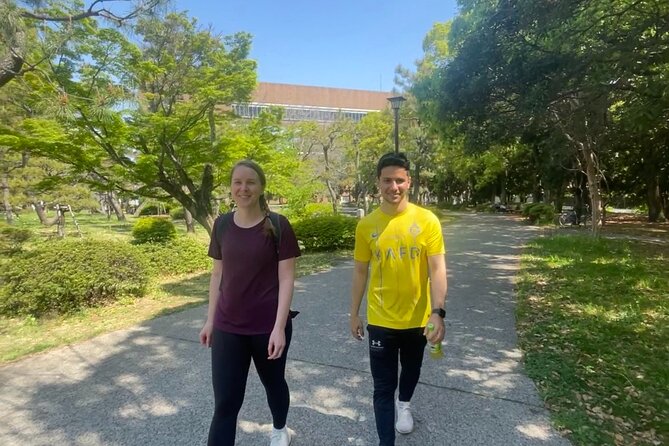
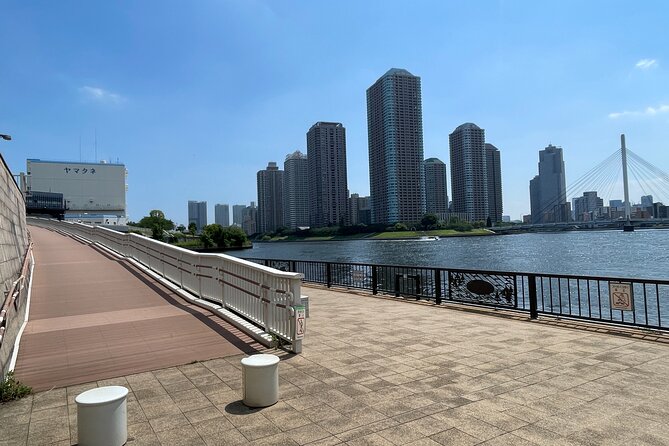
The first walking section lasts about 35 minutes. You pass a historic iron bridge and follow the river before continuing toward the temple and garden. This is not a long hike, but it gives you a useful pause from Tokyo’s traffic and commercial streets.
A river walk can sound modest on paper. That is part of its value. You get a chance to settle into the morning while Hiro or Hiroyuki points out the connection between the old neighborhood, the river, and the nearby historic sites.
The route also gives you a gentle physical start. You do not need to prepare for strenuous walking, but comfortable shoes still make sense. The tour is built around walking between stops, and you will enjoy it more if you are not distracted by sore feet.
Entering Fukagawa Fudōson and its everyday rituals
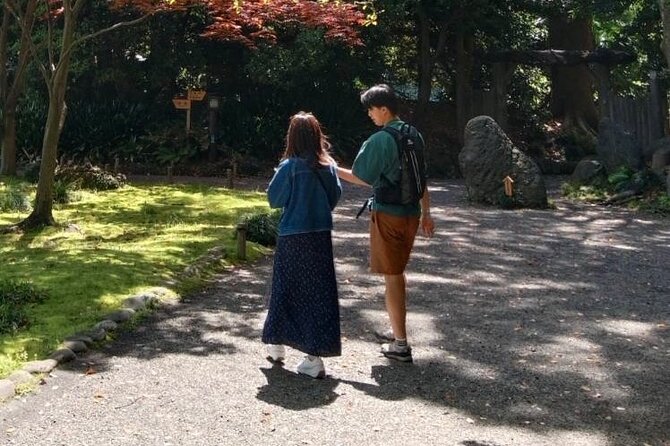
The temple visit takes about an hour, making it the longest stop on the route. Fukagawa Fudōson has more than 300 years of history, and the focus here is not just on architecture.
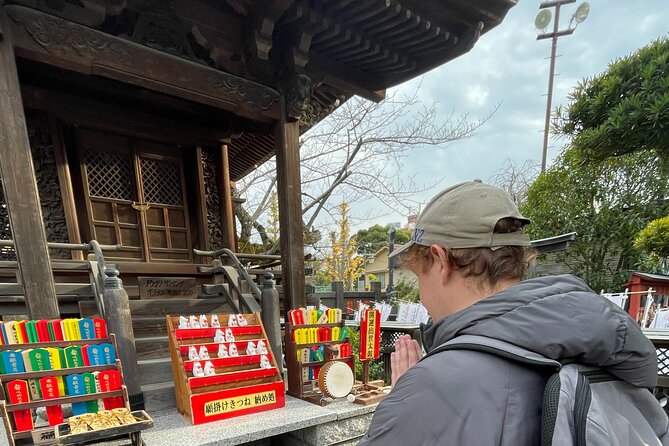
You learn how Japanese spirituality can appear in daily actions. Omikuji, for example, are fortune slips that people draw at temples and shrines. The activity gives the guide a natural way to explain how a sacred visit can include small personal choices, gestures, and habits rather than one grand formal event.
This is one of the strongest parts of the tour for anyone curious about culture but unsure how to read a temple setting. A guide can explain what you are seeing without asking you to already understand the customs.
The temple’s architecture also matters, but the experience seems intended to go beyond taking photographs. You get context for the way the space is used, and you can ask questions about the meaning behind rituals and religious objects.
One review describes enjoying a fire ritual during the visit. That detail suggests the temple can offer a particularly memorable visual and spiritual moment, but you should not treat any specific ritual as guaranteed at every departure. Ritual timing can affect what you see on the day.
The temple section may be especially useful early in a Tokyo trip. It gives you a few basic ideas about Japanese religious practice that can help you understand other temples and shrines later, even when you are exploring without a guide.
At the same time, this is a short introduction. An hour is enough to discuss selected details, but not enough to explain every building, symbol, and custom in depth. If you already have a strong interest in Japanese Buddhism or temple architecture, you may want a longer specialist visit elsewhere.
Finding calm among the stones at Kiyosumi Garden
Kiyosumi Teien takes about 40 minutes. The garden is more than 100 years old and is shaped around stones, water, and quiet spaces.
The design reflects ideas of harmony, balance, and respect for nature. You can expect a place where the arrangement matters: the position of stones, the relationship between paths and water, and the way views open and close as you walk.
The garden’s pond is one of its scenic draws, and a miniature Mount Fuji is a particularly appealing detail. It gives the visit a clear visual hook, especially if you enjoy traditional Japanese gardens but do not want to spend an entire day at one.
Forty minutes is enough to appreciate the garden’s mood and layout. It is not enough for an unhurried, solitary wander through every corner, especially if you like to stop often for photographs. The guide’s explanations help you use the time well, but the schedule still asks you to keep moving.
I like that the garden follows the temple rather than replacing it. The temple shows how people express belief through action. The garden offers a quieter lesson in order, restraint, and attention to nature. Together, the two stops make more sense than either would alone.
If your ideal morning includes a long coffee stop or plenty of time for photography, this tour may feel brisk. If you want a structured first look, the timing is sensible and leaves room for the rest of your Tokyo plans.
A completely different kind of day in Tokyo:
- Mt Fuji and Hakone 1-Day Bus Tour Return by Bullet Train
★ 5.0 · 26,383 reviews - 1-Day Tokyo Bus Tour
★ 5.0 · 14,250 reviews - Tokyo: teamLab Planets TOKYO Digital Art Museum Entry Ticket
★ 4.6 · 9,779 reviews - Mt Fuji & Hakone Cruise, Drum Show Bullet Train 1 Day from Tokyo
★ 4.0 · 7,413 reviews
What Hiro or Hiroyuki adds to the morning
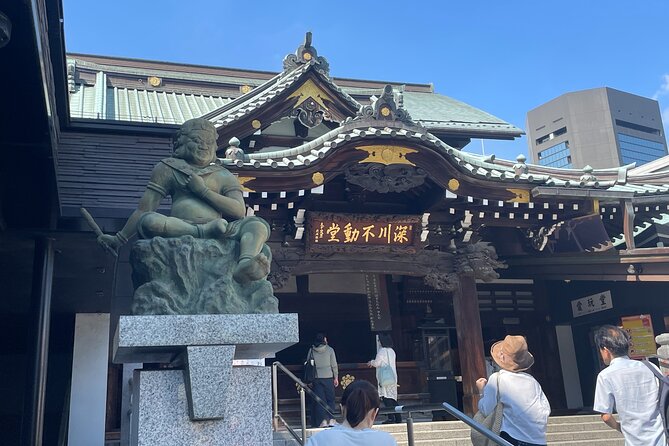
The guide is a key reason to consider booking rather than visiting both places independently. Hiro, also named Hiroyuki in the tour information, explains the cultural background and helps you notice places that are easy to pass without understanding.
A guided walk is most useful here because the appeal is not only visual. You can see a garden pond or a temple building on your own. The added value comes from learning why the setting is arranged as it is and how local customs fit into modern life.
One especially useful feature is the chance to ask questions in a group of no more than six. You are less likely to feel lost in a crowd, and the guide can adjust the explanation to the group’s interests.
There is also some flexibility in the experience. One person who joined the tour was taken to an extra museum. That should be viewed as a possible addition rather than a fixed stop, since the published route includes the river walk, Fukagawa Fudōson, and Kiyosumi Garden. Still, it suggests the guide may respond to your interests when the schedule permits.
The strongest praise connected to the guide is personal attention. You should expect a friendly, detailed explanation rather than a rapid list of dates. That suits this route, where small observations are more important than collecting a large number of sights.
Is the $48.86 price fair?
At $48.86 per person, this is not the cheapest way to take a walk in Tokyo. You can reach the river, temple, and garden on your own for the cost of local transport and the garden admission fee.
The price makes more sense if you want interpretation. You are paying for about three hours with a local guide, a small group capped at six, a planned route, and help understanding details that may otherwise remain unclear. The garden admission is included, while the temple portions are listed without an additional admission charge.
The value is strongest for a first-time visitor who wants cultural context without committing to a full-day tour. It is also a good fit if you prefer a personal conversation over a large group following a flag.
The value is weaker for independent explorers who already know Japanese garden design, temple customs, and the Koto City area. You may find the route easy to reproduce on your own, and the 40-minute garden visit could feel short if that is your main reason for going.
The small group helps justify the cost. Six people is a far more manageable setting than a coach group, especially at a temple where you may want to stop and ask about an object or ritual.
Timing, meeting point, and the practical details
The tour starts and ends at Fukagawa Fudōson, at the same address in Tomioka. The temple is about a four-minute walk from Monzen-Nakachō Station, and the location is close to public transportation.
The return to the starting point is convenient. You do not have to work out a new route at the end of the walk, and you can continue exploring Tokyo from the same general area.
A mobile ticket is provided, and confirmation arrives when you book. Most people can participate, according to the supplied information, but the experience does involve walking between the river, temple, and garden.
The advertised duration is approximately three hours. The listed activities total about two hours and 15 minutes, with the remaining time allowing for movement between stops, explanations, and pauses. Do not plan a tight connection immediately after the scheduled finish.
The 8:30 am start is both a benefit and a limitation. You get a calm beginning and still have most of the day free, but you need to be ready early. If you are dealing with jet lag, a later activity may be kinder to your body.
Free cancellation is available up to 24 hours before the local start time for a full refund. Cancellations or changes made less than 24 hours before the tour are not accepted for a refund.
Who should book this experience?
I would recommend it to you if you want to see a less obvious part of Tokyo and understand what you are looking at. It suits first-time visitors, couples, solo travelers, and anyone who prefers a small group with time for questions.
It also works well for people who like gardens, local religious customs, and quiet walking more than shopping or major city landmarks. The route gives you a taste of all three without using the entire day.
Families with older children may also appreciate the manageable length, though the information provided does not specify a minimum age. The temple and garden offer different kinds of interest, so the morning is not dependent on one attraction alone.
I would hesitate if you want a long garden visit, a major sightseeing checklist, or a guaranteed fire ritual. You should also think twice if an early start is difficult or if you prefer to explore without a guide.
For most people, the best reason to book is not the number of stops. It is the chance to connect a peaceful river walk, a living temple, and a carefully designed garden into one readable story about Tokyo.
Should you book the Sumida Riverside Walk?
Book this tour if you want a calm, compact morning with genuine local context. The combination of Fukagawa Fudōson and Kiyosumi Garden gives you two different windows into Japanese culture, while the river walk keeps the pace relaxed.
The tour is worth the $48.86 when personal explanation and a six-person maximum matter to you. If you only want to see the sights and are comfortable researching temple customs and garden design yourself, save the money and go independently.
For a first visit to Tokyo, this is a smart choice when you want to get beyond the standard center-city route without sacrificing the rest of your day. Arrive ready at 8:30 am, wear comfortable shoes, and treat the morning as a lesson in noticing small things.
FAQ
How long does the Sumida Riverside Walk take?
The experience lasts approximately three hours.
What time does the tour start?
The tour starts at 8:30 am.
Where does the tour begin?
It begins at Fukagawa Fudōson, also called the Naritasan Tokyo branch temple, at 1-chōme-17-13 Tomioka, Koto City, Tokyo 135-0047, Japan.
Where does the tour finish?
It finishes at Fukagawa Fudōson, the same temple where the tour begins.
How far is the meeting point from public transportation?
Fukagawa Fudōson is about a four-minute walk from Monzen-Nakachō Station.
What places are included in the route?
The route includes a Sumida River walk, Fukagawa Fudōson, and Kiyosumi Teien, also known as Kiyosumi Garden.
How many people can join the tour?
The maximum group size is six people.
Is admission to Kiyosumi Garden included?
Yes. Admission to Kiyosumi Garden is included in the tour price.
Can I cancel for a full refund?
Yes. You can cancel at least 24 hours before the local start time for a full refund. Cancellations or changes made less than 24 hours before the start time are not accepted for a refund.
Newly reviewed around Tokyo
- Tokyo Asakusa:Calligraphy & Make T-shirt Activity★ 5.0 · 62 reviews
- Intercity Shuttle, Tokyo to Haneda /Narita /Yokohama /Makuhari★ 5.0 · 5 reviews
- 1 Hour Travel around Tokyo with a Professional Photographer★ 5.0 · 3 reviews
- Travel Tokyo with Your Own Personal Photographer★ 5.0 · 43 reviews
- Train in Samurai Swordsmanship and Defeat the Demon in Tokyo★ 5.0 · 5 reviews
- Shuttle Van 6hr Tokyo Tour to-and-from Tokyo, Yokohama and Narita★ 5.0 · 9 reviews
- Kickboxing & Body Training with EX-Pro Fighter★ 5.0 · 4 reviews
- Traditional Japanese Knife Sharpening Class★ 5.0 · 18 reviews
Walking Tours, compared.

Tokyo Tsukiji Fish Market Food and Culture Walking Tour
Read our review →
Imperial Palace and Shogun Historical Walking Tour
Read our review →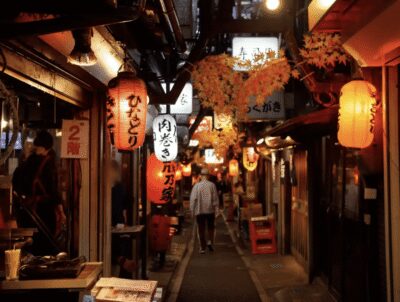
Shinjuku Local Bar and Izakaya Guided Walking Tour
Read our review →
Asakusa Walking Tour with Sensoji Temple Visit
Read our review →
Tokyo Castle & Imperial PalaceーShogun Walking Tour
Read our review →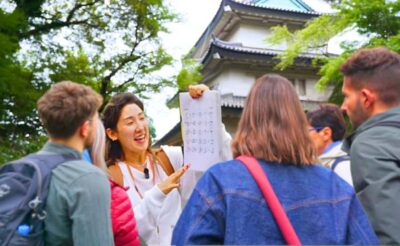
Browse the lists this tour appears in