
Reviewed · TOKYO COOKING CLASSES
Japanese Cooking class in Tokyo
Japanese home cooking takes center stage here, not restaurant theatrics. In about three hours, you’ll learn to make dashi, cook rice in a regular pot, and prepare a full meal in Morimi’s private home kitchen in Setagaya. The tofu, sushi, and curry courses each offer a different look at everyday Japanese food.
I like the hands-on format and the practical recipes you can repeat at home. I also like the chance to use traditional tools such as a suribachi mortar and an oshizushiki pressed-sushi mold. The main consideration is the fixed 10:30 am start and the trip to Matsubara, so this takes a morning from your Tokyo sightseeing plan.
- Three distinct course choices: Pick tofu, sushi, or Japanese curry when you reserve.
- Useful basics first: Learn dashi and rice cooking before building your meal.
- Private home setting: Only your group takes part in the activity.
- Dietary flexibility: The tofu course can accommodate vegetarian, vegan, and gluten-free diets.
- Recipes to take home: English instructions help you recreate the dishes later.
- Optional extras: Japanese sake and wagashi are available during the tasting session.
A Tokyo cooking class built around home food
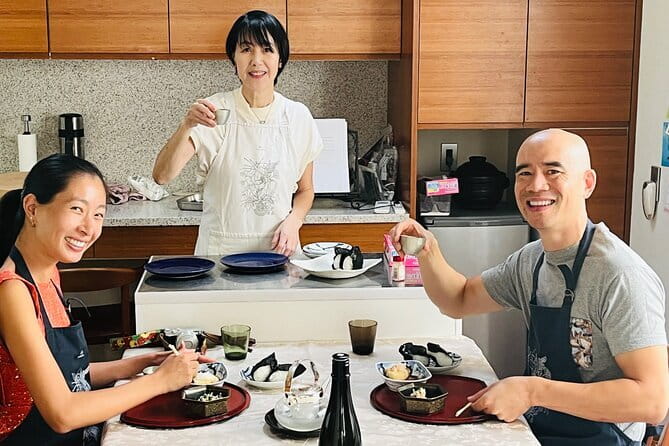
Morimi’s Home Kitchen offers a quieter kind of Tokyo experience. Instead of simply eating at a restaurant, you spend time learning how several familiar Japanese dishes are made, then sit down to eat the results.
The class begins at 10:30 am and lasts about three hours. That timing makes it a substantial morning activity, with lunch included. You will return to the same meeting point at the end, so plan your next sightseeing stop from Setagaya rather than from central Tokyo.
The setting is a private home kitchen, and only your group participates. That matters if you want to ask questions, move at a comfortable pace, or focus on particular techniques without a large public class around you.
A certified local chef leads the session. The teaching centers on practical methods rather than restaurant-level showmanship. You learn how ingredients work together, how dashi gives Japanese food its base flavor, and how to prepare rice without special equipment.
Choosing between tofu, sushi, and curry
You select your course at the time of booking. Each one gives you a different meal and a different kind of kitchen work, so your choice should match what you most want to take home.
More Tokyo cooking classes:
- Tokyo: Roll and Authentic Sushi Making Class in Asakusa
★ 4.9 · 1,957 reviews - Tokyo Shinjuku Chopsticks Making Class
★ 5.0 · 1,763 reviews - Tokyo: Sushi Making Class in a Happi Coat near a Famous Spot
★ 4.9 · 1,377 reviews
Tofu course: the best choice for plant-based cooking
The tofu course includes tofu hamburgers, agedashi tofu, shiraae tofu salad, tofu soup, rice, and two rice balls. You also prepare dashi and learn to cook rice in a regular pot.
This is the strongest option for vegetarian and vegan participants. It can also accommodate gluten-free diets. Do check your requirements in advance and report allergies or foods you cannot eat when booking.
The variety is the real attraction. You are not making one tofu dish and calling it a meal. You work with tofu in several forms: shaped into a hamburger, fried for agedashi tofu, mixed into a salad, and used in soup. That gives you a better sense of how one ingredient fits into different parts of Japanese cooking.
The tofu course may also suit cooks who want the greatest number of techniques. You get soup, rice, salad, a main dish, and rice balls, with each item showing a different preparation method.
Sushi course: colorful food and traditional molds
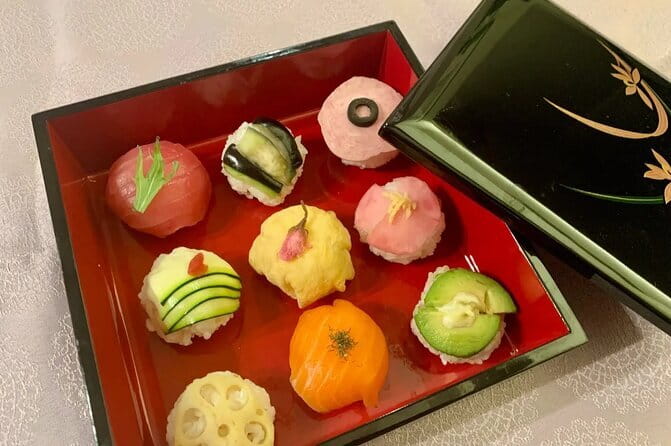
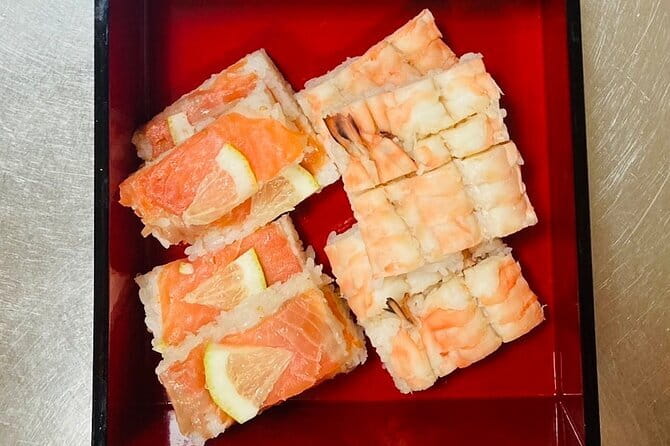
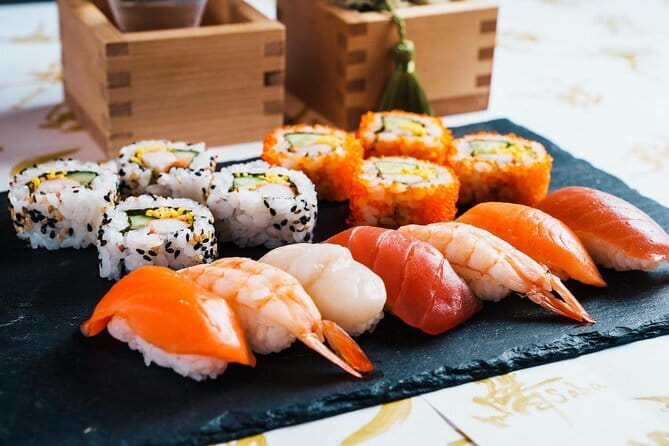
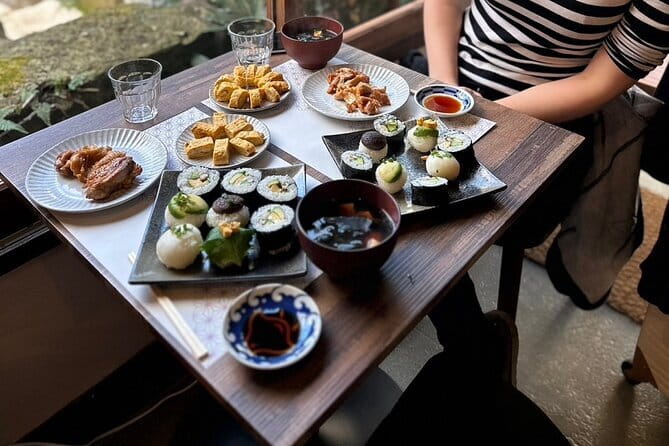
The sushi course starts with sushi rice. You then choose from assorted sashimi and vegetables to make six kinds of temari sushi. Each participant also makes one roll of oshizushi, or pressed sushi, using a traditional mold.
This is the most visually playful course. Temari sushi are small, rounded pieces that allow you to combine different toppings and colors. The pressed sushi adds another style of preparation, since the oshizushiki shapes the rice and fillings into a firm block.
You will still learn more than simple assembly. Sushi rice needs the right texture, and the class introduces the process from the beginning. The traditional mold is a particularly useful detail because it gives you a kitchen experience you may not get at a sushi restaurant.
A gluten-free version is available for this course. Mention dietary needs before the class so the kitchen can plan the ingredients.
Curry course: a filling Japanese comfort-food meal
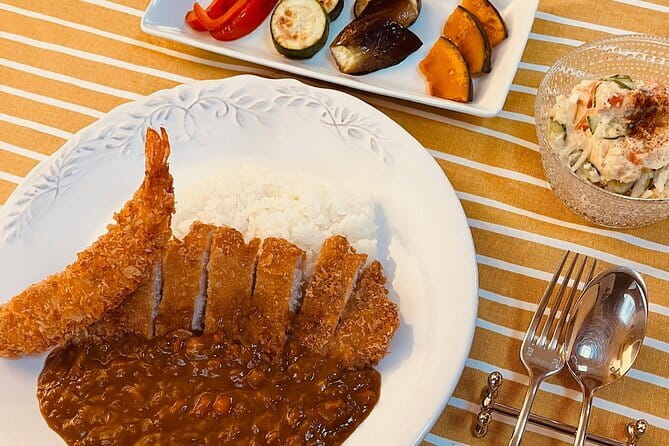
The curry course takes a familiar Japanese favorite and breaks it into its parts. You prepare Japanese-style curry with roux and dashi, then make tonkatsu, ebi fry, grilled vegetables, Japanese-style potato salad, and rice.
This is a good fit if you want a generous lunch and enjoy learning several cooking methods in one session. The finished meal includes curry, pork cutlet, fried shrimp, vegetables, and potato salad, so it feels more like a full home meal than a single recipe lesson.
Japanese curry is different from the curry found in many Indian restaurants. The use of Japanese roux and dashi gives it a milder, thicker style, and the tonkatsu adds a crisp pork cutlet on top. The class also helps you understand how fried foods and side dishes fit around the curry.
The main dietary limitation is clear: this course includes pork and shrimp. If you avoid either ingredient, choose the tofu course or ask about available accommodations before booking.
A completely different kind of day in Tokyo:
- Mt Fuji and Hakone 1-Day Bus Tour Return by Bullet Train
★ 5.0 · 26,383 reviews - 1-Day Tokyo Bus Tour
★ 5.0 · 14,250 reviews - Tokyo: teamLab Planets TOKYO Digital Art Museum Entry Ticket
★ 4.6 · 9,779 reviews - Mt Fuji & Hakone Cruise, Drum Show Bullet Train 1 Day from Tokyo
★ 4.0 · 7,413 reviews
Why dashi and rice are the real lessons
The most valuable part of the class may happen before the main dishes. You learn to make dashi, the basic stock used in Japanese cooking, and you learn to cook rice in a standard pot.
Dashi is important because it appears in soups, sauces, and other everyday preparations. Learning it gives you a key to the flavor behind Japanese home cooking. You are not simply following a recipe. You are learning one of the building blocks used across the menu.
The rice lesson is just as practical. You do not need a rice cooker or specialist equipment. Cooking rice in a regular pot makes the method easier to repeat in your own kitchen.
I like this focus on ordinary tools. A cooking class has limited value if every recipe depends on equipment you cannot find at home. Here, the core lessons are built around techniques and ingredients you can continue using after your Tokyo visit.
Traditional tools make the class more memorable
The class introduces tools such as the suribachi, a Japanese mortar, and the oshizushiki pressed-sushi mold. These are not just decorations on a kitchen shelf. You use them as part of the food preparation.
The suribachi is useful for grinding and mixing ingredients, while the oshizushiki shapes pressed sushi. Working with these tools connects the food to Japanese kitchen practice in a direct way.
The sushi course makes the most obvious use of the pressed mold, but the tools also help break up the routine of chopping and stirring. You get a physical sense of how different Japanese dishes are put together.
This is one reason the experience feels more personal than a standard tasting activity. You handle the ingredients, make decisions about your sushi fillings, and see how the tools affect the final result.
What the three-hour schedule feels like
The session starts at 10:30 am, so you should arrive ready for a full morning. The exact order may vary by course, but the structure is clear: instruction, hands-on preparation, cooking, and a tasting session.
Expect the chef to explain ingredients and methods as you work. The class includes the dashi lesson and rice preparation, followed by the recipes tied to your chosen course.
The tasting serves as lunch. The tofu course includes three tofu dishes, two rice balls, and soup. The sushi course includes temari sushi and pressed sushi, along with soup. The curry course includes rice, curry, tonkatsu, fried shrimp, grilled vegetables, and potato salad.
Green tea and mineral water are unlimited, and herbal tea is also available. Coffee or tea is included in the experience details, while Japanese sake is an optional addition. Wagashi, traditional Japanese sweets, can also be added during the tasting session.
You may want to treat this as a meal as well as a lesson. The portions and menu are designed for lunch, not just a tiny sample.
A private class with a relaxed pace
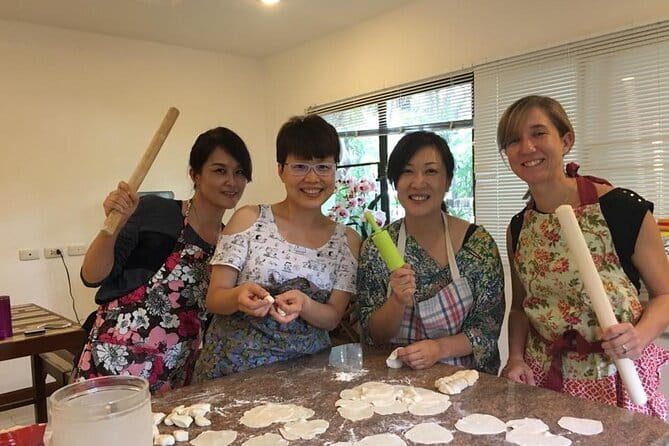
The private format is one of the strongest reasons to book this activity. Only your group participates, so the class can feel more like cooking with a local family than attending a large demonstration.
That setting is especially useful if you are new to Japanese cooking. You can ask about unfamiliar ingredients, request clarification, and watch a technique more closely without worrying about holding up a room full of people.
The teaching style described through the experience is patient and detailed. Small practical tips matter in a kitchen, and the class gives attention to the little choices that make cooking easier.
There is a tradeoff. A private home kitchen does not offer the polished scale of a large culinary school. If you want a formal restaurant kitchen, advanced knife training, or a professional chef’s tasting menu, this is not that kind of class. It is better suited to simple, useful home cooking.
The value of $71 per person
At $71 per person, this is not the cheapest lunch in Tokyo. You can eat Japanese food for far less, especially at a casual restaurant or train station counter.
The price makes more sense when you count the full package. You receive about three hours of instruction, a private class, lunch, drinks, English recipes, use of traditional tools, and a souvenir. You also leave with methods for dashi, rice, tofu, sushi, or curry that you can repeat at home.
The value is strongest for people who enjoy participation. If you only want to taste Japanese food, a restaurant will be cheaper and faster. If you want a personal activity with a meal attached, the cost is easier to justify.
The English recipes add lasting value. You can use them after returning home instead of relying on memory from the class. For a birthday activity, couples’ outing, or food-focused day in Tokyo, the price includes both the event and something practical to take away.
Getting to Morimi’s Home Kitchen
The meeting point is Morimi’s Home Kitchen at 3-chōme-19-5 Matsubara, Setagaya City, Tokyo 156-0043. The location is near public transportation.
Pickup is listed as an available feature, but private transportation is not included. Since the specified start point is the home kitchen, confirm the pickup details when making your reservation rather than assuming a hotel transfer is part of the price.
The activity ends back at the meeting point. That makes the return simple, but it also means you should allow time to get back toward central Tokyo after lunch.
The 10:30 am start is worth planning around. Do not place an important early-morning reservation across town on the same day. The class is best paired with nearby plans or with a flexible afternoon.
Dietary needs and course selection
You should tell the kitchen about allergies and foods you cannot eat at the time of booking. This is especially important because the three menus use different ingredients.
The tofu course can accommodate vegetarian, vegan, and gluten-free diets. The sushi course can accommodate gluten-free diets. The curry course includes pork and shrimp, so it is not the natural choice for anyone avoiding meat or shellfish.
Do not wait until arrival to raise a serious allergy. The kitchen needs advance notice to prepare the right ingredients and avoid confusion during a hands-on class.
If you are booking for a mixed group, the tofu course may be the simplest option for dietary flexibility. If everyone wants sushi, ask about the gluten-free version before confirming.
Who will enjoy this experience most
I would recommend this class to people who want a slower, personal activity in Tokyo. It suits couples, families, and small private groups who enjoy learning by doing.
The tofu course is especially good for vegetarians, vegans, and anyone curious about Japanese plant-based food. The sushi course fits people who want to make something colorful and learn the pressed-sushi mold. The curry course is right for anyone who wants a filling comfort-food lunch and a lesson in Japanese curry.
It also works well as a birthday activity. One participant chose the tofu course for a birthday outing and added sake and mochi, making the class feel more like a special occasion than a routine lesson.
You may want to skip it if your schedule is extremely tight, if you do not want to travel to Setagaya, or if you prefer a quick meal over a three-hour activity. The class rewards patience and curiosity.
Should you book Morimi’s Home Kitchen?
Book it if you want to understand Japanese food from the kitchen outward. The dashi and rice lessons are useful, the course choices are distinct, and the English recipes give the experience a life beyond your Tokyo visit.
Choose tofu for the best dietary flexibility, sushi for traditional tools and creative presentation, or curry for a substantial meal with tonkatsu and ebi fry. At $71, the class is best value for someone who wants instruction, lunch, and a personal home setting in one package.
Before booking, confirm your course, report allergies, and check the transportation plan. If those details fit your day, Morimi’s Home Kitchen offers a warm, practical way to spend a Tokyo morning.
FAQ
Where does the Japanese cooking class take place?
The class takes place at Morimi’s Home Kitchen, 3-chōme-19-5 Matsubara, Setagaya City, Tokyo 156-0043, Japan.
What time does the class start?
The activity starts at 10:30 am.
How long does the cooking class last?
The class lasts approximately three hours.
How much does the experience cost?
The listed price is $71 per person.
Is the class private?
Yes. Only your group participates in the activity.
Which cooking courses are available?
You can choose a Tofu Course, Sushi Course, or Curry Course when making your reservation.
What is included in the tofu course?
You make tofu hamburgers, agedashi tofu, shiraae tofu salad, tofu soup, rice, and two rice balls. The course also includes instruction on dashi and rice cooking.
Can vegetarian or vegan participants join?
Yes. The tofu course can accommodate vegetarian and vegan diets.
Are gluten-free options available?
Yes. Gluten-free options are available with the tofu course or sushi course.
Is transportation included?
Private transportation is not included. Pickup is listed as an available feature, so confirm the details when booking. The activity ends back at the meeting point.
Are drinks included?
Green tea and mineral water are unlimited, and herbal tea is available. Coffee and tea are included in the experience details. Sake is an optional addition.
Do I receive recipes after the class?
Yes. English recipes are provided so you can make the dishes at home.
Can I cancel for a full refund?
Yes, if you cancel at least 24 hours before the experience start time. Cancellations made less than 24 hours in advance are not refunded.
More hands-on classes and workshops in Tokyo
- Sushi Making Tokyo Roll and Authentic Japanese Sushi Class
★ 5.0 · 3,971 reviews - Chopstick Making Workshop in Ginza
★ 4.8 · 1,366 reviews - Tokyo Sushi Making Class in Tsukiji with Professional Chef
★ 5.0 · 1,177 reviews - Ramen & Gyoza Cooking Class in Tokyo with Local Supermarket Visit
★ 5.0 · 823 reviews
Newly reviewed around Tokyo
- Tokyo Asakusa:Calligraphy & Make T-shirt Activity★ 5.0 · 62 reviews
- Intercity Shuttle, Tokyo to Haneda /Narita /Yokohama /Makuhari★ 5.0 · 5 reviews
- 1 Hour Travel around Tokyo with a Professional Photographer★ 5.0 · 3 reviews
- Travel Tokyo with Your Own Personal Photographer★ 5.0 · 43 reviews
- Kickboxing & Body Training with EX-Pro Fighter★ 5.0 · 4 reviews
- Train in Samurai Swordsmanship and Defeat the Demon in Tokyo★ 5.0 · 5 reviews
- Shuttle Van 6hr Tokyo Tour to-and-from Tokyo, Yokohama and Narita★ 5.0 · 9 reviews
- Traditional Japanese Knife Sharpening Class★ 5.0 · 18 reviews
Tokyo Cooking Classes, compared.

Roll and Authentic Sushi Making Class in Asakusa
Read our review →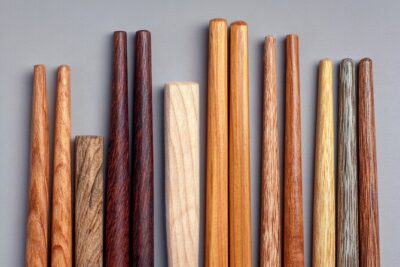
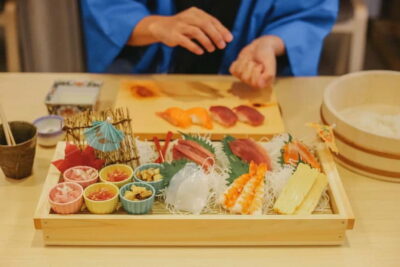
Sushi Making Class in a Happi Coat near a Famous Spot
Read our review →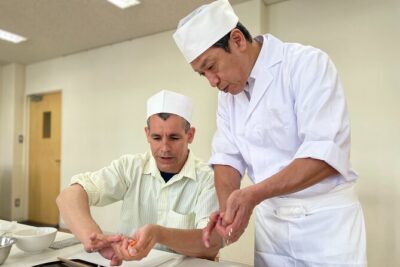
Tokyo Sushi Making Class in Tsukiji with Professional Chef
Read our review →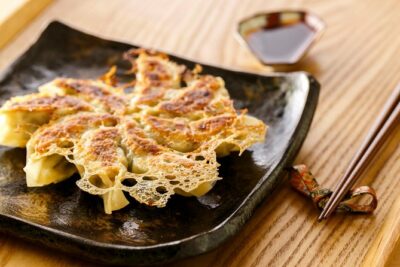
Ramen & Gyoza Cooking Class in Tokyo with Local Supermarket Visit
Read our review →
Matcha Making Class in Tokyo with Authentic Japanese Sweets Set
Read our review →
Tsukiji Fish Market Sushi Making Class with Pro Chef
Read our review →
Browse the lists this tour appears in