
Reviewed · TOKYO COOKING CLASSES
Mochi and Nerikiri Wagashi Combination Cooking Class
Mochi making takes on a personal touch in Satoko’s Tokyo home, where you shape Japanese sweets at a kitchen table rather than watch a large demonstration. You’ll work with glutinous rice flour, learn several ways to eat mochi, and make seasonal wagashi with your own hands.
I like the private setting, which gives you room to ask questions and work at your own pace. I also like the practical recipes, since the ingredients are plant-based and generally easy to find outside Japan. The main consideration is the cat allergy warning: two short-haired cats stay in the bedroom during the lesson, but this may still matter to sensitive visitors.
Key points to know before booking
- Satoko’s private home class: Only your own group takes part, making this a calm choice for couples, families, or friends.
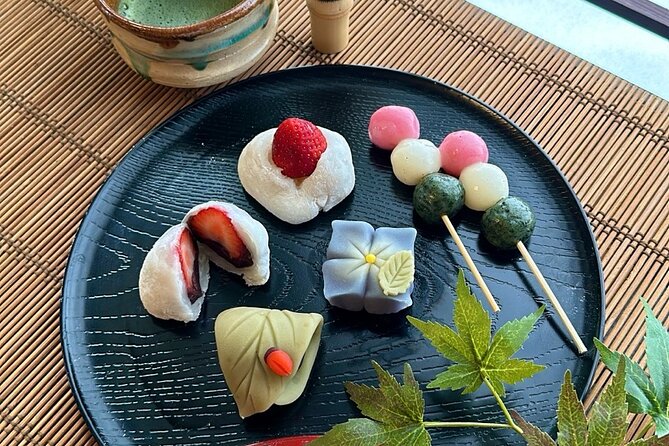
- Several sweets in one lesson: Make strawberry daifuku when available, dango on skewers, and two seasonal nerikiri designs.
- Seasonal shaping: Nerikiri motifs change with the time of year, so the exact designs are not fixed.
- Matcha is part of the experience: You prepare a bowl of green tea with Satoko’s guidance and eat your sweets with it.
- Take-home option: Use the supplied special box if you would rather carry your creations away than eat them immediately.
- Useful practical details: Apron, hand towel, tools, drinking water, and the takeaway box are included.
A quiet home setting 15 minutes from central Tokyo
The class takes place at 20-15 Kitaminemachi in Ota City, Tokyo. The activity is near public transportation, but private transportation is not included, so you’ll need to make your own way to the meeting point.
That location matters. Tokyo can feel like a full-time sensory workout, with trains, crowds, signs, and constant movement. This class gives you roughly two and a half hours in a local home environment, where the focus is on flour, bean paste, color, shape, and tea.
The setting is private rather than shared with a large group. That is useful if you are new to Japanese cooking or want to ask basic questions without feeling rushed. It also suits families and small groups who prefer an activity built around conversation rather than a formal sightseeing route.
Satoko welcomes you into her home and teaches the class directly. One particularly thoughtful touch is the photography during the process. Satoko has taken pictures while participants work and helped arrange the finished sweets for attractive presentation. You should not count on a professional photo session, but you can expect help turning your handmade sweets into something worth remembering.
Two short-haired cats remain in the bedroom during the lesson. The class is not recommended for someone with a strong cat allergy, even though the animals are kept away from the work area.
More Tokyo cooking classes:
- Tokyo: Roll and Authentic Sushi Making Class in Asakusa
★ 4.9 · 1,957 reviews - Tokyo Shinjuku Chopsticks Making Class
★ 5.0 · 1,763 reviews - Tokyo: Sushi Making Class in a Happi Coat near a Famous Spot
★ 4.9 · 1,377 reviews
The opening lesson: what mochi is and how it is eaten
The class begins with an introduction to mochi and its place in Japanese food culture. You learn that mochi is not simply one fixed sweet. It can be filled, skewered, shaped, colored, served with other ingredients, or enjoyed in different settings.
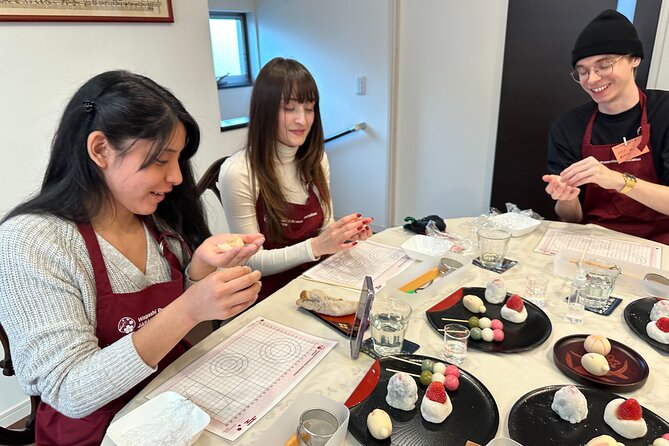
The practical base for this lesson is glutinous rice flour. This is helpful for home cooks because the recipe does not depend on pounding freshly steamed rice in a traditional mortar. Satoko prepares the dough and colors it before the hands-on portion, allowing you to spend more time shaping and assembling.
That preparation is both a benefit and a limitation. You get to focus on the artistic and edible parts of wagashi, but you will not be making every stage from raw ingredients. A tutorial video is available, so you can still see how the process works and use it as a guide later.
The lesson is designed for beginners. You do not need a background in Japanese cooking, and the recipes are described as simple enough to repeat at home for family and friends.
Strawberry daifuku and seasonal fruit
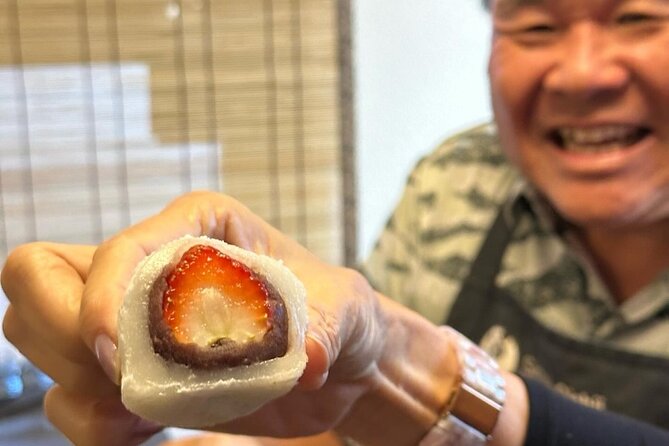
One of the main preparations is strawberry daifuku, a soft mochi covering wrapped around a sweet filling and fruit. Strawberry is used during its season. Outside that period, the fruit changes to pineapple or kiwi.
This seasonal substitution is worth noting before you book. If strawberry daifuku is the reason you are interested, ask about the fruit being used for your date. The class still includes the same basic lesson in shaping and filling, but the flavor and appearance will change.
Daifuku can look simple when finished, yet the shaping takes care. You need to enclose the filling without tearing the mochi and create a smooth outer surface. Satoko’s patient instruction is useful here, especially for first-time cooks who may press too hard or use too much flour.
The recipe also has practical value. The ingredients are plant-based, and the class is suitable for vegetarians. You receive techniques that can be adapted at home rather than a single recipe that only works with specialty equipment in Japan.
Dango on skewers adds a different texture
You also make dango, small mochi balls arranged on skewers. This is a different experience from daifuku because the dough is shaped into separate pieces rather than wrapped around fruit or filling.
Dango is a good part of the lesson for anyone interested in texture and presentation. The individual balls need to look even, and the skewer gives the finished sweet a familiar Japanese street-food appearance. It also creates a nice contrast with the more delicate, flower-like shapes of nerikiri.
The exact toppings or sauces are not specified, so you should not book expecting a particular dango style beyond the mochi balls on skewers. What is clear is that you will learn the basic preparation and get to handle the food yourself.
Because the class includes several sweets, you are not left with just one technique. You move from filling and enclosing to rolling, skewering, and shaping. That variety helps justify the two-and-a-half-hour schedule.
A completely different kind of day in Tokyo:
- Mt Fuji and Hakone 1-Day Bus Tour Return by Bullet Train
★ 5.0 · 26,383 reviews - 1-Day Tokyo Bus Tour
★ 5.0 · 14,250 reviews - Tokyo: teamLab Planets TOKYO Digital Art Museum Entry Ticket
★ 4.6 · 9,779 reviews - Mt Fuji & Hakone Cruise, Drum Show Bullet Train 1 Day from Tokyo
★ 4.0 · 7,413 reviews
Nerikiri turns wagashi into edible seasonal art
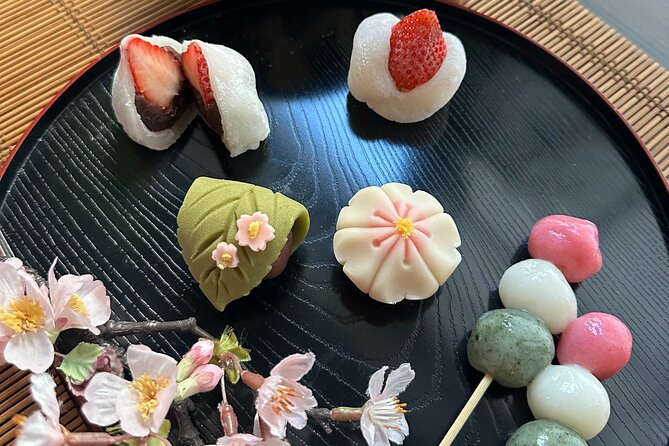
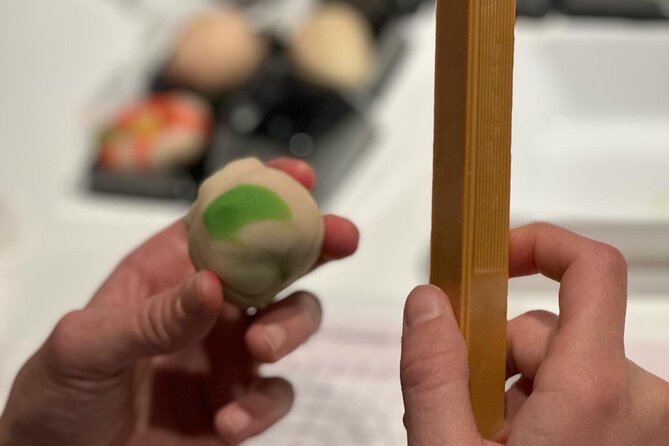
The most artistic part of the class is nerikiri wagashi. You shape the dough into seasonal motifs, with two kinds included in the lesson. Designs change according to the season, so your sweets may reflect the time of year rather than follow one permanent menu.
Nerikiri is made to look like flowers, plants, or other seasonal images. The appeal is visual as much as culinary. You learn how small changes in color, pressure, and shaping create a recognizable motif.
Satoko prepares the dough and colors in advance. That keeps the class moving and makes the shaping approachable, but it also means you will not mix every color yourself. For many people, this is a sensible trade. The difficult part is often getting the shape right, and you have more time for that.
Special wagashi tools are included. These tools help create lines and details that would be difficult with ordinary kitchen items. You do not need to bring your own equipment, and the supplied tutorial video may help you repeat the work after returning home.
The seasonal element gives this class more character than a standard sweets workshop. You are not only copying a fixed design. You are learning how Japanese sweets can reflect the calendar.
Matcha brings the lesson together
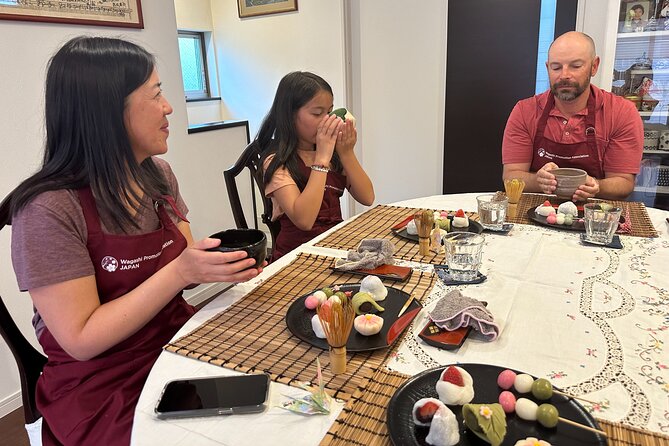
After making the sweets, you can prepare matcha green tea with Satoko’s guidance. This is not just a drink added at the end. Matcha gives you a traditional way to taste the sweets, balancing their sweetness with the tea’s stronger flavor.
You can eat your creations with the matcha in the home. If you are full, need to leave quickly, or want to share them later, you can pack them in the special takeaway box supplied with the class.
The option matters because handmade sweets are easy to overproduce, especially when you are making several kinds in one sitting. The box lets you protect the pieces and carry them away as a small souvenir. A Japanese gift is also available, though the details of that gift are not specified.
The drinking water, apron, and hand towel are included. Those small inclusions make the class easier to manage, especially if you are traveling light and do not want to bring kitchen supplies.
What the private format means for your experience
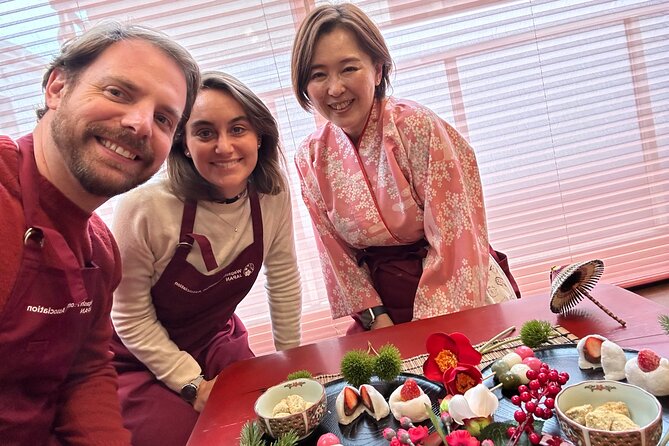
This is a private activity, so only your group participates. That gives the class a different feel from a commercial cooking school with several unrelated parties sharing one instructor.
I would choose the private format if you are shy about asking questions, traveling with children, or want the class to fit your group’s pace. The private setting also gives Satoko more chance to correct your shaping and help you arrange the finished sweets.
The tradeoff is that private instruction usually costs more than a large group workshop. At $85.66 per person, this is not the cheapest food activity in Tokyo. Still, the price includes two and a half hours of instruction, several preparations, matcha, equipment, an apron, and a takeaway box.
For me, the value is strongest when you treat the class as both a cooking lesson and a home visit. If you only want to eat mochi, you can find cheaper options elsewhere. If you want to understand how the sweets are shaped and recreate them later, the personal instruction makes the cost easier to defend.
Group discounts may be available, which could improve the price for families or friends booking together. The activity is booked an average of 51 days ahead, so planning early is sensible if your Tokyo dates are fixed.
Who should book this Tokyo wagashi class?
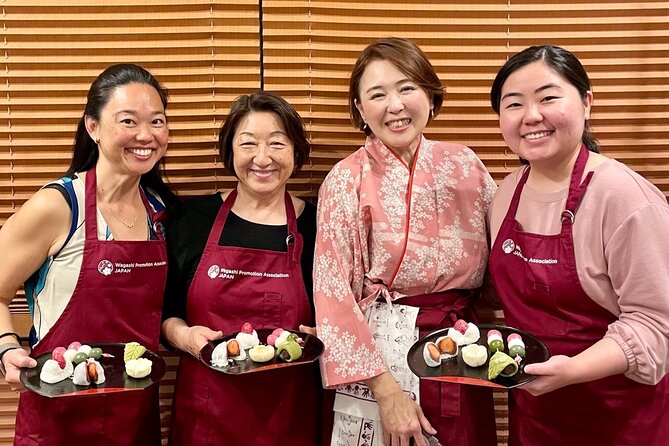
This class is a strong match for:
- First-time cooks who want direct, patient instruction
- Visitors interested in Japanese sweets rather than a full savory meal
- Vegetarians looking for a plant-based activity
- Families and small groups who want a private setting
- Anyone who enjoys food presentation and seasonal design
- People who want a take-home food souvenir instead of another shop-bought gift
It may be less suitable if you have a strong cat allergy, dislike sweet foods, or prefer a class where every ingredient is prepared from the beginning. The lesson focuses on shaping and assembling because the dough and colors are made in advance.
The activity also requires you to reach the home in Ota City on your own. If you want an experience directly beside a major central Tokyo attraction, this is not that. If you are happy to travel near public transportation for a quieter local setting, the location is part of the appeal.
Cancellation and practical planning
You receive confirmation when you book. Free cancellation is available up to 24 hours before the start time for a full refund. Changes or cancellations made within 24 hours are not accepted for a refund, and cut-off times follow Tokyo local time.
Wear something comfortable for hands-on food preparation. An apron is provided, but you will still want to arrive ready to work with dough and fillings. Since the class ends back at the meeting point, plan your next activity with the return to Kitaminemachi in mind.
The lesson lasts approximately two hours and thirty minutes. That is long enough to learn several sweets without turning the activity into an all-day commitment.
Should you book it?
Book this class if you want a personal introduction to mochi and wagashi, with enough instruction to try the recipes again at home. The best parts are the private home setting, the variety of sweets, Satoko’s patient guidance, seasonal nerikiri designs, and the choice to eat your work with matcha or take it away.
Think twice if you have a serious cat allergy, need a fully central location, or want to make every ingredient from scratch. For everyone else, the $85.66 price is reasonable when you value personal attention and a hands-on souvenir you can actually eat.
FAQ
Where does the mochi and nerikiri class take place?
The class takes place at 20-15 Kitaminemachi, Ota City, Tokyo 145-0073, Japan. It is near public transportation, and the activity ends back at the meeting point.
How long does the cooking class last?
The class lasts approximately two hours and thirty minutes.
What sweets will I make?
You will learn to make strawberry daifuku when strawberries are in season. Outside strawberry season, pineapple or kiwi is used. You will also make dango, plus two kinds of seasonal nerikiri wagashi.
Are the nerikiri designs always the same?
No. The nerikiri motifs change according to the season, so the designs vary by time of year.
Is matcha included?
Yes. After the lesson, you can make matcha green tea with guidance and enjoy it with your sweets.
Can I take the sweets home?
Yes. A special takeaway box is included. You can either eat your creations with matcha or pack them to take with you.
Is the class suitable for vegetarians?
Yes. The ingredients are plant-based, so the class is suitable for vegetarians. Two short-haired cats stay in the bedroom during the lesson, so the class is not recommended for anyone with a strong cat allergy.
More hands-on classes and workshops in Tokyo
- Sushi Making Tokyo Roll and Authentic Japanese Sushi Class
★ 5.0 · 3,971 reviews - Chopstick Making Workshop in Ginza
★ 4.8 · 1,366 reviews - Tokyo Sushi Making Class in Tsukiji with Professional Chef
★ 5.0 · 1,177 reviews - Ramen & Gyoza Cooking Class in Tokyo with Local Supermarket Visit
★ 5.0 · 823 reviews
Newly reviewed around Tokyo
- Tokyo Asakusa:Calligraphy & Make T-shirt Activity★ 5.0 · 62 reviews
- Intercity Shuttle, Tokyo to Haneda /Narita /Yokohama /Makuhari★ 5.0 · 5 reviews
- 1 Hour Travel around Tokyo with a Professional Photographer★ 5.0 · 3 reviews
- Travel Tokyo with Your Own Personal Photographer★ 5.0 · 43 reviews
- Train in Samurai Swordsmanship and Defeat the Demon in Tokyo★ 5.0 · 5 reviews
- Shuttle Van 6hr Tokyo Tour to-and-from Tokyo, Yokohama and Narita★ 5.0 · 9 reviews
- Kickboxing & Body Training with EX-Pro Fighter★ 5.0 · 4 reviews
- Traditional Japanese Knife Sharpening Class★ 5.0 · 18 reviews
Tokyo Cooking Classes, compared.

Roll and Authentic Sushi Making Class in Asakusa
Read our review →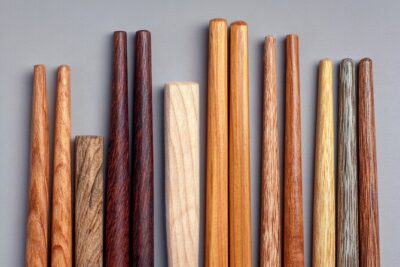
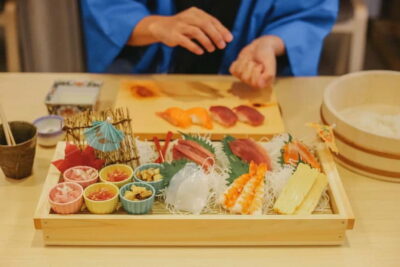
Sushi Making Class in a Happi Coat near a Famous Spot
Read our review →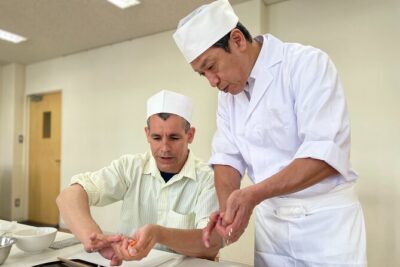
Tokyo Sushi Making Class in Tsukiji with Professional Chef
Read our review →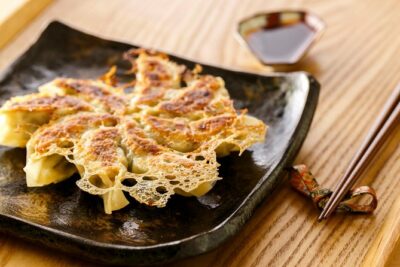
Ramen & Gyoza Cooking Class in Tokyo with Local Supermarket Visit
Read our review →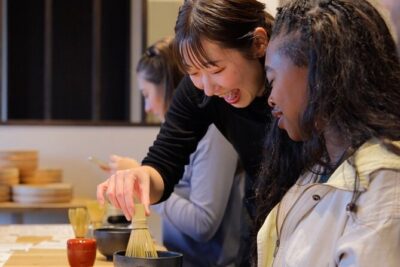
Matcha Making Class in Tokyo with Authentic Japanese Sweets Set
Read our review →
Tsukiji Fish Market Sushi Making Class with Pro Chef
Read our review →
Browse the lists this tour appears in