
Reviewed · TOKYO COOKING CLASSES
Small-Group Osaka-Style Okonomiyaki Cooking Class
Okonomiyaki is one of Japan’s most sociable meals: a savory pancake built to your taste, cooked, flipped, and covered with sauces and toppings. In Eri’s small home kitchen, you learn the Osaka style in a setting that feels more like visiting a local than attending a polished cooking show.
I like the class for two clear reasons: you get practical advice on replacing Japanese ingredients back home, and you make more than one dish. The five-person limit also gives Eri room to help with the tricky flip. The main drawback is the price, $150 per person for about two hours, which is a serious charge for a short cooking lesson.
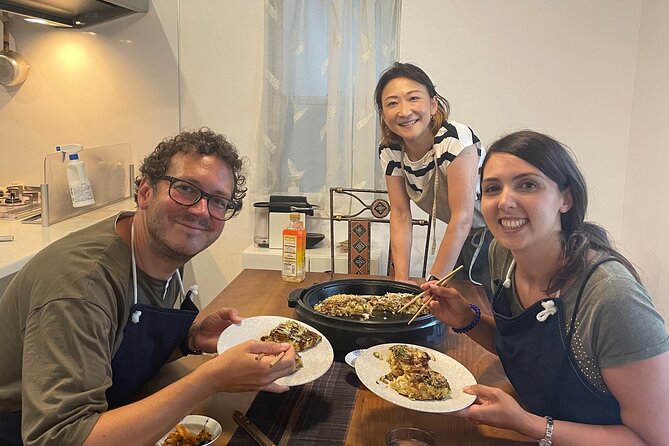
- A real home setting: Leave the studio-style class behind and cook at Eri’s home.
- Only five people: The small group makes it easier to ask questions and get help at the pan.
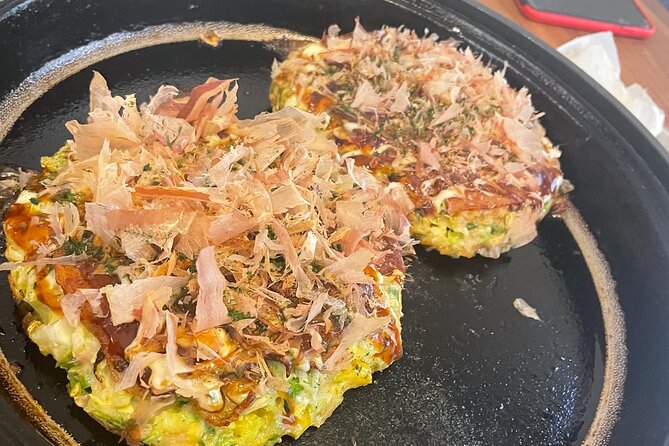
- Fluffy Osaka-style okonomiyaki: Learn the mixing and cooking tricks that affect texture.
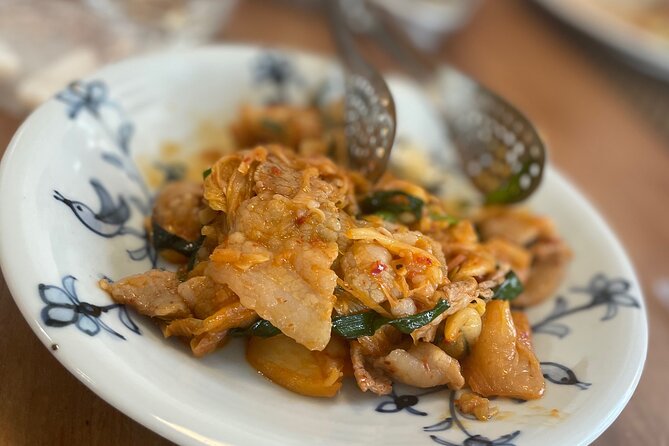
- More than one dish: Make okonomiyaki, then prepare stir-fried pork and kimchi while it cooks.
- Flexible fillings: Choose what goes inside, with vegetarian and vegan adjustments available.
- Useful after Japan: Get substitution advice for ingredients that may be hard to find at home.
A Tokyo Cooking Class That Feels Like Visiting Someone’s Home
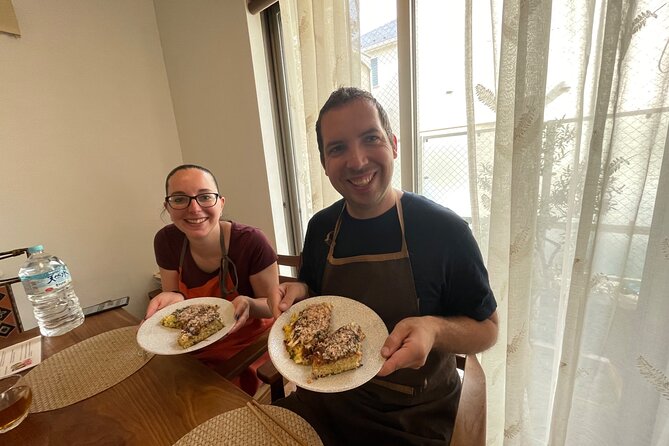
The charm of this experience begins before the cooking. You meet at NewDaysJapan outside the JR Asagaya Station ticket gates, then go with Eri to her home for the lesson. One previous participant described a short drive to the house, and Eri has also picked up and dropped off participants when the walk from the station was less convenient.
That home setting changes the tone. You are not standing in a demonstration kitchen while a guide performs each step. You are sitting down to cook and eat in the surroundings of a local daily life. Eri welcomes questions about food, Japanese habits, and ordinary life in Tokyo, so the class has a personal side that a larger commercial workshop cannot easily provide.
Still, keep the arrangement in mind. This is not a central tourist attraction with a large sign and a formal reception desk. Follow the meeting instructions carefully, and allow enough time to find the correct part of Asagaya Station. The listed meeting point is outside the JR ticket gates on the second-floor concourse.
Why Osaka-Style Okonomiyaki Is Fun to Make
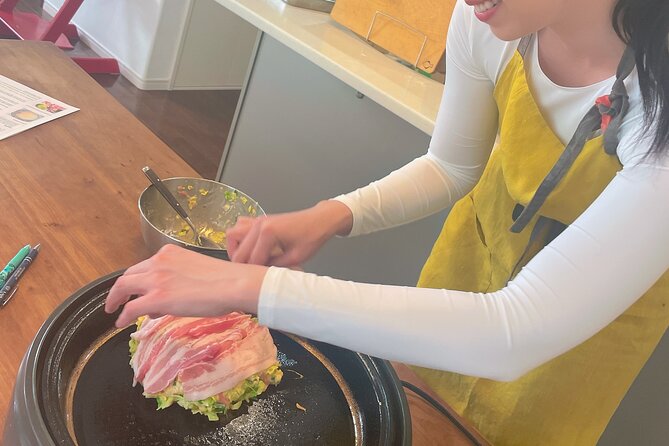
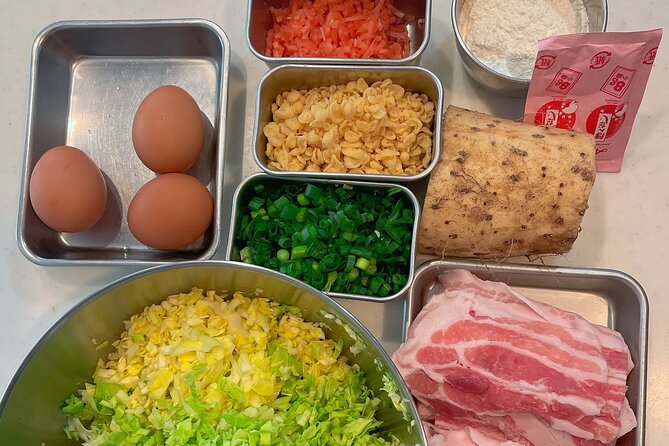
Okonomiyaki is often translated as Japanese savory pancake, but that description only gets you partway there. The name points to the freedom of the dish: you cook it with the ingredients you like. Cabbage forms the base, then the batter and fillings turn it into a substantial meal.
The Osaka style is mixed before cooking. That makes the way you combine the ingredients important. Eri explains the role of Japanese staples such as dashi and okonomiyaki sauce, then shows you how to create a fluffy result rather than a dense one.
The cooking has a satisfying rhythm. You layer or mix the ingredients, wait for the underside to cook, then turn the pancake over. The flip is the moment when confidence can briefly leave the room. With a group of no more than five, Eri can help you judge the timing and technique instead of leaving you to rescue dinner from the floor.
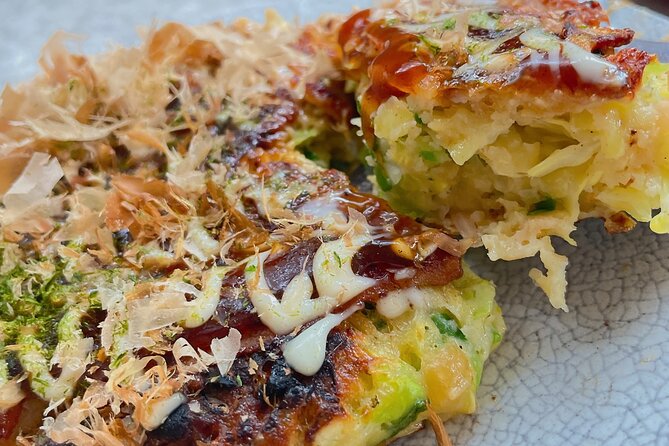
Once both sides are cooked, you finish with sauces and toppings. These final touches are not just decoration. They bring salt, sweetness, richness, and texture to the pancake. Eri lets you adjust the fillings and toppings to suit your taste, which makes the class useful for people who like to understand a dish rather than simply copy one fixed recipe.
More Tokyo cooking classes:
- Tokyo: Roll and Authentic Sushi Making Class in Asakusa
★ 4.9 · 1,957 reviews - Tokyo Shinjuku Chopsticks Making Class
★ 5.0 · 1,763 reviews - Tokyo: Sushi Making Class in a Happi Coat near a Famous Spot
★ 4.9 · 1,377 reviews
The Ingredient Lesson Has Value After You Leave Japan
A short cooking class can be forgettable if all the key ingredients are impossible to find at home. Eri deals with that problem directly. She explains substitutions for Japanese ingredients, so you can make the dish again after returning home.
That advice may be the most useful part of the class. Dashi, sauces, and other Japanese pantry items can vary by country and by shop. You learn not only what to use in Tokyo, but also how to think about alternatives when your local supermarket has a different selection.
The wording of the class suggests that Eri speaks English well enough for questions and instruction. The experience is therefore suited to you if you want to ask why a step matters, not just watch and repeat. One participant also received a second recipe as a bonus, though you should treat that as a pleasant extra rather than a guaranteed part of every session.
Stir-Fried Pork and Kimchi While the Pancake Cooks
The class does not stop when the okonomiyaki reaches the pan. While you wait for it to finish, you make stir-fried pork and kimchi. This adds a second flavor profile to the meal: savory pork with the sharp, spicy character of kimchi beside the softer pancake.
That timing is practical. Cooking classes can lose their pace during waiting periods, but here the pause becomes another lesson. You stay involved, prepare another dish, and end up with a fuller meal.
The pork and kimchi dish is not presented as an optional sample. It is part of the planned cooking sequence. If you enjoy Japanese food that leans savory and punchy, it should be a welcome partner to the okonomiyaki. If you are vegetarian or vegan, ask for the adjustment when booking or before the class begins, since the menu uses pork in its standard form.
Vegetarian and Vegan Cooking Adjustments
The class can accommodate vegetarian and vegan preferences, along with other dietary restrictions. That is important for okonomiyaki, since ingredients such as dashi, sauces, and fillings may contain animal products even when the dish looks vegetable-heavy.
The available information does not list every substitute or promise a separate menu. The sensible approach is to state your needs clearly in advance and confirm the adjustment with Eri. The small group format should make a personal conversation easier, but dietary planning still depends on what can be arranged for your session.
You can also choose your own fillings within the support Eri provides. That gives you more control than a class built around one fixed recipe, although flexibility does not mean every possible ingredient is guaranteed.
A completely different kind of day in Tokyo:
- Mt Fuji and Hakone 1-Day Bus Tour Return by Bullet Train
★ 5.0 · 26,383 reviews - 1-Day Tokyo Bus Tour
★ 5.0 · 14,250 reviews - Tokyo: teamLab Planets TOKYO Digital Art Museum Entry Ticket
★ 4.6 · 9,779 reviews - Mt Fuji & Hakone Cruise, Drum Show Bullet Train 1 Day from Tokyo
★ 4.0 · 7,413 reviews
Two Hours, Five People, and a $150 Price Tag
The class lasts about two hours and costs $150 per person. That places it firmly in the premium range for a short cooking experience, so value depends on what you want from the outing.
If you only want to eat okonomiyaki, the price will be difficult to justify. Tokyo has cheaper ways to enjoy the dish. You are paying for instruction, a home visit, a small group, ingredient guidance, a second dish, and time with Eri. You also leave with a method you can use again, including ideas for substitutes outside Japan.
The five-person maximum matters here. In a large class, you might spend much of the session watching someone else handle the pan. With such a small group, you have a better chance to take part in mixing, cooking, flipping, and topping. The value is strongest for people who want hands-on attention and a conversation rather than a quick food demonstration.
Group discounts are available, though the exact discount is not specified. If you are booking with friends or family, check the total before paying. A small private-feeling class can make more financial sense when the cost is shared across a group.
Meeting at Asagaya Station
Your official meeting point is NewDaysJapan at 166-0004 Tokyo, Suginami City, Asagayakita, 3-chome, near the JR Asagaya Station ticket gates on the second-floor concourse. The activity ends back at the meeting point.
The station meeting point is useful because it gives you a clear landmark before heading to the house. At the same time, the address contains Japanese and abbreviated location details, so I would copy the full meeting information into your phone. Do not assume you can simply walk up to any NewDays shop in the area.
The class is near public transportation, and Eri may drive you the short distance to her home, as she has done for some participants. The exact transport arrangement may vary, so you should follow the directions provided after booking.
The activity accepts mobile tickets and allows service animals. Confirmation normally arrives at booking, but bookings made within nine hours of the start time are confirmed as soon as possible, subject to availability. Since the class is limited to five people and is held in a private home, last-minute availability may be tight.
Who Will Get the Most From This Experience
I would choose this class if you want food and conversation in equal measure. Eri enjoys talking with people from abroad, and the home setting gives you a natural chance to ask about everyday Japanese life while cooking.
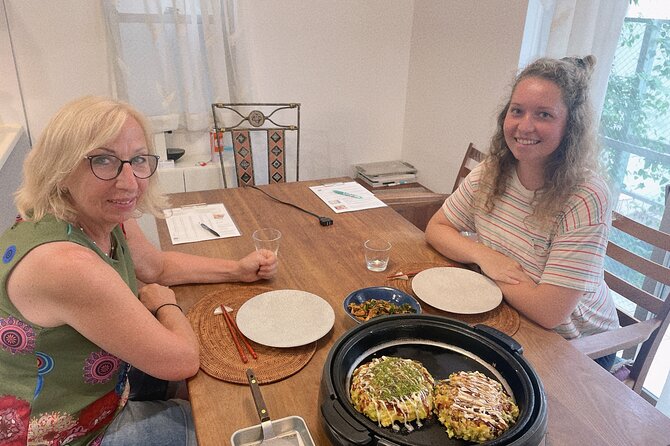
It also works well for family groups. One especially warm use of the class involved a grandmother and grandchild cooking together, with Eri offering patient guidance. The hands-on format gives different generations something to do together, and the final meal gives the outing a clear reward.
You should also consider it if you cook Japanese food at home but have never been happy with your okonomiyaki. Eri can point out small errors in mixing or cooking technique. One participant learned that several habits from home cooking were holding the dish back, then received an extra recipe as a bonus.
This may not be the right pick if you prefer a polished, formal studio class, a broad market tour, or a long culinary program. It is focused on one main dish, one additional dish, and a home conversation. The price is high for the length, so the personal setting needs to matter to you.
Booking Advice and Cancellation Terms
This activity is often booked about seven days ahead. That timing makes sense for a class with only five spaces and a host preparing food in a private home. I would reserve before your Tokyo schedule fills, especially if you need vegetarian or vegan adjustments.
You can cancel for a full refund up to 24 hours before the local start time. Inside 24 hours, the payment is not refunded, and changes are not accepted. That policy is worth noting because a small home class cannot easily replace a late cancellation.
The experience has an average rating of 5 out of 5 from 18 ratings, with 100 percent recommending it. The strongest pattern is clear: Eri’s patience, personal attention, and practical cooking help matter as much as the food itself. That does not erase the price concern, but it does explain why the class earns such strong marks.
Should You Book Eri’s Okonomiyaki Class?
Book it if you want to cook in a real Tokyo home, keep the group tiny, and learn how to repeat the dish outside Japan. The ingredient substitution advice, flexible fillings, second dish, and vegetarian options make the two hours more useful than a simple pancake demonstration.
Think twice if your main goal is an inexpensive meal or if you need a highly structured venue in central Tokyo. At $150, the class asks you to pay for personal contact and a home setting. For the right kind of food-focused visitor, that is the point. For everyone else, a restaurant meal will cost much less.
FAQ
Where does the cooking class meet?
Meet at NewDaysJapan outside the JR Asagaya Station ticket gates, on the second-floor concourse in Suginami City, Tokyo.
Where does the activity end?
The activity ends back at the meeting point near JR Asagaya Station.
How long does the class last?
The class lasts about two hours.
How many people can join?
The maximum group size is five people.
How much does the experience cost?
The listed price is $150 per person.
What food will I make?
You will make Osaka-style okonomiyaki and stir-fried pork with kimchi.
Can I choose the okonomiyaki fillings?
Yes. Okonomiyaki fillings are flexible, and you can choose what to put inside with Eri’s support.
Are vegetarian or vegan options available?
Yes. Adjustments can be made for vegetarian, vegan, and other dietary restrictions.
Will I learn ingredient substitutions?
Yes. Eri explains substitutes so you can continue making the dish when Japanese ingredients are difficult to find at home.
What is the cancellation policy?
You can cancel at least 24 hours before the local start time for a full refund. Cancellations or changes made within 24 hours are not accepted, and the payment is not refunded.
More hands-on classes and workshops in Tokyo
- Sushi Making Tokyo Roll and Authentic Japanese Sushi Class
★ 5.0 · 3,971 reviews - Chopstick Making Workshop in Ginza
★ 4.8 · 1,366 reviews - Tokyo Sushi Making Class in Tsukiji with Professional Chef
★ 5.0 · 1,177 reviews - Ramen & Gyoza Cooking Class in Tokyo with Local Supermarket Visit
★ 5.0 · 823 reviews
Newly reviewed around Tokyo
- Tokyo Asakusa:Calligraphy & Make T-shirt Activity★ 5.0 · 62 reviews
- Intercity Shuttle, Tokyo to Haneda /Narita /Yokohama /Makuhari★ 5.0 · 5 reviews
- 1 Hour Travel around Tokyo with a Professional Photographer★ 5.0 · 3 reviews
- Travel Tokyo with Your Own Personal Photographer★ 5.0 · 43 reviews
- Train in Samurai Swordsmanship and Defeat the Demon in Tokyo★ 5.0 · 5 reviews
- Shuttle Van 6hr Tokyo Tour to-and-from Tokyo, Yokohama and Narita★ 5.0 · 9 reviews
- Kickboxing & Body Training with EX-Pro Fighter★ 5.0 · 4 reviews
- Traditional Japanese Knife Sharpening Class★ 5.0 · 18 reviews
Tokyo Cooking Classes, compared.

Roll and Authentic Sushi Making Class in Asakusa
Read our review →
Sushi Making Class in a Happi Coat near a Famous Spot
Read our review →
Tokyo Sushi Making Class in Tsukiji with Professional Chef
Read our review →
Ramen & Gyoza Cooking Class in Tokyo with Local Supermarket Visit
Read our review →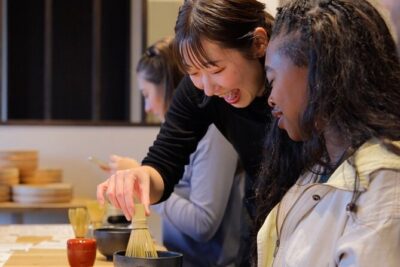
Matcha Making Class in Tokyo with Authentic Japanese Sweets Set
Read our review →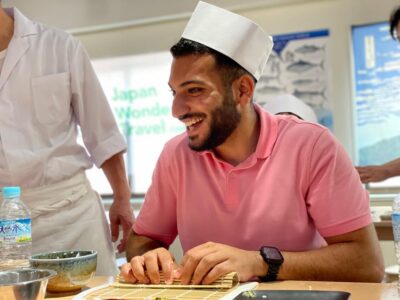
Tsukiji Fish Market Sushi Making Class with Pro Chef
Read our review →
Browse the lists this tour appears in