
Reviewed · TOKYO COOKING CLASSES
Basic Japanese Home Cooking with Fermented Foods(Teriyaki & Miso)
Japanese food culture gets more interesting when you learn what happens before the ingredients reach the pan. In this two-hour Tokyo cooking class, Naoko explains miso, koji, mirin, amazake, and other fermented staples before guiding you through a home-style meal built around dishes such as teriyaki and miso.
I like the small group of no more than six, which gives you room to ask questions and get useful corrections. I also like that the recipes are designed for home kitchens, not just for a one-time holiday meal. The main consideration is that the menu changes by season, so you should not book expecting a fixed list of dishes.
Key points to know before booking
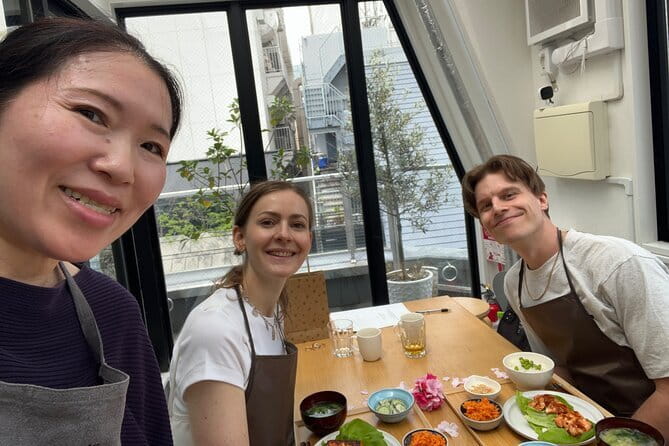
- Naoko leads the class: A certified instructor explains Japanese fermentation, cooking methods, and practical grocery tips.
- You cook and eat a meal: Lunch or dinner, tea, and coffee are included, along with an apron and lecture handout.
- Fermentation is the focus: Expect discussion of miso, koji, mirin, amazake, and the role these ingredients play in Japanese cooking.
- The group stays small: A maximum of six people means more direct help than you usually get in a large cooking demonstration.
- Central Tokyo location: The kitchen is near public transportation, with the meeting point at Akasaka-Mitsuke Station.
- Vegan cooking is possible: Ask when booking for a vegan version using deep-fried tofu, prepared in a shared kitchen.
Why fermented foods make this Tokyo class different
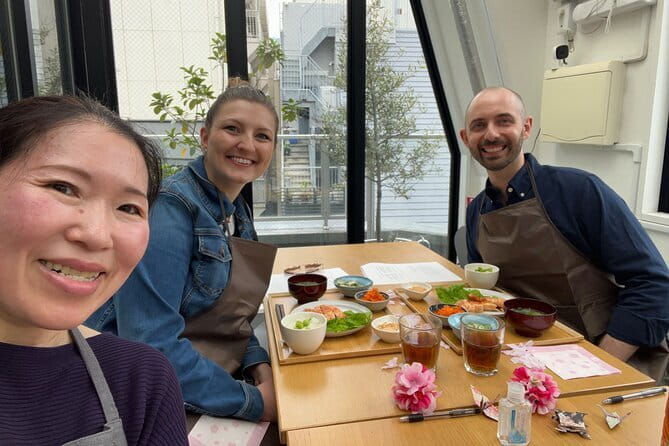
Many Japanese cooking classes focus on sushi, ramen, or decorative sweets. This one takes a quieter and more useful route: it explains the fermented seasonings that give everyday Japanese food its depth.
You learn how ingredients such as miso and koji fit into Japanese food traditions, along with the health benefits associated with fermented foods. The lesson also covers mirin and amazake, two sweet seasonings that can be unfamiliar if you mainly know Japanese food from restaurants.
That background matters. You are not simply following a recipe card while someone else does the important work. You get an explanation of why the seasonings are used and how they affect flavor. The included handout gives you something to refer to later, which is helpful if you want to recreate the meal at home.
Naoko’s teaching style appears to center on conversation and questions. She also shares practical advice about Tokyo grocery shopping, a useful extra if you want to take Japanese ingredients home or find them after the class.
More Tokyo cooking classes:
- Tokyo: Roll and Authentic Sushi Making Class in Asakusa
★ 4.9 · 1,957 reviews - Tokyo Shinjuku Chopsticks Making Class
★ 5.0 · 1,763 reviews - Tokyo: Sushi Making Class in a Happi Coat near a Famous Spot
★ 4.9 · 1,377 reviews
Meeting at Akasaka-Mitsuke Station
The listed meeting point is Akasaka-Mitsuke Station, at 3-chōme-1-6 Akasaka in Minato City. The kitchen is in central Tokyo and near public transportation.
The class description also notes that the kitchen can be reached from Shibuya Station in about 10 minutes, including a short walk. Since the cooking space may change to another central Tokyo kitchen, check the post-booking instructions rather than assuming the station entrance is the final door-to-door location.
This central setting is practical for a short activity. You do not need to sacrifice most of a sightseeing day to attend. The class lasts about two hours, and it returns to the meeting point when finished.
One small point deserves attention: the kitchen location may vary within central Tokyo. You will be notified after booking if a different kitchen is being used. Build a little extra time into your schedule, especially if you have a museum reservation or train to catch afterward.
The opening lesson on miso, koji, and mirin
The class begins with an explanation of Japanese fermented foods. The topic includes miso, koji, mirin, amazake, and other products used in Japanese kitchens.
Koji is particularly important because it can be easy to overlook when you first encounter Japanese cooking. It is connected to the production of several fermented seasonings, and understanding its role helps explain why Japanese food can taste layered even when the ingredient list is short.
You also learn about the process and history behind these foods. The lesson is not presented as a technical food-science course, but it gives enough context to make the cooking feel purposeful rather than mechanical.
I would pay close attention during this opening section. It is where you learn which ingredients are doing the heavy lifting. The meal itself may be simple, but the lesson helps you see how a small amount of fermented seasoning can change a dish.
Preparing a simple home-style lunch or dinner
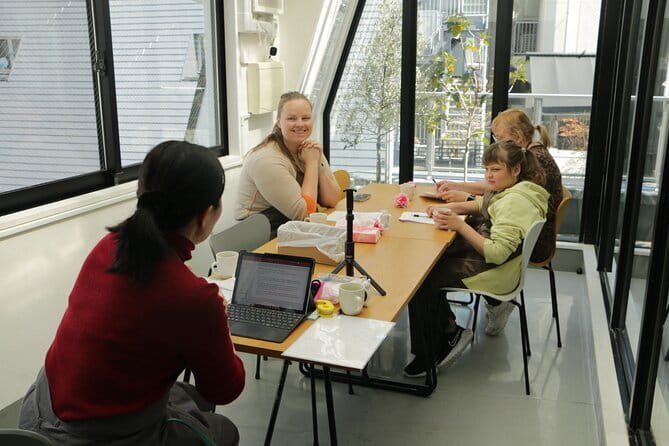
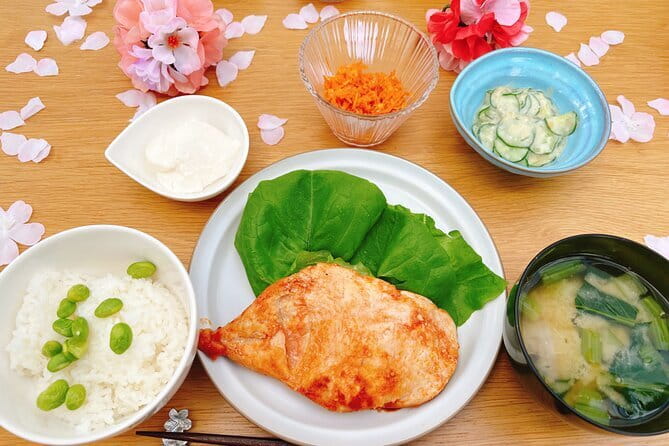
After the discussion, you prepare a traditional Japanese meal together. The menu changes according to the season, so the exact dishes are not fixed. Teriyaki and miso are part of the class theme, but you should treat them as the central style rather than a guarantee of every item on your plate.
The recipes are intended to be easy enough for home cooks. That makes this a good choice if you want techniques you can use after returning home, not just an impressive dish that requires specialist equipment.
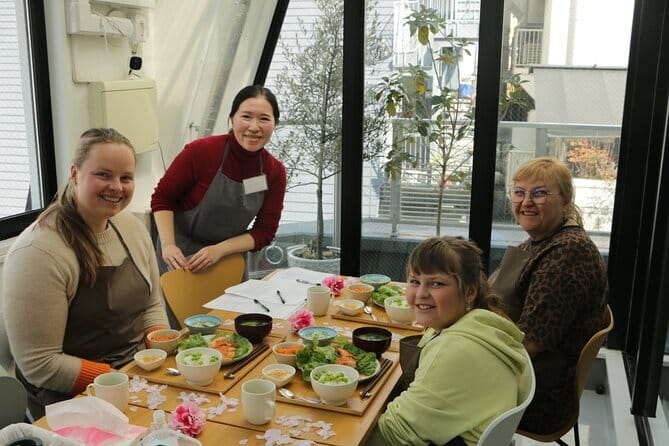
The cooking is done as a group, with the instructor guiding you through the steps. A maximum of six people creates a better setting for questions than a large demonstration. If you are unsure how much seasoning to use or how to handle a particular step, there should be a reasonable chance to ask Naoko directly.
The meal is included as lunch or dinner, depending on the session. Coffee and tea are also provided, including green tea and other Japanese tea options. An apron is rented for the class, so you do not need to bring special clothing for the kitchen.
A completely different kind of day in Tokyo:
- Mt Fuji and Hakone 1-Day Bus Tour Return by Bullet Train
★ 5.0 · 26,383 reviews - 1-Day Tokyo Bus Tour
★ 5.0 · 14,250 reviews - Tokyo: teamLab Planets TOKYO Digital Art Museum Entry Ticket
★ 4.6 · 9,779 reviews - Mt Fuji & Hakone Cruise, Drum Show Bullet Train 1 Day from Tokyo
★ 4.0 · 7,413 reviews
What the meal is likely to teach you
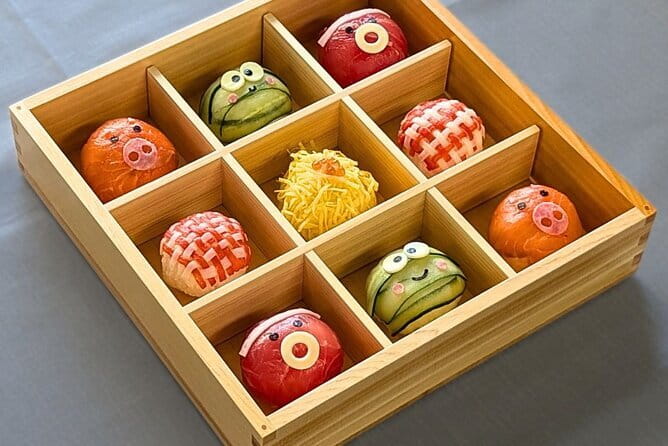
The most useful lesson here is restraint. Japanese home cooking often gets its character from careful seasoning rather than a long list of ingredients. Miso, mirin, koji-based products, and related fermented foods allow a simple meal to taste rounded and satisfying.
The class also gives you a chance to think about fermented foods as part of a regular diet. The focus is not only on tradition. It includes their place in health-conscious cooking and how you might add them to meals at home.
A useful example from the class is amazake, a sweet seasoning used during the cooking session. It is easy to confuse it with a drink or overlook it entirely, so learning how it works in a dish can make Japanese grocery shelves less puzzling later.
You should not expect a restaurant-style tasting menu. The appeal is the opposite: a modest, homely meal that teaches you how Japanese cooks use everyday fermented products. That is a better fit for curious home cooks than for anyone seeking a polished food spectacle.
A small class means more personal help
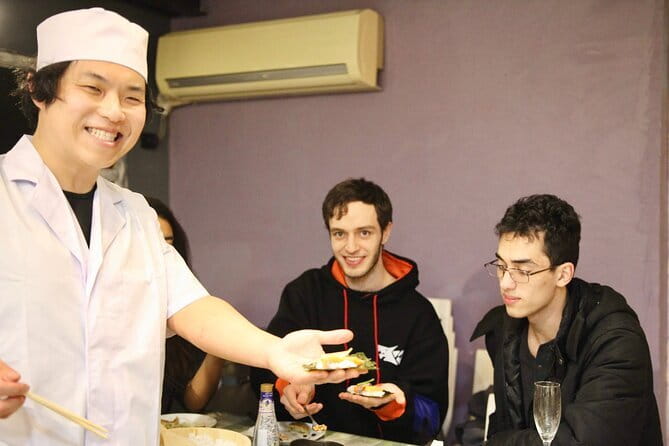
The maximum group size is six. For a cooking activity, that number matters more than it might in a sightseeing tour.
In a large class, you can spend much of the time watching from the back or waiting to use a work surface. Here, the setting is intended to give you more feedback from the instructor. You can ask about ingredients, preparation, Japanese food customs, or how to adapt the recipe at home.
Naoko is described as friendly and generous with practical information. Her advice extends beyond the recipe to Tokyo grocery shopping and Japanese food culture. That makes the class useful for two kinds of people: beginners who need clear guidance and experienced cooks who want to ask detailed questions.
The small group can also make the activity feel more social. Still, it is worth remembering that you are sharing a kitchen with other participants. A vegan version is available by request, but the class uses the same kitchen as the non-vegan session.
Vegan, child, and allergy details
A vegan option is available using deep-fried tofu. You must ask for it when applying, rather than assuming it will be arranged automatically. The vegan meal is prepared in a shared kitchen with the non-vegan version.
The activity is best suited to adults and children aged seven and above because the content focuses on learning and cooking techniques. Children six and under may not find the format suitable.
Mirin is used in a small amount. It contains alcohol, but the alcohol is removed during cooking, making the dish safe for children. Children cannot take part in the tasting, however.
If you have allergies or other food restrictions, notify the provider in advance. The supplied information does not promise that every restriction can be accommodated, so you should get confirmation before booking if your needs are serious.
Is $70.36 fair for two hours?
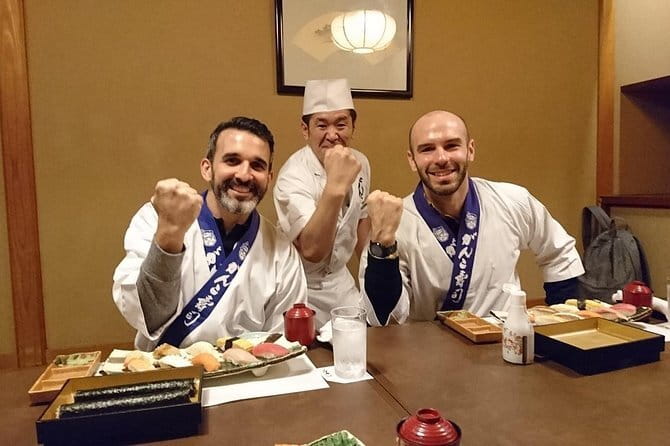
The price is $70.36 per person. That is not a bargain activity, but the value depends on what you want from a food class.
You receive a prepared lunch or dinner, an apron, tea or coffee, a lecture handout, and two hours of instruction. The group is capped at six, and the class includes both cultural background and hands-on cooking. For someone who wants practical recipes and a better understanding of Japanese ingredients, the price is reasonable.
It is less attractive if you are mainly looking for a cheap meal. Tokyo offers many less expensive ways to eat. This class earns its price through instruction, personal attention, and the chance to ask about ingredients you may later use at home.
The advance booking pattern is also worth noting. The class is booked about 14 days ahead on average, so leave room in your plans if the date matters to you. Confirmation is normally sent at booking, though reservations made within three days of the activity may take up to 48 hours to confirm.
Who should book this experience?
I would recommend it to anyone who enjoys food but wants more than a restaurant meal. It suits home cooks, beginners, people interested in wellness, and visitors who want a calmer activity during a busy Tokyo schedule.
It is also a good choice if you have already eaten plenty of sushi and ramen and want to understand the food served in Japanese homes. The class gives you a practical look at seasonings that appear throughout Japanese cooking.
You may want to skip it if you need a fixed menu, dislike group activities, or want a highly polished chef-led performance. The class is educational and hands-on, with seasonal changes and shared kitchen space.
It can also pair neatly with the provider’s fermented food dessert class, offered from 2 p.m. If you take both classes on the same day, you receive a special gift: rice koji amazake used in the dessert session. Check the timing carefully so the two activities fit your schedule.
Cancellation and planning advice
Free cancellation is available up to 24 hours before the start time for a full refund. Cancellations or changes made less than 24 hours before the activity are not accepted for a refund.
The activity requires a minimum number of participants. If that minimum is not reached, you will be offered another date or activity, or a full refund. Poor weather can also cause cancellation, with the same choice of a new date or refund.
The weather note is worth keeping in mind even though much of the appeal is indoors. Tokyo summers can be hot, and the kitchen offers a break from the heat. Still, allow enough time to reach the meeting point and confirm the exact kitchen after booking.
Should you book the fermented foods cooking class?
Book this class if you want to understand the everyday ingredients behind Japanese food and leave with recipes you can actually use. The small group, Naoko’s practical advice, included meal, and clear focus on miso, koji, mirin, and amazake give it real substance.
I would be especially keen to book if I had already seen Tokyo’s major sights and wanted a slower, more personal activity. Just request the vegan option or disclose allergies early, remember that the menu changes seasonally, and allow for a possible central Tokyo kitchen change.
For a visitor who wants only a quick meal, $70.36 may feel high. For someone who wants a useful cooking lesson, cultural context, and a home-style Japanese lunch or dinner, it is a sound choice.
FAQ
How long does the Japanese cooking class last?
The class lasts approximately two hours.
Where does the class meet?
The listed meeting point is Akasaka-Mitsuke Station at 3-chōme-1-6 Akasaka, Minato City, Tokyo 107-0052, Japan.
Does the class always use the same kitchen?
No. The activity may take place at a different kitchen within central Tokyo. You will be notified after booking if the location changes.
How many people can join the class?
The maximum group size is six participants.
What foods are covered in the class?
The class focuses on traditional Japanese fermented ingredients, including miso, koji, mirin, and amazake. The theme also includes teriyaki and miso, while the exact seasonal menu can change.
Is a vegan option available?
Yes. A vegan option using deep-fried tofu is available by request. Ask for it when you apply, and note that the kitchen is shared with the non-vegan class.
Are children allowed to participate?
The class is best suited to adults and children aged seven and above. Children six and under may not find the learning and cooking format suitable.
Is the meal included?
Yes. Lunch or dinner is included, along with coffee, green tea or another Japanese tea, a rental apron, and a handout from the lecture.
Can I cancel for a full refund?
Yes, if you cancel at least 24 hours before the experience start time. Cancellations and changes made less than 24 hours in advance are not refunded.
Newly reviewed around Tokyo
- Tokyo Asakusa:Calligraphy & Make T-shirt Activity★ 5.0 · 62 reviews
- 1 Hour Travel around Tokyo with a Professional Photographer★ 5.0 · 3 reviews
- Travel Tokyo with Your Own Personal Photographer★ 5.0 · 43 reviews
- Intercity Shuttle, Tokyo to Haneda /Narita /Yokohama /Makuhari★ 5.0 · 5 reviews
- Train in Samurai Swordsmanship and Defeat the Demon in Tokyo★ 5.0 · 5 reviews
- Shuttle Van 6hr Tokyo Tour to-and-from Tokyo, Yokohama and Narita★ 5.0 · 9 reviews
- Kickboxing & Body Training with EX-Pro Fighter★ 5.0 · 4 reviews
- Traditional Japanese Knife Sharpening Class★ 5.0 · 18 reviews
Tokyo Cooking Classes, compared.

Roll and Authentic Sushi Making Class in Asakusa
Read our review →
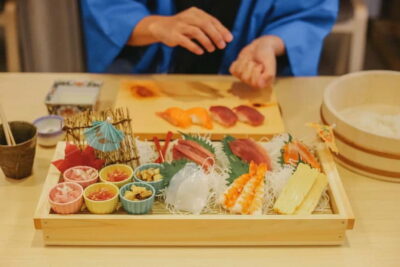
Sushi Making Class in a Happi Coat near a Famous Spot
Read our review →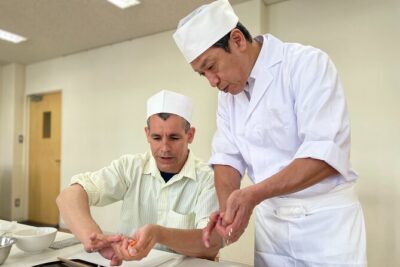
Tokyo Sushi Making Class in Tsukiji with Professional Chef
Read our review →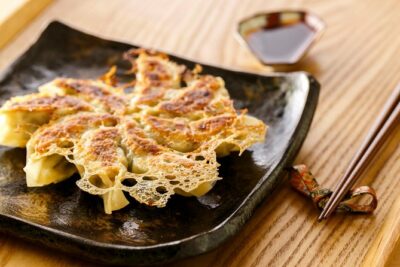
Ramen & Gyoza Cooking Class in Tokyo with Local Supermarket Visit
Read our review →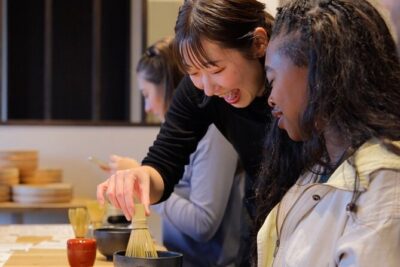
Matcha Making Class in Tokyo with Authentic Japanese Sweets Set
Read our review →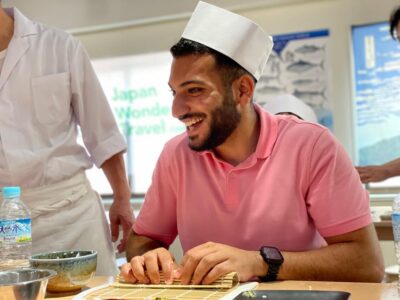
Tsukiji Fish Market Sushi Making Class with Pro Chef
Read our review →
Browse the lists this tour appears in