
Reviewed · TOKYO SAKE TASTINGS
7 Kinds of Sake Tasting with Complementary Foods
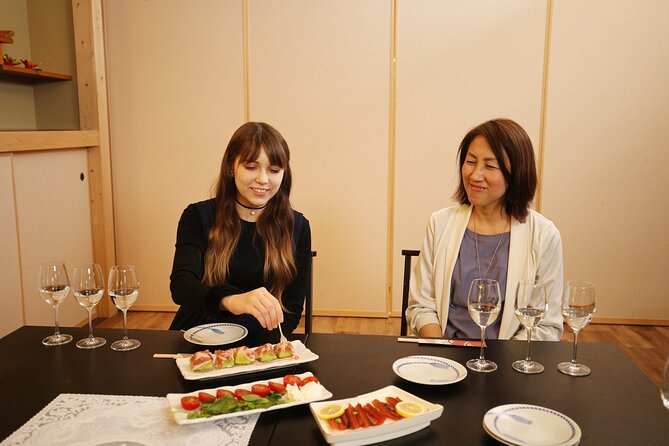
The clever part of this Tokyo evening is the pairing. You taste seven kinds of sake from different regions, then try each with a matching Japanese or Western dish. That makes the drink easier to understand than a row of anonymous glasses.
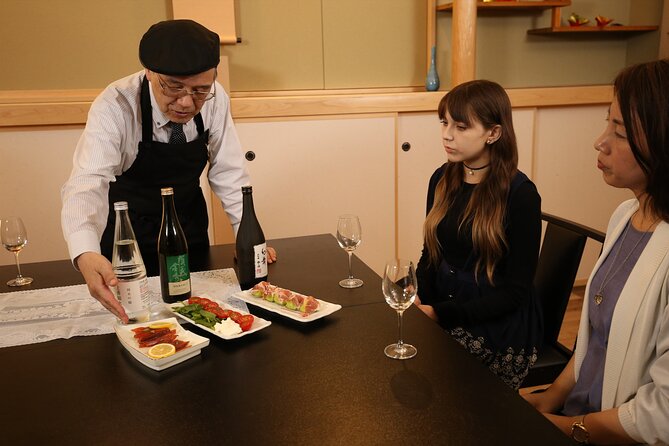
I like the clear introduction to how sake is made, and I like that the meal-sized food pairings keep the session from feeling like a quick bar tasting. The certified instructor, including guide Micki on some sessions, explains what you are drinking instead of leaving you to guess.
The drawback is the price: $107.50 per person is not a casual drink stop. The setting, in a basement room beneath an office building across from Tokyo Tower, may also feel less special than a traditional brewery or polished restaurant.
Key points to know before booking
- Seven contrasting sakes: Taste styles that can include sparkling, sweet, and dessert-friendly sake, with selections from seven Japanese regions.
- One food pairing per sake: Seven Japanese dishes accompany the tasting, with some Western food included as well.
- A proper lesson, not just a flight: The instructor covers sake’s history, production methods, varieties, and food matching.
- A useful evening time: The session starts at 6:15 pm and lasts about 1 hour 15 minutes.
- An unusual Tokyo setting: The meeting point is at Kikai Shinkō Kaikan in Shibakōen, near Tokyo Tower and public transportation.
- Strong value for serious beginners: The food can amount to supper, but the cost is high if you only want a few small samples.
Seven glasses that make sake easier to understand
Sake can be confusing at first. Labels use unfamiliar terms, flavor differences can be subtle, and the drink does not fit neatly into the wine categories you already know. This tasting solves that problem by putting several styles side by side.
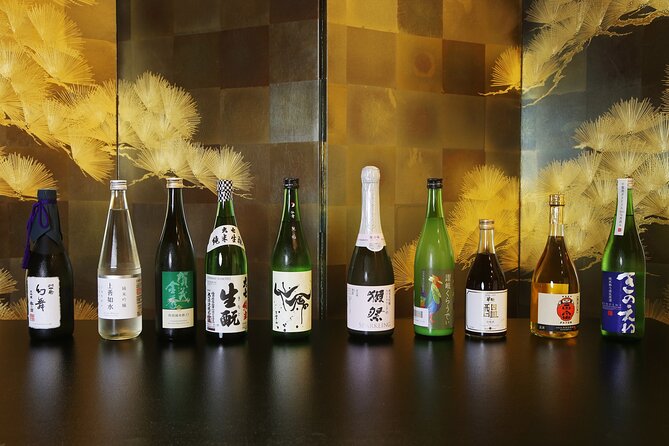
You taste seven different sakes, selected to show the range of Japanese sake. The session may include sparkling sake, sweeter styles, and sake suitable for dessert pairings. The point is not simply to find the strongest drink. It is to notice how texture, sweetness, aroma, and serving style change from one glass to the next.
The selection also represents seven regions of Japan. That gives the tasting a sense of place, even though you are not visiting those breweries in person. Your instructor explains the differences as you go, helping you connect the drink with its production area and style.
I find this format far more useful than ordering one bottle at random. With seven samples, you can compare immediately. A sake that tastes too sweet on its own may work beautifully with food. A dry sake may seem plain at first, then become more interesting alongside a savory dish.
This is aimed at beginners, but it is not only for beginners. If you already drink sake, the regional spread and food matching add structure to what might otherwise be a simple tasting flight.
More Tokyo sake tastings:
- Ramen and Sushi Cooking Class with Sake Pairing Set in Tokyo
★ 5.0 · 291 reviews - Sake Tasting Masterclass in Shinjuku (8+ Varieties with a Pro)
★ 5.0 · 271 reviews - Sake Omakase in Tokyo: Guided Tasting by Certified Sommeliers
★ 5.0 · 239 reviews
What happens during the 6:15 pm session
The activity begins at 6:15 pm at Kikai Shinkō Kaikan, 3-chōme-5-8 Shibakōen, Minato City. The building is close to Tokyo Tower and near public transportation. Its basement office-building setting is practical rather than picturesque, so set your expectations accordingly.
Once seated, the sake instructor introduces the drink’s history, basic varieties, and production process. You learn how sake is made and why different methods affect the final taste. The lesson is designed for people who may know little about sake, so you do not need to arrive with technical vocabulary.
The teaching matters because sake is easy to oversimplify. Calling every bottle rice wine tells you very little. The session gives you a working set of ideas: how styles differ, what sweetness can mean, and how the drink works with food.
The format is social and informal. Sessions can include a host such as Micki, who has been praised for matching the food carefully and explaining the choices in a friendly way. The instructors also take questions, which is useful if you want help identifying the types you prefer.
The maximum group size is listed as 100 people. That is a fairly large possible capacity, though the supplied information does not say how many people normally attend a particular session. If you want a quiet, private lesson, ask about the expected group size before booking.
Seven dishes, not just bar snacks
Each sake comes with a complementary Japanese dish, for a total of seven food pairings. The menu includes Japanese and Western dishes, and the pairing may include dessert. That last point is important because many first-time drinkers never consider sake with sweet food.
The food is more than decoration for the tasting. It gives you a direct way to test the instructor’s advice. Taste the sake alone, take a bite, and taste it again. You will notice how food can soften, sharpen, or change your impression of the drink.
The dishes can also make this a practical dinner stop. Some people find the portions substantial enough for supper, while the formal description calls them complementary dishes rather than a full restaurant meal. I would treat the food as a generous tasting meal, but not book it as a replacement for a large dinner if you arrive very hungry.
One especially appealing detail is that some food may be prepared during the session. That adds a home-style touch and makes the pairing feel more personal. Still, the exact menu is not provided, so you should not book expecting a particular dish.
Dietary needs should be shared in advance. The operator asks you to provide that information, but the available details do not promise that every restriction can be accommodated. If your diet is strict, get confirmation before paying.
Why the production lesson is worth your time
The sake-making explanation is one of the strongest reasons to book this instead of simply ordering sake at a restaurant. A good restaurant can pour an excellent bottle, but the staff may not have time to explain how it was produced or why it tastes the way it does.
Here, the instructor explains production methods as part of the tasting. You learn the basic process and how the available varieties differ. That gives you a better chance of making sense of a sake menu later in your trip.
The lesson also helps you avoid a common mistake: assuming that price or dryness alone tells you what you will enjoy. You may prefer a sweeter sake, a sparkling style, or one that works with dessert. The point is to leave with a clearer sense of your own taste.
I particularly like that the session does not treat sake as a drinking challenge. It presents the drink as part of Japanese food culture. You are encouraged to compare, ask questions, and pay attention to pairings rather than simply finish seven glasses as quickly as possible.
A completely different kind of day in Tokyo:
- Mt Fuji and Hakone 1-Day Bus Tour Return by Bullet Train
★ 5.0 · 26,383 reviews - 1-Day Tokyo Bus Tour
★ 5.0 · 14,250 reviews - Tokyo: teamLab Planets TOKYO Digital Art Museum Entry Ticket
★ 4.6 · 9,779 reviews - Mt Fuji & Hakone Cruise, Drum Show Bullet Train 1 Day from Tokyo
★ 4.0 · 7,413 reviews
The Tokyo Tower setting and practical timing
The location is near Tokyo Tower, which gives you an easy landmark for finding the general area. The exact meeting point is Kikai Shinkō Kaikan, not a brewery or a famous sake bar. The basement office-building setting can feel odd when you first arrive, but it is also part of what keeps the activity convenient and focused.
Plan to arrive with enough time to find the building and meeting room. The session starts at 6:15 pm, and the activity ends back at the meeting point after about 75 minutes. That leaves your evening open for a walk near Tokyo Tower or another dinner plan, though the seven pairings may already satisfy you.
Mobile tickets are accepted, and confirmation is sent within 48 hours of booking, subject to availability. The activity is near public transportation, and most people can participate. No special physical demands are described.
The free cancellation window is useful if your Tokyo plans are still shifting. You can cancel for a full refund up to 24 hours before the start time. Changes or cancellations inside that period are not accepted, and the cutoff follows local Tokyo time.
Is $107.50 a fair price?
At $107.50 per person, this is expensive for a 75-minute activity. You are not paying only for seven small pours. The fee includes the nationally accredited sake instructor, seven kinds of Japanese sake, and seven food pairings.
The value improves if you would otherwise spend money on a separate dinner. Several pairings can provide enough food for an evening meal, although the exact amount depends on the menu and your appetite. The guided instruction also has real value for a first-time sake drinker who wants to order with more confidence later.
The price is harder to justify if you already know a lot about sake or simply want a drink before dinner. You could probably find a less costly tasting flight elsewhere, but it may not include a structured lesson, regional comparisons, and a dish with every sample.
Group discounts are available, which may help if you are arranging the experience for several people. The listing does not state the discount amount, so check the current terms before relying on it.
My advice is simple: book this for the teaching and the pairings, not for the number of ounces in each glass. If you value a guided introduction and may count the food as dinner, the cost is easier to accept.
Who will enjoy this sake class most
This experience suits you best if you are new to sake and want a friendly explanation without spending an entire day at a brewery. It also works well for couples, small groups, and people who want an evening activity near Tokyo Tower.
It is a good choice for someone who enjoys food more than formal lectures. The pairings give the lesson a practical purpose, and the atmosphere is described as warm and personal. Hosts answer questions and aim to make the session feel relaxed rather than stiff.
Sake fans can enjoy it too, especially if they want to compare seven regional styles or explore pairings with dessert. The session may feel basic if you already have advanced knowledge of brewing, labeling, and regional production.
I would not choose it if you want a traditional brewery visit, a scenic setting, or a long evening meal. You stay at one meeting point, and the office-building room is functional. The appeal is the instruction and the food, not the surroundings.
What I would want clarified before booking
The exact menu is not provided, so ask about the dishes if you have allergies or strong preferences. The same applies to the sake lineup. You know the session includes seven styles from seven regions, including examples that may be sparkling, sweet, or suitable for dessert, but the individual labels are not listed.
The group limit can reach 100 people. That does not mean every session will be that large, but anyone seeking an intimate class should ask about the expected attendance.
Extra food and beverages are not included. The seven pairings are part of the price, but anything beyond them costs extra. Since the tasting may be enough for supper, you may not need another meal immediately afterward.
The experience is recommended by all of the available ratings and carries a 4.9 score from 11 reviews. That is a strong early signal, but the sample is small. I would focus more on the repeated strengths: clear teaching, generous food pairings, friendly hosts, and a useful introduction to sake.
Should you book the seven-sake tasting?
Book it if you want to understand sake rather than merely drink it. The seven regional samples, production lesson, and matching dishes give you a practical foundation, and the evening start fits neatly into a Tokyo itinerary.
Skip it if $107.50 feels too high for a short tasting, or if you want a brewery tour and a more atmospheric setting. The basement location is plain, and the group could be large.
For most first-time sake drinkers, I see this as a worthwhile splurge, especially when the food may cover dinner and the instructor helps you identify what you actually like. Go in ready to compare flavors, ask questions, and treat the meal as part of the lesson.
FAQ
Where does the sake tasting take place?
It starts at Kikai Shinkō Kaikan, 3-chōme-5-8 Shibakōen, Minato City, Tokyo 105-0011, Japan. The location is near Tokyo Tower and public transportation.
What time does the activity start?
The session starts at 6:15 pm.
How long does the sake tasting last?
The activity lasts approximately 1 hour and 15 minutes.
How many kinds of sake will I taste?
You will taste seven different kinds of Japanese sake from a specially chosen collection representing seven regions of Japan.
What styles of sake are included?
The tasting can include several styles, from sparkling sake to sweet sake and sake intended for dessert pairings. The exact lineup is not specified.
Is food included?
Yes. Seven complementary Japanese dishes are included. The pairings can also include Western dishes.
Is this suitable for someone new to sake?
Yes. The session is designed as an introduction to sake culture, history, production, and varieties, with guidance from a nationally accredited sake instructor.
Are extra food and drinks included?
No. Any food or beverages beyond the seven included sake samples and seven food pairings are not included.
Can I cancel for a full refund?
Yes. You can cancel at least 24 hours before the local start time for a full refund. Cancellations or changes made less than 24 hours before the start are not accepted.
More Tokyo food tours
- Tokyo: Shinjuku Food Tour (13 Dishes at 4 Local Eateries)
★ 5.0 · 6,603 reviews - Tokyo Tsukiji Fish Market Food and Culture Walking Tour
★ 5.0 · 3,184 reviews - Tokyo: Shinjuku Food Tour (15 Dishes and 4 Eateries)
★ 4.9 · 2,033 reviews - Tokyo: Tsukiji Fish Market Food and Walking tour
★ 5.0 · 1,724 reviews
More Tokyo drink tastings and bars
- Tokyo Bar Hopping Tour in Shinjuku (All-You-Can-Drink + Dinner)
★ 5.0 · 3,587 reviews - Best of Shinjuku: Izakaya Food Tour (4 Stops, 14+ Tastings)
★ 5.0 · 1,863 reviews - Tokyo: Shinjuku Local Bar and Izakaya Guided Walking Tour
★ 4.9 · 1,794 reviews - Shibuya Meltdown Nightlife Tour: All-You-Can-Drink Bar Hopping
★ 5.0 · 1,058 reviews
Newly reviewed around Tokyo
- Tokyo Asakusa:Calligraphy & Make T-shirt Activity★ 5.0 · 62 reviews
- Intercity Shuttle, Tokyo to Haneda /Narita /Yokohama /Makuhari★ 5.0 · 5 reviews
- 1 Hour Travel around Tokyo with a Professional Photographer★ 5.0 · 3 reviews
- Travel Tokyo with Your Own Personal Photographer★ 5.0 · 43 reviews
- Train in Samurai Swordsmanship and Defeat the Demon in Tokyo★ 5.0 · 5 reviews
- Shuttle Van 6hr Tokyo Tour to-and-from Tokyo, Yokohama and Narita★ 5.0 · 9 reviews
- Kickboxing & Body Training with EX-Pro Fighter★ 5.0 · 4 reviews
- Traditional Japanese Knife Sharpening Class★ 5.0 · 18 reviews
Tokyo Sake Tastings, compared.
Ramen and Sushi Cooking Class with Sake Pairing Set in Tokyo
Read our review →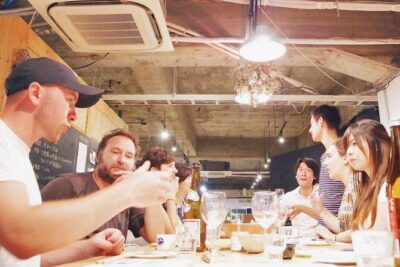
Sake Tasting Masterclass in Shinjuku (8+ Varieties with a Pro)
Read our review →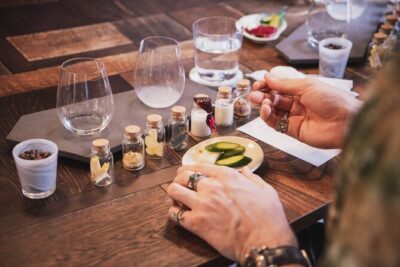
Sake Omakase in Tokyo: Guided Tasting by Certified Sommeliers
Read our review →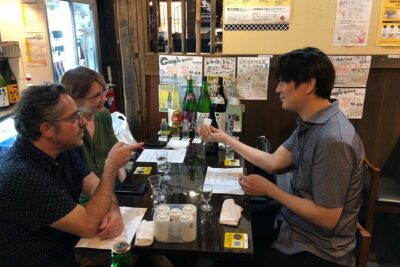
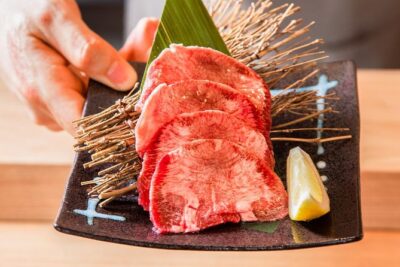
Wagyu & Sake Pairing in Shinjuku – Steak, Shabu-Shabu & More
Read our review →
Tokyo Wagyu & Sake Pairing Tasting Experience with Local Flavors
Read our review →
Sushi and Ramen Cooking Class with Sake Pairing Set
Read our review →
Tsukiji: Outer Market Walking Tour & Sake Tasting Experience
Read our review →Browse the lists this tour appears in