
Reviewed · TOKYO WALKING TOURS
Small Group Food Guided Walking Tour of Tokyo
Tsukiji is best understood with your appetite switched on. This three-hour walk takes you from the striking Tsukiji Hongwanji Temple into the old outer market, where you can try three or four kinds of street food, sample local products, and sit down to a seafood lunch.
I like the small group limit of eight, which should make it easier to ask questions and move through narrow market lanes. I also like that lunch is covered for both you and the guide, so the meal is part of the experience rather than an extra decision at the end. Guides named Hitomi and Hiromi are praised for being friendly, informative, and good at keeping the tour moving.
The main consideration is pace and appetite. You have only about an hour for the food tastings and another hour for lunch, so this is a guided introduction rather than a long, leisurely market crawl. Extra food purchases, drinks, and transportation are not included.
Key points to know before booking
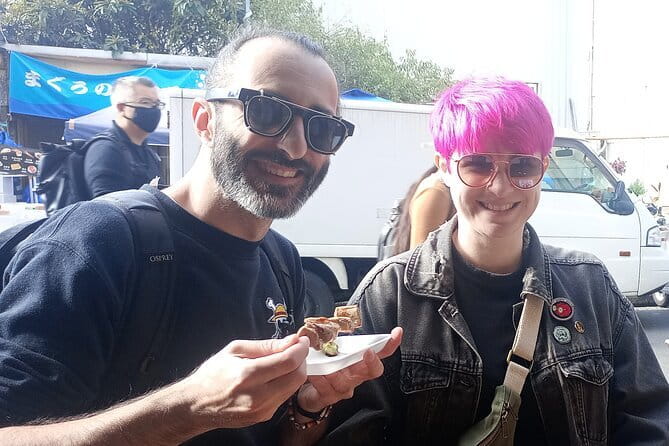
- Three or four street-food tastings: You get a planned introduction to Japanese market food instead of guessing at every stall.
- Seafood lunch included: Your meal, and the guide’s meal, are covered at a local restaurant in Tsukiji Outer Market.
- Maximum of eight people: The small group size should make conversation and short stops easier.
- Food culture is part of the tour: The guide explains Japanese traditions and the market’s change from wholesale center to public food destination.
- Flexible final stop: Depending on your preference, the guide takes you to a Japanese shrine or an observation deck.
- Short, central morning walk: The tour begins at 10:30 am at Tsukiji Hongwanji Temple and returns to the meeting point after about three hours.
Why Tsukiji still matters after the wholesale market moved
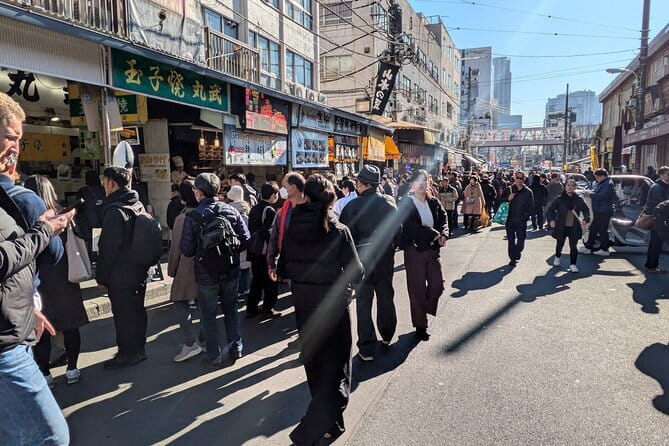
Many visitors hear Tsukiji and picture the old wholesale fish market. That part moved to Toyosu in 2018, but the outer market remained in place. The result is a different kind of food visit: Tsukiji is now a public-facing market where you can browse, taste, shop, and eat without needing to be a restaurant buyer.
That distinction matters. You are not visiting the former wholesale floor or watching a formal fish auction. You are spending time in the outer market, where shops serve everyday customers and visitors with fresh seafood, sweets, tea products, and other Japanese foods.
A guide adds useful context here. Without one, you can easily see Tsukiji as a collection of food stalls and shops. With guidance, you get a clearer picture of how the market served retailers and restaurants in the past, how the wholesale function changed, and why the outer market remains an important food stop in Tokyo.
The market also offers free samples at some stores. These small tastes can be one of the nicest parts of the visit because they let you try unfamiliar products without committing to a full purchase. Keep in mind that free samples are not the same as included food tastings, and the tour does not cover extra items you decide to buy.
More Tokyo walking tours:
- Tokyo Tsukiji Fish Market Food and Culture Walking Tour
★ 5.0 · 3,184 reviews - Tokyo: Imperial Palace and Shogun Historical Walking Tour
★ 5.0 · 2,251 reviews - Tokyo: Shinjuku Local Bar and Izakaya Guided Walking Tour
★ 4.9 · 1,794 reviews
Starting at Tsukiji Hongwanji Temple
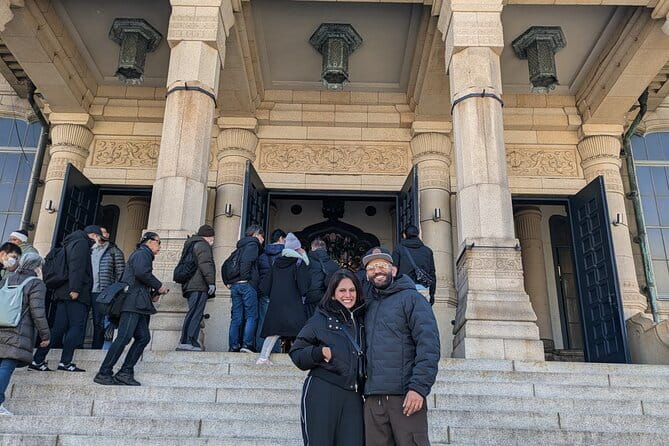
The meeting point is the main hall of Tsukiji Hongwanji Temple at 3-chōme-15-1 Tsukiji, Chuo City. The tour begins at 10:30 am, giving you a clear morning appointment before lunch crowds become the main focus.
The temple stop lasts about 20 minutes. You can expect a short explanation, time for photographs, and a chance to look around before heading into the market.
This is a useful opening because it gives the tour a cultural starting point rather than sending you straight toward food. The temple is also a good place to meet your guide and get oriented. If you are nervous about finding the right person, arrive with enough time to locate the main hall before 10:30.
The visit is brief, so do not book this expecting an extended temple tour. Its role is to frame the neighborhood and give you a calm first stop before the tighter market streets. Admission is free.
Three or four tastes in the Tsukiji Fish Market
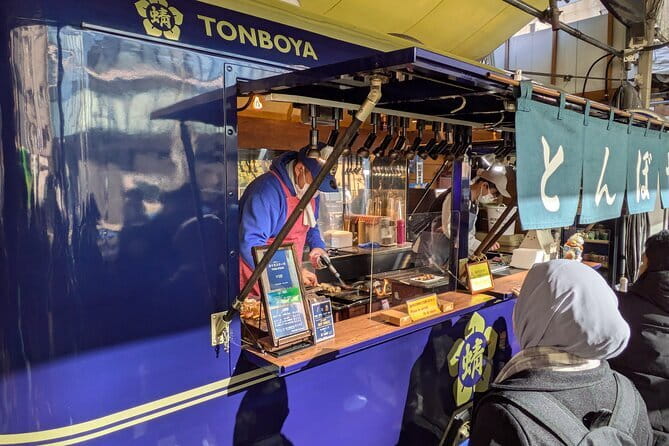
The first main food section lasts about an hour. You try three or four kinds of street food while the guide explains Japanese food customs and traditions. The exact foods are not listed, so you should think of this as a guided tasting selection rather than a fixed menu.
That flexibility can work in your favor. Tsukiji has many food choices, and a guide can help you focus on suitable stops instead of spending your limited time trying to choose among them. You may also have chances to try samples offered by shops along the way.
The guide’s role is especially useful if you are unfamiliar with Japanese seafood or market etiquette. Food in a market setting can be quick and informal, and explanations about what you are eating can turn a simple snack into a better understanding of local habits.
The food stops are also a practical way to test your appetite before lunch. If you arrive hungry, three or four tastings may feel like a welcome start. If you have dietary restrictions or strong dislikes, you should raise them before the tasting portion begins. The supplied information does not promise specific substitutions, so do not assume every food can be changed.
The tour includes three or four street-food items, but extra purchases are your responsibility. That is worth remembering because Tsukiji can tempt you with sweets, seafood, tea, and other products at nearly every turn. Set aside a little spending money if you want to shop beyond the planned tasting.
Lunch at a local seafood restaurant

The second market stop gives you about an hour for lunch at a local seafood restaurant. You can choose from many options, and the tour covers your lunch fee as well as the guide’s.
The meal is one of the strongest value points here. A seafood lunch in Tsukiji can make up a large part of the experience cost, and having it included means you do not need to calculate the guide’s meal or wonder if the advertised price ends before the main food experience begins.
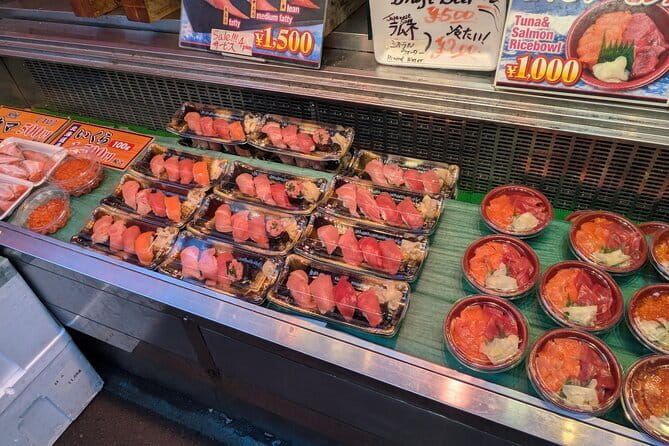
One dish specifically praised in the tour feedback is kaisen-don, a seafood bowl. That makes this a good choice if you want a classic market meal, but the information provided does not say that every participant must order it. The restaurant offers options, so you can choose according to your preference.
An hour is enough for a focused meal, but it is not an invitation to linger for the whole afternoon. If you like to study menus slowly, photograph every course, or browse shops between bites, the schedule may feel tight. The advantage is that the tour keeps moving and gives you both tastings and a sit-down meal within three hours.
Because the guide eats with you, lunch also creates a natural chance to ask follow-up questions. You can clarify ingredients, food customs, and the market’s role while sitting down instead of trying to talk over a crowded stall.
More Tokyo food tours:
- Tokyo: Shinjuku Food Tour (13 Dishes at 4 Local Eateries)
★ 5.0 · 6,603 reviews - Tokyo: Shinjuku Food Tour (15 Dishes and 4 Eateries)
★ 4.9 · 2,033 reviews - Best of Shinjuku: Izakaya Food Tour (4 Stops, 14+ Tastings)
★ 5.0 · 1,863 reviews - Tokyo: Tsukiji Fish Market Food and Walking tour
★ 5.0 · 1,724 reviews
Choosing a shrine or observation deck
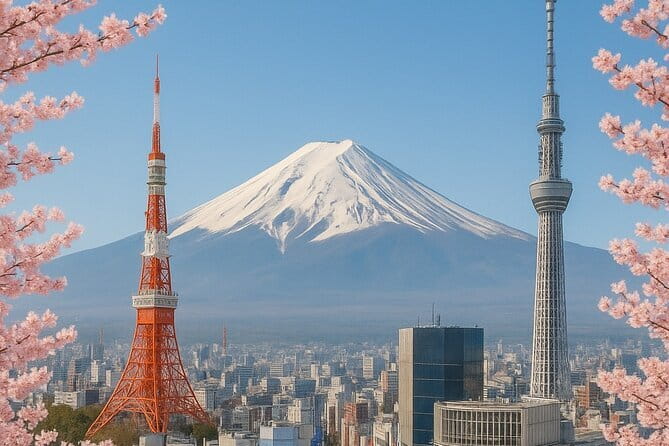
The final 30 minutes are shaped by your preference. The guide takes you to a Japanese shrine or an observation deck, and the activity ends back at the original meeting point.
This choice gives the short tour a little breathing room. If you want another cultural stop, select the shrine. If you would rather finish with a broader view, choose the observation deck. The exact shrine and deck are not specified, so you should treat this as a flexible final visit rather than a promised landmark with a fixed name.
I like this feature because it acknowledges that not everyone wants the same ending. After food and market lanes, one person may want a quiet place of worship while another wants a city view. The trade-off is that the final stop cannot be evaluated in detail before booking because the destination depends on your preference and the guide’s plan.
The tour includes photos, which may cover pictures taken during the walk and at the stops. The information does not specify how many photos you receive or how they are delivered, so ask the provider if that matters to you.
What the small group changes
The maximum group size is eight. That is small enough to feel more personal than a large coach-style outing, while still allowing the tour to run as a shared experience.
In a market, group size affects more than conversation. Narrow lanes, food counters, and short sampling stops are easier to manage when fewer people need to gather around the guide. A small group also gives you a better chance to ask about an ingredient or request a little extra explanation.
The strongest praise for this experience centers on the guides’ manner. Hitomi is described as friendly and attentive to the tour’s flow. Hiromi is praised for being informative, friendly, and entertaining. Another booking was handled as a private outing when only one person joined, with the guide described as professional and accommodating.
You should not assume you will receive a private tour, since the normal maximum is eight people. Still, the small cap and the emphasis on guide interaction suggest a more personal format than a standard market walk.
How the $80 price measures up
The cost is $80 per person. That price includes the guide, three or four street-food tastings, your lunch, the guide’s lunch, and photos. Admission is free at the temple and the final stop, while transportation and extra food purchases are not included.
The value depends largely on how you use the meal and guidance. If you would already pay for a seafood lunch and several market tastings, the included food covers a meaningful part of the price. You are also paying for local orientation, food explanations, and a planned route through an area that can feel confusing on a first visit.
The price is less compelling if you prefer to browse alone, choose every dish yourself, or spend several hours eating at your own pace. Tsukiji is accessible by public transportation, and independent visitors can explore the outer market without booking a tour. In that case, the main reason to pay is the guide’s local knowledge, the included lunch arrangement, and the convenience of having the food stops organized.
The average booking lead time is 35 days. That suggests you should not leave this until the last morning if your Tokyo schedule is fixed, especially if you want a particular date. Confirmation arrives at booking, and free cancellation is available up to 24 hours before the start time. A cancellation within 24 hours, or a late change, is not refunded.
Timing, transport, and practical planning
The activity lasts about three hours and begins at 10:30 am. The route includes the temple, market tastings, lunch, and a final shrine or observation deck visit before returning to the starting point.
Transportation is not included. Since the meeting point is near public transportation, you will need to make your own way to Tsukiji Hongwanji Temple. The tour does not provide a pickup or a separate ride between stops.
Wear comfortable shoes. The walk is not described as strenuous, and most people can participate, but market visits involve standing, moving between food stops, and spending time on your feet. Bring room in your schedule after the finish if you want to shop independently, since extra purchases are not part of the tour.
A mobile ticket is provided, so keep your booking available on your phone. The meeting point is specific, and arriving early is sensible in a busy central district. The supplied information does not give a detailed accessibility description, so anyone with mobility concerns should confirm the route and seating arrangements with the provider before booking.
Who will get the most from this food walk
I would recommend this tour to you if you want a compact introduction to Tsukiji with food built into the plan. It suits first-time visitors who would rather have a guide explain the market than make every choice alone.
It is also a good match for people who want both quick tastings and a proper meal. Many food walks offer samples but leave you to arrange lunch. Here, lunch is included, and kaisen-don is one of the dishes you may want to consider.
The tour should work well for solo visitors and couples who value conversation. The small group format gives you a better setting for questions, and the private booking experience described in the feedback suggests the guide can be accommodating when the group is very small.
I would be more cautious about booking if you have strict dietary needs, dislike seafood, or want a long shopping session. The food focus is central, the lunch is at a seafood restaurant, and the three-hour schedule leaves limited time for wandering off-route.
Should you book the Tsukiji food tour?
Book it if you want a friendly guide, a clear introduction to Tsukiji, three or four tastings, and a seafood lunch for $80. The strongest reasons to choose it are the small group limit, included lunch, and the guides’ ability to make the market easier to understand.
Skip it if you prefer total freedom, already know Tsukiji well, or want to spend the entire day shopping and eating at your own pace. For most first-time visitors who want structure without a large group, this is a practical way to meet the market in one focused morning.
FAQ
Where does the Tokyo food tour begin?
It begins at the main hall of Tsukiji Hongwanji Temple, located at 3-chōme-15-1 Tsukiji, Chuo City, Tokyo 104-0045, Japan.
What time does the tour start?
The tour starts at 10:30 am.
How long does the experience last?
It lasts approximately three hours and ends back at the meeting point.
How many people can join the tour?
The maximum group size is eight people.
Is lunch included?
Yes. Your lunch fee and the guide’s lunch fee are included. The meal takes place at a local seafood restaurant in Tsukiji Outer Market.
What is not included in the price?
Transportation and extra food purchases are not included. The tour does include three or four street-food tastings, the guide fee, lunch, and photos.
Newly reviewed around Tokyo
- Tokyo Asakusa:Calligraphy & Make T-shirt Activity★ 5.0 · 62 reviews
- Intercity Shuttle, Tokyo to Haneda /Narita /Yokohama /Makuhari★ 5.0 · 5 reviews
- 1 Hour Travel around Tokyo with a Professional Photographer★ 5.0 · 3 reviews
- Travel Tokyo with Your Own Personal Photographer★ 5.0 · 43 reviews
- Train in Samurai Swordsmanship and Defeat the Demon in Tokyo★ 5.0 · 5 reviews
- Shuttle Van 6hr Tokyo Tour to-and-from Tokyo, Yokohama and Narita★ 5.0 · 9 reviews
- Kickboxing & Body Training with EX-Pro Fighter★ 5.0 · 4 reviews
- Traditional Japanese Knife Sharpening Class★ 5.0 · 18 reviews
Tokyo Walking Tours, compared.
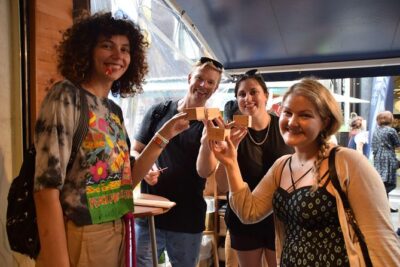
Tokyo Tsukiji Fish Market Food and Culture Walking Tour
Read our review →
Imperial Palace and Shogun Historical Walking Tour
Read our review →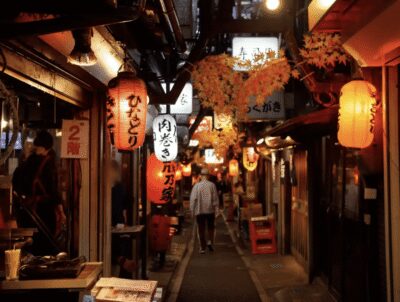
Shinjuku Local Bar and Izakaya Guided Walking Tour
Read our review →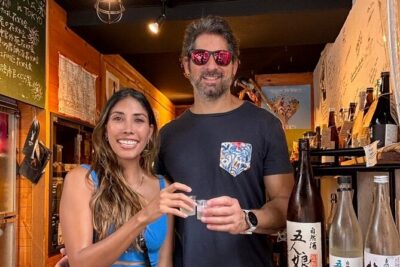
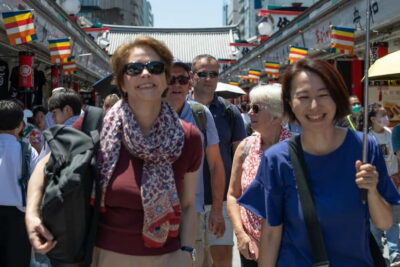
Asakusa Walking Tour with Sensoji Temple Visit
Read our review →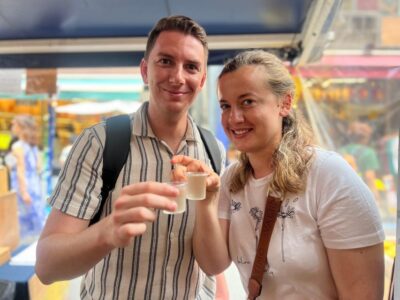
Tokyo Castle & Imperial PalaceーShogun Walking Tour
Read our review →
Browse the lists this tour appears in