
Reviewed · TOKYO SAKE TASTINGS
Japanese Wine Omakase in Shibuya – Guided Tasting, Not Sake
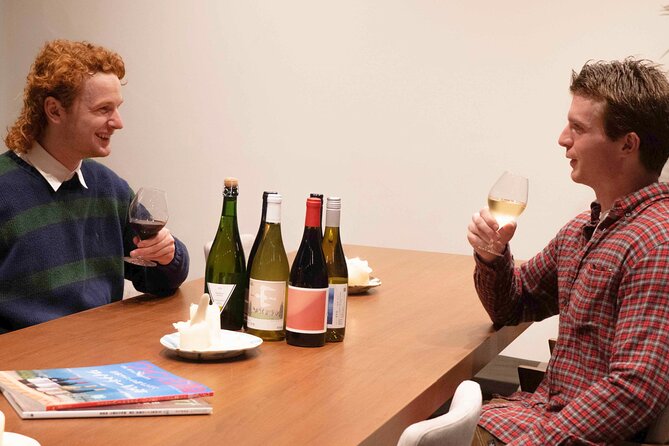
Japanese wine is the real surprise here. Near Meiji Jingu, you taste five bottles made in Japan, including native grapes and hard-to-find styles that rarely reach overseas shelves. Alex, an English-speaking wine host, brings useful context without turning the session into a lecture.
I like the small 12-person group and the fact that the tasting is paired with food rather than served as five unrelated pours. I also like the optional bar time afterward, especially if one bottle catches your attention. The main drawback is the short format: 75 minutes goes quickly, and serious wine students may want the longer tasting option mentioned by the venue.
Key points before you book
- Five Japanese wines in about 75 minutes: You get a focused introduction to local grapes, styles, and regional character.
- A quieter Shibuya setting: The meeting point is near Meiji Jingu, away from Tokyo’s busiest tourist corridors.
- English guidance from Alex and the wine team: Explanations cover what makes Japanese wine different from the sake, beer, and whisky most visitors expect.
- Small plates are part of the tasting: Food is selected to work with the wines, making the session feel like a compact pairing experience.
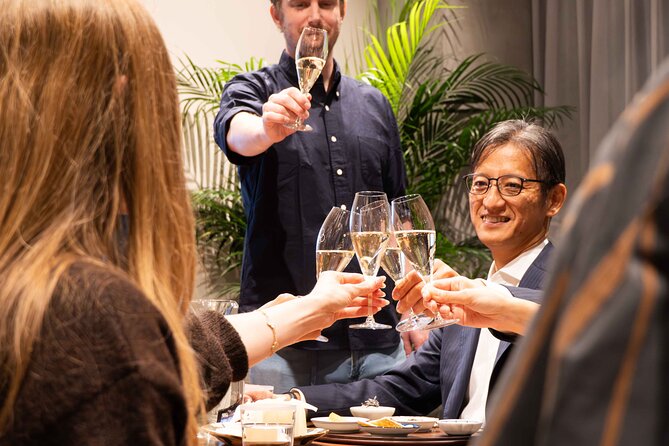
- Only 12 places per session: The small group leaves room for questions and conversation.
- Stay for extra wine afterward: You can continue at the bar and arrange hotel or airport delivery for bottles you buy.
Japanese wine near Meiji Jingu, not a sake lesson
If your Tokyo drinks plan already includes sake, shochu, or Japanese whisky, this tasting gives you a different piece of the country’s food culture. The focus is wine made in Japan, with particular attention to native grapes and flavors shaped by Japanese growing conditions.
That distinction matters. Many visitors arrive knowing very little about Japanese wine, and the session is designed for that starting point. You do not need a wine vocabulary or a long list of Japanese producers in your notebook. The point is to taste, ask questions, and understand why these bottles are not simply copies of French, Italian, or New World wine.
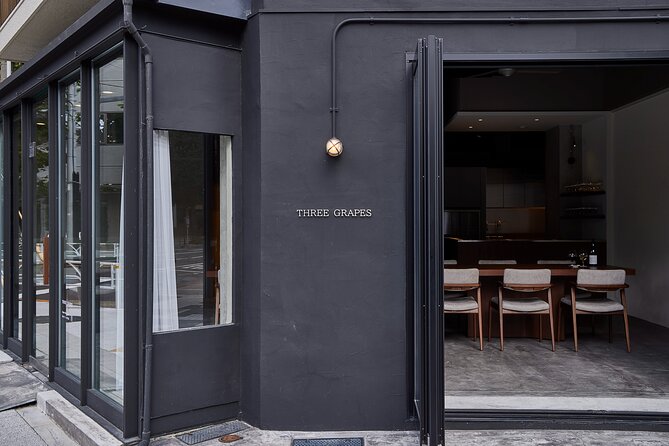
The experience takes place in a wine bar close to Meiji Jingu, at Sangū Building, 3-chōme-38-12 Yoyogi, Shibuya. This is a handy pairing with a shrine visit, and the surrounding area offers a calmer break from Tokyo’s more crowded streets. One useful practical detail: the venue is near public transportation, so you can fit the tasting into a day around Shibuya, Yoyogi, or the shrine.
More things to do in Shibuya:
- Official Street Go-Kart in Shibuya
★ 5.0 · 3,435 reviews - Tokyo: Street Kart Experience in Shibuya
★ 4.9 · 1,484 reviews - Shibuya Meltdown Nightlife Tour: All-You-Can-Drink Bar Hopping
★ 5.0 · 1,058 reviews
Five pours that tell a Japanese wine story
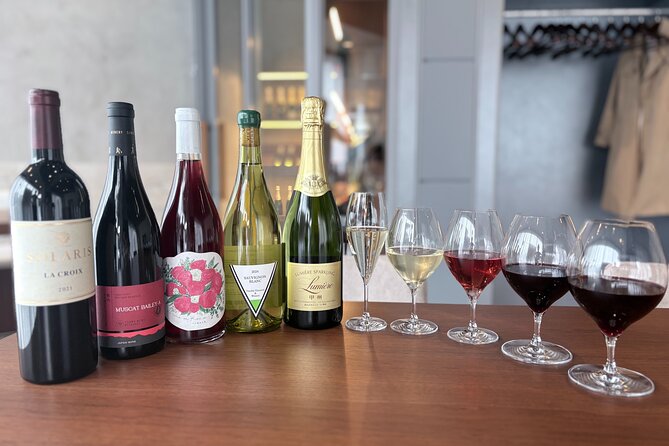
The core session lasts about 75 minutes, with the full activity listed at roughly 90 minutes. You taste five Japanese wines, with the wine expert explaining the grapes, production, and character of each pour.
The selection is not just a flight of similar whites or reds. The supplied details point to rare local bottles, native grapes, and unusual styles, including an ice wine that has made a strong impression on the staff’s customers. Exact bottles can change, so you should treat the five-wine lineup as a guided introduction rather than a fixed menu.
That flexibility is useful. Japanese wine is still a developing category, and a changing selection lets the host show what is interesting and available now. It also means you should not book expecting one particular vintage unless the venue confirms it directly.
I like the way this format turns the tasting into a lesson in comparison. You can notice how a Japanese wine differs from what you normally order at home, then ask why. If you already know wine well, the native-grape focus gives the session a more specific purpose than a standard bar flight.
If you are new to wine, do not worry about saying the wrong thing. The setting is described as educational and friendly, and the English-speaking staff can explain the wines clearly. One account of the tasting specifically praised Alex for practical suggestions, so ask him what to try next if one style suits your palate.
Small plates make the 75 minutes feel complete
The wines come with refined small plates chosen to work with the pours. The available information does not provide a detailed food menu, so you should not book this expecting a full dinner or a particular dish.
Still, the food matters. Five glasses without anything to eat can feel rushed and tiring, particularly when you are tasting unfamiliar wines. Small plates give you time to compare a sip with food and help make the session feel like a proper Japanese dining stop rather than a quick drink before dinner.
I would plan a separate meal afterward if you are hungry. Think of the food as part of the tasting, not a replacement for lunch or dinner. That is also a benefit: you can keep the booking focused and then choose your next meal based on your own plans.
One especially nice detail is that the venue’s atmosphere appears to be part of its appeal. The wine bar has stylish interiors and distinctive window art, and the quieter location helps it feel removed from the crowded center. That may sound minor, but a tasting needs a room where you can hear the host and pay attention to the glass.
A 12-person room keeps the conversation useful
The maximum group size is 12 people. I see that as one of the strongest practical features of the session.
A large tasting can become a performance, with the guide speaking to the front row while everyone else tries to keep up. Twelve people is small enough for questions, recommendations, and a more relaxed exchange. If you are traveling alone, it also gives you a natural way to talk with other wine drinkers without committing to a long evening.
The intimate format has one tradeoff. If the group is full, you may not get a private lesson. You are sharing the room and the pace with other people, and the conversation may cover different levels of wine experience. That is normal for a public tasting, but private groups should ask about alternatives before booking.
Sessions are offered daily and are open to people aged 20 and older. The 20-plus rule is worth checking if your group includes younger adults, since it applies even if someone plans to taste only a small amount.
More Tokyo sake tastings:
- Ramen and Sushi Cooking Class with Sake Pairing Set in Tokyo
★ 5.0 · 291 reviews - Sake Tasting Masterclass in Shinjuku (8+ Varieties with a Pro)
★ 5.0 · 271 reviews - Sake Omakase in Tokyo: Guided Tasting by Certified Sommeliers
★ 5.0 · 239 reviews - Tasting All Types of Sake with Sommelier
★ 5.0 · 151 reviews
The optional bar time is where the value grows
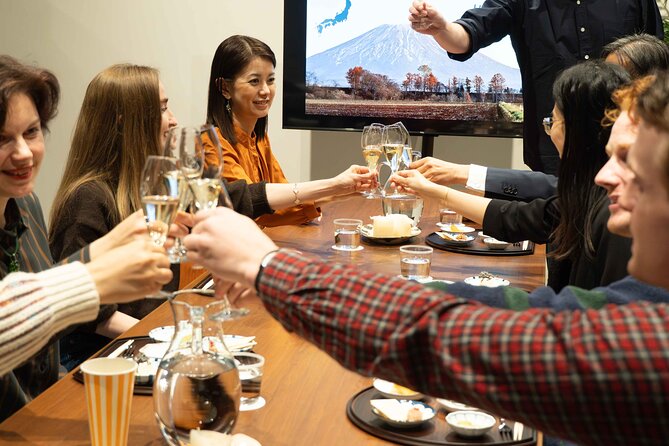
The scheduled tasting is the main product, but you can stay afterward for optional bar time. This is useful if you want to slow down, revisit a favorite style, or ask for a bottle recommendation after hearing the explanations.
The venue presents itself as a specialist Japanese wine bar with an unusual selection. That makes the post-tasting period more than a simple add-on. You have already heard the background of the wines, so you can make a more informed choice instead of buying a bottle based only on its label.
Bottle delivery to your hotel or airport is also available. That can solve a common Japan souvenir problem: finding a good bottle is easy enough, but carrying it through several train changes, hotel moves, or a flight is less pleasant. Confirm the delivery details and cost at the venue before purchasing, since the supplied information does not specify those terms.
The option to stay longer also helps offset the brisk 75-minute schedule. If the tasting feels too short, you can continue. If you have evening plans, you can leave when the guided portion ends.
Is $97.98 a fair price?
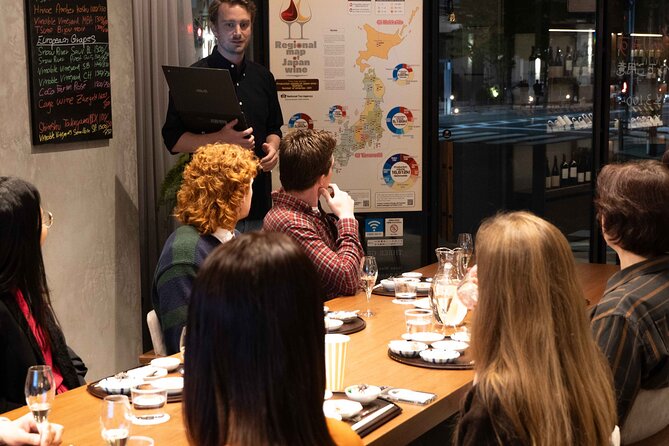
At $97.98 per person, this is not a cheap bar flight. You are paying for five wines, small plates, English guidance, a specialist setting, and a small group near one of Tokyo’s major sights.
The value depends on what you want from the outing. If you simply want alcohol in Shibuya, you can spend much less. If you want to learn about Japanese wine and taste bottles you may not find outside Japan, the price is easier to justify. Five guided pours plus food can also compare reasonably with a high-end tasting at home, especially when the wines are unusual and imported alternatives are limited.
I would be less enthusiastic about the price if you dislike guided tastings or already know exactly which Japanese bottles you want. You may get more from a casual visit to the bar, where you can order fewer wines at your own pace. For first-time visitors to Japanese wine, though, the explanations are the reason to pay for this format.
The fact that it is often reserved well ahead, with an average booking lead time of 49 days, is a useful planning signal. You do not need to panic, but I would not leave it until your final afternoon if this is one of your main Tokyo food plans.
How to fit it into a Tokyo day
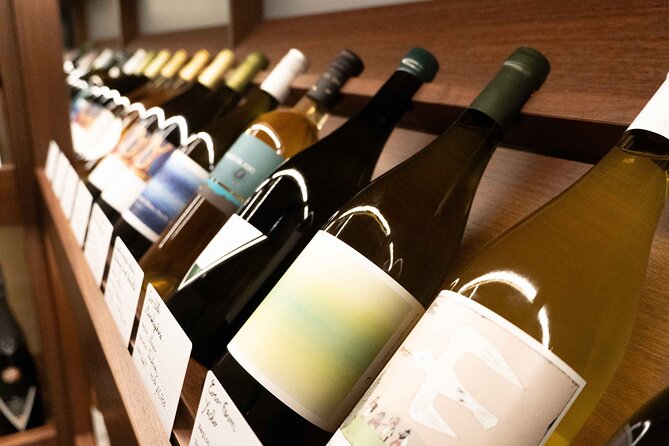
The meeting point is at Sangū Building, 3-chōme-38-12 Yoyogi, Shibuya, Tokyo 151-0053. The activity finishes back at that same point, so you are not left at a different neighborhood or station.
The clearest pairing is Meiji Jingu. Visit the shrine before the tasting, then walk to the wine bar with time to spare. That order works well because the shrine provides a quiet outdoor stop, while the tasting gives you a seated, focused activity afterward.
You can also place it between time in Shibuya and Yoyogi. Because the guided portion is only about 75 minutes, it does not consume an entire day. Allow extra time for finding the building and for the optional bar period if you plan to stay.
I would avoid scheduling a major meal immediately before the tasting. You want enough appetite to try the small plates, but not so much that the wine pairings become an afterthought. Also remember that the activity is for adults aged 20 and older.
Who will enjoy this most
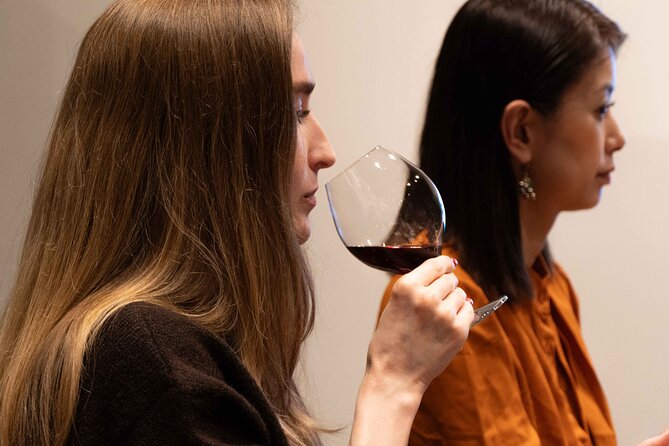
I recommend this for wine drinkers who want something beyond the familiar Japanese drinks menu. It suits curious beginners particularly well because the host explains the category from the ground up, while experienced wine drinkers can focus on native grapes, regional differences, and bottles that are hard to locate abroad.
It also works for couples, solo visitors, and small groups who prefer conversation to a loud nightlife stop. The friendly staff and compact room make it an easy choice for someone who wants an organized activity without spending half a day on a formal tour.
I would think twice if you are looking for a filling meal, a large sightseeing program, or a fully private event. The food is small-plate fare, the tasting is compact, and the group can include people with different levels of wine knowledge.
Booking, timing, and cancellation notes
You receive confirmation when you book, and the ticket is mobile, which keeps the arrival process simple. The activity is near public transportation, and most people can take part according to the supplied information.
Free cancellation is available up to 24 hours before the local start time. Inside that 24-hour window, you do not receive a refund and changes are not accepted. The session can also be moved or refunded if poor weather affects the activity or if the minimum number of people is not reached.
The weather rule is unusual for an indoor wine tasting, so read the final booking terms carefully. If your Tokyo schedule is tight, book early enough to leave room for a change.
Should you book the Japanese Wine Omakase?
Book it if you want to understand Japanese wine rather than simply sample another drink. The strongest reasons are the five-wine lineup, the native-grape focus, the English guidance, and the chance to continue at the bar or send bottles to your hotel or airport.
I would choose it over a standard sake tasting if you already have sake planned elsewhere, or if rare Japanese bottles are the part of Tokyo’s food scene that interests you most. The price is substantial, but the small group and specialist subject give it real value for the right audience.
Skip it if you want a full meal, a long sightseeing tour, or a casual drink with no instruction. For everyone else, this is a smart 75-minute way to add a less familiar side of Japan to your itinerary.
FAQ
Where does the Japanese wine tasting take place?
The meeting point is Sangū Building, 3-chōme-38-12 Yoyogi, Shibuya, Tokyo 151-0053, Japan. The location is near Meiji Jingu and public transportation.
How long does the experience last?
The guided tasting lasts about 75 minutes, while the total activity is listed at approximately 1 hour and 30 minutes.
How many wines will I taste?
You will taste five Japanese wines during the guided session.
Is this a sake tasting?
No. The activity focuses on Japanese wine, including rare local bottles and native Japanese grapes. It is separate from a sake tasting.
Is the tasting held in English?
Yes. The experience is English-guided, and Alex is identified as an English-speaking wine host.
How many people can join each session?
The maximum group size is 12 people.
Can I buy wine after the tasting?
Yes. You can stay for optional bar time and choose bottles to take home. Hotel or airport delivery is available.
More Tokyo food tours
- Tokyo: Shinjuku Food Tour (13 Dishes at 4 Local Eateries)
★ 5.0 · 6,603 reviews - Tokyo Tsukiji Fish Market Food and Culture Walking Tour
★ 5.0 · 3,184 reviews - Tokyo: Shinjuku Food Tour (15 Dishes and 4 Eateries)
★ 4.9 · 2,033 reviews - Tokyo: Tsukiji Fish Market Food and Walking tour
★ 5.0 · 1,724 reviews
More Tokyo drink tastings and bars
- Tokyo Bar Hopping Tour in Shinjuku (All-You-Can-Drink + Dinner)
★ 5.0 · 3,587 reviews - Best of Shinjuku: Izakaya Food Tour (4 Stops, 14+ Tastings)
★ 5.0 · 1,863 reviews - Tokyo: Shinjuku Local Bar and Izakaya Guided Walking Tour
★ 4.9 · 1,794 reviews - Tokyo: Pub Crawl and Bar Tour
★ 4.5 · 951 reviews
Newly reviewed around Tokyo
- Tokyo Asakusa:Calligraphy & Make T-shirt Activity★ 5.0 · 62 reviews
- 1 Hour Travel around Tokyo with a Professional Photographer★ 5.0 · 3 reviews
- Travel Tokyo with Your Own Personal Photographer★ 5.0 · 43 reviews
- Intercity Shuttle, Tokyo to Haneda /Narita /Yokohama /Makuhari★ 5.0 · 5 reviews
- Train in Samurai Swordsmanship and Defeat the Demon in Tokyo★ 5.0 · 5 reviews
- Shuttle Van 6hr Tokyo Tour to-and-from Tokyo, Yokohama and Narita★ 5.0 · 9 reviews
- Kickboxing & Body Training with EX-Pro Fighter★ 5.0 · 4 reviews
- Traditional Japanese Knife Sharpening Class★ 5.0 · 18 reviews
Tokyo Sake Tastings, compared.
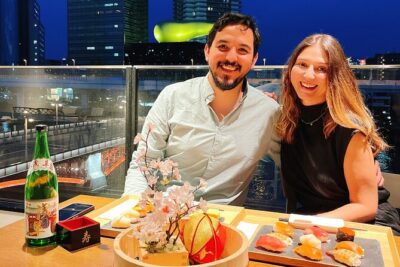
Ramen and Sushi Cooking Class with Sake Pairing Set in Tokyo
Read our review →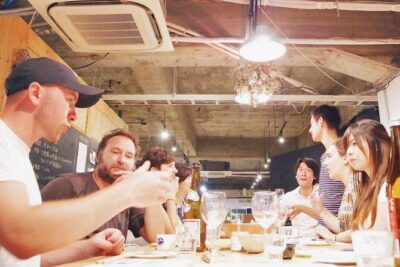
Sake Tasting Masterclass in Shinjuku (8+ Varieties with a Pro)
Read our review →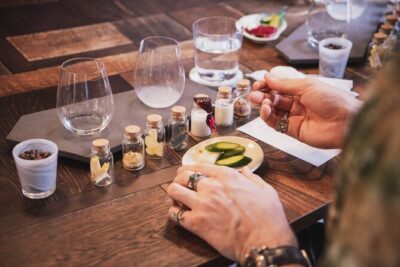
Sake Omakase in Tokyo: Guided Tasting by Certified Sommeliers
Read our review →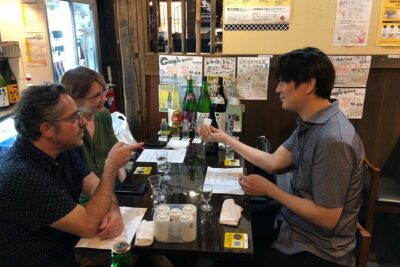
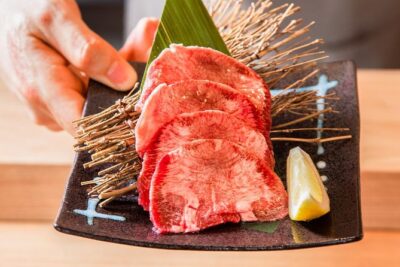
Wagyu & Sake Pairing in Shinjuku – Steak, Shabu-Shabu & More
Read our review →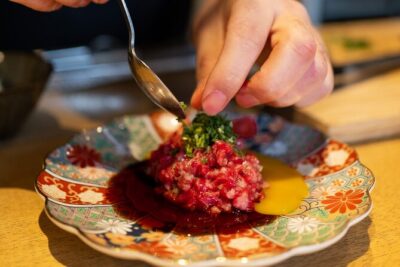
Tokyo Wagyu & Sake Pairing Tasting Experience with Local Flavors
Read our review →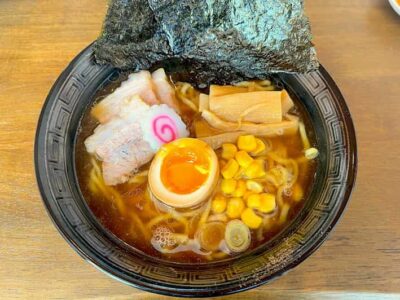
Sushi and Ramen Cooking Class with Sake Pairing Set
Read our review →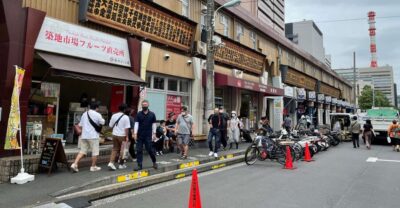
Tsukiji: Outer Market Walking Tour & Sake Tasting Experience
Read our review →Browse the lists this tour appears in