
Reviewed · YANAKA OLD TOWN TOURS
Make Rice Balls and Enjoy a Japanese Home-Style Lunch in Yanaka
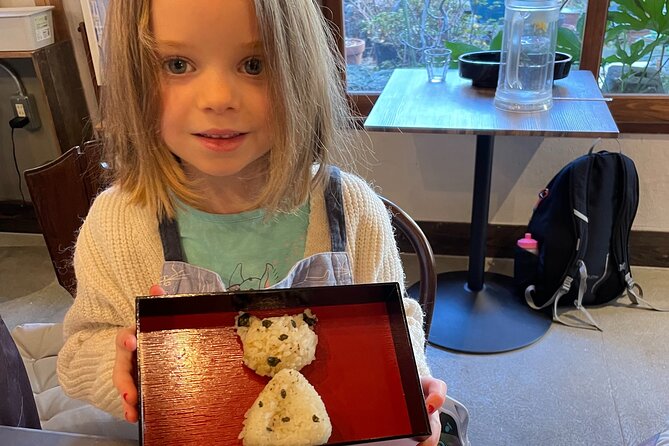
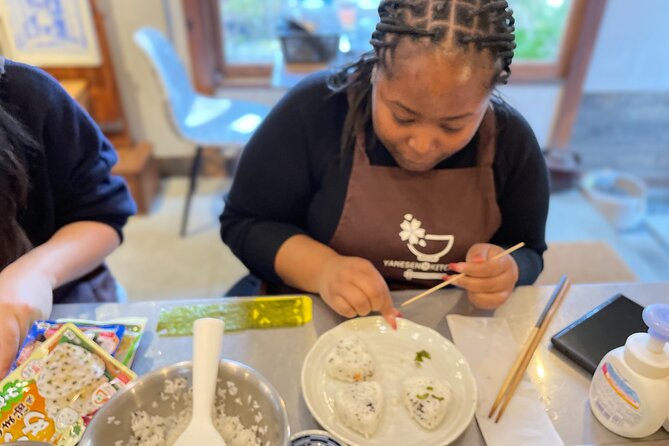
The best part of this Yanaka experience is that you do not simply eat a Japanese lunch, you help make it. You shape onigiri rice balls, add toppings and pickles, then arrange a bento with home-style dishes such as tamago-yaki, karaage, korokke, or yakitori. It is a practical look at everyday Japanese food, not a formal restaurant meal.
I like the friendly, small-group format, with no more than 12 people, and the fact that ingredients and tastings are included. I also like the teachers. Yuki, Masayo, and Eiko are praised for their patience, and the class can include useful details such as mixing miso flavors, making cat-shaped rice balls, and learning where to buy local foods in Yanaka.
The main drawback is the timing information. The experience is described as about 90 minutes, but the schedule also lists an 11:30 meeting, a 1 PM bento presentation, and a 2:30 finish, while the booking details show a 12 PM start. Confirm the exact time before setting your day around it.
Key points to know before booking
- Shape your own onigiri: Make rice balls from prepared rice, then customize them with toppings, sprinkles, and pickles.
- Build a real bento meal: Arrange your rice balls with Japanese home-style side dishes bought from nearby delis and shops.
- Meet local teachers: Yuki, Masayo, and Eiko lead the class, with an emphasis on patient instruction and practical food tips.
- Good for families: Children can take part in making lunch, with origami and calligraphy also available as extra activities.
- Small group size: The class accepts a maximum of 12 people, which should allow for personal help without feeling too formal.
- Lunch is part of the lesson: You eat what you make alongside miso soup, salad, teriyaki chicken, and other local dishes.
Making onigiri in Yanaka, not just eating it
Onigiri is one of Japan’s simplest foods: seasoned rice shaped by hand, often with a filling or topping. That simplicity is exactly why this class works. You can see how a few basic ingredients become a neat, portable meal, and you leave with a method you can repeat at home.
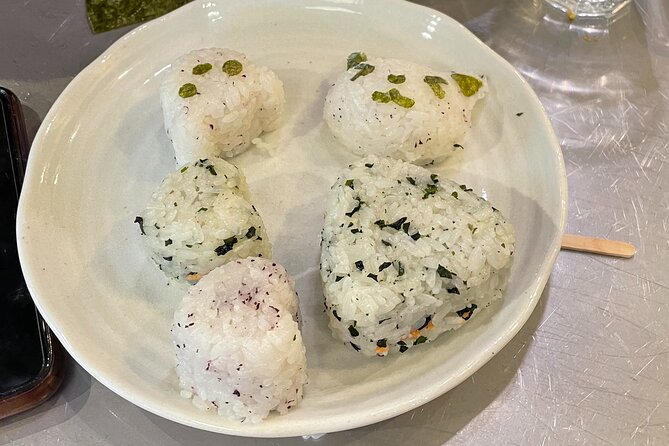
The session centers on preparing rice balls, toppings, pickles, and rice sprinkles. The format allows you to make choices rather than copy one fixed recipe. You may shape ordinary triangles, or try something more playful, such as the cat-shaped onigiri that one family made during the class.
That hands-on work gives the meal more meaning. You will notice the texture of the rice, the way toppings change the flavor, and how presentation affects the whole bento. The activity is not aimed at professional cooking. It is a relaxed introduction to food you can find all over Japan.
You should also expect guidance in the small details. The teachers explain how to shape the rice and how to arrange the finished food. One session included discussion of different miso types and blending two preferred flavors, while another included tips for making sushi, tempura, and miso soup. The exact dishes may vary, but the focus is on useful techniques and familiar Japanese food.
More old Tokyo walks around Yanaka:
- The Old Quarter of Tokyo – Yanaka Walking Tour
★ 4.5 · 590 reviews - Yanaka Walking Tour: Historic and Traditional District of Tokyo
★ 5.0 · 530 reviews - Tokyo: Old Quarter Yanaka Walking Tour
★ 4.8 · 406 reviews
From Yuyake Dandan to a neighborhood food table
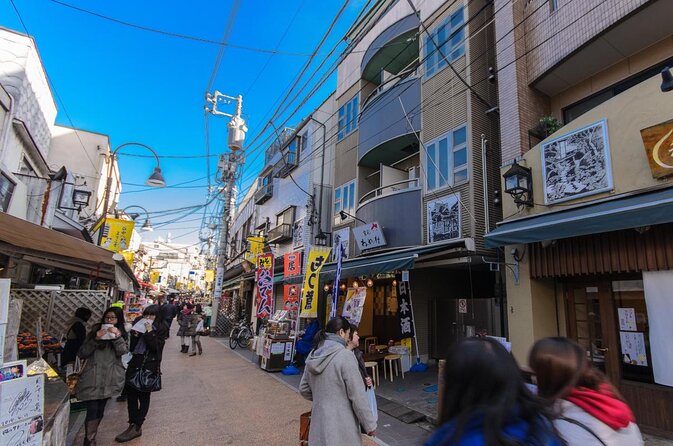
The listed route begins at Yuyake Dandan, a well-known Yanaka meeting point, with check-in at the YANESEN Tourist Information & Culture Center at 3-chōme-13-7 Yanaka, Taito City. The activity ends at the same meeting point.
This is a useful location for a food class because Yanaka feels more local and low-key than many of Tokyo’s major sightseeing districts. The experience does not send you across a long list of attractions. Instead, it gives you a reason to spend time in one neighborhood and learn how local food fits into daily life.
The meeting place is near public transportation, and the class is designed for most people to join. Still, Tokyo timing rewards care. The information gives both an 11:30 meeting and a 12 PM start, so check your confirmation for the exact arrival time. A late arrival could mean missing the introduction or the first shaping demonstration.
What happens during the food preparation
The opening includes introductions before the hands-on work begins. This matters because the class is as much about conversation as cooking. You can ask about ingredients, meal customs, and where to find similar foods in Yanaka.
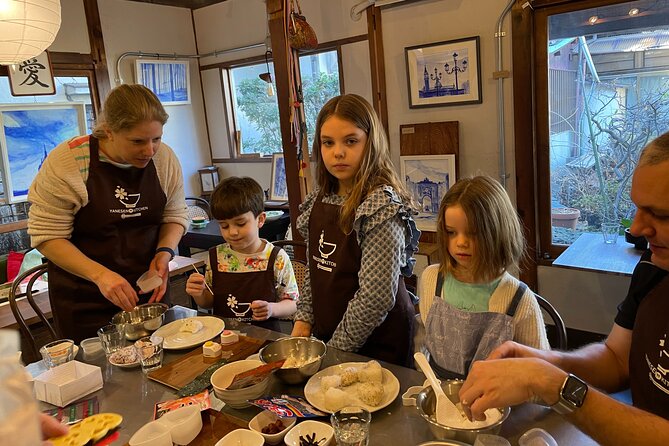
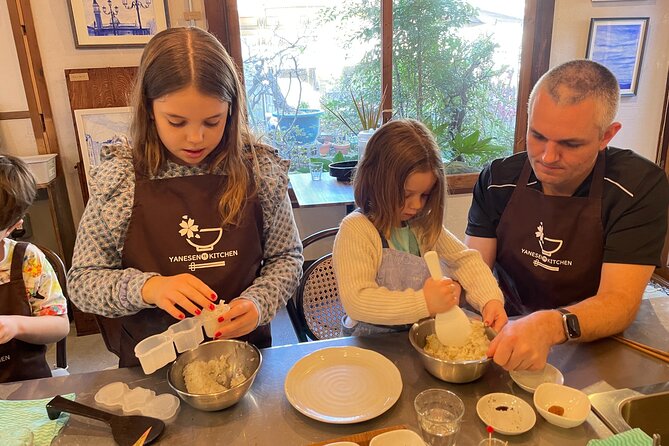
Next comes the onigiri preparation. You work with rice, toppings, pickles, and rice sprinkles. The teachers show you how to shape the rice and help you adjust your technique. The class is especially suitable for children because the task is tactile, quick to understand, and flexible enough to allow creative shapes.
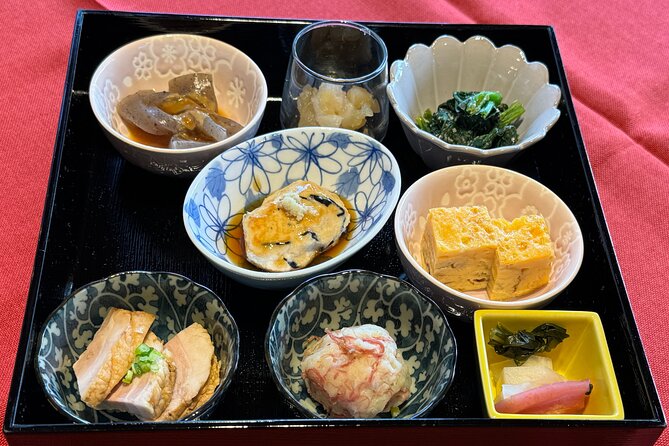
Then you arrange the bento. The side dishes, called okazu, are home-style foods purchased from neighborhood delis or shops. Possible items include karaage, korokke, yakitori, and tamago-yaki. The meal may also include salad and teriyaki chicken, depending on the day’s menu.
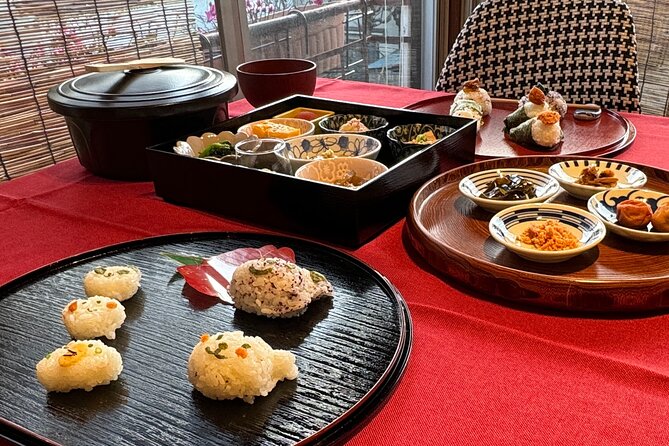
This is a useful part of the activity for anyone who has admired Japanese boxed lunches but never understood how they come together. The goal is not only to fill a box. You learn to balance rice balls, main dishes, vegetables, pickles, and small colorful touches so the meal looks inviting.
There is no need to bring ingredients or plan a separate lunch. Food, tastings, and the meal are included. That makes the price easier to judge, especially in central Tokyo, where a cooking class and a substantial meal purchased separately could quickly cost more than expected.
The bento presentation and shared lunch
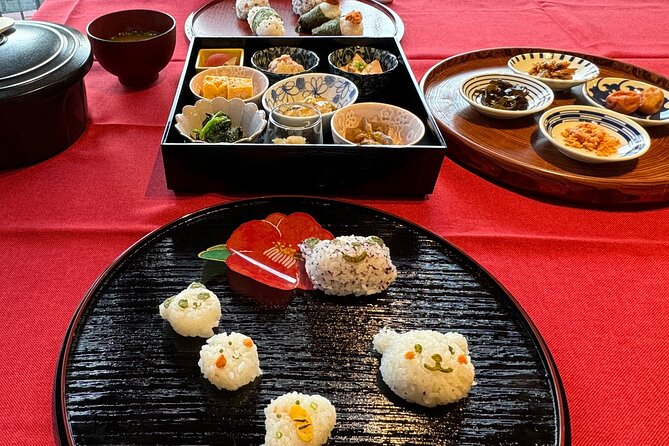
The planned presentation takes place around 1 PM, though the schedule should be confirmed because the published timing is not fully consistent. You set the table, arrange your bento, and take photos before eating.
The photo session is a small but worthwhile detail. A handmade bento is part meal, part visual composition, and the presentation gives you a record of what you created. It also lets you compare your arrangement with the teacher’s suggestions without turning the class into a strict test.
Then comes the meal. You eat the onigiri you made with local side dishes and miso soup. Tokyo roasted coffee is listed with the meal, and other sessions have included tea and a small sweet. The combination makes the class feel like a proper lunch rather than a short cooking demonstration followed by a token sample.
Pay attention to the less flashy foods. One useful tip from the class is not to ignore the radish. It may look like a minor side dish, but it can be one of the most enjoyable parts of the meal. That is typical of this experience: the pleasure comes from noticing ordinary Japanese foods that are easy to overlook.
The lunch also gives the teachers time to explain the dishes and tell you where to buy similar items in Yanaka. If you plan to continue exploring the neighborhood afterward, these suggestions can help you look at local delis and shops with a better sense of what you are seeing.
More Lunch Experiences in Tokyo:
- Tokyo: Mt.Fuji & Lake Kawaguchiko 1-Day Bus Tour w/Optional Lunch
★ 4.5 · 839 reviews - Tokyo: Sumo Experience and Chanko Nabe Lunch
★ 4.8 · 257 reviews - Tokyo: Tsukiji Fish Market Tour with 6 Stops & Seafood Lunch
★ 4.5 · 165 reviews - Tokyo: 1 Day Bus Tour with Meiji-Jingu,Odaiba,lunch&Skytree
★ 4.6 · 156 reviews
Why the teachers matter
A cooking class rises or falls on its instructors. Here, Yuki is specifically praised for explaining several Japanese dishes in a clear and approachable way. Masayo and Eiko are also described as kind, attentive, and patient while demonstrating the onigiri.
That patience is important if you are cooking with children or if you have never handled Japanese ingredients. The activity does not assume that you already know how to shape rice or identify each side dish. You get help as you work, rather than watching from the edge of the room.
The teachers also add cultural context without making the class feel like a lecture. You may learn about different kinds of miso, useful Japanese food phrases, and where locals buy prepared dishes. These details can make the rest of your Tokyo visit easier. You may recognize itadakimasu, understand a bento menu more quickly, or feel more comfortable choosing unfamiliar foods.
The staff’s warmth is one of the strongest reasons to choose this experience. It is not a large commercial demonstration with a guide speaking to a crowd. With a maximum of 12 participants, the setting should remain personal, although the level of individual attention can depend on the group size that day.
A strong choice for families
Families are a natural match for this activity. Children can shape and decorate their own rice balls, help with the bento arrangement, and eat a lunch they had a hand in making. Origami and calligraphy are also available as distractions for children, which can help during pauses in the food preparation.
The cat-shaped onigiri is another child-friendly touch. It turns a basic rice ball into something playful without requiring advanced cooking skills. You should still judge your child’s interest and patience, since the activity lasts longer than a quick snack stop and includes sitting down for a full meal.
Adults without children can enjoy it too. You get a look at everyday Japanese cooking and a chance to ask questions that may not come up during a standard restaurant meal. It suits couples, friends, and solo visitors who prefer a social food activity to a formal class.
The experience is not ideal if you want a long, technical cooking course. You are learning a handful of practical food skills, assembling a bento, and eating lunch. The appeal is the combination of making, tasting, and conversation.
What the $60.62 price includes
At $60.62 per person, this is not the cheapest way to eat lunch in Tokyo. You could buy onigiri and prepared side dishes for far less. The value comes from combining the meal with instruction, ingredient preparation, cultural background, and a small-group setting.
The price includes the food used in the class and the tastings, so you are not paying for a lesson and then adding a separate lunch bill. You also receive guidance from local teachers and the chance to ask about foods and shops in Yanaka.
I would consider the cost reasonable if you want an activity that serves as both lunch and a cultural experience. It is less attractive if your main goal is simply to eat cheaply or if you already have several cooking classes booked in Tokyo.
The advance booking pattern is also worth noting. The experience is booked about 38 days ahead on average, which suggests that you should not leave it until the final day or two if the date matters to you. The maximum group size is 12, so popular dates may fill before larger tours do.
Free cancellation is available if you cancel at least 24 hours before the start time. Changes or cancellations made inside that window are not accepted for a refund. Keep the local start time in mind when planning.
Timing, transport, and practical concerns
The experience is listed at about 1 hour 30 minutes, but the detailed schedule runs from late morning or noon until 2:30 PM. That is a major planning point. Treat the class as a possible two to three hour commitment until your confirmation gives you a clear schedule.
The meeting point is the YANESEN Tourist Information & Culture Center in Yanaka, and the activity returns there. Since it is near public transportation, you should be able to fit it into a day exploring Yanaka, but you still need to allow time to find the center.
A mobile ticket is provided, so you do not need to print a paper voucher. Confirmation is sent at booking. I would save the meeting address and the exact start time on your phone before leaving your hotel.
Food needs can be handled if you mention them when reserving. Allergies, vegetarian requests, vegan requests, and other dietary needs are accepted according to the provided information. Do not wait until the meal begins to explain a restriction. Send the request at booking so the organizers have time to prepare.
The activity is suitable for most people, but no special accessibility details are provided. If you have a mobility, seating, or other access concern, ask the provider before booking rather than assuming the venue will meet your needs.
How this fits into a Yanaka day
This class works best as the center of a Yanaka visit. Meet at the information center, take part in the food session, and finish back at the same place. You can then continue exploring nearby streets, shops, or the Yuyake Dandan area without having to cross Tokyo for your next stop.
The neighborhood setting also helps the class feel connected to place. You are not simply learning a generic Japanese recipe in an anonymous room. The side dishes come from local delis and shops, and the teachers explain where to buy similar foods in Yanaka.
That said, the class itself is the main attraction. Do not book it expecting a guided walking tour with a long list of sights. The only named stop is Yuyake Dandan, and most of your time is spent preparing, arranging, photographing, and eating your lunch.
Who should book this experience
I would recommend it most strongly to families, first-time visitors who want a gentle introduction to Japanese food, and anyone who prefers an interactive meal to a passive tasting. The small group and patient teachers make it approachable for people who are not confident cooks.
It is also a good fit if you want to learn food vocabulary and practical habits you can use during the rest of your trip. The advice about miso, pickles, rice balls, local shops, and side dishes gives you more confidence when you order or shop on your own.
You may want to skip it if your schedule is tight, if you dislike group activities, or if you are looking for advanced instruction. The unclear timing is another reason to confirm details before booking. A 90-minute class fits easily into a day, while a session ending at 2:30 PM needs more room.
Should you book the Yanaka onigiri class?
Book it if you want a warm, low-pressure introduction to home-style Japanese food and you like the idea of making your own lunch. The onigiri lesson, bento presentation, miso soup, local side dishes, and friendly instruction give you more than a meal for the price.
I would be especially keen to book this for a family or a first visit to Tokyo. Ask about the exact start and finish times, send dietary requests in advance, and leave room in your schedule for the longer timing shown in the detailed program. If those points work for you, this is a practical and memorable way to spend part of a Yanaka day.
FAQ
Where does the experience begin?
It begins at the YANESEN Tourist Information & Culture Center, 3-chōme-13-7 Yanaka, Taito City, Tokyo 110-0001, Japan.
Where does the experience end?
The activity ends back at the meeting point.
What time does the experience start?
The booking details list a 12 PM start. The detailed schedule also refers to an 11:30 AM meeting, so confirm the exact start time after booking.
How long does the activity last?
The experience is listed as approximately 1 hour 30 minutes. The detailed schedule shows activities continuing until 2:30 PM, so you should confirm the actual duration.
What food will I make?
You will prepare onigiri, or Japanese rice balls, with toppings, pickles, and rice sprinkles.
What food is served with the onigiri?
The meal can include home-style dishes such as karaage, korokke, yakitori, tamago-yaki, salad, teriyaki chicken, and miso soup. The exact dishes may vary.
Is lunch included?
Yes. Ingredients, tastings, and the meal featuring your handmade food and local side dishes are included.
Can I request a vegetarian or vegan meal?
Vegetarian, vegan, allergy-related, and other food requests are available if you provide the information when making the reservation.
How many people can join the class?
The maximum group size is 12 people.
Can I cancel for a full refund?
Yes, if you cancel at least 24 hours before the experience start time. Cancellations or changes made less than 24 hours in advance are not refunded or accepted.
Newly reviewed around Tokyo
- Tokyo Asakusa:Calligraphy & Make T-shirt Activity★ 5.0 · 62 reviews
- Intercity Shuttle, Tokyo to Haneda /Narita /Yokohama /Makuhari★ 5.0 · 5 reviews
- 1 Hour Travel around Tokyo with a Professional Photographer★ 5.0 · 3 reviews
- Travel Tokyo with Your Own Personal Photographer★ 5.0 · 43 reviews
- Shuttle Van 6hr Tokyo Tour to-and-from Tokyo, Yokohama and Narita★ 5.0 · 9 reviews
- Kickboxing & Body Training with EX-Pro Fighter★ 5.0 · 4 reviews
- Train in Samurai Swordsmanship and Defeat the Demon in Tokyo★ 5.0 · 5 reviews
- Traditional Japanese Knife Sharpening Class★ 5.0 · 18 reviews
Yanaka Old Town Tours, compared.
Yanaka Walking Tour: Historic and Traditional District of Tokyo
Read our review →
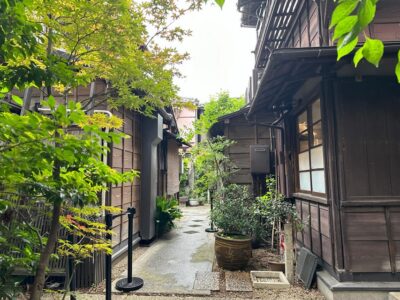
Stroll in Old traditional culture towns~Yanaka & Nezu
Read our review →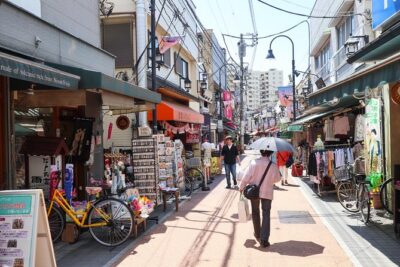
Yanaka Historical Walking Tour in Tokyo’s Old Town
Read our review →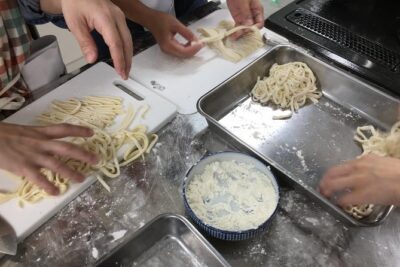
Private Home Cooking in Yanaka – Local Flavors in a Warm Setting
Read our review →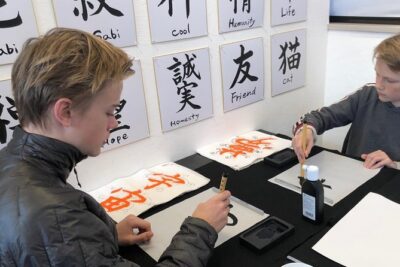
Let’s experience calligraphy in YANAKA, Taito-ku, TOKYO !!
Read our review →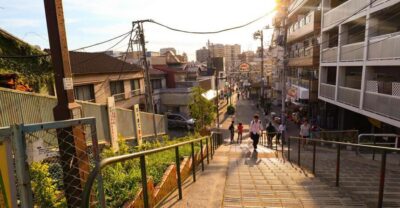
Yanaka District: Historical Walking Tour in Tokyo’s Old Town
Read our review →Browse the lists this tour appears in