
Reviewed · TOKYO SUMO EXPERIENCES
Private Ryogoku Walking Tour with Sumo Wrestler and Master Guide
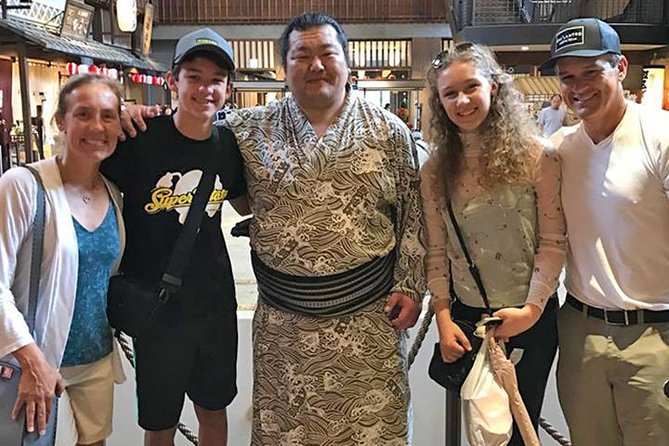
The most unusual part of this Tokyo walk is your guide: a sumo wrestler, or a recently retired wrestler if an active one is unavailable. You’ll explore Ryogoku, Japan’s sumo district, then continue to Asakusa for Senso-ji Temple, Nakamise Street, and traditional snacks.
I like the small private format, limited to five people, and the mix of wrestling, shrines, food, and old Tokyo streets. I also like that a translator joins the wrestler, so you can ask real questions instead of simply watching a short demonstration. The main drawback is price: at $402.32 per person, this is a costly two to two-and-a-half-hour walk.
Key points to know before booking
- A sumo wrestler leads the walk: Learn about training, tournaments, wrestling ranks, and the customs of the sport from someone connected to the sumo world.
- Ryogoku and Asakusa are combined: You get sumo culture in one district and Tokyo’s best-known temple quarter in the other.
- The group is genuinely small: A private booking can include no more than five people, making questions and conversation easier.
- The translator matters: The wrestler may not lead the tour in fluent English, so the translator helps carry the conversation.
- The tour starts at 1:30 p.m.: Meet at Ryogoku Station and finish back at the same meeting point.
- The wrestler may be retired: Availability can change during tournaments or for other reasons, but the guide is still described as having the same sumo knowledge.
Why Ryogoku is the right place to learn about sumo
Ryogoku is not simply a convenient district for a sumo-themed tour. It is the part of Tokyo where the sport feels woven into daily life. The neighborhood is home to the Ryogoku Kokugikan, sumo-related shops, shrines connected with wrestling, and places where the sport is discussed, practiced, and celebrated.
You begin at Ryogoku Station, at 1-chōme-3-20 Yokoami. The starting point is useful because the station itself is part of the story. From here, you can quickly move into a district shaped by sumo and old Tokyo traditions.
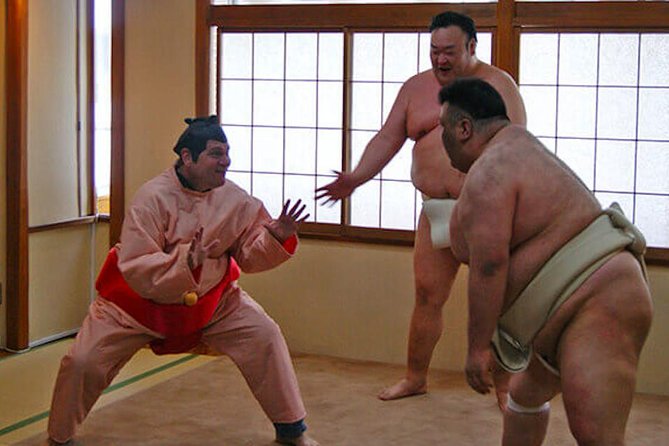
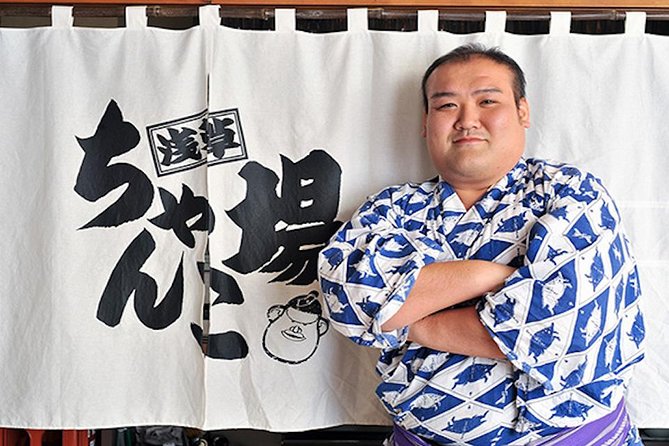
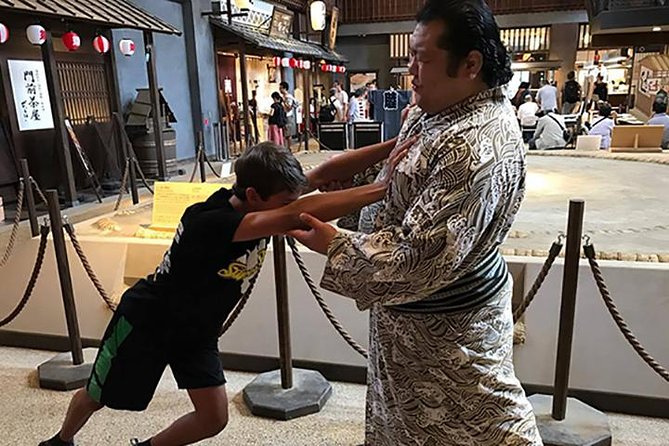
Your guide’s presence changes the tone of the walk. A normal sightseeing guide can explain when tournaments take place and how the rankings work. A wrestler can also explain what the customs mean from the inside. The translator helps turn that access into a real conversation, rather than leaving you with a few memorized facts.
The format should suit you if you are curious about the human side of sumo. You can ask about the wrestlers’ stable, training, tournament life, or the rules and rituals of the sport. The advertised program includes a look at the Kokugikan, places where wrestlers practice, and a sumo goods shop, though the exact access can depend on the day and current schedules.
More Tokyo sumo experiences:
- Tokyo: Sumo Show and Dining Experience
★ 4.8 · 2,742 reviews - the SUMO show
★ 5.0 · 1,960 reviews - Tokyo Shinjuku Sumo Show & Experience with Photo
★ 5.0 · 1,750 reviews
Ryogoku Edo Noren and the old station setting
The first planned stop is Ryogoku Edo Noren, a shopping and restaurant complex built inside the restored former Ryogoku Station building. The original 1929 façade has been kept, giving the site a nostalgic character before the tour even reaches the stadium.
You have about 30 minutes here, with admission included. This is a useful opening stop because it gives you time to get oriented, meet the guide and translator, and begin talking about the district without rushing straight into a major attraction.
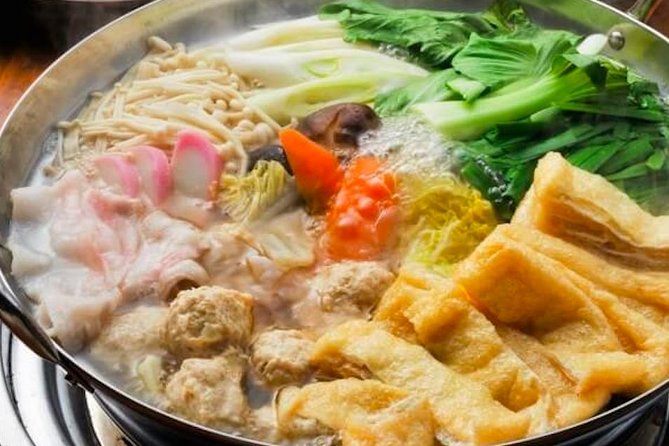
The complex is also tied to local food and sumo culture. Since food and drinks are not included, you should treat this stop as a chance to look around rather than a prepaid meal. You might find snacks or restaurants that appeal to you, but any purchases are your responsibility.
I like this start because it is more grounded than meeting beside a major landmark and immediately marching through a checklist. You see a working station area that has been given a historical frame, then move into the neighborhood with some context.
Inside the world of Ryogoku Kokugikan
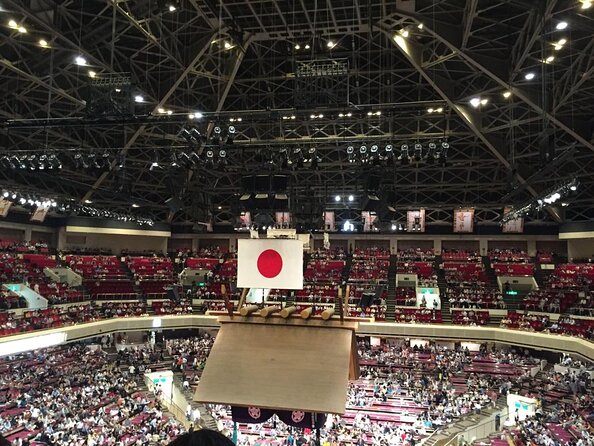
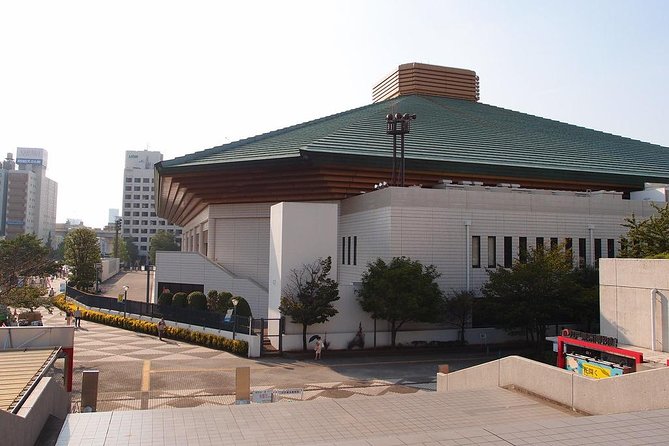
Next comes the Ryogoku Kokugikan, the district’s enormous sumo stadium. Built in 1985, it can hold more than 10,000 people and is the main place to understand the scale of Japan’s national wrestling sport.
A tournament day would give you the full roar of the place, but this walking tour does not include a tournament ticket. Instead, you see the stadium as part of the neighborhood and learn from your sumo guide about the sport’s structure and traditions.
That distinction matters. If you already dream of watching a full tournament, this walk will not replace it. The tour does, however, give you a better foundation for understanding what you see later. Sumo has its own ranks, rituals, language, and codes of conduct. A personal guide can explain those details in a way that a quick visit outside the arena cannot.
The tour information also includes a look at a wrestlers’ stable and a sumo goods shop. Access to a stable is an important point to clarify at booking, since training schedules and tournament activity can affect what is open or available. Do not assume that you will watch a full practice session unless the operator confirms it.
Nomi Sukune Shrine and the roots of sumo
The walk then goes to Nomi Sukune Shrine, a small local shrine dedicated to the figure associated with the beginning of sumo in ancient Japan. It is a quieter stop than the stadium and helps connect modern wrestling with older religious customs.
You have about 20 minutes here. That is enough time to look at the shrine and the stone statue in the garden, which is engraved with the names of Yokozuna champions. A visit by a new Yokozuna champion is also part of the shrine’s connection with the sport.
This stop will appeal to you if you like small places with a clear local purpose. It is not a grand temple complex and should not be judged by the same standard as Senso-ji. Its value comes from the specific link to sumo. The guide can explain why a champion would visit and how religious practice fits into the sport’s public identity.
The shrine also offers a pause from the stadium and shopping areas. In a short tour, that change of pace is welcome.
More Tokyo walking tours:
- Tokyo Tsukiji Fish Market Food and Culture Walking Tour
★ 5.0 · 3,184 reviews - Tokyo: Imperial Palace and Shogun Historical Walking Tour
★ 5.0 · 2,251 reviews - Tokyo: Shinjuku Local Bar and Izakaya Guided Walking Tour
★ 4.9 · 1,794 reviews - Tokyo: Tsukiji Fish Market Food and Walking tour
★ 5.0 · 1,724 reviews
A possible Hokusai museum addition
The planned route includes a note about the Hokusai museum for people who like his work. The information does not give a separate visit length or confirm that a museum admission is included, so you should ask the guide how this fits into the day.
This could be a useful addition if you already care about Katsushika Hokusai and want another cultural layer in Ryogoku. It may be less important if your main goal is sumo and Asakusa, since the tour already covers several stops within a limited period.
The key point is to view it as a possible interest-based stop, not as the central promise of the tour.
Crossing into Asakusa for Senso-ji and Nakamise Street
The second half moves to Asakusa, one of the most recognizable old quarters in Tokyo. The main stop is Senso-ji, the famous Buddhist temple, followed by Nakamise Street, the approach lined with shops and snack stands.
This part broadens the tour beyond sumo. You move from a sport with strict traditions to a temple district where visitors can see devotional customs, buy souvenirs, and sample Japanese sweets and snacks. Food is not included, but the guide can help you understand what you are looking at and point out the kinds of treats sold along the street.
Nakamise is a good place to use your eyes and appetite. You might find packaged sweets, small gifts, and traditional foods that are easy to carry. Since the walk is private, you can ask for help identifying unfamiliar items instead of simply guessing from a sign.
Senso-ji can be busy, and the tour does not promise a quiet temple visit. Still, the sumo guide and translator give you a different lens on the area. The contrast between Ryogoku and Asakusa is the point: one district is devoted to wrestling culture, while the other presents temple traditions and historic shopping streets.
The timing also works in your favor. A 1:30 p.m. start lets you spend the morning elsewhere in Tokyo before joining the walk. Just remember that the tour is listed at about two to two and a half hours, so your time at each Asakusa stop may be fairly focused.
How much personal attention do you get?
This is a private activity, with a maximum of five people per booking. That is one of its strongest features.
You are not joining a large crowd with a guide speaking into a microphone. The small group makes it easier to ask about a wrestler’s daily life, tournament customs, or the meaning of a shrine ritual. If your group has children aged 10 or older, they can take part, and the subject usually has enough spectacle to keep younger participants interested.
The translator is included, as is the sumo wrestler. The two-guide arrangement is useful because it joins language support with firsthand experience. You should expect conversation rather than a formal lecture, though the quality of the exchange will depend on the translator, the wrestler’s communication style, and the questions you bring.
The tour is described as suitable for most people and is near public transportation. It is still a walking tour, so wear shoes you can use comfortably for several hours and plan for ordinary city walking between stops.
Is $402.32 per person a fair price?
At $402.32 per person, this is expensive for a tour lasting roughly two to two and a half hours. The cost becomes easier to defend if you are booking for a small private group and place a high value on direct conversation with a sumo wrestler.
You are paying for several things at once: a private guide, a translator, a specialist host, a carefully chosen route, and the chance to ask questions in a small setting. You are not paying for food, drinks, transport to or from the meeting point, or a sumo tournament ticket.
For two people, the price can feel steep, especially if you mainly want to see the stadium exterior and walk through Asakusa. One person who enjoyed the tour still considered the cost the main reason not to give it the highest rating. That is a fair warning.
The value improves if you are passionate about sumo, want an intimate tour, or have limited time in Tokyo and prefer one organized visit that links two major districts. It is harder to justify if your budget is tight or if you are comfortable learning about sumo from a museum, tournament guide, or standard group tour.
Group discounts are available, but the maximum remains five people. Check the final price for your party rather than assuming that a larger group will make the cost low.
Timing, meeting point, and booking cautions
The tour begins at 1:30 p.m. at Ryogoku Station and ends back at the meeting point. Transportation to and from the station is not included, so you need to arrange your own route to Ryogoku.
Confirmation is sent within 48 hours of booking, subject to availability. Since the activity is non-refundable and cannot be changed after booking, check your schedule carefully before paying. Illness or a change of plans may not qualify for a refund.
The sumo guide is not guaranteed to be an active wrestler. During tournaments or for other reasons, a just-retired wrestler may lead instead. This is important to know if meeting a currently competing wrestler is your main reason for booking, but it does not remove the specialist value of the tour.
Because the tour is private, it may be possible to shape some of the conversation around your interests. The fixed time still means that the route must cover several stops efficiently.
Who should book this Ryogoku and Asakusa walk?
I would choose this tour for a first-time Tokyo visitor who wants a personal introduction to sumo and does not want to spend a full day at a tournament. It also suits couples, families with children aged 10 and up, and small groups who enjoy asking questions.
It is especially useful if you have already planned to visit Asakusa. You can combine the temple and shopping streets with a less familiar side of Tokyo, then come away with a better understanding of the sport you see on television or at a tournament.
I would think twice if you expect extensive access inside a wrestlers’ stable, a full training session, or a stadium admission. Those details can be affected by schedules, and the included experience is primarily a guided walking tour.
I would also compare the cost with your interests. If sumo is a major priority, the personal guide and translator may make the price worthwhile. If you mainly want Senso-ji, you can visit that area on your own and spend far less.
Should you book it?
Book this tour if you want direct contact with sumo culture, a private setting, and a compact route through Ryogoku and Asakusa. The strongest reason to go is the chance to learn from a wrestler, with a translator helping you ask meaningful questions.
Skip it if $402.32 feels too high for a short walk, or if your priority is attending a live tournament rather than discussing the sport. For the right guest, this is not just a sightseeing loop. It is a focused introduction to the people, places, and customs behind sumo, with Senso-ji and Nakamise Street added for a broader taste of old Tokyo.
FAQ
How long does the tour last?
The tour is described as lasting about two to two and a half hours. The listed start time is 1:30 p.m.
Where does the tour begin and end?
It begins at Ryogoku Station, located at 1-chōme-3-20 Yokoami, Sumida City, Tokyo. The activity ends back at the meeting point.
Is the tour private?
Yes. Only your group participates, and each booking can include a maximum of five people.
Will the guide definitely be an active sumo wrestler?
Not always. If an active wrestler is unavailable because of a tournament or another reason, a just-retired sumo wrestler may lead the tour instead.
Are food, drinks, and transportation included?
No. Food and drinks are not included, and you must arrange your own transportation to and from the meeting point.
What is the cancellation policy?
The experience is non-refundable and cannot be changed for any reason. If you cancel or request an amendment, the amount paid will not be refunded.
Newly reviewed around Tokyo
- Tokyo Asakusa:Calligraphy & Make T-shirt Activity★ 5.0 · 62 reviews
- Intercity Shuttle, Tokyo to Haneda /Narita /Yokohama /Makuhari★ 5.0 · 5 reviews
- 1 Hour Travel around Tokyo with a Professional Photographer★ 5.0 · 3 reviews
- Travel Tokyo with Your Own Personal Photographer★ 5.0 · 43 reviews
- Kickboxing & Body Training with EX-Pro Fighter★ 5.0 · 4 reviews
- Train in Samurai Swordsmanship and Defeat the Demon in Tokyo★ 5.0 · 5 reviews
- Shuttle Van 6hr Tokyo Tour to-and-from Tokyo, Yokohama and Narita★ 5.0 · 9 reviews
- Traditional Japanese Knife Sharpening Class★ 5.0 · 18 reviews
Tokyo Sumo Experiences, compared.
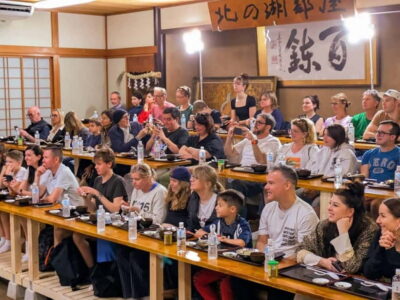
Tokyo Shinjuku Sumo Show & Experience with Photo
Read our review →
Luxury Sumo Show Experience & Japanese cuisine & Drink
Read our review →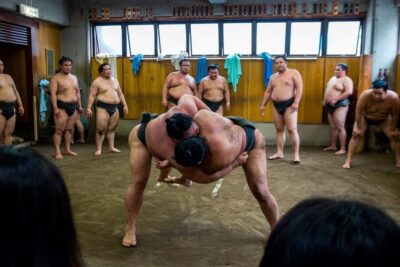
Tokyo Sumo Experience: Chanko & Mochi with a Former Pro
Read our review →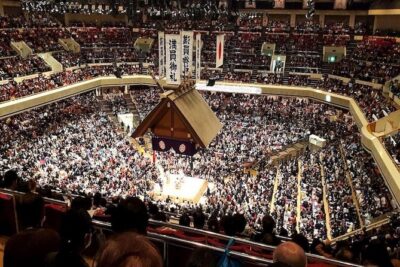
Ultimate Sumo Tournament: Tokyo, Osaka, Nagoya, Fukuoka
Read our review →Browse the lists this tour appears in