
Reviewed · MUSEUMS
Tokyo War History Tour: Yasukuni Shrine & War Museum
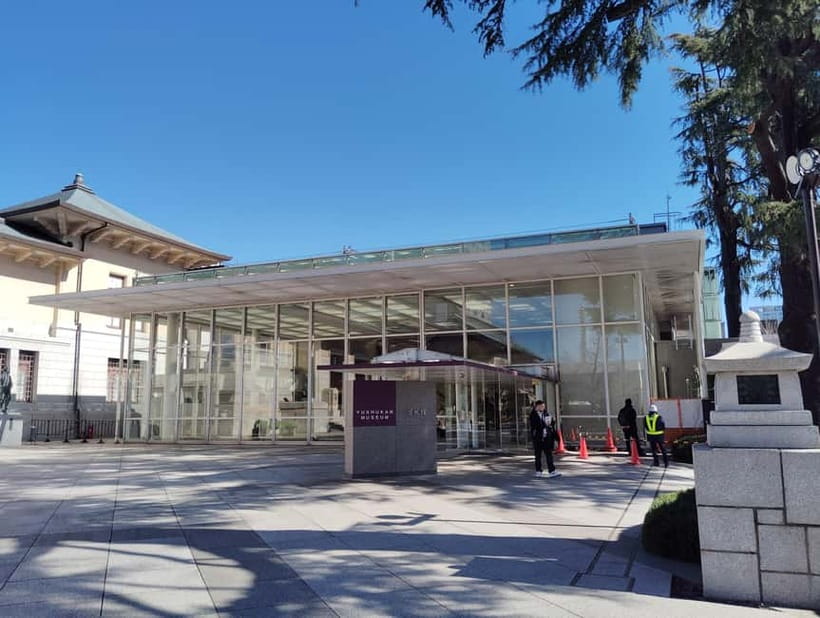
Yasukuni Shrine is not simply another Tokyo shrine. It is a place of worship, mourning, politics, and national memory, all at once. Inside the nearby Yushukan Museum, you will encounter Japan’s military story through its own distinctive lens, then discuss what that presentation leaves in view and what it leaves out.
I like the private format, since you can ask direct questions about sensitive subjects without being lost in a large group. I also like the chance to compare Yasukuni with Chidorigafuchi National Cemetery, a secular memorial that honors unidentified war dead.
The main drawback is the subject itself. This is serious material, and the museum presents a viewpoint that some visitors may find one-sided or uncomfortable. A guide helps put it into context, but you should arrive ready to think critically rather than simply sightsee.
Key points before you book
- Yasukuni Shrine began in 1869: It commemorates people who died in conflicts from the Meiji Restoration through the Asia-Pacific War.
- The Yushukan uses its own historical frame: Expect military objects, photographs, and documents presented through a distinctly Japanese account of war.
- The extended route adds Chidorigafuchi: This gives you a useful comparison between religious enshrinement and secular state commemoration.
- Tatsuo has earned especially warm praise: His explanations cover Japan from early periods to the present and include surprising details about everyday customs.
- The tour is private and English-language: You get a licensed guide for roughly two and a half to three and a half hours.
- Moderate walking is involved: Wear comfortable shoes, bring water and sun protection, and follow the museum’s photography rules.
Why Yasukuni matters beyond a normal shrine visit
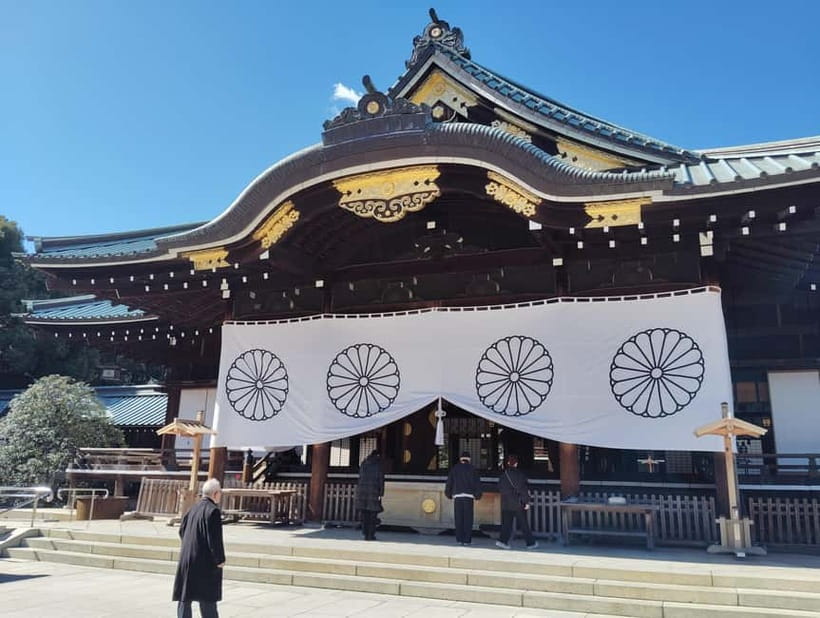
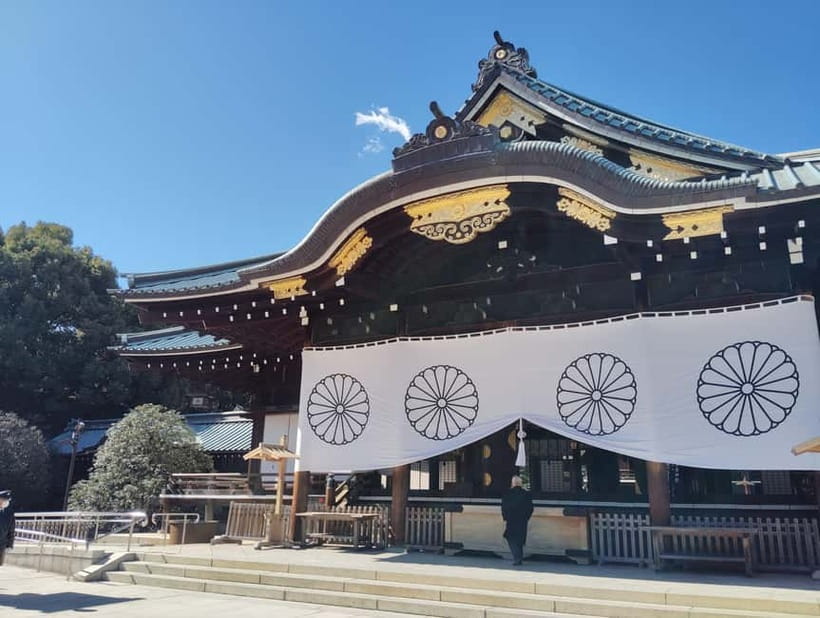
Yasukuni was founded in 1869, during the period when Japan was moving from a feudal political order toward a modern nation-state. Its purpose was to honor those who died in conflicts connected to that transformation and later wars.
That gives the shrine a different role from the ordinary neighborhood shrine you might visit for a festival or a blessing. Yasukuni enshrines the spirits of war dead, and many Japanese families come with personal feelings of grief and remembrance. At the same time, the shrine is tied to imperial-era nationalism and remains a subject of international debate.
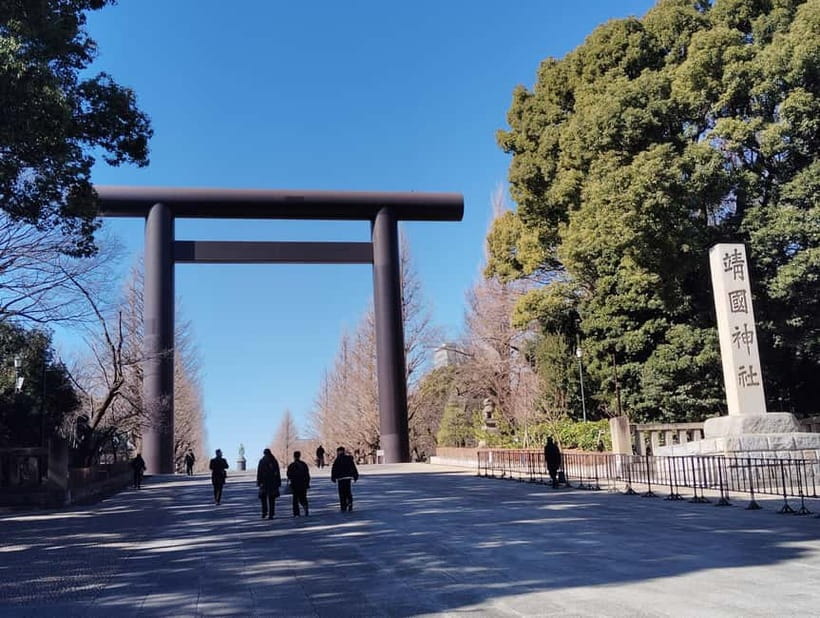
Your guide begins at the large torii gate and uses the walk through the grounds to explain this setting. You learn how samurai ideals, imperial thought, modernization, and military development came together. The physical route matters here. You are not receiving the subject only inside a classroom or museum. You are walking through a religious site designed around memory.
You will also take part in standard shrine etiquette. That gives you a practical sense of how ritual connects the living with the dead. The gestures are simple, but the explanation behind them is more important than the ritual itself. This is a chance to ask what it means to treat war dead as sacred figures, and how that differs from a civic memorial.
More Tokyo museums and galleries:
- Tokyo: teamLab Planets TOKYO Digital Art Museum Entry Ticket
★ 4.6 · 9,779 reviews - Tokyo: Samurai Ninja Museum Guided tour and Experience
★ 4.6 · 1,010 reviews - Ninja Experience (Family Friendly) at Samurai Ninja Museum TOKYO
★ 5.0 · 441 reviews
Walking the shrine grounds with a private guide
The private format is particularly useful at Yasukuni. The site can look calm and orderly, but its meaning is not simple. You may understand the basic facts from a guidebook, yet still miss why the shrine remains so sensitive in Japan and abroad.
A one-to-one or small-group conversation lets you stop and ask about terms, historical periods, and distinctions that would be rushed on a standard group outing. The guide can also explain how the shrine relates to Japan’s changing identity, from the Meiji period through the postwar years.
The shrine visit lasts about 40 minutes. That is enough time for an introduction, a guided walk, and a look at the site’s religious character without using all your energy before the museum. It is also short enough that the main weight of the experience remains indoors, where the larger historical story is presented.
Remember that this is not a tour designed to tell you that one interpretation is correct. The aim is to explain why the site matters and help you separate personal mourning, religious practice, government policy, and political symbolism.
What to expect inside the 110-minute Yushukan Museum
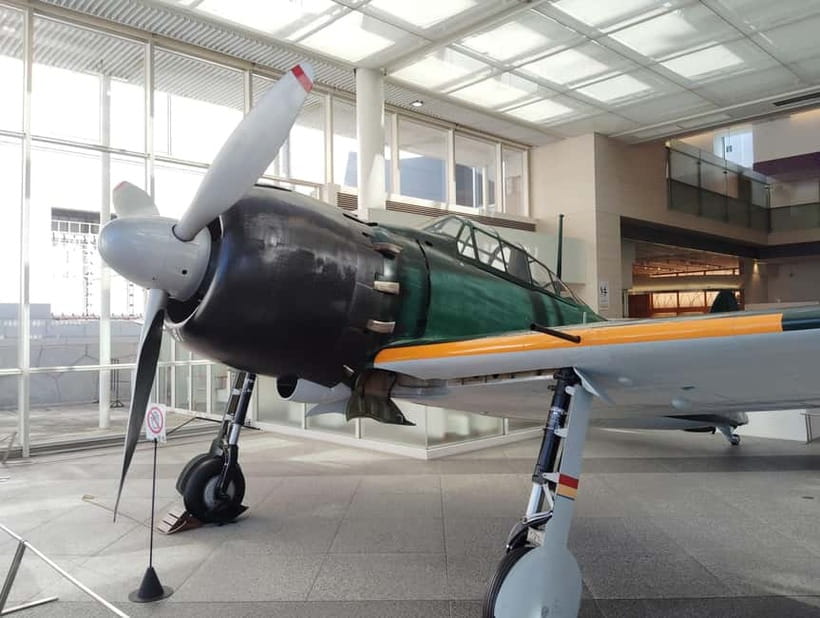
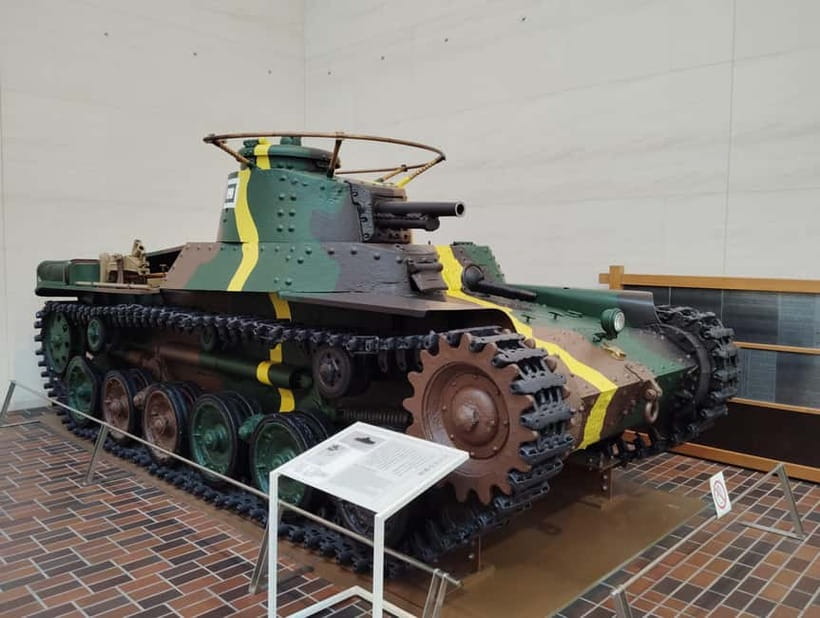
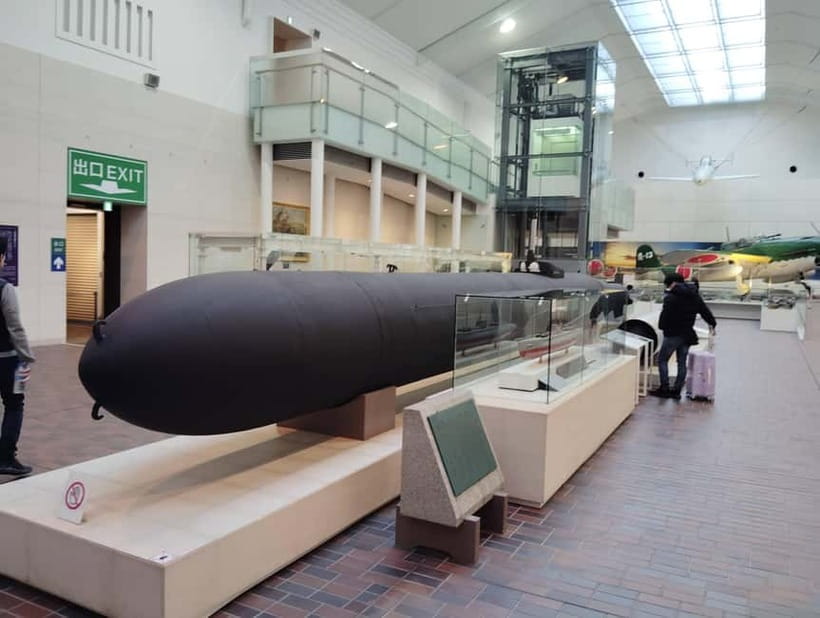
The Yushukan is the central part of the experience, with about 110 minutes set aside for the visit and guided discussion. Its exhibitions trace Japan’s military development from the late Tokugawa period through World War II.
You may encounter unique artifacts, photographs, and documents. The displays cover the Pacific War and the conflict often called the Greater East Asia War in Japan. The terminology is not a small detail. Words shape how a country describes its own actions, motives, sacrifices, and losses.
The museum presents a distinct narrative. That does not make the visit useless. In fact, it makes the visit more valuable if you want to understand how national memory is formed. You can examine what the museum emphasizes, how it frames Japanese military action, and how the guide places those choices beside wider historical scholarship.
The guide’s role is crucial here. Instead of leaving you alone with the exhibits, the tour gives you a way to ask what is being shown and what context may be missing. You are encouraged to compare accounts rather than accept the museum’s presentation without question.
One especially praised guide is Tatsuo, whose explanations range from early Japanese history to modern society. A detail from his tours concerns everyday customs, such as why people traditionally walk on one side of a pavement or wait on one side of an escalator. The point is not just the custom itself. It shows how a good guide can connect military and political history with ordinary life.
The museum requires patience. You may find the material emotionally heavy, and you will spend a long period walking and standing indoors. Flash photography is not allowed, and photography may be restricted in certain areas. Follow the instructions rather than treating the museum like a place for casual picture-taking.
The extended route to Chidorigafuchi National Cemetery
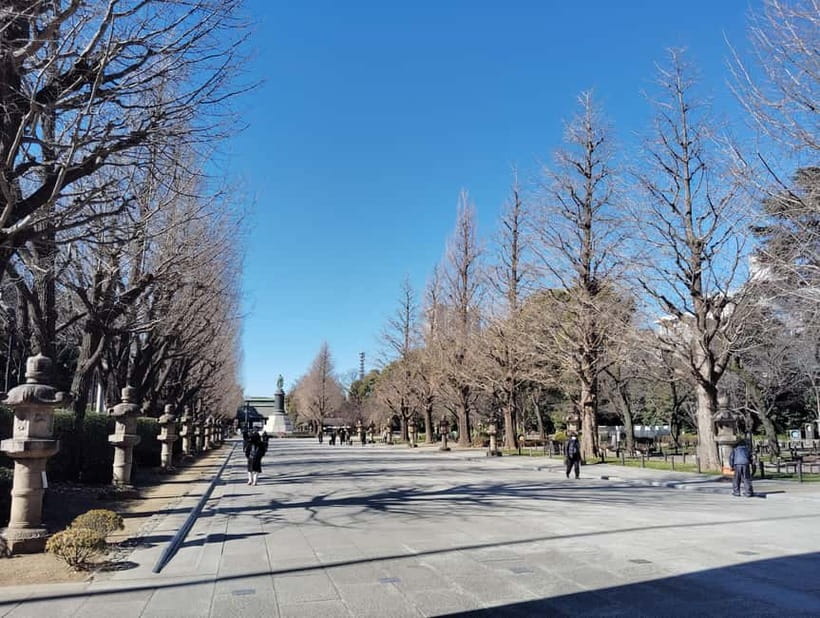
If you choose the extended option, the tour continues to Chidorigafuchi National Cemetery. The visit adds about one hour and brings the total experience to roughly 210 minutes.
Chidorigafuchi was established in 1959 as a secular, state-administered memorial for unidentified war dead repatriated from overseas battlefields. Its purpose and tone differ from Yasukuni’s religious enshrinement.
That contrast is one of the strongest reasons to choose the longer route. At Yasukuni, the dead are commemorated through Shinto practice and a shrine structure. At Chidorigafuchi, remembrance is organized through a national cemetery and public administration. You can consider how religion, the state, and families each shape the way a country remembers those lost in war.
The extended visit also gives the tour a clearer postwar focus. You are not only studying how wartime memory was created. You are looking at how Japan continued to handle that memory after defeat, occupation, and the rebuilding of its modern society.
The cemetery is not an optional add-on I would dismiss if you have the time. It provides the comparison that makes the whole outing more balanced. If your schedule allows only the shorter version, the shrine and museum still form a serious visit. If you want to understand competing forms of remembrance, choose the extension.
More history and heritage tours in Tokyo:
- Tokyo: Imperial Palace and Shogun Historical Walking Tour
★ 5.0 · 2,251 reviews - Tokyo: Imperial Palace Japanese History Walking Tour
★ 4.9 · 987 reviews - Tokyo: Shinjuku Historical Walking Tour & Secret Backstreets
★ 5.0 · 530 reviews - Yanaka Walking Tour: Historic and Traditional District of Tokyo
★ 5.0 · 530 reviews
How the $87 price works for this experience
At $87 per person, this is not a low-cost museum stop. The value comes from the private guide, the licensed English commentary, the museum admission, and the time spent explaining a difficult subject.
You are paying for interpretation rather than transport or meals. Food and drinks are not included, and you must make your own way to the meeting point. The tour also does not function as a general Tokyo sightseeing outing. You will not cover several unrelated attractions in one morning.
For someone with a serious interest in modern Japanese history, international relations, military studies, or memory, the price is easier to justify. The guide can respond to your questions, and the private setting lets you spend more time on the topics that matter to your group.
For a first-time Tokyo visitor with only a short schedule, the calculation is different. You should not book this expecting a light cultural stop between shopping districts. The experience asks for attention and a willingness to consider uncomfortable material.
The free cancellation policy, with a full refund available up to 24 hours before the start, gives you some flexibility. You can also reserve now and pay later, which helps if your Tokyo plans are still changing.
Timing, meeting points, and practical preparation
The tour has two possible starting location options listed at Yasukuni Shrine’s First Torii, also called the Great Torii. Check the exact option you book, since the meeting point may vary.
Drop-off can be at Chidorigafuchi National Cemetery or the Yushukan, depending on the route. This matters when planning your next stop. You are not necessarily returned to your original meeting point, so leave room for onward travel.
The shorter version lasts about 150 minutes and covers Yasukuni Shrine and the Yushukan Museum. The extended version lasts about 210 minutes and adds Chidorigafuchi. Starting times depend on availability.
Wear comfortable shoes. The tour involves outdoor walking, movement through the shrine grounds, and considerable time inside the museum. A hat, sunscreen, and water are sensible, especially during warm weather. Bring a camera if you want one, but do not use flash and expect some restricted areas.
Smoking is not allowed. The subject includes war, death, nationalism, and historical disagreement, so this is not the best choice if you want a purely cheerful or casual afternoon.
Who will get the most from this tour
I would recommend this tour to anyone who wants more than dates and famous names. It suits students of modern Japan, researchers, military-history readers, and people interested in how nations remember difficult periods.
It also works for culturally curious visitors who want to understand why a religious site can become part of an international political argument. You do not need specialist training, but you should be ready to listen closely and ask thoughtful questions.
The private format is useful for couples, families with older children, or small groups with a shared interest. Since the guide speaks English, you can discuss fine points without relying only on translated labels.
I would be more cautious about booking it for young children or anyone who wants a relaxed shrine walk. The museum’s subject matter is serious, and the visit takes up to three and a half hours with the extension.
Should you book the Yasukuni and Yushukan tour?
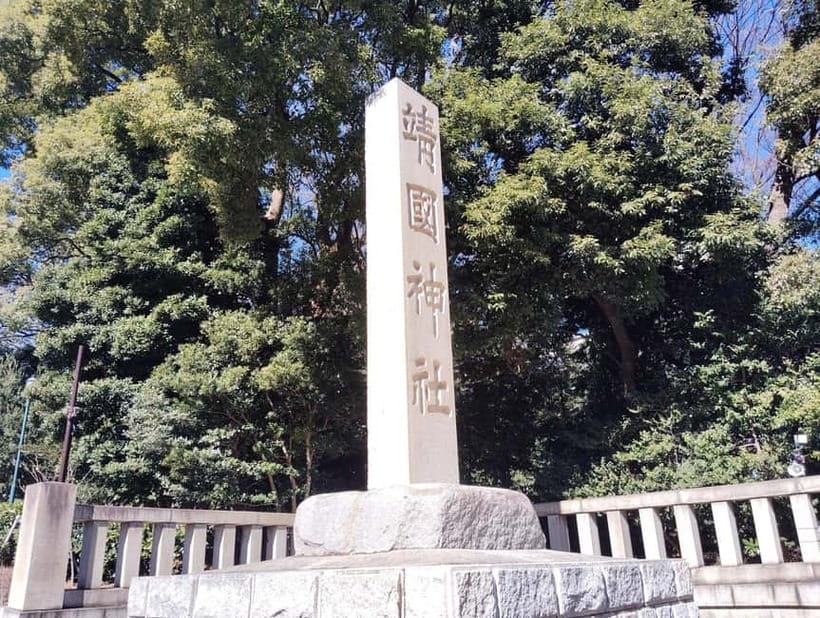
Book it if you want to examine Japan’s modern conflicts through a place where religion, grief, military history, and national identity meet. The guide’s context is important, especially because the Yushukan presents a distinctive account of Japan’s past.
Choose the extended route if you can spare the extra hour. Chidorigafuchi gives you the clearest comparison and prevents the experience from resting only on Yasukuni’s religious and institutional viewpoint.
Skip it if you are looking for a quick, easygoing introduction to Tokyo. But if you want a serious, private conversation about how war is remembered, this $87 experience offers useful access and structure. Go with an open mind, comfortable shoes, and enough time to think about what you have seen.
FAQ
How long does the Tokyo War History Tour last?
The tour lasts between 150 and 210 minutes. The longer option includes the visit to Chidorigafuchi National Cemetery.
What places are included?
The tour includes Yasukuni Shrine and the Yushukan War Museum. The extended option also includes Chidorigafuchi National Cemetery.
Is the tour private?
Yes. Only your group participates in the private tour.
Is the guide English-speaking?
Yes. The tour includes a licensed, live English-speaking guide.
Is the Yushukan admission fee included?
Yes. Admission to the Yushukan War Museum is included.
What is the price?
The listed price is $87 per person.
Does the tour include transportation to the meeting point?
No. Transportation to and from the meeting point is not included.
What should I bring?
Bring comfortable shoes, a hat, a camera, sunscreen, and water.
Is photography allowed?
Flash photography is not allowed. Photography may also be restricted in certain areas of the museum.
Can I cancel for a full refund?
Yes. You can cancel up to 24 hours in advance for a full refund.
Newly reviewed around Tokyo
- Tokyo Asakusa:Calligraphy & Make T-shirt Activity★ 5.0 · 62 reviews
- Intercity Shuttle, Tokyo to Haneda /Narita /Yokohama /Makuhari★ 5.0 · 5 reviews
- 1 Hour Travel around Tokyo with a Professional Photographer★ 5.0 · 3 reviews
- Travel Tokyo with Your Own Personal Photographer★ 5.0 · 43 reviews
- Train in Samurai Swordsmanship and Defeat the Demon in Tokyo★ 5.0 · 5 reviews
- Shuttle Van 6hr Tokyo Tour to-and-from Tokyo, Yokohama and Narita★ 5.0 · 9 reviews
- Kickboxing & Body Training with EX-Pro Fighter★ 5.0 · 4 reviews
- Traditional Japanese Knife Sharpening Class★ 5.0 · 18 reviews
Museums, compared.
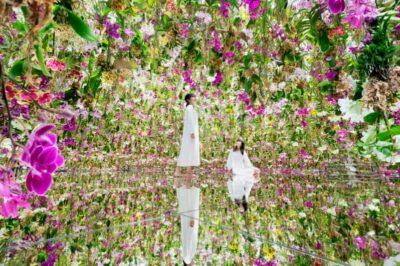
teamLab Planets TOKYO Digital Art Museum Entry Ticket
Read our review →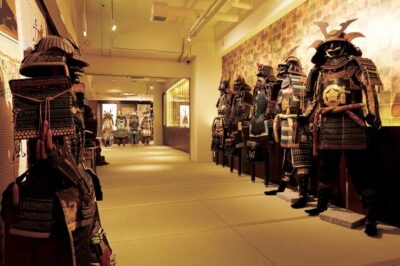
Samurai Ninja Museum Guided tour and Experience
Read our review →
Ninja Experience (Family Friendly) at Samurai Ninja Museum TOKYO
Read our review →
Tokyo Studio Ghibli Museum and Ghibli Film Appreciation Tour
Read our review →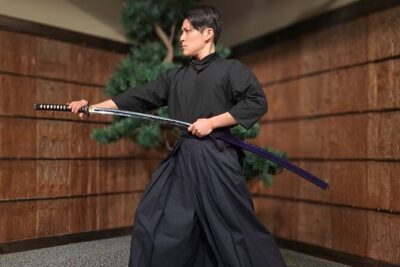
Tokyo Sword Experience – includes Museum Ticket/Ninja Experience
Read our review →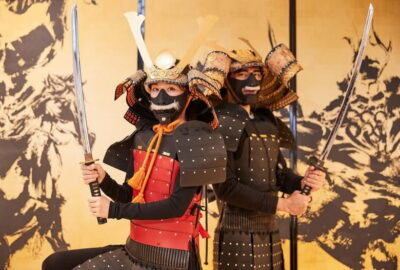
Samurai Ninja Museum Asakusa: Samurai Sword Lesson & Tour
Read our review →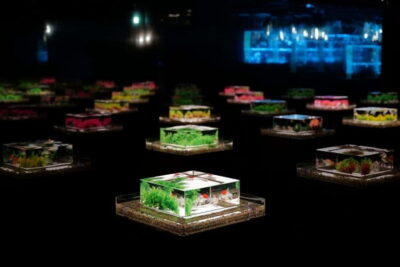
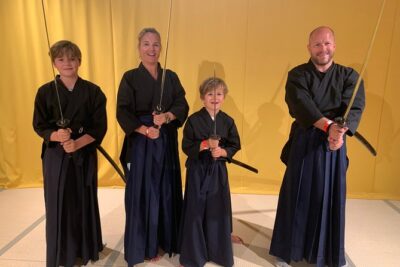
Samurai Sword Experience (Family Friendly)at SAMURAI MUSEUM TOKYO
Read our review →Browse the lists this tour appears in