
Reviewed · TSUKIJI AND TOYOSU FISH MARKET TOURS
Tokyo Toyosu Tuna Auction + Breakfast (Sushi Dai or Bentomi)
Toyosu’s tuna auction is Tokyo at its most focused: before sunrise, buyers inspect bluefin tuna, auctioneers call out prices, and hand signals settle deals worth serious money. With guide Rabia or Ami explaining the action, you get more than a distant look at fish behind glass. The market floor access and the katsuobushi shaving lesson are the tour’s best touches.
I especially like the choice between the close ground-level deck and the standard third-floor gallery. I also like the practical breakfast arrangement, since a reservation at Sushi Dai or Bentomi can spare you a long wait after the auction. The main catch is important: breakfast is not included in the $141 price, and the early start demands careful planning.
Key points to know before booking
- The auction begins at 5:25 AM: Plan your route the night before, especially for the VIP option, which may require a taxi or a walk before public transport starts.
- The ground-level deck is tiny: It holds a maximum of four people and should be requested well ahead of time through @yummyguidejapan.
- The third-floor gallery is easier: You get a broad view of the auction hall and a clear explanation of the calls and hand signals.
- Katsuobushi is more than a tasting: You shave bonito flakes yourself, then compare them with the rarer maguro-bushi made from tuna.
- Sushi Dai and Bentomi cost extra: The tour secures the reservation, but you pay the restaurant directly for your meal.
- The guide adds real value: Rabia and Ami explain the auction, connect you with market professionals, and help make Toyosu understandable.
Why Toyosu’s tuna auction is worth the early alarm
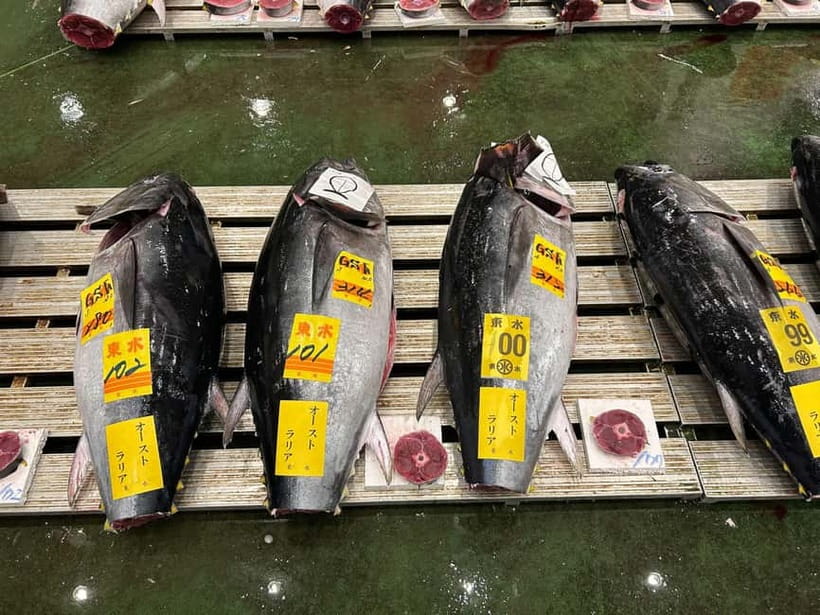
Toyosu is not a staged cultural show. It is a working seafood market, and the tuna auction is one part of a large system that moves fish from inspection to wholesale sale and, eventually, to Tokyo’s sushi counters.
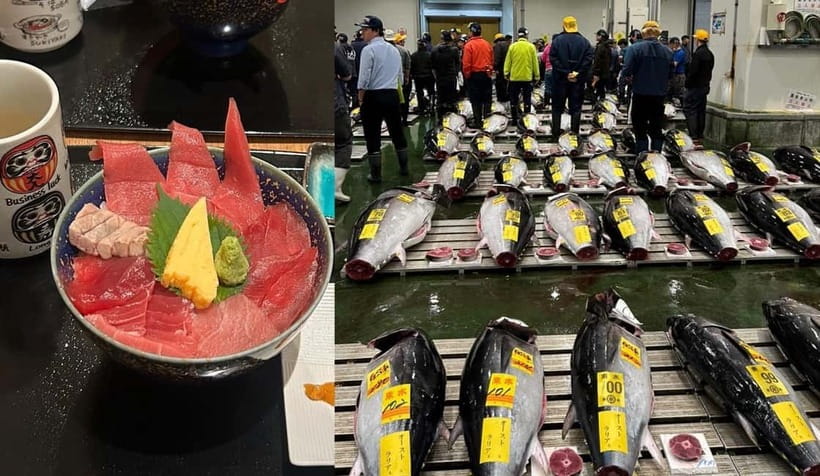
The auction is called maguro no seri. Buyers look over the fish, assess quality, and compete through quick bids and hand signals. From the gallery, you can watch the rhythm of the sale while your guide explains what is happening. You may see both fresh and frozen tuna, and on some mornings the more sought-after fresh tuna auction may be taking place.
That context matters. Without help, the auction can look like a line of buyers waving at one another in a large hall. With an English-speaking guide, you can understand why the fish is being inspected, how buyers signal, and how the sale fits into Japan’s seafood trade.
The experience lasts 150 minutes, so this is not a full-day market excursion. That is a good thing for many people. You see the central event, learn a few useful food traditions, eat afterward, and still have most of the day ahead of you.
More Tsukiji and Toyosu fish market tours:
- Tokyo Tsukiji Fish Market Food and Culture Walking Tour
★ 5.0 · 3,184 reviews - Tokyo: Tsukiji Fish Market Food and Walking tour
★ 5.0 · 1,724 reviews - Tokyo: Tsukiji Fish Market Guided Walking Tour
★ 4.9 · 1,397 reviews
Meeting at Toyosu before sunrise
The stated meeting point is PR Square inside Toyosu Market, though the exact meeting point may vary by option. Give yourself extra time. One past participant found the signs unclear, so do not assume the market will guide you directly to the right place.
The tour starts at 5:25 AM. That is early even by Tokyo standards, and it is worth checking your route before bed rather than trying to solve it half-awake. The VIP ground-level option is especially demanding because you may need to arrive before public transportation is operating. A taxi or a walk may be necessary.
Wear comfortable shoes and clothes. Toyosu is a working market, not a polished museum, and you will get more from the morning if you are ready to move around and stand. Bring your camera, but follow the guide’s directions about where and when to take photos.
The group can be private, which is useful if you want more time for questions or are traveling with family and friends. The standard gallery is an open group option. The close deck is limited to four people, so it is not the normal choice for a large party.
Choosing between the ground deck and third-floor gallery
The ground-level deck is the special option. It places you only a few meters from the action and gives you a much more personal sense of the buyers at work. The proximity also makes it easier to appreciate the speed and concentration of the auction.
This option is not guaranteed as a casual add-on. It is limited to four people, and the operator recommends making contact through Instagram, @yummyguidejapan, about two months ahead. If you want this view, ask before booking and confirm exactly what is available for your date.
The close deck also comes with a practical warning: you may have to arrive before public transportation starts. The extra planning is worth considering against your interest in the auction itself. If you are a serious seafood fan or want access that most independent visitors cannot arrange, it is the stronger choice.
The third-floor gallery is more straightforward. From above, you can see the full auction hall and follow the action across a wider area. The view is less intimate, but it is comfortable, accessible for people who can use stairs or market facilities, and well suited to a first visit.
I would choose the gallery if you mainly want to understand how the auction works. You can hear the auctioneers’ calls, watch the hand signals, and let the guide fill in the missing pieces. I would choose the ground deck if getting physically close to the market action is the main reason you are booking.
The guide turns hand signals into a story
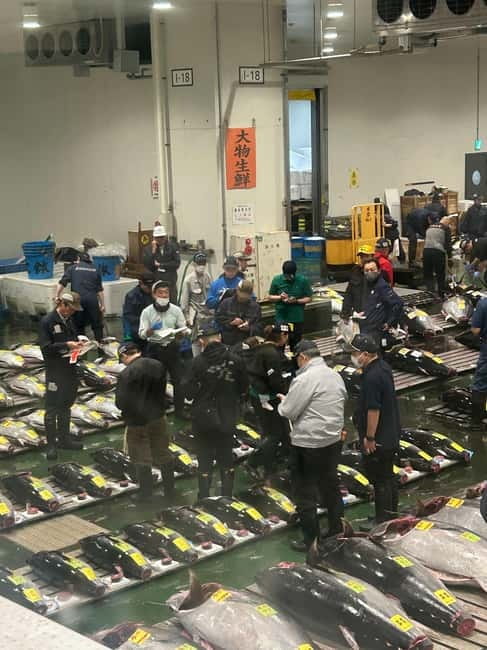
A short lesson on te-jirushi, the tuna buyers’ hand signals, helps you read the auction. You will not become a professional buyer in a few minutes, but you will know what to watch for instead of seeing only a blur of movement.
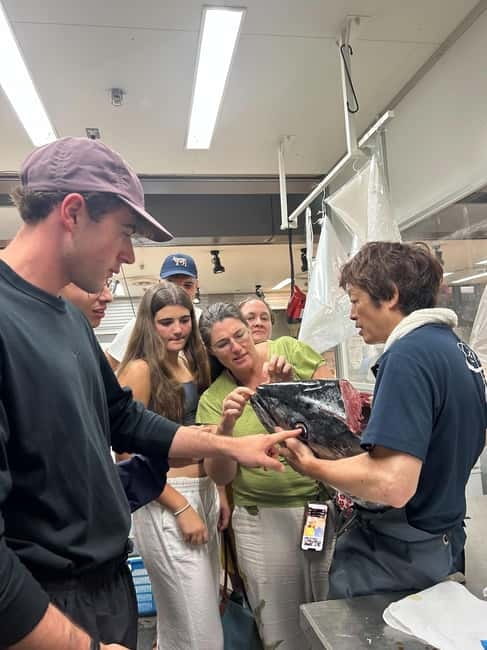
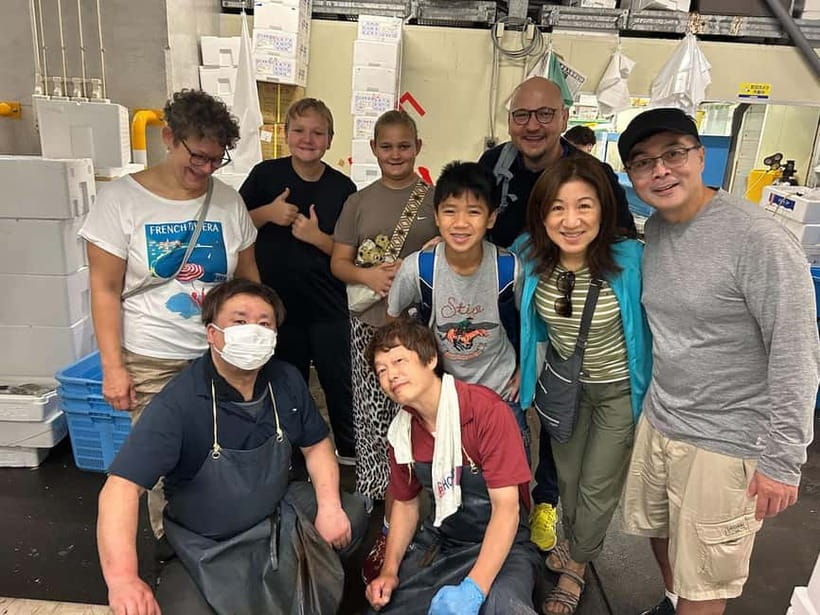
Rabia has received especially strong praise for her warmth, market connections, and ability to explain the tuna trade. She has helped participants speak with wholesalers and see tuna being prepared for sale. Ami has also guided the experience and is credited with clearly explaining the auction and handling the Sushi Dai reservation.
The difference between a standard viewing and this tour is the human connection. The auction itself is compelling, but a conversation with a wholesaler can make the market feel less abstract. When available, the visit to a dealer or wholesale area may include watching a tuna being cut and tasting sashimi.
That portion depends on market access and the morning’s arrangements, so I would not treat it as an absolute guarantee of every booking. Still, it is one of the tour’s most useful features when it happens. You see the product in its working context rather than only from an observation platform.
A completely different kind of day in Tokyo:
- Mt Fuji and Hakone 1-Day Bus Tour Return by Bullet Train
★ 5.0 · 26,383 reviews - 1-Day Tokyo Bus Tour
★ 5.0 · 14,250 reviews - Tokyo: teamLab Planets TOKYO Digital Art Museum Entry Ticket
★ 4.6 · 9,779 reviews - Mt Fuji & Hakone Cruise, Drum Show Bullet Train 1 Day from Tokyo
★ 4.0 · 7,413 reviews
Shaving katsuobushi and tasting maguro-bushi
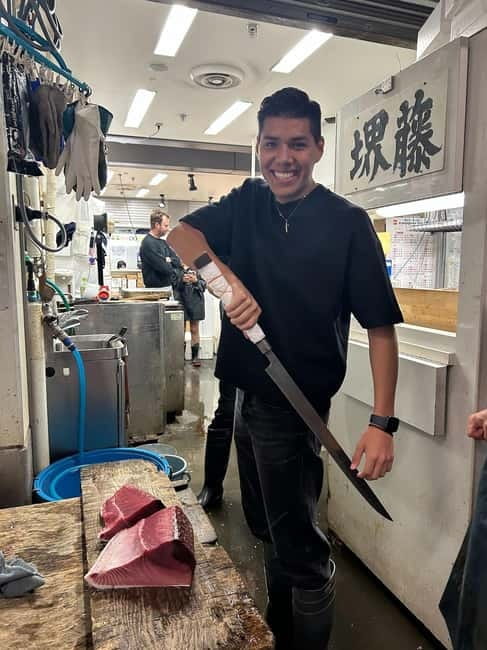
After the auction, the tour adds a small hands-on food lesson. You try shaving real katsuobushi, the dried bonito used in Japanese cooking, and taste the flakes. The activity gives you a direct feel for a basic Japanese ingredient that is often invisible once it becomes stock or seasoning.
The comparison with maguro-bushi is the unusual part. This rarer product is made from tuna, allowing you to compare its flavor with ordinary bonito flakes. It is a compact lesson, but a worthwhile one because it connects the market’s tuna trade with the everyday foundations of Japanese food.
You also receive a special miso soup cup as a souvenir, and there is an opportunity for a photo with Okami-san using your own phone or camera. These touches are modest, but they make the morning feel like more than a viewing appointment.
The food portion is also where the tour shows some personality. You are not simply told that Japanese cuisine values quality ingredients. You handle one, taste another, and learn why the raw material matters.
Sushi Dai or Bentomi: two very different breakfasts
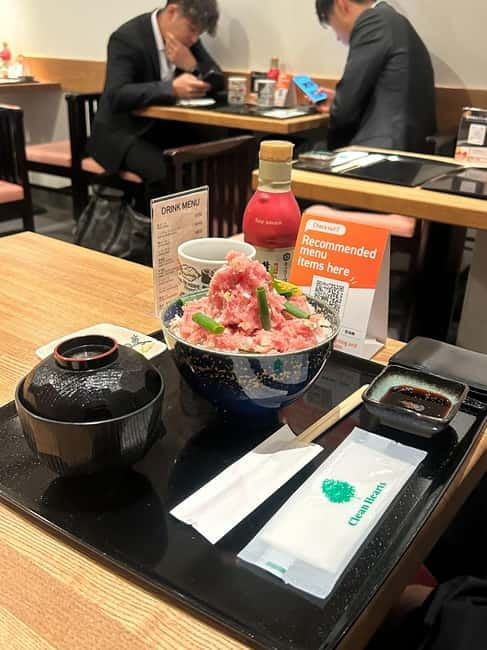
The breakfast choice shapes the final part of the experience.
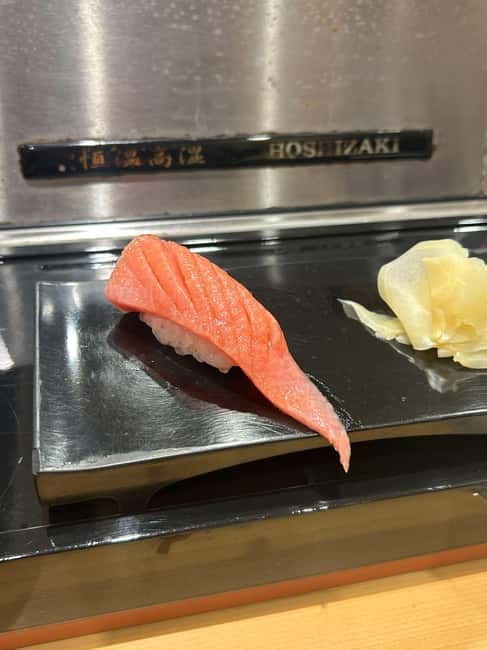
Bentomi is a long-established favorite among seafood professionals. The focus is on fresh market ingredients, including tuna bowls and other seafood dishes. If you prefer a substantial kaisendon meal and want to eat in a place tied closely to the market trade, Bentomi is the sensible pick.
Sushi Dai is the more famous and formal option. It is a Michelin Guide featured sushi counter offering an omakase breakfast built around seasonal fish. The meal can be a memorable finish, but seats are very limited and available only with select tour plans.
The important price detail is easy to miss. The tour includes the reservation, not the meal fee. You pay separately for breakfast, so your total morning cost will be higher than $141. The tour may save you from handling a very early queue, but it does not turn the restaurant meal into a free add-on.
This distinction matters because the name suggests a tuna auction and breakfast package. In practice, your paid tour includes the market activities, guiding, reservation service, katsuobushi experience, miso soup cup, and photo opportunity. The restaurant bill is separate.
A green tea and miso soup may be part of the market experience, but do not book this expecting the full sushi breakfast to be covered. If you want Sushi Dai, confirm that your selected plan includes the reservation before paying.
Is $141 good value?
At $141 per person, this is not the cheapest way to look at Toyosu. You can seek out public viewing areas on your own, and the market itself has food options that do not require a guided booking. The value here comes from access, timing, explanation, and the work of arranging a difficult morning.
I think the price makes more sense if you want the ground-level option, a private group, help understanding the auction, and a reservation at a highly regarded restaurant. It is also useful if you do not speak Japanese and would rather have a guide handle the market setting and restaurant arrangements.
The value is weaker if you only want a quick photo from above. The third-floor gallery is the less exclusive option, and you still pay extra for breakfast. Independent visitors who are comfortable with early transport, unclear market signs, and restaurant planning may prefer to arrange the morning themselves.
The guide’s connections are part of the calculation. Being able to speak with a tuna dealer, see fish prepared, and taste sashimi can make this more than an observation visit. Those personal market encounters are the features that justify paying for assistance.
Who will enjoy this morning most?
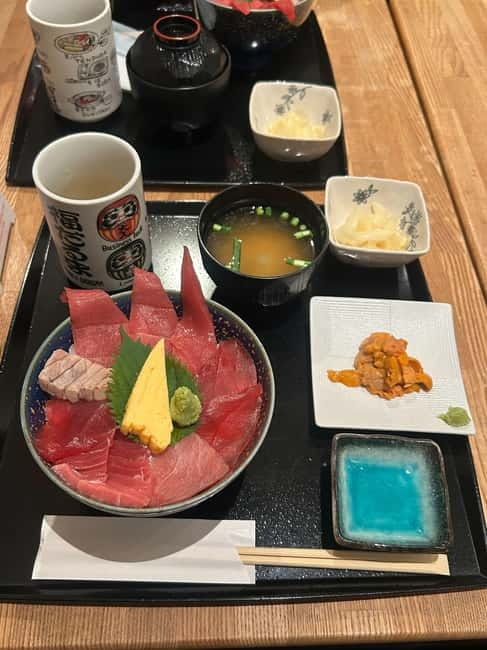
I would recommend it to anyone who cares about sushi, Japanese food production, or the practical side of Tokyo’s markets. It is also a good choice for first-time visitors who want a structured introduction rather than a self-guided look at an unfamiliar facility.
Food-focused photographers and cooks should enjoy the auction, the tuna handling, and the katsuobushi lesson. The tour also suits people who like getting up early and having a full day available afterward. You can finish breakfast in the morning and still visit other parts of Tokyo.
It is less suitable if you dislike early starts, want a relaxed breakfast with no extra cost, or expect a long guided walk through every corner of Toyosu. One participant wanted more explanation of the fishing industry and more guidance during free time in the market. That is a fair limitation: the tour concentrates on the auction and breakfast rather than providing a complete market study.
Vegetarians should not book this experience. It is built around tuna, seafood, sashimi, and seafood breakfasts. It is also not suitable for wheelchair users according to the stated restrictions.
Practical details that affect your morning
You can cancel free of charge up to 24 hours before the start time, and a reserve-now, pay-later option is available. That flexibility helps because Tokyo plans can change, but it does not solve the main issue: you still need to reach Toyosu on time.
English and Japanese guiding are available. Bring cash, since the meal is paid separately and the tour specifically advises carrying it. Comfortable shoes are essential, and a camera is worthwhile if photography is permitted in the areas you visit.
Check the starting time and meeting instructions carefully after booking. The meeting point can vary by selected option, and the market’s signage may not be obvious. For the VIP deck, arrange transport before you go to sleep.
The tour has an overall rating of 4.8 from 97 reviews, with repeated praise for Rabia, Ami, the wholesale access, the tuna explanations, and the quality of the breakfast arrangements. The less favorable points are practical rather than dramatic: unclear pickup directions, a desire for more industry detail, and confusion about the breakfast cost.
Should you book the Toyosu tuna auction tour?
Book it if you want the market explained by someone with relationships inside Toyosu, especially if you can secure the ground-level deck or a wholesale visit. Rabia’s guidance, the hand-signal lesson, the katsuobushi comparison, and the help arranging Sushi Dai or Bentomi give the morning a clear shape.
Choose the third-floor gallery if you want the simplest version and do not need close access. Pick Bentomi for a market-style seafood bowl, or Sushi Dai if the omakase experience is worth the extra cost and limited availability.
Do not book it expecting breakfast to be included in the $141 price. Go in knowing you are paying for access, guidance, food education, and restaurant coordination. For a food-focused morning that shows you a working side of Tokyo before most of the city wakes up, that can be a fair trade.
FAQ
What time does the tour start?
The tour starts early at 5:25 AM.
Where is the meeting point?
The stated meeting point is PR Square inside Toyosu Market. It may vary depending on the option booked.
How long does the experience last?
The experience lasts 150 minutes.
Is breakfast included in the tour price?
No. The tour includes a reservation for Sushi Dai or Bentomi, but the meal fee is not included.
Can I choose between Sushi Dai and Bentomi?
The experience offers these two breakfast choices, but Sushi Dai seating is extremely limited and available only with select tour plans.
What is the difference between the viewing options?
The exclusive ground-level deck is only a few meters from the auction and is limited to four people. The standard third-floor gallery offers a broad view of the auction hall in an open group setting.
How far in advance should I request the ground-level deck?
The operator recommends contacting @yummyguidejapan about two months in advance for this option.
Is transportation to Toyosu Market included?
No. You are responsible for transportation to and from Toyosu Market.
What languages are available?
The live guide service is available in English and Japanese.
Can I cancel the booking?
Yes. You can cancel up to 24 hours in advance for a full refund. A reserve-now, pay-later option is also available.
Newly reviewed around Tokyo
- Tokyo Asakusa:Calligraphy & Make T-shirt Activity★ 5.0 · 62 reviews
- Intercity Shuttle, Tokyo to Haneda /Narita /Yokohama /Makuhari★ 5.0 · 5 reviews
- 1 Hour Travel around Tokyo with a Professional Photographer★ 5.0 · 3 reviews
- Travel Tokyo with Your Own Personal Photographer★ 5.0 · 43 reviews
- Kickboxing & Body Training with EX-Pro Fighter★ 5.0 · 4 reviews
- Train in Samurai Swordsmanship and Defeat the Demon in Tokyo★ 5.0 · 5 reviews
- Shuttle Van 6hr Tokyo Tour to-and-from Tokyo, Yokohama and Narita★ 5.0 · 9 reviews
- Traditional Japanese Knife Sharpening Class★ 5.0 · 18 reviews
Tsukiji and Toyosu Fish Market Tours, compared.
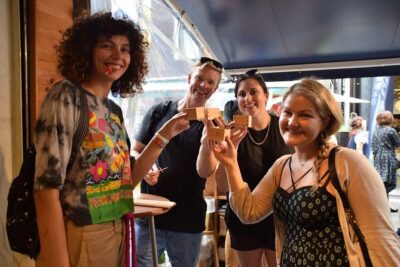
Tokyo Tsukiji Fish Market Food and Culture Walking Tour
Read our review →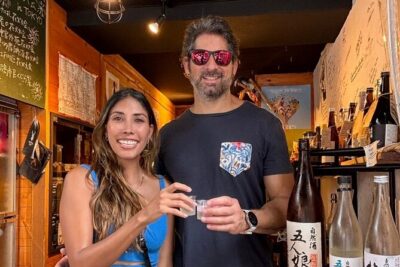
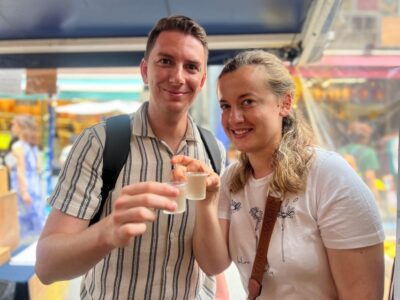
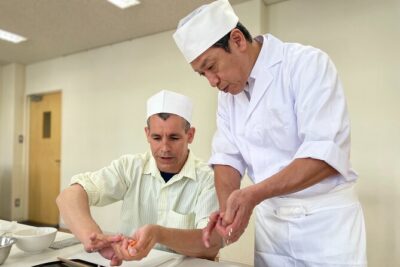
Tokyo Sushi Making Class in Tsukiji with Professional Chef
Read our review →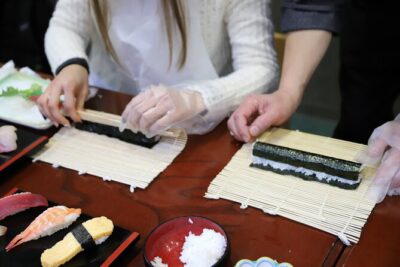
Tsukiji Fish Market Guided Tour and Sushi Making with Pro Chef
Read our review →Tsukiji Fish Market Food and Culture Walking Tour
Read our review →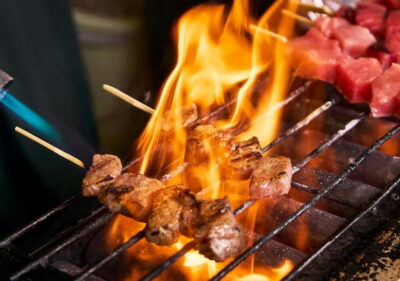
Tsukiji Fish Market: Street Food & Culture Walking Tour
Read our review →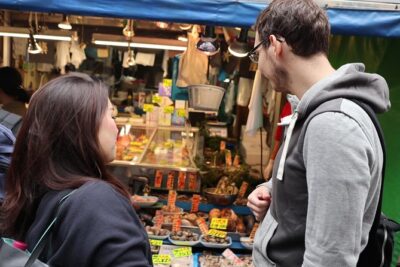
Tsukiji Fish Market Small-Group Food Walking Tour
Read our review →Browse the lists this tour appears in