
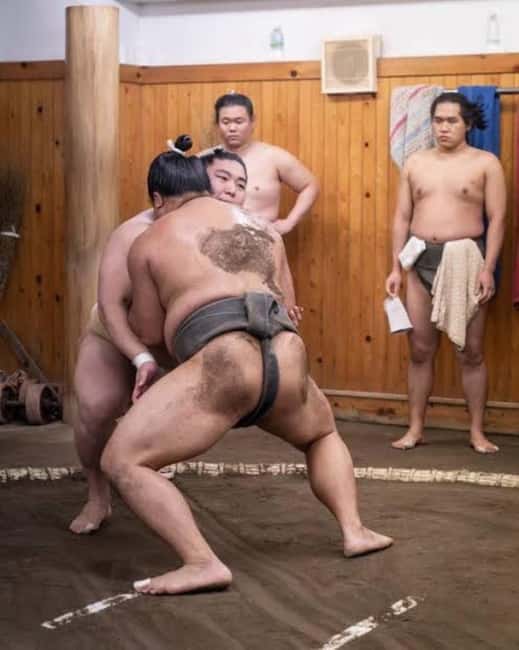
Reviewed · TOKYO SUMO EXPERIENCES
Tokyo: Sumo Show and Experience in Shinjuku
The thunder of a sumo foot stomp, the slap of bare feet on the ring, and the sudden force of a charge make this 90-minute Shinjuku show far more lively than a museum talk. You learn the rules, watch professional wrestlers demonstrate their craft, and may even step into the dohyo yourself.
I like the clear English explanations and the good mix of instruction, comedy, and live action. I also like the personal contact: hosts such as Paula, Dai, and Ari involve the audience, while the wrestlers answer questions and pose for photos. The main caution is simple: this is not a tournament, so you should expect an exhibition made for visitors rather than a formal professional bout.
Key points to know before you book
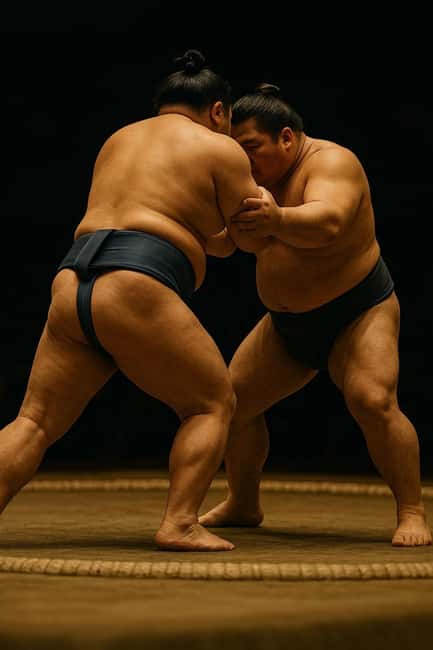
- Live demonstrations and exhibition matches: See shiko foot stomps, salt throwing, wrestling techniques, fouls, and staged bouts at close range.
- English-speaking hosts: Paula, Dai, Ari, and other hosts have guided sessions with clear explanations, humor, and plenty of audience interaction.
- A chance to enter the dohyo: Put on a traditional sumo outfit and challenge a professional wrestler in a playful match.
- A useful introduction to sumo: The program explains history, rules, discipline, strategy, and Japanese phrases before the action begins.
- Shinjuku location: The event takes place on the second floor of the Sekisaku Building, near the main door next to Daiso.
- Good family entertainment: Children and adults can follow the show, though the audience participation works best for people willing to join in.
What the Shinjuku sumo show is really like
This experience takes a sport that can look mysterious from the outside and makes its basic ideas easy to follow. Sumo is not just two large men pushing until one steps out. The program shows the ritual, the balance, the timing, and the mental contest behind each clash.
You begin in the event space on the second floor of the Sekisaku Building in Shinjuku. The location puts you in the middle of Tokyo’s bright, crowded entertainment district, but the show itself turns attention toward the dohyo, the raised ring where sumo takes place.
The event lasts about 90 minutes. That is long enough to explain the sport and show several demonstrations without asking you to give up half a day of sightseeing. You receive bottled water, but food is not included, so plan to eat before or after the performance.
More things to do in Shinjuku:
- Tokyo: Shinjuku Food Tour (13 Dishes at 4 Local Eateries)
★ 5.0 · 6,603 reviews - Tokyo Bar Hopping Tour in Shinjuku (All-You-Can-Drink + Dinner)
★ 5.0 · 3,587 reviews - Tokyo: Shinjuku Food Tour (15 Dishes and 4 Eateries)
★ 4.9 · 2,033 reviews
The opening: rituals before the wrestling
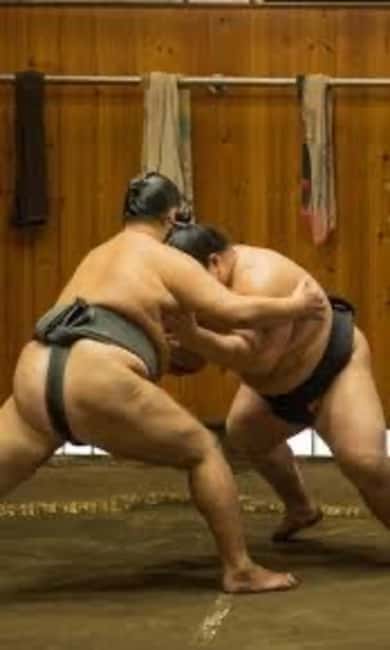
The show starts with the customs that make sumo feel different from ordinary sport. You see wrestlers perform shiko, the powerful leg lift and foot stomp used in training and ceremony. You also see salt thrown into the ring, a familiar ritual that helps explain the ceremonial side of sumo.
These moments matter because they give the action a framework. Without an explanation, a visitor may see stomping and salt as colorful decoration. With an English-speaking host guiding you, the movements become part of a system of preparation, respect, and focus.
The hosts use humor as well as instruction. Paula has been praised for her energy and ability to keep the audience involved, while Dai has been noted for answering questions and explaining the sport in an approachable way. Ari has also led sessions praised for strong crowd engagement. The exact host may vary, but you can expect English commentary throughout.
Learning the rules without getting lost
The educational portion covers the basics you need to understand the bouts. You learn how a wrestler wins, what actions are illegal, and why stepping outside the ring matters. The presentation also introduces different techniques and shows how wrestlers use position, leverage, and timing.
I find this especially useful if you plan to attend a professional sumo tournament during your Japan trip. A tournament match moves quickly, and the ceremony and rules can seem confusing at first. This show gives you a working vocabulary and a clearer sense of what to watch.
The program also puts sumo in a wider cultural setting. You hear about its history, the discipline expected of wrestlers, and the training behind the sport. One of the strongest lessons is that size alone does not explain success. Strategy, balance, mental strength, and control play a major role.
The explanations are designed for first-timers, not specialists. Dedicated sumo fans may already know some of the material, but they will still have a chance to ask questions and see techniques demonstrated at close range.
Watching the wrestlers demonstrate their craft
After the introduction, the professional wrestlers show how the techniques work. This is where the program shifts from lecture to performance. You see different moves, training actions, and exchanges before the main exhibition match.
The wrestlers are not simply there to display strength. Their role includes explaining and repeating techniques so the audience can see what is happening. That makes the presentation more useful than watching an unexplained bout from a distance.
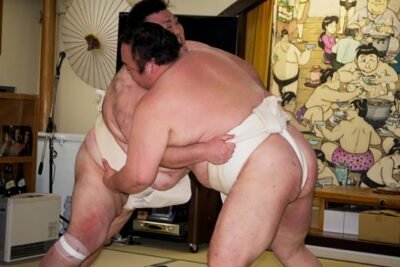
The exhibition match brings the force of sumo into focus. Even in a controlled performance, the contact is loud and physical. You can see why the sport demands years of training. The show also keeps the tone friendly, with the wrestlers using humor and personality to connect with the audience.
It is important to set your expectations correctly. You are not watching a championship match or a tournament ranking contest. You are watching professional wrestlers present the sport, demonstrate its techniques, and create an entertaining match for the room.
That tradeoff works well for many visitors. A formal tournament offers greater sporting stakes, but it can be harder for a first-time viewer to understand. This Shinjuku event gives you explanation, close contact, and a relaxed setting.
More Tokyo sumo experiences:
- Tokyo: Sumo Show and Dining Experience
★ 4.8 · 2,742 reviews - the SUMO show
★ 5.0 · 1,960 reviews - Tokyo Shinjuku Sumo Show & Experience with Photo
★ 5.0 · 1,750 reviews - Tokyo:Luxury Sumo Show Experience & Japanese cuisine & Drink
★ 4.7 · 577 reviews
The audience becomes part of the show
The most unusual part comes when audience members are invited into the ring. You can put on a traditional sumo outfit and challenge a wrestler in a playful match.
This is not a test of who is stronger. The outcome is not in much doubt, and the wrestler controls the pace. That is part of the fun. The moment lets you feel the scale and physical presence of a sumo wrestler while keeping the mood light.
Some people will love this chance. It is particularly appealing for families, groups of friends, and anyone who wants a memorable photo from Tokyo. Children often respond well to the comedy and spectacle, while adults can enjoy the absurdity of trying to move someone who has trained for this sport.
You do not have to build your whole visit around entering the ring. You can enjoy the demonstrations from your seat and watch other audience members take part. Still, the show is more interactive than a standard performance, so it suits people who enjoy a little crowd involvement.
The experience may also include questions for the wrestlers and photos with them. That personal contact is one of the strongest reasons to choose this event over simply watching sumo on television.
Why the English host matters
Sumo has layers of ceremony and vocabulary that are easy to miss without help. The English-speaking MC explains what you are seeing as it happens, then connects the ritual to the rules and techniques.
The best part of the commentary is its balance. You get useful information about sumo culture, but the show does not turn into a dry history lesson. Hosts such as Paula have used jokes, questions, and direct audience interaction to keep the energy up. Dai has been praised for handling questions, while other hosts have mixed information with laughter and crowd participation.
For a first visit to Japan, this format removes much of the guesswork. You do not need to arrive with any knowledge of sumo. The material is presented for beginners, and the live demonstrations give you an immediate visual reference.
If you already follow sumo closely, the basic history may feel familiar. In that case, focus on the chance to see the techniques close up and speak with the wrestlers. The informal questions and ring interaction add something different from watching a televised match.
Is $69 a fair price?
At $69 per person, this is not the cheapest cultural activity in Tokyo. The price makes more sense when you consider what is included: a 90-minute hosted program, professional sumo demonstrations, an English explanation, audience participation, a traditional outfit for the ring challenge, and the chance to meet the wrestlers.
You are paying for access and presentation, not just a seat. A public tournament can offer genuine competitive stakes, but tickets may be harder to arrange and the action can be difficult to follow without background. This show gives you a guided introduction in a compact format.
I see the best value for first-time visitors, families, and anyone who wants an evening or morning activity that combines culture and entertainment. It is less compelling for a dedicated sumo follower who wants serious competition rather than exhibition bouts.
The bottled water is included, but no meal is provided. That is worth noting because the event takes place in Shinjuku, where you have plenty of choices for food before or after the show. Treat the experience as a cultural performance, not a dinner package.
Finding the building and arriving on time
The meeting point is the second floor of the Sekisaku Building in Shinjuku. Entry is through the front of the building facing the main door next to Daiso.
Pay close attention to that instruction. The building has a specific entrance, and entering from the wrong side may waste time. The show follows a fixed schedule, so late entry may not be accepted at the front desk. I would arrive early enough to locate the building without rushing through Shinjuku’s busy streets.
Starting times vary, so check the available session when you book. The event lasts 90 minutes, making it easy to place beside other Shinjuku plans, but you should leave some breathing room before and after it rather than cutting things close.
Free cancellation is available up to 24 hours before the activity, and you can reserve now and pay later. Those terms help if your Tokyo schedule is still changing.
Who will enjoy this most?
This is a strong choice for visitors who want a direct encounter with Japanese culture without committing to a long day trip. The English presentation makes it suitable for first-time visitors, and the combination of humor and live action keeps it from feeling like a formal lesson.
Families are well served here. Children can watch the wrestlers, learn a few simple sumo ideas, and enjoy the audience challenges. Adults who are unsure about sumo can also follow the action because the rules and techniques are explained before the match.
It also works well for groups of friends. The ring challenge creates a shared story, especially if someone in your group volunteers. If you prefer to sit quietly and observe, you can still enjoy the show, but the event clearly encourages participation.
I would be more cautious if you expect a true tournament. The wrestlers are professionals, but the event is designed as an exhibition and cultural introduction. There is no claim that you will see a formal competition with tournament consequences.
Small details that improve the experience
Arrive early, since the front entrance and fixed schedule matter. Have the Sekisaku Building and the Daiso landmark in mind before you leave your hotel.
Wear something that lets you move comfortably if you hope to enter the ring. The traditional outfit is provided, but the activity itself involves standing and physical interaction. You can also choose to remain in the audience.
Bring your questions. The format allows interaction with the hosts and wrestlers, and asking about training, techniques, or rituals can make the experience feel more personal.
If you plan to attend a professional tournament, schedule this show beforehand when possible. The explanations about rules, fouls, and techniques will help you understand what you see later.
Finally, do not judge the event by the promise of a real contest. Its strength is the blend of explanation, performance, comedy, and personal contact. The show works best when you treat it as an introduction to sumo rather than a replacement for tournament day.
Should you book the Shinjuku sumo show?
I would book it if you want an easy-to-follow introduction to sumo with live demonstrations and a chance to meet the wrestlers. The English hosts, audience interaction, and ring challenge give it more personality than a standard cultural presentation.
I would skip it only if your main goal is serious competitive sumo. For everyone else, the $69 price buys a well-packed 90 minutes in central Shinjuku, with enough instruction to make the sport clearer and enough showmanship to keep the experience fun. Book it for your first taste of sumo, especially if you are traveling with family or friends.
FAQ
Is this a real sumo tournament?
No. This is an exhibition and cultural show featuring professional sumo wrestlers, demonstrations, and audience interaction. It is not a formal tournament.
How long does the sumo experience last?
The activity lasts 90 minutes.
Is the show presented in English?
Yes. An English-speaking MC guides the program and explains the history, rituals, rules, and techniques of sumo.
Can I wrestle a sumo wrestler?
You have the opportunity to wear a traditional sumo outfit and challenge a wrestler in the ring. Participation is part of the experience, but you can also watch from the audience.
Where is the meeting point?
Meet on the second floor of the Sekisaku Building in Shinjuku. Entry is through the front of the building facing the main door next to Daiso.
Is food included?
No. Bottled water is included as a welcome drink, but food is not part of the activity.
More Tokyo shows and performances
- Mt Fuji & Hakone Cruise, Drum Show Bullet Train 1 Day from Tokyo
★ 4.0 · 7,413 reviews - Mt Fuji & Hakone Cruise, Drum Show Bus 1 Day from Tokyo
★ 4.0 · 1,287 reviews - Tokyo Bay Yakatabune Dinner/Day Cruise with Japan Show and Drinks
★ 4.5 · 473 reviews - Tokyo: Samurai Entertainment Night Show in Kanda Shrine
★ 4.6 · 417 reviews
Newly reviewed around Tokyo
- Tokyo Asakusa:Calligraphy & Make T-shirt Activity★ 5.0 · 62 reviews
- Intercity Shuttle, Tokyo to Haneda /Narita /Yokohama /Makuhari★ 5.0 · 5 reviews
- 1 Hour Travel around Tokyo with a Professional Photographer★ 5.0 · 3 reviews
- Travel Tokyo with Your Own Personal Photographer★ 5.0 · 43 reviews
- Shuttle Van 6hr Tokyo Tour to-and-from Tokyo, Yokohama and Narita★ 5.0 · 9 reviews
- Kickboxing & Body Training with EX-Pro Fighter★ 5.0 · 4 reviews
- Train in Samurai Swordsmanship and Defeat the Demon in Tokyo★ 5.0 · 5 reviews
- Traditional Japanese Knife Sharpening Class★ 5.0 · 18 reviews
Tokyo Sumo Experiences, compared.
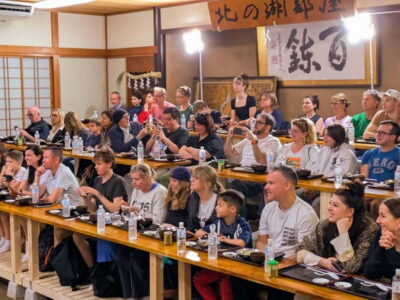
Tokyo Shinjuku Sumo Show & Experience with Photo
Read our review →
Luxury Sumo Show Experience & Japanese cuisine & Drink
Read our review →
Tokyo Sumo Experience: Chanko & Mochi with a Former Pro
Read our review →
Ultimate Sumo Tournament: Tokyo, Osaka, Nagoya, Fukuoka
Read our review →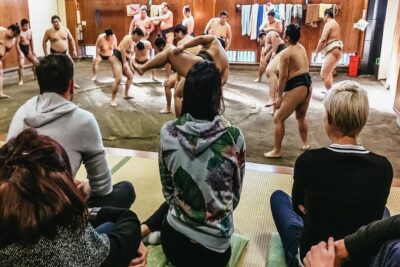
Browse the lists this tour appears in