
Reviewed · TOKYO SUMO EXPERIENCES
Tokyo: Sumo Morning Practice Viewing Tour
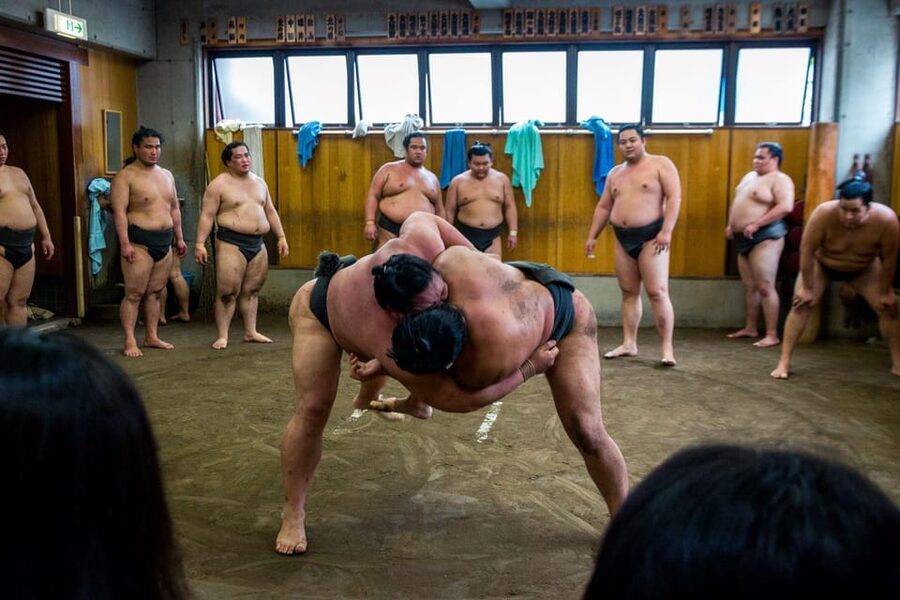
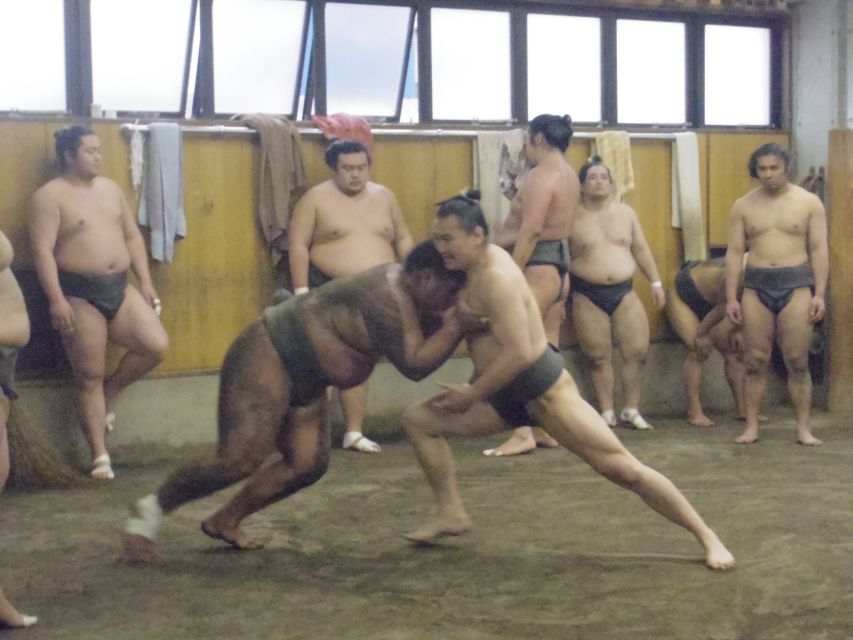
The best part of this Tokyo experience is the setting: you sit inside a working sumo stable while wrestlers train only a few feet away. This is not a staged dinner show. You watch the athletes repeat drills, clash in short, powerful bouts, and follow the stable master’s instructions.
I like the quiet, close view and the chance to understand what you are seeing through an English-speaking guide. Guides such as Yuko, Yoko, Noriko, and Oku-san have explained the rituals, training methods, and local sumo district well. The main drawback is that you must sit still and silent until practice ends, and the $81 price may feel high if you are only mildly curious about sumo.
Key points to know before you book
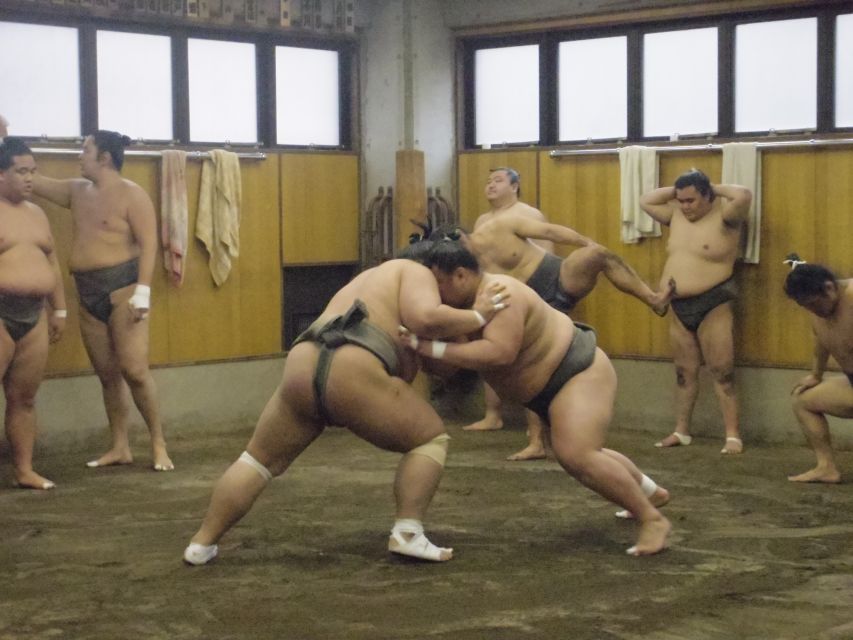
- Real morning practice: Watch wrestlers train inside a working Tokyo stable rather than at a tourist performance.
- Close seating: You may sit only a few feet from the action, though seats are generally taken in arrival order.
- Quiet, respectful visit: No talking, video, flash photography, food, or drinks during practice.
- Ryogoku setting: The stable is in Tokyo’s sumo district, near the National Sumo Arena and other stables.
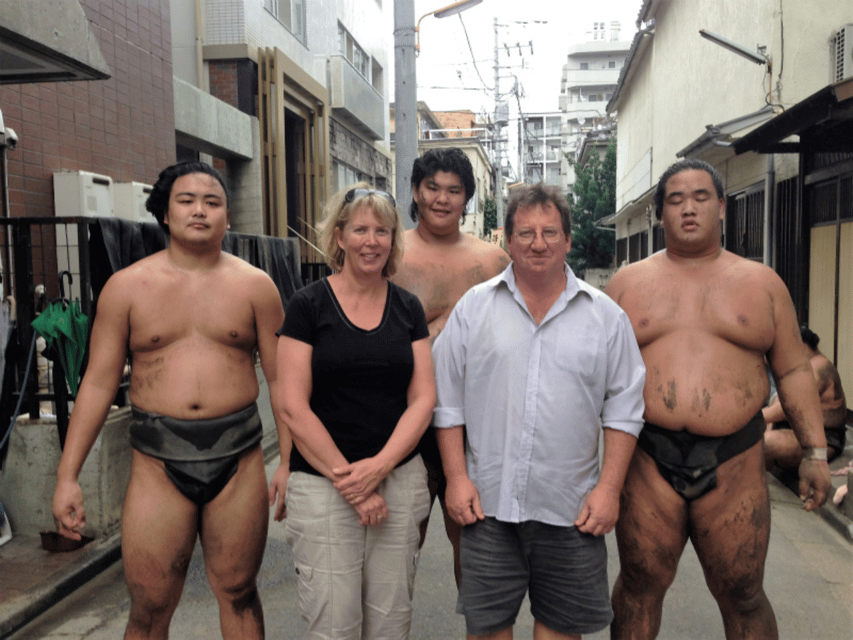
- Possible wrestler photos: Pictures with wrestlers may be offered after practice, but they are not guaranteed.
- Best for older children and adults: The tour is not suitable for children under 11 or for people with mobility impairments.
Inside a working sumo stable in Ryogoku
Sumo is often presented through tournament highlights: a ring, a referee, a burst of force, and a bout that ends in seconds. This visit gives you the less familiar part of the sport, the long, demanding work that comes before competition.
You enter a stable where wrestlers live and train. These facilities are not normally open to the public, since access has traditionally been linked to sponsors and people connected with the sport. That limited access is a major reason this experience feels different from watching a tournament from the stands.
The stable is in Ryogoku, Tokyo’s sumo neighborhood. The area is known for the National Sumo Arena, sumo-related businesses, and several stables. Depending on the option booked, you may meet your guide at a different point and take a short train ride before walking to the stable.
The meeting process matters. A few people have found the exact meeting place hard to identify, so arrive early and read your booking instructions carefully. Once the group is together, guides generally explain the route and the rules before taking you inside.
More Tokyo sumo experiences:
- Tokyo: Sumo Show and Dining Experience
★ 4.8 · 2,742 reviews - the SUMO show
★ 5.0 · 1,960 reviews - Tokyo Shinjuku Sumo Show & Experience with Photo
★ 5.0 · 1,750 reviews
What the 90-minute to two-hour visit is like
The experience begins with an introduction to sumo and a short trip toward the stable. The walk and transport are not just filler. In Ryogoku, your guide can point out the character of the district and explain how closely daily life here is tied to the sport.
Guides have included Yuko, Yoko, Noriko, Miwako, Taku, Mako, Kaz, Daigo, Tad, and Oku-san. The guide assigned to you will vary, but the role is much the same: keep the group together, explain the customs, and help you understand what is happening without disturbing the wrestlers.
At the stable, you remove yourself from the usual rhythm of sightseeing. You do not wander around, browse displays, or chat with other people. You take a seat and watch.
The morning practice usually lasts 60 to 90 minutes, although the timing can be shorter or longer. You must remain until the session ends, generally around 9:00 to 10:00 in the morning. There is no re-entry once you leave, so plan your morning around the full visit rather than treating it as a quick stop.
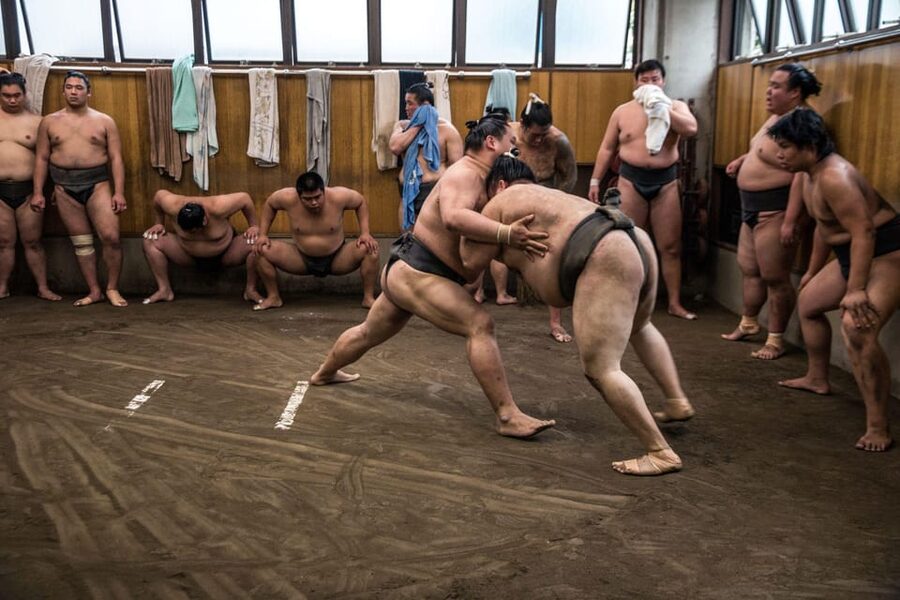
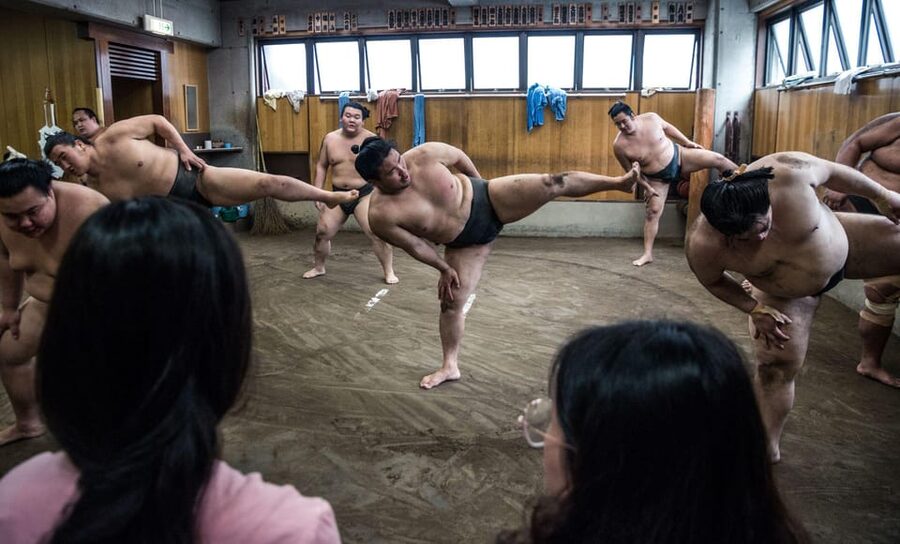
The practice can include warm-ups, repeated drills, stance work, and bouts between wrestlers. You see the physical side of sumo clearly: heavy impacts, sudden changes of direction, and the effort required to stay balanced in a sport where one mistake can end a bout.
The stable is a place of work. You will be asked not to stand or move around, and your phone must be silent. Flash photography, video recording, food, and drinks are not allowed. Hats and sunglasses are also prohibited.
Why watching practice is different from watching a tournament
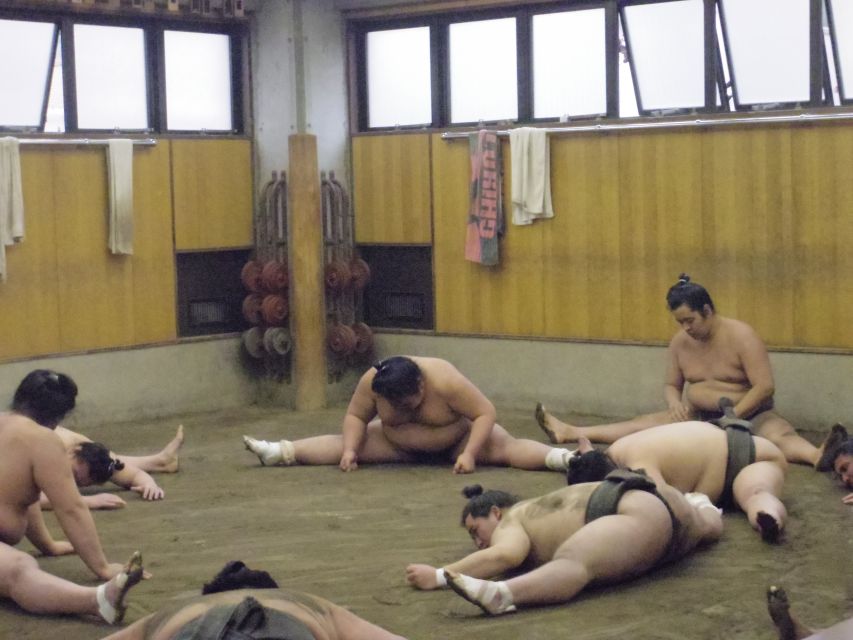
A tournament gives you ceremony, ranking, crowds, and the excitement of an official match. Practice gives you access to the athletes’ routine and repetition. You see that sumo is not simply two large men pushing each other. It demands timing, footwork, posture, balance, and precise use of force.
That distinction is useful if you plan to attend a tournament later in your trip. After watching practice, you can follow the action more easily and recognize the purpose behind some of the movements. One visitor attended a tournament later the same day and found the morning session helped make the competition easier to understand.
You also get a clearer sense of the work involved. Wrestlers train early, often in a serious and focused atmosphere. The bouts may be brief, but the practice around them can be repetitive. That repetition is part of the point, and you need to be willing to watch it patiently.
The sound is memorable. The impact of bodies meeting at close range can be startling at first. You are not watching from a distant arena seat, so the force feels much more immediate. If you enjoy martial arts, athletic training, or traditional sports, you will likely appreciate this aspect most.
If you know little about sumo, do not worry. The guide explains the basic rules and customs, and some guides pass around written information or quietly provide notes during practice. Since the group must remain silent, written explanations can be more useful than a running commentary.
The guide adds meaning without taking over
A good guide has to do two things at once: prepare you before practice and then become almost invisible once the wrestlers begin. The strongest guiding approach is restrained. You get enough context to follow the session, but not so much talking that the stable becomes a classroom.
Yuko has been praised for clear explanations and carefully timed information. Yoko has been noted for her organization, warmth, and detailed knowledge. Noriko has explained the sport and the surrounding area, while Oku-san has helped groups stay together and understand what they should and should not do.
The guide may explain the connection between sumo and Shinto beliefs, the basic aim of forcing an opponent from the ring or making any part of the body touch the ground, and the significance of the drills. You may also learn about the tournaments for which the wrestlers are preparing.
Do not expect an uninterrupted spoken tour while the athletes train. You may need to read a handout, receive a short written note, or ask questions before or after the practice. One practical issue is that even quiet explanations can be hard to hear during a bout, when everyone is trying to remain respectful.
The guide can also make the area around the stable more meaningful. Ryogoku is not simply a convenient meeting point. Walking past other stables and seeing the arena nearby helps you understand that sumo is part of the neighborhood’s daily identity.
More early morning tours in Tokyo:
- Tokyo: Sumo Morning Training Visit
★ 4.4 · 370 reviews - Tokyo: Sumo Morning Practice Tour at Sumida City
★ 4.8 · 308 reviews - Tokyo Sumo Morning Practice Tour at Stable
★ 5.0 · 298 reviews - Tokyo Ryogoku Sumo Morning Practice + Photo Shoot with Wrestlers
★ 4.5 · 277 reviews
Seating, photographs, and the rules that shape the visit
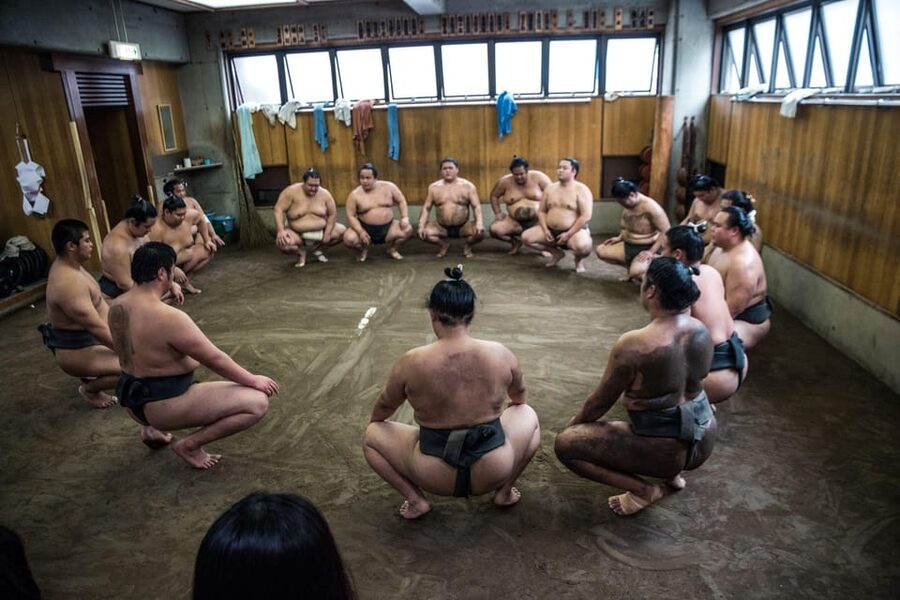
Seats are usually taken according to arrival order. Arriving early can improve your view, especially if you want photographs. Some people have had front-row places, while others have sat farther to the side or in the second row when another group arrived first.
That difference matters. The stable is small and intimate, which is part of its appeal, but it also means sightlines can vary. You should not expect everyone to receive an identical view. The earlier you arrive at the meeting point, the better your chance of being near the front once the group enters.
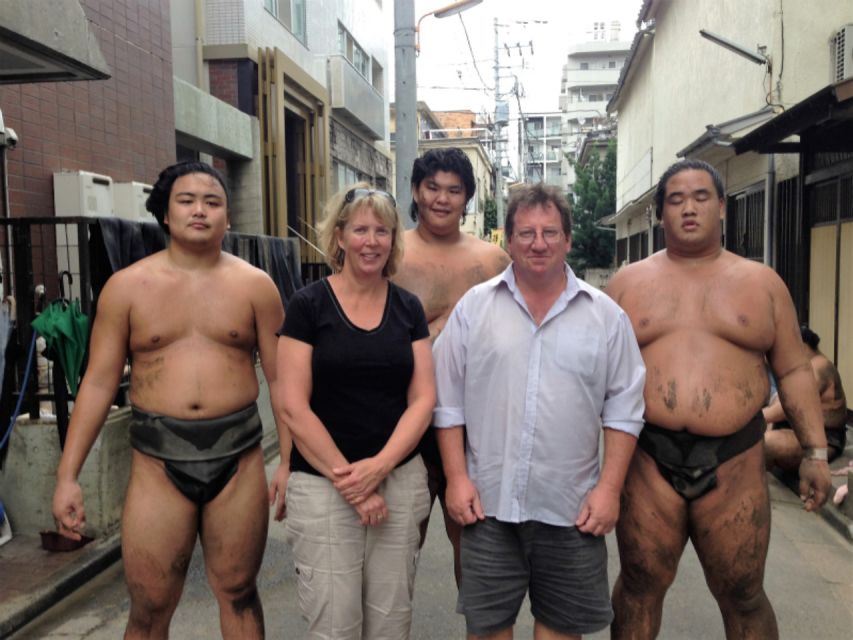
You may be able to take a photo with wrestlers after practice. This depends on the day, the stable’s schedule, and the wrestlers’ availability. Treat it as a welcome extra, not the main purpose of the booking.
During practice, photography must be discreet and without flash. Video recording is not allowed. That rule may disappoint you if you want to capture the action, but it also keeps the session calm and prevents the visit from becoming a filming exercise.
Wear modest clothing. You should be prepared to sit on the floor or in low seating for a long period, depending on the stable arrangement. This is not a good choice if you need to move around often or cannot remain seated comfortably.
Is $81 a fair price?
At $81 per person, this is not a cheap way to spend a morning in Tokyo. You are paying for limited access, a small-group setting, an English-speaking guide, and the chance to enter a place that is usually closed to casual visitors.
The value depends on your interest. If you already follow sumo, the price can be easy to justify because you may see recognized wrestlers and observe practice at very close range. One particularly fortunate visit included a stable led by former yokozuna Terunofuji, along with other well-known wrestlers. That kind of lineup cannot be promised, but it shows what the setting can provide.
If you are simply looking for a quick photo opportunity, the price is harder to defend. The photo may not happen, and the main event is quiet observation rather than a performance built for entertainment.
Compared with a tournament ticket, the visit offers a different kind of value. You lose the excitement of official competition and the full arena atmosphere, but you gain access to the training environment. For many people, that behind-the-scenes view is the more unusual experience.
The tour is also useful if tournament tickets are sold out or your visit does not coincide with a competition. Sumo tournaments take place six times a year, but practice continues as part of the wrestlers’ regular routine. This makes the stable visit a practical way to see the sport outside tournament dates.
Who will enjoy this morning most?
I would choose this tour for adults, older teenagers, sports fans, martial arts students, and anyone who enjoys learning how a traditional practice works behind the scenes. You do not need prior sumo knowledge, but curiosity helps.
It is especially suited to people who can sit quietly and pay attention to small details. You may find the training repetitive, and there is no option to leave for a break and return. The atmosphere is serious, not playful.
Children under 11 are not permitted. Even for older children, consider personality rather than age alone. A child who cannot remain still and silent for the full practice will have a hard time, and the stable is not the place for casual movement or conversation.
The tour is also not suitable for people with mobility impairments. The exact seating and route can vary, and the experience requires remaining in place for an extended time.
Practical planning for your Tokyo morning
Keep the rest of your morning flexible. The practice normally ends around 9:00 to 10:00, but the session can run a little shorter or longer. Tell the operator in advance if you have a fixed appointment afterward, though you should still avoid scheduling something tight.
After the tour, you can remain in Ryogoku for a meal at one of the area’s sumo restaurants. The neighborhood also puts you close to the National Sumo Arena and other sumo landmarks. Depending on the final arrangement, the tour may end somewhere different from the meeting point.
Bring as little as possible into the stable. You will not be able to eat or drink inside, and your phone must be silent. Leave hats and sunglasses behind for the practice, and do not plan on making video footage.
Arrive early. This gives you time to find the meeting point, join the group without rushing, and improve your chance of a favorable seat. It also shows respect for a schedule built around the wrestlers’ training rather than around sightseeing convenience.
Should you book the sumo morning practice tour?
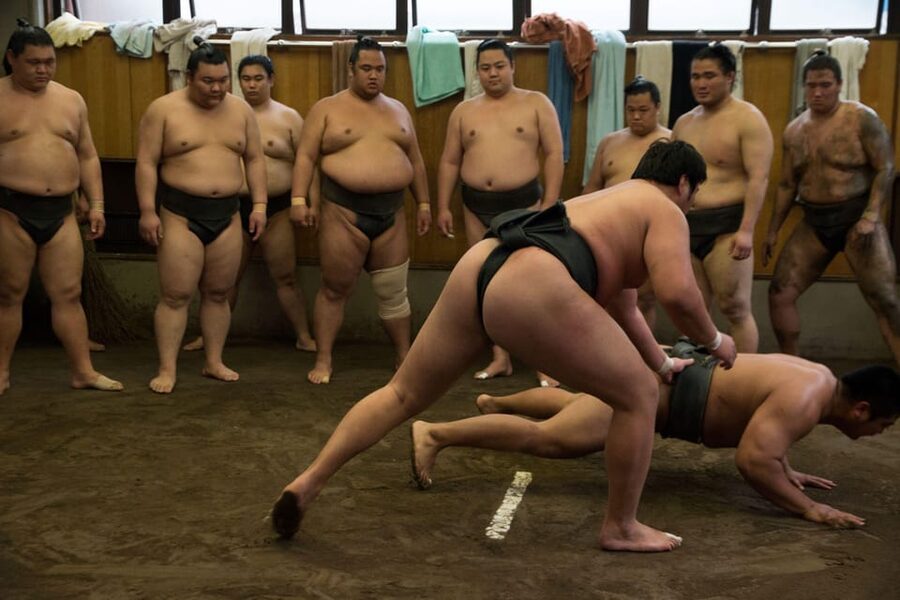
Book it if you want a close, quiet look at sumo as a daily discipline rather than a staged show. The access is unusual, the setting is intimate, and the guide can help you understand the rules, customs, and effort behind the sport.
Skip it if you need an active tour, dislike sitting silently, or mainly want a guaranteed photograph. The practice may feel repetitive, and the no-video rule limits what you can take home on your phone.
For most adults with an interest in Japanese culture, sport, or local life, I think the experience earns its place in a Tokyo itinerary. Arrive early, allow the full two-hour window, follow the stable’s rules, and treat the photo as a bonus. The real reward is watching the training itself, close enough to hear and feel the force of the sport.
FAQ
Where does the sumo morning practice tour take place?
The tour visits a real sumo stable in Ryogoku, Tokyo, on Honshu. Ryogoku is known for the National Sumo Arena and its connection to sumo.
How long does the experience last?
The stated duration is 90 minutes to two hours. The morning practice itself usually lasts 60 to 90 minutes, and the timing can vary by day.
What time does the practice usually finish?
You must stay until the end of practice, which is generally around 9:00 to 10:00 in the morning.
Can I take photos of the wrestlers?
Photography may be allowed during the visit, but flash photography is not permitted. You may also have a chance to take a photo with wrestlers after practice, depending on the day.
Can I record video?
No. Video recording is not allowed inside the stable.
Do I have to stay for the entire practice?
Yes. You must remain until practice ends, and there is no re-entry after you leave the stable.
Is the tour conducted in English?
Yes. The experience includes a live English-speaking guide.
Can children join the tour?
The tour is not suitable for children under 11 years old.
What should I wear?
Wear modest clothing. Hats and sunglasses are not allowed inside the stable.
Can I eat or drink during the visit?
No. Food and drinks are not allowed inside the stable, and your phone must be kept on silent.
Is transportation included?
After meeting your guide, the group may take a train to the sumo stable. The meeting point can vary depending on the option booked.
Can I cancel the booking?
You can cancel up to 24 hours in advance for a full refund. A reserve-now, pay-later option is also available.
Newly reviewed around Tokyo
- Tokyo Asakusa:Calligraphy & Make T-shirt Activity★ 5.0 · 62 reviews
- Intercity Shuttle, Tokyo to Haneda /Narita /Yokohama /Makuhari★ 5.0 · 5 reviews
- 1 Hour Travel around Tokyo with a Professional Photographer★ 5.0 · 3 reviews
- Travel Tokyo with Your Own Personal Photographer★ 5.0 · 43 reviews
- Train in Samurai Swordsmanship and Defeat the Demon in Tokyo★ 5.0 · 5 reviews
- Shuttle Van 6hr Tokyo Tour to-and-from Tokyo, Yokohama and Narita★ 5.0 · 9 reviews
- Kickboxing & Body Training with EX-Pro Fighter★ 5.0 · 4 reviews
- Traditional Japanese Knife Sharpening Class★ 5.0 · 18 reviews
Tokyo Sumo Experiences, compared.
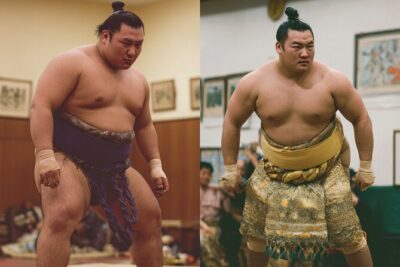
Tokyo Shinjuku Sumo Show & Experience with Photo
Read our review →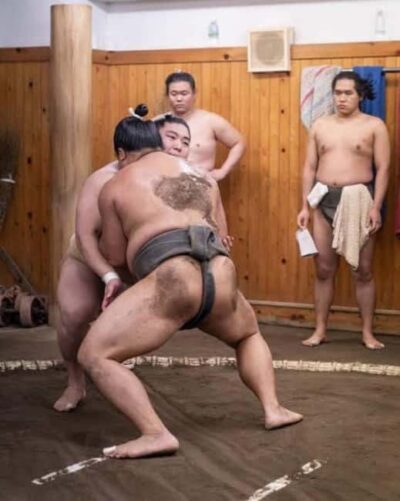

Luxury Sumo Show Experience & Japanese cuisine & Drink
Read our review →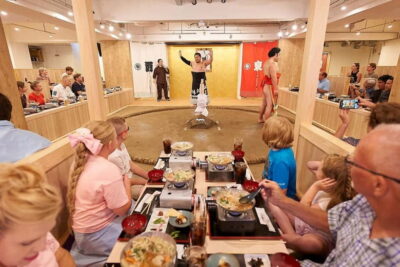
Tokyo Sumo Experience: Chanko & Mochi with a Former Pro
Read our review →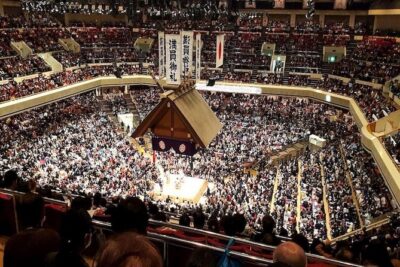
Ultimate Sumo Tournament: Tokyo, Osaka, Nagoya, Fukuoka
Read our review →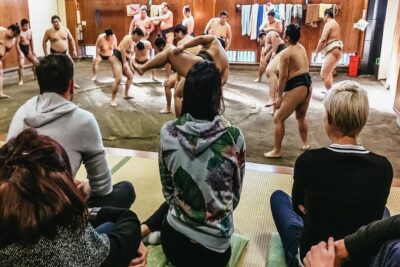
Browse the lists this tour appears in