
Reviewed · TOKYO SUMO EXPERIENCES
Tokyo: Sumo Show and Dining Experience
Tokyo Sumo Room puts you close to the ring, where former sumo wrestlers demonstrate the sport’s force, footwork, rituals, and comic timing. Audience participation is a major part of the event, and you may get to test your strength against a rikishi under careful guidance.
I like the clear English presentation and the friendly, down-to-earth setting run by former wrestlers. I also like the chance to eat chanko-inspired food while learning why it matters in sumo life. The main drawback is that the 3:00 PM show has no meal option, and food details should be checked carefully when booking.
Key points at a glance
- Former Makuuchi wrestler Tokitsumi: The venue is operated by a former top-division sumo wrestler, giving the presentation a direct link to the sport.
- Sumo at arm’s length: Watch demonstrations and matches in a compact setting rather than from a distant stadium seat.
- You can join the action: Audience members may practice with or challenge the wrestlers, making this more active than a standard cultural talk.
- Chanko-inspired Japanese food: Meal sessions feature hearty food associated with the sumo world, including hot pot and seasonal dishes.
- English explanations: The host explains sumo rules, customs, training, and history in English.
- Best timing for dinner: The 11:00 AM and 7:00 PM options can include a meal, while the 3:00 PM show does not offer a meal plan.
Why Tokyo Sumo Room is more than a staged show
Sumo can be difficult to understand from a television clip. The matches are short, the rules are unfamiliar, and the rituals carry as much meaning as the actual push at the center of the ring. Tokyo Sumo Room solves that problem by placing the explanation, demonstration, food, and participation in one small venue.
The event is operated by Tokitsumi, a former Makuuchi wrestler. That connection matters. You are not simply watching performers copy sumo movements for tourists. You are being introduced to a sport by people who know its training, customs, and physical demands from the inside.
The format is lighthearted, but it is not only comedy. The host explains the history and rules before the action begins, then the wrestlers show the basic movements and strength involved. You get enough context to understand what you are seeing without sitting through a long lecture.
I especially like the balance between instruction and fun. You may learn about the ring, the wrestlers’ training, and the traditions surrounding a match, then watch the same ideas brought to life a few feet away. The result feels more personal than attending a large professional tournament, though it does not replace the scale or formal atmosphere of a real sumo competition.
More Tokyo sumo experiences:
- the SUMO show
★ 5.0 · 1,960 reviews - Tokyo Shinjuku Sumo Show & Experience with Photo
★ 5.0 · 1,750 reviews - Tokyo: Sumo Show and Experience in Shinjuku
★ 4.8 · 1,001 reviews
Entering the Kiyosumi-Shirakawa venue
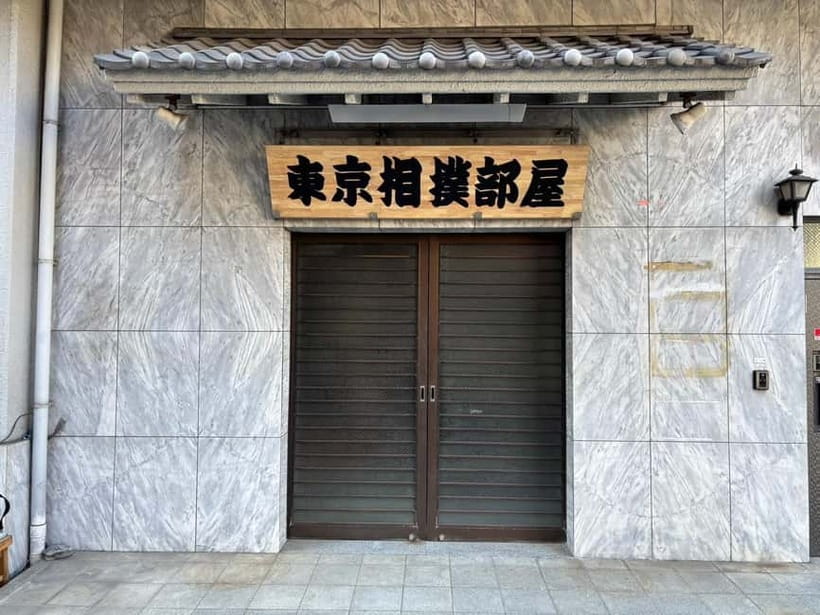
The Tokyo Sumo Room is in Kiyosumi-Shirakawa, an area that is easy to reach by public transport. It is not presented as a major sightseeing landmark, so you should allow time to find the venue and arrive without rushing.
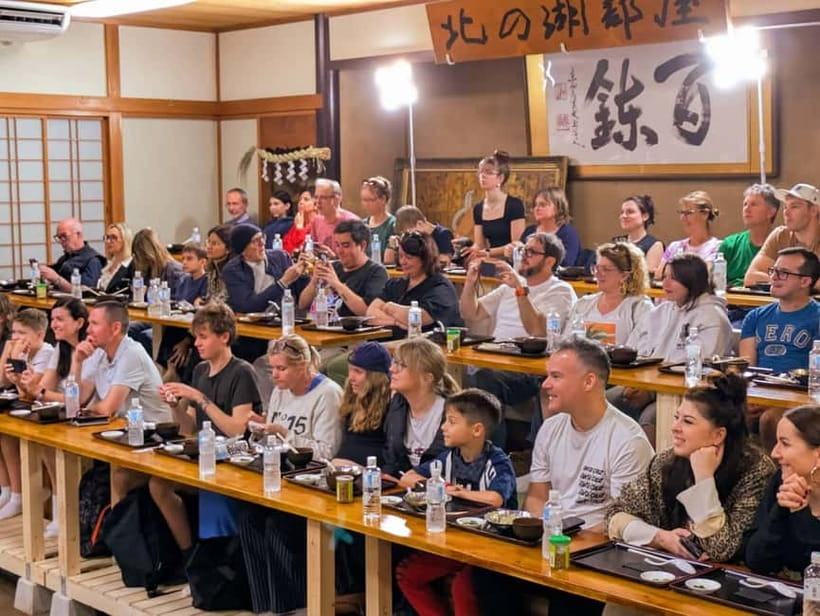
Inside, expect a compact, intimate room rather than a huge theater. One evening had only eight people, though the space can accommodate more than 20. A smaller group gives the event a friendly feel and makes it easier to hear the host, ask questions, and take part in the ring.
That small scale is one of the strongest parts of the experience. You are close enough to see the wrestlers’ footwork and expressions, not just their general movements. It also means the presentation may feel more like a personal cultural evening than a polished stage production.
The venue is wheelchair accessible. Comfortable shoes are recommended, especially if you intend to participate in the practice or wrestling portion. Smoking is not allowed indoors.
The opening lesson: rules, rituals, and training
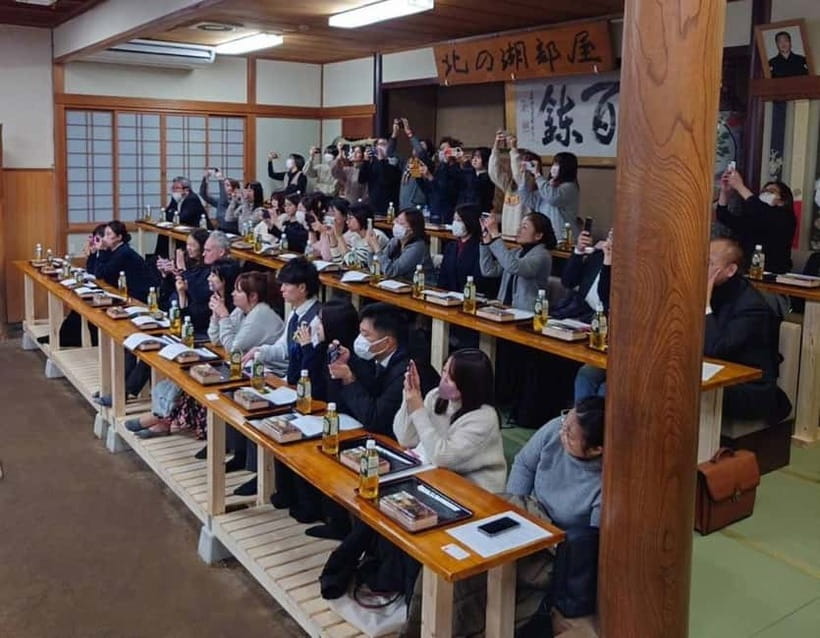
The show begins with an English introduction to sumo. The host explains the sport’s background, rules, and traditions, giving you the basic information needed to follow the demonstrations.
This part is useful even if you know little about Japan. Sumo has an unusual rhythm. The wrestlers prepare, face each other, and build tension before the actual contest may last only seconds. The opening talk helps you understand why those preparations matter.
You also learn about the work behind the spectacle. Sumo wrestlers train through repeated exercises designed to build balance, leg strength, timing, and control. The show demonstrates some of that practice so you can see how a wrestler generates force from the floor rather than simply relying on body size.
The presentation does not treat sumo as a museum piece. The wrestlers joke with the audience and with each other, but their physical ability remains clear. Even a short demonstration shows why the sport is such a demanding test of strength and balance.
Expect humor. The host is energetic and personable, and the wrestlers are encouraged to interact with the room. That approach works well for families and mixed-age groups, though anyone hoping for a solemn, formal ceremony may find the tone more playful than expected.
Watching the rikishi up close
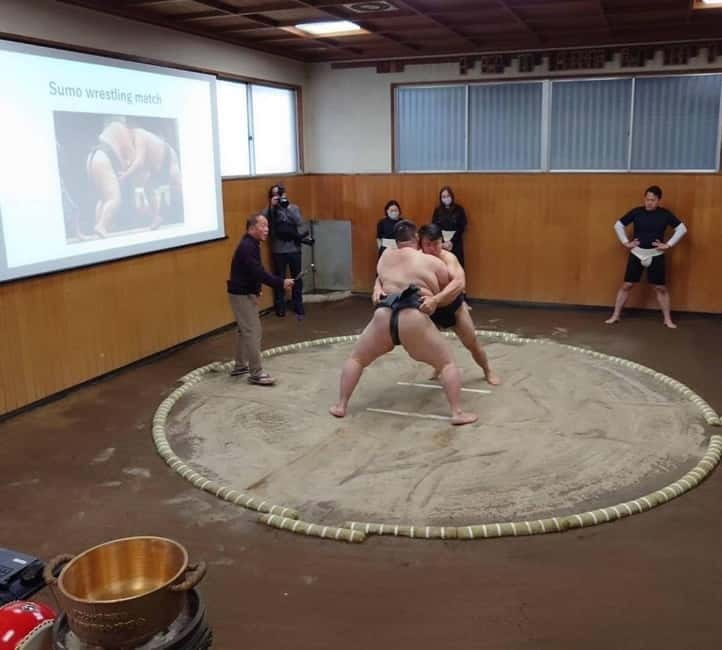
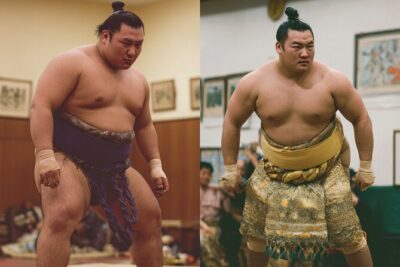
After the introduction, the rikishi demonstrate sumo techniques and take part in short contests. The exact number of wrestlers can vary, with some sessions featuring two and others featuring three former wrestlers.
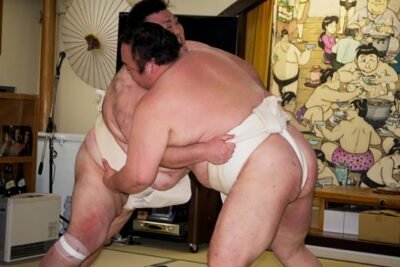
The setting gives you a close view of the action. You can watch how the wrestlers lower their center of gravity, plant their feet, and use controlled movement rather than wild force. Several short competitions follow the practice, creating a clear progression from explanation to demonstration to match.
This is not a full professional tournament. You will not see the formal schedule, large crowd, or strict ceremonial structure of a major sumo event. What you get instead is access and explanation. The wrestlers can pause, show a movement again, and respond to the people in the room.
That makes this a strong choice for a first introduction to sumo. You are not left guessing what happened after a quick bout. The host helps explain the action, and the wrestlers make the sport approachable without hiding how hard it is.
One practical note: the activity can be quite physical for the people who volunteer. You do not need to participate, and you can simply watch. If you do want to try it, listen closely to the instructions and wear comfortable clothes and shoes.
More Tokyo dinner experiences:
- Tokyo Bar Hopping Tour in Shinjuku (All-You-Can-Drink + Dinner)
★ 5.0 · 3,587 reviews - Sumida River: Japanese Traditional Yakatabune Dinner Cruise
★ 4.6 · 779 reviews - Tokyo Bay Yakatabune Dinner/Day Cruise with Japan Show and Drinks
★ 4.5 · 473 reviews - Tokyo: Shinjuku Bar Hopping with All-You-Can-Drink & Dinner
★ 4.9 · 440 reviews
Taking your turn in the ring
Audience participation is the feature that changes this from a performance into an activity. Volunteers may learn a few movements, practice with the wrestlers, and take part in a friendly match.
You should not expect to overpower a trained rikishi. That is part of the joke, but it is also a useful lesson in how much strength and technique the sport requires. Even a strong adult quickly discovers that balance, stance, and timing matter more than enthusiasm.
The wrestlers keep the mood friendly. Children can enjoy watching a parent or another adult take on the challenge, while willing adults get a memorable physical experience without needing prior sumo knowledge.
If you are shy, you can still enjoy the show from your seat. Nobody needs to enter the ring. If you are keen to participate, let the staff know when the opportunity comes rather than waiting until the end.
Some visitors had the wrestlers record their matches, and the team was also willing to help with practical requests such as charging phones. That kind of personal attention fits the small-room format, though you should bring your own camera or phone and ask before recording.
Chanko-inspired food and the meal choices
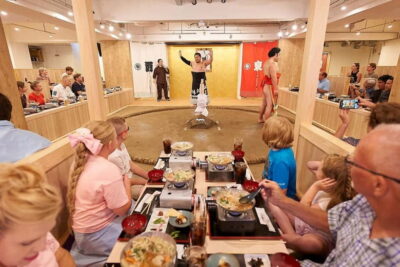
The food is designed to fit the subject. Meal sessions may include hearty Japanese dishes inspired by chankonabe, the hot pot traditionally associated with sumo wrestlers. Chanko is often described as practical training food, and it makes sense here because it gives the dining portion a direct connection to the sport.
The hot pot has been particularly well received, along with other Japanese dishes and a chestnut pudding served as a dessert. Portions can be generous, and additional servings may be available during some meal sessions. Sake can also be ordered with the meal.
The food is not merely something to eat while waiting for the show. It helps explain how sumo culture reaches beyond the ring. You are hearing about wrestlers’ daily lives while eating food linked to that world.
Vegetarian options are available if requested. They can also be modified on the day, but I would still make your needs clear when booking, especially if you have allergies or strict dietary requirements.
Pay close attention to the time and package you select. The 11:00 AM and 7:00 PM shows can include Japanese cuisine when you choose the meal option. The 3:00 PM show has no meal plan. The wording of the dinner choices can be confusing, so confirm that your selected option includes food before you pay.
How much value do you get for $79?
At $79 per person, the experience is not the cheapest way to hear about sumo. Its value comes from combining several elements that would otherwise require separate planning: an English cultural explanation, a close demonstration, former wrestlers, audience participation, and, on selected sessions, a Japanese meal.
I think the price works best for people who will participate or who care about meeting former wrestlers in a small setting. If you only want to watch a short performance, the cost may feel less attractive. The event lasts about 90 minutes to two hours, so it is also a fairly compact commitment during a busy Tokyo itinerary.
The meal option strengthens the value for an evening outing. You are not simply buying dinner and a show as unrelated items. The food supports the theme, and the host can explain the connection between chanko and sumo life.
For families, the price can be easier to justify because several generations can enjoy different parts of the event. Children may focus on the wrestling and humor, adults may prefer the cultural explanation and food, and everyone gets a shared activity.
Who will enjoy this experience most?
This is a good match for first-time visitors to Japan, families, couples, solo visitors, and anyone curious about sumo but unable to attend a professional tournament. Solo participants should not worry about arriving alone. The friendly format is designed to include people rather than leave them watching from the edge.
I would especially recommend it if you want a cultural activity that is active and social. You can ask questions, laugh with the wrestlers, and volunteer for the practice. It is less suitable if you want a quiet dinner, a formal ceremony, or a serious sporting contest with no audience participation.
The English instruction is a major help. You do not need previous knowledge of sumo rules, and the host explains the important points in a way that keeps the pace moving.
The event is also a good option for a rainy day or for an evening when you want something more distinctive than another restaurant meal. Kiyosumi-Shirakawa is easy to reach by public transport, and the 90-minute to two-hour length leaves room for other plans.
Practical tips before you reserve
Book ahead, especially if you want the evening meal option or a particular time. The venue can hold more than a small handful of people, but popular sessions may fill.
Check the show time carefully:
- The 11:00 AM show may include a meal option.
- The 3:00 PM show does not include a meal plan.
- The 7:00 PM show may include a meal option.
Confirm the meal details during booking because the available package can affect the total value. Vegetarian food is available on request, and changes may be possible on the day.
Wear comfortable shoes and bring a camera or phone. If you hope to wrestle, clothing that allows easy movement will be more practical than restrictive formal wear.
Cancellation is flexible up to 24 hours before the activity for a full refund, and a reserve-now, pay-later option is available. Transportation to and from Kiyosumi-Shirakawa is not included, so plan your own route by public transport.
Should you book Tokyo Sumo Room?
Book it if you want to understand sumo through direct explanation, close-up demonstrations, and a chance to join the action. The former wrestlers, English-speaking host, small venue, and chanko-inspired meal make this a well-rounded introduction rather than a quick photo opportunity.
Think twice if you are mainly seeking a full professional tournament. This is a cultural show with humor and audience participation, not a day at the Kokugikan. Also verify the meal package, since the 3:00 PM performance has no food option.
For most people, the strongest choice is the 7:00 PM meal session. You get the atmosphere of an evening outing, a filling Japanese meal, and the full mix of sumo instruction and entertainment. At $79, it is a fair buy for an active cultural experience that can suit both first-time visitors and families traveling together.
FAQ
Where is Tokyo Sumo Room located?
Tokyo Sumo Room is in Kiyosumi-Shirakawa in Tokyo, on Honshu. The venue is accessible by public transport.
How long does the sumo experience last?
The experience lasts about 90 minutes to two hours.
Who operates Tokyo Sumo Room?
The venue is operated by Tokitsumi, a former Makuuchi sumo wrestler.
Is the experience presented in English?
Yes. English instruction is provided, including explanations of sumo history, rules, and traditions.
Is Japanese food included?
Japanese cuisine can be included with the meal option for the 11:00 AM and 7:00 PM shows. The 3:00 PM show does not offer a meal plan, so check the exact package before booking.
What kind of food is served?
The menu includes Japanese cuisine inspired by chankonabe, the hot pot associated with sumo wrestlers. Seasonal dishes and desserts such as chestnut pudding may also be served.
Are vegetarian options available?
Yes. Vegetarian options are available on request and may also be modified on the day of the visit.
Can I wrestle with the sumo wrestlers?
Audience participation is available, and willing participants may practice with or challenge the wrestlers. You can also watch without entering the ring.
Is Tokyo Sumo Room wheelchair accessible?
Yes. The venue is wheelchair accessible.
More Tokyo shows and performances
- Mt Fuji & Hakone Cruise, Drum Show Bullet Train 1 Day from Tokyo
★ 4.0 · 7,413 reviews - Mt Fuji & Hakone Cruise, Drum Show Bus 1 Day from Tokyo
★ 4.0 · 1,287 reviews - Tokyo:Luxury Sumo Show Experience & Japanese cuisine & Drink
★ 4.7 · 577 reviews - Tokyo: Samurai Entertainment Night Show in Kanda Shrine
★ 4.6 · 417 reviews
Newly reviewed around Tokyo
- Tokyo Asakusa:Calligraphy & Make T-shirt Activity★ 5.0 · 62 reviews
- Intercity Shuttle, Tokyo to Haneda /Narita /Yokohama /Makuhari★ 5.0 · 5 reviews
- 1 Hour Travel around Tokyo with a Professional Photographer★ 5.0 · 3 reviews
- Travel Tokyo with Your Own Personal Photographer★ 5.0 · 43 reviews
- Train in Samurai Swordsmanship and Defeat the Demon in Tokyo★ 5.0 · 5 reviews
- Shuttle Van 6hr Tokyo Tour to-and-from Tokyo, Yokohama and Narita★ 5.0 · 9 reviews
- Kickboxing & Body Training with EX-Pro Fighter★ 5.0 · 4 reviews
- Traditional Japanese Knife Sharpening Class★ 5.0 · 18 reviews
Tokyo Sumo Experiences, compared.
Tokyo Shinjuku Sumo Show & Experience with Photo
Read our review →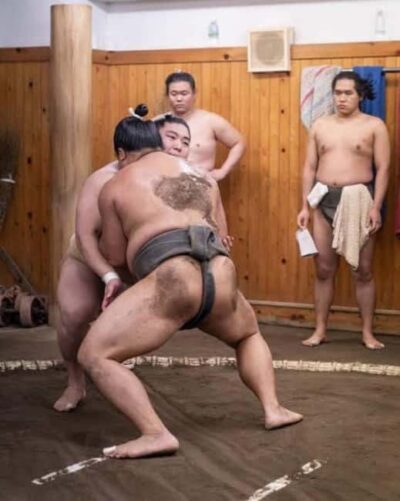
Luxury Sumo Show Experience & Japanese cuisine & Drink
Read our review →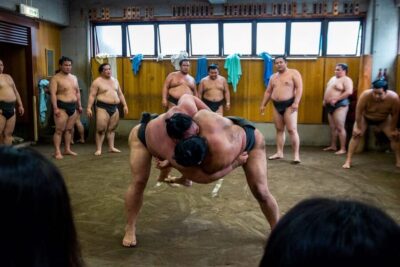
Tokyo Sumo Experience: Chanko & Mochi with a Former Pro
Read our review →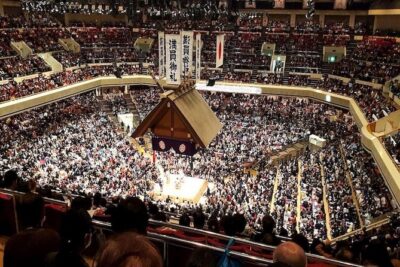
Ultimate Sumo Tournament: Tokyo, Osaka, Nagoya, Fukuoka
Read our review →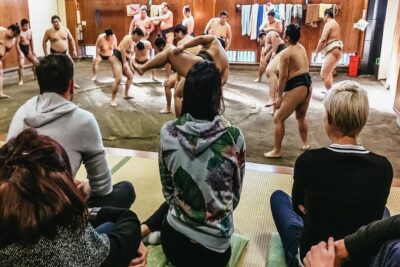
Browse the lists this tour appears in