
Reviewed · TOKYO SUMO EXPERIENCES
Tokyo: Sumo Morning Practice with journalists. Not fake show
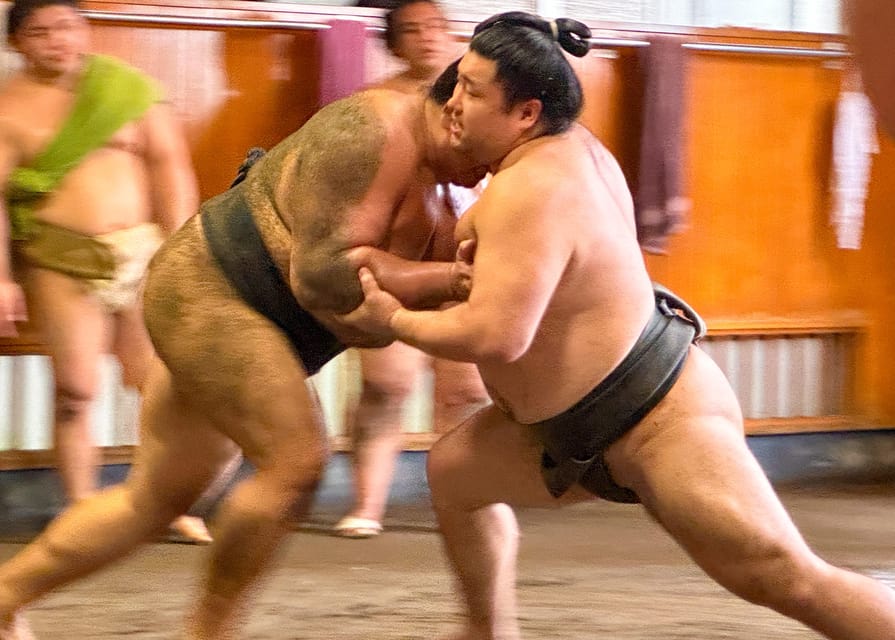
Tokyo’s sumo morning practice is the real thing, not a staged show. At Takasago-beya, you sit quietly and watch rikishi train in their own stable, then speak with an English-speaking sumo specialist who has worked as a national newspaper reporter.
I like the close look at daily training and the chance to take a photo afterward. I also like the guide’s personal reporting experience, which adds useful detail about hierarchy, rituals, diet, rules, and the wrestlers’ hard routine. The main drawback is comfort: you sit on the floor, and the stable’s traditional layout is not suited to wheelchair users.
- Real stable access: Watch wrestlers train inside Takasago-beya with special permission.
- Reporter-led explanations: Shinya Setsu and other guides bring years of sumo reporting experience and plenty of stories.
- Quiet observation: You must follow stable etiquette, including no food, drinks, shoes, or flash photography.
- Photo opportunity: Take commemorative photos after practice, when permitted.
- Ryogoku finish: Learn more near the Kokugikan area before ending at Ryogoku Station.
- Three hours, $103: Costly for a morning activity, but access to a working stable is unusual and difficult to arrange alone.
Why This Is Real Sumo, Not a Tourist Performance
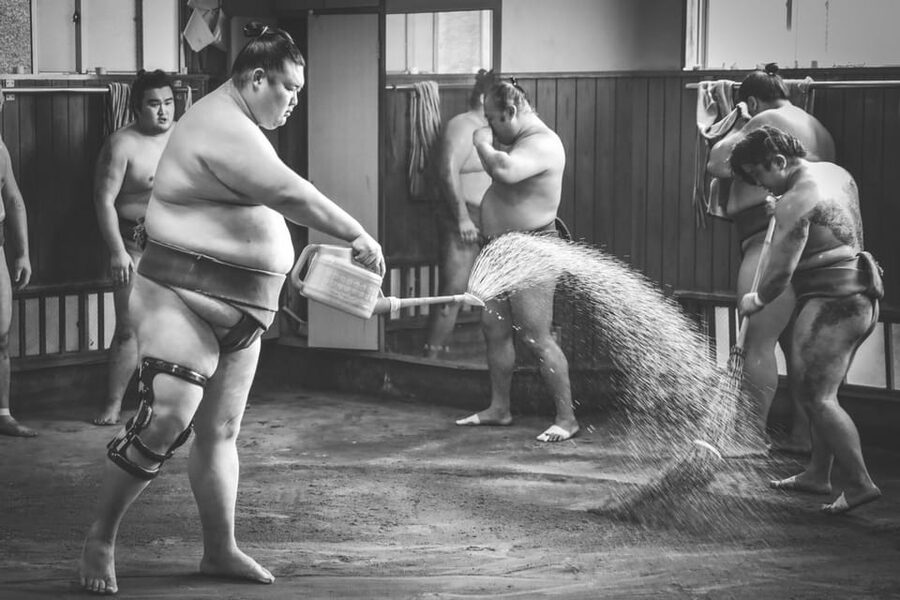
Sumo is easy to see during a tournament, but a tournament only shows the polished public face of the sport. This morning visit takes you into a beya, or sumo stable, where wrestlers train, live, and follow a strict daily order.
That distinction matters. You are not watching performers repeat a routine for a paying crowd. You are observing a practice session that belongs to the wrestlers and their stable. The group must remain quiet and follow instructions, so the experience feels more like watching from the edge of a working dojo than attending an attraction.
The special permission is the key part of the tour. Sumo stables are private places, and arranging a visit on your own can be very difficult. One participant had tried to organize a practice visit years earlier by contacting several stables without success. This tour removes that barrier.
The atmosphere may be calm and formal rather than flashy. That is part of its value. You see the concentration, repetition, and discipline that sit behind a tournament bout. The wrestlers’ size is striking, but the finer details matter too: footwork, balance, ritual movements, and the way senior and junior rikishi share the practice space.
Meeting Near Ryogoku Station
The meeting point is at Ryogoku Hanawa Building, close to the Toei Oedo Line’s Ryogoku Station, Exit A2 at ground level. From the east exit of JR Ryogoku Station, allow about five minutes on foot.
Be early. The tour leaves the meeting point on time, and missing the departure could mean missing part of the practice. The operator sends further meeting details before the date, so check your email and have the instructions ready.
Ryogoku is the natural setting for this experience. The district is Tokyo’s sumo center, with the Kokugikan arena, sumo-related shops, stables, and museum attractions nearby. Even before the tour begins, you are in a part of the city where sumo is part of the local identity rather than a distant cultural symbol.
The first short transfer takes about five minutes. You do not need to arrange a separate taxi or train ride between the meeting point and the stable. Transportation to and from the stable is not included, so you are responsible for reaching the starting point and getting home afterward.
More Tokyo sumo experiences:
- Tokyo: Sumo Show and Dining Experience
★ 4.8 · 2,742 reviews - the SUMO show
★ 5.0 · 1,960 reviews - Tokyo Shinjuku Sumo Show & Experience with Photo
★ 5.0 · 1,750 reviews
Inside Takasago-beya During Morning Practice
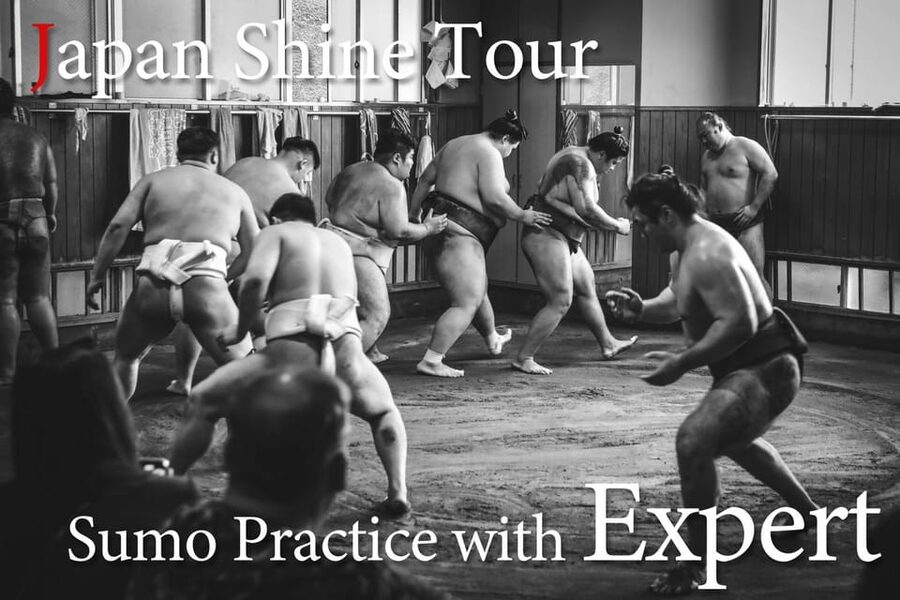
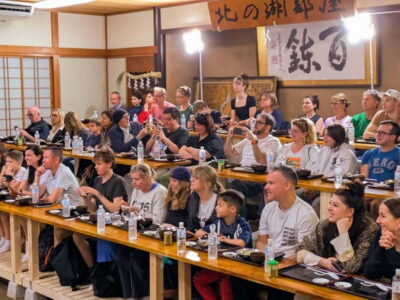
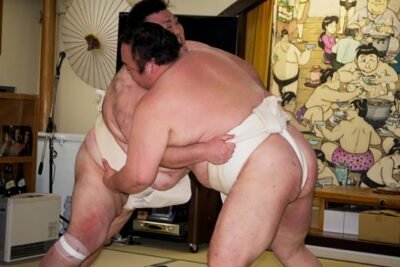
The main visit lasts about two hours, with the practice itself taking a large part of that time. You sit on the floor inside Takasago-beya and watch the wrestlers work through their morning training.
The stable may not feel comfortable in the usual sightseeing sense. You will be seated on the floor, and shoes are not allowed indoors. Wear loose, comfortable clothes that make sitting easier. A camera is useful, but flash photography is forbidden during practice.
You also need to respect the quiet. The guides provide background material before the visit so you understand what you are seeing without needing a running commentary inside the stable. That preparation is helpful because you can watch without constant explanation or conversation.
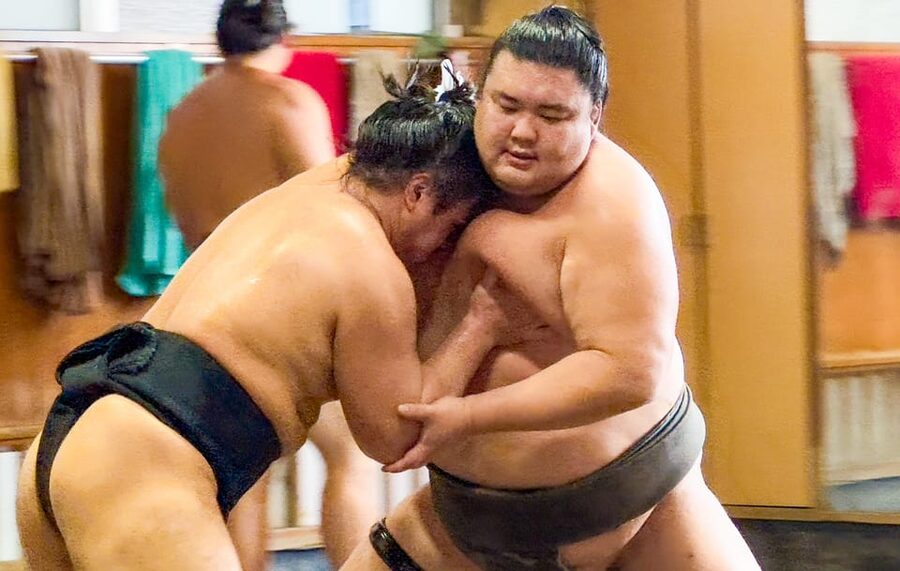
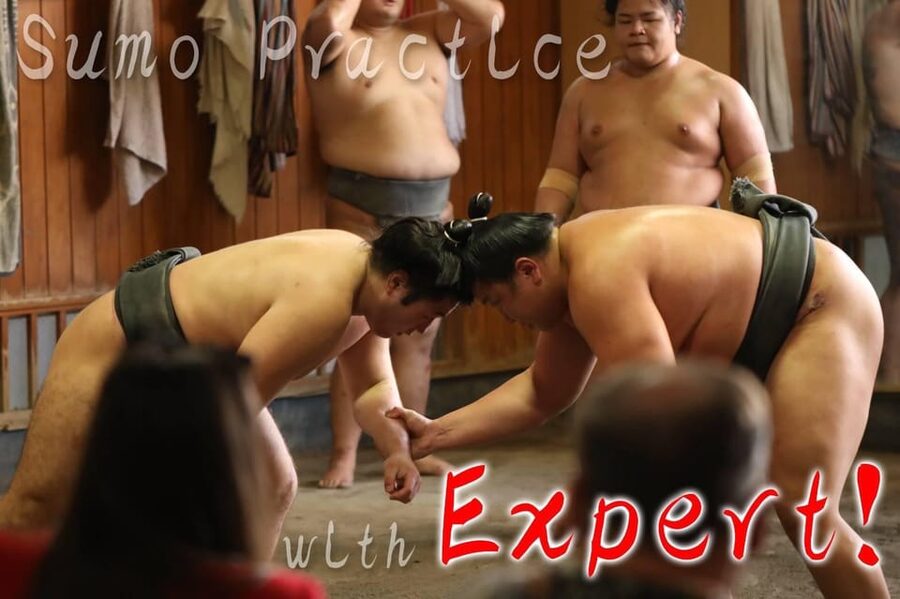
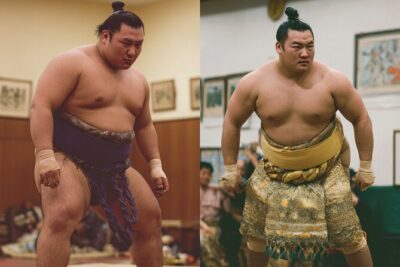
Practice can include different levels of wrestlers, from newer rikishi to established professionals. The contrast is revealing. You may notice how the younger wrestlers work to build strength and technique while more experienced wrestlers bring greater control and polish to each movement.
This is not the place to expect a tournament-style sequence with introductions, formal bouts, and a cheering audience. Instead, you see training as work. The repetition can be intense and physically demanding, and the quiet makes each slap, foot stamp, and collision feel more pronounced.
The stable setting also helps explain sumo’s internal order. Sumo is not only a sport performed in an arena. It is a way of life organized around rank, seniority, ritual, and duty. The practice gives you a visual starting point for understanding those ideas before the guide explains them in more detail.
Photos After the Practice
A commemorative photo opportunity follows the practice, when the stable permits it. This is the right time to take pictures, not during the training itself.
The photo has value because it marks access to a place that most people cannot simply enter. Still, keep your expectations sensible. The focus of the visit is observation, not a long meet-and-greet or a staged wrestling demonstration.
Follow the guide’s instructions about where to stand and when photography is allowed. Do not bring food, alcohol, drugs, or other prohibited items into the stable. Baby carriages are also not allowed, and indoor shoes are not permitted.
The Reporter’s View of Sumo
After leaving the stable, the tour shifts from observation to conversation. The guide explains sumo’s customs, rules, rank system, training life, and history in English. This is where the experience becomes much more useful than simply watching large athletes train.
Shinya Setsu is identified in the tour material as a sumo specialist and national newspaper journalist. Several sessions have also been led by guides including Karen and Ray. Their backgrounds matter because they can explain the sport through reporting experience, not only through a memorized cultural script.
Expect plenty of questions and answers. You can ask about the wrestlers’ daily life, how training is organized, what the rituals mean, and how the competition works. The guides have also shared video clips, documentaries, and other material after the tour, giving curious visitors ways to continue learning.
The best part of this discussion is the connection between small details and the larger sport. You may arrive knowing only the basic goal, push your opponent out of the ring or make him touch the ground first. You leave with a better sense of why the ring, gestures, clothing, hierarchy, and behavior all matter.
The explanations also help people who do not already follow sumo. You do not need to watch tournaments on television to get something from the tour. At the same time, regular sumo fans can ask more specific questions and use the guide’s reporting background to add context to familiar names and events.
More Tokyo shows and performances:
- Mt Fuji & Hakone Cruise, Drum Show Bullet Train 1 Day from Tokyo
★ 4.0 · 7,413 reviews - Mt Fuji & Hakone Cruise, Drum Show Bus 1 Day from Tokyo
★ 4.0 · 1,287 reviews - Tokyo: Sumo Show and Experience in Shinjuku
★ 4.8 · 1,001 reviews - Tokyo:Luxury Sumo Show Experience & Japanese cuisine & Drink
★ 4.7 · 577 reviews
Ryogoku Edo NOREN and the Kokugikan Area
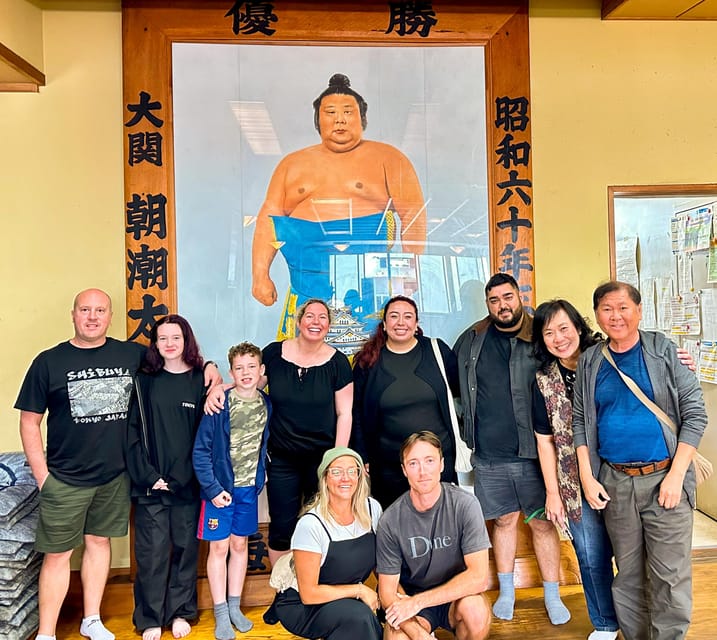
The official itinerary includes a 30-minute guided stop at Ryogoku Edo NOREN before the tour ends at Ryogoku Station. The final transfer takes about five minutes, with the station roughly one minute from the last stop.
The walk and final explanation connect the private practice to Ryogoku’s public sumo world. The area around the Kokugikan is useful for understanding how the sport fits into the neighborhood. Depending on the day and the guide’s plan, you might also hear about the arena, nearby sumo displays, shops, or local landmarks.
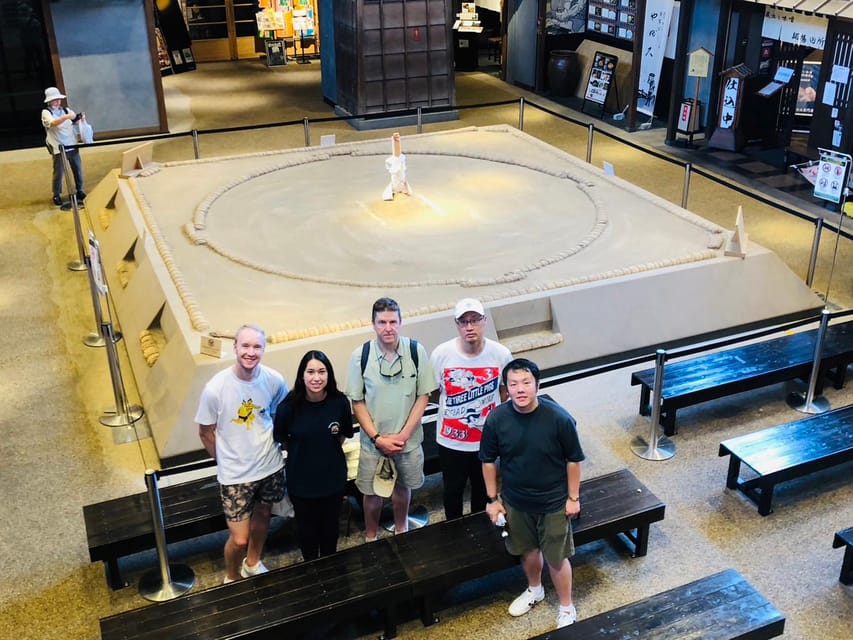
Do not assume you will enter the Kokugikan itself or step into the competition ring. One participant expected access to the stadium ring but understood the stop to involve a replica nearby. The tour’s main access is the stable, not a behind-the-scenes stadium visit.
That distinction is important when comparing this with a tournament ticket. You are paying for practice access and expert interpretation, not for a seat at a live championship event.
Is $103 a Fair Price?
At $103 per person, this is not a cheap way to fill a morning in Tokyo. You could visit many museums, neighborhoods, and public attractions for less.
The price makes more sense if you place value on access. A sumo stable is not an ordinary sightseeing stop, and individual attempts to arrange a visit may go nowhere. The fee covers the stable permission, the guide, translation into English, the practice viewing, the photo opportunity, and the extended explanation afterward.
Comparable stable visits tend to be expensive for the same reason: access is limited and permission is not automatic. If you are only mildly curious about sumo, the cost may feel high. If you have been unable to get tournament tickets, or if sumo is a major reason for visiting Tokyo, this can be a strong substitute.
I would also consider the time of year. Tournament tickets can be difficult to secure, and there is no tournament every month. A practice visit gives you a sumo experience even when the Kokugikan schedule does not line up with your trip.
The value is strongest for people who want understanding, not just a photograph. The guide’s stories, explanations, and follow-up material turn a short practice visit into a broader introduction to the sport.
Who Will Enjoy This Morning Most?
I would recommend this to:
- First-time visitors who want a traditional Japanese experience beyond temples and shopping.
- Sumo fans who cannot obtain tournament tickets.
- People who enjoy access to working cultural spaces rather than staged demonstrations.
- Families with older children who can sit quietly and follow stable rules.
- Visitors who want to ask detailed questions in English.
- Anyone interested in Japanese customs, rank, discipline, and daily routine.
It is less suitable for babies under one year, and baby carriages are not allowed. The stable’s floor seating can be difficult if you have limited mobility. The information describes the activity as wheelchair accessible in one place, but it also clearly says the traditional stable setup is not suitable for wheelchair users. I would contact the operator before booking if access is important.
You also need to accept a quiet, respectful format. This is not a loud photo stop, and you cannot eat, drink, or use flash photography during practice.
Practical Tips for a Better Visit
Arrive early, especially if you are unfamiliar with Ryogoku Station. The group leaves from the meeting point on time.
Wear comfortable clothes for floor seating. Avoid anything that makes it hard to sit for an extended period.
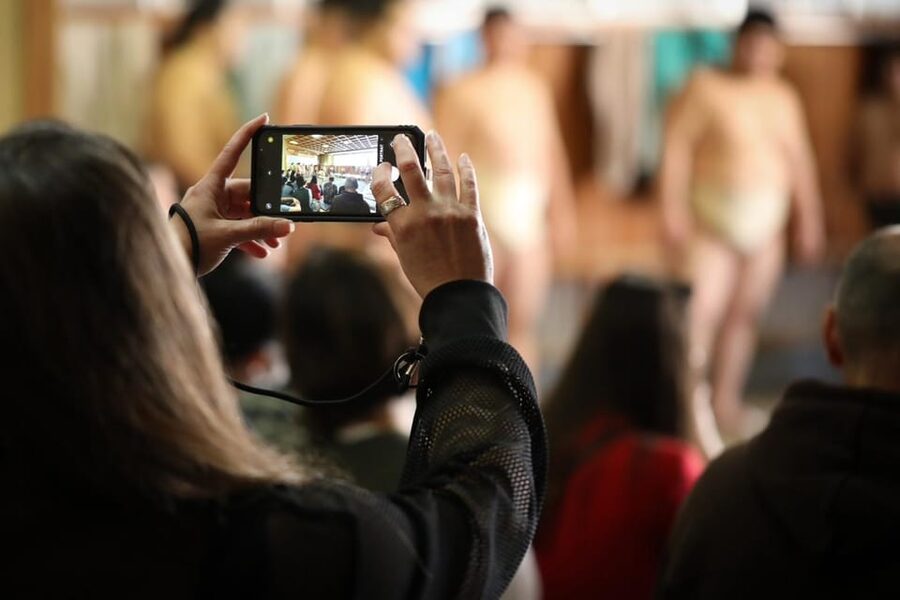
Bring a camera, but keep it ready for the permitted photo period. Flash is not allowed during practice.
Read the pre-tour information and watch any supplied videos before arriving. The extra preparation helps you recognize the movements and understand why silence is required.
Do not plan breakfast inside the stable. Food and drinks are not allowed, so eat beforehand.
Keep the rest of your morning flexible. The tour lasts three hours, and the final stop near Ryogoku Station gives you an easy starting point for exploring the Kokugikan area afterward.
Should You Book the Sumo Morning Practice?
Book it if you want authentic stable access, patient explanations, and a close look at the work behind professional sumo. The combination of practice, a permitted photo, and a journalist guide gives you more substance than a quick cultural demonstration.
Skip it if you dislike floor seating, need step-free access, or only want to see a formal tournament bout. The $103 price is a serious consideration, and the visit may feel too quiet if you expect a theatrical show.
For most people with a real interest in sumo or Japanese culture, I think the unusual access justifies the cost. You see the sport before the arena lights and learn how much discipline sits behind those few seconds inside the ring. That is the part you are unlikely to get from a standard sightseeing stop.
FAQ
Where does the sumo morning practice tour meet?
It meets at Ryogoku Hanawa Building near the Toei Oedo Line Ryogoku Station, Exit A2 at ground level. The meeting point is about a five-minute walk from the east exit of JR Ryogoku Station.
How long does the activity last?
The full experience lasts three hours. The main guided visit at Takasago-beya takes about two hours, followed by a shorter guided stop at Ryogoku Edo NOREN.
What will I watch at Takasago-beya?
You will watch a live morning practice by sumo wrestlers inside the stable. It is a genuine training session, not a staged tourist performance.
Can I take photos?
Yes, commemorative photos are included. Flash photography is not allowed during practice, so follow the guide’s instructions about when photos can be taken.
Is the tour conducted in English?
Yes. The activity includes a live English-speaking guide.
Who leads the tour?
The tour is led by a sumo specialist who is also a national newspaper journalist. Guides identified for sessions include Shinya Setsu, Karen, and Ray.
Can I ask questions about sumo?
Yes. The tour includes time to ask questions about sumo’s rules, customs, training, hierarchy, and daily life.
What should I wear?
Wear comfortable clothes because you will sit on the floor during practice. Shoes must be removed indoors.
Are food and drinks included?
No. Meals and drinks are not included, and food is not allowed inside the stable.
Is the activity suitable for wheelchair users?
The information includes wheelchair access in the general activity details but also says the traditional stable setup is not suitable for wheelchair users. Contact the operator before booking if you need wheelchair access.
More early morning tours in Tokyo
- Tokyo: Sumo Morning Practice Viewing Tour
★ 4.8 · 570 reviews - Tokyo: Sumo Morning Training Visit
★ 4.4 · 370 reviews - Tokyo: Sumo Morning Practice Tour at Sumida City
★ 4.8 · 308 reviews - Tokyo Sumo Morning Practice Tour at Stable
★ 5.0 · 298 reviews
Newly reviewed around Tokyo
- Tokyo Asakusa:Calligraphy & Make T-shirt Activity★ 5.0 · 62 reviews
- Intercity Shuttle, Tokyo to Haneda /Narita /Yokohama /Makuhari★ 5.0 · 5 reviews
- 1 Hour Travel around Tokyo with a Professional Photographer★ 5.0 · 3 reviews
- Travel Tokyo with Your Own Personal Photographer★ 5.0 · 43 reviews
- Train in Samurai Swordsmanship and Defeat the Demon in Tokyo★ 5.0 · 5 reviews
- Shuttle Van 6hr Tokyo Tour to-and-from Tokyo, Yokohama and Narita★ 5.0 · 9 reviews
- Kickboxing & Body Training with EX-Pro Fighter★ 5.0 · 4 reviews
- Traditional Japanese Knife Sharpening Class★ 5.0 · 18 reviews
Tokyo Sumo Experiences, compared.
Tokyo Shinjuku Sumo Show & Experience with Photo
Read our review →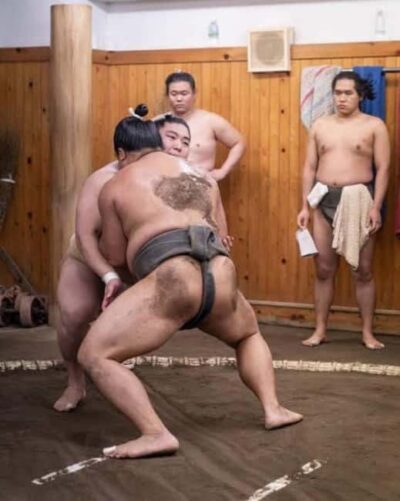

Luxury Sumo Show Experience & Japanese cuisine & Drink
Read our review →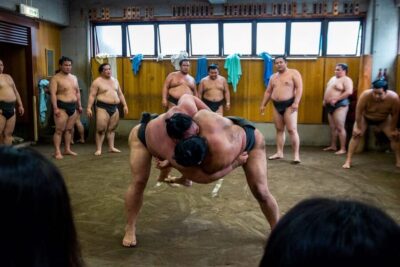
Tokyo Sumo Experience: Chanko & Mochi with a Former Pro
Read our review →
Ultimate Sumo Tournament: Tokyo, Osaka, Nagoya, Fukuoka
Read our review →Browse the lists this tour appears in