
Reviewed · TOKYO SUMO EXPERIENCES
Tokyo: Sumo Morning Practice Tour at Sumida City
Sumo morning practice is not a staged show. You sit close to the ring while wrestlers stretch, stomp, grapple, and repeat the same demanding movements under the stable master’s eye. I like the intimate view of real training and the chance to ask questions afterward, when the stable master may explain the wrestlers’ daily life. I also like that guides such as Tadashi, Yoko, Yukiko, and Kiyomi have helped visitors understand what they are seeing.
The main catch is simple: you sit cross-legged on the floor for about 1.5 hours, with no chairs and no toilet break. The 15 to 20 minute walk from Oshiage Station is easy for many people, but this is not a good choice for anyone with mobility limits or children who cannot remain quiet.
Key points to know before booking
- Watch genuine morning practice: You are observing a working sumo stable, not attending a theatrical performance.
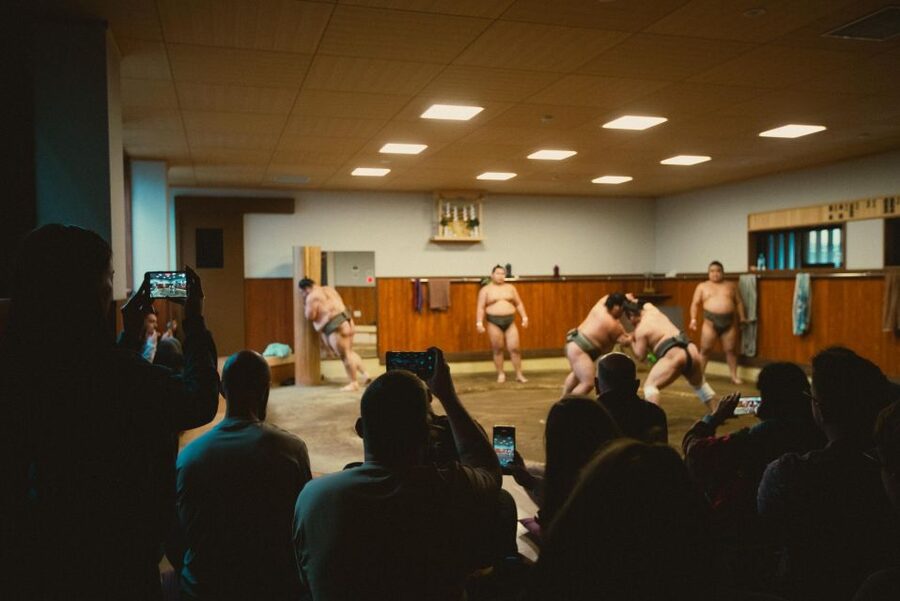
- Sit close to the action: The training takes place within a few feet of the viewing area, though your exact seat and sightline can vary.
- Ask the stable master questions: The final question session can explain the sport, customs, and life inside the stable.
- Arrive early near Tokyo Skytree: Meet at Oshiage Station A1 Exit at 7:15 AM for the 7:30 AM start.
- Plan for floor seating: There are no chairs, and you should use the restroom before entering.
- Schedule around tournament months: Morning practice tours are not held in March, July, or November.
Why watching practice beats simply attending a sumo match
A grand tournament gives you the full spectacle: formal bouts, packed stands, ceremony, and a clear winner. This morning visit gives you something different. You see the work that happens before the public contest, when wrestlers repeat basic movements and test one another under close supervision.
I find that useful because sumo can look simple from a distance. Two large men push, pull, and try to force each other out of the ring. From a few feet away, you notice the speed, balance, flexibility, and control involved. The wrestlers’ size is striking, but so is the way they move.
Practice is also less polished than a match. Some sessions include hard one-on-one bouts, while others may feel lighter, depending on the day and the training schedule. One visitor found the practice gentler than expected during a tournament period. That is not a flaw, but you should not book this expecting a full series of dramatic contests every morning.
The key point is respect. You are watching athletes work, not performers entertaining an audience. The guide explains when to sit quietly and how your behavior affects the room. During practice, you should not talk, use flash photography, or make distracting shutter sounds.
More Tokyo sumo experiences:
- Tokyo: Sumo Show and Dining Experience
★ 4.8 · 2,742 reviews - the SUMO show
★ 5.0 · 1,960 reviews - Tokyo Shinjuku Sumo Show & Experience with Photo
★ 5.0 · 1,750 reviews
Meeting at Oshiage Station before sunrise
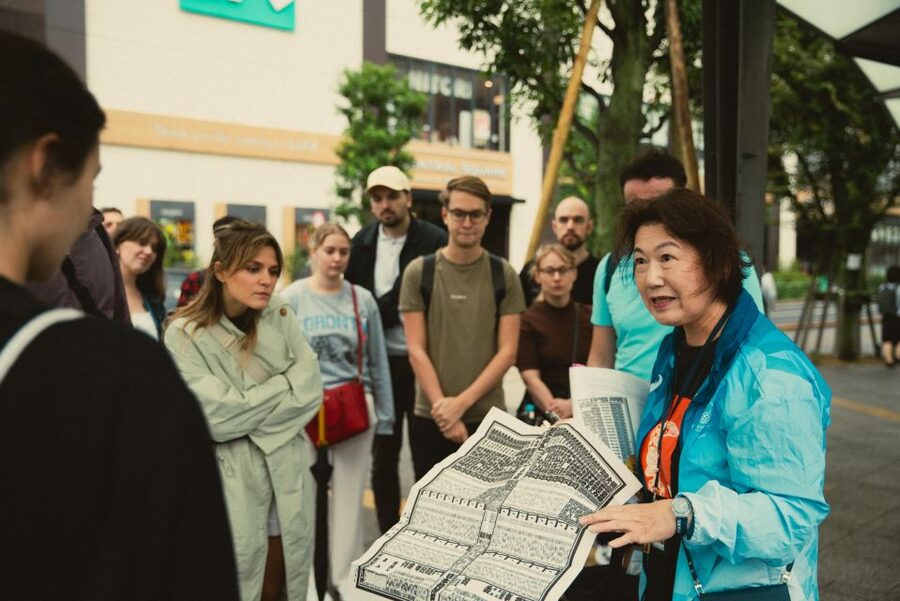
The meeting point is outside the Toei Asakusa Line and Tokyo Metro Oshiage Station area, at the A1 Exit on the ground floor. You meet at 7:15 AM, and the activity begins at 7:30 AM.
The location is close to Tokyo Skytree, so this tour fits well with a morning or afternoon around Skytree Town. Do not confuse being near the Skytree with being at the stable. The group walks for roughly 15 to 20 minutes before reaching the practice room.
I recommend arriving early. A few minutes spent finding the correct exit is much better than trying to locate an unfamiliar station entrance at 7:20 AM. The early start also gives the guide time to explain the rules before the group enters.
If you are late, contact the provider rather than walking into the stable alone. You will be sent the address, but you must wait outside until the guide meets you. Do not ring the doorbell. The wrestlers are training, and the point of this rule is to protect their concentration.
The walk is manageable, but prepare for weather. In summer, it can feel long in the heat. In rain, your feet may get wet, so a small towel is useful. The stable is a working place, not a visitor center, so arrive dressed for a quiet, practical morning rather than a formal attraction.
Entering the stable and taking your place
At the stable, you remove your shoes before entering. Wear footwear that comes off easily, especially because you may need to remove and put it back on without holding up the group.
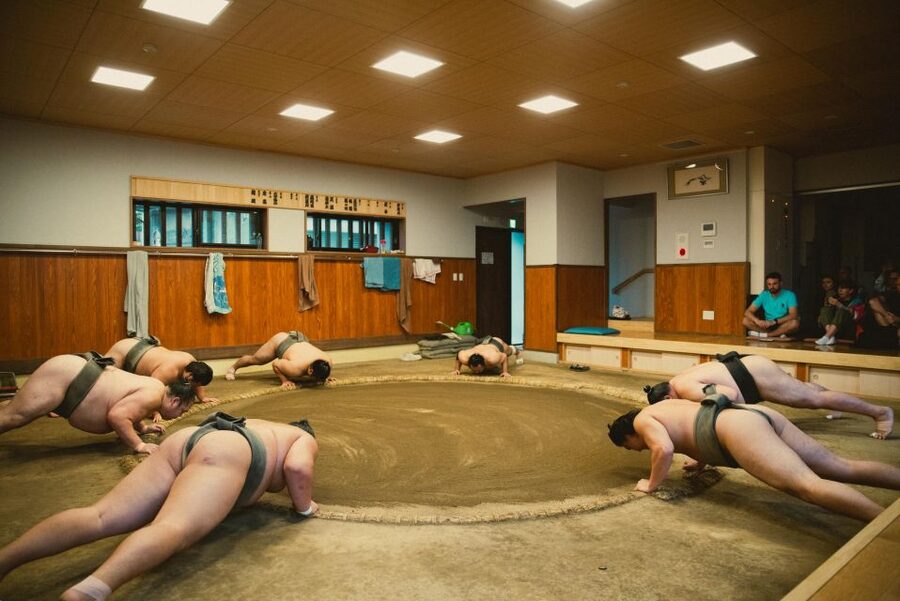
You sit on the floor around the practice area. There are no chairs, and the practice portion lasts about 1.5 hours. Sitting cross-legged for that long can be uncomfortable, especially if you have stiff knees, limited flexibility, or a mobility impairment.
Your view may depend on where you are placed. The group may be asked to rotate positions, but this is not guaranteed to work perfectly every time. One morning, another athletic group had priority seating, leaving some visitors with a less direct view. On another, the guide helped people change positions so everyone could see better.
I would try to sit near the front when you have the choice, while still following the guide’s instructions. Keep in mind that the front row is not always the best place for every moment. Wrestlers move around the ring, and a nearby pillar, another viewer, or the angle of the room can affect your view.
The viewing space may also feel crowded. One larger group found it difficult to hear the guide at times. If you are short or have trouble hearing soft voices, position yourself close to the guide before practice begins and pay attention to the printed information.
What the morning training looks and feels like
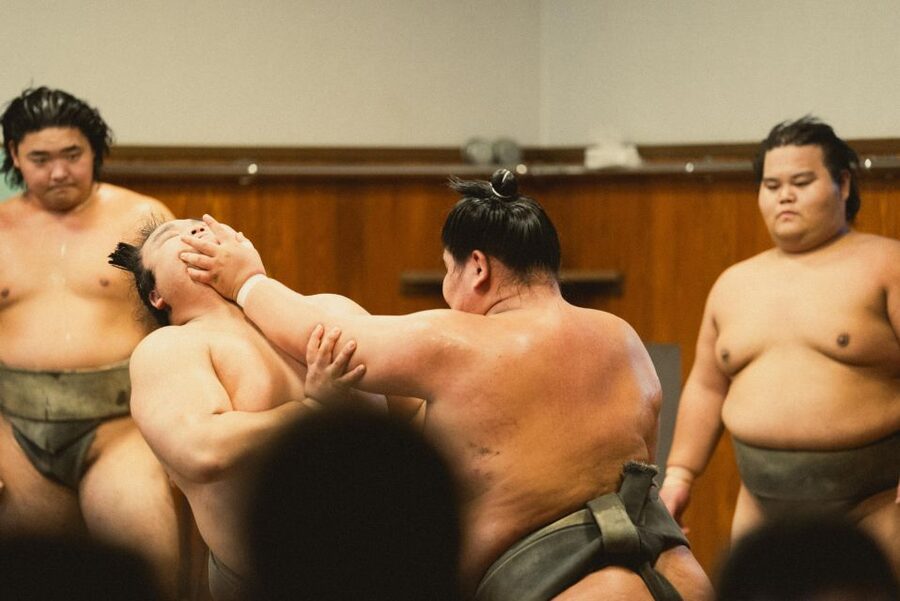
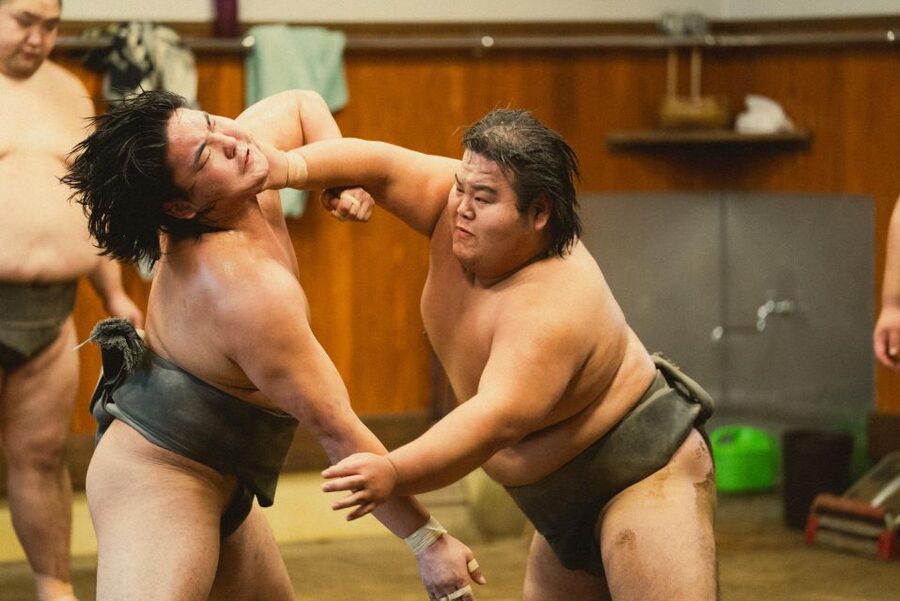
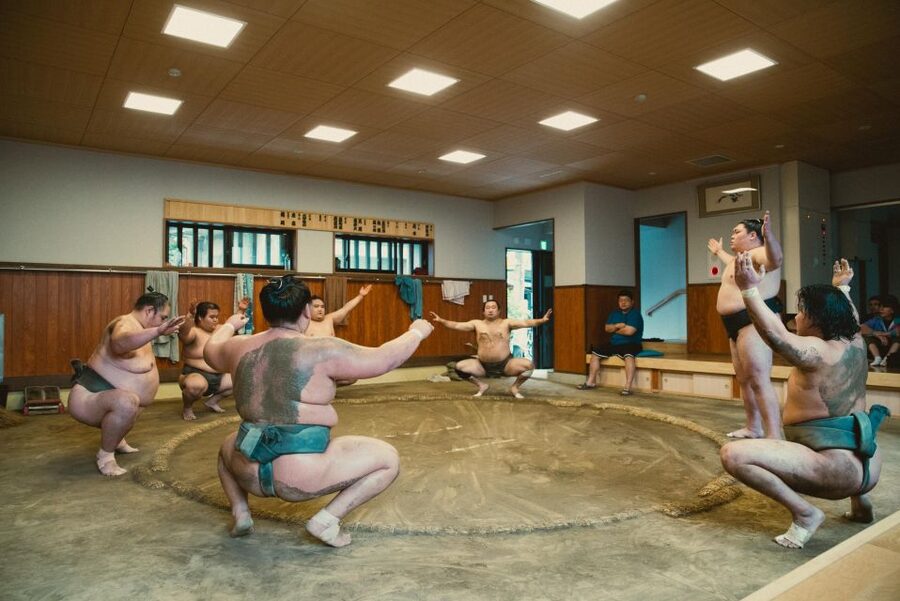
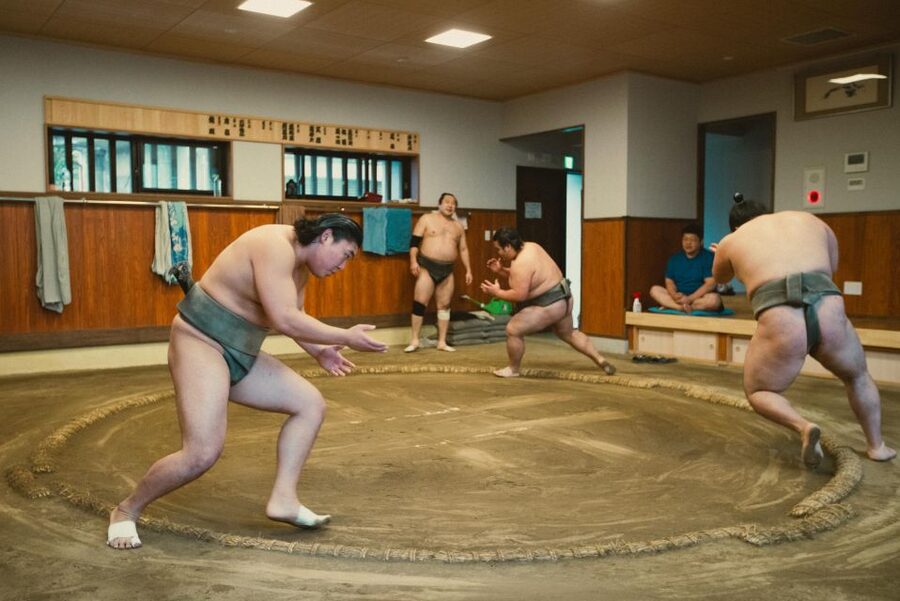
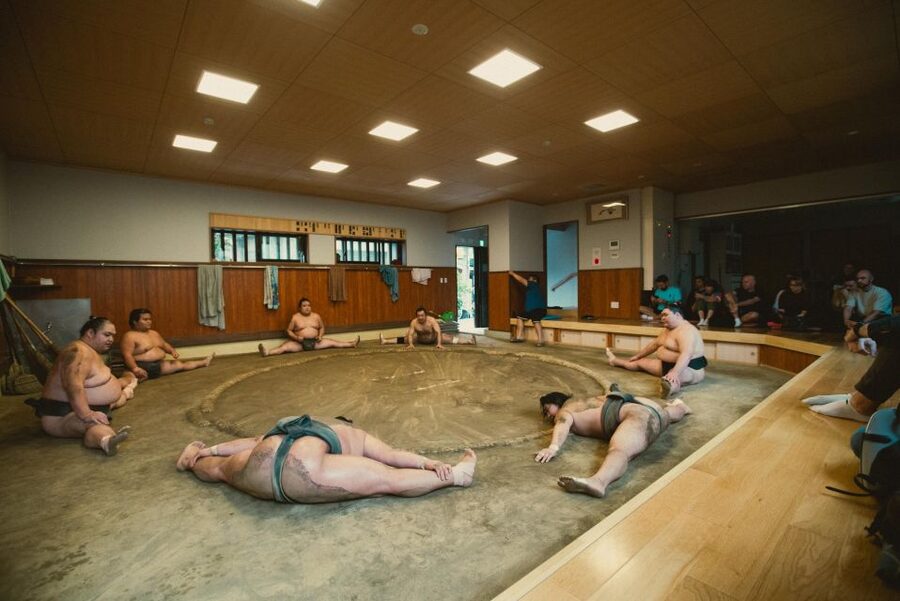
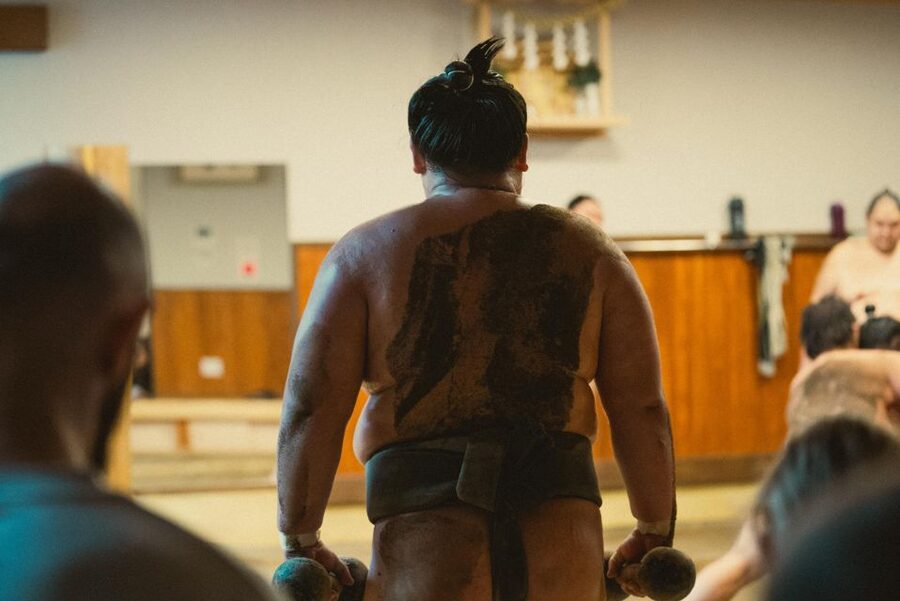
The practice begins with ritual and preparation rather than immediate bouts. You may see stretching, stance work, stomping exercises, pushing drills, and repeated practice against another wrestler. The details can vary from morning to morning, so the tour does not promise a fixed show.
That unpredictability is part of its value. You see wrestlers train according to the needs of the stable, not according to a visitor schedule. A practice may feature several wrestlers, including trainees who are not famous names from televised tournaments. That does not make it less interesting. In fact, it gives you a closer look at how the next generation develops.
The physical contrast is remarkable. Sumo wrestlers are heavy athletes, yet the training includes flexibility and fast reactions. From nearby, you can hear the impact and see how much effort goes into each movement. The work is repetitive, controlled, and demanding.
You must remain silent during practice. Do not eat or drink inside, and leave sunglasses, hats, strollers, luggage, and large bags behind. Flash photography is forbidden. Photos and videos may be allowed without flash or shutter sounds, but you cannot upload them to social media.
That last rule matters. You are entering a private training setting, not a public arena. If you want to remember the morning, take a few quiet photos when permitted and save the experience for yourself.
More early morning tours in Tokyo:
- Tokyo: Sumo Morning Practice Viewing Tour
★ 4.8 · 570 reviews - Tokyo: Sumo Morning Training Visit
★ 4.4 · 370 reviews - Tokyo Sumo Morning Practice Tour at Stable
★ 5.0 · 298 reviews - Tokyo Ryogoku Sumo Morning Practice + Photo Shoot with Wrestlers
★ 4.5 · 277 reviews
The guide’s role: turning movement into meaning
An English-speaking guide accompanies the group and explains the basic rules, rituals, and customs. The strongest guides add useful context without interrupting the training.
Tadashi received especially warm praise for being attentive before, during, and after the visit. Yoko has been noted for her passion and clear explanations, while Yukiko helped visitors understand what to expect and offered practical sightseeing advice afterward. Kiyomi and other guides have also led groups through the stable and the question session.
Guide quality can vary by assignment. One visitor felt that the guide offered little spoken explanation before practice and relied too much on a leaflet. Another found it hard to hear a soft-spoken guide at the station. I would treat the guide as a helpful interpreter, but not assume you will receive a long lecture on every part of sumo.
The printed material can help, though it is easier to learn when you read it before entering. If you want more historical background, ask questions during the final discussion. One visitor specifically wanted more explanation of sumo’s history, so it is worth raising that subject yourself.
A good guide also makes the early start easier. The instructions about silence, seating, photography, and the route matter here. This is not an activity where you can simply wander in and figure things out as you go.
The question session with the stable master
After practice, the atmosphere changes. You may have time for questions with the stable master, who can discuss the wrestlers, training, customs, and daily life inside the stable.
This is often the most revealing part of the morning. Watching the practice shows the physical side of sumo. The discussion helps you understand the human side: how wrestlers train, what life in a stable involves, and how the sport’s traditions shape their routine.
The question time is not guaranteed to follow an identical format, but the experience commonly includes around 30 minutes for questions and photos. The stable master has been described as welcoming and generous with answers, and several visitors found this conversation more memorable than expected.
Prepare a few questions in advance. You might ask about the rules, the wrestlers’ training schedule, how a stable operates, or how the practice changes around a grand tournament. The guide can help with language and timing.
You may also learn that a wrestler you have just watched is well known within the sport. That can add an extra thrill, especially because you see the person in an ordinary training setting rather than only on television.
Photos with wrestlers, with important limits
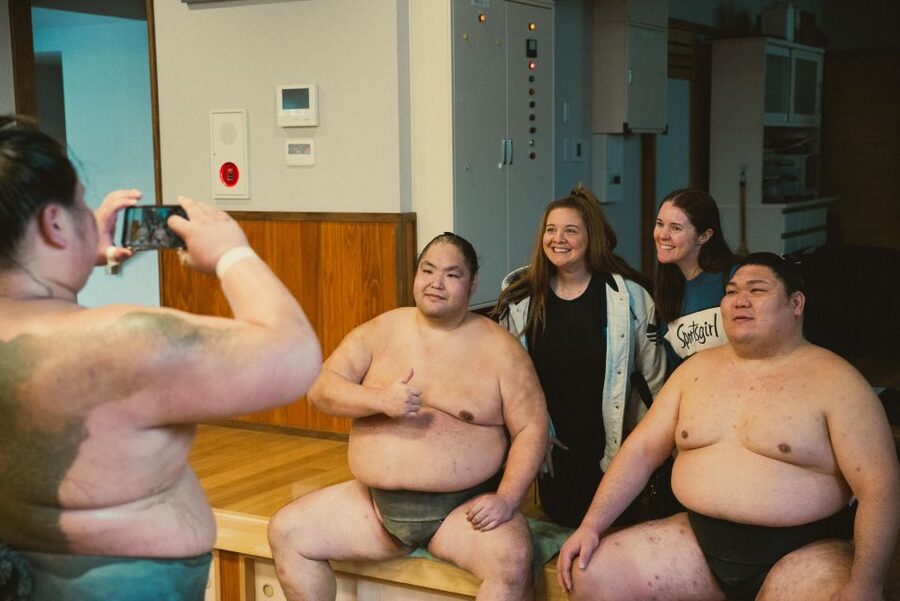
A photo with the wrestlers may be possible after practice. It is a nice closing moment, but do not treat it as guaranteed. The wrestlers have their own schedule, and the stable’s needs come first.
If photos are allowed, follow the guide’s instructions and keep the process quick and polite. Flash is not allowed, and photos or videos cannot be uploaded to social media. The restrictions may feel strict, but they protect a private workplace and the wrestlers’ concentration.
Some groups have received a friendly farewell as they left, which can make the ending feel personal. Still, I would book this for the practice and the conversation, not for a promised photo opportunity.
Is $116 a fair price?
At $116 per person, this is not a cheap way to spend two hours in Tokyo. You are paying for access to a sumo stable, an English-speaking guide, local coordination, and a viewing opportunity that is difficult to arrange independently.
The value depends on your interest. If you already plan to attend a grand tournament, this morning visit gives you a useful second angle on the sport. If you have little interest in sumo, the close view of the athletes and the cultural setting may still surprise you, but the price is harder to justify.
I think the cost makes the most sense for someone who values access over entertainment. You are not buying a polished show with comfortable seating. You are paying to enter a serious training environment, follow its rules, and watch the work at close range.
There are also practical savings in the structure. The meeting point is near Tokyo Skytree, the walk is included, and the guide handles the stable visit and translation. You do not need to arrange separate transport or figure out how to approach a stable yourself.
Free cancellation is available up to two days before the activity, which is useful because the schedule is seasonal and practice dates can be released only one to two months ahead.
Who should book this morning?
I would recommend it to adults, older children, and anyone curious about Japanese sport and ritual. The minimum age is six, but age alone is not enough. A child must remain quiet, stay seated, and watch without moving around. If not, the family may be asked to leave the stable.
This is a strong choice for you if:
- You want to see working athletes rather than a staged demonstration.
- You enjoy cultural activities with rules and close observation.
- You can sit on the floor for about 1.5 hours.
- You are happy to wake early and walk from Oshiage Station.
- You want to ask questions about sumo life and customs.
I would skip it if you need a chair, cannot use floor seating comfortably, have mobility limitations, or expect a full tournament-style spectacle. It is also not suitable for toddlers, strollers, large luggage, or anyone who finds strict silence difficult.
Plan around Tokyo’s sumo calendar
The tour does not run in March, July, or November because grand sumo tournaments take place outside Tokyo during those months. Check the schedule about two months before your preferred date, when practice dates and reservations become available.
Tournament periods can also affect the feel of the practice. On some mornings, training may be less intense as wrestlers prepare for competition or follow a different schedule. That is normal, but it means the exact session cannot be promised in advance.
The early hour is a benefit for planning the rest of your day. You return to the Oshiage area after roughly two hours, leaving time for Tokyo Skytree, nearby sightseeing, or breakfast. Food and drinks are not included, so plan to eat afterward.
My verdict: book it for access, not comfort
I would book this experience if you want a close, respectful look at sumo’s daily discipline and can handle the physical limits. The best parts are the proximity to the ring, the chance to see trainees work without a performance built for tourists, and the stable master’s question session.
I would not book it for a guaranteed celebrity wrestler, a comfortable seat, or a dramatic series of bouts. The view can vary, the guide may speak softly, and the practice may be lighter than expected.
For the right person, though, this is one of Tokyo’s more memorable cultural activities. You leave with a clearer sense of sumo as a demanding way of life, not just a few seconds of pushing in a televised ring.
FAQ
Where does the sumo morning practice tour meet?
Meet at the ground-floor A1 Exit of Oshiage Station, served by the Toei Asakusa Line and Tokyo Metro Oshiage Station. The meeting time is 7:15 AM, and the tour starts at 7:30 AM.
How long does the experience last?
The full activity lasts about two hours. The walk to the stable takes about 15 to 20 minutes, and the practice itself lasts approximately 1.5 hours.
How far is the stable from the meeting point?
The stable is about a 15 to 20 minute walk from the station meeting point.
Can I use the restroom during practice?
No. You should use the restroom before joining the tour because toilet access is not available during the practice.
Do I sit on chairs inside the stable?
No. There are no chairs. You must sit cross-legged on the floor for approximately 1.5 hours.
Can children join the tour?
Children aged six and older may join. Children must remain quiet and seated during practice. Children under five are not permitted.
Can I take photos or videos?
Photos and videos may be allowed without flash or shutter sounds. You cannot upload them to social media, and flash photography is not permitted.
Is a photo with the wrestlers guaranteed?
No. You may have the chance to take a photo with the wrestlers after practice, but it depends on the stable’s schedule and permission.
When are sumo morning practice tours not held?
Tours are not held in March, July, or November because grand sumo tournaments take place outside Tokyo during those months.
Newly reviewed around Tokyo
- Tokyo Asakusa:Calligraphy & Make T-shirt Activity★ 5.0 · 62 reviews
- Intercity Shuttle, Tokyo to Haneda /Narita /Yokohama /Makuhari★ 5.0 · 5 reviews
- 1 Hour Travel around Tokyo with a Professional Photographer★ 5.0 · 3 reviews
- Travel Tokyo with Your Own Personal Photographer★ 5.0 · 43 reviews
- Train in Samurai Swordsmanship and Defeat the Demon in Tokyo★ 5.0 · 5 reviews
- Shuttle Van 6hr Tokyo Tour to-and-from Tokyo, Yokohama and Narita★ 5.0 · 9 reviews
- Kickboxing & Body Training with EX-Pro Fighter★ 5.0 · 4 reviews
- Traditional Japanese Knife Sharpening Class★ 5.0 · 18 reviews
Tokyo Sumo Experiences, compared.
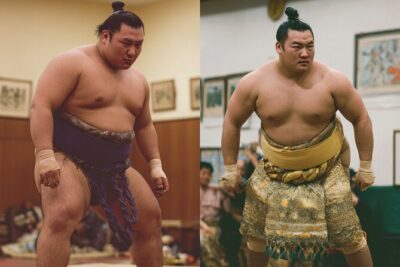
Tokyo Shinjuku Sumo Show & Experience with Photo
Read our review →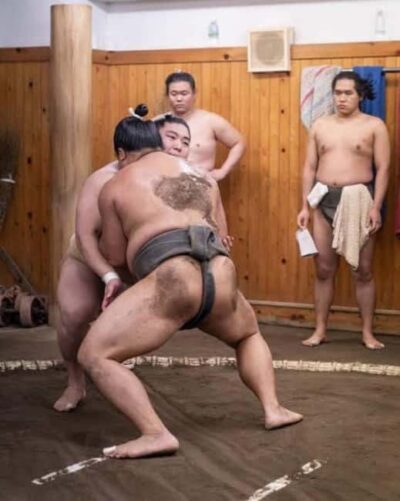

Luxury Sumo Show Experience & Japanese cuisine & Drink
Read our review →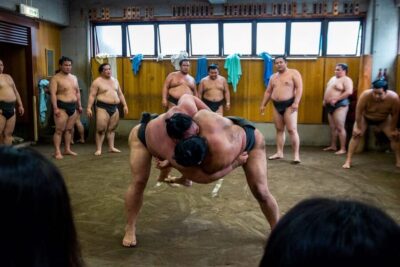
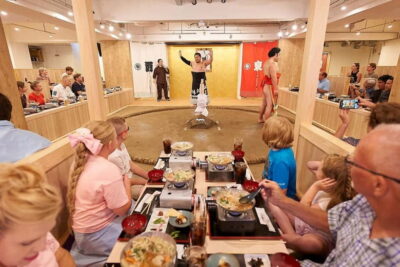
Tokyo Sumo Experience: Chanko & Mochi with a Former Pro
Read our review →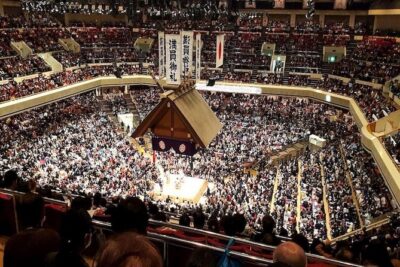
Ultimate Sumo Tournament: Tokyo, Osaka, Nagoya, Fukuoka
Read our review →Browse the lists this tour appears in