
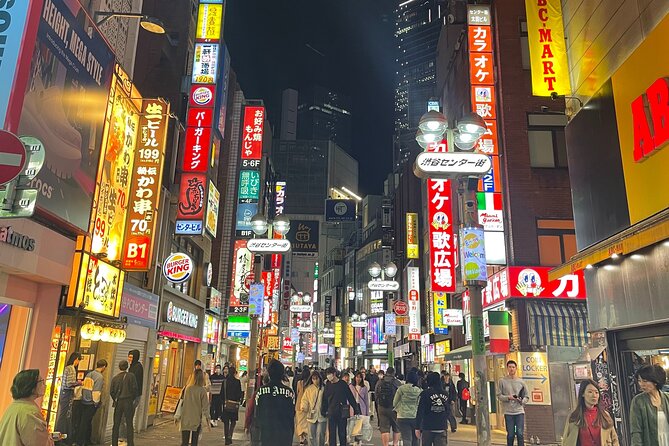
Reviewed · TOKYO WALKING TOURS
Tokyo: Shibuya Highlights Walking Tour
Shibuya’s famous crossing is easy to find. The harder part is knowing where to go after you have crossed it. This 90-minute walking tour starts at the Hachi dog statue, then leads you through the station area, local drinking streets, restaurant lanes, quiet corners, and a useful viewing spot above the crowds.
I like the small group limit of six, which gives the guide room to answer questions and adjust the walk to the people in front of them. I also like the practical advice: guides such as Sakura, Hiroko, Fumino, and Rick have pointed people toward ramen, restaurants, shops, photo spots, and places they might otherwise miss. The main drawback is its short length. You get a strong introduction to Shibuya, not an all-day tour of the district.
Key points at a glance

- Start beside Hachi: Meet at the SHIBU HACHI BOX, the tourist information center in front of Shibuya’s famous dog statue.
- Cross the famous scramble: The walk includes Shibuya Crossing, best understood with context about the district and its role in city life.
- See Shibuya from above: Your guide takes you to a good viewpoint for looking down on the crossing and surrounding streets.
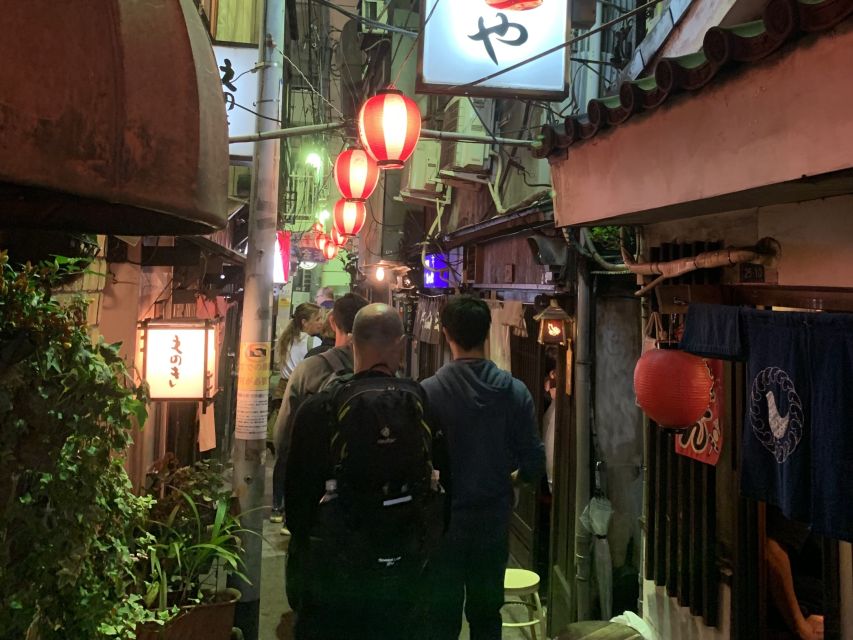
- Go beyond the billboards: The route includes restaurants, bars, station shortcuts, Drunkards Alley, and quieter streets away from the main flow.
- Get useful local advice: Expect suggestions for ramen, lunch, shopping, sightseeing, and calm places in the middle of Shibuya.
- Keep the group personal: With no more than six participants, the pace allows for conversation and questions.
Why this short Shibuya walk works
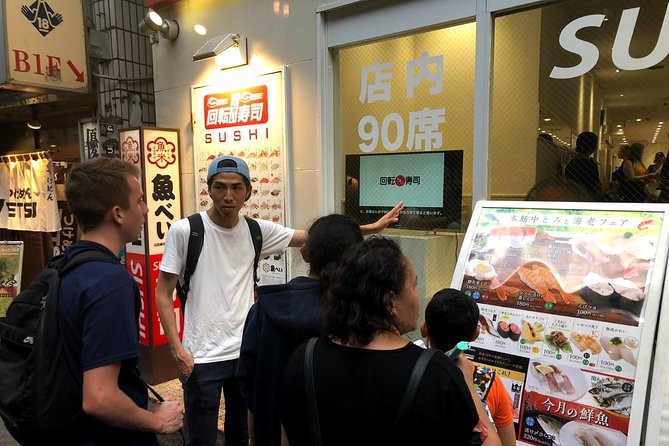
Shibuya can feel like several neighborhoods piled on top of one another. One minute you are under huge screens and surrounded by people crossing in every direction. A few minutes later, you are looking at small bars, narrow restaurant streets, or a quieter corner that is easy to miss from the main road.
That change is the real point of this tour. You are not simply taken to the crossing, shown Hachi, and sent on your way. The guide helps you understand how the famous sights fit together, then takes you away from the obvious route.
I would book this early in a Tokyo stay. It gives you a map in your head before you return to Shibuya for shopping, nightlife, food, or independent exploring. Several guides also give direct suggestions for places to eat, which can save you from choosing a restaurant at random in a district filled with options.
The tone is friendly and conversational. Guides named Sakura, Hiroko, Fumino, Roko, Izumi, Hayato, Yoshi, Mayuka, and Rick have led this walk at different times. The repeated strengths are clear: warm personalities, strong English, practical advice, and a willingness to answer questions rather than rush through a script.
More things to do in Shibuya:
- Official Street Go-Kart in Shibuya
★ 5.0 · 3,435 reviews - Tokyo: Street Kart Experience in Shibuya
★ 4.9 · 1,484 reviews - Shibuya Meltdown Nightlife Tour: All-You-Can-Drink Bar Hopping
★ 5.0 · 1,058 reviews
Meeting Hachi at the SHIBU HACHI BOX
The meeting point is the SHIBU HACHI BOX tourist information center in front of the Hachi statue. Come out of JR Shibuya Station through the Hachiko Exit, then look for the desk near the statue.
This is a sensible starting point. Hachi is one of Shibuya’s best-known meeting places, but the station can still be confusing, especially when you are carrying luggage or arriving after a long flight. Go directly to the information center and tell the person at the desk that you are joining the tour.
Arrive early. The guide can wait only five minutes, and late arrivals cannot join halfway through. That rule matters here because Shibuya Station has many exits, underground routes, and competing signs. Give yourself extra time to get out of the station and find the exact meeting point.
The published coordinates are 35.6591253, 139.7008004. A phone map is useful, but the Hachiko Exit instruction is the key detail. You do not need hotel pickup, and transportation is not included because this is a walking experience from start to finish.
Crossing Shibuya’s famous scramble
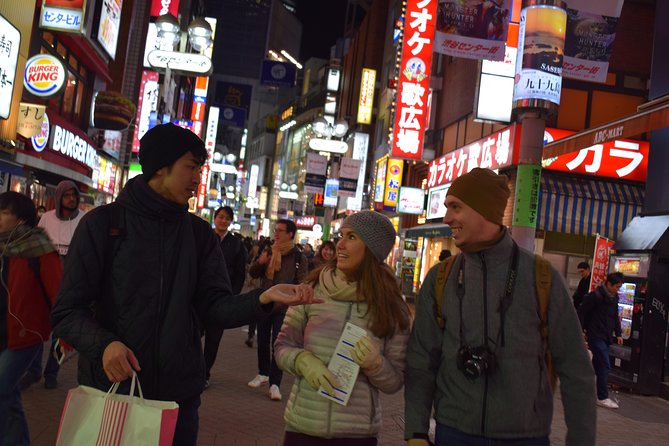
The first major moment is Shibuya Crossing. The crossing is often called the busiest in the world, and it is easy to see why once the signals change and people move across from every direction.
Crossing it alone is simple. Understanding why it became such a central symbol of Tokyo is more interesting. Your guide supplies background about Shibuya and points out ways to view the crossing instead of treating it as a quick photo stop.
The crossing can be crowded, noisy, and visually intense. That is part of the appeal, but it also means you should not expect a quiet historical walk. If you prefer small lanes and local stories, the later part of the route will likely be more rewarding than the crossing itself.
The guide can also help with photo etiquette. One participant was specifically told about areas where taking pictures was inappropriate, a useful reminder in a district where it is tempting to photograph everything. Listen to those instructions and follow the local lead.
Finding a better view of the crossing
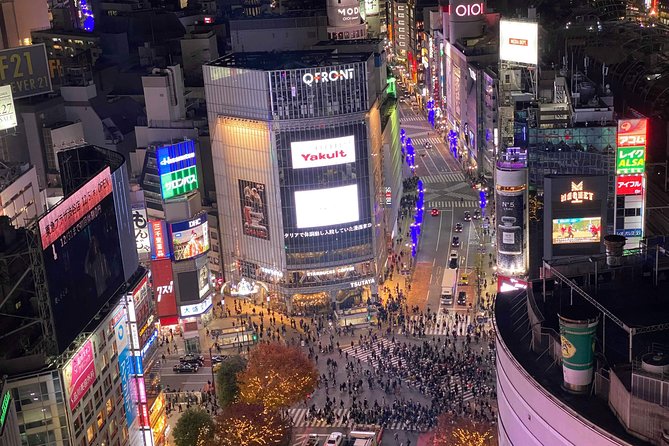
One of the tour’s strongest features is a high viewpoint where you can look over Shibuya Crossing. This changes the experience from being one person in the crowd to seeing the whole movement from above.
The exact viewing location can vary, but the purpose is consistent: you get a clear angle for photographs and a better sense of how the roads and station area connect. Several people have said they would not have found this spot alone, which makes it more useful than simply pointing out a famous department store or neon sign.
Timing can affect the mood. One person found a late afternoon start in winter especially attractive as the light began to fade. That is not a guarantee of sunset conditions, but it is a sensible idea if you want changing light and the first glow from Shibuya’s signs.
You should still keep expectations in check. This is a street-level walking tour, not a dedicated observatory visit. The high viewpoint is one part of the route, and the tour does not promise a long stay there or a particular building.
More Tokyo walking tours:
- Tokyo Tsukiji Fish Market Food and Culture Walking Tour
★ 5.0 · 3,184 reviews - Tokyo: Imperial Palace and Shogun Historical Walking Tour
★ 5.0 · 2,251 reviews - Tokyo: Shinjuku Local Bar and Izakaya Guided Walking Tour
★ 4.9 · 1,794 reviews - Tokyo: Tsukiji Fish Market Food and Walking tour
★ 5.0 · 1,724 reviews
From station shortcuts to Drunkards Alley
After the main crossing, the walk becomes more useful for independent exploring. Guides have shown station shortcuts, restaurant streets, shopping areas, and Drunkards Alley, a compact area associated with small bars and casual drinking spots.
This part gives you a more human view of Shibuya. The giant screens and polished shopping streets are only one side of the district. Small bars and narrow lanes show how the area works after the sightseeing photos are finished.
You will not be stopping for food or drinks during the tour. Those costs are not included, and the 90-minute schedule is too short for a full meal stop. Instead, use the guide’s recommendations to plan what you want to try later.
That arrangement suits me. You get advice without spending the tour seated in one restaurant. It also lets you ask focused questions: where to find ramen, what kind of food is available nearby, which shopping areas interest you, or where to return after dark.
Drunkards Alley may appeal most to adults interested in Tokyo nightlife. Families can still enjoy the wider walk, but the bar streets are not likely to be the main reason to book. The route is about seeing the area from a local point of view, not sampling alcohol.
Quiet corners and local context
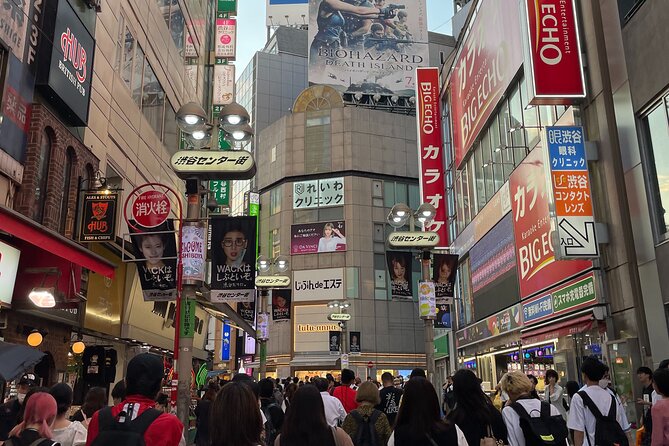
The tour does not stay in the loudest part of Shibuya. Guides lead the group away from the main crowd to less populated streets and quieter places. That contrast helps you understand the district better than a route that simply connects the biggest signs.
This is also where the guide’s personal connection matters. Some guides grew up in or around the area, and several have been able to explain local customs, neighborhood background, and suitable behavior for taking photos. You are getting more than directions from one attraction to the next.
A picture book with English text has also been used to help explain information during the walk. That can be useful when a story involves names, characters, or details that are hard to follow while moving through a noisy street.
The walk is not a formal lecture. The information comes in short explanations between stops, with room for questions. That format works well in Shibuya, where traffic, crowds, and station noise can make long speeches difficult to follow.
What you get for $19
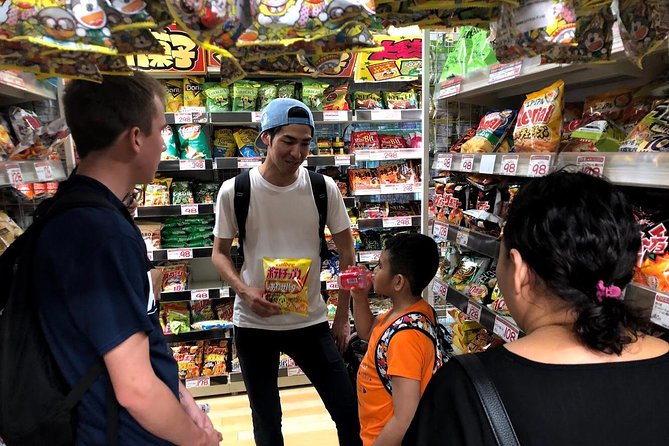
At $19 per person, this is an inexpensive way to get oriented in one of Tokyo’s most confusing districts. You are paying for the guide’s route planning, local context, viewpoint access, and recommendations rather than for admissions or a meal.
The small group makes the price particularly attractive. A six-person maximum gives you a better chance to hear the guide and ask about your own interests. If demand is low, the experience can become almost private. Some departures have had only one participant, while others have included a family or a few small parties.
That flexibility is a real benefit, but it also means the exact feel can change from one departure to another. A solo walk may become a long conversation with the guide. A full six-person group will still be small, but it will feel less personal than a private tour.
There are no food, drink, transport, hotel pickup, or hotel drop-off costs included. Budget for anything you want to eat afterward. The tour itself remains good value if you want a short introduction before exploring on your own.
Free cancellation is available up to 24 hours before the start time, and you can reserve now and pay later. Those terms are helpful when your Tokyo plans are still shifting, especially during a first visit when weather and jet lag can alter your schedule.
How demanding is the walking?
The tour lasts 90 minutes and requires comfortable clothing. It is listed as wheelchair accessible, but the supplied details do not describe the exact surfaces, slopes, or restroom arrangements. If you use a wheelchair, confirm the route details with JLB TOURS before booking.
Shibuya is a busy urban district, so expect crowds around the station and crossing. The guide will be walking through streets and station areas rather than leading you into a quiet park. Comfortable shoes and an umbrella or raincoat are sensible.
The tour runs rain or shine. Rain may change the comfort of the walk and the quality of photos from the viewpoint, but the experience does not automatically stop because of wet weather. Bring your own umbrella or raincoat.
Families can enjoy the route. One guide kept two children, ages seven and ten, interested throughout the walk, and another family with young adult children found the pace enjoyable. Still, children who dislike crowds or walking near busy streets may find Shibuya tiring.
Who should book this experience?
I would choose this tour if you are visiting Shibuya for the first time, want help getting oriented, or prefer local advice to a large group following a flag. It is also useful at the start of a Tokyo trip because you can return later with a clearer idea of where to eat and what to see.
It suits solo visitors especially well. The small group format gives you a natural chance to talk with the guide, and a quiet departure may feel close to a private walk.
Couples, families, and small groups should also find the format easy to manage. The route mixes famous sights with less obvious streets, so it works for people who want photographs as well as practical neighborhood information.
I would think twice if you want a long food tour, extensive nightlife, or a detailed visit to many historical sites. You will pass bars and restaurants, but you do not receive food or drink. You will hear background about Shibuya, but this is an introduction rather than a specialist history tour.
Booking and timing tips
Book this for your first or second day in Tokyo if possible. The restaurant and shopping suggestions become more useful when you still have time to act on them.
An afternoon departure can be appealing, particularly in winter when the light changes and Shibuya’s signs begin to glow. The best starting time depends on availability, and the activity page asks you to check current departure times.
Keep your phone charged. You may want to save restaurant names, photograph street signs, or mark places you want to revisit. One useful habit is to photograph each recommended location as you pass it, since Shibuya’s streets can look very similar once you are exploring alone.
Should you book the Shibuya Highlights Walking Tour?
Yes, if you want a friendly, low-cost introduction to Shibuya with a small group and an English-speaking local guide. The best parts are the upper view of the crossing, the shift into quieter streets, the station shortcuts, and the food advice you can use after the tour.
The 90-minute limit keeps the price low but also limits how much ground you can cover. Book it for orientation and local context, not for a full district tour. Arrive at the Hachiko meeting point early, bring rain protection, and treat the guide’s suggestions as a starting plan for your own Shibuya evening.
FAQ
Where does the Shibuya Highlights Walking Tour meet?
The tour meets at SHIBU HACHI BOX, the tourist information center in front of the Hachi statue. Exit JR Shibuya Station through the Hachiko Exit.
How long does the tour last?
The walking tour lasts 90 minutes.
What language is the tour offered in?
The live tour guide speaks English.
How many people can join the tour?
It is a small-group tour limited to six participants.
Is Shibuya Crossing included?
Yes. The route includes a walk across Shibuya’s famous crossing and a viewpoint for seeing the crossing from above.
Are food and drinks included?
No. Food and drinks are not included in the tour price.
What happens if it rains?
The tour runs rain or shine. Bring an umbrella or raincoat and wear comfortable clothing.
How early should I arrive?
Arrive before the scheduled start time. The guide can wait only five minutes at the meeting point, and latecomers cannot join after the tour has started.
Newly reviewed around Tokyo
- Tokyo Asakusa:Calligraphy & Make T-shirt Activity★ 5.0 · 62 reviews
- Intercity Shuttle, Tokyo to Haneda /Narita /Yokohama /Makuhari★ 5.0 · 5 reviews
- 1 Hour Travel around Tokyo with a Professional Photographer★ 5.0 · 3 reviews
- Travel Tokyo with Your Own Personal Photographer★ 5.0 · 43 reviews
- Train in Samurai Swordsmanship and Defeat the Demon in Tokyo★ 5.0 · 5 reviews
- Shuttle Van 6hr Tokyo Tour to-and-from Tokyo, Yokohama and Narita★ 5.0 · 9 reviews
- Kickboxing & Body Training with EX-Pro Fighter★ 5.0 · 4 reviews
- Traditional Japanese Knife Sharpening Class★ 5.0 · 18 reviews
Tokyo Walking Tours, compared.

Tokyo Tsukiji Fish Market Food and Culture Walking Tour
Read our review →
Imperial Palace and Shogun Historical Walking Tour
Read our review →
Shinjuku Local Bar and Izakaya Guided Walking Tour
Read our review →
Asakusa Walking Tour with Sensoji Temple Visit
Read our review →
Tokyo Castle & Imperial PalaceーShogun Walking Tour
Read our review →
Browse the lists this tour appears in