

Reviewed · TOKYO WALKING TOURS
Tokyo Shibuya & Harajuku Walking tour With A Guide
Shibuya Crossing is the hook here: a wall of people moving in several directions, with neon, trains, shops, and giant screens all competing for your attention. This private three-hour walk then leads you toward Harajuku, where youth fashion, polished designer stores, quiet shrine paths, and small independent shops sit within a short distance of each other.
I like the personal format, since you can ask for advice instead of following a fixed group. I also like the mix of famous sights and side streets, especially Cat Street and Ura-Hara. The main caution is pace: there are many stops, and one Italian-speaking participant felt the cultural and religious explanation could have gone further.
Key things to know before you book
- Shibuya Crossing and Hachiko anchor the walk: You get the classic first look at one of Tokyo’s best-known public spaces.
- The route links two very different districts: Shibuya’s shopping energy gives way to Harajuku’s youth fashion and Omotesando’s polished storefronts.
- A private guide makes the route flexible: You can ask for shopping advice, food suggestions, or more detail about places that interest you.
- The walk includes a short Meiji Shrine visit: This adds a quieter setting and a glimpse of Japanese religious life.
- Three hours is useful but fairly full: You will cover a lot of ground, with roughly 20 minutes at each listed stop.
- The cost is $53 per person: That is fair for a private guide, especially if you value local advice and a group with only your own companions.
Why this Shibuya and Harajuku route works
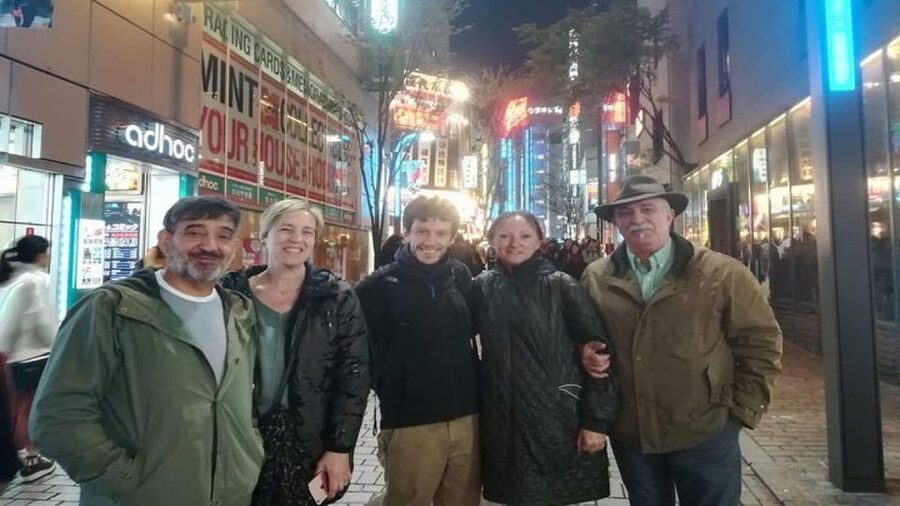
I see this tour as a useful first introduction to two of Tokyo’s most famous neighborhoods. Shibuya gives you crowds, fashion, shopping, and major city views. Harajuku adds narrow lanes, youth style, independent stores, and the calm approach to Meiji Shrine.
The route is not meant to be a museum-style history lesson. It is a street-level orientation. You walk, look, ask questions, and get practical suggestions for the rest of your time in Tokyo. That matters in neighborhoods where a few blocks can change the mood completely.
The private format is the real selling point. You will not be waiting for a large group to catch up, and you can ask your guide to spend more time on shopping, architecture, Japanese fashion, or places to eat. Guides speak English, French, Italian, Spanish, and Portuguese. Sergio and Teresa Calzone are two guides associated with especially warm feedback, though your assigned guide may be different.
At $53 per person, the value depends on your group size and priorities. For one or two people, it costs more than a standard group walk, but you are paying for personal attention and a private route. For a small family or group of friends, the price becomes easier to justify. The tour also includes public transport as part of the walking format, except where a separately priced option applies. Food, drinks, and general local transportation around Tokyo are not included.
More things to do in Shibuya:
- Official Street Go-Kart in Shibuya
★ 5.0 · 3,435 reviews - Tokyo: Street Kart Experience in Shibuya
★ 4.9 · 1,484 reviews - Shibuya Meltdown Nightlife Tour: All-You-Can-Drink Bar Hopping
★ 5.0 · 1,058 reviews
Starting at Shibuya Station and meeting Hachiko
Your starting point is listed as either Dolce Shibuya or the Hashimoto Building, depending on the option booked. Confirm the exact meeting place before setting out, since Shibuya Station has many exits and can be confusing even when you know the district.
The first major stop is Shibuya Crossing. From the edges of the intersection, you can watch the signals change and see the diagonal crossing fill with people. It is a quick lesson in Tokyo’s scale and order. The experience is more about seeing the flow than receiving a long explanation, so ask your guide for the best place to pause and take photos.
Nearby, the Hachiko Statue offers a second familiar Shibuya landmark. The statue honors Hachiko, the loyal dog whose story became part of the district’s identity. The area around it is also a useful meeting point and a good place to understand how Shibuya’s transport links shape the neighborhood.
You then walk through Center Gai, a busy shopping street lined with stores and signs. This is a lively part of the route, but it can feel crowded and commercial. I would not expect a quiet local stroll here. Instead, treat it as a chance to see the everyday shopping side of central Shibuya and ask your guide which streets are worth returning to later.
Shibuya 109 and the city’s fashion pulse
Shibuya 109 is a major fashion stop, with several floors devoted to current styles. The building gives you a fast look at the clothing and visual culture associated with Tokyo’s younger shoppers.
You do not need to be a serious shopper to find this stop useful. The building helps explain why Shibuya feels so style-conscious, and your guide can put the shops into context. If fashion is a major interest, you may want to request extra time here, since a short photo stop will not allow much browsing.
This is also one point where the private format helps. You can tell your guide if you want to shop, window-shop, or simply understand the area before moving toward Harajuku. A fixed group tour may keep moving, while a private tour gives you more room to shape the visit.
Cat Street and the change toward Harajuku

Cat Street connects Shibuya and Harajuku, and it provides a welcome change from the large commercial roads. The route is known for independent boutiques, street art, and a more relaxed shopping atmosphere.
I like this part because it shows how Tokyo’s districts overlap rather than ending at clear borders. You begin with the large screens and crowds of Shibuya, then encounter smaller stores and more individual styles as you walk. The route gives you a better sense of the area than visiting only the big landmarks.
The phrase hidden gems is often overused, so I would keep expectations sensible. These are not guaranteed secret places known only to locals. They are simply less imposing than the major department stores and famous intersections. Your guide’s value here comes from pointing out what matches your interests and suggesting places to revisit.
More things to do in Harajuku:
- Tokyo Go-Kart Tour Shibuya-Harajuku-Shinjuku (*IDP Required)
★ 5.0 · 217 reviews - Tokyo: Guided Go Kart Tour from Harajuku to Shibuya Crossing
★ 4.5 · 166 reviews - Shibuya & Harajuku: Hidden Gems & Highlights Private Tour
★ 4.7 · 139 reviews - Harajuku Kawaii Fashion and Pop-Culture Tour
★ 5.0 · 94 reviews
Ura-Hara and Harajuku’s alternative style
Ura-Hara is included as a stop for its distinctive shops and alternative fashion. It is one of the more useful areas for understanding Harajuku beyond its most photographed street.
The tour presents Harajuku as more than a single fashion trend. You may see contrasts between playful youth clothing, independent labels, street art, and small retail spaces. The guide can also explain how the neighborhood’s style differs from the more polished shopping along Omotesando.
This section is best for people who want context rather than a shopping checklist. You might find a store you want to enter, but the main value is seeing how the side streets differ from the famous main road. As with other stops, the exact amount of browsing depends on your group and how the guide manages the three-hour schedule.
Takeshita Street and the energy of youth culture
Takeshita Street is Harajuku’s best-known narrow shopping lane. It is packed with quirky boutiques, trendy shops, colorful signs, and strong youth-fashion influences.
This can be fun, but it can also feel crowded and intense. If you dislike packed shopping streets, keep your expectations realistic. You are coming for the atmosphere and the visual variety, not a peaceful walk.
A guide makes the street easier to read. Instead of simply passing shop after shop, you can ask about the styles, the role of Harajuku in Tokyo fashion, and which parts deserve a closer look. One evening tour with Teresa Calzone also included discussion of Japanese fashion, architecture, and youth culture, showing the range of topics this route can cover when the guide and group have good rapport.
The listed plan allows about 20 minutes at each stop. That is enough for an introduction, photos, and a short explanation, but not enough for detailed shopping. If Takeshita Street is your main goal, tell your guide early.
Omotesando Avenue and a different side of Harajuku
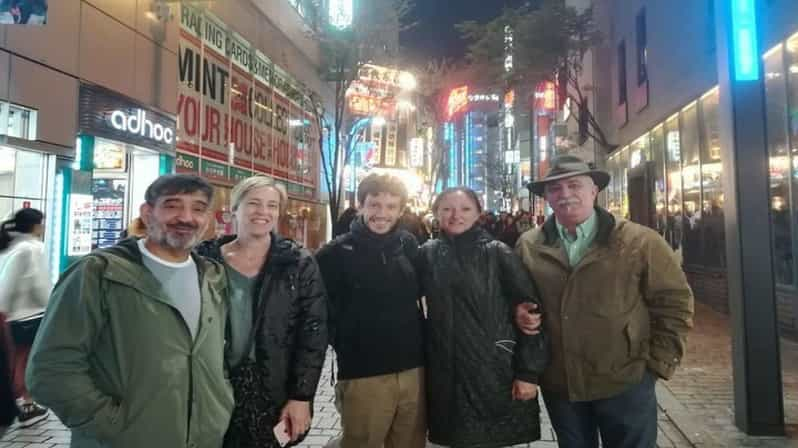
Omotesando provides a sharp contrast with Takeshita Street. The avenue is broad and polished, with designer boutiques and an upscale feel.
The value here is comparison. In a short walk, you see two very different versions of Harajuku: playful and youthful on Takeshita Street, then restrained and high-end along Omotesando. The contrast gives the tour more depth than a simple list of shopping stops.
Omotesando is also a good place to pay attention to buildings and storefront design. The tour description specifically highlights its upscale atmosphere and designer shops, so this is the right section for questions about architecture and modern retail. Do not expect a dedicated architecture tour, but the guide can help you notice details you might otherwise pass without a second look.
Meiji Shrine and a quieter finish
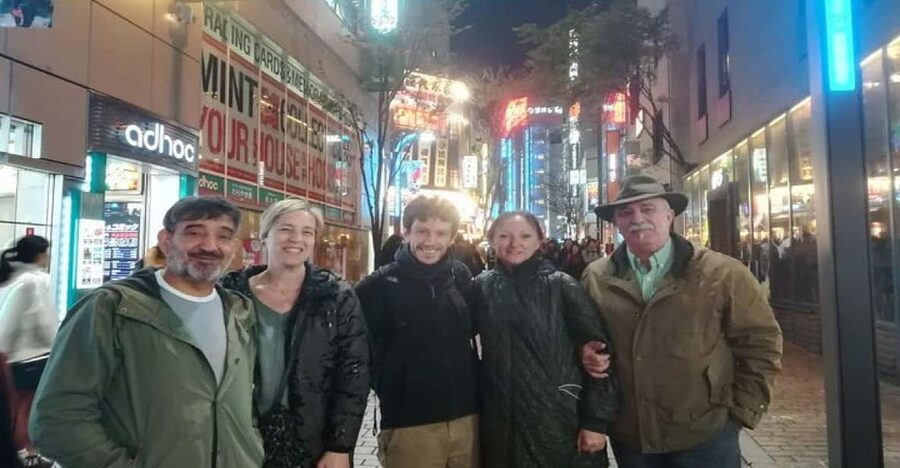
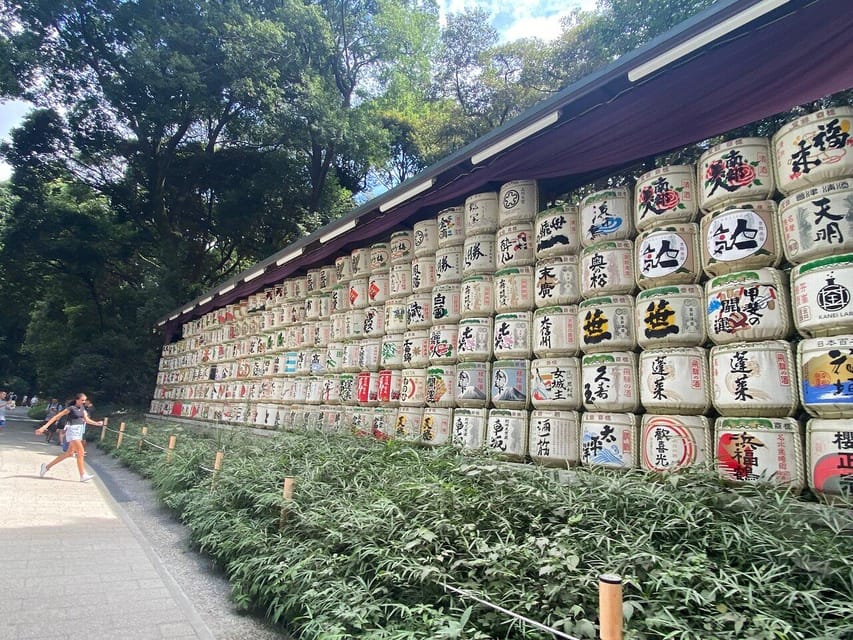
The route includes a brief detour to Meiji Shrine and the approach leading toward it. After Shibuya and Harajuku’s shopping streets, this calmer setting changes the pace.
The shrine stop is valuable because it adds religion and tradition to a tour otherwise focused on shopping and popular culture. You get a chance to walk through a more serene area and ask your guide about the role of the shrine, Japanese customs, and respectful behavior.
One important point is that the visit is brief, listed at about 20 minutes. If you want a lengthy explanation of Japanese religious history, this may feel too short. One Italian-speaking participant expected more detail on Japanese history, culture, and religion. That is a fair warning. You should view the shrine stop as an introduction, not a full cultural lecture.
Still, the change in mood is welcome. I like tours that give you both the famous city scene and a quieter place to breathe. Meiji Shrine does that without requiring a separate half-day visit.
The final Shibuya stops and a slightly unusual listing
The route also includes Sannomiya Center Gai Shopping Street. Since Sannomiya is usually associated with Kobe, this stop deserves clarification before booking. The supplied tour information places it among the Shibuya and Harajuku stops, so ask the provider how this point fits into your selected route and meeting option.
That clarification is especially important because the tour is promoted as a three-hour walk. You want to know how much time is spent walking between neighborhoods and whether every listed stop is included in the exact order shown for your booking.
This is not necessarily a problem, but it is a detail worth checking. Tokyo’s Shibuya and Harajuku route already contains plenty to see, and a clear plan will help you use the time well.
What the three-hour timing feels like
The itinerary gives about 20 minutes to each of nine listed stops. That creates a full schedule, with little room for long meals, extended shopping, or unplanned detours.
I would wear comfortable shoes and start with water, since food and drinks are not included. The walk includes public transport in the walking-tour format, but car transportation is not provided. You should also allow extra time before the meeting point, especially if you are navigating Shibuya Station for the first time.
The tour can be wheelchair accessible, which is useful, but the exact route and street conditions should be confirmed when booking. Shibuya and Harajuku are active urban areas, and the private format gives you a better chance to discuss mobility needs in advance.
The strongest practical benefit is the advice you get for the rest of your stay. The guides are expected to offer suggestions about other things to do, and several comments point to helpful recommendations and personal attention. Use the walk as an orientation session. Ask where to return, what to skip, and which neighborhoods fit your interests.
Who will get the most from this walk
I would choose this tour if you are visiting Tokyo for the first time and want a clear introduction to Shibuya and Harajuku without managing the route alone. It also suits couples, families, and small groups who prefer to ask questions privately.
It is a good match if you care about:
- Major photo stops such as Shibuya Crossing and Hachiko
- Tokyo fashion and youth culture
- Independent shops and side streets
- A short look at Meiji Shrine
- Personalized suggestions for the rest of your trip
- A guide who can speak English, French, Italian, Spanish, or Portuguese
I would look elsewhere if your main goal is a detailed study of Japanese history, religion, or architecture. The route offers useful introductions, but the schedule favors movement and variety. I would also avoid booking it as a dedicated shopping trip unless you arrange extra time for browsing.
The evening option can be appealing. One confirmed experience with Teresa Calzone combined the walk with dinner, although food is not part of the standard inclusion list. Treat that as an example of how a private tour may be shaped, not as a guaranteed feature of every booking.
Should you book it?
Book this tour if you want to get your bearings fast, compare Shibuya and Harajuku, and receive practical advice from a private guide. The strongest parts are the personal format, the mix of major landmarks and side streets, and the chance to adjust the conversation to your interests.
At $53 per person, I consider it a sensible choice for a private introduction, especially for a small group. Just keep the limits in mind: three hours is a tight window, the walk covers a lot of ground, and the Meiji Shrine stop is short. Ask about the exact meeting point, the Sannomiya Center Gai listing, and how much time you can spend shopping before you pay.
Free cancellation is available up to 24 hours before the tour, and you can reserve now and pay later. Those flexible terms help if your Tokyo schedule is still changing.
FAQ
How long is the Tokyo Shibuya and Harajuku walking tour?
The tour lasts three hours.
How much does the tour cost?
The listed price is $53 per person.
Is this a private tour?
Yes. It is described as a private and exclusive tour, with no one else added to your group. A private group option is also available.
Which languages can the guide speak?
Guides are available in English, French, Italian, Spanish, and Portuguese.
What sights are included?
The route includes Meiji Shrine, Omotesando Street, Ura-Harajuku, Takeshita Street, Harajuku, Shibuya 109, Sannomiya Center Gai Shopping Street, Hachiko Statue, and Shibuya-area sights such as Center Gai and Shibuya Crossing.
Is food included?
No. Drinks and food are not included.
Can I cancel the tour for a full refund?
Yes. You can cancel up to 24 hours in advance for a full refund. You can also reserve now and pay later.
More Tokyo walking tours
- Tokyo Tsukiji Fish Market Food and Culture Walking Tour
★ 5.0 · 3,184 reviews - Tokyo: Imperial Palace and Shogun Historical Walking Tour
★ 5.0 · 2,251 reviews - Tokyo: Shinjuku Local Bar and Izakaya Guided Walking Tour
★ 4.9 · 1,794 reviews - Tokyo: Tsukiji Fish Market Food and Walking tour
★ 5.0 · 1,724 reviews
Newly reviewed around Tokyo
- Tokyo Asakusa:Calligraphy & Make T-shirt Activity★ 5.0 · 62 reviews
- Intercity Shuttle, Tokyo to Haneda /Narita /Yokohama /Makuhari★ 5.0 · 5 reviews
- 1 Hour Travel around Tokyo with a Professional Photographer★ 5.0 · 3 reviews
- Travel Tokyo with Your Own Personal Photographer★ 5.0 · 43 reviews
- Train in Samurai Swordsmanship and Defeat the Demon in Tokyo★ 5.0 · 5 reviews
- Shuttle Van 6hr Tokyo Tour to-and-from Tokyo, Yokohama and Narita★ 5.0 · 9 reviews
- Kickboxing & Body Training with EX-Pro Fighter★ 5.0 · 4 reviews
- Traditional Japanese Knife Sharpening Class★ 5.0 · 18 reviews
Tokyo Walking Tours, compared.
Tokyo Tsukiji Fish Market Food and Culture Walking Tour
Read our review →
Imperial Palace and Shogun Historical Walking Tour
Read our review →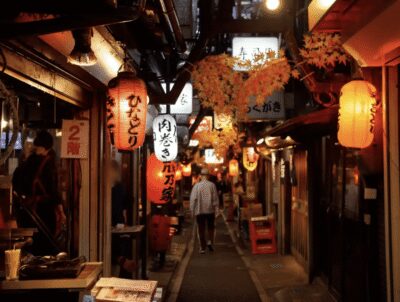
Shinjuku Local Bar and Izakaya Guided Walking Tour
Read our review →
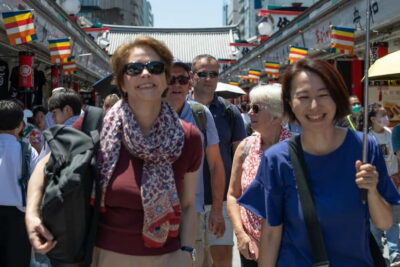
Asakusa Walking Tour with Sensoji Temple Visit
Read our review →
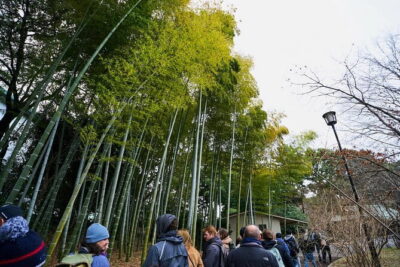
Tokyo Castle & Imperial PalaceーShogun Walking Tour
Read our review →
Browse the lists this tour appears in