
Reviewed · TOKYO WALKING TOURS
Tokyo: Secret Food Walking Tour
Tokyo’s food story comes in small plates here: freshly made sushi, fried or steamed gyoza, yakitori with a drink, sweets, matcha ice cream, and one final secret dish. The route begins at JR Ueno Station and uses local shops and a standing eat-and-drink restaurant rather than one large sit-down meal.
I like the wide food range and the fact that the guide handles the ordering and local context. I also like the generous portions, which leave you properly fed, not merely teased by samples. Guides such as Shonan, Natsumi, Kaho, and Kyoko have been praised for clear English and warm company. The main consideration is that the history portion may feel light if you want a full cultural walking tour.
Key points
- A full Japanese food lineup: Sushi, gyoza, yakitori, sweets, matcha ice cream, and a secret dish all fit into one outing.
- A useful first-day introduction: You get help with foods and places that can be hard to choose on your own.
- Local Ueno setting: The route moves from the station area into downtown streets and includes a tachinomiya, a Japanese standing restaurant.
- A drink with the yakitori: You can have draft beer or a flavored sawa, with a drink upgrade recommended by one guest.
- Good for families and food beginners: An 8-year-old enjoyed the tour, and the range works for both first-time and experienced Japan visitors.
- Come hungry: The food is plentiful, and the 3 to 3.5-hour walk ends back at the starting point.
Sushi first, then into Ueno
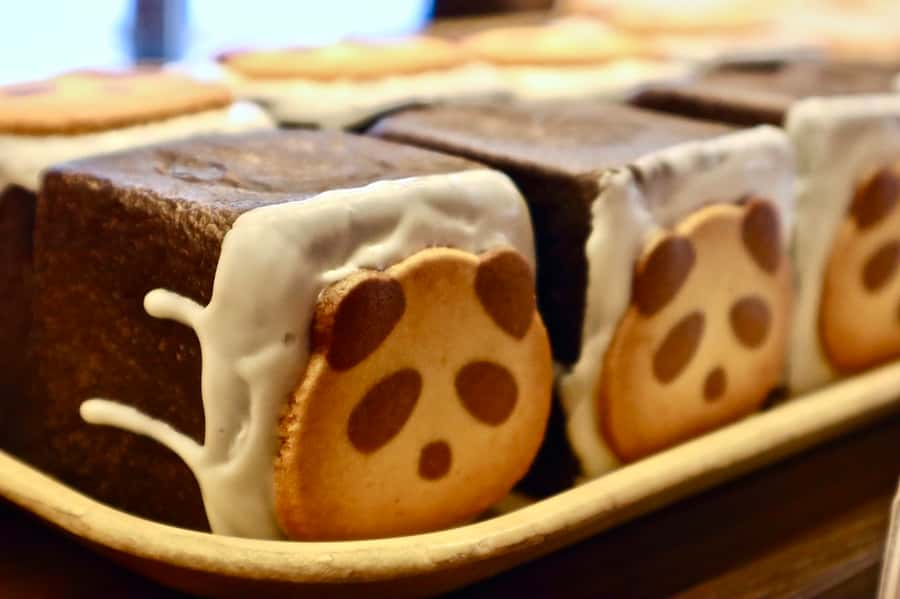
The tour begins inside JR Ueno Station, outside the JR Central Gate, near the entrance to Hard Rock Cafe. This station has several entrances to the cafe, so use the bakery called Andersen as your landmark. The guide will be holding a Secret Tours orange umbrella.
That meeting detail matters. Ueno Station is large, and a vague instruction to meet at Hard Rock Cafe could send you around in circles. If you get stuck, show a local person this Japanese text: JR上野駅 中央改札外のハードロックカフェ入口付近.
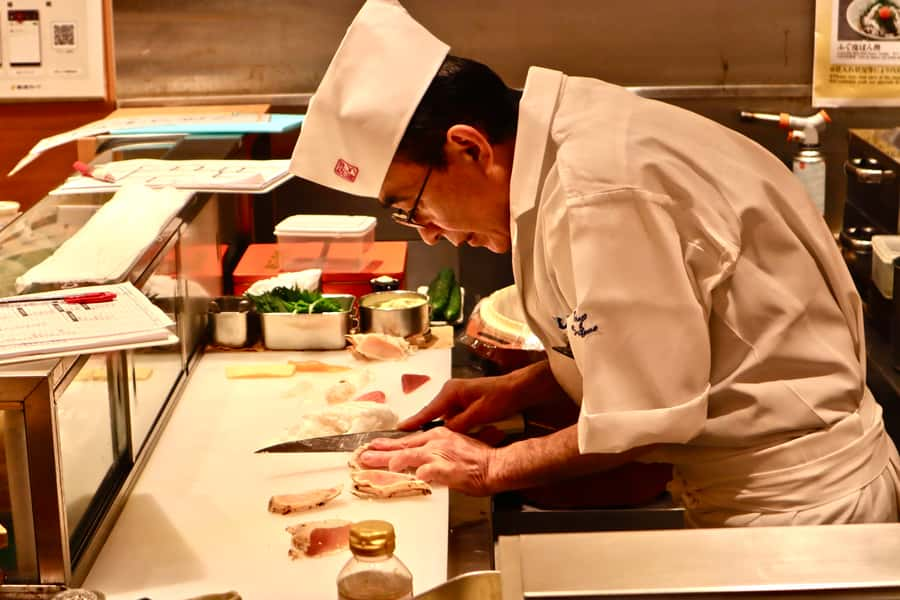
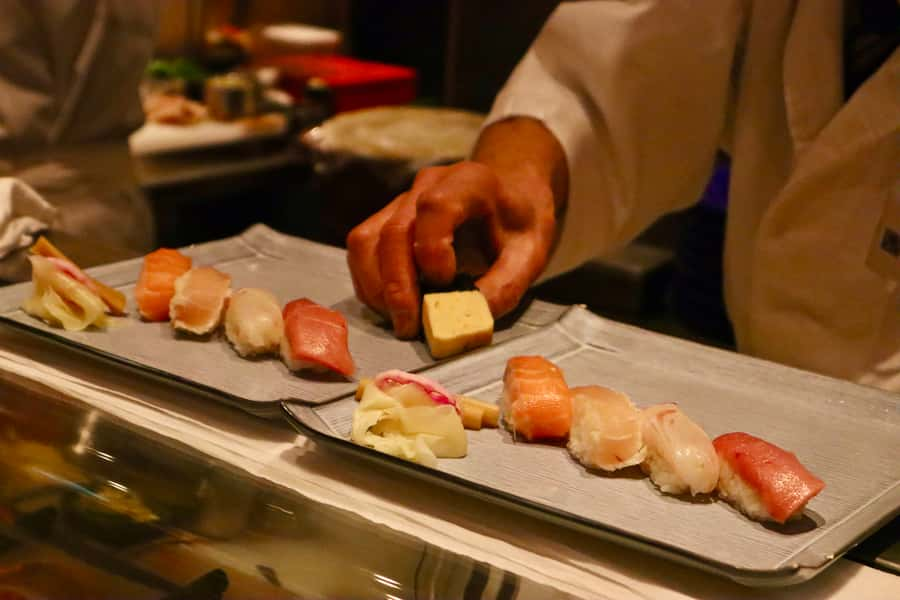
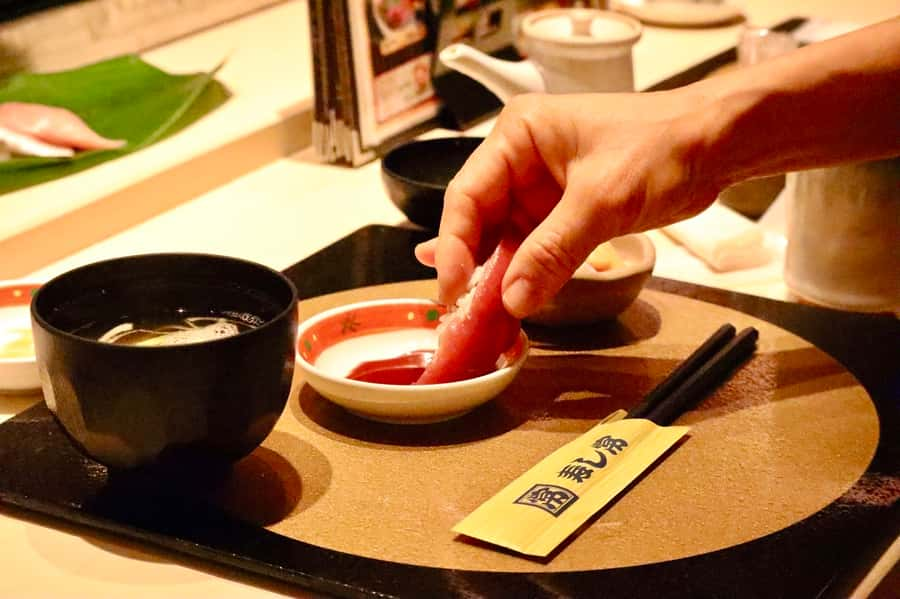
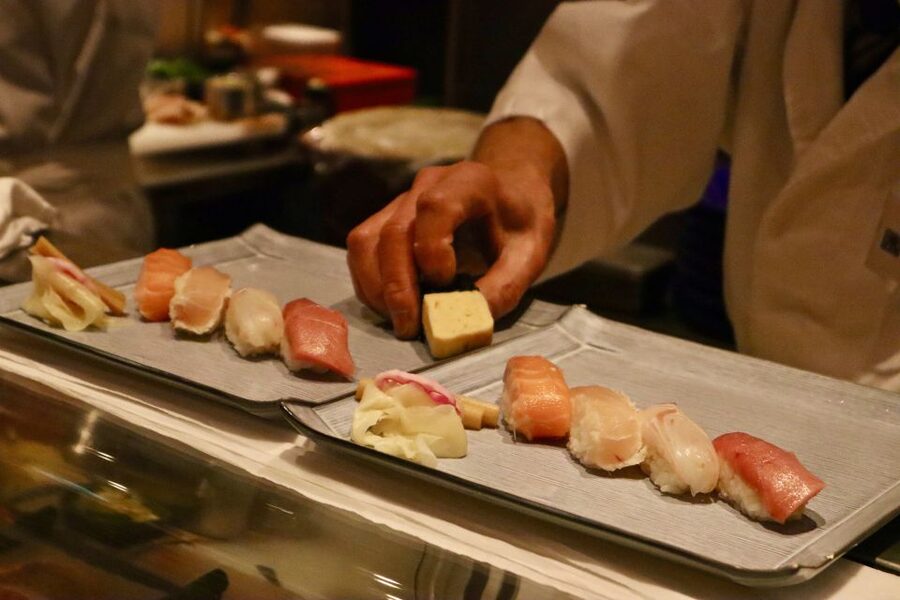
Your first food stop is one of the popular sushi shops in the area. You will start with freshly made sushi before leaving the station district and walking through nearby streets. This is a smart opening course: sushi gives you an immediate taste of a Japanese staple, while the guide can explain what you are eating and how it fits into local food culture.
The exact sushi selection is not specified, so do not book this expecting a particular fish or style. The value is the introduction and the chance to eat it in a local shop without having to work out the ordering system yourself.
More Tokyo walking tours:
- Tokyo Tsukiji Fish Market Food and Culture Walking Tour
★ 5.0 · 3,184 reviews - Tokyo: Imperial Palace and Shogun Historical Walking Tour
★ 5.0 · 2,251 reviews - Tokyo: Shinjuku Local Bar and Izakaya Guided Walking Tour
★ 4.9 · 1,794 reviews
Gyoza in the downtown streets
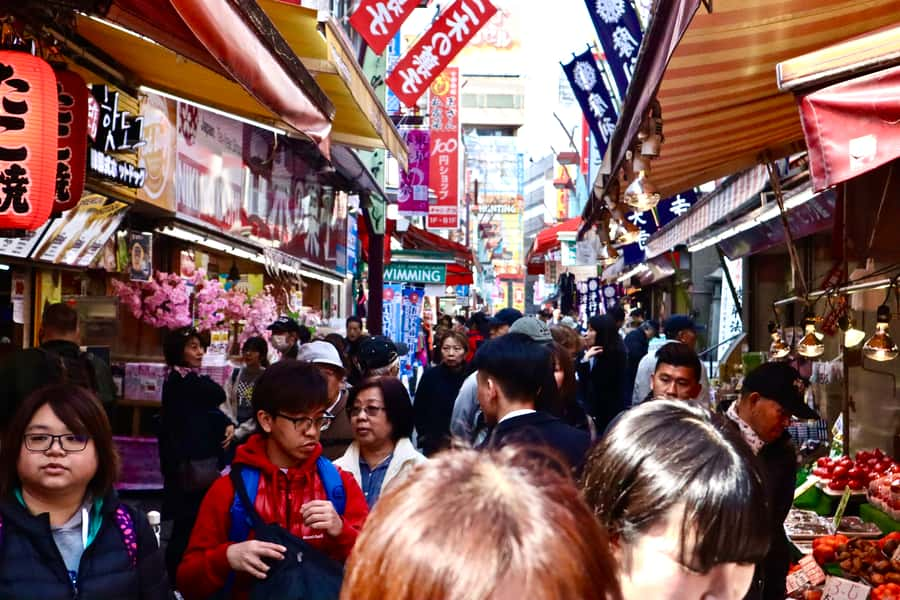
After sushi, the route moves away from the busy station area toward Ueno’s downtown district. The next stop focuses on gyoza, the pan-fried or steamed dumplings filled with minced meat and vegetables.
Gyoza is familiar to many visitors, but the setting and preparation make a difference. You might receive fried dumplings, steamed dumplings, or a mix depending on the shop. Your guide explains the dish and its place in Japanese eating culture, while you get a chance to compare its texture and flavor with the sushi that came before.
I like this change of pace. Sushi is delicate and cool, while gyoza is warm, savory, and more filling. It also gives you a practical dish to look for later during your trip.
One point to keep in mind: the route is built around eating, not a long formal lecture at each stop. If your priority is detailed history about Ueno, you may want to pair this outing with a separate temple or neighborhood tour. The food and local orientation receive more attention than extended historical commentary.
Yakitori and a drink at the tachinomiya
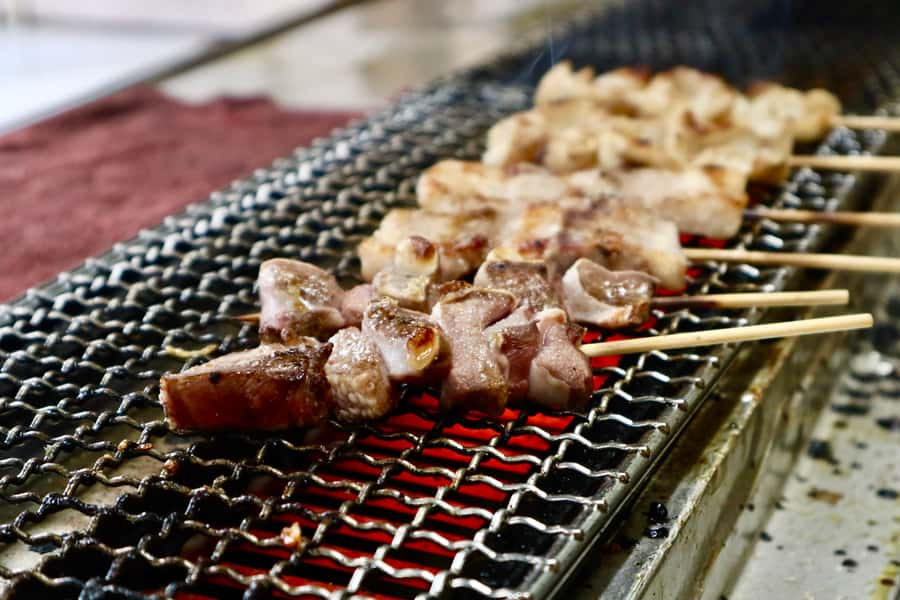
A short walk later, you reach yakitori, one of Japan’s best-known casual foods. These are skewered pieces of chicken, cooked and seasoned for a quick, savory bite.
The setting is part of the appeal. The group visits a tachinomiya, a Japanese stand-up restaurant where people eat and drink at counters rather than settling in for a long meal. This gives you a look at a compact, everyday style of dining that many first-time visitors might not try alone.
Yakitori comes with a choice of draft beer or a flavored sawa. One drink upgrade was singled out as a worthwhile addition because the drink combinations enhanced the food. The upgrade is optional, so you can decide based on your own drinking preferences and budget.
This stop may be less comfortable for anyone who prefers a quiet table or needs to sit throughout a meal. The standing format is part of the experience, but it is worth knowing before you book. Comfortable shoes are essential for the walking, and they help here too.
Sweet stops: manju, fruit, and matcha ice cream
The tour then shifts from savory dishes to sweets. Depending on the season, you may get manju or freshly cut fruit. Manju is a traditional Japanese confection, often made with a soft outer layer and a sweet filling, though the exact variety is not given.
Seasonal fruit gives the route a lighter option. The changing choice also means the experience is not entirely fixed throughout the year. If you have a strong preference, ask the guide what is being served on your date rather than assuming both manju and fruit will be included.
Matcha ice cream follows. This is a familiar Japanese treat, but it works well in the sequence because it gives you a cool, sweet finish after the savory stops. The contrast also keeps the meal from feeling like a string of similar dishes.
By this point, you should be pacing yourself. The meal is not a few token bites. Several people have found the amount of food more than expected, and even a young, hungry eater was full by the end. Eat a light breakfast or early meal, but do not arrive starving if you are sensitive to rich food or multiple stops.
More Tokyo food tours:
- Tokyo: Shinjuku Food Tour (13 Dishes at 4 Local Eateries)
★ 5.0 · 6,603 reviews - Tokyo: Shinjuku Food Tour (15 Dishes and 4 Eateries)
★ 4.9 · 2,033 reviews - Best of Shinjuku: Izakaya Food Tour (4 Stops, 14+ Tastings)
★ 5.0 · 1,863 reviews - Tokyo: Tsukiji Fish Market Food and Walking tour
★ 5.0 · 1,724 reviews
The secret dish and the value of surprise
Every Secret Food Tours outing includes a final secret dish in a cozy setting. The dish is deliberately not named in advance, so this is the one part you cannot plan around.
That surprise works best if you enjoy trying food without knowing every detail first. The guide can explain what you are eating when it arrives, and the final course gives the walk a sense of completion. If you have allergies, dietary restrictions, or foods you cannot eat, you should ask about them before booking because the supplied details do not specify special menus.
The secret dish also helps explain the tour’s appeal beyond the individual foods. You are not simply buying sushi, gyoza, and ice cream. You are paying for a route through different kinds of Japanese eating places, with someone handling the choices and transitions.
What the guide adds to the meal
The guide is an important part of this experience. The tour is in English, and the guide explains local delicacies, food customs, and stories connected to dishes such as yakitori and gyoza.
Several guides have received especially warm praise. Shonan was noted for strong English and useful local insight. Natsumi was described as easy to talk to, while Kaho was praised for her hosting and for providing more food and drinks than expected. Kyoko was also singled out for making the Ueno outing enjoyable.
Guide quality can vary from one date to another, of course, but the format gives the guide plenty to do. You need help moving between stops, understanding unfamiliar dishes, and deciding how much to eat at each course. You also get a friendly point of contact for questions about Tokyo food.
The cultural explanation seems to be practical rather than academic. You will learn about the area and the food, and one outing included a shrine visit, but the route is not designed as a detailed history seminar. If you want names, dates, and long explanations at every stop, this may feel too food-focused.
How much food do you get for $150?
The listed price is $150 per person. That is a serious price for a three-hour food walk, so the value depends on how much you want the guide and the access to several different stops.
The package includes the 3 to 3.5-hour guided tour and food. Transportation, hotel pickup, and drop-off are not included. You meet and finish at JR Ueno Station, so you are responsible for getting there and returning to your accommodation.
At first glance, you could spend less by buying individual dishes around Tokyo. That comparison misses the service element. You are getting sushi, gyoza, yakitori, a drink, a sweet course, matcha ice cream, and a secret dish, along with an English-speaking guide and a planned route.
The tour is strongest value for someone who wants a broad first taste of Japanese food without spending time researching shops or worrying about how to order. It is weaker value for an experienced Tokyo eater who already knows Ueno’s food streets and prefers choosing each dish independently.
A 4.7 rating from 38 reviews suggests a consistently strong experience, but I would still treat the price as a convenience and food-quality purchase, not a cheap meal deal. You are paying for variety, guidance, and the chance to enter places you might skip on your own.
Timing, walking, and the meeting point
Allow at least three to three and a half hours. The route includes several food stops and walking between them, and it ends back at the original meeting point.
The starting time matters because one course appears to depend on a restaurant opening at 11:00 in the morning. A past guest suggested a 10:45 start so the group would not reach the first restaurant too early. Since the available details do not give a fixed departure time, check your confirmation carefully and ask the operator if the timing affects your plans.
Wear comfortable shoes. This is not a vehicle-based tasting, and the route moves from the station to local streets and between food stops. Transportation is not included, but the end point is convenient because you finish where you began.
The meeting instructions are unusually useful for a busy station. Look for the Hard Rock Cafe entrance on the side opposite Andersen bakery, outside the JR Central Gate, and find the orange umbrella. Do not simply search for any Hard Rock Cafe entrance.
Who will enjoy this food walk most?
I would recommend this tour to a first-time visitor who wants a quick introduction to several Japanese foods. It is also useful for people who feel unsure about ordering in small local shops, since the guide leads the way and explains the dishes.
Families can consider it too. An 8-year-old enjoyed the outing, though the amount of walking, standing at the tachinomiya, and unfamiliar flavors may not suit every child.
It also works for repeat visitors. One person who had already taken another Secret Food Tour still found the experience worthwhile, largely because the stops were places they would not have found alone. You do not need to be new to Japan to benefit from a well-planned food route.
I would hesitate to recommend it to anyone seeking a quiet, seated lunch or a serious historical tour. The walking and several food formats are central to the experience. The history and culture are there, but they support the meal rather than lead it.
A practical way to plan your day
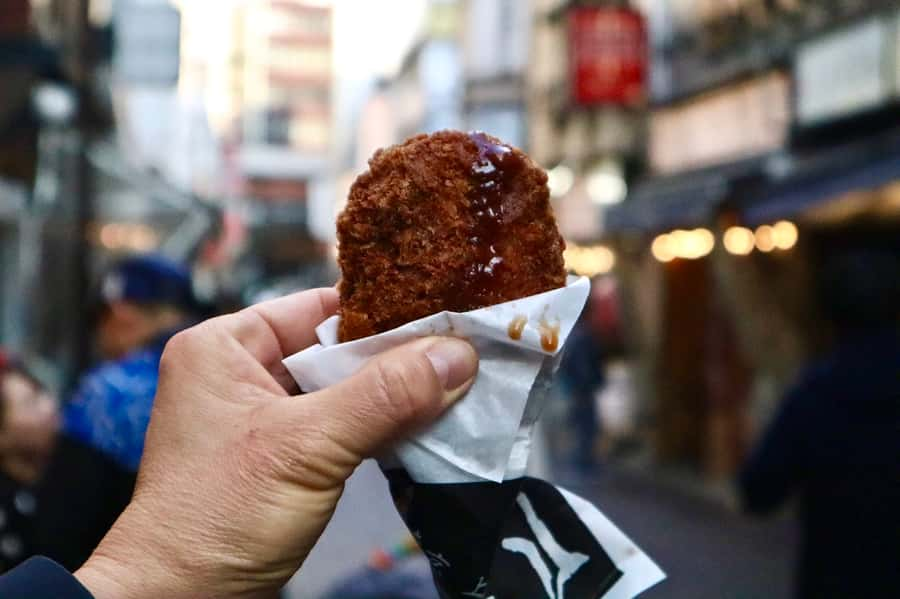
Schedule this tour as a main meal, not as a warm-up before lunch. With sushi, gyoza, yakitori, sweets, ice cream, and a secret dish, you should expect to finish full.
It makes sense early in your Tokyo stay because it gives you a useful introduction to familiar and unfamiliar foods. You can use what you learn later when ordering on your own. It also works well on a day when you plan to spend time around Ueno, since the route begins and ends at the station.
Leave room in your schedule after the tour. The duration is listed as three to three and a half hours, and food tours can run at a relaxed pace when the group is eating and talking. You will not need separate transport arranged by the operator, but you should plan your own route to JR Ueno Station.
The cancellation policy allows a full refund when you cancel at least 24 hours in advance. You can also reserve and pay later, which helps if your Tokyo schedule is still changing.
Should you book the Tokyo Secret Food Walking Tour?
Book it if you want a filling, guided introduction to Japanese food with a wide range of stops and a local English-speaking host. The mix of sushi, gyoza, yakitori, sweets, matcha ice cream, and a secret dish gives you more variety than a single restaurant meal, and the Ueno meeting point is practical.
Think twice if $150 feels high for a meal, if you dislike standing restaurants, or if you want detailed history at every stop. For the right person, the price buys confidence, variety, and access to local places you might not choose on your own. Arrive hungry, wear good shoes, and confirm the meeting time before you go.
FAQ
How long is the Tokyo Secret Food Walking Tour?
The guided food tour lasts approximately 3 to 3.5 hours.
What foods are included?
The food stops include sushi, gyoza, yakitori, manju or seasonal freshly cut fruit, matcha ice cream, and a secret dish. Yakitori is served with either draft beer or a flavored sawa.
What does the $150 price include?
The price includes the guided food tour and the food served during the experience. Transportation, pickup, and drop-off are not included.
Where does the tour meet?
Meet inside JR Ueno Station, outside the JR Central Gate, near the Hard Rock Cafe entrance on the side opposite Andersen bakery.
How will I recognize the guide?
The guide will be waiting with a Secret Tours orange umbrella.
What language is the tour conducted in?
The tour is conducted in English.
Where does the tour finish?
The activity ends back at the same meeting point inside JR Ueno Station.
Can I cancel for a refund?
Yes. You can cancel up to 24 hours in advance for a full refund. You can also reserve now and pay later.
Newly reviewed around Tokyo
- Tokyo Asakusa:Calligraphy & Make T-shirt Activity★ 5.0 · 62 reviews
- Intercity Shuttle, Tokyo to Haneda /Narita /Yokohama /Makuhari★ 5.0 · 5 reviews
- 1 Hour Travel around Tokyo with a Professional Photographer★ 5.0 · 3 reviews
- Travel Tokyo with Your Own Personal Photographer★ 5.0 · 43 reviews
- Kickboxing & Body Training with EX-Pro Fighter★ 5.0 · 4 reviews
- Train in Samurai Swordsmanship and Defeat the Demon in Tokyo★ 5.0 · 5 reviews
- Shuttle Van 6hr Tokyo Tour to-and-from Tokyo, Yokohama and Narita★ 5.0 · 9 reviews
- Traditional Japanese Knife Sharpening Class★ 5.0 · 18 reviews
Tokyo Walking Tours, compared.
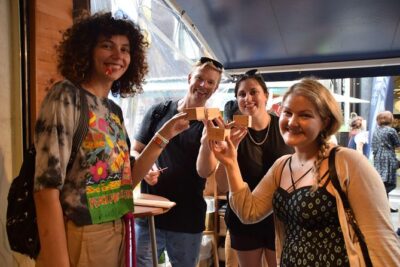
Tokyo Tsukiji Fish Market Food and Culture Walking Tour
Read our review →
Imperial Palace and Shogun Historical Walking Tour
Read our review →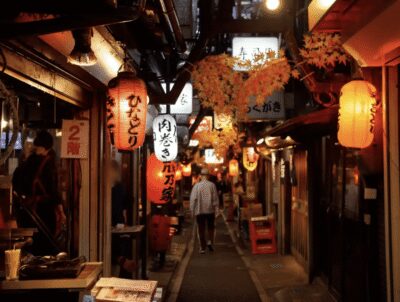
Shinjuku Local Bar and Izakaya Guided Walking Tour
Read our review →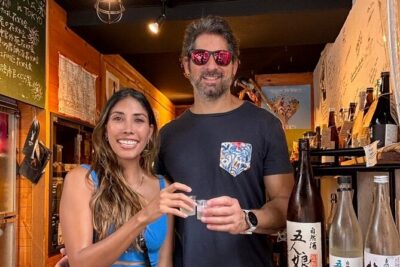
Asakusa Walking Tour with Sensoji Temple Visit
Read our review →
Tokyo Castle & Imperial PalaceーShogun Walking Tour
Read our review →
Browse the lists this tour appears in