
Reviewed · TOKYO COOKING CLASSES
Tokyo: Rice Ball Making Class
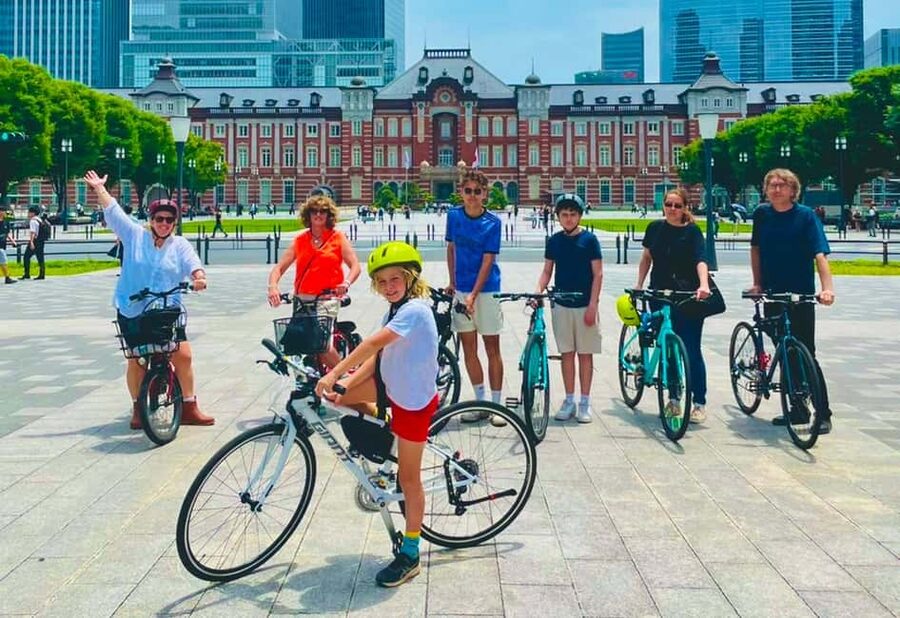
The best part of this Tokyo outing is the simple rhythm: make your own onigiri, carry it through the city, then eat it in Hamarikyu Gardens. You get food, fresh air, and a look at Tokyo beyond the usual station-to-station sightseeing.
I like the hands-on cooking lesson, where you shape warm rice and choose familiar fillings. I also like the small group, limited to six, which makes it easier to ask questions and keep the bike ride relaxed. The main drawback is clear: this is not a good fit if you cannot ride a bicycle, have mobility or back problems, or want a slow walking tour instead.
Key points
- Make three classic onigiri fillings: Work with freshly steamed rice, salmon, pickled plum, and tuna-mayo.
- Eat your own food in a historic garden: Hamarikyu offers ponds, paths, seasonal flowers, teahouses, and views toward Tokyo Bay.
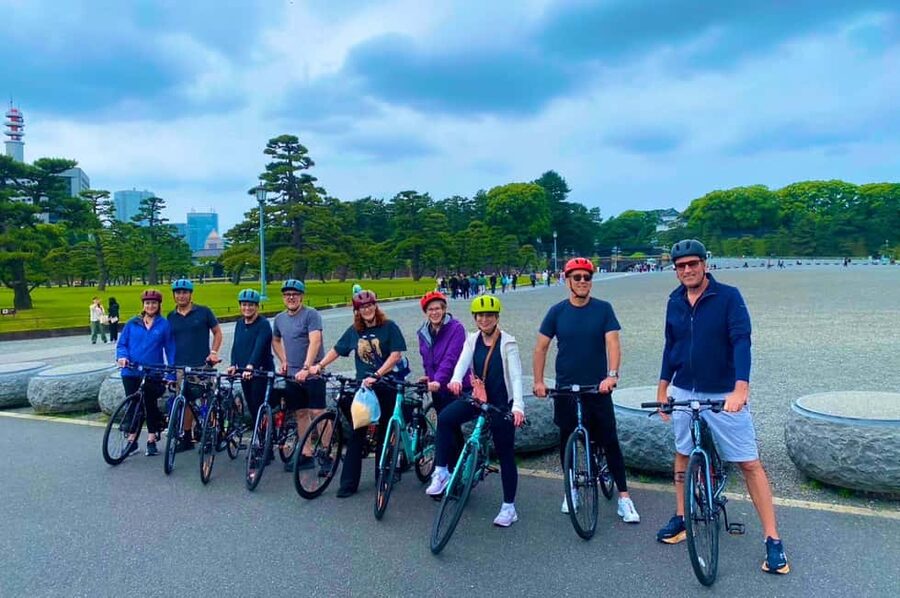
- Ride beyond the main tourist streets: The route uses backstreets, riverside paths, and waterfront lanes.
- See several Tokyo landmarks by bike: Look for Tokyo Tower, Zozoji Temple, the Imperial Palace, and Tokyo Bay views.
- Keep the group personal: A maximum of six participants allows more direct help from the English-speaking guide.
- Plan for an active outing: Wear comfortable cycling clothes and bring water.
Making Onigiri With a Local Guide
Onigiri is one of Japan’s most familiar everyday foods: seasoned rice formed by hand around a filling. It is easy to buy at convenience stores, but making it yourself gives you a better sense of how texture, seasoning, and shape work together.
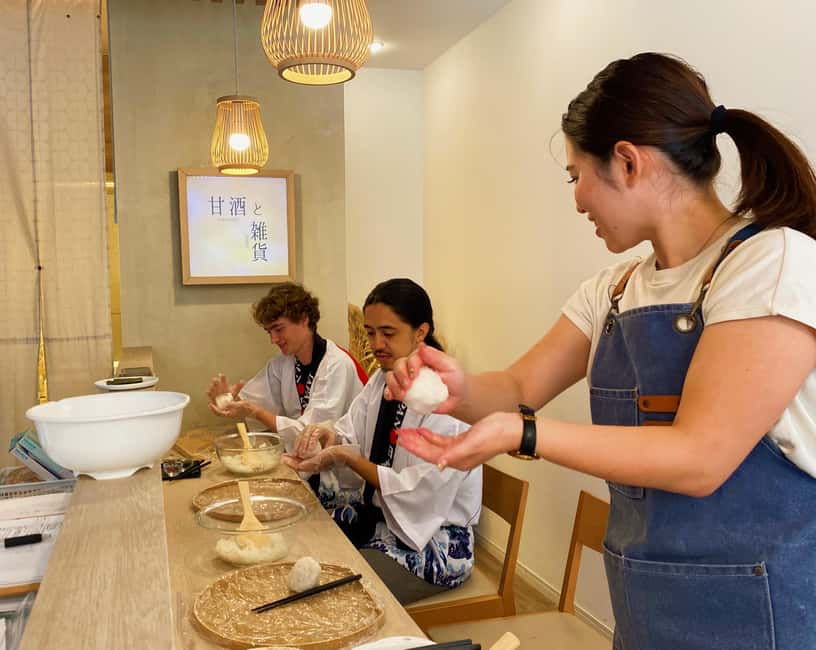
The class begins with freshly steamed rice. You season it, add a filling, and form it into a compact rice ball. The process looks simple, but getting the rice to hold together without crushing it is part of the fun. Your guide shows you the technique and helps you adjust the shape.
The fillings listed for the class include savory salmon, pickled plum, and tuna-mayo. They give you three different styles to try. Salmon is familiar and mild. Pickled plum brings a sharp, salty-sour bite. Tuna-mayo is creamy and gentle. If you are new to Japanese food, this range makes the class approachable.
I like that the food is both the activity and the meal. You are not just watching a demonstration, then moving on to another stop. You make something that will travel with you and become the centerpiece of your picnic.
The English-speaking guide also matters here. Food classes work best when you can ask about technique, ingredients, and the small habits that do not always show up in a recipe. The group limit of six should help keep the instruction direct rather than turning the class into a crowded demonstration.
One guide named in the experience feedback is Sho, who was described as making the rice-ball lesson fun. Guide assignments can change, so you should not book on the assumption that Sho will lead your particular outing. Still, the repeated praise for friendly, clear instruction gives you a useful picture of the tone to expect.
More Tokyo cooking classes:
- Tokyo: Roll and Authentic Sushi Making Class in Asakusa
★ 4.9 · 1,957 reviews - Tokyo Shinjuku Chopsticks Making Class
★ 5.0 · 1,763 reviews - Tokyo: Sushi Making Class in a Happi Coat near a Famous Spot
★ 4.9 · 1,377 reviews
From the Kitchen to Hamarikyu Gardens
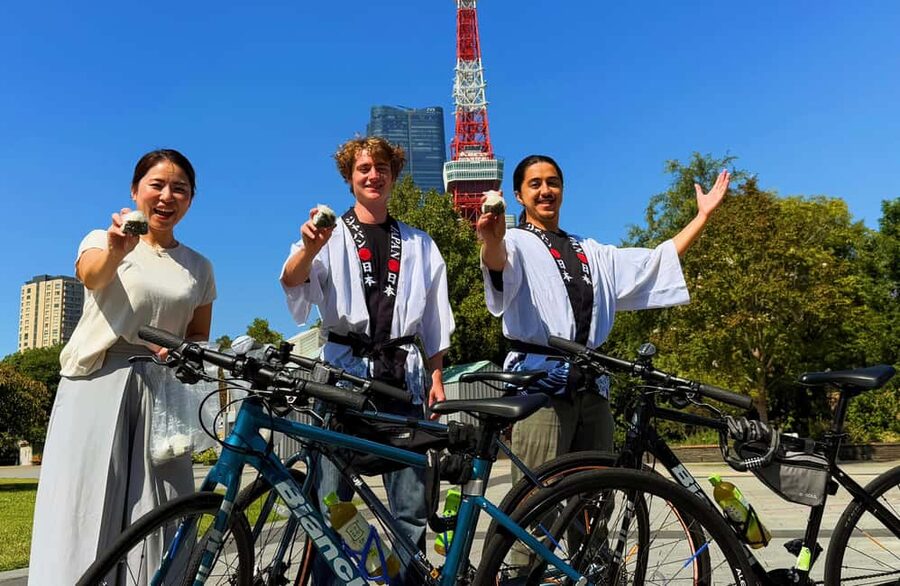
Once your onigiri are ready, you pack them for the ride to Hamarikyu Gardens. The bicycle gives this outing a pleasant change of pace. Instead of treating the garden as an isolated attraction, you connect it to the streets and waterways around central Tokyo.
Hamarikyu is one of Tokyo’s historic gardens, set near the bay. Inside, you can expect walking paths, saltwater ponds, seasonal flowers, and traditional teahouses. The garden’s setting makes it especially appealing for the picnic because the quiet paths and older structures contrast with the city skyline nearby.
Your homemade onigiri should still be warm or relatively fresh when you eat them. That is a small detail, but it gives the picnic more character than simply stopping at a restaurant. You made the food, carried it through Tokyo, and now have a calm place to enjoy it.
The garden visit is also a good pause in the schedule. Cycling through a large city can be stimulating, and sitting down with food gives you time to slow your pace. You may find the contrast between the garden’s ponds and the modern buildings around it particularly memorable.
The picnic is not described as a full meal with drinks and extra dishes. The included food is the onigiri and its ingredients. Snacks and drinks from a shop are not included, so bring water and budget for anything else you want during the outing.
Cycling Through Backstreets and Waterfront Paths
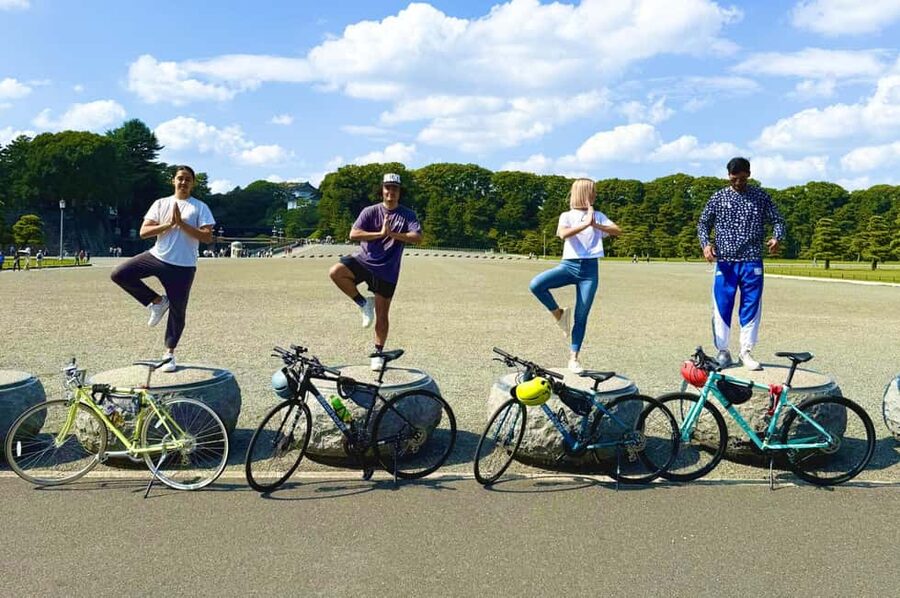
After the picnic, the route continues by bicycle. The guide leads you through selected backstreets and scenic riverside paths, then toward wider waterfront lanes. This is where the experience becomes more than a cooking class with a short transfer.
Backstreets show you a quieter side of Tokyo. You may pass local neighborhoods where daily life carries on away from the major sights. The supplied details do not promise specific shops, markets, or residential stops, so it is best to think of this section as a guided ride through the city rather than a shopping tour.
The riverside section changes the view again. Broad paths and open water create room to look around, and Tokyo Bay brings a different feel from the tighter streets inland. The route is designed to reveal several sides of the city in one outing: ordinary neighborhoods, historic sites, waterways, and the modern skyline.
You will also catch views of major landmarks, including Tokyo Tower, Zojoji Temple, and the Imperial Palace. These sights are part of the ride rather than guaranteed long stops for interior visits. If you want detailed time inside every landmark, choose a dedicated sightseeing tour instead.
That distinction is important. This is a moving city experience. You see Tokyo from the saddle, with the guide choosing the route and pointing out key sights. You get a broader sense of place, but you should not expect a formal museum-style explanation at each landmark.
What the Small Group Adds
The maximum group size is six people. That is a strong match for an activity with two different parts, because the guide needs to help with both food preparation and cycling.
In the class, a small group means you should have a better chance to see the shaping technique and ask for help. On the road, it makes the ride easier to manage than a large bicycle procession. The guide can keep the group together and adjust explanations without shouting across a crowd.
The English language option is also clearly stated. That makes the class and route easier to follow for English-speaking visitors. Several participants praised the friendliness and English ability of the instruction, which is useful reassurance for anyone concerned about language barriers.
Still, a small group does not mean a private tour. You will share the activity with other participants, and the pace may be shaped by the group’s cycling ability. If you prefer a completely private cooking lesson or a custom route, this may not offer enough control.
More hands-on classes and workshops in Tokyo:
- Sushi Making Tokyo Roll and Authentic Japanese Sushi Class
★ 5.0 · 3,971 reviews - Chopstick Making Workshop in Ginza
★ 4.8 · 1,366 reviews - Tokyo Sushi Making Class in Tsukiji with Professional Chef
★ 5.0 · 1,177 reviews - Ramen & Gyoza Cooking Class in Tokyo with Local Supermarket Visit
★ 5.0 · 823 reviews
Is $51 a Good Value?
At $51 per person, the price covers more than a standard cooking class. You receive the onigiri lesson, ingredients, a bicycle, a local bike guide, and admission to Hamarikyu Gardens.
The value comes from combining several modest experiences into one compact outing. A cooking lesson alone might give you the food skill, while a bicycle tour alone might show you the city. Here, the two connect naturally: you prepare lunch, cycle to a garden, eat it, and continue sightseeing.
I consider the price reasonable for visitors who want an activity with a clear local focus. You are not paying only for a landmark ticket. You are paying for guidance, equipment, food ingredients, garden entry, and a route that would be harder to plan on your own.
The value is weaker if you already have a bicycle, do not care about making onigiri, or plan to spend very little time at Hamarikyu. In that case, you may prefer to visit the garden independently and choose a separate food class that matches your interests more closely.
The duration is listed as one to three hours, with the exact start time depending on availability. That is a wide range, so check the confirmed timing before building your day around it. A shorter version may leave more room for other Tokyo plans, while a longer outing gives the cooking, picnic, and cycling sections more breathing space.
Who Should Book This Experience?
I would recommend this activity to active food lovers who want a practical introduction to Japanese culture. It suits first-time Tokyo visitors who want more than famous buildings, as well as repeat visitors looking for a different way to spend part of a day.
It is also a good choice for small parties. Couples, friends, and solo visitors who enjoy meeting a few other people should appreciate the six-person limit. The food lesson gives everyone an easy shared task, and the bike ride provides plenty of conversation points.
The experience is not suitable for children under 12, people who cannot ride a bike, wheelchair users, people with mobility impairments, or people with visual impairments. It is also not recommended for people with back problems, high blood pressure, low fitness, or those over 70.
Those restrictions are not minor footnotes. Cycling requires balance, stamina, and comfort on city routes. Wear practical clothes, bring water, and think honestly about your fitness before booking. Comfortable clothing is specifically recommended, and there is no need to dress formally for the garden or class.
What You Should Know Before You Go
Meet your guide at the onigiri-making class, not at Hamarikyu Gardens or a cycling landmark. Read the meeting instructions carefully so you begin at the right place.
Bring water. Extra snacks and drinks are not included, although you may be able to buy them at a shop during the day. Baby strollers are not allowed, which makes this a poor choice for families traveling with very young children.
The route combines food preparation, cycling, and garden time. If you have a packed schedule, allow a little flexibility around the listed one-to-three-hour duration. The class may be tidy and focused, but the cycling section can take longer depending on the confirmed route and pace.
You can cancel up to 24 hours before the activity for a full refund, and the reserve-now, pay-later option allows you to hold a place without paying at once. Those policies are useful if your Tokyo plans are still shifting.
Should You Book the Tokyo Rice Ball Class?
Book it if you want a friendly, active introduction to Tokyo that combines hands-on food, a garden picnic, and local cycling. The strongest reasons are the small group, the English-speaking guide, the chance to make your own onigiri, and the route from quieter streets to Tokyo Bay views.
Skip it if you cannot ride comfortably, need wheelchair access, want a fully relaxed walking tour, or expect a full restaurant meal. You should also choose another activity if your main goal is extended interior visits at the Imperial Palace, Zojoji Temple, or other landmarks.
For the right person, $51 is a fair price for a compact experience with several parts that fit together well. You leave with more than photographs: you learn a Japanese food skill, see a historic garden, and get a moving view of Tokyo that a standard sightseeing bus cannot provide.
FAQ
How much does the Tokyo Rice Ball Making Class cost?
The activity costs $51 per person.
How long does the activity last?
The duration is listed as one to three hours. Starting times and availability should be checked when booking.
What language is the tour conducted in?
The live tour guide speaks English.
How many people are in the group?
The activity is limited to six participants.
What food will I make?
You will make onigiri using freshly steamed rice and fillings such as salmon, pickled plum, and tuna-mayo.
Is the food included?
The onigiri ingredients are included. Extra snacks and drinks from a shop are not included.
Is Hamarikyu Gardens included?
Yes. Entrance to Hamarikyu Gardens is included.
Is the bicycle included?
Yes. A bicycle and a local bike tour guide are included.
What should I bring?
Bring water and wear comfortable clothing for cycling.
Can I join if I cannot ride a bike?
No. The activity is not suitable for people who cannot ride a bicycle. It is also not suitable for children under 12, wheelchair users, people with mobility impairments, people with back problems, people with high blood pressure, people with low fitness, people with visual impairments, or people over 70.
Can I cancel the booking?
You can cancel up to 24 hours in advance for a full refund. A reserve-now, pay-later option is also available.
Newly reviewed around Tokyo
- Tokyo Asakusa:Calligraphy & Make T-shirt Activity★ 5.0 · 62 reviews
- Intercity Shuttle, Tokyo to Haneda /Narita /Yokohama /Makuhari★ 5.0 · 5 reviews
- 1 Hour Travel around Tokyo with a Professional Photographer★ 5.0 · 3 reviews
- Travel Tokyo with Your Own Personal Photographer★ 5.0 · 43 reviews
- Shuttle Van 6hr Tokyo Tour to-and-from Tokyo, Yokohama and Narita★ 5.0 · 9 reviews
- Kickboxing & Body Training with EX-Pro Fighter★ 5.0 · 4 reviews
- Train in Samurai Swordsmanship and Defeat the Demon in Tokyo★ 5.0 · 5 reviews
- Traditional Japanese Knife Sharpening Class★ 5.0 · 18 reviews
Tokyo Cooking Classes, compared.
Roll and Authentic Sushi Making Class in Asakusa
Read our review →
Sushi Making Class in a Happi Coat near a Famous Spot
Read our review →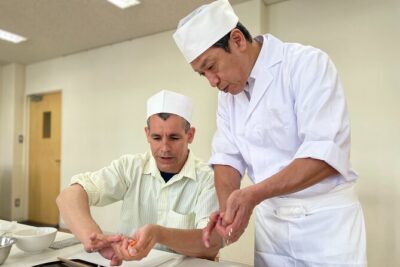
Tokyo Sushi Making Class in Tsukiji with Professional Chef
Read our review →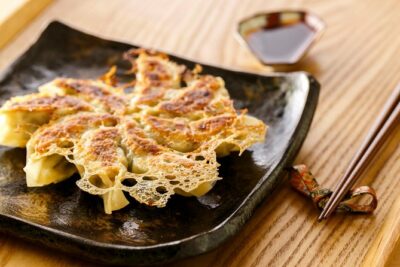
Ramen & Gyoza Cooking Class in Tokyo with Local Supermarket Visit
Read our review →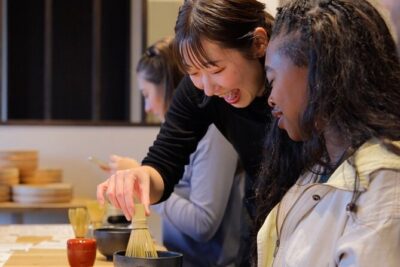
Matcha Making Class in Tokyo with Authentic Japanese Sweets Set
Read our review →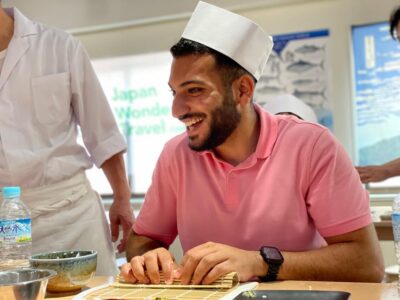
Tsukiji Fish Market Sushi Making Class with Pro Chef
Read our review →
Browse the lists this tour appears in