
Reviewed · TOKYO WALKING TOURS
Tokyo: Private Walking Tour with a Local
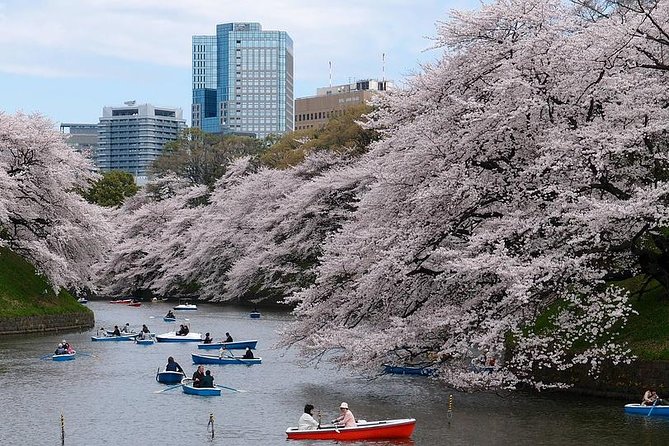
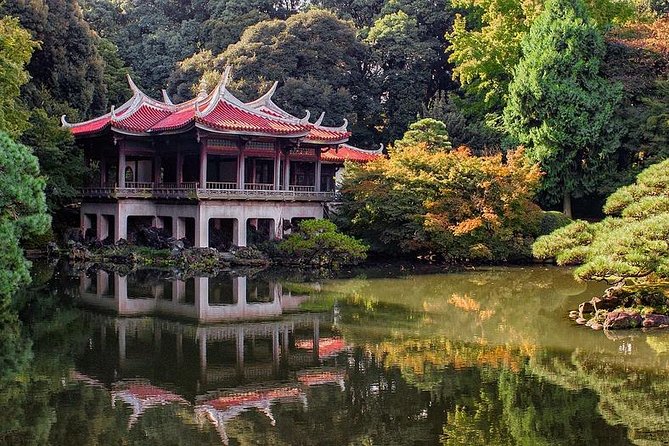
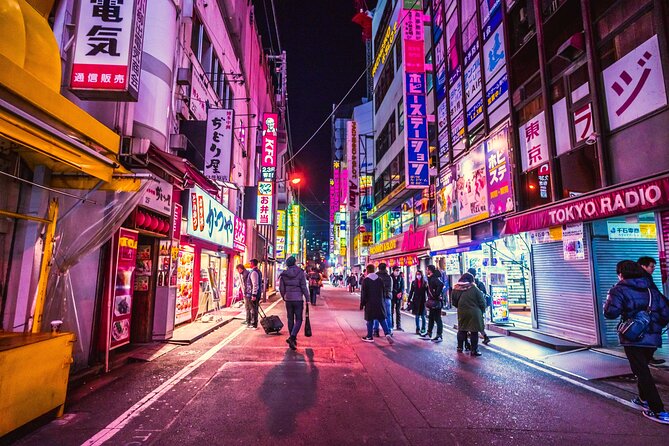
Tokyo: Private Walking Tour with a Local is less a sightseeing march and more a personal city orientation. You choose the focus, and your Lokafyer shapes the walk around it. That might mean learning the subway, visiting a temple and garden, finding a quiet café, or seeing modern districts such as Shibuya and Shinjuku.
I like the practical help most. Guides such as Eduardo, David, Lily, and Romana have helped people buy tickets, read the rail system, find restaurants, and plan the rest of their stay. I also like the flexible pace, with guides adjusting routes for older walkers, rain, changing interests, and rest stops.
The tradeoff is that the experience can vary by guide and by how clearly you explain your wishes. It is not the best choice if you want a fixed list of famous sights, detailed historical commentary at every stop, or a tour with all entry fees and transport included.
Key points to know before booking
- You set the route: Ask for temples, gardens, food, shopping, street art, train practice, or a broad first-day introduction.
- Subway help is a major benefit: Guides can explain tickets, rail passes, station routes, and practical ways to get around Tokyo.
- Meet where it helps most: Pickup can be arranged at your hotel, a central landmark, or a quiet café in or near the city center.
- Guides bring different strengths: Eduardo is often praised for transport help and local suggestions, while Romana, David, Lily, and Elizabeth have also led strong introductory walks.
- Three hours is useful, eight hours is a full day: Short bookings work for local orientation, while longer ones allow several districts and more breathing room.
- Budget for extras: Meals, drinks, transport, attraction tickets, and the guide’s admission are not included.
A private Tokyo walk that starts with your questions
Tokyo can feel easy one moment and baffling the next. A quiet side street may open beside a huge station, while a rail map offers more colored lines than you expected to use in one lifetime. This tour gives you a person to ask before small problems become big ones.
The guide meets you at a preferred location, as long as it is in or near central Tokyo. Your hotel is the simplest choice, but an iconic landmark or café can work too. From there, the route is built around your interests rather than a preset checklist.
That flexibility matters on a first visit. You may want to see a temple but spend just as much time learning how to reach it again. You may care more about local food than monuments. You may have only three hours before dinner, or a full day to work through several parts of the city.
The tour is private, so you do not need to match the pace or interests of a larger group. You can stop to ask questions, change direction, take a rest, or spend longer in a place that catches your attention.
More Tokyo walking tours:
- Tokyo Tsukiji Fish Market Food and Culture Walking Tour
★ 5.0 · 3,184 reviews - Tokyo: Imperial Palace and Shogun Historical Walking Tour
★ 5.0 · 2,251 reviews - Tokyo: Shinjuku Local Bar and Izakaya Guided Walking Tour
★ 4.9 · 1,794 reviews
What you can cover in three hours
A three-hour booking is best treated as an introduction, not a grand tour of all Tokyo. It can give you a useful look at the area around your hotel, plus one or two nearby districts reached by train or subway.
Several people have used a short visit to learn the rail system on their first day. That is a smart use of time. Your guide can show you how to find the right station area, manage tickets or passes, and understand the practical route back to your hotel.
A compact route might combine a traditional stop with a modern viewpoint. One three-hour plan included Shinjuku, Ikebukuro, Asakusa Temple, a high-rise view, a Pokémon Center, cherry blossoms, and lunch advice. That is an ambitious list, so your guide may need to keep the pace brisk and rely on public transport.
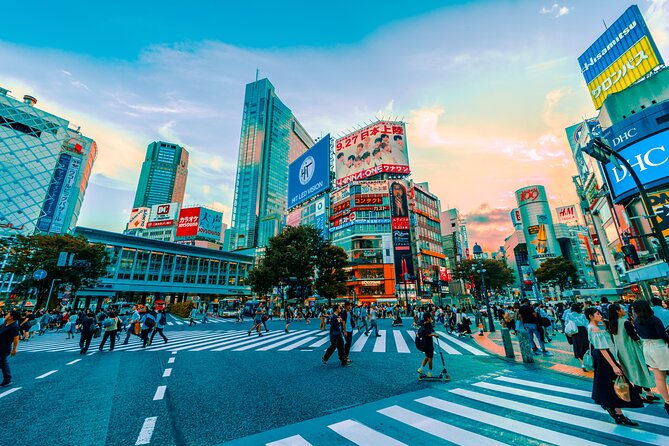
Another short walk may focus almost entirely on a neighborhood. Harajuku and Shibuya work well for a first look at Tokyo’s youth culture, shopping streets, Cat Street, and the area around the famous crossing. You can then return to places that caught your eye after the guide leaves.
Three hours suits you if:
- You are visiting Tokyo for the first time and want basic orientation.
- You need help with the subway before exploring independently.
- You want a local introduction near your hotel.
- You have one subject in mind, such as food, shopping, or temples.
- You prefer a focused walk instead of a long day on foot.
Why four to eight hours can be worth the extra cost

At $82 per person, the price is easier to justify when you use the guide as both a local companion and a practical problem-solver. The private format means you are paying for attention to your group, not only for a set of facts delivered at fixed stops.
A longer booking gives you room to connect different parts of Tokyo. You might begin with your hotel area, take public transport to a traditional neighborhood, stop for lunch, and finish in a modern district. You might also slow down for gardens, cafés, photographs, or questions about daily life.
Do not expect the guide to cover every famous sight in one day. Tokyo is too spread out for that to be pleasant. A long tour works best when you select a few priorities and allow time for stations, walking, and pauses.
The reviews supplied for this experience show how useful a longer, flexible day can be. Faustine adjusted the starting time after plans changed, then combined markets, a temple, a park, public transport, walking, and a taxi. Elizabeth kept a rainy-day route moving and arranged umbrellas. These examples point to the real value of the longer format: a good guide can adjust the plan when Tokyo, weather, or your energy level gets in the way.
For older people, families, or anyone unused to long city walks, explain your pace before setting off. Eduardo was praised for adding rest stops and keeping a comfortable rhythm for older visitors. Lily also adjusted when a walk toward Meiji Jingu Shrine proved longer than expected.
Learning Tokyo’s rail system without panic
For many people, the most useful part of the tour is not a shrine or viewpoint. It is the moment the station system begins to make sense.
Tokyo’s rail network is large, and several guides have made it part of the walk. David helped visitors learn the subway, while Katherine used the tour to explain how to obtain and use a rail pass. Antonina assisted with train tickets and showed how to reach requested destinations. Eduardo repeatedly helped visitors get up and running with trains and metro routes.
This kind of help has value beyond the tour. Once you know how to follow the signs, choose a route, and return to your accommodation, the rest of the city feels less demanding. You can make better use of the rest of your holiday instead of losing time at ticket machines or station corridors.
Be clear about what you need. Ask your guide to show you the route back to your hotel, not just the route to the next stop. If you are using a rail pass, say so early. If you have mobility concerns, mention them before the walk begins.
Transportation is not included in the price, so you pay your own fares. That is a small but important budget detail, especially if your route crosses several districts.
A completely different kind of day in Tokyo:
- Mt Fuji and Hakone 1-Day Bus Tour Return by Bullet Train
★ 5.0 · 26,383 reviews - 1-Day Tokyo Bus Tour
★ 5.0 · 14,250 reviews - Tokyo: teamLab Planets TOKYO Digital Art Museum Entry Ticket
★ 4.6 · 9,779 reviews - Mt Fuji & Hakone Cruise, Drum Show Bullet Train 1 Day from Tokyo
★ 4.0 · 7,413 reviews
Traditional Tokyo, modern Tokyo, and quiet corners
The tour can combine old and new Tokyo, but the exact balance depends on your requests. Guides have taken people to main temples, traditional markets, gardens, shrines, high-rise viewpoints, modern neighborhoods, and quieter backstreets.
Asakusa is a natural choice if you want a traditional setting and a temple. Meiji Jingu Shrine offers a different kind of contrast when paired with Harajuku or Shibuya. Gardens provide a slower break from stations and commercial streets.
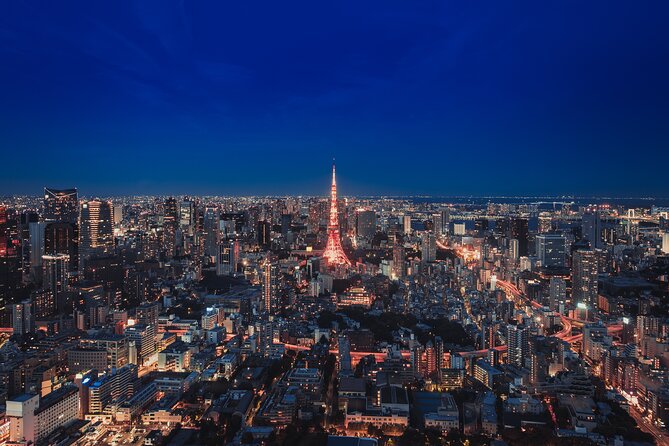
Modern Tokyo can mean far more than shopping. You might request a view from a tower, see Shibuya Crossing from above, visit a Pokémon Center, or walk through street art areas and side roads. One guide helped visitors combine a high-rise view, a cat café, local food, and practical transport advice.
The private setup lets you explain what kind of Tokyo interests you. If you have already seen the major temples, ask for less familiar streets, markets, cafés, or neighborhood life. If you have never been to Japan, ask for a balanced route that explains both custom and present-day life.
Keep expectations sensible. A local guide can point out places and share personal context, but this is not presented as a formal academic tour. One experience was described as more useful for translation and photography than for a planned historical schedule. If detailed history is your top goal, ask about the guide’s approach in advance.
Food, cafés, and local advice
Food can be part of the walk, but meals and drinks are extra. That gives you freedom to choose the price and style of the stop.
Eduardo took visitors to an excellent lunch place and helped others find local food near Shibuya. Antonina found a sushi restaurant, checked the wait, and helped with the queue. These are the kinds of small services that can save time when menus, lines, or ordering customs feel unfamiliar.
You can also ask for coffee or a neighborhood café. Lily included a café stop during a walk that covered Shibuya and Meiji Jingu. A quiet café or small restaurant can be more useful than another photo stop because it gives you a chance to ask questions and watch ordinary city life.
Do not assume the guide is paying for your meal or that a restaurant visit is guaranteed. State your budget and dietary needs when arranging the tour. The supplied details confirm that food, drinks, and personal expenses are not included.
How much walking and transport should you expect?
This is called a walking tour, but it may include public transport or a taxi if that suits the plan. Several routes combined walking with the metro, trains, or a taxi. You should still wear comfortable shoes and expect time on your feet.
The distance can be more than it first appears. Tokyo’s stations are large, and a route between a station, a shrine, a market, and a viewpoint can involve long stretches of walking. Lily’s route toward Meiji Jingu was farther than one couple expected, although she helped them find their way back afterward.
Tell the guide if you need regular breaks. The private format makes this easier than a group tour, and the experience has been adapted for different ages and energy levels. The activity is wheelchair accessible, but a particular route still needs to be discussed so the guide can shape the day appropriately.
Rain does not automatically end the experience. Elizabeth arranged umbrellas and kept a rainy route moving. Still, weather may affect scenic views, gardens, and how much ground you want to cover.
Choosing the right guide and setting clear goals
You may be able to request a time, but the available guide will depend on scheduling. The listed languages are English, Spanish, and French. Several guide names appear repeatedly in the supplied feedback, including Eduardo, Romana, David, Lily, Elizabeth, and Gonul.
Eduardo is a strong name to request if you care about transport, local suggestions, and a broad first-day introduction. Romana has been praised for flexibility and a pleasant, easy pace. David has helped with train navigation and unexpected neighborhood stops. Lily has combined practical subway instruction with views, cafés, and shrine visits.
These are useful clues, not guarantees. The best guide for you depends on availability and your needs. Write a short wish list before booking. Include your hotel area, must-see places, walking ability, food interests, preferred pace, and whether you want transport practice.
A clear request produces a better private tour. Instead of saying you want to see Tokyo, try: I want to learn the metro, visit one traditional area, find a good lunch, and see a modern viewpoint. That gives the guide something workable.
Price, cancellations, and what you pay separately
The listed price is $82 per person. For a private experience, that can be fair value if you use the guide for orientation, transport practice, local recommendations, and route planning. It is less compelling if you only want a quick walk past famous sights that you could easily reach on your own.
The longer the tour, the more important it is to plan your priorities. A three-hour visit may be enough to learn the station system and explore one neighborhood. A six to eight-hour day gives you more time, but it also means more walking, transport fares, and possible meal costs.
The guide is included, along with the customized private walk. You pay separately for train or taxi fares, food, drinks, attraction tickets, optional activities, and the guide’s admission if you ask to enter an attraction. That last point matters if you want an indoor site included.
You can cancel up to 24 hours before the tour for a full refund. Children under three can join free, and children aged three to twelve receive a 50 percent discount.
Who should book this Tokyo experience?
I would choose this tour for a first day in Tokyo, especially if the rail system feels intimidating or you want a friendly explanation of local customs. It also suits repeat visitors who have already seen the major sights and want a more personal route through markets, backstreets, cafés, food stops, or neighborhoods.
Families can benefit from the private pace, as can older people who need rest stops. Solo visitors may appreciate having someone to ask about practical matters and local etiquette. Spanish and French speakers have an added reason to consider it, since those languages are available alongside English.
I would look elsewhere if you want a fixed itinerary with guaranteed attractions, included admissions, or a formal historical lecture. The experience depends on conversation and cooperation. You need to tell the guide what you want, and you should accept that the final route may change with weather, energy, opening hours, or transport needs.
Should you book it?
Book this Tokyo private walking tour if you want to get your bearings fast and spend the rest of your trip exploring with more confidence. The strongest reason to choose it is the combination of a flexible local route and hands-on help with trains, tickets, food, and neighborhood choices.
For the best value, book it early in your stay and use the first meeting to learn the system you will rely on later. Prepare a short list, mention your pace, and decide whether you want food, temples, gardens, modern Tokyo, or transport practice to lead the day.
If you already know Tokyo well and prefer a tightly scripted sightseeing program, the loose format may feel too open. For most first-time visitors, though, a private introduction with a helpful local can be a practical way to turn a complicated city into one you can handle on your own.
FAQ
How long does the private Tokyo walking tour last?
The tour lasts between 3 and 8 hours. You can check available starting times when booking.
How much does the tour cost?
The listed price is $82 per person.
Is the tour private?
Yes. It is arranged for a private group rather than a shared group.
Where does the guide meet me?
The Lokafyer can meet you at your hotel, an iconic landmark, or a quiet café, provided the location is in or near central Tokyo.
Which languages are available?
Guides are available in English, Spanish, and French.
Can I request a particular starting time?
Yes. You can request a specific time, subject to availability.
Are train and subway fares included?
No. Transportation is not included, so you pay your own train, subway, or taxi costs.
Are meals and drinks included?
No. Meals, drinks, and personal expenses are separate.
Can I visit an attraction during the tour?
Yes, you can request a visit to an attraction. You must pay the admission fee for yourself and the local guide.
Is the tour suitable for wheelchair users and children?
The activity is wheelchair accessible. Children under three join free, and children aged three to twelve receive a 50 percent discount.
Newly reviewed around Tokyo
- Tokyo Asakusa:Calligraphy & Make T-shirt Activity★ 5.0 · 62 reviews
- Intercity Shuttle, Tokyo to Haneda /Narita /Yokohama /Makuhari★ 5.0 · 5 reviews
- 1 Hour Travel around Tokyo with a Professional Photographer★ 5.0 · 3 reviews
- Travel Tokyo with Your Own Personal Photographer★ 5.0 · 43 reviews
- Train in Samurai Swordsmanship and Defeat the Demon in Tokyo★ 5.0 · 5 reviews
- Shuttle Van 6hr Tokyo Tour to-and-from Tokyo, Yokohama and Narita★ 5.0 · 9 reviews
- Kickboxing & Body Training with EX-Pro Fighter★ 5.0 · 4 reviews
- Traditional Japanese Knife Sharpening Class★ 5.0 · 18 reviews
Tokyo Walking Tours, compared.
Tokyo Tsukiji Fish Market Food and Culture Walking Tour
Read our review →
Imperial Palace and Shogun Historical Walking Tour
Read our review →
Shinjuku Local Bar and Izakaya Guided Walking Tour
Read our review →
Asakusa Walking Tour with Sensoji Temple Visit
Read our review →
Tokyo Castle & Imperial PalaceーShogun Walking Tour
Read our review →
Browse the lists this tour appears in