
Reviewed · TOKYO SUMO EXPERIENCES
Tokyo Sumo Culture Tour with Chanko-Nabe Lunch in Ryogoku
Sumo is much more than two wrestlers in a ring. In Ryogoku, Tokyo’s sumo quarter, the sport shapes the streets, shrines, training stables, food, and even the bicycles built for enormous riders. This three-and-a-half-hour walking tour gives you a useful introduction without asking you to decode the sport alone.
I like the small group of no more than eight, which leaves room for questions and makes the long walk feel personal. I also like the route’s mix of places: Nominosukune Shrine and Ekoin Temple provide old customs and history, while a hot bowl of chanko-nabe gives you a taste of the food associated with wrestlers. The main drawback is important: you do not watch a match or training session, and some related sites may be closed, especially on Sundays.
Key points to know before you book
- Ryogoku is the subject, not just the backdrop: The walk connects sumo arenas, shrines, temples, stables, and food.
- The group is capped at eight: A useful size for questions and one-on-one time with guides such as Jeff, Taka, or Aki-san.
- The stable visits are exterior stops: You can see where wrestlers live and train, but actual practice is not included.
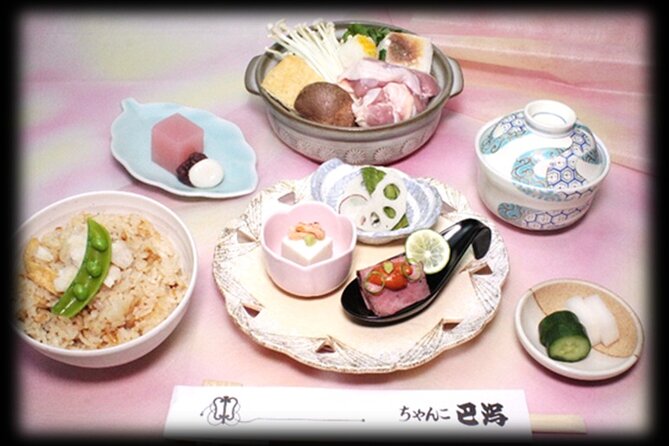
- Chanko-nabe lunch is included: The tour ends at Tomoegata Chanko, with alcohol charged separately.
- The Kokugikan is viewed from outside: This is a cultural tour, not a ticketed tournament experience.
- Sunday planning matters: Training facilities and museums may not be open, so check your expectations before paying.
Why Ryogoku makes a good sumo classroom
Ryogoku is the right place to learn sumo because the sport is woven into the neighborhood. The district is home to the Ryogoku Kokugikan, the country’s best-known sumo arena, as well as stables where wrestlers live and train.
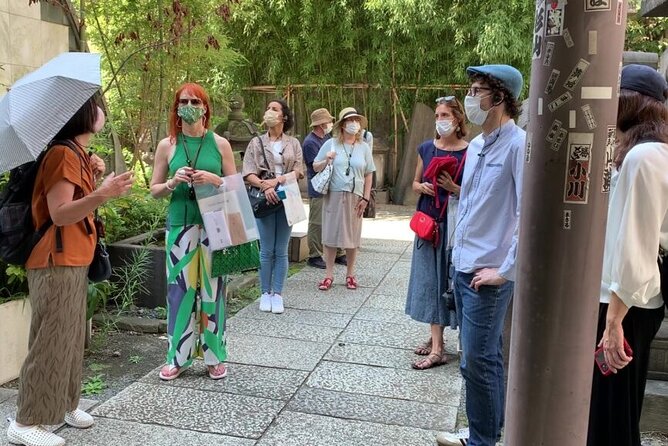
You begin at Ryogoku Station at 9:30 a.m. and spend the morning on foot. The route is not simply a succession of photo stops. Your guide explains how sumo developed, how its rules changed, and how the wrestlers fit into Japanese society.
That context matters. If you only attend a tournament, you may see the rituals without understanding them. This walk helps explain why a salt toss, a ring entrance, a referee’s clothing, or a wrestler’s stable carries meaning.
The group limit of eight is one of the tour’s strongest features. Ryogoku is easy enough to explore independently, but it is much harder to understand without someone who can point out the details. Past guides have included Jeff, Taka, and Aki-san. The most warmly praised qualities were their clear explanations, friendly manner, and ability to make the subject accessible to first-time visitors.
More Tokyo sumo experiences:
- Tokyo: Sumo Show and Dining Experience
★ 4.8 · 2,742 reviews - the SUMO show
★ 5.0 · 1,960 reviews - Tokyo Shinjuku Sumo Show & Experience with Photo
★ 5.0 · 1,750 reviews
Hakkaku-beya, your first look at a sumo stable
The first stop is Hakkaku-beya, a sumo stable where wrestlers live and train. You look at the building from outside for about 15 minutes.
This distinction is essential. The stop does not include entry, a practice session, or a chance to meet the wrestlers. Sumo stables are working homes, not ordinary tourist attractions, so an exterior visit gives you a respectful glimpse without treating private training as a performance.
Your guide can explain the stable system and the daily life connected with it. For a newcomer, even seeing the entrance and learning what happens inside can make the sport feel less distant.
Still, keep your expectations modest. If your main goal is watching wrestlers train, this tour does not provide that. The value here comes from the explanation and the setting, not from a scheduled spectacle.
Nominosukune Shrine and the origins of sumo
At Nominosukune Shrine, you spend about 30 minutes learning about the figure traditionally linked with the beginnings of sumo. The guide explains how sumo is said to have started around 1,500 years ago and how its rules developed over time.
This stop gives the tour a clear foundation. Sumo is often presented as Japan’s national sport, but it is also tied to Shinto customs and old stories. The shrine helps connect the modern professional sport with those earlier traditions.
You will also hear about the rules as they exist today. That is useful preparation for anyone planning to attend a tournament later. Sumo can look simple from a distance, but the boundaries, throws, balance, and rituals all have specific meaning.
The shrine itself is a relatively short stop, so do not expect a full religious tour. Its importance lies in the story your guide adds. Without that explanation, it may look like a small shrine on a walking route. With it, the site becomes part of the larger story of how sumo gained its customs.
Ryogoku Kokugikan, the heart of modern tournaments
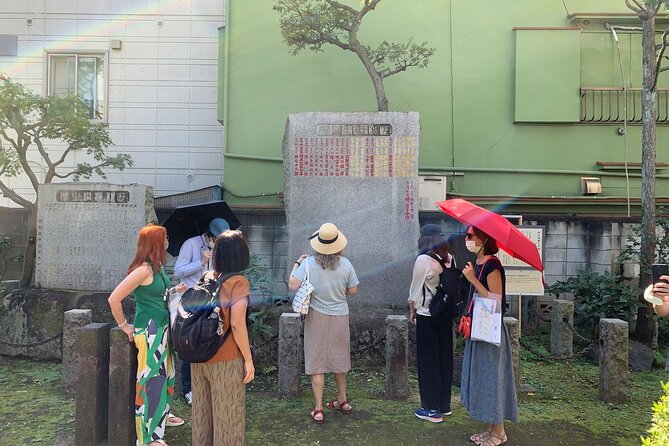
The Kokugikan is where the major sumo tournaments are held three times a year. You view the arena from outside for about 30 minutes while your guide explains its role and shares stories about sumo.
This is one of the tour’s most useful stops for anyone considering a tournament visit. You can get your bearings, understand why the building matters, and learn how the arena fits into the rhythm of the professional sumo calendar.
You should not confuse this stop with a ticketed visit. There is no tournament viewing included, and you will not enter for a match as part of this experience. If you book outside a tournament period, the exterior view and commentary may be the main chance you have to connect the building with professional sumo.
The lack of actual sumo action is the tour’s biggest limitation. One previous participant knew the tour fell between tournament dates but still felt disappointed after learning that Sunday training visits were not available. I would book this tour for cultural understanding, not as a substitute for match tickets.
More Lunch Experiences in Tokyo:
- Tokyo: Mt.Fuji & Lake Kawaguchiko 1-Day Bus Tour w/Optional Lunch
★ 4.5 · 839 reviews - Tokyo: Sumo Experience and Chanko Nabe Lunch
★ 4.8 · 257 reviews - Tokyo: Tsukiji Fish Market Tour with 6 Stops & Seafood Lunch
★ 4.5 · 165 reviews - Tokyo: 1 Day Bus Tour with Meiji-Jingu,Odaiba,lunch&Skytree
★ 4.6 · 156 reviews
Ryogoku Edo Noren and the full-size ring
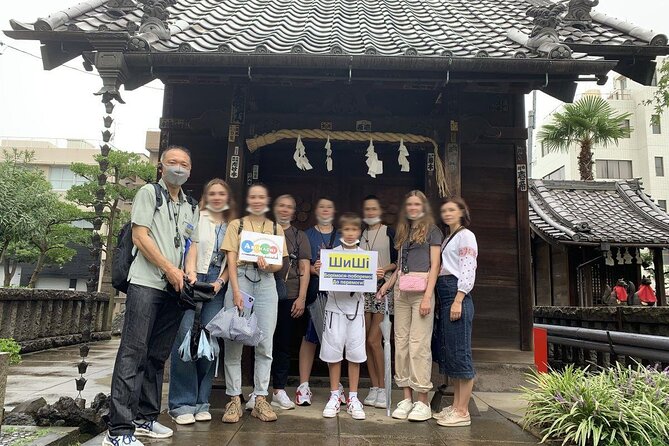
Ryogoku Edo Noren recreates the feel of old Edo, the former name of Tokyo, and includes a full-scale sumo ring. You spend about 30 minutes here, close enough to study the ring while hearing how to watch a bout.
This may be the most practical stop for a first-time sumo fan. A full-size ring lets you understand the small fighting area better than a distant television image. Your guide can point out the ring’s shape and explain what to watch when wrestlers face each other.
The old Edo setting also broadens the tour beyond sport. Sumo is tied to the city’s older culture, and this stop gives you a sense of how the modern neighborhood keeps that connection visible.
It is also a good place to ask basic questions without feeling lost. If you are unsure about the winning area, the structure of a match, or the way wrestlers use the ring, this is the time to ask.
Ekoin Temple and sumo in the samurai era
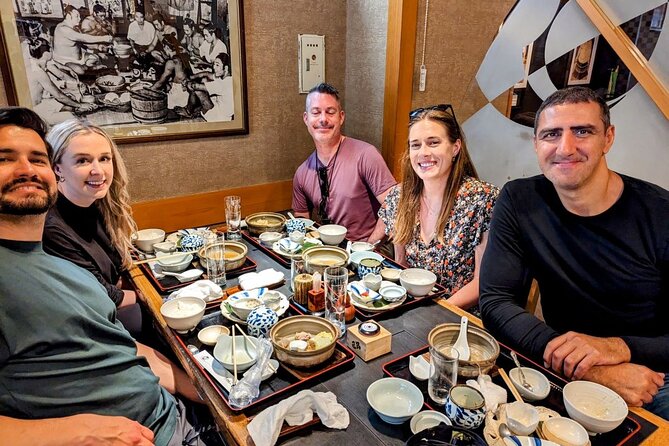
At Ekoin Temple, the tour pauses for roughly 15 minutes. The site was connected with sumo tournaments during the Edo period, and your guide explains how those events worked and how wrestlers were viewed socially.
This stop adds a needed human element. Sumo was not always organized exactly as it is today, and wrestlers did not always occupy the same place in society. Learning about their status and the way tournaments were held helps you see the sport as part of Japanese social history.
Because the stop is short, the temple is best understood as a piece of the route rather than a major temple visit. You will not spend a long time exploring religious buildings or grounds. The point is the connection between the site and the earlier form of sumo.
I like this part of the walk because it prevents the tour from becoming only an explanation of modern professional wrestling. It shows that the sport has changed, while many of its older associations remain.
Kasuganobeya and the famous wrestler-size bicycles
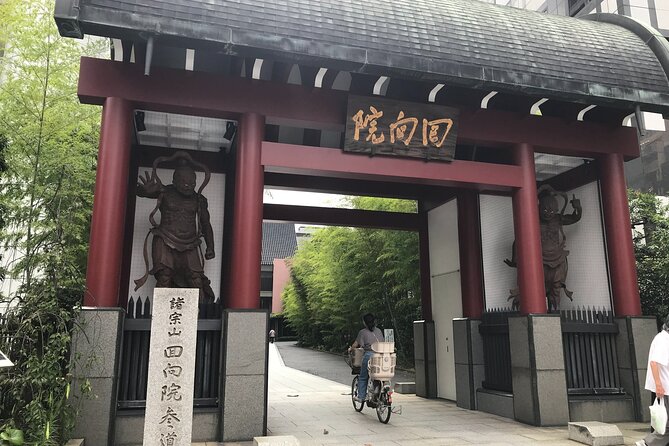
The route then reaches Kasuganobeya, another sumo stable. Again, the visit is brief, about 15 minutes, and focuses on seeing the stable from outside.
The memorable detail here is the bicycles used by the wrestlers. They are built on a scale that makes ordinary bicycles look tiny, and they offer a simple, visual reminder of the wrestlers’ size and daily routines.
You may find this stop more amusing than solemn, but that is part of its charm. A good walking tour needs small details that stay with you, and the oversized bicycles are easier to picture later than a long explanation of stable rules.
As with Hakkaku-beya, there is no included practice session. The tour shows you the setting and gives you a guide’s interpretation, but it does not promise access to the wrestlers’ private life.
Chanko-nabe at Tomoegata
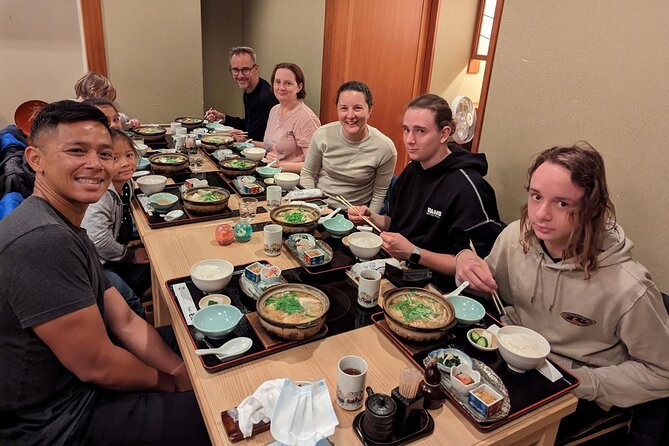
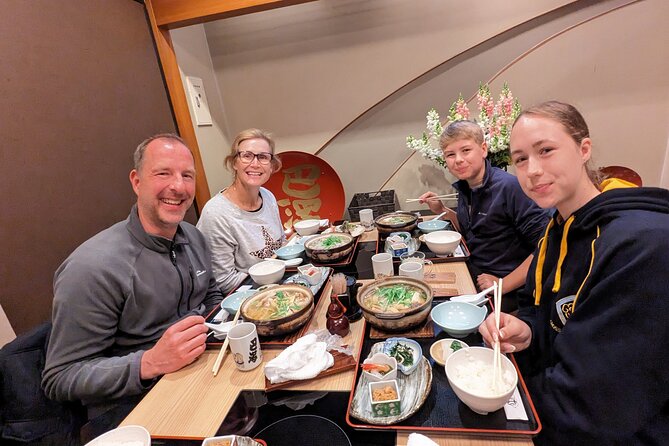
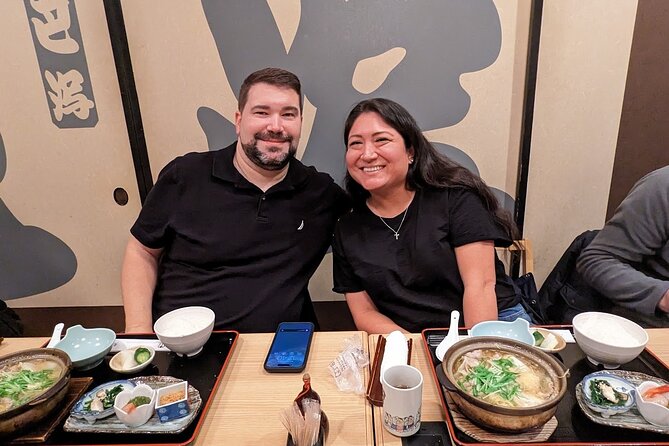
The final stop is Tomoegata Chanko, where you spend about an hour eating lunch. Chanko-nabe is the hot-pot dish associated with sumo wrestlers’ diets, designed to provide substantial food for building weight and muscle.
Lunch gives the tour a satisfying finish. You have spent the morning learning about the sport’s rituals and institutions, then you sit down to taste one of its most recognizable foods. The meal is included in the price, while alcoholic drinks are not.
The restaurant is also where the tour ends, at 2-chōme-17-6 Ryōgoku. That makes the final stop practical if you want to continue exploring Ryogoku afterward, though the tour does not include transportation back to your hotel.
I would not treat the meal as a minor extra. At $131.12 per person, the included lunch helps support the price, especially when combined with a small group and a specialist guide. Still, the cost is harder to justify if you are interested only in eating chanko-nabe or taking pictures outside the arena. The strongest value comes when you want the explanations as well as the meal.
What the $131 price really buys you
The listed price is $131.12 per person. You are paying for roughly three and a half hours, a guide, a small group, and chanko-nabe lunch. You are not paying for match admission, training access, hotel transfers, or alcoholic drinks.
Compared with a self-guided walk, the extra cost is mainly for interpretation. Ryogoku’s sights are spread across the neighborhood, and you could visit several of them on your own. The guide’s role is to connect them: the shrine to sumo’s origins, the arena to modern tournaments, the temple to older competitions, and lunch to the wrestlers’ diet.
The small maximum group size also matters. With no more than eight people, the pace should feel less like a large bus tour. You can ask about rules, customs, or the stable system as they come up.
I would rate the value as good for a visitor who is genuinely curious about sumo and Japanese culture. It is less convincing for someone seeking an actual bout or training session. That distinction should guide your decision more than the price alone.
Timing, closures, and what to expect on the day
The tour begins at 9:30 a.m. near Ryogoku Station. Wear comfortable shoes, since the experience is a walking route with several stops. The tour ends at the restaurant rather than returning you to the station or hotel.
The tour is offered with a maximum of eight people, and confirmation is provided at booking. It is near public transportation, and most people can take part.
Pay attention to the calendar. Major tournaments are held at the Kokugikan three times a year, but this tour does not include tickets to them. Training facilities and museums may also have limited hours or closures. One Sunday schedule resulted in closed training access, and a museum was also unavailable on another visit.
That does not cancel the value of the walk, but it changes what you will see. If your priority is a live sumo experience, check tournament dates and any planned closures before booking. If your priority is learning the background, the route still offers plenty through its shrines, temples, arena exterior, stables, and food.
Free cancellation is available up to 24 hours before the start time. Changes or cancellations made inside that window are not refunded.
Who should book this Ryogoku walk
I would recommend it to a first-time sumo fan, a visitor who wants cultural context, or a family group that would rather ask questions than read signs alone. The short stops keep the subject moving, and the chanko-nabe meal gives the morning a clear, enjoyable finish.
It also suits anyone who has already seen a tournament but wants to understand the neighborhood behind it. The Kokugikan is only one part of the story. The shrines, temple, stables, and food explain how sumo became part of everyday Ryogoku.
I would hesitate if your only goal is watching wrestlers practice. I would also think twice if you have already explored Ryogoku and know the sport well, since the route is designed as an introduction.
The best guide can make a major difference. Jeff is described as personable and informative, while Taka and Aki-san are praised for clear explanations and strong knowledge of sumo customs. Guide assignments can vary, so book for the route and format rather than expecting one named person.
Should you book it?
Book this tour if you want a guided introduction to sumo that combines history, neighborhood walking, and a proper chanko-nabe lunch. The small group and guides such as Jeff, Taka, and Aki-san are the main reasons to choose it over wandering around Ryogoku alone.
Skip it if you need a match, a practice session, or entry into a stable. The honest description is simple: this is a sumo culture walk with lunch, not a live sumo ticket. Check Sunday closures and tournament dates, set your expectations correctly, and the tour offers a focused way to understand one of Japan’s most distinctive traditions.
FAQ
How long does the Tokyo Sumo Culture Tour last?
The experience lasts approximately 3 hours and 30 minutes.
What time does the tour start?
The tour starts at 9:30 a.m.
Where does the tour begin?
It begins near Ryogoku Station at 1-chōme-4-29 Yokoami, Sumida City, Tokyo.
Where does the tour end?
The tour ends at Tomoegata Chanko, located at 2-chōme-17-6 Ryōgoku, Sumida City, Tokyo.
How many people can join the tour?
The maximum group size is eight people.
Is lunch included?
Yes. Chanko-nabe lunch at Tomoegata Chanko is included.
Are alcoholic drinks included?
No. Alcoholic beverages are not included.
Can I watch an actual sumo match or training session?
No. The tour does not include live match viewing or sumo practice. The Kokugikan and sumo stables are viewed from outside.
Does the tour include hotel pickup and drop-off?
No. Hotel pickup and drop-off are not included.
Is the tour available for most people?
Yes. Most people can participate, and the tour is near public transportation.
Can I cancel for a full refund?
Yes. You can cancel up to 24 hours before the experience start time for a full refund. Cancellations or changes made less than 24 hours before the start time are not refunded.
Newly reviewed around Tokyo
- Tokyo Asakusa:Calligraphy & Make T-shirt Activity★ 5.0 · 62 reviews
- Intercity Shuttle, Tokyo to Haneda /Narita /Yokohama /Makuhari★ 5.0 · 5 reviews
- 1 Hour Travel around Tokyo with a Professional Photographer★ 5.0 · 3 reviews
- Travel Tokyo with Your Own Personal Photographer★ 5.0 · 43 reviews
- Train in Samurai Swordsmanship and Defeat the Demon in Tokyo★ 5.0 · 5 reviews
- Shuttle Van 6hr Tokyo Tour to-and-from Tokyo, Yokohama and Narita★ 5.0 · 9 reviews
- Kickboxing & Body Training with EX-Pro Fighter★ 5.0 · 4 reviews
- Traditional Japanese Knife Sharpening Class★ 5.0 · 18 reviews
Tokyo Sumo Experiences, compared.
Tokyo Shinjuku Sumo Show & Experience with Photo
Read our review →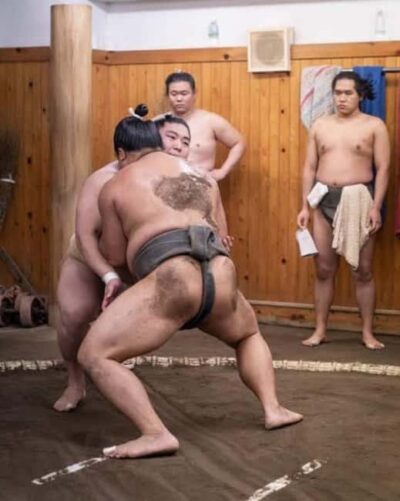

Luxury Sumo Show Experience & Japanese cuisine & Drink
Read our review →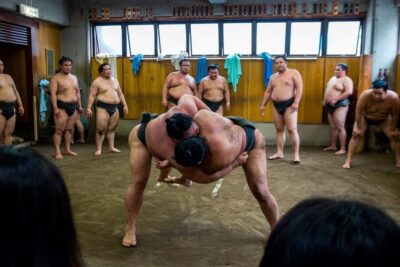
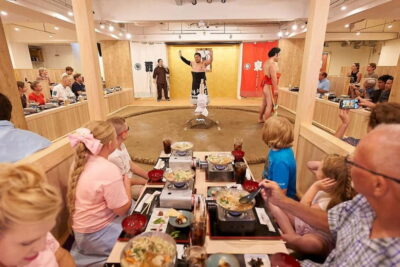
Tokyo Sumo Experience: Chanko & Mochi with a Former Pro
Read our review →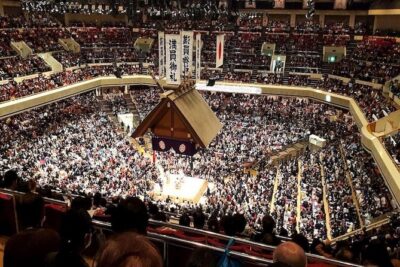
Ultimate Sumo Tournament: Tokyo, Osaka, Nagoya, Fukuoka
Read our review →Browse the lists this tour appears in