
Reviewed · TOKYO SAMURAI AND NINJA EXPERIENCES
Tokyo: Samurai Experience with a real sword
A real sword, a formal kimono and hakama, and a supervised sword-to-sword exercise make this one of Tokyo’s more unusual cultural activities. You learn how to draw and handle a katana, watch a Shiden-ryu demonstration, and record the moment you cut objects with a genuine samurai sword.
I like the clear progression from zarei etiquette to basic movements, combat practice, and cutting. I also like that you leave with photos and video, rather than relying on a single rushed snapshot. One drawback is the short two-hour format: if you enjoy martial arts, you may wish the lesson lasted longer.
Key points to know before booking
- Real sword cutting is available from age 12: Younger participants can take part in other parts of the activity, but cutting with a real sword has an age limit.
- Kimono and hakama are provided: Tell the operator your height and weight when booking so the outfit can be prepared.
- The class includes formal etiquette: You will practice zarei, the seated bow used in samurai manners, as well as sword handling and movement.
- A controlled sword exercise is included: The activity is designed as instruction and performance, not free-form fighting.
- Photos and video are part of the experience: You can take home a recording of your sword work and commemorative images.
- The meeting point can change within Tokyo: Check the final instructions and arrive 20 minutes early.
Why this Tokyo samurai class is more than dress-up
Tokyo offers plenty of costume activities, but this one adds a practical lesson in swordsmanship. The clothes set the scene, yet the useful part is learning how to stand, hold the sword, draw it, move with it, and return to a formal seated position.
The class is led by a professional coach, with English-speaking staff available. A demonstration by Shiden-ryu helps you see the difference between simply holding a sword and handling one with controlled form. The emphasis is on discipline and technique, not theatrical waving.
That distinction matters. You are not being handed a sword and told to make up a fight. The session has a set order, beginning with reception and dressing, then moving through etiquette, sword movements, combat practice, cutting, photos, and changing clothes.
One participant specifically praised learning how to draw and sheath a katana, along with the basic techniques. Those are the details that give the activity value. They turn the experience from a quick photo opportunity into a short introduction to a traditional martial art.
More Tokyo samurai and ninja experiences:
- Tokyo: Samurai Ninja Museum Guided tour and Experience
★ 4.6 · 1,010 reviews - Tokyo: Samurai Sword & Archery Class from Samurai Descendant
★ 5.0 · 603 reviews - Best Samurai Experience in Tokyo
★ 5.0 · 458 reviews
Meeting near the station and getting changed
The starting point is outside the station ticket gates. You go out the west exit, descend to ground level, and look for McDonald’s. A staff member will be holding a meeting board.
The exact meeting location may vary within Tokyo depending on the date, so check the latest instructions before setting out. Arrive 20 minutes before the scheduled time. That extra margin matters in Tokyo, where a station can have several exits and a short walk can become confusing if you are searching at the last minute.
From the meeting point, staff take you to the training venue. The activity ends back at the meeting point. Transportation details between the meeting point and the venue are not specified, so follow the operator’s directions on the day.
You should wear comfortable clothing and bring a change of clothes. A drink is sensible, especially when wearing layered traditional clothing and moving through sword exercises. Use a bottle with a secure lid, since open drinks are not allowed during the activity.
Kimono, hakama, and the first samurai lesson
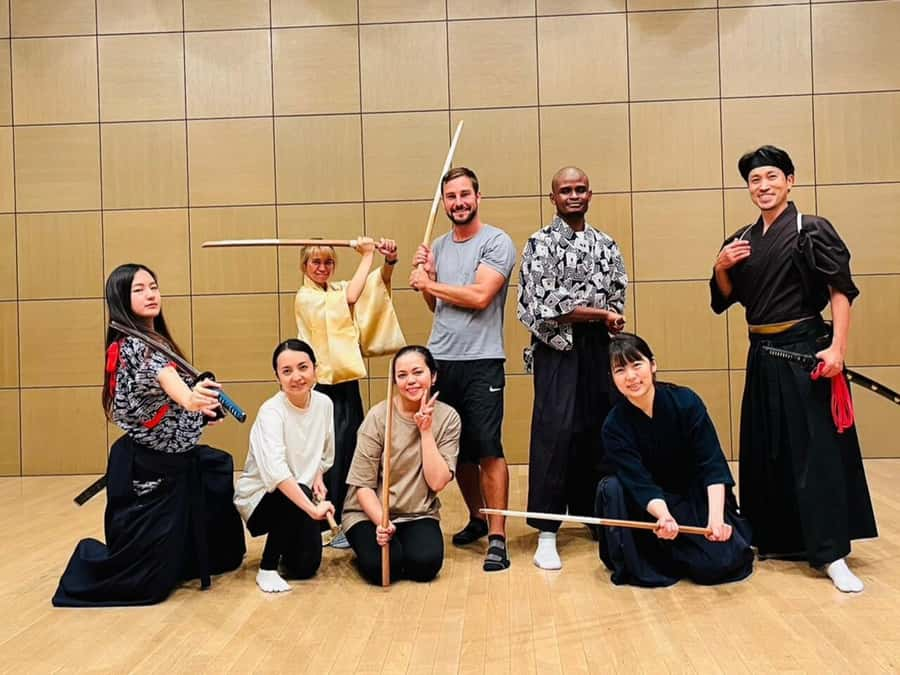
The clothing is part of the point, not just a backdrop for photographs. You begin by selecting and putting on a kimono and hakama. The hakama gives the outfit its recognizable samurai shape, while the kimono makes the presentation feel formal.
Give your height and weight when you reserve. This helps the staff prepare suitable clothing and keeps the dressing process moving. You should also allow time to change again at the end, so the full two-hour session is not two hours of continuous sword practice.
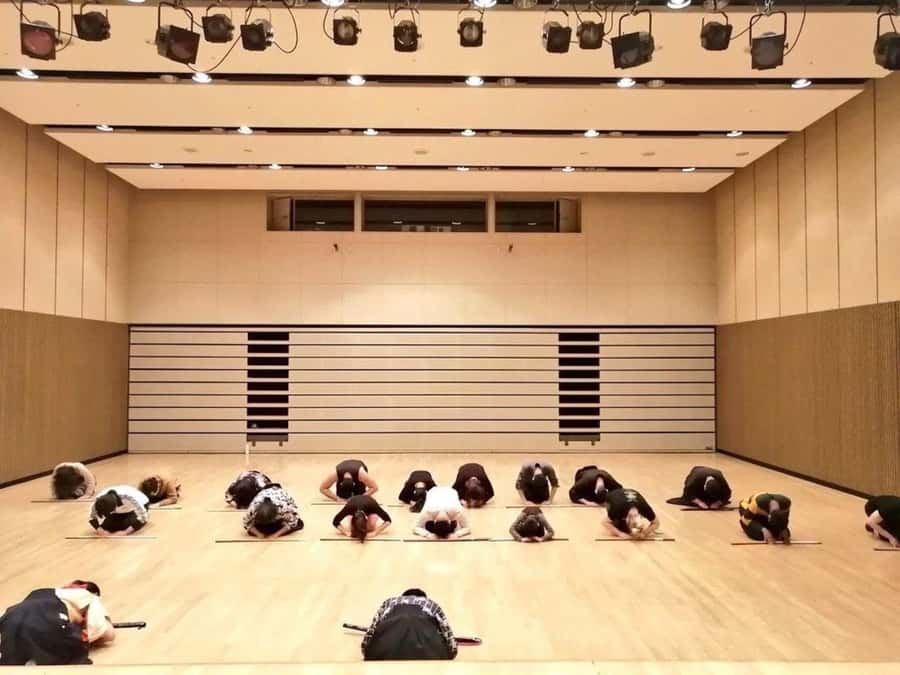
The first formal lesson is zarei, seated etiquette. You learn how to sit and bow correctly before handling the sword. I like this opening because it places the weapon within a set of manners and rules. The class presents swordsmanship as a disciplined practice, not simply an action stunt.
You will also receive an introduction to samurai etiquette and the basic rules for the session. Pay attention here. The safety information and movement instructions are more important than getting straight to the dramatic parts.
Watching the Shiden-ryu sword demonstration
Before you attempt the techniques, you watch a demonstration of iai and swordsmanship by Shiden-ryu. Iai focuses on drawing the sword with control, while the broader sword lesson shows how posture, timing, and movement work together.
This demonstration gives you something concrete to copy. It also helps you understand why the instructor asks for small, careful movements. A katana is not a prop, and even a basic action such as drawing and sheathing requires attention.
One instructor identified in the experience feedback is Hiryu. His teaching included discussion of samurai history and philosophy, as well as the sword lesson. The staff are described as English-speaking, but their English may vary. One participant used Google Translate during the session, so having a translation app ready is a sensible backup.
That language point is worth taking seriously. The activity can still work well when instructions are supported by demonstration, but detailed questions may take extra time. If you are interested in martial arts technique, keep your questions short and use translation help when needed.
A completely different kind of day in Tokyo:
- Mt Fuji and Hakone 1-Day Bus Tour Return by Bullet Train
★ 5.0 · 26,383 reviews - 1-Day Tokyo Bus Tour
★ 5.0 · 14,250 reviews - Tokyo: teamLab Planets TOKYO Digital Art Museum Entry Ticket
★ 4.6 · 9,779 reviews - Mt Fuji & Hakone Cruise, Drum Show Bullet Train 1 Day from Tokyo
★ 4.0 · 7,413 reviews
Learning sword forms and controlled combat
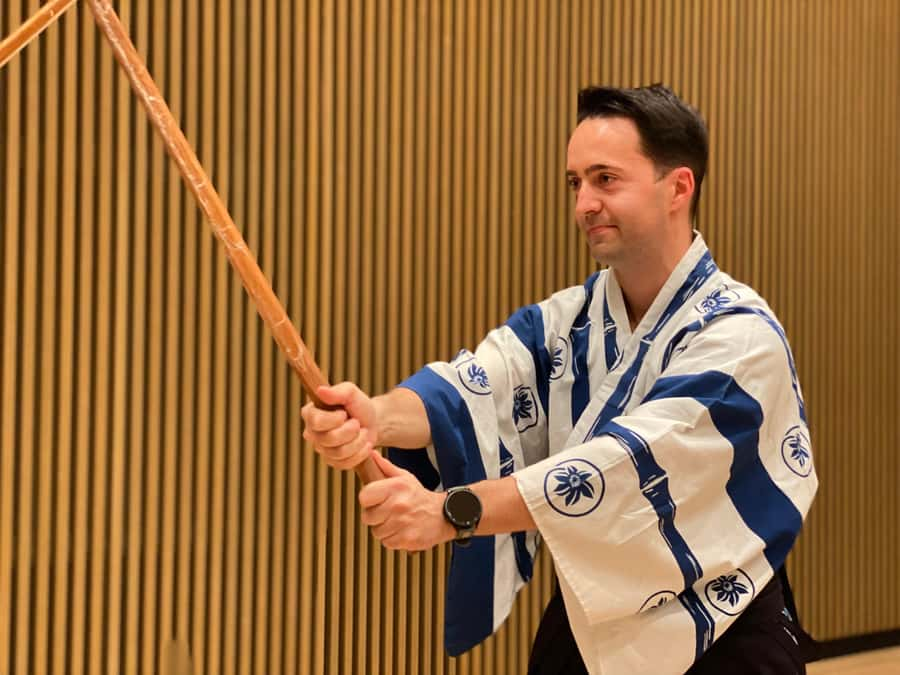
After the demonstration, you learn how to handle the sword and practice samurai forms and movements. Expect instruction in posture, grip, drawing, sheathing, and basic actions rather than an advanced martial arts course.
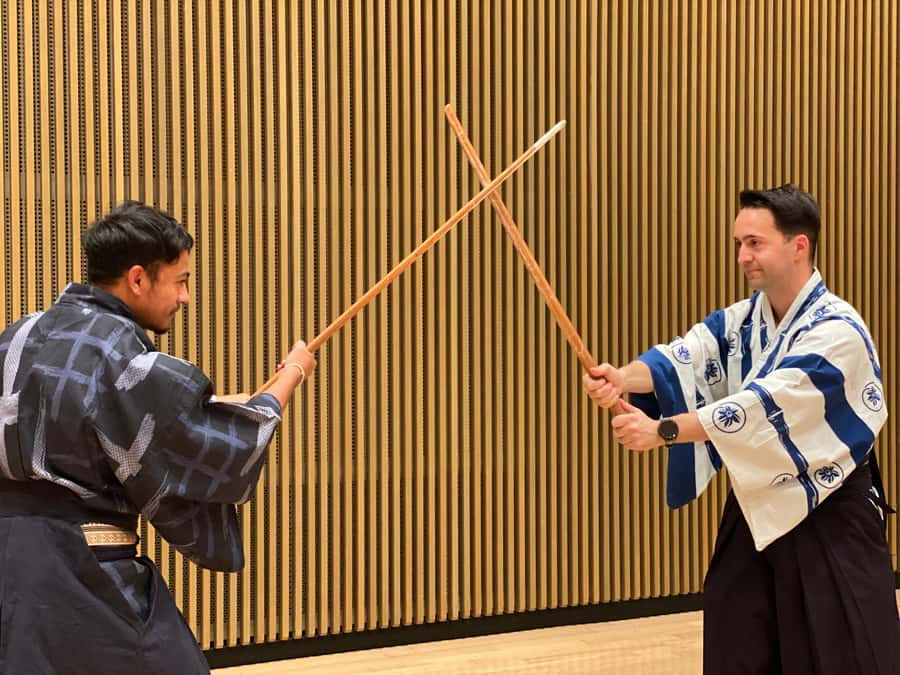
The sword-to-sword portion is called uchikomi. It gives you a chance to perform a controlled exchange with an instructor or partner under direction. The wording can sound more dramatic than the activity itself. This is not a competition, and the purpose is to follow the form safely and accurately.
You will get more from this part if you focus on the instructor’s sequence instead of trying to look powerful for the camera. Keep your movements measured. Listen closely before each action, and do not rush because the sword feels exciting.
For families, the age rule is important. Cutting objects with a real sword is available only to participants aged 12 and above. The supplied information does not give a separate minimum age for the rest of the class, so confirm the details before booking for children.
Pregnant women and wheelchair users should not book this activity. The experience involves changing clothes, seated etiquette, standing movements, and sword handling, so the stated restrictions are practical rather than minor footnotes.
Cutting objects with a genuine samurai sword
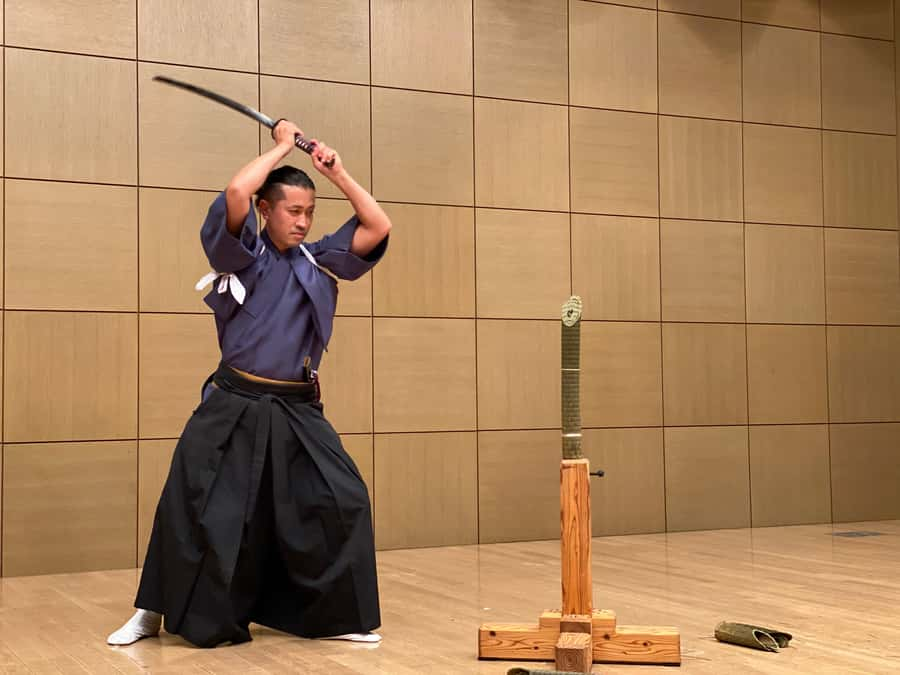
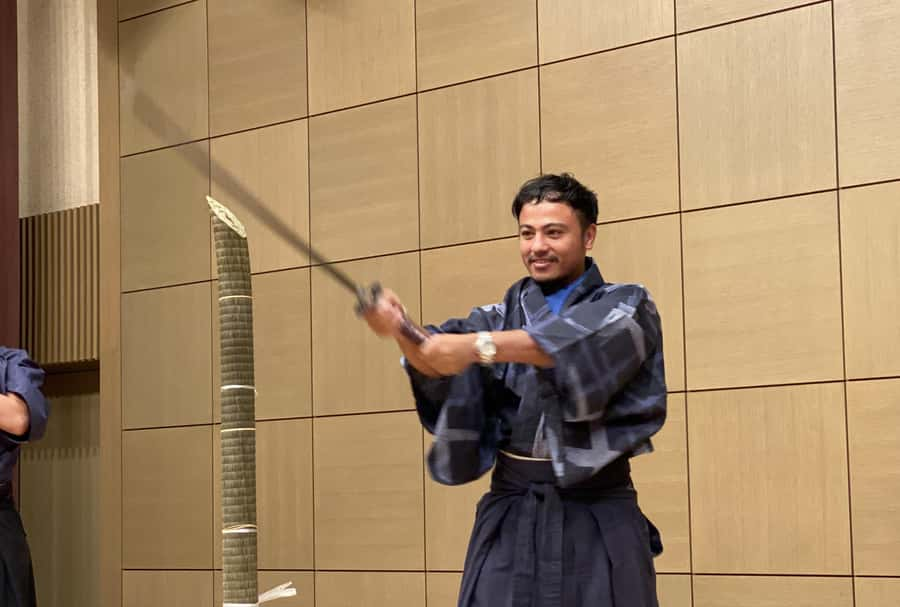
The most memorable part for many people will be cutting objects with a real sword. This is not a plastic replica or a stage prop. It is a genuine samurai sword, used under professional supervision and recorded on video.
You will first learn the correct handling and movement. The cutting section comes after the earlier instruction, which is the right order for an activity involving a live blade. Follow the coach’s directions exactly and wait for permission before moving the sword.
The cut is recorded, giving you a video to take home. That makes this section more useful than a short demonstration that disappears as soon as it ends. You can show family and friends what you learned, and the video also preserves the movement and setting better than a still photograph.
Still, do not book this solely for the cutting moment. The activity is strongest as a complete sequence: clothing, etiquette, demonstration, forms, controlled combat, cutting, and formal photographs. If all you want is a quick blade trick, the two-hour format and $102 price may feel high. If you value instruction and a cultural setting, the price is easier to justify.
Photos, video, and the small cultural extras
The activity includes a presentation, video recording, a commemorative photo session, and photography charges. You do not need to arrange a separate photographer or worry about asking a stranger to capture the important parts.
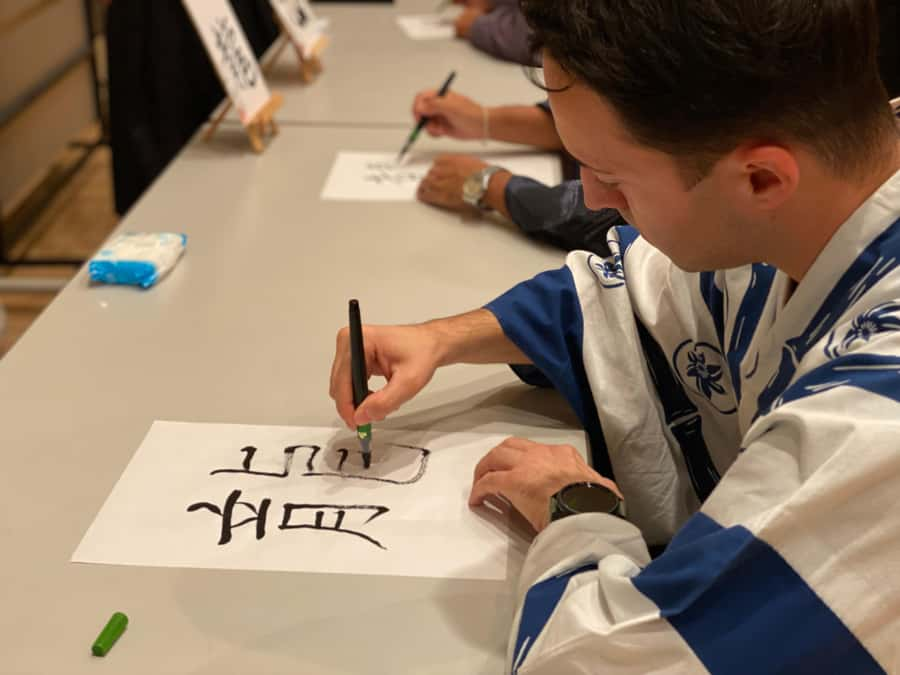
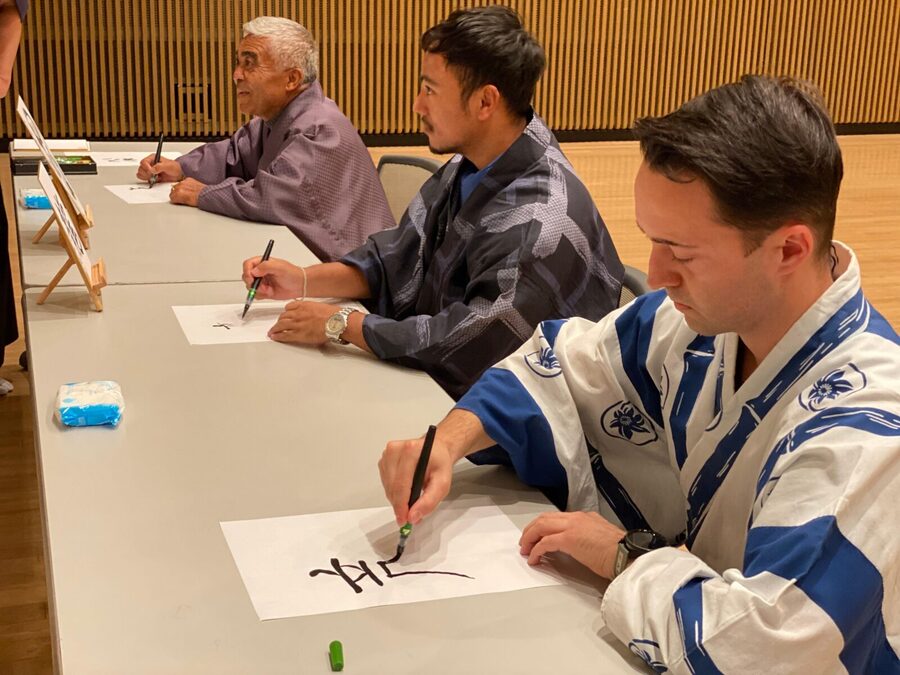
Some sessions may also include calligraphy and a small meal, based on the experience details provided by participants. These additions are not listed as guaranteed parts of the core schedule, so treat them as possible extras rather than a reason to book. If they are offered on your date, they add a quieter cultural counterpoint to the sword work.
The food was described as a pleasant surprise, and the hospitality made a strong impression. That suggests the experience is not limited to sword mechanics. It may also give you time to slow down, interact with the instructors, and see how the formal lesson fits into a wider presentation of Japanese culture.
The photos work best if you approach them as a record of the session rather than a fashion shoot. You will be dressed in full costume and have already learned the basic poses and movements, so the images can capture more than a simple stand-and-smile portrait.
Is $102 a fair price?
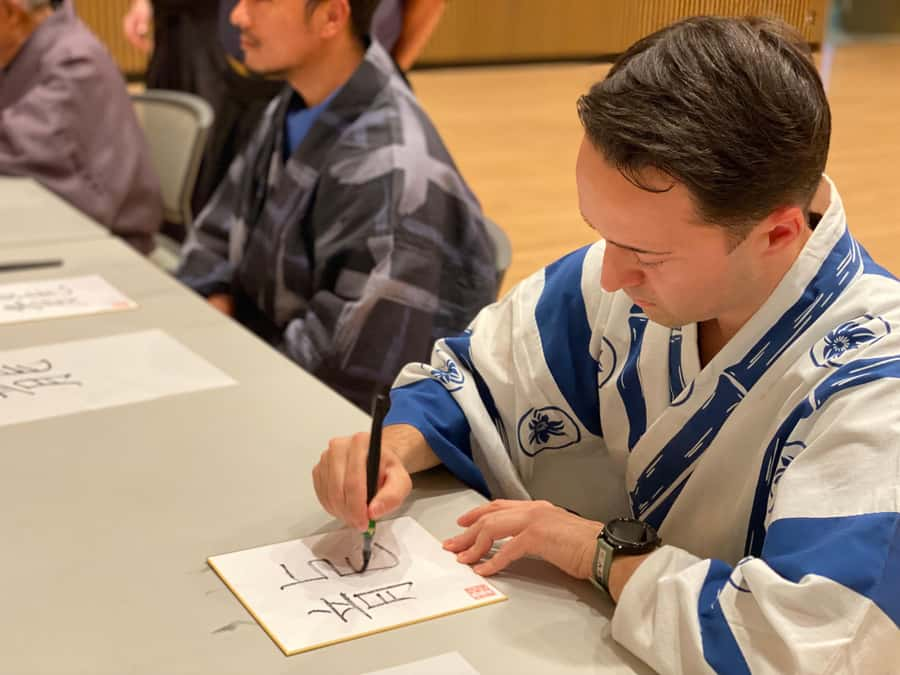
At $102 per person, this is not a casual low-cost activity. The price includes the coach, English-speaking staff, venue, experience fees, and photography. Kimono and hakama dressing are also part of the program, while the video and photos give you something tangible afterward.
I see the value in the combination. You are paying for instruction, a controlled real-sword activity, traditional clothing, staff support, and recorded memories. A cheaper costume session might provide the outfit and photos but not the sword lesson or cutting sequence.
The value drops if you dislike structured instruction or want a long martial arts workshop. Two hours is enough for an introduction, not enough to build serious sword skill. One participant enjoyed the lesson but wished it had lasted longer, which is a fair expectation if you already practice martial arts or have a strong interest in Japanese sword traditions.
For most people, the price makes sense as a special Tokyo activity rather than a regular attraction. It is particularly suitable for couples, families with older children, and visitors who want one hands-on cultural experience alongside museums, temples, and food tours.
Practical advice for a smooth session
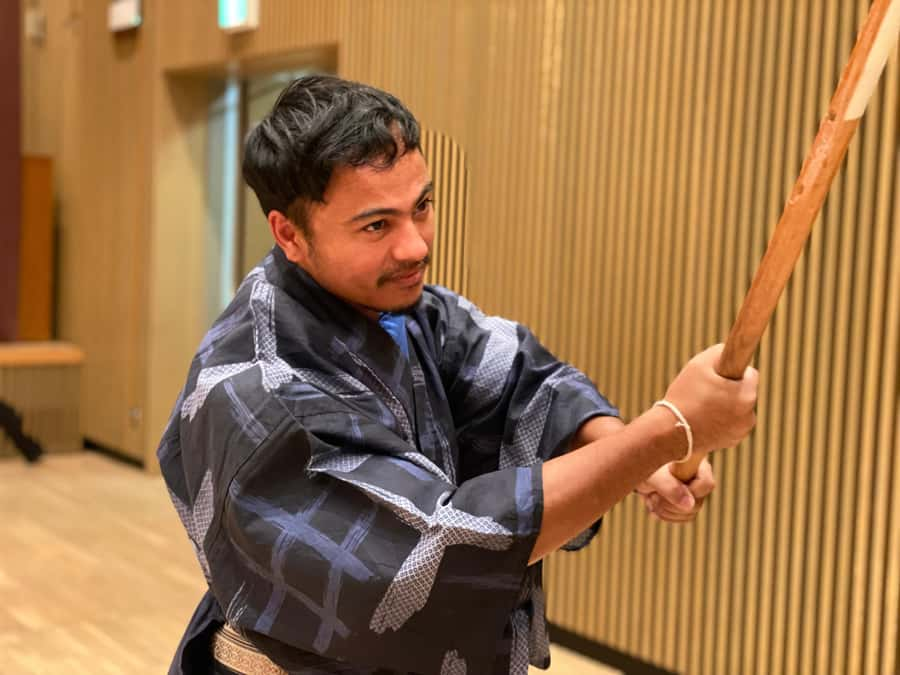
Bring comfortable clothes for underneath the traditional outfit and a change of clothes for afterward. Keep your water bottle securely closed. Smoking and alcohol are not allowed, and alcoholic drinks are not permitted in the vehicle.
Arrive 20 minutes early. The meeting point is outside the ticket gates at the west exit near McDonald’s, but the operator may change it within Tokyo. Check the message connected with your booking instead of relying only on a saved map pin.
Tell the operator your height and weight through the reservation form. This is a small step, but it helps with the clothing and prevents delays at the venue.
The activity is conducted in English, though the level of spoken English can vary. Demonstrations carry much of the teaching, and Google Translate may help with questions or finer points. Keep your phone available for translation, but do not let it distract you during sword practice.
Cancellation is free up to 14 days before the activity for a full refund. That gives you useful flexibility when planning a longer Japan itinerary, but check the booking terms for the exact deadline attached to your date.
Who should book this experience?
I would choose this for someone who wants active participation rather than another guided explanation. You get to put on the clothing, bow formally, handle a katana, practice a set movement, perform controlled sword contact, and cut an object with a real blade if you are at least 12.
It suits first-time visitors who want a memorable cultural activity, couples looking for shared photos, and families with teenagers. It also fits people who enjoy martial arts but understand that this is a short introduction, not a full training course.
I would hesitate if you are pregnant, use a wheelchair, dislike changing clothes, or want an unstructured activity. I would also think twice if you expect fluent English conversation about every historical detail. The English support is included, but translation assistance may still be useful.
Should you book the Tokyo samurai experience?
Book it if you want a focused, theatrical, hands-on introduction to samurai swordsmanship, with real instruction and a real blade under supervision. The combination of kimono and hakama, zarei, Shiden-ryu sword demonstration, uchikomi practice, cutting, photos, and video gives the two hours a clear rhythm.
Skip it if you want a longer technical course or a simple costume photograph. At $102, this needs to be a highlight activity, not a filler between sightseeing stops. For the right person, especially someone curious about Japanese martial arts and willing to follow a formal lesson, it offers a rare chance to take part instead of simply watching.
FAQ
How long does the samurai experience last?
The activity lasts two hours. Starting times depend on availability.
Where do I meet the staff?
After exiting the ticket gates, use the west exit and go down to ground level near McDonald’s. Look for staff holding a meeting board. The location may change within Tokyo, so check the final instructions.
What should I bring?
Bring comfortable clothing, a change of clothes, and water in a bottle with a secure lid. You should arrive 20 minutes before the scheduled meeting time.
Is the experience conducted in English?
Yes. English-speaking staff and an English-speaking instructor are included. Translation assistance may still be useful for detailed questions.
Can children cut objects with the real sword?
Cutting objects with a real sword is available for participants aged 12 and above. Confirm the arrangements for younger participants before booking.
Are the kimono and hakama included?
Reception and kimono dressing are included. You should provide your height and weight on the reservation form.
Can I cancel for a full refund?
Yes. You can cancel up to 14 days in advance for a full refund.
Newly reviewed around Tokyo
- Tokyo Asakusa:Calligraphy & Make T-shirt Activity★ 5.0 · 62 reviews
- Travel Tokyo with Your Own Personal Photographer★ 5.0 · 43 reviews
- Intercity Shuttle, Tokyo to Haneda /Narita /Yokohama /Makuhari★ 5.0 · 5 reviews
- 1 Hour Travel around Tokyo with a Professional Photographer★ 5.0 · 3 reviews
- Train in Samurai Swordsmanship and Defeat the Demon in Tokyo★ 5.0 · 5 reviews
- Shuttle Van 6hr Tokyo Tour to-and-from Tokyo, Yokohama and Narita★ 5.0 · 9 reviews
- Kickboxing & Body Training with EX-Pro Fighter★ 5.0 · 4 reviews
- Traditional Japanese Knife Sharpening Class★ 5.0 · 18 reviews
Tokyo Samurai and Ninja Experiences, compared.
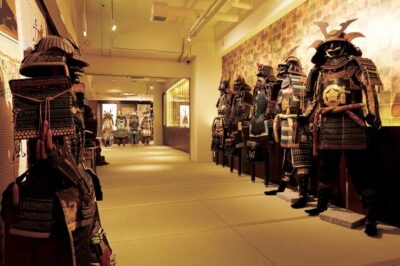
Samurai Ninja Museum Guided tour and Experience
Read our review →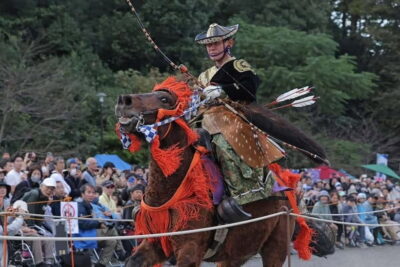
Samurai Sword & Archery Class from Samurai Descendant
Read our review →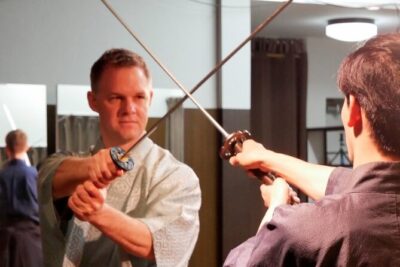
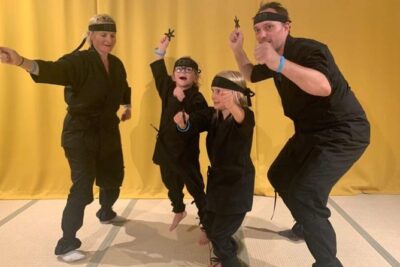
Ninja Experience (Family Friendly) at Samurai Ninja Museum TOKYO
Read our review →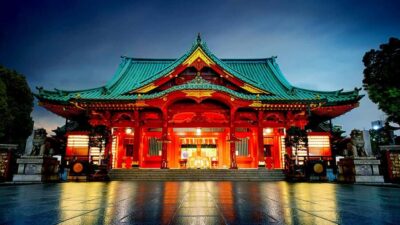
Samurai Entertainment Night Show in Kanda Shrine
Read our review →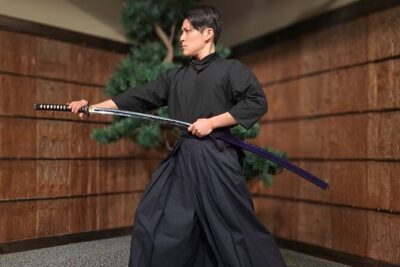
Tokyo Sword Experience – includes Museum Ticket/Ninja Experience
Read our review →
Samurai Ninja Museum Asakusa: Samurai Sword Lesson & Tour
Read our review →
Ninja Samurai 2-hour hands-on lesson by Japanese master in Tokyo
Read our review →Browse the lists this tour appears in