
Reviewed · LUNCH EXPERIENCES
Tokyo Old Town Discovery Walk. Lunch Included
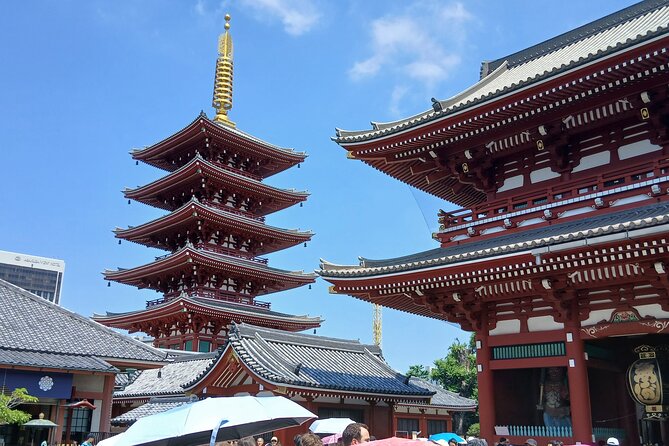
Tokyo reveals its older character on this seven-hour walk from Asakusa to Ueno. You begin at Senso-ji, pass through temple and shrine grounds, stop for a Japanese course lunch, then follow Tokyo’s food culture north through Kappabashi and Ueno. It is a smart way to connect several major sights that are often visited separately.
I like the tour’s small maximum of 12 people, which should make it easier to hear the guide and ask questions. I also like the mix of grand sights and ordinary local life: temple customs, souvenir snacks, kitchen knives, food replicas, department-store food, and seasonal corners of Ueno Park.
The main consideration is the lunch. It is included, but the available meal set may not suit every taste or dietary need. Tell the operator about restrictions at least 24 hours ahead, or you can skip the meal and receive the meal portion of the price back on location.
Key Points to Know Before You Book
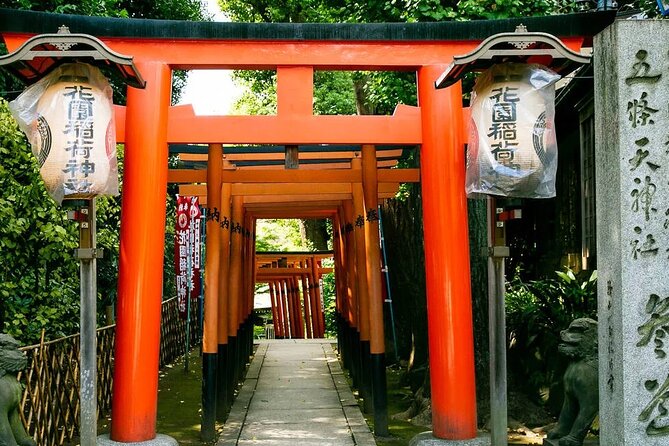
- Senso-ji and Asakusa Shrine come first, with an explanation of how Buddhist and Shinto traditions differ in Japan.
- Lunch is part of the two-hour Asakusa stop, making this more than a quick sightseeing walk.
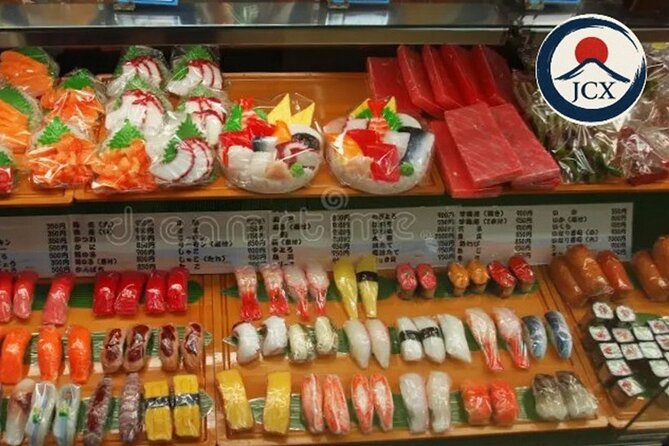
- Kappabashi Street adds a playful food angle, from chef knives to plastic food replicas and kitchen goods.
- The route finishes in Ueno, including the department-store food hall at Matsuzakaya, Ueno Park, and Toshogu Shrine.
- The group is limited to 12 people, and the mobile ticket is convenient for a morning start.
- The pace is built for people who enjoy walking, with about seven hours of sights, food, shopping, and cultural explanation.
Why This Route Shows You More Than Tokyo’s Famous Center
Tokyo can feel like a city of towers, neon signs, and train stations. This tour gives you a different introduction. It follows the older districts east of central Tokyo, where temples, shrines, market streets, food shops, and department stores sit close together.
That combination matters. You are not only looking at monuments. You are learning why people burn incense, how temple souvenirs work, what Japanese food etiquette involves, and why chefs from around the world shop on Kappabashi Street.
The route also has a useful sense of progression. Asakusa supplies the major religious sights. The lunch stop slows things down. Kappabashi adds modern Japanese food culture, while Ueno closes the day with parkland and an Edo-period shrine.
The walking time is substantial, but the stops break it up. If you prefer a short sightseeing outing with long periods on a bus, this is not the right pick. If you like to understand a place by moving through its streets, the design makes good sense.
More Lunch Experiences in Tokyo:
- Tokyo: Mt.Fuji & Lake Kawaguchiko 1-Day Bus Tour w/Optional Lunch
★ 4.5 · 839 reviews - Tokyo: Sumo Experience and Chanko Nabe Lunch
★ 4.8 · 257 reviews - Tokyo: Tsukiji Fish Market Tour with 6 Stops & Seafood Lunch
★ 4.5 · 165 reviews
Starting in Asakusa With Skyline Views and Old Streets
The meeting point is at 1-chome-1-3 Asakusa, Taito City, for a 9:00 am start. The opening portion takes in Asakusa’s skyline before leading you toward the approach to Senso-ji.
This first walk helps you get your bearings. You will see traditional symbols, shops, food stalls, and religious items while the guide explains what you are looking at. The point is not simply to reach the temple gate. It is to understand how the approach works as part of the experience.
Asakusa is one of the better places in Tokyo to see tourism and local custom sharing the same space. You might browse small gifts, taste Japanese treats, or watch people preparing for a temple visit. The guide also introduces omiyage, the Japanese practice of bringing home gifts from a trip.
That detail is useful because temple shopping is not just a souvenir hunt. Items can carry religious meaning, family meaning, or a connection to a particular place. With context, the shops become part of the cultural visit rather than a row of distractions.
Senso-ji Temple and the Traditions Around It
You spend about an hour at Senso-ji Temple and its surrounding shopping streets. Senso-ji is the visual centerpiece of the morning, but the value of this stop comes from learning how to read the space.
The guide discusses Japanese religious and cultural symbols, traditional goods, and the small treats sold around the temple. You may also learn how visitors approach the temple and how offerings, incense, and respectful behavior fit into the visit.
For a first visit to Japan, this explanation can prevent the usual confusion. Buddhism and Shinto often appear side by side, and the distinction is not always obvious from a quick look. Here, the tour gives you a basic framework before you continue to Asakusa Shrine.
Senso-ji can be crowded, especially around popular shopping lanes. A guide cannot remove the crowds, but a small group and a clear route help you spend less time wondering where to go next. The tradeoff is that you will not have unlimited time for independent shopping or photography.
If you have already visited Senso-ji, the stop may still earn its place. The guide uses the temple as a starting point for customs, symbols, food, and local life, rather than treating it as a single photo stop.
Asakusa Shrine and the Buddhist-Shinto Connection
Next door, Asakusa Shrine offers a contrasting religious setting. The scheduled visit lasts about 30 minutes, which is enough for a focused look without turning the morning into a long lecture.
The useful part here is the comparison between Buddhism and Shinto. You can see how two major traditions occupy neighboring spaces and how their customs differ. This is one of the places where a guide adds real value, since the buildings and rituals may look similar at first glance to someone new to Japan.
The setting also gives you a quieter change of pace after the temple approach. The route includes a walk near the Sumida River, adding open views and a little breathing room before lunch.
You should expect interpretation rather than a private ceremony or special religious access. The attraction is the setting, the explanation, and the connection between the two sites.
More Tokyo walking tours:
- Tokyo Tsukiji Fish Market Food and Culture Walking Tour
★ 5.0 · 3,184 reviews - Tokyo: Imperial Palace and Shogun Historical Walking Tour
★ 5.0 · 2,251 reviews - Tokyo: Shinjuku Local Bar and Izakaya Guided Walking Tour
★ 4.9 · 1,794 reviews - Tokyo: Tsukiji Fish Market Food and Walking tour
★ 5.0 · 1,724 reviews
A Japanese Course Lunch in Asakusa
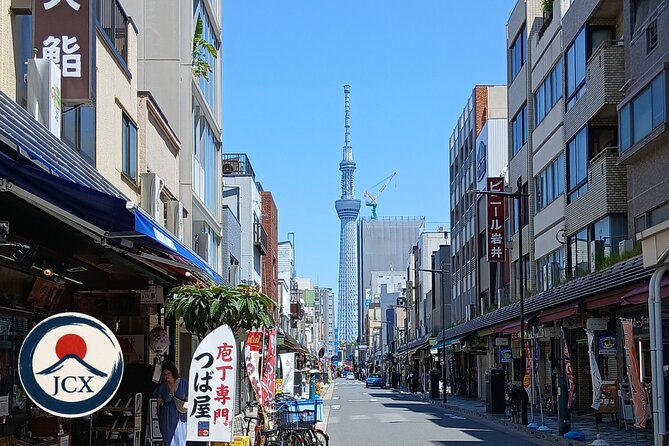
The lunch portion takes about two hours, including a walk through older and renewed market streets around the temple. A Japanese course lunch is included in the $90 price, along with an introduction to what to eat, how to eat it, and basic customs and etiquette.
This is one of the tour’s strongest practical features. Food is often where cultural rules become easiest to understand. You can ask questions while the meal is in front of you, rather than trying to remember a list of etiquette tips from a guidebook.
The meal is also a welcome pause in a walking-heavy day. Two hours allows time for eating and conversation instead of forcing you to rush through a set menu.
Still, lunch is the least predictable part of the experience for some people. One posted account praised the food and atmosphere, while another found the meal set unsuitable. That is worth taking seriously. A course lunch can be a good value, but an included meal is not the same as a menu chosen entirely to your taste.
If you have allergies, religious restrictions, or other dietary needs, notify the operator at least 24 hours before the start. If an alternative cannot be arranged, you may opt out and receive the meal portion of the tour price in cash on location. Do not wait until the morning of the tour, since the stated refund arrangement depends on advance notice.
Kappabashi Street, Where Food Becomes the Main Subject
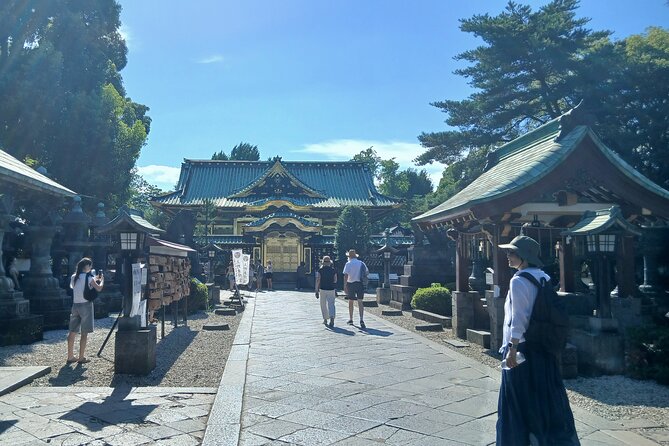
Kappabashi Street, also called Kappabashi Dogugai, is one of the most distinctive stops on the route. You spend about an hour browsing shops associated with restaurant and kitchen supplies.
This is where the tour moves beyond standard temple sightseeing. You might see the knives used by professional chefs, cooking tools, dishes, signs, and the famous realistic food replicas displayed outside Japanese restaurants. The street is useful for shopping, but it is also an entertaining look at the machinery behind Japan’s food culture.
The guide can help you understand what is worth noticing and how the shops fit together. You may find something practical for your kitchen, or you may prefer a small, amusing souvenir. Hands-on food-replica activities can be booked here, but they are not described as part of this seven-hour tour, so treat them as a possible extra rather than a guaranteed inclusion.
Kappabashi also gives you a break from the major religious sights. If your interests include design, cooking, crafts, or everyday Japanese life, this may be the stop you remember most clearly.
Matsuzakaya Ueno and Tokyo’s Food Hall Culture
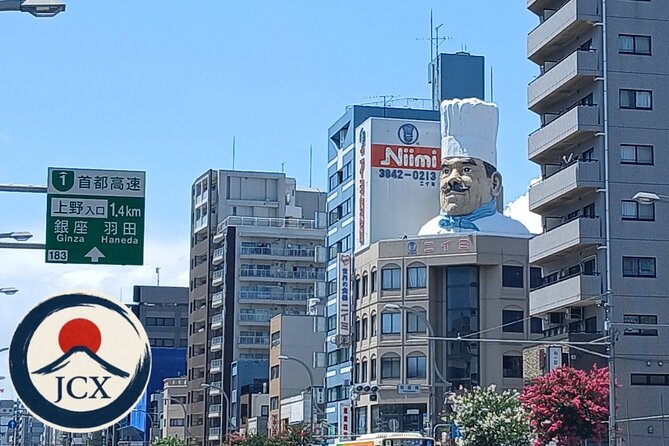
The route continues to Matsuzakaya Ueno for about 30 minutes. You can see or shop in its higher-end food court, an important part of Japanese department-store culture.
This is a short stop, so it is better for orientation than for a long shopping session. A Japanese department-store food hall can show you another side of eating in Tokyo: carefully presented sweets, prepared foods, gift boxes, and regional specialties.
It also connects with the morning’s discussion of omiyage. Food gifts are not an afterthought in Japan. Presentation, seasonal items, and the act of bringing something home all matter.
You may want to save serious shopping for another visit, since the tour continues to Ueno Park. Still, the stop helps you compare temple-area food stalls with polished department-store displays.
Ueno Park and the Final Walk to Toshogu Shrine
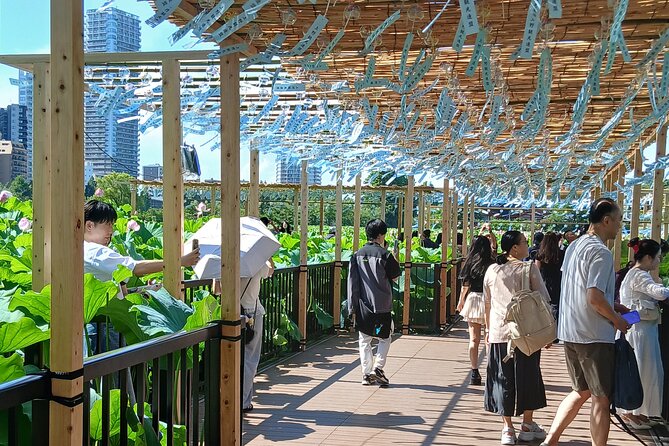
Ueno Park receives about 30 minutes on the route. It includes museums, Ueno Zoo, shrines, and temples, with seasonal features such as cherry blossoms, lotus flowers, wind chimes, and festivals.
The park’s character changes with the season, so the exact mood depends on when you visit. This is not a long museum tour or a full park exploration. Instead, you get a short introduction to one of Tokyo’s major cultural park areas.
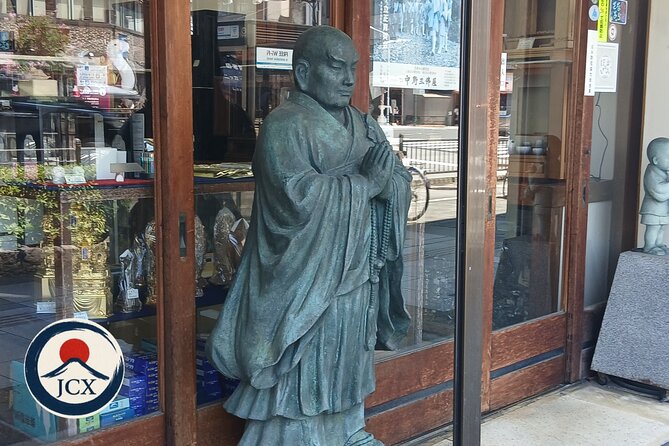
The final major stop is Toshogu Shrine, where you spend about an hour. This Edo-period architectural landmark sits along quiet walkways inside the park. After the crowded temple streets and commercial stops, the shrine provides a calmer finish.
Toshogu is especially valuable for anyone interested in architecture and urban history. The route has already shown you how religious sites function in daily life. Here, the focus shifts toward the age, design, and setting of the structure.
The tour ends near the Ueno Park Gate of JR Ueno Station, at the Babycal NewDays Ecute Ueno Park Gate area. That location is practical if you plan to continue sightseeing, return to your hotel, or use Tokyo’s rail network.
What the $90 Price Includes
At $90 per person, this is not the cheapest way to see Asakusa and Ueno. You can walk between many of these public sights on your own, and admission to the listed stops is free.
The value is in the guide’s interpretation, the planned route, the small group, and the included lunch. You are paying to connect eight stops without having to research the religious customs, food traditions, market streets, and best order for the day.
The lunch also makes the cost easier to judge. If you would happily pay for a Japanese course meal and a guided cultural walk, the package is reasonable. If you mainly want independent shopping or quick temple photos, the price may feel high.
The group maximum of 12 is a real advantage. Smaller groups usually make it easier to hear explanations in busy streets and ask about small details. The tour’s strong points also include a friendly, clear teaching style. Mia is one guide associated with the experience, and the guide team is described as both warm and easy to follow.
Who Will Get the Most From This Walk
I would recommend this to a first-time visitor who wants an organized introduction to Tokyo’s older districts. It gives you a working vocabulary for temples, shrines, food customs, souvenirs, markets, and public parks in one day.
It also suits repeat visitors. If you already saw Senso-ji, the added value comes from the comparisons, Kappabashi, Matsuzakaya, Ueno Park, and Toshogu Shrine. One returning visitor found the pace easy and appreciated the wider variety beyond a standard Senso-ji visit.
Architecture and urban-history fans should pay special attention. The route shows how sacred buildings, commercial streets, markets, department stores, and parks fit into one connected part of the city.
You should be comfortable walking for much of the day and spending time outdoors. The tour requires good weather, and poor weather can lead to a new date or a full refund. Comfortable shoes and a willingness to move at a steady pace will make the day easier.
Should You Book the Tokyo Old Town Discovery Walk?
Book it if you want more than a checklist of Tokyo sights. The best reason to choose this tour is its range: Senso-ji and Asakusa Shrine for tradition, lunch for food customs, Kappabashi for unusual shopping, Matsuzakaya for department-store food culture, and Ueno for parks and Edo-period architecture.
Think twice if you need a highly flexible meal, dislike group walking, or want several hours for independent shopping. The lunch may not suit every palate, and the schedule gives each stop a set amount of time.
For most first-time visitors, the route is a practical way to understand old Tokyo in one day. For repeat visitors, it offers enough variety to make familiar Asakusa feel new. At $90, it earns its price when you value context, a small group, and a planned cultural route more than the freedom of exploring alone.
FAQ
How long does the Tokyo Old Town Discovery Walk last?
The experience lasts approximately seven hours, beginning at 9:00 am.
Where does the tour start?
The meeting point is 1-chome-1-3 Asakusa, Taito City, Tokyo 111-0034, Japan.
Where does the tour end?
The tour ends near the Ueno Park Gate of JR Ueno Station, at the Babycal NewDays Ecute Ueno Park Gate area.
Is lunch included?
Yes. A Japanese course lunch is included in the itinerary. If you have dietary restrictions, notify the operator at least 24 hours before the start so a meal alternative can be arranged.
How many people can join the tour?
The tour has a maximum of 12 participants.
What happens if I need to cancel?
You can receive a full refund if you cancel at least 24 hours before the experience starts. Cancellations or changes made less than 24 hours before the start are not accepted for a refund.
Newly reviewed around Tokyo
- Tokyo Asakusa:Calligraphy & Make T-shirt Activity★ 5.0 · 62 reviews
- Intercity Shuttle, Tokyo to Haneda /Narita /Yokohama /Makuhari★ 5.0 · 5 reviews
- 1 Hour Travel around Tokyo with a Professional Photographer★ 5.0 · 3 reviews
- Travel Tokyo with Your Own Personal Photographer★ 5.0 · 43 reviews
- Train in Samurai Swordsmanship and Defeat the Demon in Tokyo★ 5.0 · 5 reviews
- Shuttle Van 6hr Tokyo Tour to-and-from Tokyo, Yokohama and Narita★ 5.0 · 9 reviews
- Kickboxing & Body Training with EX-Pro Fighter★ 5.0 · 4 reviews
- Traditional Japanese Knife Sharpening Class★ 5.0 · 18 reviews
Lunch Experiences, compared.
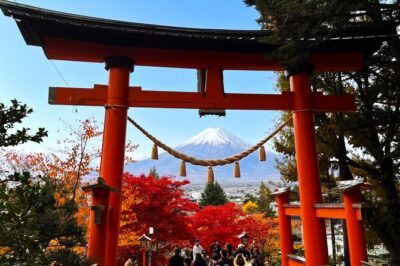
Mt.Fuji & Lake Kawaguchiko 1-Day Bus Tour w/Optional Lunch
Read our review →
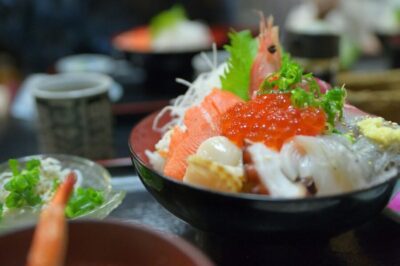
Tsukiji Fish Market Tour with 6 Stops & Seafood Lunch
Read our review →
1 Day Bus Tour with Meiji-Jingu,Odaiba,lunch&Skytree
Read our review →
Mt. Fuji, Oishi Park & Arakurayama Pagoda Bus Tour with Lunch
Read our review →
Nagano Snow Monkey 1 Day Tour with Beef Sukiyaki Lunch from Tokyo
Read our review →
Family Sumo Workshop & Live Wrestling Show with Lunch
Read our review →
Browse the lists this tour appears in