
Reviewed · MEIJI SHRINE TOURS
Tokyo: Meiji Jingu, Harajuku, Shibuya, and Shijuku Tour
Tokyo changes character block by block, and this four-hour tour strings together some of West Tokyo’s best contrasts: a forested Shinto shrine, youth fashion streets, giant screens at Shibuya Crossing, and the neon nights of Shinjuku. The route works especially well when you want a local guide to handle the trains and explain what you are seeing.
I like the private format, which lets guides such as Maruf, Emir, Ayoub, Erica, and Amir adjust the day to your interests. I also like the practical mix of culture and city life, from shrine customs and Harajuku snacks to Pokémon shopping, Don Quijote, and Shinjuku’s narrow drinking alleys.
The main drawback is time. Four hours goes quickly across several districts, so you will get an appealing overview rather than a slow, detailed visit at every stop. Add an animal or snake cafe only if that is a real priority, since it may require extra time and fees.
Key points at a glance
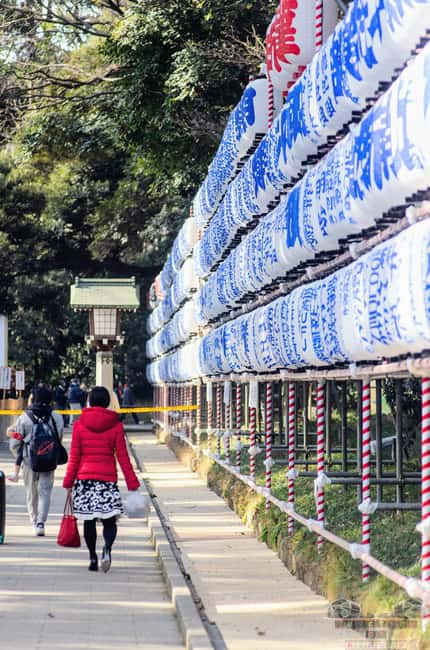
- Meiji Shrine begins the tour with quiet forest paths and Shinto customs, a useful reset before the crowded shopping streets.
- Takeshita Street and Cat Street show two sides of Harajuku, from colorful youth fashion to more polished and relaxed boutiques.
- Shibuya Crossing is paired with practical shopping stops, including the Pokémon Center and Don Quijote.
- The private guide makes the route flexible, with past guides adjusting stops for children, first-time visitors, photography, and personal interests.
- Shinjuku finishes the tour with Omoide Yokocho and Golden Gai, giving you useful ideas for a later evening out.
- The $103 price includes the guide, shrine admission, and public transport, which makes the cost easier to justify for couples, families, or small private groups.
Why this West Tokyo route works
I see this tour as an orientation walk with a strong cultural opening and an energetic finish. You begin in one of Tokyo’s quietest urban spaces, move through Harajuku’s fashion streets, cross into Shibuya, and finish in Shinjuku, where the city feels more nocturnal and entertainment-focused.
That sequence gives you a quick lesson in how Tokyo fits together. The districts are close enough to connect by foot and subway, yet each has a different mood, shopping scene, and purpose.
A private English-speaking guide matters here because Tokyo can be easy to navigate once you understand it, but confusing during your first few days. Guides help you read the setting, explain shrine manners, point out useful shops, and adjust the pace when a child, older relative, or first-time visitor needs a break.
The route is not built around long museum visits or formal sightseeing indoors. You spend most of the time walking, looking, shopping, and learning how the city works. That makes it a good choice for travelers who want context while staying out in the streets.
More Meiji Shrine tours in Tokyo:
- Tokyo: Meiji Shrine, Asakusa, Skytree Bus Tour and Cruise
★ 4.7 · 1,986 reviews - Tokyo Panoramic 1 Day: Meiji Shrine, Asakusa, Odaiba and SKYTREE®
★ 4.5 · 1,222 reviews - Tokyo: Meiji Shrine Walking Tour — Shinto & Imperial System
★ 4.9 · 266 reviews
Meiji Shrine: a quiet start in central Tokyo
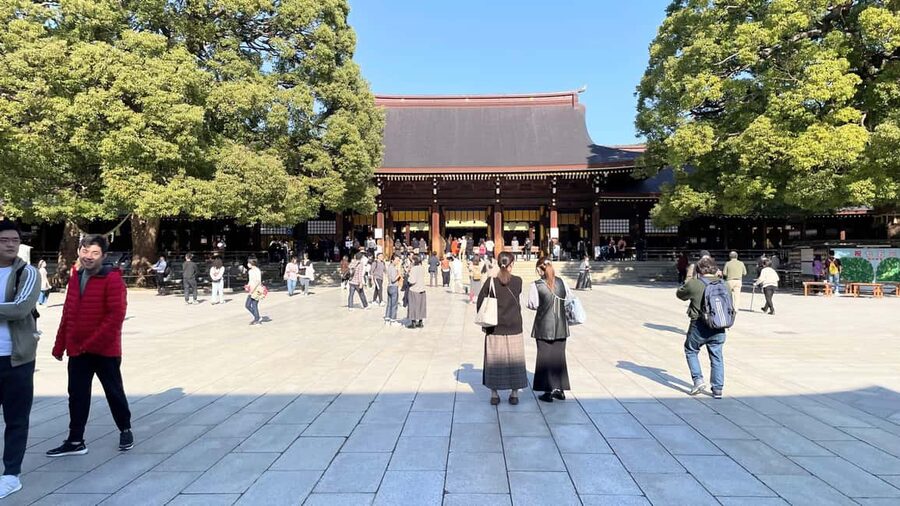
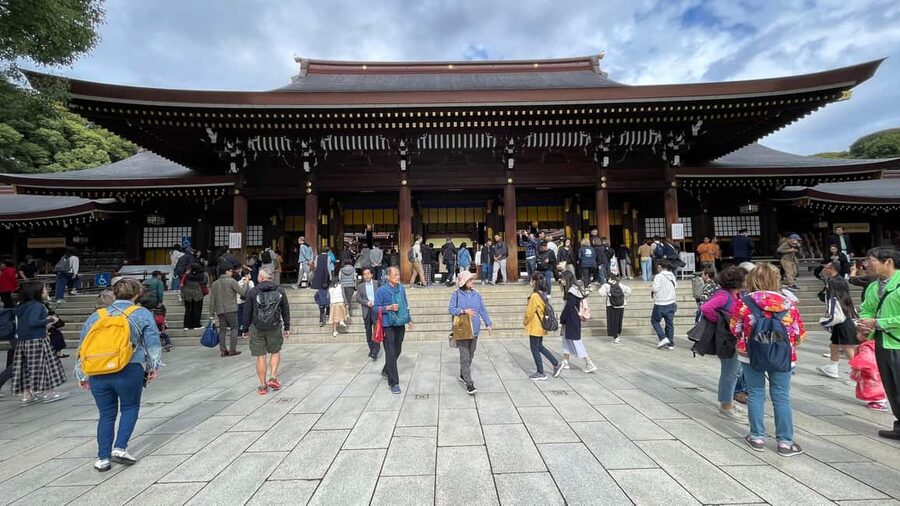
Meiji Shrine, or Meiji Jingu, is dedicated to Emperor Meiji and Empress Shoken. It sits inside a large wooded area, so the transition from city traffic to shaded paths feels surprisingly quick.
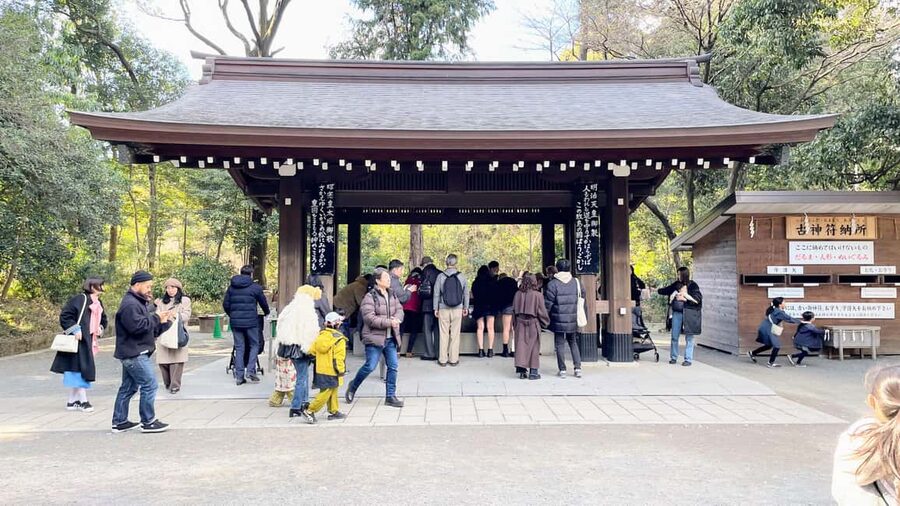
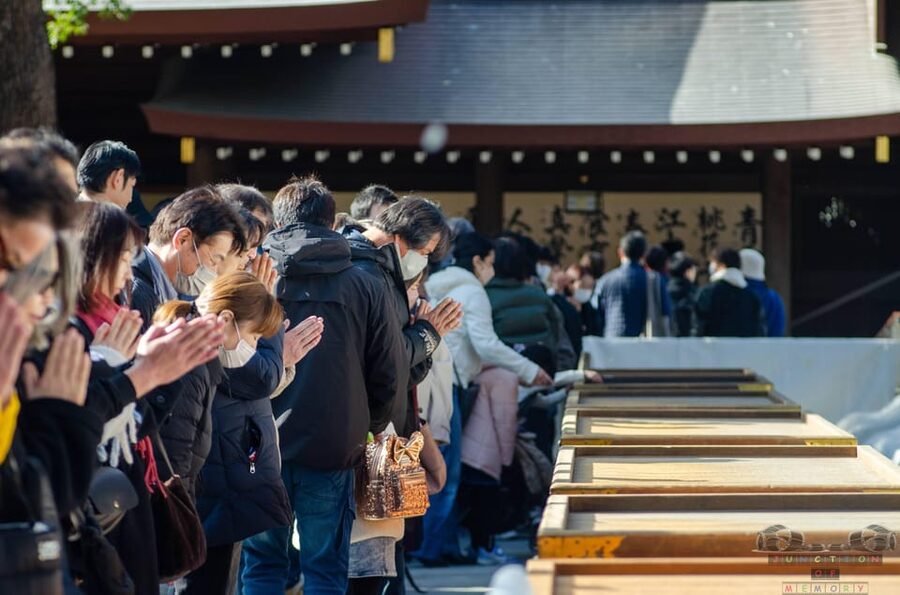
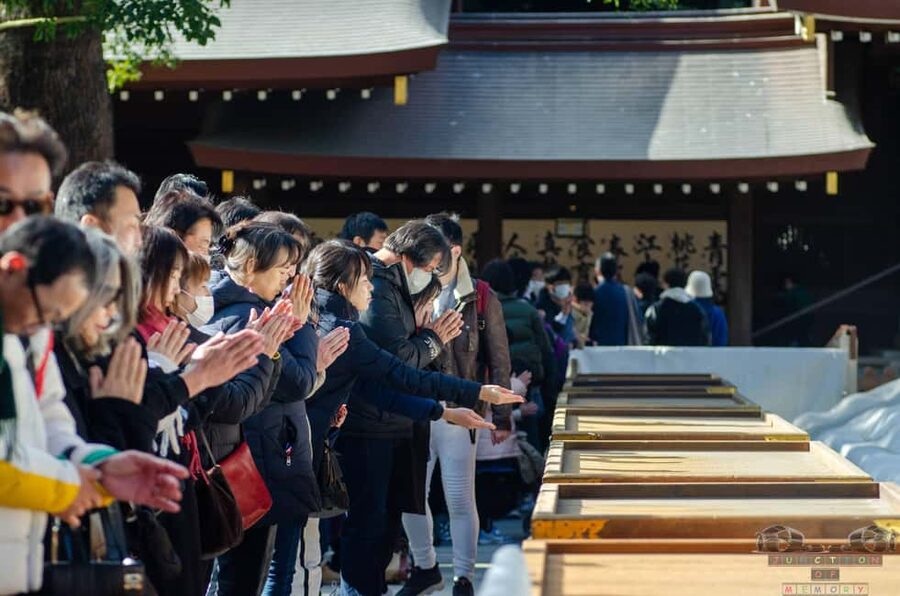
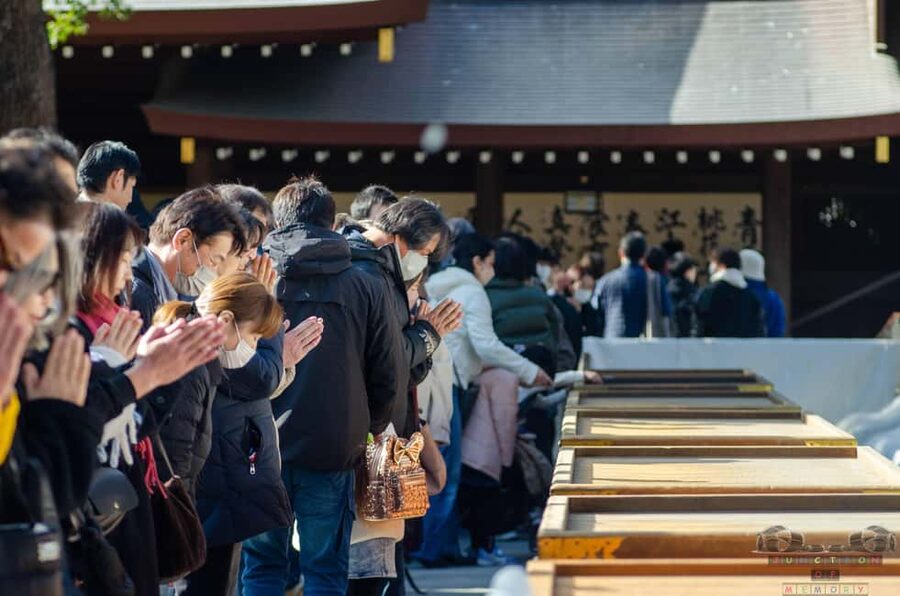
Your guide explains the role of the shrine and shows you how to approach the purification pavilion, known as the temizuya. You can also write a wish on an ema wooden plaque. These small rituals give the visit more meaning than simply walking up, taking a picture, and leaving.
I like beginning here because it gives you a gentle introduction to Japanese customs before the tour turns noisy and commercial. You are not asked to treat the shrine as a showpiece. Instead, you get a chance to notice the pace, manners, and quiet atmosphere of an active religious site.
The shrine is guided, but the exact amount of time can depend on your group and interests. If you want more time for the forest paths or rituals, tell your guide early. The day includes several districts, so it helps to be clear about what matters most to you.
Takeshita Street: Harajuku at full volume
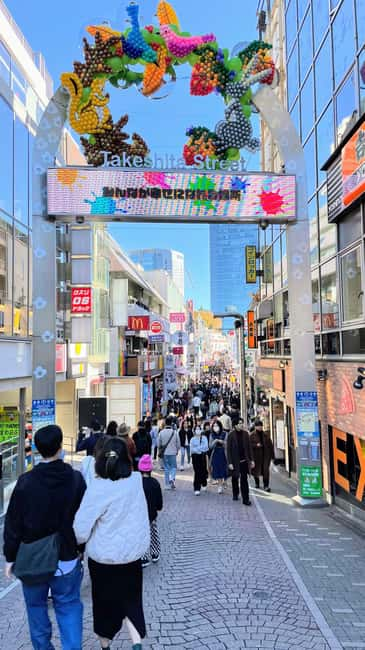
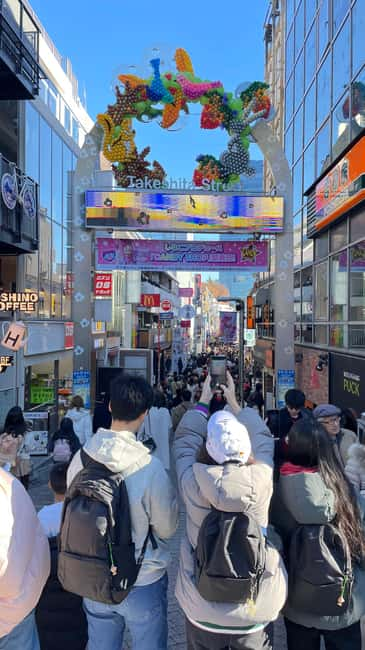
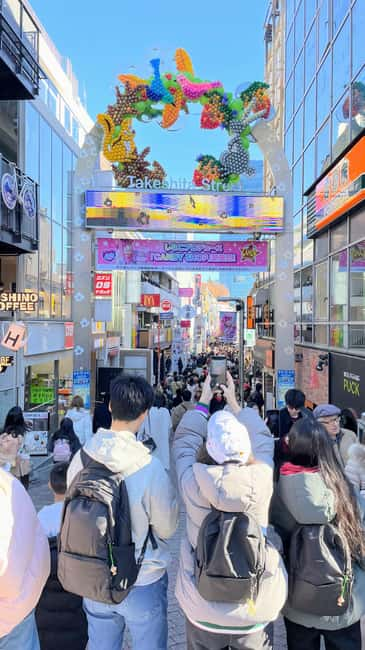
From Meiji Shrine, you walk about 15 minutes to Takeshita Street. The street is known for youth fashion, novelty shops, colorful sweets, and a youthful style that has helped make Harajuku famous beyond Japan.
This is the place for crepes, rainbow-colored cotton candy, quirky gifts, and people-watching. You may find the street exciting, crowded, or both. It is not a calm shopping lane, and the appeal comes from its visual energy rather than from polished architecture.
Your guide can explain how Harajuku became associated with youth trends and unusual fashion. That background helps you see Takeshita Street as more than a row of shops. It is a place where clothing, food, music, and self-expression meet.
You get about 30 minutes here for a guided visit, photos, shopping, and a walk. That is enough for a taste, but not enough to browse every store. If you want snacks, souvenirs, or fashion shopping, keep your choices focused.
Harajuku and Cat Street: two different shopping moods
The wider Harajuku area adds boutiques, cafes, street art, and stores such as Kiddy Land. The tour allows about 15 minutes for this section, so think of it as a short introduction rather than a serious shopping expedition.
The contrast with Takeshita Street becomes clearer when you reach Cat Street. This route connects Harajuku and Shibuya and has a more relaxed feel, with vintage stores, stylish shops, and higher-end labels mixed together.
I like this part because it shows that Harajuku is not one single style. Takeshita Street is loud and youthful, while Cat Street is more restrained and fashion-conscious. Your guide can help you decide where to spend time instead of leaving you to guess which side street is worth the effort.
There is a practical tradeoff. Walking from Harajuku toward Cat Street takes about 22 minutes, so comfortable shoes matter. If shopping is not important to you, ask for a quicker pass through this section and save more time for Shibuya or Shinjuku.
More things to do in Shibuya:
- Official Street Go-Kart in Shibuya
★ 5.0 · 3,435 reviews - Tokyo: Street Kart Experience in Shibuya
★ 4.9 · 1,484 reviews - Shibuya Meltdown Nightlife Tour: All-You-Can-Drink Bar Hopping
★ 5.0 · 1,058 reviews - Shibuya Official Street Go-Kart in Shibuya Annex
★ 5.0 · 972 reviews
Shibuya: crossing, shopping, and a flexible hour
The tour uses the subway to reach Shibuya, with about 10 minutes listed for the ride. Public transport is included, and riding with a guide is useful if you are still learning Tokyo’s stations and ticketing system.
Shibuya Crossing is the headline stop. When the signals change, pedestrians move into the intersection from several directions while traffic pauses. The crossing itself takes only a short time, but the surrounding streets give you plenty to see: huge screens, department stores, cafes, and people heading in every direction.
You receive about an hour in Shibuya for photos, walking, shopping, and free time. The included Pokémon Center suits families and fans, while Don Quijote is a practical stop for snacks, small gifts, cosmetics, and everyday Japanese products. Your guide can help you avoid wasting the whole hour in one shop.
This section is also where the tour can change shape. If you have already visited Shibuya Crossing, you might prefer more shopping, a neighborhood walk, or the optional animal or snake cafe. Tell your guide at the start if that cafe is important. It is not part of the standard included admission, and additional fees may apply.
I would not book this tour mainly for the animal cafe. Treat it as an optional extra, not the core experience. The strongest use of the Shibuya hour is to combine the crossing with one or two specific interests.
Shinjuku: a practical finish after dark
From Shibuya, you take another subway ride, listed at about 15 minutes, to Shinjuku. The tour allows roughly an hour here, with time for photos, shopping, free exploration, and a look at the district’s evening side.
Shinjuku is a useful place to finish because your guide can point out what to return to later. The area is known for nightlife, entertainment, shopping, and food, and the tour includes attention to Omoide Yokocho, also called Memory Lane, and Golden Gai.
Omoide Yokocho is made up of narrow lanes lined with small food and drinking spots. Golden Gai is known for its tightly packed little bars and nightlife atmosphere. These areas are visually memorable, but an hour is better used for orientation than for a full evening out.
You may also pass the Godzilla Head, a recognizable landmark in the district. Your guide can suggest places to eat, shop, or continue exploring after the tour ends. That advice is one of the better practical benefits of finishing in Shinjuku rather than returning you to the starting point.
Because the final stop can include sunset and evening activity, the mood may shift depending on your start time. Check the available departure times and choose one that fits the kind of Shinjuku experience you want.
What private guiding adds to the day
The strongest pattern in the guide feedback is personal attention. Maruf is praised for adjusting the route and taking photos. Emir is described as especially helpful at explaining Japanese customs and daily life from an outsider’s point of view. Erica received high marks for keeping the experience engaging for a 12-year-old child.
Ayoub adjusted the tour as the day developed, while Amir helped a group manage the train ride and return to their hotel. These details point to the real value of the private format: you are not locked into one fixed script.
You should still speak up. Tell your guide if you care most about history, fashion, food, shopping, photography, children’s interests, or nightlife. The tour is designed to be tailored, but customization works best when you make your priorities clear at the beginning.
Guides have also helped with photos, which is useful at Meiji Shrine, Shibuya Crossing, and the city viewpoints around Shinjuku. Do not expect a professional photo session, but you can reasonably ask for help getting group pictures during the day.
Price, pace, and practical value
At $103 per person, this is not the cheapest way to see these districts. You are paying for a private English-speaking guide, public transportation during the tour, admission to Meiji Shrine, and a route adjusted to your group.
The price makes more sense for two or more people who would otherwise spend time figuring out train connections, shrine customs, and the best order for the districts. It is also useful on your first full day in Tokyo, when a guide can help you get oriented and offer ideas for the rest of your stay.
Food, drinks, personal purchases, and optional attractions are extra. Plan to pay separately for snacks on Takeshita Street, shopping at Don Quijote or the Pokémon Center, and any animal or snake cafe.
Four hours is efficient but active. The route includes several walks and two subway rides, with about 15 minutes from Meiji Shrine to Takeshita Street, 22 minutes through the Harajuku area, and additional walking in Shibuya and Shinjuku. Wheelchair access is listed, but you should discuss your exact mobility needs with the provider before booking because the tour uses public transportation and busy streets.
Pickup is available from locations in Minato City, Shibuya City, Taito City, and Shinjuku City. The tour is private, runs in English, and can be canceled up to 24 hours ahead for a full refund. You can also reserve now and pay later, which helps if your Tokyo schedule is still changing.
Who should book this tour?
I would recommend it to first-time Tokyo visitors who want a fast, guided introduction to several major districts. It also suits families, couples, and small private groups who value flexibility more than a slow, single-neighborhood visit.
It is especially useful if you want help with trains, shrine customs, photos, and choosing what to do next. The guides have shown patience with children, adapted to poor weather, and adjusted the route around places the group had already visited.
I would be more cautious if you dislike shopping streets, crowds, or a fast pace. You may also prefer a focused Meiji Shrine and Harajuku tour if you want long cultural explanations or extensive time in one area.
Should you book it?
Book this tour if you want to see the main sights of West Tokyo in one organized morning or afternoon, with a private guide who can adjust the plan. The combination of Meiji Shrine, Harajuku, Shibuya, and Shinjuku gives you a useful first look at Tokyo’s many sides.
Skip it if you already know these districts well or want a slow food tour, a long shrine visit, or serious shopping time. For most first-time visitors, though, $103 is fair when you value personal guidance, included transport, and a flexible route that ends with practical Shinjuku advice.
FAQ
How long does the Tokyo tour last?
The tour lasts four hours.
What locations can I visit on the tour?
The route includes Meiji Shrine, Takeshita Street, Harajuku, Shibuya, and Shinjuku. Stops can include Shibuya Crossing, the Pokémon Center, Don Quijote, Omoide Yokocho, and Golden Gai.
Is the tour private?
Yes. It is offered as a private group tour with a private English-speaking guide.
Is public transportation included?
Yes. Public transportation fees within Tokyo are included during the tour.
Is the animal or snake cafe included?
No. The animal or snake cafe is optional, requires advance discussion with your guide, and may involve an additional fee.
Where can the tour begin?
Pickup options are available in Minato City, Shibuya City, Taito City, and Shinjuku City.
Can I cancel the tour?
Yes. You can cancel up to 24 hours in advance for a full refund. You can also reserve now and pay later.
More things to do in Harajuku
- Tokyo Go-Kart Tour Shibuya-Harajuku-Shinjuku (*IDP Required)
★ 5.0 · 217 reviews - Tokyo: Guided Go Kart Tour from Harajuku to Shibuya Crossing
★ 4.5 · 166 reviews - Shibuya & Harajuku: Hidden Gems & Highlights Private Tour
★ 4.7 · 139 reviews - Harajuku Kawaii Fashion and Pop-Culture Tour
★ 5.0 · 94 reviews
Newly reviewed around Tokyo
- Tokyo Asakusa:Calligraphy & Make T-shirt Activity★ 5.0 · 62 reviews
- Intercity Shuttle, Tokyo to Haneda /Narita /Yokohama /Makuhari★ 5.0 · 5 reviews
- 1 Hour Travel around Tokyo with a Professional Photographer★ 5.0 · 3 reviews
- Travel Tokyo with Your Own Personal Photographer★ 5.0 · 43 reviews
- Train in Samurai Swordsmanship and Defeat the Demon in Tokyo★ 5.0 · 5 reviews
- Shuttle Van 6hr Tokyo Tour to-and-from Tokyo, Yokohama and Narita★ 5.0 · 9 reviews
- Kickboxing & Body Training with EX-Pro Fighter★ 5.0 · 4 reviews
- Traditional Japanese Knife Sharpening Class★ 5.0 · 18 reviews
Meiji Shrine Tours, compared.
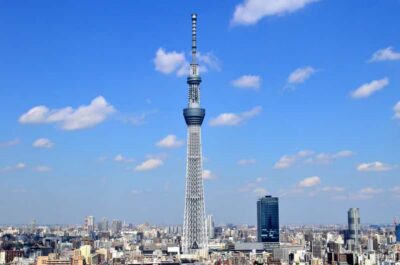
Meiji Shrine, Asakusa, Skytree Bus Tour and Cruise
Read our review →
Tokyo Panoramic 1 Day: Meiji Shrine, Asakusa, Odaiba and SKYTREE®
Read our review →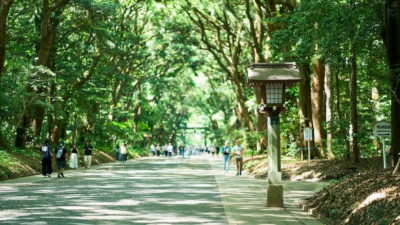
Meiji Shrine Walking Tour — Shinto & Imperial System
Read our review →
Meiji Jingu Shrine and Shinto Culture Walking Tour
Read our review →
Meiji Shrine Walking Tour — Shintoism & Imperial System
Read our review →
1 Day Bus Tour with Meiji-Jingu,Odaiba,lunch&Skytree
Read our review →
Tokyo Morning Tour : Meiji Shrine, Asakusa and Fish Market
Read our review →Browse the lists this tour appears in