
Reviewed · TOKYO COOKING CLASSES
Tokyo: Japanese Home-style Cooking Class with Meal
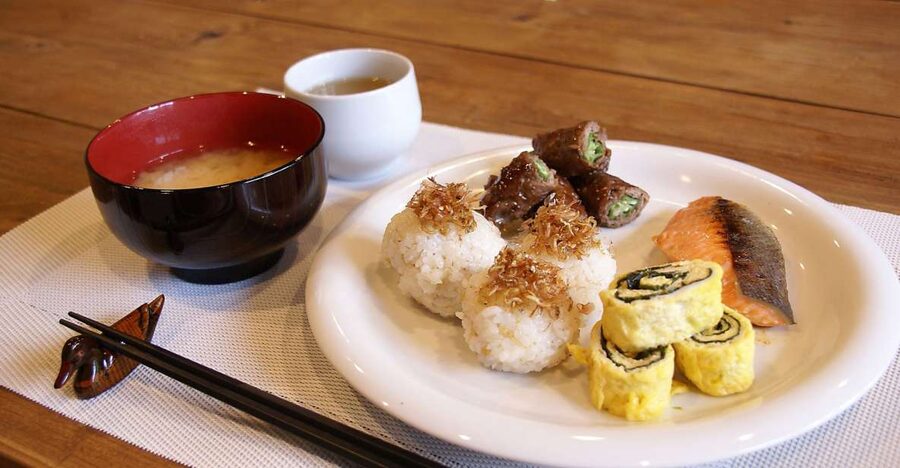
Japanese home cooking is the real draw here. In about two and a half hours, you learn the quiet building blocks behind a Japanese meal: dashi stock, balanced seasoning, neat presentation, and dishes such as Saikyo-yaki fish and rolled omelet. It is more useful than a quick sushi-making photo stop.
I like the hands-on recipes and the fact that you eat what you make. I also like the practical focus on nutrition and balance, since it helps you understand why a Japanese meal often includes rice, soup, fish, and small seasoned items. The main caution is that the class may feel basic if you already cook Japanese food, and one past session was held back by blunt knives and an instructor who needed to check the recipe steps.
Key points at a glance
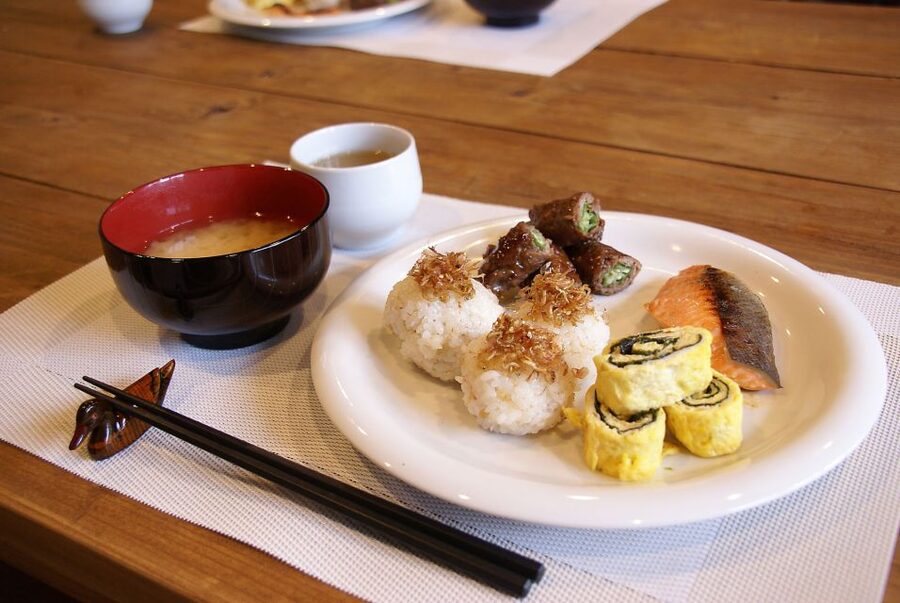
- Make family-style dishes: Prepare dashi, Saikyo-yaki fish, rice balls, miso soup, and dashimaki tamago.
- Eat your own cooking: The 30-minute tasting period follows the cooking session.
- Learn more than recipes: The lesson covers nutritional balance, seasoning, and food presentation.
- English instruction: The class is offered in English, with Nao and Erika among the instructors who have led sessions.
- Plan for a Tokyo studio: The venue is near Shinjuku, Chiyoda, or Minato, with the exact address sent three days before the booking.
- Know the limits: The class is not suitable for vegans, children under three, or people with back problems.
Why this class is about everyday Japanese food
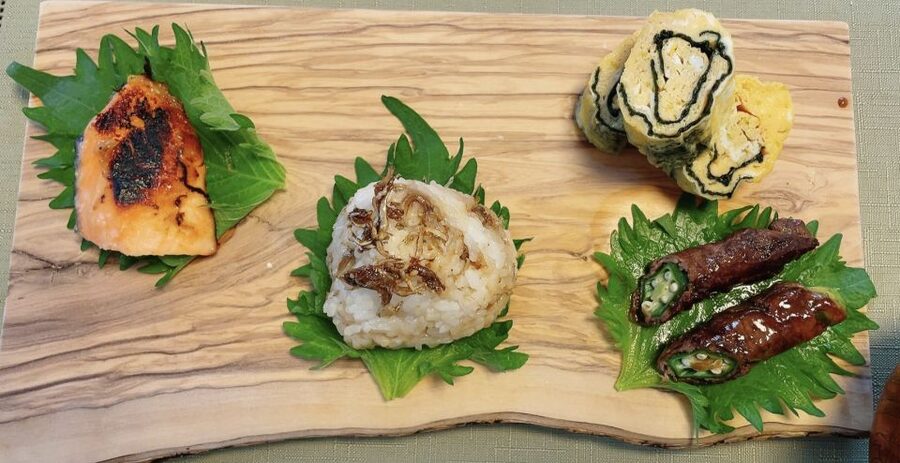
This is not a restaurant lesson built around rare ingredients or elaborate knife work. The menu points to the food many people hope to understand when they visit Japan: rice, soup, grilled fish, dashi, and egg.
That makes the class a good fit if you want something you can repeat at home. Dashi is the key starting point. Once you understand the stock, miso soup and several other Japanese dishes become less mysterious. Saikyo-yaki adds a sweet miso marinade to fish, while dashimaki tamago teaches you how Japanese cooks turn egg into a soft, rolled dish.
The class also gives attention to nutritional balance and presentation. Those subjects matter because Japanese home cooking is not just about one striking dish. A meal works as a group, with contrasting textures, measured seasoning, and careful portions.
You should not expect a professional culinary-school course. The supplied information calls the instructor experienced, but one past participant found the class somewhat amateur in execution. That person noted blunt knives, recipe checking during the lesson, and too few ideas for changing the dishes. I would treat this as a friendly introduction rather than advanced chef training.
More Tokyo cooking classes:
- Tokyo: Roll and Authentic Sushi Making Class in Asakusa
★ 4.9 · 1,957 reviews - Tokyo Shinjuku Chopsticks Making Class
★ 5.0 · 1,763 reviews - Tokyo: Sushi Making Class in a Happi Coat near a Famous Spot
★ 4.9 · 1,377 reviews
Cooking dashi, the base of the meal
The class begins with Japanese dashi stock. This is one of the most useful parts for a first-time learner because dashi gives Japanese food its savory depth without relying on heavy sauces.
The lesson is not presented as a long lecture. You take part in preparing the stock and then use it in the meal. That connection is valuable: you see how a basic ingredient supports the flavor of miso soup and other dishes.
If you already make Japanese food, this portion may feel familiar. For a newcomer, it provides a clear starting point and helps explain why Japanese seasoning can taste light yet still full.
Saikyo-yaki fish and the art of gentle seasoning
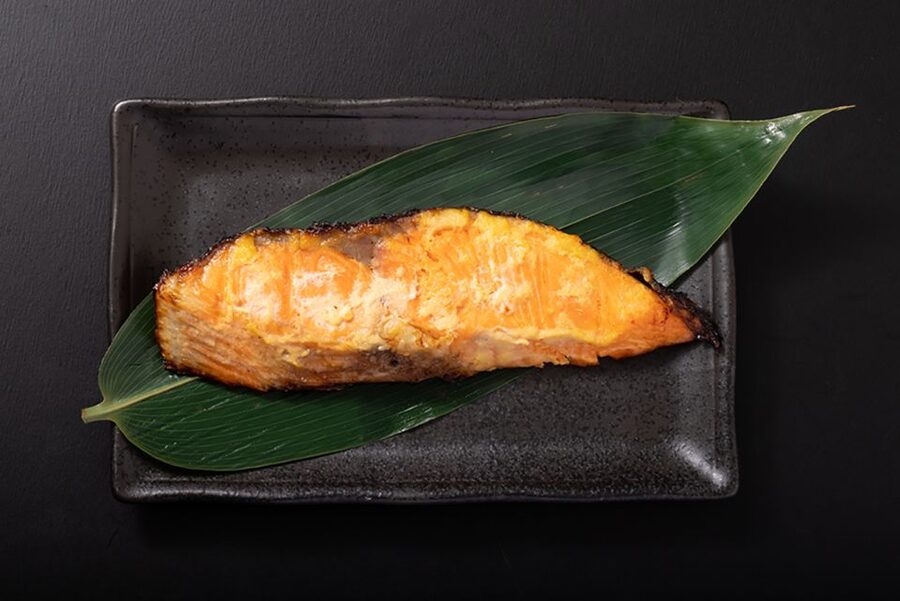
The main dish is grilled fish prepared in Saikyo-yaki style. The fish is marinated with Saikyo miso, a style associated with a mild, sweet flavor.
This is a smart dish for a home-cooking class. The process is more distinctive than simply grilling a fillet, but it is still realistic to repeat in your own kitchen. You learn how a marinade changes the fish and how a few well-chosen ingredients can do more work than a long list of spices.
The description does not specify the type of fish or the exact marinade time, so do not book this expecting a highly technical fish course. The value is in learning the method and seeing how the finished dish fits into a balanced Japanese meal.
Rolling dashimaki tamago without making a mess
Dashimaki tamago is a Japanese rolled omelet seasoned with dashi. It looks simple on the plate, but rolling soft egg into a tidy shape takes some practice.
This is likely to be one of the more entertaining hands-on tasks. You get a practical lesson in timing, heat, and movement rather than just mixing ingredients and watching someone else cook. The result also shows how Japanese home cooking pays attention to shape as well as taste.
The class is aimed at ordinary home cooks, so you should not expect restaurant-level precision on your first attempt. That is part of the appeal. A slightly uneven omelet still makes a good lunch, and the technique can improve once you try it again at home.
A completely different kind of day in Tokyo:
- Mt Fuji and Hakone 1-Day Bus Tour Return by Bullet Train
★ 5.0 · 26,383 reviews - 1-Day Tokyo Bus Tour
★ 5.0 · 14,250 reviews - Tokyo: teamLab Planets TOKYO Digital Art Museum Entry Ticket
★ 4.6 · 9,779 reviews - Mt Fuji & Hakone Cruise, Drum Show Bullet Train 1 Day from Tokyo
★ 4.0 · 7,413 reviews
Rice balls, miso soup, and the final meal
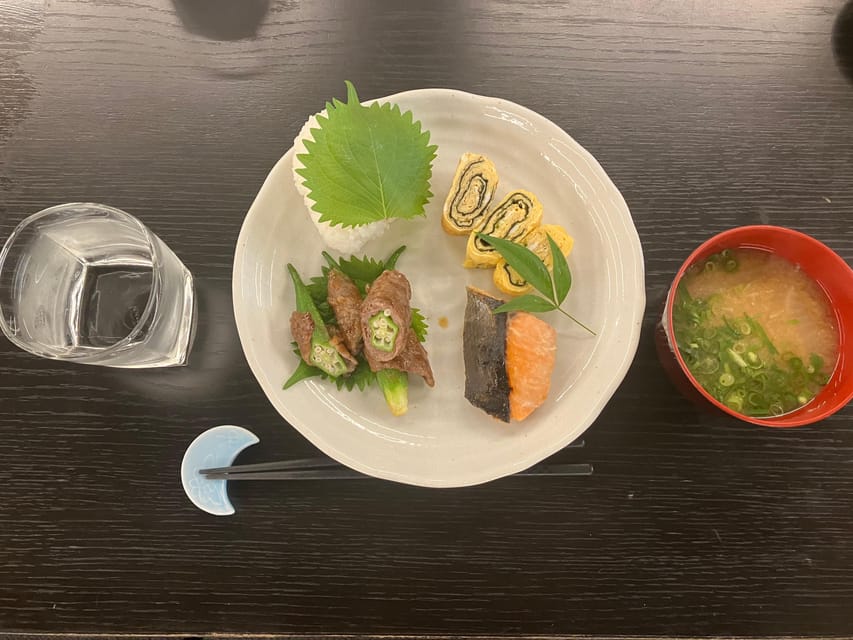
The remaining menu includes rice balls and Japanese miso soup. These dishes round out the class and show how a few modest foods can become a complete meal.
Rice balls are familiar to many visitors from convenience stores, but making them yourself gives you a better sense of their texture and shape. Miso soup, meanwhile, brings the dashi lesson back into the meal. You can see how stock, miso, and simple additions create a dish that is comforting without being heavy.
The final 30 minutes are set aside for tasting. You sit down with the food prepared during the class, along with drinks included in the price. This shared meal is an important part of the schedule. You are not left with a bag of ingredients and a rushed goodbye. You get time to taste the results and think about how the dishes work together.
What the two-and-a-half-hour schedule feels like
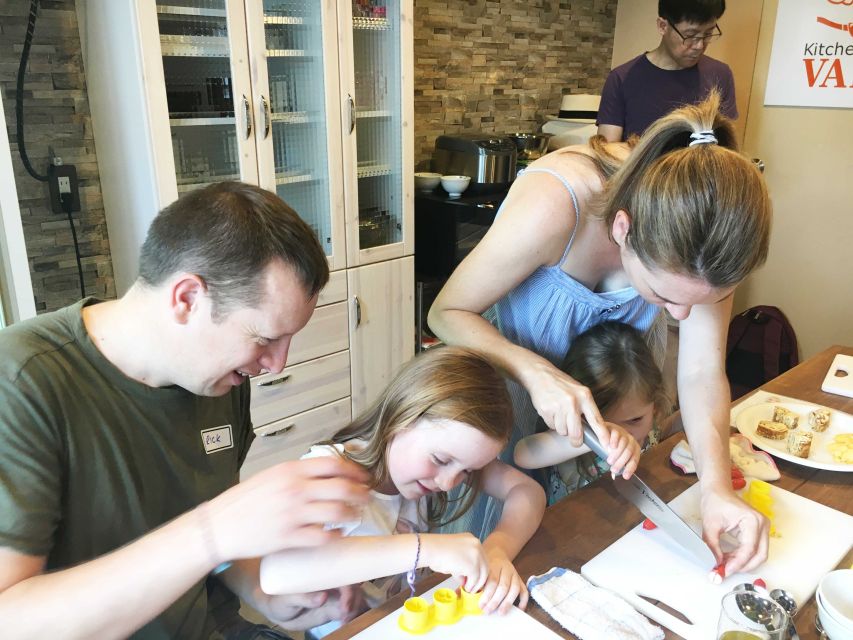
The published timetable lists cooking from 11:00 to 13:00, followed by tasting from 13:00 to 13:30. The stated duration is 150 minutes, so plan for the full two and a half hours.
That length is useful in Tokyo. It is long enough to cook several dishes, but short enough to fit beside sightseeing in the same day. A late morning start also leads naturally into lunch, which is exactly when you will want to eat the meal you have prepared.
The schedule may feel compact if you want long explanations or repeated practice. The menu covers several items, so some steps will need to move at a steady pace. If you want a slow, highly technical workshop, look for a longer course. If you want a practical introduction before an afternoon in Tokyo, the timing makes sense.
The cooking studio and meeting point
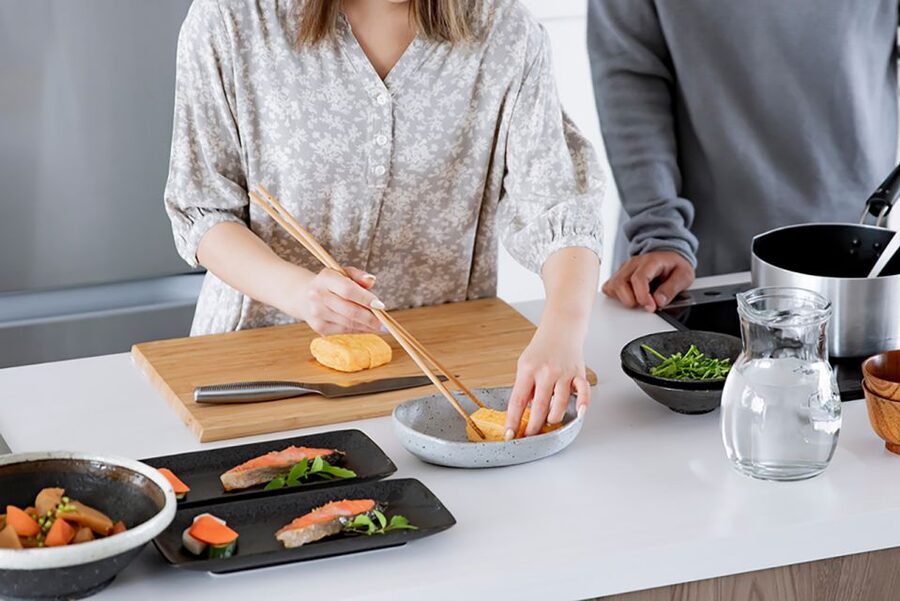
The studio is located near one of three central Tokyo areas: Shinjuku, Chiyoda, or Minato. The exact location is sent three days before the reservation date.
Pay attention to this detail. The Google Map shown with the activity may display a different address, so do not simply follow that map pin. Use the designated studio address sent to you before the class and allow enough time to reach it.
There is no hotel pickup or drop-off. You make your own way to the studio, which is normal for a city cooking class but worth including in your plan. Since the location can be in different wards, your travel time will depend on the final studio.
The class is taught in English. That matters for a lesson about texture, seasoning, and technique, where a few clear explanations can make the difference between following a recipe and understanding it.
How much value you get for $90
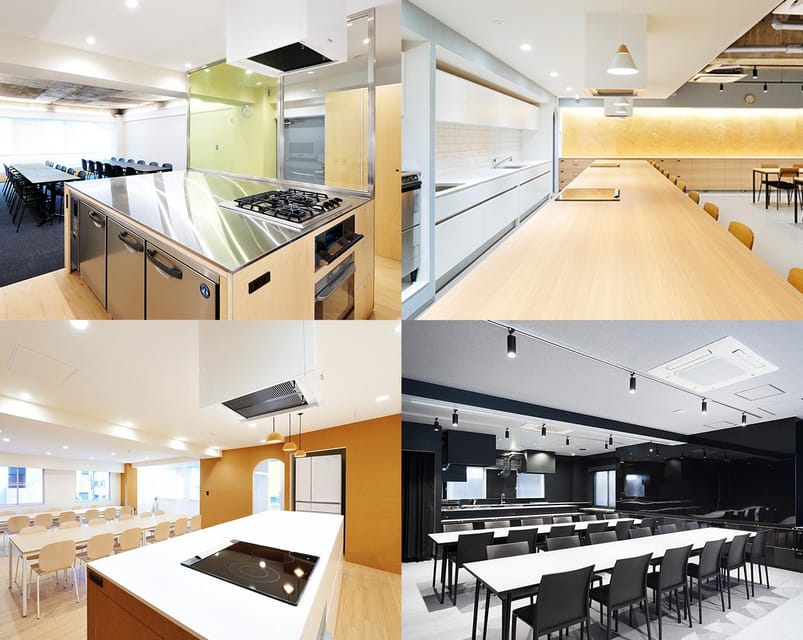
At $90 per person, this is not the cheapest lunch in Tokyo. You are paying for more than the ingredients, though. The price includes instruction, the food you cook, drinks, and the sit-down meal.
I see the value in the combination of food and usable skills. You get several dishes rather than one narrow recipe, and the class covers broad ideas such as balance and presentation. It also gives you a local food activity that is more active than simply booking a meal.
The value drops if you already know how to make dashi, miso soup, rolled omelet, and miso-marinated fish. One past participant felt the recipes were simple enough to make without attending the class and wanted more advice on variations. That is a fair concern.
Before booking, ask yourself what you want from the session. If you want expert-level corrections, advanced knife work, or a large collection of substitutions, $90 may feel high. If you want a guided introduction, ingredients supplied, and a meal at the end, the price is easier to justify.
The instructors and teaching style
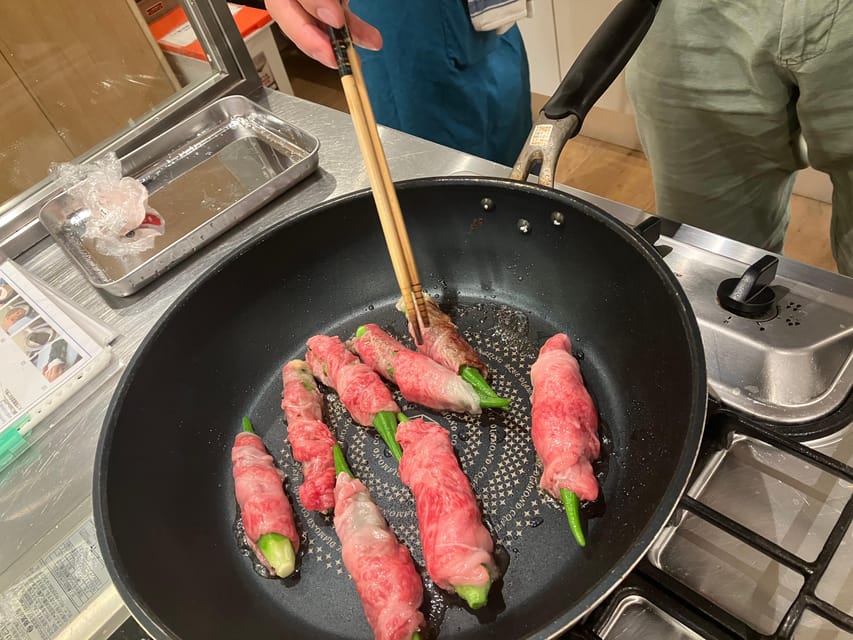
Nao and Erika have led past sessions. The class is set up for an English-speaking audience, and the teaching centers on preparing the recipes together rather than watching a formal demonstration from a distance.
The strongest point of the instruction is its friendly, practical nature. One participant described the class as patient and said the recipes were simple enough to recreate at home. That is exactly the right standard for this kind of activity.
Still, I would keep expectations measured. One participant felt the instructor was kind and spoke good English but lacked professional cooking experience. The same account noted that some recipe steps had to be checked during the class and that the knives were not sharp.
Those details do not make the class a bad choice, but they do tell you what kind of lesson this is. It is best viewed as a welcoming home-cooking session, not a polished master class led by a restaurant chef.
Who should book this experience
This class suits you if you enjoy food and want a practical Tokyo activity with a meal built in. It is especially useful for first-time cooks who want to understand dashi, miso soup, fish marinades, and rolled egg in one sitting.
It also suits couples, friends, and solo visitors who prefer a small food activity with a clear start and finish. The English instruction removes one major hurdle, and the recipes are described as simple enough to try again at home.
You may want to choose another class if you are vegan. The activity specifically excludes vegans, and the menu includes fish and egg. It is also not suitable for children under three or people with back problems.
The session may be less satisfying for an experienced Japanese cook. The recipes are traditional and useful, but the lesson may not go far into regional variations, menu design, or advanced technique.
Practical details before you reserve
The class includes ingredients, drinks, the cooking lesson, and the meal. Hotel transportation is not included, and you must reach the studio yourself.
Smoking is not allowed indoors. The activity offers free cancellation up to 24 hours before the start time, and you can reserve now and pay later, which helps if your Tokyo schedule is still changing.
The exact studio address arrives three days before the reservation date. Since the displayed map may show a different location, wait for the official studio details before planning your route.
You should also wear something comfortable for standing and cooking, though the available information does not specify a dress code. The course is not suitable for people with back problems, so consider the physical side of a two-hour cooking session before reserving.
Should you book this Tokyo cooking class?
Book it if you want to make a useful set of Japanese home dishes, eat lunch afterward, and learn the role of dashi, balanced seasoning, and presentation. The class offers a friendly introduction, clear English instruction, included ingredients, and recipes you can reasonably try again at home.
Skip it if you want advanced chef training or a highly polished professional kitchen lesson. The mixed assessment of the instruction suggests that the quality can depend on the instructor and session.
For most first-time visitors who enjoy cooking, I think the best reason to book is the menu. Dashi, Saikyo-yaki fish, dashimaki tamago, rice balls, and miso soup give you a useful picture of everyday Japanese food for $90. Just arrive with realistic expectations: this is a practical home-cooking class, not culinary school.
FAQ
How long does the cooking class last?
The stated duration is 150 minutes. The schedule lists cooking from 11:00 to 13:00 and tasting from 13:00 to 13:30.
What food will I make?
The menu includes Japanese dashi stock, Saikyo-yaki style grilled fish, rice balls, Japanese miso soup, and dashimaki tamago, a rolled Japanese omelet.
Is a meal included?
Yes. You eat the dishes prepared during the class, and drinks are included as well.
Is the class taught in English?
Yes. English is the listed language for the instructor and activity.
Where does the class meet?
The cooking studios are located near Shinjuku, Chiyoda, or Minato. The exact address is provided three days before the reservation date.
Is hotel pickup included?
No. Hotel pickup and drop-off are not included, so you must travel to the designated cooking studio yourself.
Is the class suitable for vegans?
No. The activity is specifically listed as not suitable for vegans.
Can young children attend?
Children under three are not permitted to take part in the activity.
Can I cancel for a refund?
Yes. You can cancel up to 24 hours in advance for a full refund. Reserve now and pay later is also available.
More hands-on classes and workshops in Tokyo
- Sushi Making Tokyo Roll and Authentic Japanese Sushi Class
★ 5.0 · 3,971 reviews - Chopstick Making Workshop in Ginza
★ 4.8 · 1,366 reviews - Tokyo Sushi Making Class in Tsukiji with Professional Chef
★ 5.0 · 1,177 reviews - Ramen & Gyoza Cooking Class in Tokyo with Local Supermarket Visit
★ 5.0 · 823 reviews
Newly reviewed around Tokyo
- Tokyo Asakusa:Calligraphy & Make T-shirt Activity★ 5.0 · 62 reviews
- Intercity Shuttle, Tokyo to Haneda /Narita /Yokohama /Makuhari★ 5.0 · 5 reviews
- 1 Hour Travel around Tokyo with a Professional Photographer★ 5.0 · 3 reviews
- Travel Tokyo with Your Own Personal Photographer★ 5.0 · 43 reviews
- Train in Samurai Swordsmanship and Defeat the Demon in Tokyo★ 5.0 · 5 reviews
- Shuttle Van 6hr Tokyo Tour to-and-from Tokyo, Yokohama and Narita★ 5.0 · 9 reviews
- Kickboxing & Body Training with EX-Pro Fighter★ 5.0 · 4 reviews
- Tokyo History: Sensoji Temple & Asakusa District Private Tour★ 5.0 · 28 reviews
Tokyo Cooking Classes, compared.
Roll and Authentic Sushi Making Class in Asakusa
Read our review →
Sushi Making Class in a Happi Coat near a Famous Spot
Read our review →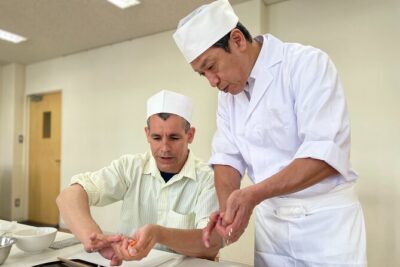
Tokyo Sushi Making Class in Tsukiji with Professional Chef
Read our review →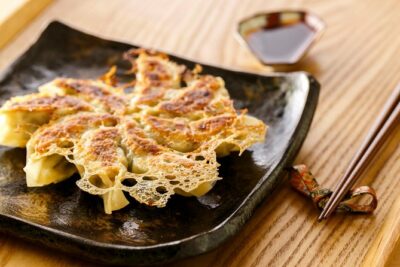
Ramen & Gyoza Cooking Class in Tokyo with Local Supermarket Visit
Read our review →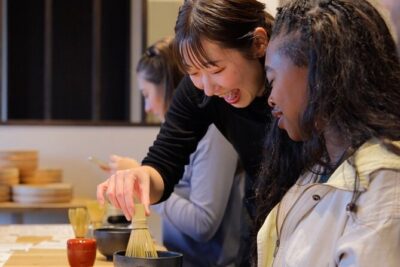
Matcha Making Class in Tokyo with Authentic Japanese Sweets Set
Read our review →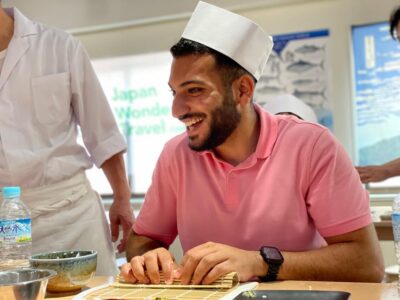
Tsukiji Fish Market Sushi Making Class with Pro Chef
Read our review →
Browse the lists this tour appears in