
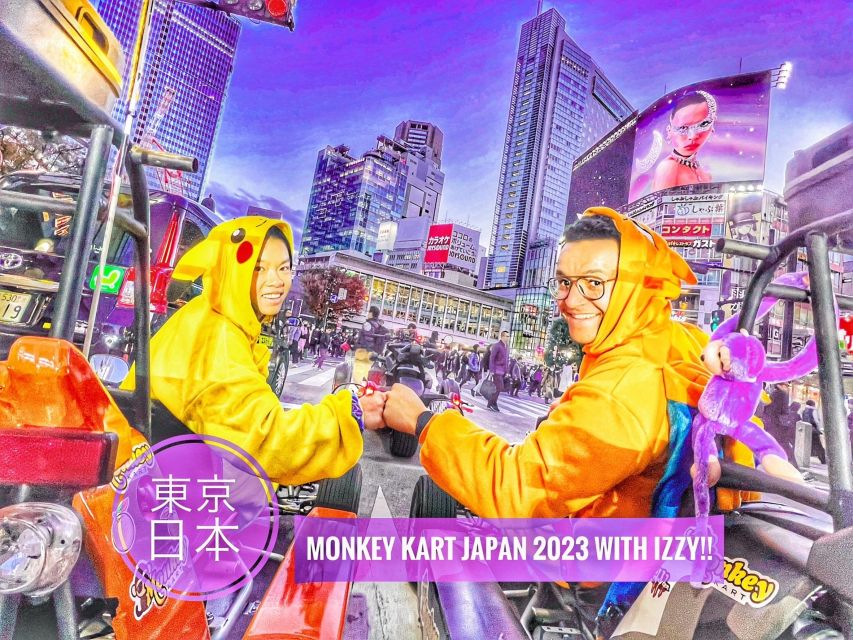
Reviewed · TOKYO GO-KART TOURS
Tokyo Go-Karting Experience: Shibuya Crossing with Photos
Tokyo traffic becomes your moving stage on this one-hour go-kart tour through Harajuku, Omotesando, Shinjuku, and Shibuya. I like the route because it gives you more than a single photo stop: you get city streets, famous districts, and the bright rush of Shibuya Crossing from a very unusual seat. I also like the included photo service, with digital images and one printed photo, so you can enjoy the ride without constantly managing your phone.
The main catch is the paperwork. You need the correct hardcopy 1949 Geneva Convention International Driving Permit, or a Japanese translation for licenses from certain countries. The karts are fun, but this is still city driving, not a theme-park ride, and you need to be comfortable following traffic and guide signals.
Key points at a glance
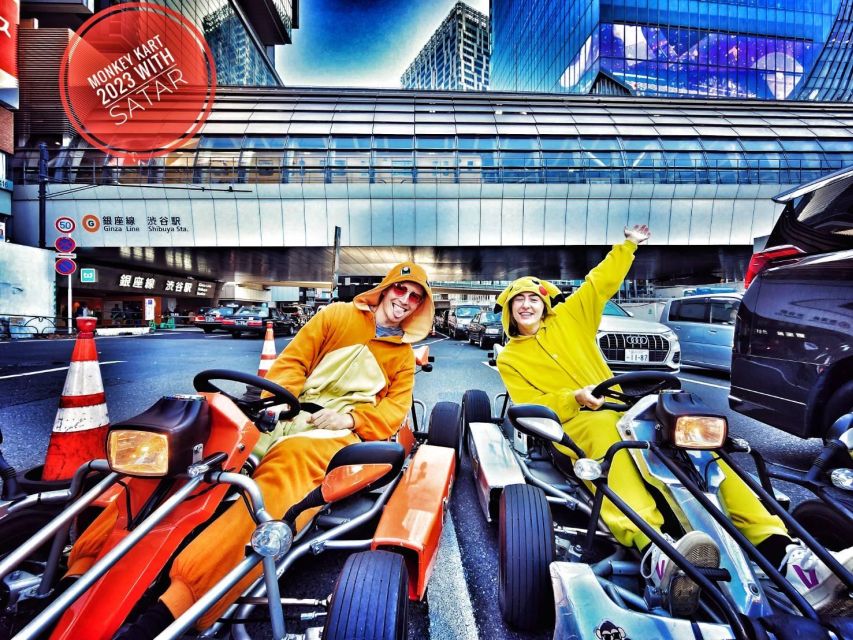
- Shibuya Crossing from the driver’s seat: Pass through one of Tokyo’s most famous intersections in a road-legal go-kart.
- A compact central Tokyo route: See Harajuku, Omotesando, Yoyogi Park, Shinjuku, and Shibuya in about an hour.
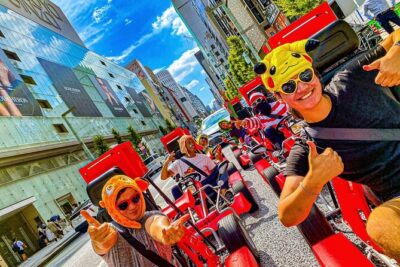
- Costumes and camera-ready stops: Choose a playful outfit, pose at stops, and receive digital photos plus one hard copy.
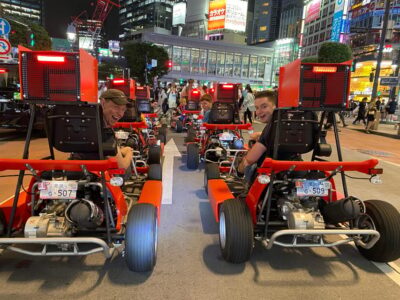
- Small groups matter: The tour is limited to four participants, allowing the guide to keep a close eye on the group.
- The driving permit is non-negotiable: Online copies, card-style permits, and 1968 Vienna Convention permits are not accepted in Japan.
- Best for adults seeking something different: You must be over 18, and the experience suits people confident behind the wheel.
What the $90 price buys you
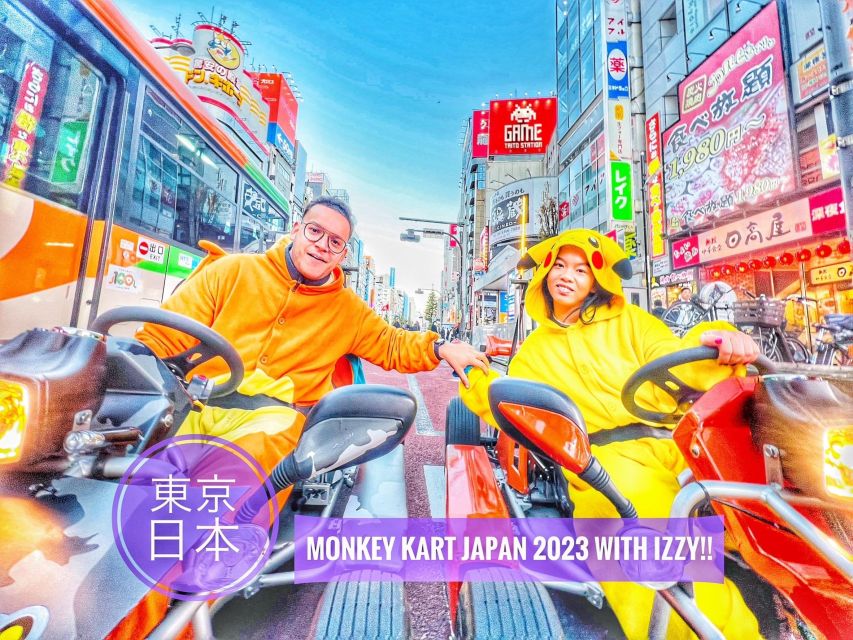
At $90 per person, this is not the cheapest way to see Tokyo. A train ride, walking tour, or observation deck visit costs less. You are paying for the road experience itself, the novelty of driving through famous districts, a guide, costumes, water, and a set of photos.
That package makes the price easier to defend. You receive digital photos and one printed photo, and the guide takes pictures during the outing. The photo service is especially useful because you cannot safely operate a phone while driving. At stops, you may have a chance to use your own phone, but the guide’s photos are the main record of the experience.
The small group limit of four also adds value. This is not a convoy of dozens of karts stretching through the city. A guide can give clearer instructions, watch how each driver is handling the route, and keep the group together. Several guides, including Rakesh, Reece, Julian, Serhii, Luna, and Ken, have been praised for clear explanations, calm support, and strong photos.
Still, keep your expectations in check. One hour includes preparation, instructions, stops, and city traffic. You will not spend a full hour at top speed. The appeal is the complete package: getting dressed up, driving legally on Tokyo streets, passing major districts, and coming home with pictures.
More things to do in Shibuya:
- Official Street Go-Kart in Shibuya
★ 5.0 · 3,435 reviews - Tokyo: Street Kart Experience in Shibuya
★ 4.9 · 1,484 reviews - Shibuya Meltdown Nightlife Tour: All-You-Can-Drink Bar Hopping
★ 5.0 · 1,058 reviews
Before the engine starts at Monkey Kart SHIBUYA
You meet at Monkey Kart SHIBUYA. Before setting off, expect a safety briefing and instructions on how to handle the kart. The guide leads the group, and you follow the route while watching for hand signals and directions.
The operation provides the go-kart, water, a camera mount, the photo shoot, digital photos, and one printed photo. An action camera itself is not included, so bring your own only if you want to use one and it is permitted under the operator’s setup. The included mount gives you a way to attach compatible equipment, but do not assume the camera comes with the tour.
You can choose a costume before departure. The selection has included playful character-style outfits, and one participant described wearing a Pikachu costume. Others have chosen sports clothing or other attention-grabbing outfits. Costumes add to the photos, but they can also make you more noticeable on the road. If you prefer a quieter experience, you can ask what choices are available and select something less elaborate.
Your passport and driving permit may be stored securely while you drive. Bring both to check in, even if you do not carry them on the road. The permit rules deserve serious attention:
- A hardcopy paper booklet of a 1949 Geneva Convention International Driving Permit is required for most eligible drivers.
- The permit must be issued by the official agency in your home country, such as AAA, AA, CAA, or the relevant national authority.
- Online copies, photocopies, and card-style licenses are not valid.
- Japan does not recognize permits issued under the 1968 Vienna Convention, including IDPs from IDA and IAA.
- Drivers from France, Switzerland, Taiwan, Germany, Monaco, and Belgium need a Japanese translation of their local license from JAF.
- Driving permits from several countries, including Indonesia, Pakistan, Saudi Arabia, Mexico, Brazil, Costa Rica, Colombia, Kuwait, and Qatar, may not be accepted.
Obtain the paperwork before leaving home. Showing up with the wrong document can end the experience before the fun begins.
Harajuku and Omotesando: Tokyo’s style districts
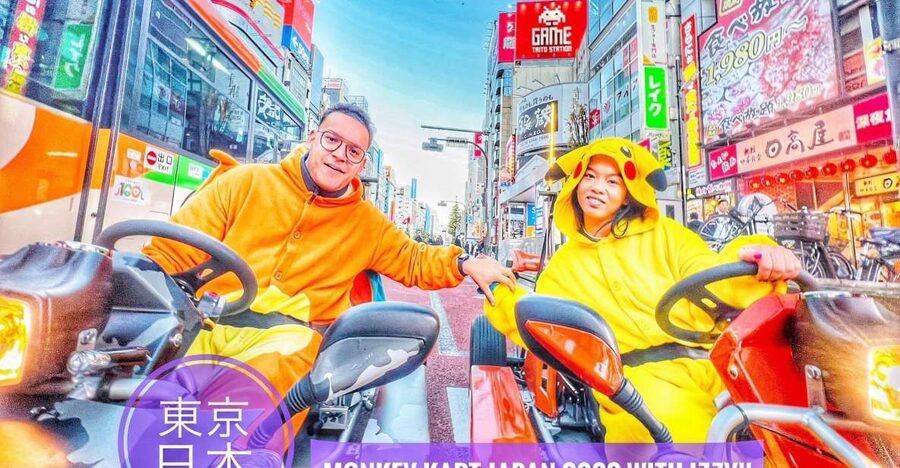
The route takes you through Harajuku and along Omotesando, two areas that show different sides of central Tokyo. Harajuku is associated with youth fashion and creative street style. Omotesando has a more polished feel, with broad avenues and high-end shops.
From a go-kart, you see these streets at eye level rather than from a train window. You are moving through the same city spaces people use for shopping, commuting, and meeting friends. That makes the ride feel more connected to daily Tokyo than a sightseeing bus.
The tradeoff is that you are not stopping for a proper shopping visit. The tour gives you a moving look at these districts, not time to browse stores or explore side streets. If Harajuku is high on your list, plan a separate visit on foot.
The guide also shares information about places along the route. Julian, for example, was praised for explaining the destinations the group passed. This commentary adds useful context, though the format is brief. Road safety has to come first, so do not expect a long lecture at every landmark.
Yoyogi Park and the shift toward Shibuya
The route passes the greenery of Yoyogi Park before moving toward Shibuya. This change in scenery is part of what makes the hour work well. You move from commercial avenues to a large open park edge, then back into dense city streets.
You will not be exploring Yoyogi Park on foot. Think of it as a passing view and a change of pace. The kart keeps you moving, and the route is designed around driving rather than extended sightseeing stops.
This section can also reveal the practical side of the activity. You are sharing the road with regular traffic, and the speed and rhythm depend on conditions. Morning outings may have quieter roads, while evening departures offer more illuminated streets. A morning participant described having less traffic and more chances to drive freely, while another particularly enjoyed a 5 p.m. departure for the night atmosphere.
The right time depends on what you want. Choose earlier in the day if a calmer road matters most. Choose late afternoon or evening if you want glowing signs and a more dramatic city backdrop. Rain can force the tour to be rescheduled, so leave some flexibility in your Tokyo plans.
More Tokyo go-kart tours:
- Flagship 2-Hours Official Street Go-Kart Tour – Tokyo Bay Shop
★ 5.0 · 4,974 reviews - Official Street Go-Kart Tour – Akihabara
★ 5.0 · 1,578 reviews - Tokyo Go Kart: Asakusa, Skytree, and Akihabara **IDP MUST**
★ 5.0 · 988 reviews - Shibuya Official Street Go-Kart in Shibuya Annex
★ 5.0 · 972 reviews
Shibuya Crossing from a go-kart
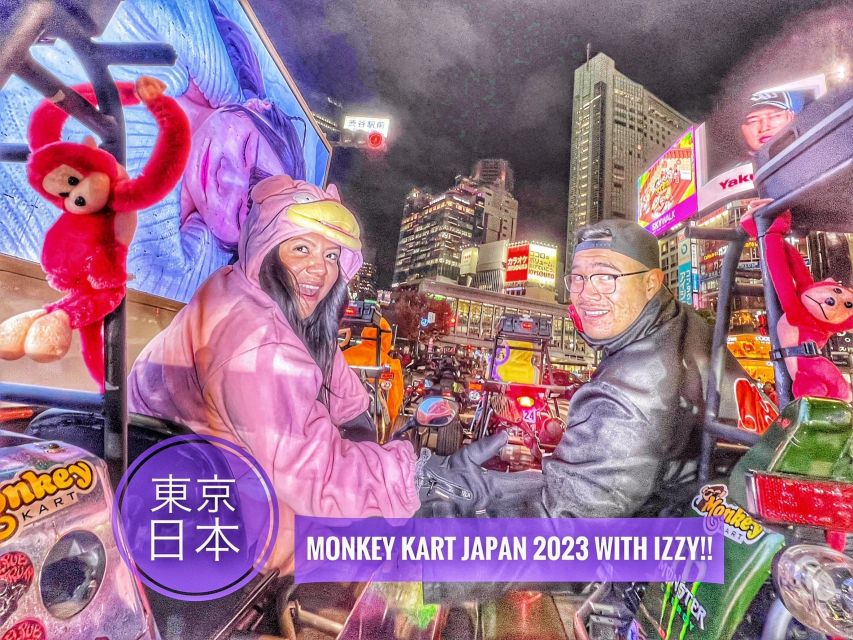
Shibuya Crossing is the headline moment. Most people know it from photographs and overhead views, but driving through it gives you a different sense of scale. You are surrounded by buildings, crossing signals, vehicles, pedestrians, and bright signs, all while keeping your attention on the guide and traffic.
This is not a private stunt area. You must follow Japanese road rules and the guide’s signals. The excitement comes from taking part in an ordinary city movement in an extraordinary-looking vehicle, not from weaving through traffic or racing.
Several people have described feeling nervous at first, then getting comfortable within a few minutes. That is a useful warning. You need confidence with basic driving and enough focus to listen while operating the kart. If you are anxious behind the wheel, tell the guide early and keep your pace controlled. The group does not need every driver to go at the same speed.
The photo stops are well timed for this setting. A guide can position the group and capture the karts against recognizable Tokyo backdrops. Rakesh has been especially praised for taking a large number of photos and sharing them afterward. Serhii, Luna, Ken, and others have also been singled out for making participants feel safe while getting good pictures.
Shinjuku and the city at street level
The experience also reaches Shinjuku, adding another major district to the route. Shinjuku is one of Tokyo’s great centers for shopping, offices, entertainment, and neon-lit streets. Passing through it by kart gives you a quick view of the city’s scale and energy without committing half a day to walking.
Again, this is a taste rather than a full neighborhood visit. You will see streets and landmarks from the route, but you will not have time to stop for a meal, browse a department store, or explore the narrow entertainment lanes. Treat the tour as a fast visual introduction, then return to the districts you want to know better.
One advantage is efficiency. In a single hour, you can connect several parts of western central Tokyo that would otherwise require separate train rides and walking time. One participant described seeing Shibuya, Shinjuku, Harajuku, and more during the hour. You are not getting a detailed tour of each district, but you are getting a memorable overview.
The guide makes or breaks the ride
The guide is more than a person leading the route. They explain the kart, give safety instructions, set the pace, signal when to stop, and take the photos. A good guide can turn first-minute nerves into a relaxed ride.
The strongest pattern in the feedback is praise for guide communication. Reece has been credited with clear instructions both on and off the road. Julian was described as patient and engaging. Luna helped participants feel comfortable and took photos at each stop. Rakesh has been repeatedly praised for his energy, safety awareness, city information, and photography.
Guide assignments change, so you cannot count on a particular person unless the operator confirms it. What you can expect is an English-speaking guide and a group limited to four participants. That small size is important if you are uneasy about driving. It also gives the guide more room to adjust the pace within the limits of the route.
Some people have found the kart fast and exciting. That does not mean you must drive aggressively. Follow the guide, keep a safe distance, and remember that the road conditions decide how much speed is possible.
Photos, phones, and the small practical details
The photo package is one of the better features of the tour. The guide takes pictures during the route and at stops, then shares the digital files. You also receive one hard copy, which is a nice physical reminder of an activity that otherwise exists mostly on your phone.
Bring your phone if you want personal pictures at traffic lights or designated stops, but do not use it while the kart is moving. One participant noted that there is a secure place for phones, passports, and driving permits at the starting point. The tour includes water, and some outings have also included a drink before or after the drive.
Expect road noise, wind, and vehicle fumes. One person specifically recommended a mask for anyone riding at the back, where exhaust may be more noticeable. This is a useful comfort tip, especially if you are sensitive to smells. A mask is not listed as included, so bring your own if that matters to you.
Alcohol is not allowed in the vehicle. The experience is also not suitable for pregnant women, children under 18, or people over 95. The stated age minimum is 18, and the driving permit requirement applies to every driver.
Is one hour enough?
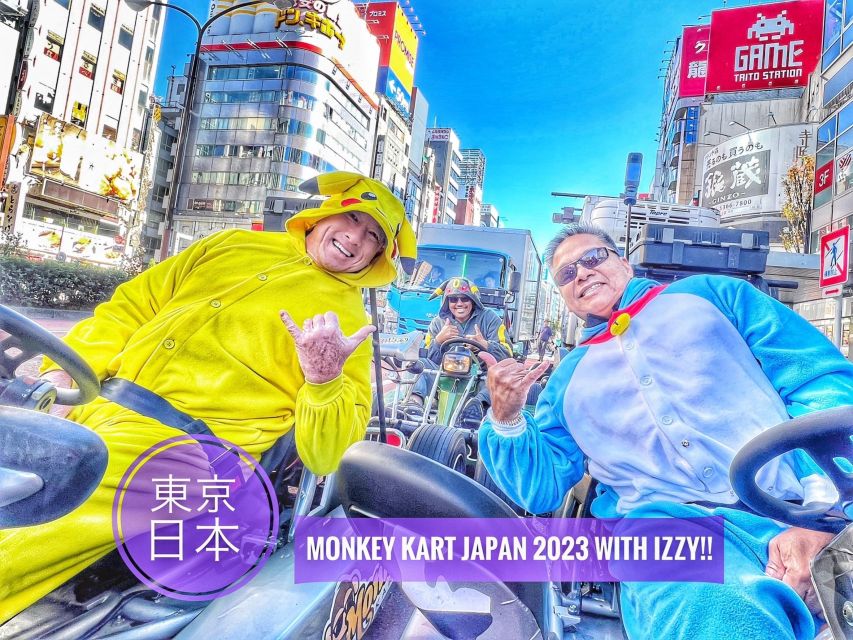
One hour is enough to create a strong memory, but it may feel short if you are having fun. The route covers a lot of ground, and the stops are brief. You will spend part of the booking on checking in, getting ready, listening to instructions, and returning the kart.
That short format is useful if your Tokyo schedule is tight. You can fit it between other plans in Shibuya or Harajuku without giving up an entire day. It also keeps the cost under control.
If you want a slow city tour, this is not the right format. You will not linger at each district, and traffic can reduce the amount of open-road driving. One participant’s only real complaint was that the hour ended too soon. That is a good sign for enjoyment, but also a reminder to choose the activity for excitement rather than detailed sightseeing.
Who should book this Tokyo go-kart tour?
I would recommend it to adults who enjoy unusual ways to see a city and feel comfortable driving. It suits couples, friends, and solo participants who want strong photos and a story that is more memorable than another standard viewing platform.
It also works well for a small family group with adult children, as long as everyone meets the age and permit requirements. A nervous driver may still enjoy it, especially with a patient guide, but you should not book it if driving in city traffic sounds stressful.
You should skip it if you want a walking tour, extensive historical explanation, or a quiet ride. You should also skip it if you cannot obtain the correct paper driving permit before your trip. No costume or photo package can fix missing legal documents.
Should you book it?
Book this experience if Shibuya Crossing is a priority, you like playful activities, and you can handle city driving. The combination of costumes, a four-person group, guide-led safety support, and included photos gives the $90 price real value for the right person.
I would choose a morning departure for lighter traffic or an evening departure for illuminated streets. Bring the required original paperwork, consider a mask if exhaust bothers you, and leave room for rain-related changes.
For a first visit to Tokyo, this is best treated as a memorable city sampler, not a complete tour. You will see a lot in an hour, feel the streets around you, and leave with photos that are hard to reproduce on foot.
FAQ
Where does the Tokyo go-kart tour start?
The meeting point is Monkey Kart SHIBUYA.
How long does the experience last?
The go-kart experience lasts one hour.
How much does the tour cost?
The listed price is $90 per person.
How many people can join the group?
The group is limited to four participants.
Is an English-speaking guide included?
Yes. An English-speaking live guide leads the tour.
What areas of Tokyo does the route visit?
The route includes Harajuku, Omotesando, Yoyogi Park, Shibuya, and Shinjuku. It also passes through Shibuya Crossing.
What is included in the price?
The price includes the go-kart, tour guide, photo shoot, digital photos, water, one hard copy photo, and an Action Camera or Insta 360 mount. The action camera itself is not included.
What driving document do I need?
Most drivers need a hardcopy paper booklet of a 1949 Geneva Convention International Driving Permit issued by the official agency in their country. Drivers from France, Switzerland, Taiwan, Germany, Monaco, and Belgium need a Japanese translation of their local license from JAF.
Can children join the tour?
No. The activity is not suitable for children under 18. Participants must be over 18, and the required driving documents must be valid for Japan.
More Tokyo photo shoots
- Best Go Kart Experience in Shibuya Crossing with Iconic Photos
★ 5.0 · 348 reviews - Tokyo Cyberpunk Street Photo Tour
★ 5.0 · 165 reviews - Tokyo by Night Photography Tour (Private Option Available)
★ 5.0 · 151 reviews - Tokyo Shinjuku Night Photo Tour with Pro Gota
★ 5.0 · 142 reviews
Newly reviewed around Tokyo
- Tokyo Asakusa:Calligraphy & Make T-shirt Activity★ 5.0 · 62 reviews
- Intercity Shuttle, Tokyo to Haneda /Narita /Yokohama /Makuhari★ 5.0 · 5 reviews
- 1 Hour Travel around Tokyo with a Professional Photographer★ 5.0 · 3 reviews
- Travel Tokyo with Your Own Personal Photographer★ 5.0 · 43 reviews
- Train in Samurai Swordsmanship and Defeat the Demon in Tokyo★ 5.0 · 5 reviews
- Shuttle Van 6hr Tokyo Tour to-and-from Tokyo, Yokohama and Narita★ 5.0 · 9 reviews
- Kickboxing & Body Training with EX-Pro Fighter★ 5.0 · 4 reviews
- Traditional Japanese Knife Sharpening Class★ 5.0 · 18 reviews
Tokyo Go-Kart Tours, compared.
Flagship 2-Hours Official Street Go-Kart Tour – Tokyo Bay Shop
Read our review →
Tokyo Go Kart: Asakusa, Skytree, and Akihabara **IDP MUST**
Read our review →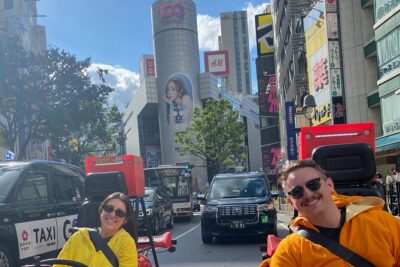
Shibuya Official Street Go-Kart in Shibuya Annex
Read our review →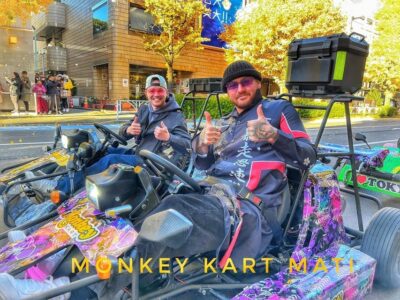
Asakusa, Skytree & Akhihabara Go-Kart City Experience
Read our review →
Premium Go-Kart Tour with Tower & Shibuya Crossing
Read our review →Browse the lists this tour appears in