
Reviewed · TOKYO NIGHT TOURS
Tokyo by Night Photography Tour (Private Option Available)
Tokyo after dark is made for photographs: neon reflected on wet pavement, narrow lanes packed with tiny bars, and the grand rush of Shibuya Crossing. This small-group walk links Shinjuku and Shibuya, while a professional photographer takes portraits along the way and later sends you 20 edited images.
I like the small maximum of six, which gives you time to pose without feeling like you are on a conveyor belt. I also like the friendly, fast-moving guides, including Gota and Goto, who have helped solo visitors, couples, and honeymooners feel at ease in front of the camera.
The main catch is timing. The route covers about 3 kilometers, includes train travel, and may last closer to two hours than two and a half. Photography is also restricted in parts of Golden Gai and Memory Lane, so some famous-looking spots are for walking through, not shooting.
Key points to know before booking
- Golden Gai opens the night with narrow lanes and neon, but photography is restricted in some areas.
- Kabukicho supplies the best mix of street portraits and city light, with about 30 minutes for photos.
- Shibuya Crossing gives you the iconic Tokyo backdrop, with roughly 40 minutes devoted to shooting.
- You receive 20 edited photos, often quickly, with some visitors receiving them later the same night.
- The group is limited to six people, though a private option may be available when you book.
- Expect a brisk 3-kilometer walk, train fare is extra, and comfortable shoes matter.
Tokyo by Night Photography Tour: what you are really buying
At $105.71 per person, this is not simply a guided stroll. You are paying for three things at once: a local orientation to Tokyo nightlife, a portrait session in several famous districts, and a finished set of 20 edited photographs.
That combination makes the price easier to judge. A regular sightseeing walk might tell you where to go, but it will not leave you with strong images of yourself in the city. A normal portrait shoot might produce photographs, but it may not give you the same sense of moving through Shinjuku and Shibuya.
I see the experience as especially useful if you are traveling alone, celebrating a honeymoon, or want more than quick phone snapshots. The photographer can suggest poses, find suitable angles, and keep the session moving. You do not need to bring a camera unless you also want to take your own pictures.
The value depends on your priorities. If you mainly want nightlife information, this is probably more expensive than a basic walking tour. If you want polished photos and a guided night out, the package is more convincing.
More Tokyo night tours:
- Tokyo After 5: Authentic Japanese Food & Drink Night Tour
★ 4.5 · 560 reviews - Shibuya Meltdown Night Tour: All-You-Can-Drink Bar Hopping
★ 4.8 · 183 reviews - Private Tokyo Night Tour
★ 5.0 · 115 reviews
Meeting in Shinjuku at 5:30 pm
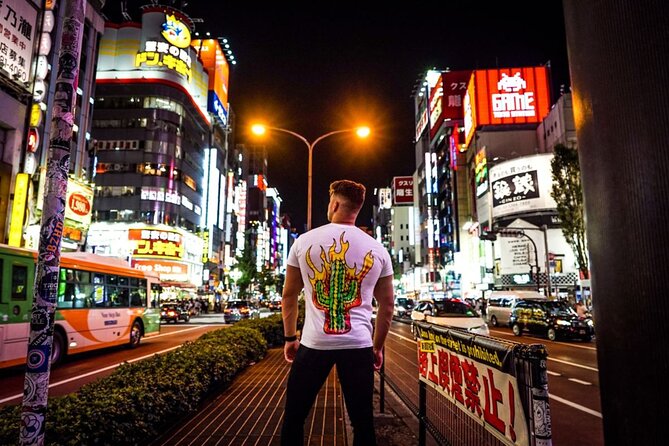
The meeting point is Miraion Lion Square, at 3 Chome-38 Shinjuku, Shinjuku City. The listed start time is 5:30 pm, but you should arrive early. The operator asks you to be there 10 minutes before the start, and arriving more than 15 minutes late can mean missing the tour with no refund or rescheduling.
That strict rule matters in Tokyo. The group moves between busy districts, and the photographer cannot hold up the entire session for one late arrival. I would plan your route to the meeting point before the day itself, especially if Shinjuku is still new to you.
The tour runs in the evening, when the city lights begin to do the visual work. The exact order can change because of crowds, weather, traffic, or local operating conditions. The usual plan begins in Shinjuku and finishes in Shibuya, but you should treat the route as flexible.
Golden Gai: atmospheric, narrow, and not always camera-friendly
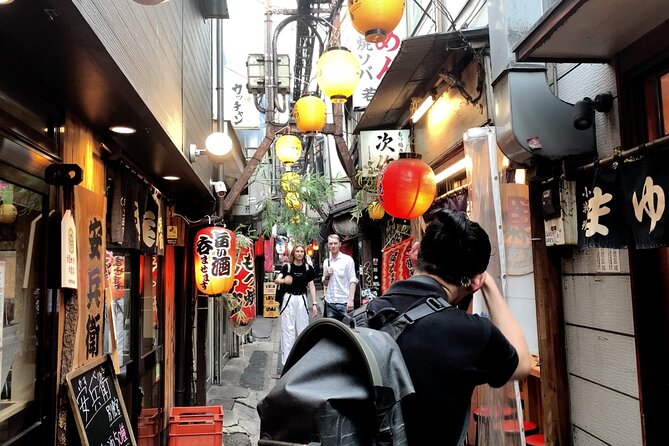
Shinjuku Golden Gai is a maze of tiny lanes lined with nearly 300 small bars. It is one of Tokyo’s most distinctive nightlife areas, with cramped buildings, signs, lanterns, and very little spare space between the streets.
The first stop allows about 15 minutes. That is enough for a quick look and a few carefully chosen images, but not enough for a long photo session in every lane. The narrow setting can create the moody, science-fiction feel many people want from a Tokyo night shoot.
There is an important limit here: photography is prohibited in some parts of Golden Gai and Memory Lane. Your guide will need to choose legal places and respectful angles. Do not assume that every sign, doorway, or bar entrance can be used as a backdrop.
That restriction is not a flaw in the tour. It is a reminder that Golden Gai is a working nightlife district, not a film set. You are moving through a real neighborhood where people live, work, and run small businesses. Follow your photographer’s instructions and avoid blocking the lanes.
Kabukicho gives you room to pose
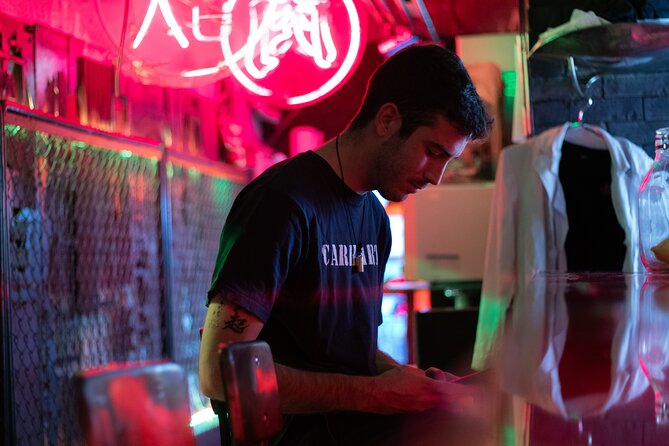
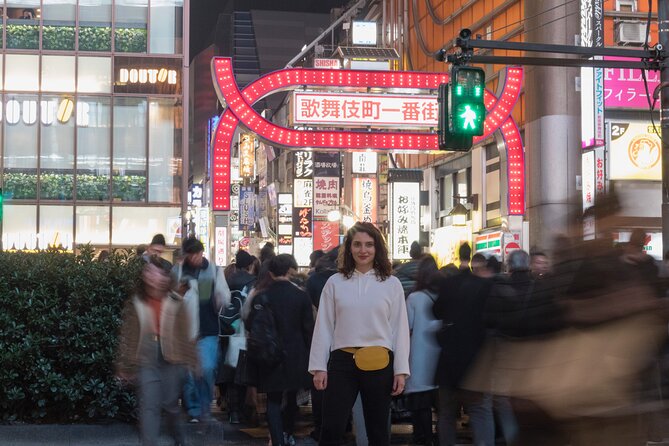
The route then moves into Kabukicho, one of Shinjuku’s best-known nightlife districts. You have about 30 minutes for photographs here, giving the photographer more room to work than the tight lanes of Golden Gai.
This is where the tour can shift from quick street scenes to more deliberate portraits. Your guide may help you find a pose, place you against a sign-lit street, or use the surrounding city activity without making the image feel staged.
The guides are a major part of the experience. Gota, in particular, is praised for giving clear posing ideas, positive encouragement, and useful background on Shinjuku. Goto is also described as professional, friendly, and quick with the finished images.
If you are uncomfortable having your picture taken, that support matters. A good photographer does not simply point a camera at you and hope for the best. The guide can help you adjust your stance, face the light, and keep the session relaxed.
You should also expect a fairly brisk pace. One participant described walking about 3 kilometers, and another noted that the guide walked fast but was easy enough to keep up with. Wear comfortable shoes and avoid carrying unnecessary bags. You may need to set them down and collect them at each photo stop.
More Tokyo photo shoots:
- Best Go Kart Experience in Shibuya Crossing with Iconic Photos
★ 5.0 · 348 reviews - Tokyo Go-Karting Experience: Shibuya Crossing with Photos
★ 4.8 · 190 reviews - Tokyo Cyberpunk Street Photo Tour
★ 5.0 · 165 reviews - Tokyo Shinjuku Night Photo Tour with Pro Gota
★ 5.0 · 142 reviews
The move from Shinjuku to Shibuya
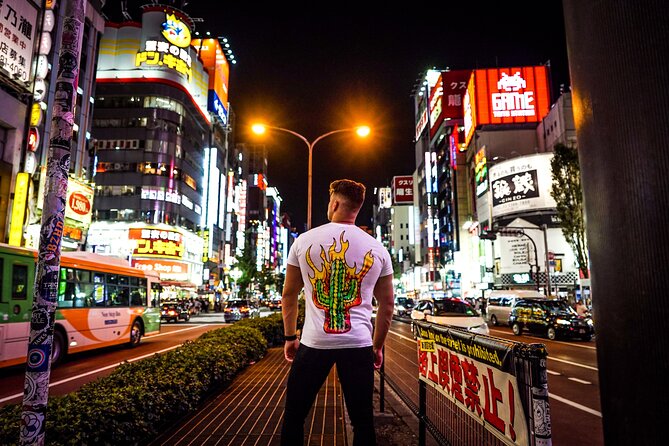
The tour includes a move to Shibuya, with train transportation not included in the price. You do not pay the guide’s transportation fee or drink, but your own train fare is extra.
That small additional cost is easy to overlook when comparing tours. It should not be large, but you need to carry a transit card or enough fare for the journey. The move also creates a natural change of mood: Shinjuku feels dense and gritty, while Shibuya brings larger signs, wider streets, and a more open public stage.
The route may also pass Shibuya 109, a well-known fashion and entertainment building. It is not listed as a main photo stop, but it helps place you in the center of Shibuya’s youth culture and commercial energy.
Shibuya Crossing: the big finale
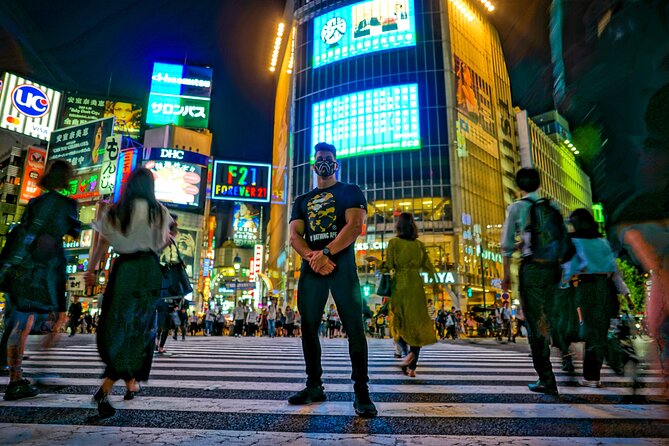
Shibuya Crossing receives about 40 minutes, the longest stated photo stop. That gives you time to capture both the crossing itself and portraits with the surrounding signs and crowds.
The crossing is famous for good reason. When the signals change, people stream across from several directions, with towering screens and storefronts framing the scene. Your photographer will choose positions and moments that make the setting readable rather than turning you into a tiny figure lost in the crowd.
The route also passes Hachiko, the bronze statue of the loyal Akita dog, and Shibuya Center-gai, a shopping and food street that stays active late into the evening. These are useful points of orientation, though not every pass-by location receives a full photo session.
You may find the Shibuya section less intimate than Kabukicho. It is harder to control the background, and crowds can affect how long you wait for a clear frame. That is part of the point, though. The images here show you in the middle of Tokyo’s public life, not in an empty studio.
What happens at the end of the route
The supplied route details also mention a sequence involving a temple, a pedestrian bridge, a love sculpture, the Tokyo Metropolitan Government Building, and Yodobashi Camera. The itinerary order can change, and some of these locations may be pass-by points rather than long stops.
The Tokyo Metropolitan Government Building area is especially useful for city views and street photographs around the skyscraper. Its observation deck is on the 45th floor, but admission to the deck is not included in the tour details, so do not assume you will go up during this activity.
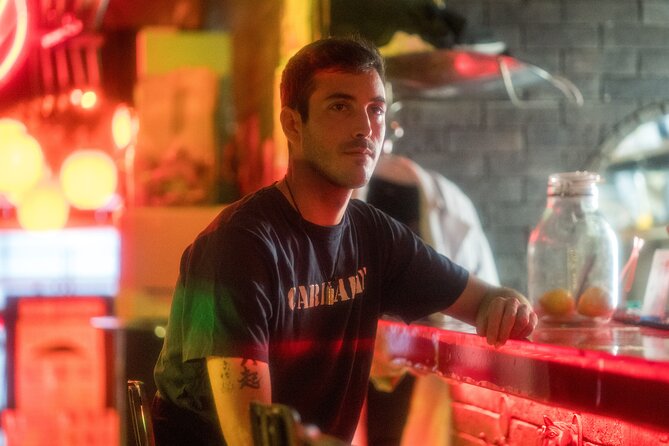
One memorable detail from the experience is the possible stop at a steampunk-style bar for the included drink. This is not dinner, and the tour does not provide a meal. It is best viewed as a short social break rather than a full nightlife stop.
The end point is different from the meeting point. Check the final route details before booking your evening plans, especially if you have a restaurant reservation or a train connection afterward.
The 20 edited photos are the real souvenir
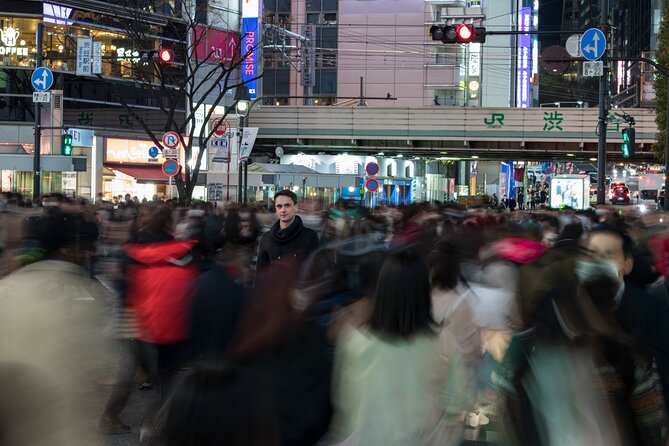
The most practical benefit is the set of 20 edited photographs. The photographer shoots you during the walk, then sends the finished images after the experience.
The delivery can be quick. Some people received their photographs later the same evening, while the stated promise is 20 edited images after the tour. You should still allow for delivery time rather than planning to post everything before you reach your hotel.
The images are likely to vary by guide and conditions. Night photography depends on weather, crowd levels, available light, and how comfortable you become in front of the camera. You will get more from the session if you listen to posing suggestions and are willing to try several positions.
You do not need photography skills. In fact, the tour is built for people who want the photographer to handle the technical side. Bring your own camera only if you want to record extra scenes independently.
Group size, private bookings, and the pace
The shared tour holds a maximum of six people. That is a useful limit for a street shoot because large groups can clog narrow lanes and leave each person waiting too long for a turn.
A small group also gives you a better chance to ask questions about Shinjuku, Kabukicho, and Shibuya. It is not the same as a private portrait session, but the size is far more personal than a standard city tour.
A private option is available for people who want more control over the pace or prefer not to share the session. The supplied details do not state the private price, so you will need to check the booking choice before committing.
Solo visitors are a particularly good match. You get a local companion, someone to help navigate the districts, and a proper set of photographs without asking a stranger to take your picture. Couples also have a reason to consider it, especially for a honeymoon or another special trip.
Families can join because all ages are allowed, but the brisk walking pace, evening start, and crowded streets may not suit very young children.
Weather, clothing, and practical preparation
Tokyo can be very hot in summer and cold in winter. The supplied guidance notes summer highs around 40°C and winter lows around minus 5°C, so dress for the actual forecast rather than relying on the season alone.
Comfortable shoes are essential. This is a walking photo session, not a short transfer between fixed viewpoints. Leave extra room in your schedule, since the experience usually lasts two to two and a half hours but can vary with photo conditions, crowd levels, and group size.
Bring as little as possible. A heavy bag becomes annoying when you are changing positions, setting it down, and picking it up again. You will also look cleaner in portraits without a large backpack competing with the city lights.
The tour may be cancelled for unsafe weather. If you need to cancel yourself, free cancellation and date changes are available up to 24 hours before the start time, subject to availability. Less than 24 hours is too late for a refund or change.
The limits you should accept
This experience is photo-focused, so the sightseeing commentary may be lighter than on a dedicated history walk. Guides do provide local information, and Gota has been praised for making Shinjuku’s past and present easy to follow, but the camera remains the main purpose.
The duration is also not fixed. Although advertised at about two hours and 30 minutes, the tour can run closer to two hours, and one poor experience lasted only about an hour and a half. That appears to be an exception, but it is still a reason not to schedule something immediately afterward.
The route can change, and closed places may be replaced with another location. Photography restrictions in Golden Gai and Memory Lane may disappoint anyone expecting unrestricted shots in every famous lane.
For the best result, think of this as a guided portrait walk with sightseeing added, not a full tour of every major Tokyo landmark.
Should you book the Tokyo night photo tour?
I would book this if you want polished photographs of yourself in Tokyo and enjoy walking through Shinjuku and Shibuya after dark. The strongest reasons are the six-person limit, the practical posing help, the range of settings, and the 20 edited images.
It is especially good for solo visitors, couples, honeymooners, and anyone who does not want to manage a tripod or rely on phone snapshots. Guides such as Gota and Goto add the human touch that makes posing less awkward and the city easier to read.
I would skip it if you want a slow history tour, a full dinner, or a guaranteed two-and-a-half-hour schedule. Also skip it if you dislike fast walking, crowded streets, or the possibility that weather and local rules will change the route.
Arrive early, wear good shoes, carry little, budget for the train, and keep your evening flexible. If those conditions suit you, this is a smart way to take home photographs that show both you and Tokyo at its most electric hour.
FAQ
How long does the Tokyo by Night Photography Tour last?
The tour is scheduled for about two hours to two and a half hours. Its length can change because of weather, crowds, photo conditions, and group size.
How many people can join the shared tour?
The shared tour has a maximum of six travelers. A private option may also be available when booking.
What photographs are included?
You receive 20 edited photographs taken during the tour. Some photographs may arrive later the same evening, but delivery is provided after the experience.
Where does the tour meet?
The meeting point is Miraion Lion Square, 3 Chome-38 Shinjuku, Shinjuku City, Tokyo 160-0022. The start time is 5:30 pm, and you should arrive 10 minutes early.
Is transportation included?
Your guide’s drink and transportation fee are covered, but your own train transportation is not included. The route includes a move from Shinjuku to Shibuya.
Can I cancel for a refund?
Yes. You can cancel for a full refund at least 24 hours before the local start time. Cancellations or changes made less than 24 hours in advance are not accepted for a refund or rescheduling.
Newly reviewed around Tokyo
- Tokyo Asakusa:Calligraphy & Make T-shirt Activity★ 5.0 · 62 reviews
- Intercity Shuttle, Tokyo to Haneda /Narita /Yokohama /Makuhari★ 5.0 · 5 reviews
- 1 Hour Travel around Tokyo with a Professional Photographer★ 5.0 · 3 reviews
- Travel Tokyo with Your Own Personal Photographer★ 5.0 · 43 reviews
- Train in Samurai Swordsmanship and Defeat the Demon in Tokyo★ 5.0 · 5 reviews
- Shuttle Van 6hr Tokyo Tour to-and-from Tokyo, Yokohama and Narita★ 5.0 · 9 reviews
- Kickboxing & Body Training with EX-Pro Fighter★ 5.0 · 4 reviews
- Traditional Japanese Knife Sharpening Class★ 5.0 · 18 reviews
Tokyo Night Tours, compared.
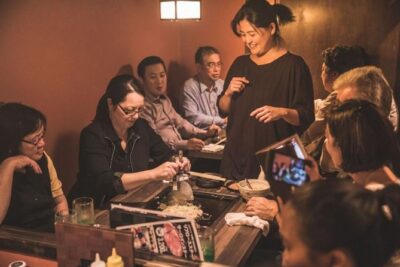
Tokyo After 5: Authentic Japanese Food & Drink Night Tour
Read our review →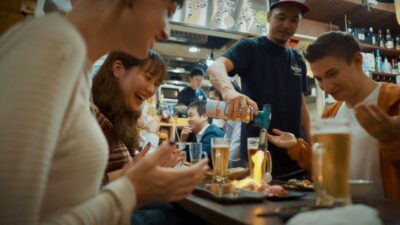
Shibuya Meltdown Night Tour: All-You-Can-Drink Bar Hopping
Read our review →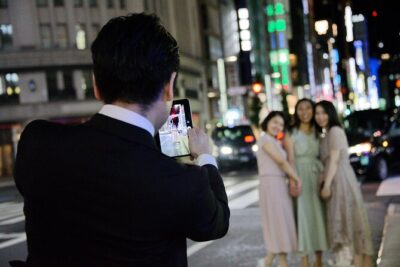
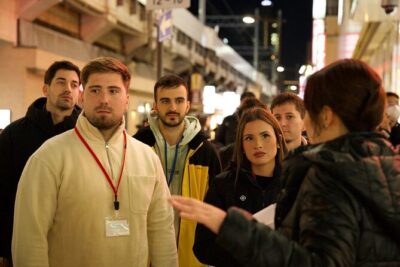
Real Tokyo Runner Club : Daikoku Car Meet Night Tour with JDM Car
Read our review →
Tokyo Shibuya Hidden Izakaya and Karaoke Night Tour
Read our review →Browse the lists this tour appears in