
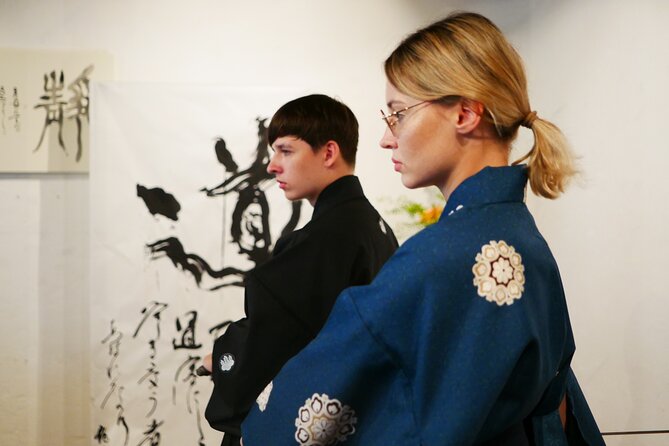
Reviewed · TOKYO SAMURAI AND NINJA EXPERIENCES
Tokyo : Authentic Samurai Experience in a Private Space.
The most unusual part of this Tokyo experience is the chance to hold and swing a real sword while dressed in formal samurai clothing. Musashi-oka Sensei teaches the basic movements and etiquette, then lets you face a real samurai in a carefully controlled exchange.
I like the small group size, limited to three people, and the setting in an old private Japanese house. I also like the gentle finish: after the formal training, you sit down for Japanese tea and talk through what you have learned. The main drawback is the price, $322 per person for 90 minutes, so this suits you best if samurai culture is a major interest rather than a casual add-on.
Key points at a glance
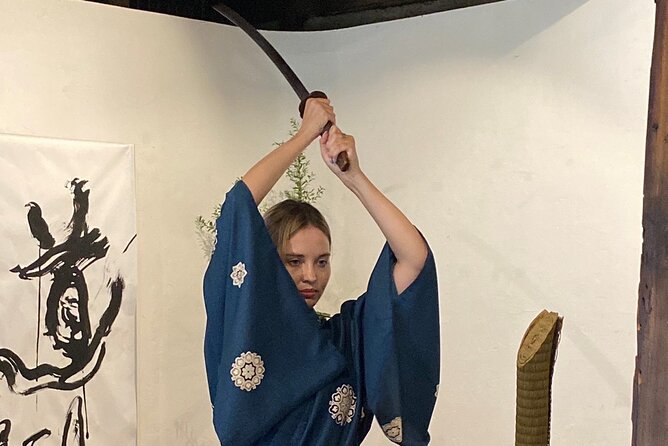
- Train with Musashi-oka Sensei: Learn sword handling, stances, Bushido, and samurai etiquette from an instructor who works in Japanese and English.
- Wear formal samurai dress: The experience begins with kimono dressing, helping you look the part for instruction and photos.
- Handle a real sword: You practice drawing, sheathing, holding, and swinging the blade under close guidance.
- Face a real samurai: The final exchange is planned with safety in mind, and no one points the blade at you.
- Enjoy tea in an old house: Japanese tea and conversation give the session a calm ending after the physical practice.
- Keep the group tiny: With no more than three participants, you get far more personal attention than in a large cultural show.
Entering an old Japanese house for a 90-minute lesson
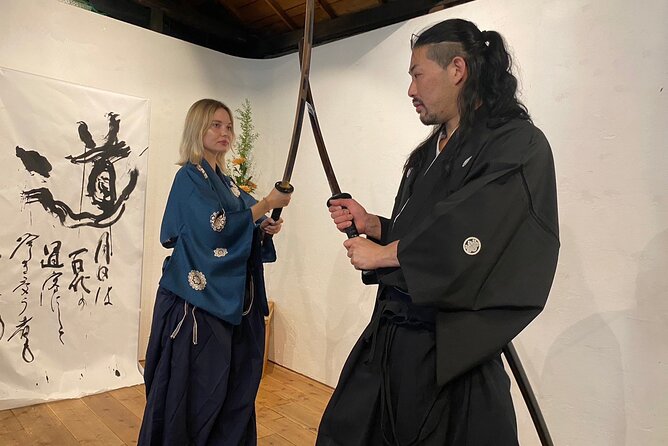
You meet near a signboard and follow the arrow through the entrance. The setting matters here. This is not a stage show in a large hall. The activity takes place in an old private house, which gives the session a more personal and traditional feel.
The entire program lasts 90 minutes, so expect a tightly planned introduction rather than a full martial arts course. You move through clothing, etiquette, sword practice, a samurai encounter, photography, and tea in one compact visit.
The group limit of three is one of the best practical features. Sword movements need correction, and a small group gives the instructor time to watch each person. It also means you should not expect a long solo lesson. You are getting a focused cultural session with hands-on practice, not several hours of formal training.
More Tokyo samurai and ninja experiences:
- Tokyo: Samurai Ninja Museum Guided tour and Experience
★ 4.6 · 1,010 reviews - Tokyo: Samurai Sword & Archery Class from Samurai Descendant
★ 5.0 · 603 reviews - Best Samurai Experience in Tokyo
★ 5.0 · 458 reviews
Kimono dressing comes before the sword
The first stage is changing into a samurai’s formal dress. This is more than a costume photo opportunity. The clothing helps set the tone for the lesson and gives you a clearer sense of how formal presentation and movement fit into samurai etiquette.
Yukari assists with the dressing, takes photos, and later serves tea. That support is useful because you can concentrate on the lesson rather than trying to manage unfamiliar clothing by yourself.
Allow yourself time to move carefully once dressed. The session is about controlled posture and deliberate movement, not speed. If you arrive expecting an action show, the formal clothing and etiquette may feel slower than expected. If you enjoy learning through ritual, this opening gives the sword work more meaning.
The photo element is another advantage. You can take a typical Japanese photo in the old house while wearing the attire, giving you a record that feels more connected to the activity than a quick snapshot outside a modern attraction.
Learning Bushido before swinging the blade
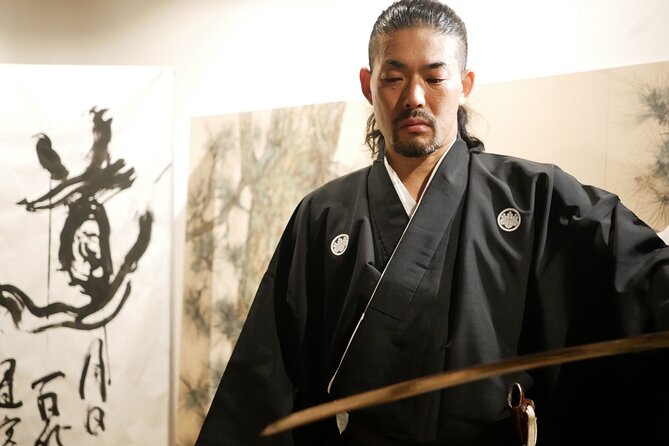
Musashi-oka Sensei introduces the ideas behind Bushido, the samurai code and way of conduct. The program is not only about how to swing a katana. You also learn why etiquette, posture, control, and respect matter in the tradition being presented.
The teaching is designed for beginners. You do not need previous sword experience, and the instructor demonstrates the basic actions before asking you to try them. English instruction is available, along with Japanese, so international visitors can follow the lesson.
You may learn how to wear the attire, draw and sheath the sword, take different stances, and perform a controlled cutting motion. One participant with historical European martial arts experience found the structure useful, while also wishing for more practice swings focused just on the cutting motion. That is a fair point: the session gives you a taste of several skills, but not enough time to repeat every movement many times.
This is where your expectations matter. You will not leave as a trained swordsman after 90 minutes. You will leave with a better sense of how much precision sits behind a movement that can look simple in a film.
Handling a real sword under close instruction
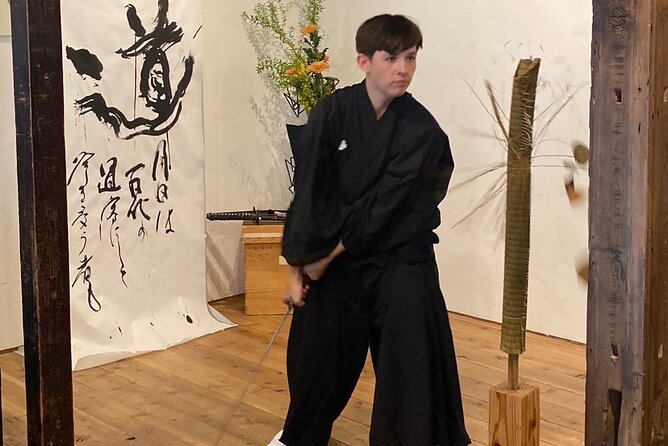
The sword work is the heart of the session. You get to hold a real sword and practice the basic handling techniques under supervision. The instructor corrects your movements and helps you understand where your form needs work.
A sword is not a harmless prop, and the provider takes that seriously. No one will point the blade at you. If you are uncomfortable with the sharp edge, tell the staff before the activity begins. That is an important tip, especially if you are interested in the cultural side but feel uneasy around weapons.
The instruction is friendly and patient. Musashi-oka Sensei explains movements clearly, answers questions, and uses humor to help beginners relax. English may not be perfect in every moment, but the demonstrations and direct corrections make the lesson accessible.
You might also get a chance to see the parts of the sword more closely. One participant asked the guide to take the sword apart at the end and found the construction especially interesting. This is not described as a guaranteed part of the program, but it is worth asking about if you care about weapon design and craftsmanship.
More private tours in Tokyo:
- Tokyo 6hr Private Tour with Government-Licensed Guide
★ 5.0 · 3,902 reviews - Private Tour to Mt. Fuji and Hakone (Fully Licenced Operator)
★ 5.0 · 1,910 reviews - Tokyo Customized Private Tour (Must See Places in 1 Day)
★ 5.0 · 1,499 reviews - Mount Fuji Full-Day Private Tour from Tokyo (Customizable)
★ 4.9 · 1,470 reviews
Facing a real samurai in a controlled exchange
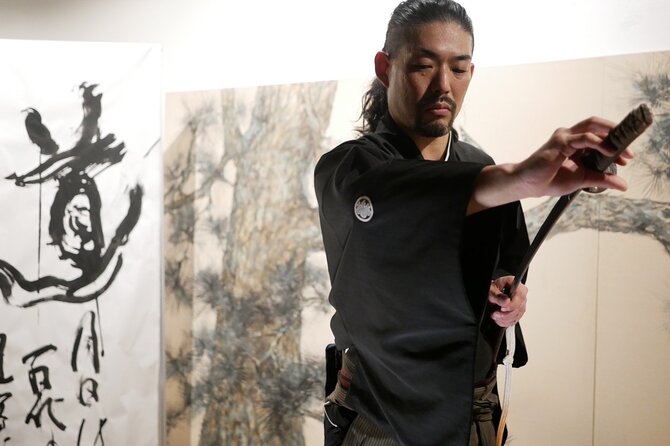
The final part of the sword work is a fight against a real samurai. The word fight may sound dramatic, but this is a supervised demonstration and practice sequence, not free combat. Safety is taken into account, and the activity is structured so beginners can take part.
This section gives the earlier instruction a clear purpose. You have learned how to stand, hold the sword, and move it. Now you use those basics in a more memorable exchange with the instructor.
Still, keep your expectations in check. The program does not promise a long duel or a competitive match. The experience is about following the movements and taking part in a samurai-style encounter. If you want hard physical sparring, this is probably too gentle and too short. If you want a safe, unusual cultural activity with a dramatic finish, it makes more sense.
Some participants also practice cutting tatami. That can be a highlight, particularly if you already have an interest in martial arts. The exact amount of practice can vary, and the 90-minute schedule leaves limited room for extended repetition.
Tea and conversation bring the lesson back to earth
After the sword work, you sit down for Japanese tea. The change of pace is welcome. You have time to relax, talk with the other participants, and ask questions while the instructor and Yukari help explain more about the culture.
The tea is not just a drink added to the end of the schedule. It balances the physical and theatrical parts of the activity with a quiet social moment. You finish by thinking about Bushido and Japanese customs rather than simply leaving after a sword demonstration.
The tea has been singled out as especially good, but the larger value comes from the setting and timing. In an old private house, a cup of tea feels like a natural close to the lesson. It also gives you a chance to ask about anything that moved too quickly during the sword practice.
What $322 buys you
At $322 per person, this is an expensive 90-minute activity. The price makes sense only if you value the combination of personal instruction, formal clothing, a real sword, a private setting, photos, tea, and a very small group.
You are not paying for a long class. You are paying for a carefully arranged cultural encounter with several elements that would be difficult to organize alone. A large group show might offer more spectacle for less money, but it would not give you the same level of individual correction or the chance to handle the sword yourself.
The small group is important to the value. With a maximum of three people, the instructor can notice your stance and correct your technique. That personal attention is one reason this costs more than a standard cultural performance.
I would book it for a special occasion, a first visit to Tokyo focused on traditional culture, or a traveler who has a genuine interest in swords and martial arts. I would skip it if you are mainly searching for a cheap photo stop, a long training session, or a broad sightseeing tour.
Who should book this samurai experience
This program suits adults and children aged 10 or older who can follow instructions and move safely. It works for beginners, and the instruction is not limited to men. The program is presented as suitable for both men and women.
It is also a good match for people who want more than a costume photo. You learn basic etiquette, hear about Bushido, handle a real sword, and take part in a supervised encounter. Martial arts practitioners may enjoy the technical details, while first-time participants can appreciate the clear demonstrations and supportive teaching.
It is not suitable for pregnant women, people with mobility impairments, or children under 10. Scooter use is also not allowed. The supplied information does not give a full list of transport or clothing requirements, so check the booking details before you go if you have concerns about movement or what to wear underneath the formal dress.
Practical tips for getting the most from the session
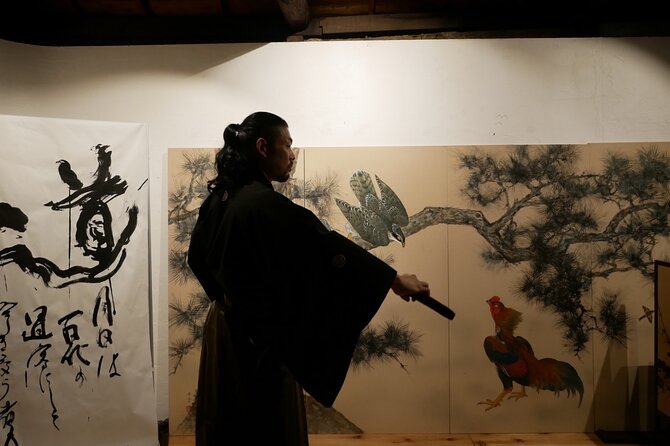
Arrive ready to listen closely. The lesson is short, and the schedule covers many parts of the tradition. You will get more from it if you treat the etiquette and explanations as seriously as the sword handling.
Tell the instructor before beginning if the edge of the blade makes you uncomfortable. The safety rule is clear: the blade will not be pointed at you, but the staff should know about your concern from the start.
Ask questions while you have the instructor nearby. If you are interested in how a katana is assembled, ask if the sword can be shown in separate parts at the end. This is not guaranteed, but the request may add a useful historical and practical detail.
If you want more practice swings, say so when there is a suitable moment. The program has a fixed length, so extra repetition may not be possible, but the instructor can help you focus on the cutting motion if time allows.
Take advantage of the photos. The old house, formal clothing, and sword create a much more distinctive keepsake than a standard tourist portrait. Yukari handles photos as part of the experience, so you do not need to ask another participant to document every step.
The activity offers free cancellation up to 24 hours before the start time, and you can reserve now and pay later. Starting times vary, so check availability for your date. The meeting point has a signboard with an arrow guiding you through the entrance.
Should you book it?
Book this if you want a personal introduction to Bushido, a real sword in your hands, and a traditional setting rather than a large performance. Musashi-oka Sensei’s patient instruction, Yukari’s help with dressing and photos, and the tea ceremony give the session a warm, human shape.
The cost is the clear caution. At $322 for 90 minutes, it is not a bargain activity, and the sword practice will feel brief if you already train seriously. For a first taste of samurai culture in a tiny group, though, the combination is unusual and well focused. You should book it if the chance to wear formal dress, learn the basics, face a samurai safely, and finish with tea feels worth making room for in your Tokyo budget.
FAQ
How long does the samurai experience last?
The activity lasts 90 minutes.
How many people can join the group?
The group is limited to three participants.
Is the experience available in English?
Yes. The instructor can teach in Japanese and English.
Do I get to wear samurai clothing?
Yes. The experience includes a kimono dressing session and formal samurai dress.
Will I handle a real sword?
Yes. Real sword handling is included, with instruction on how to hold and swing it safely.
Is the sword pointed at participants?
No. The provider states that no one will point the blade at you. If you are uncomfortable with the blade’s edge, tell the staff before the activity starts.
Who should not join this activity?
The experience is not suitable for pregnant women, people with mobility impairments, or children under 10. Scooter use is also not allowed.
Newly reviewed around Tokyo
- Tokyo Asakusa:Calligraphy & Make T-shirt Activity★ 5.0 · 62 reviews
- Intercity Shuttle, Tokyo to Haneda /Narita /Yokohama /Makuhari★ 5.0 · 5 reviews
- 1 Hour Travel around Tokyo with a Professional Photographer★ 5.0 · 3 reviews
- Travel Tokyo with Your Own Personal Photographer★ 5.0 · 43 reviews
- Train in Samurai Swordsmanship and Defeat the Demon in Tokyo★ 5.0 · 5 reviews
- Shuttle Van 6hr Tokyo Tour to-and-from Tokyo, Yokohama and Narita★ 5.0 · 9 reviews
- Kickboxing & Body Training with EX-Pro Fighter★ 5.0 · 4 reviews
- Traditional Japanese Knife Sharpening Class★ 5.0 · 18 reviews
Tokyo Samurai and Ninja Experiences, compared.
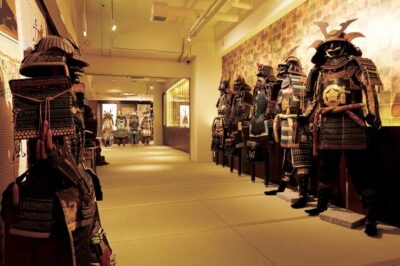
Samurai Ninja Museum Guided tour and Experience
Read our review →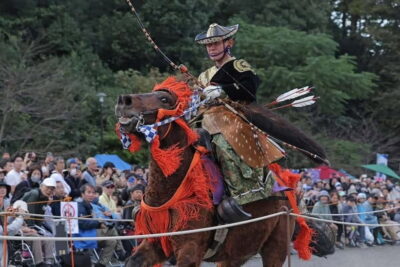
Samurai Sword & Archery Class from Samurai Descendant
Read our review →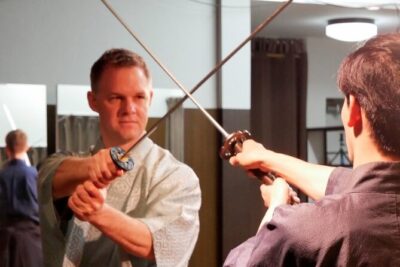
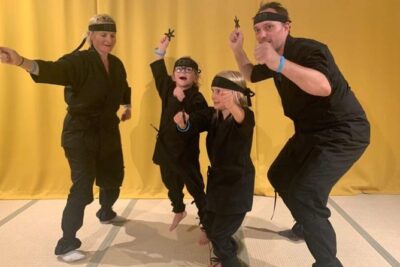
Ninja Experience (Family Friendly) at Samurai Ninja Museum TOKYO
Read our review →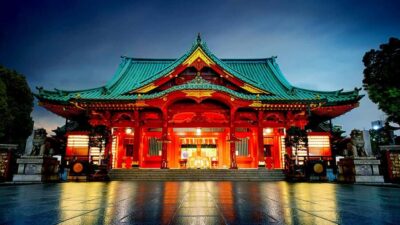
Samurai Entertainment Night Show in Kanda Shrine
Read our review →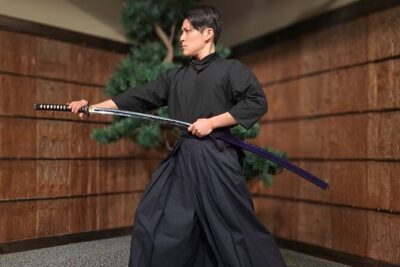
Tokyo Sword Experience – includes Museum Ticket/Ninja Experience
Read our review →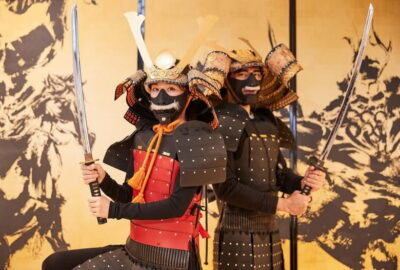
Samurai Ninja Museum Asakusa: Samurai Sword Lesson & Tour
Read our review →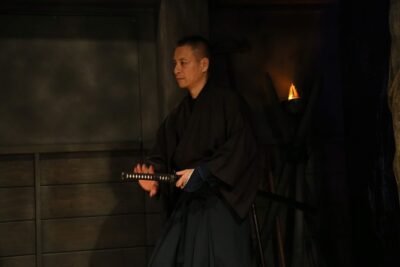
Ninja Samurai 2-hour hands-on lesson by Japanese master in Tokyo
Read our review →Browse the lists this tour appears in