
Reviewed · TOKYO SAMURAI AND NINJA EXPERIENCES
Samurai Sword Training and Katazome Dyeing Experience in Tokyo
The best part of this Tokyo experience is the unusual pairing: you begin with Katazome stencil dyeing, then walk about a minute to a dojo for samurai sword training. The first workshop connects Edo Komon patterns with samurai clothing, while the second puts you in front of a real sword demonstration before you practice defensive movements with toy swords.
I like two things here. You make a headband from the tenugui you dye yourself, and the small group, limited to eight people, gives the artisans and instructors room to explain what you are doing. The main consideration is pace: two one-hour workshops leave little time for wandering or extended questions.
Key points to know
- Two traditional activities in two hours: Dyeing and sword training are combined without requiring separate bookings.
- A handmade souvenir: You dye a tenugui with an Edo Komon pattern, then wrap it as a headband.
- A real dojo setting: After a one-minute walk, you remove your shoes and enter the training space.
- Small-group attention: The group maximum is eight people, useful during the hands-on portions.
- A cultural link to samurai life: The workshop explains how Edo Komon patterns were used on samurai kamishimo garments.
- A firm morning schedule: The experience begins at 10:00 a.m. and lasts about two hours.
Why this pairing works in Tokyo
Many cultural activities give you either a demonstration or a craft lesson. This one gives you both, with a clear link between the two. You start with cloth patterns associated with samurai dress, then move to the physical discipline of sword practice.
That connection gives the morning more shape than two unrelated workshops. You are not simply painting fabric and then handling a prop sword. You first learn about a visual element of samurai culture, then step into a dojo to see how sword techniques are presented and taught.
I also like the scale. With no more than eight people, the experience should feel more personal than a large group demonstration. That matters during dyeing, when you need to follow several steps, and during sword training, when you need space and correction from the instructor.
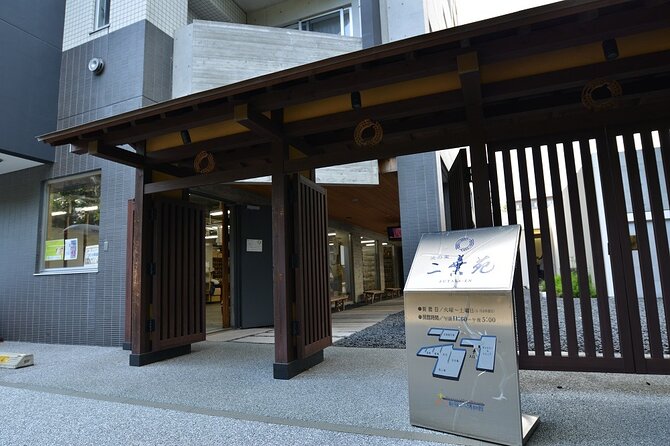
The tour begins at 10:00 a.m. at Somenosato Ochiai, at 2-chōme-3-6 Kamiochiai in Shinjuku City. It finishes at Musashikoku Mugai-kai, at 2-chōme-4-6 Kamiochiai. These venues are only about a minute apart, so you spend almost all of the two hours on the activities rather than in transit.
More Tokyo samurai and ninja experiences:
- Tokyo: Samurai Ninja Museum Guided tour and Experience
★ 4.6 · 1,010 reviews - Tokyo: Samurai Sword & Archery Class from Samurai Descendant
★ 5.0 · 603 reviews - Best Samurai Experience in Tokyo
★ 5.0 · 458 reviews
Starting with Edo Komon at Somenosato Ochiai
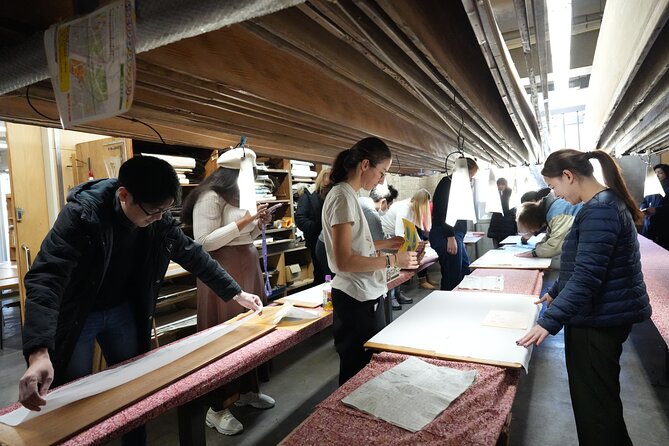
Your first hour takes place at Somenosato Ochiai, the workshop operated by the experience provider, 染の里おちあい 二葉苑. The opening explanation lasts about 10 minutes and focuses on Edo Komon patterns and their use on samurai kamishimo.
Edo Komon is known for small repeated motifs. From a distance, the cloth can appear plain, but closer inspection reveals the pattern. That makes this introduction useful because it explains why a fabric technique can carry social and historical meaning without looking showy.
The link to kamishimo is one of the more interesting details of the morning. You are not learning a random decorative pattern. You are being shown how stencil-dyed cloth relates to formal samurai clothing and the visual codes of the Edo period.
The explanation is short, which is sensible in a two-hour experience. You get enough context to understand the craft before working with the materials, but you should not expect a long lecture on Japanese textile history.
Making your own tenugui
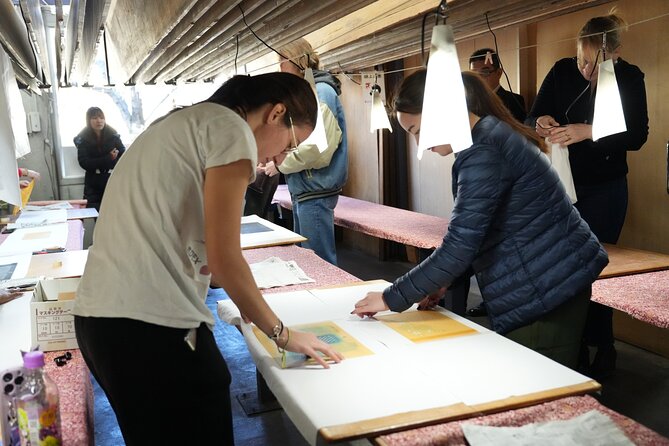
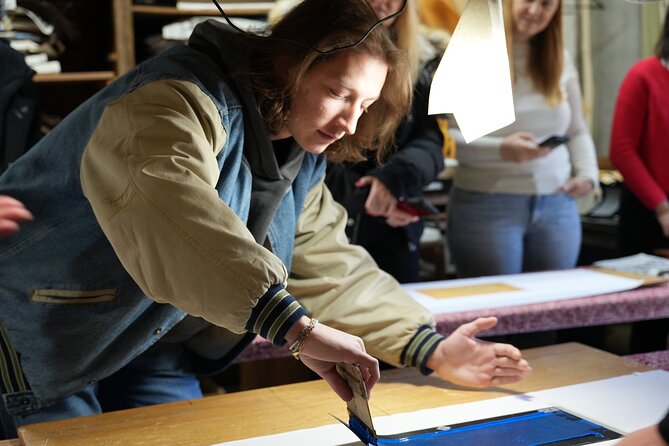
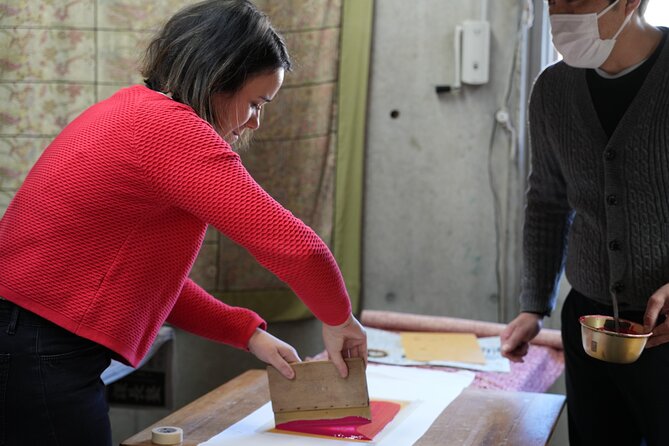
The main dyeing session lasts about 40 minutes. An artisan guides you through the process, and you work with a tenugui, the lightweight cotton cloth commonly used in Japan for practical and decorative purposes.
The key benefit is that you take part rather than simply watch. The artisan explains the steps, then gives you time to apply the Komon pattern. That hands-on format makes the cultural information easier to remember because you feel the care required to produce a repeated design.
You should expect to concentrate. The activity is not described as a free-form art session, so the emphasis is on learning the technique and following instruction. That is good news if you want a finished item with a connection to the workshop. It may feel more limited if you prefer total creative control.
The group size helps here. A maximum of eight people means you should have a reasonable chance to see the demonstration and receive help when needed. The available information does not identify individual artisans, so you should not book this expecting a named guide. The value comes from direct instruction at the workshop itself.
Turning the cloth into a headband
After dyeing, you wrap the tenugui as a headband before leaving Somenosato Ochiai. This final step takes about 10 minutes and gives the first half a clear ending.
I like this detail because it changes the cloth from a flat souvenir into something you can wear immediately. It also creates a visual bridge to the samurai theme without suggesting that you are being dressed as a historical warrior. You leave the dyeing workshop with an item you made, not just a small token handed to you at the door.
The headband is also practical for anyone who prefers experiences that produce something tangible. You can keep it as a reminder of the morning, and the pattern carries a story about Edo clothing and stencil dyeing.
The session does move quickly. Ten minutes for wrapping and departing leaves little room to wait around, so arrive ready to follow the schedule. Since the dojo is only one minute away, the transition is easy, but the tour does not include a long break between the workshops.
A completely different kind of day in Tokyo:
- Mt Fuji and Hakone 1-Day Bus Tour Return by Bullet Train
★ 5.0 · 26,383 reviews - 1-Day Tokyo Bus Tour
★ 5.0 · 14,250 reviews - Tokyo: teamLab Planets TOKYO Digital Art Museum Entry Ticket
★ 4.6 · 9,779 reviews - Mt Fuji & Hakone Cruise, Drum Show Bullet Train 1 Day from Tokyo
★ 4.0 · 7,413 reviews
Entering the dojo one minute later
The second venue, Musashikoku Mugai-kai, is at 2-chōme-4-6 Kamiochiai. The walk from the dyeing workshop takes about one minute. Before entering, you remove your shoes, a standard feature of many Japanese training spaces.
That small transition matters. You are leaving an artisan workshop and entering a dojo with a different atmosphere and set of rules. Removing your shoes helps mark the change from craft lesson to martial arts practice.
The tour ends at the dojo, rather than returning to the first meeting point. Plan any later activity from this location. Since both addresses are in Kamiochiai, the finish remains close to the starting area, but the experience does not provide a final group transfer.
The information does not state whether the dojo has changing rooms or what clothing is required. Wear something that lets you move comfortably, but do not assume that uniforms or protective equipment are supplied unless the provider confirms it.
Watching the 15-minute real sword demonstration
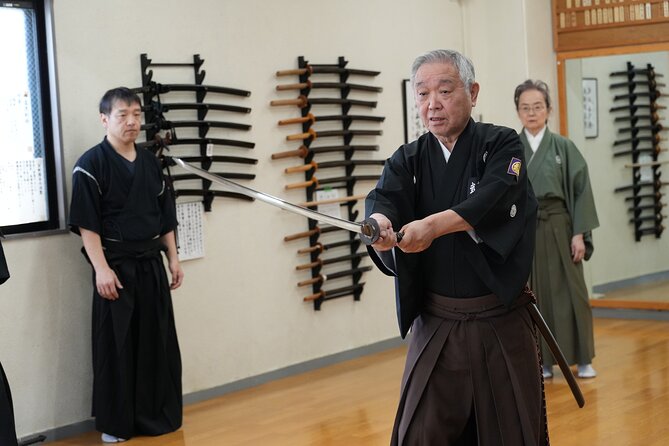
The dojo session begins with a 15-minute demonstration using a real sword. This is a viewing segment, not a promise that you will handle a live blade yourself.
That distinction is important. The demonstration gives you a serious look at sword technique before you begin the beginner portion. It also helps set the tone for the training. The experience is not simply a theatrical photo opportunity with a sword in hand.
The strongest praise for this experience focuses on explanation. The instruction at both the dyeing workshop and dojo is designed to cover cultural meaning as well as technique. That combination can give you a better sense of why the sword arts are practiced in a structured setting, rather than reducing samurai culture to costume and spectacle.
You should also keep expectations in check. A 15-minute demonstration cannot cover every aspect of Japanese sword traditions. Its job is to provide a focused introduction before the practical lesson.
Learning defensive actions with toy swords
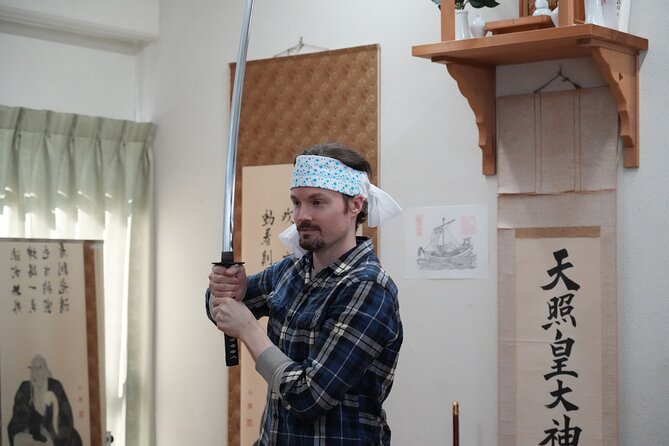
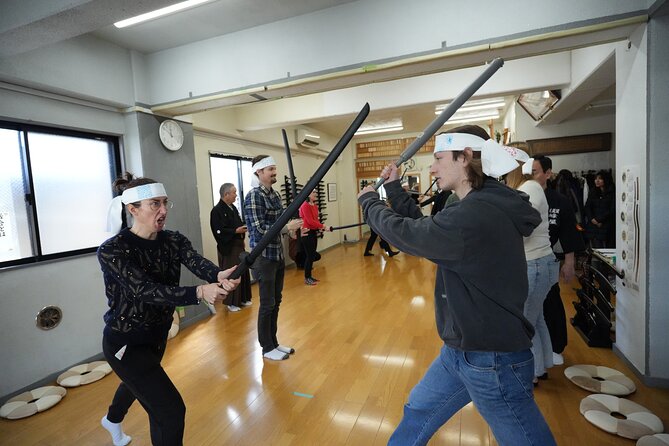
The next 15 minutes cover defensive actions with toy swords. This is a useful safety boundary. You get to learn the movement and basic response without being handed a live weapon.
The lesson is likely to feel more active than the first half of the tour. You are not only listening or watching. You are asked to pay attention to position and action, then apply what you have been shown.
The provided details do not specify the exact defensive techniques, the type of toy swords, or the training attire. I would treat this as an introductory session, not formal martial arts instruction. You are buying a short cultural workshop, not a course that qualifies you to continue independently.
That said, the beginner format makes the activity approachable. Most people can participate, and the small group should make it easier to follow the instructor. The experience may suit families and first-time participants, although the supplied information does not give a specific minimum age.
Thirty minutes of sword training
The final 30 minutes are devoted to sword training. This is the longest part of the dojo visit, giving you enough time to practice after the demonstration and defensive explanation.
I like the order of the session. You first watch, then learn the defensive actions, then train. That sequence gives you a little context before you attempt the movements. It also keeps the hands-on portion connected to the demonstration instead of dropping you into an unfamiliar activity without preparation.
The training remains introductory. There is no indication that you use a real sword during the practice portion, so you should expect the toy swords to be the main equipment for your participation. If your main goal is to hold and swing a genuine samurai sword, this may not meet that expectation.
For someone looking for a controlled first encounter with Japanese sword arts, the format makes sense. You receive instruction, practice in a dojo, and finish with a clear impression of the discipline involved. The tour’s high rating reflects the value of the explanations as much as the novelty of the activity.
What the $97.73 price covers
At $97.73 per person, this is not the cheapest short workshop in Tokyo. The price becomes easier to assess when you consider that it combines two separate activities, includes artisan and dojo instruction, provides the dyeing materials and finished tenugui, and gives you about two hours of guided participation.
You are also paying for convenience. The two venues are one minute apart, and the experience handles the transition between them. Booking the two activities separately could require more planning and might not produce the same link between textile craft and samurai practice.
The value is strongest if you want active cultural experiences and a souvenir you make yourself. It is weaker if you only want a polished performance, a full historical tour, or extensive free time. The morning is tightly scheduled, and neither workshop appears designed for long, unstructured conversation.
The activity is often booked about 36 days ahead. That suggests you should reserve early if your Tokyo dates are fixed, especially because the group maximum is eight. Confirmation is provided at booking, and the experience uses a mobile ticket.
Who will enjoy this morning most
I would choose this experience if you want to do something hands-on and specific rather than move from one famous Tokyo sight to another. It suits visitors with an interest in traditional crafts, samurai culture, Japanese clothing, or martial arts.
It is also a good fit for a short Tokyo visit. Two hours lets you add a focused cultural activity without giving up a full day. The 10:00 a.m. start leaves much of the afternoon open, although you should allow time to reach Kamiochiai before the meeting time.
The small group is helpful for anyone who prefers direct instruction. Beginners can ask questions and get closer to the process than they might in a large class. The experience is also suitable for people who want a souvenir with a personal story attached to it.
I would hesitate if you dislike structured activities, have limited mobility that makes removing shoes difficult, or want to use a genuine sword during the practical training. The available details say most people can participate, but they do not provide specific accessibility information. Ask the provider before booking if that point matters to you.
Practical details before you book
Arrive at Somenosato Ochiai for the 10:00 a.m. start. The meeting address is 2-chōme-3-6 Kamiochiai, Shinjuku City, Tokyo 161-0034, Japan. The experience ends at Musashikoku Mugai-kai, 2-chōme-4-6 Kamiochiai, Tokyo 161-0034, Japan.
Keep your mobile ticket available. You will remove your shoes before entering the dojo, so comfortable footwear that comes off easily is sensible. The provider does not state a dress code, so wear clothing suitable for light movement and avoid anything that makes the sword-training portion awkward.
The total duration is about two hours, divided into roughly one hour at each venue. The group limit is eight people. Confirmation arrives at booking, and free cancellation is available up to 24 hours before the local start time. Changes or cancellations inside that 24-hour window are not accepted for a refund.
A minimum number of participants is required. If the provider cancels because that minimum is not met, you will be offered another date or experience, or receive a full refund.
Should you book the Katazome and samurai workshop?
Book it if you want a compact Tokyo activity that combines making, learning, and movement. The best reasons are the Edo Komon connection to samurai clothing, the handmade tenugui headband, the real sword demonstration, and the chance to train in a dojo with a group of no more than eight.
Skip it if you want a long craft class, a detailed history lecture, or practical training with a live sword. At $97.73, the price is fair for two linked workshops with personal instruction, but the schedule is tight and the sword practice is introductory.
For most people who enjoy trying a traditional skill and taking home something they made, this is a strong two-hour choice. You get a useful glimpse of Japanese textile culture and samurai training without spending an entire day on either one.
FAQ
Where does the experience begin?
It begins at 染の里おちあい, located at 2-chōme-3-6 Kamiochiai, Shinjuku City, Tokyo 161-0034, Japan.
What time does the tour start?
The start time is 10:00 a.m.
How long does the experience last?
The experience lasts approximately two hours.
Where does the experience finish?
It finishes at 武蔵国無外会, located at 2-chōme-4-6 Kamiochiai, Tokyo 161-0034, Japan. The tour disbands at the dojo.
How many people can join?
The activity has a maximum of eight participants.
Do I make anything during the dyeing workshop?
Yes. You dye a tenugui using a Komon pattern and wrap it as a headband before leaving the workshop.
Can I cancel for a full refund?
Yes. You can cancel at least 24 hours before the local start time for a full refund. Cancellations or changes made less than 24 hours before the start time are not accepted for a refund.
Newly reviewed around Tokyo
- Tokyo Asakusa:Calligraphy & Make T-shirt Activity★ 5.0 · 62 reviews
- Intercity Shuttle, Tokyo to Haneda /Narita /Yokohama /Makuhari★ 5.0 · 5 reviews
- 1 Hour Travel around Tokyo with a Professional Photographer★ 5.0 · 3 reviews
- Travel Tokyo with Your Own Personal Photographer★ 5.0 · 43 reviews
- Train in Samurai Swordsmanship and Defeat the Demon in Tokyo★ 5.0 · 5 reviews
- Shuttle Van 6hr Tokyo Tour to-and-from Tokyo, Yokohama and Narita★ 5.0 · 9 reviews
- Kickboxing & Body Training with EX-Pro Fighter★ 5.0 · 4 reviews
- Traditional Japanese Knife Sharpening Class★ 5.0 · 18 reviews
Tokyo Samurai and Ninja Experiences, compared.
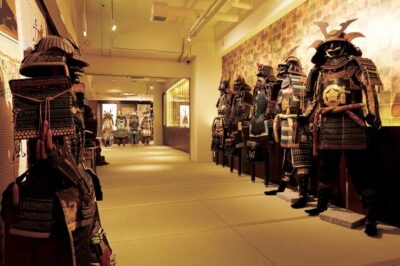
Samurai Ninja Museum Guided tour and Experience
Read our review →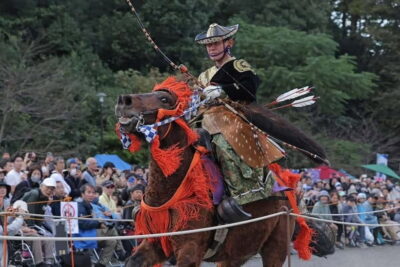
Samurai Sword & Archery Class from Samurai Descendant
Read our review →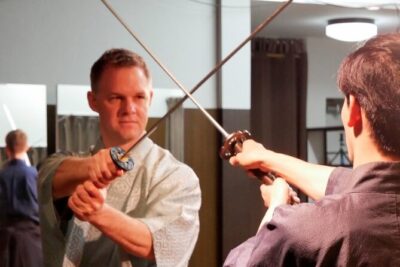
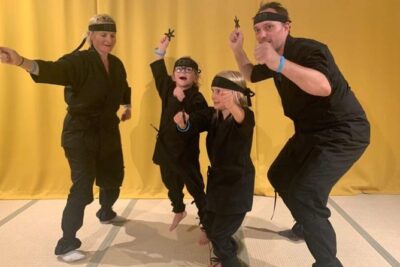
Ninja Experience (Family Friendly) at Samurai Ninja Museum TOKYO
Read our review →
Samurai Entertainment Night Show in Kanda Shrine
Read our review →
Tokyo Sword Experience – includes Museum Ticket/Ninja Experience
Read our review →
Samurai Ninja Museum Asakusa: Samurai Sword Lesson & Tour
Read our review →
Ninja Samurai 2-hour hands-on lesson by Japanese master in Tokyo
Read our review →Browse the lists this tour appears in