
Reviewed · TOKYO SAMURAI AND NINJA EXPERIENCES
SAMURAI EXPERIENCE in Tokyo(Harajuku)【SAMURAI’ve】
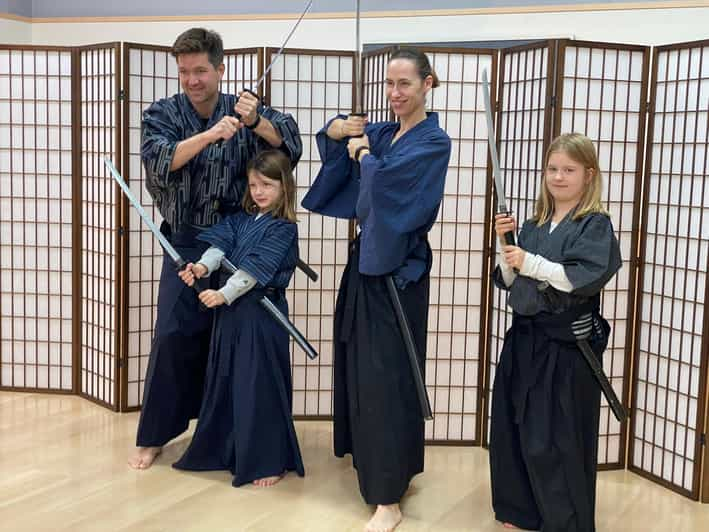
The most engaging part of this one-hour Tokyo workshop is that it treats samurai culture as both etiquette and stagecraft. You do not simply hold a sword for a quick picture. You learn how to stand, move, bow, and perform stylized fighting patterns called tachimawari.
I like the clear mix of hands-on fun and cultural detail. I also like the small group limit of 10, which should give you room to follow the instructor without getting lost in a crowd. The main consideration is the short running time: you will get an enjoyable introduction, not a full martial-arts course.
Key points to know
- Learn samurai manners first: Reigi sahou gives the activity a cultural frame beyond costume play.
- Wear a kitsuke kimono: The dressing portion helps turn the photo session into part of the experience.
- Practice stage-style sword movement: Tachimawari focuses on controlled, dramatic movement used in sword-fighting scenes.
- Work with a production instructor: Your qualified instructor is active in video and stage productions.
- Expect a compact class: The session lasts one hour and welcomes up to 10 participants.
- Keep the trip simple: You need comfortable clothes, but transportation, food, and drinks are not included.
A Samurai Class in the Heart of Tokyo
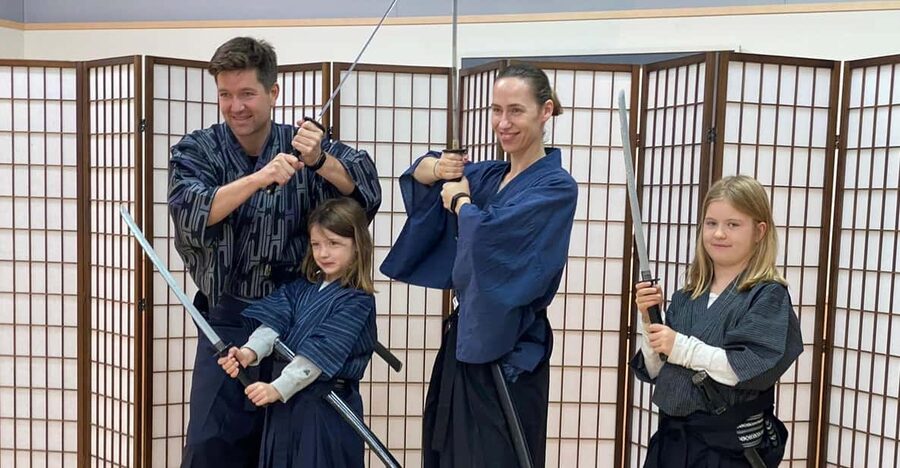
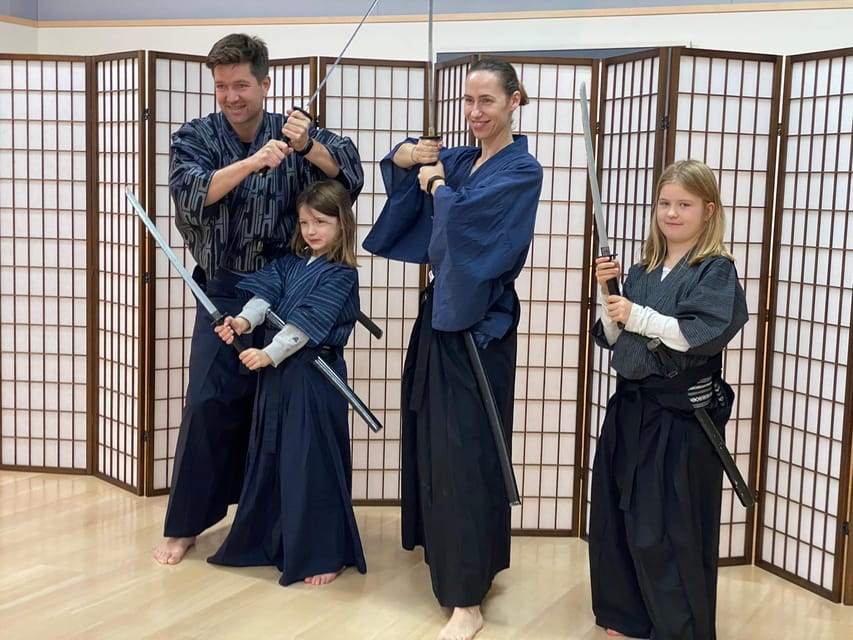
This experience is designed as a brisk introduction to the samurai world, with a practical twist. You learn manners, dress in a samurai kimono, handle a sword, practice set movements, and finish with photographs.
That combination matters. Many costume activities stop at dressing up. Here, the clothing and photos come after instruction in Reigi sahou, the manners and conduct associated with samurai behavior. The result is still playful, but you get a better sense of why posture, gestures, and form matter.
The class takes place in Harajuku, an easy area to add to a day of sightseeing in Tokyo. You will enter through a red door and go to the second-floor basement. The room is about a five-minute walk from Kitasandou Station and an eight-minute walk from Harajuku Station.
Give yourself a little extra time to find the entrance. The station walks are short, but an unfamiliar doorway can slow you down, especially if you are trying to arrive in costume-ready comfort.
More things to do in Harajuku:
- Tokyo Go-Kart Tour Shibuya-Harajuku-Shinjuku (*IDP Required)
★ 5.0 · 217 reviews - Tokyo: Guided Go Kart Tour from Harajuku to Shibuya Crossing
★ 4.5 · 166 reviews - Shibuya & Harajuku: Hidden Gems & Highlights Private Tour
★ 4.7 · 139 reviews
What the One-Hour Schedule Includes
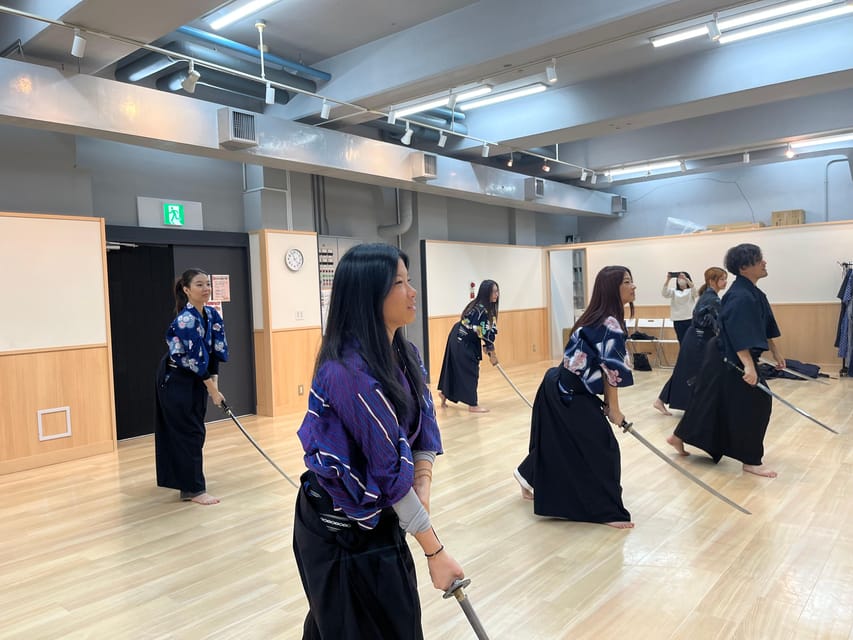
The timing is compact, so each stage has a clear job. You are not signing up for an all-day historical program. You are signing up for a lively, guided sampler that moves from conduct to clothing to movement and photographs.
1. Meet the instructor
Your instructor is qualified and active in video and stage productions. That background is useful because the sword work includes movements meant for performance, not just combat practice.
The teaching language can be English, Japanese, or Chinese. That makes the class more approachable for international visitors, though the exact language mix may depend on the group and instructor available that day.
The mood is intended to be friendly and active. Several participants have described the instructors as kind, smiling, and clear when explaining the movements. That is important in a short class, since you have little time to work through confusion.
2. Learn Reigi sahou
The class begins with samurai etiquette, known as Reigi sahou. This is one of the more distinctive parts of the activity because it gives the sword work a sense of form.
You will learn how a samurai is expected to act, not just how one might swing a sword in a film. Pay attention to posture and manners here. Those details will help your later movements look more deliberate in photographs.
This section may be especially useful if you want cultural context rather than a costume-only activity. It is brief, but it helps explain why the class starts with behavior before action.
More Tokyo samurai and ninja experiences:
- Tokyo: Samurai Ninja Museum Guided tour and Experience
★ 4.6 · 1,010 reviews - Tokyo: Samurai Sword & Archery Class from Samurai Descendant
★ 5.0 · 603 reviews - Best Samurai Experience in Tokyo
★ 5.0 · 458 reviews - Ninja Experience (Family Friendly) at Samurai Ninja Museum TOKYO
★ 5.0 · 441 reviews
3. Put on the kitsuke kimono
Next, you learn how to wear a kitsuke kimono. The kimono is supplied, so you do not need to bring one from your hotel or arrange a separate rental.
Wear comfortable clothes underneath. You will be changing into the provided outfit, and ease of movement matters once the sword practice begins. The class information does not specify exactly how much assistance each person receives with dressing, so follow the instructor’s directions and allow the process to take its proper place in the schedule.
This part is more than a costume change. It helps you understand how the outfit affects posture and movement. Once dressed, you have a better reason to stand carefully and move with control.
4. Practice basic sword moves
The sword lesson introduces basic samurai fighting movements. The aim is to help you gain a few clear techniques that you can remember and demonstrate later at home.
Do not expect a serious weapons course in 60 minutes. The activity is an introduction, with the focus on safe instruction, form, and fun. The class information does not describe the swords in detail, so you should follow all handling directions closely and avoid assuming this is free practice time.
The small group size helps here. With no more than 10 people, the instructor should be able to keep an eye on the class as you repeat the movements. If you are traveling with children, the experience can work well for families, although children under five cannot participate.
5. Perform tachimawari
The most theatrical stage of the class is tachimawari. These are stylized movements used in sword-fighting scenes for video and stage productions.
This is where the instructor’s performance background becomes especially relevant. You are not simply repeating an exercise. You are learning how sword action can look dramatic and controlled when performed for an audience.
Expect a playful sense of performance rather than a real fight. The goal is to put your new movements together and feel the rhythm of a staged sword scene. This makes the activity a good choice for people who enjoy cinema, theater, costumes, and physical demonstrations.
6. Pose for photographs
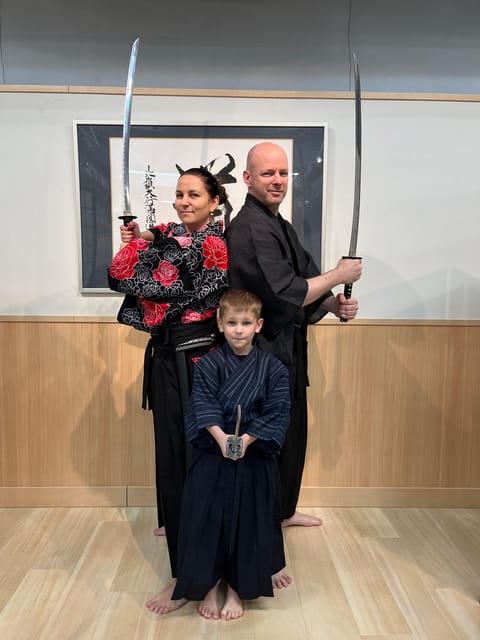
The class ends with photographs of you wearing the samurai kimono and holding a sword. These pictures give you a clear keepsake from the activity and let you show the difference between an ordinary snapshot and a properly staged pose.
The photo session also gives the lesson a satisfying finish. You have learned the etiquette, put on the clothing, and practiced the movements. Now you can use your posture and sword position for a picture that feels connected to the class.
If photographs matter to you, listen closely during the earlier sections. The best images will likely come from remembering the instructor’s advice about stance and manner, rather than simply holding the sword toward the camera.
Why the Etiquette Section Matters
Reigi sahou keeps the activity from becoming only a dress-up stop. Samurai culture is often reduced to swords, but this workshop gives equal attention to conduct and appearance.
You will not become an expert in Japanese etiquette during a short class. Still, the order of the experience is useful. You first learn how to act, then how to dress, then how to move. That sequence gives the photographs and sword practice more meaning.
I also appreciate that the class presents samurai behavior in a way that is easy to take part in. You do not need previous knowledge, special fitness, or a particular age beyond the minimum requirement. The stated standard is simple: anyone can join if they bring the samurai spirit.
How Much Is $70 Worth?
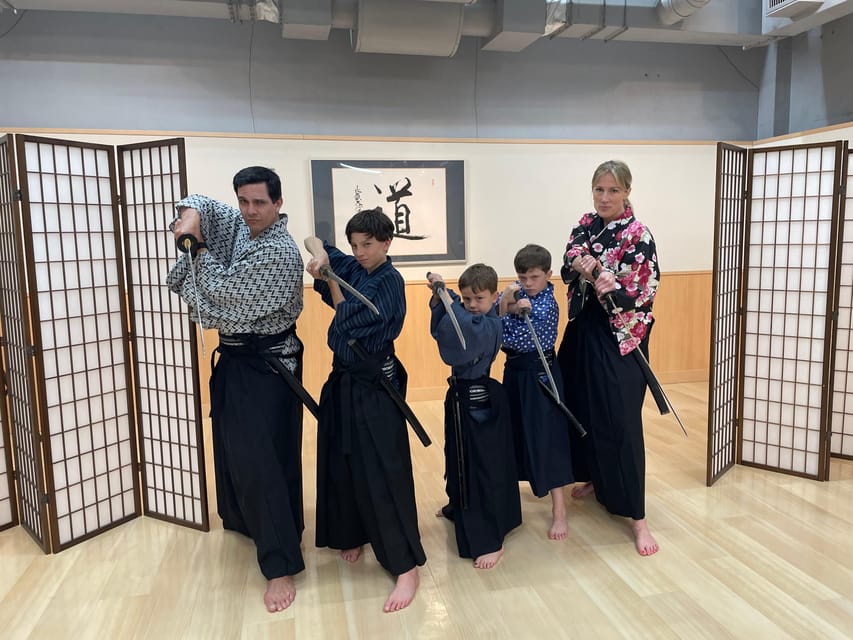
At $70 per person, the price is fair if you value a guided, small-group activity with several parts included. Your fee covers the instructor, samurai kimono, etiquette lesson, sword experience, and photo session.
The value comes from the combination. A basic photo stop might be cheaper, but it would not include the instruction in Reigi sahou or tachimawari. A longer martial-arts course would offer more practice, but this one is easier to fit into a Tokyo schedule.
The one-hour length cuts both ways. It is convenient between other plans and works well for families or mixed-age groups. On the other hand, anyone hoping for detailed history, extended sword drills, or advanced training may find the session too brief.
I would judge the cost by your purpose. If you want an accessible cultural activity with a strong visual payoff, $70 is a reasonable spend. If your main interest is serious sword technique, save your budget for a longer specialist lesson.
Who Will Enjoy This Most?
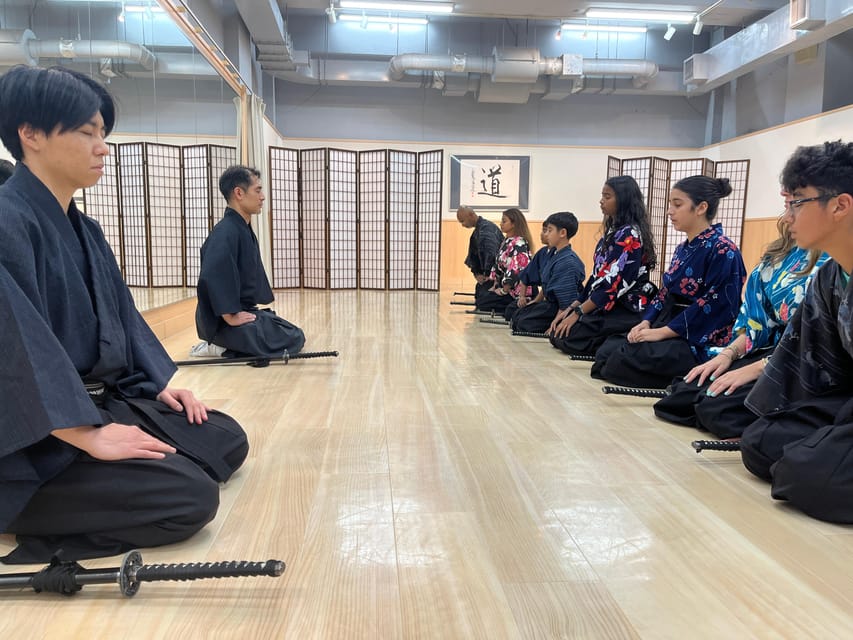
This class suits first-time visitors who want an activity that feels distinctly Japanese without taking half a day. It is also a good fit for people who have already seen Tokyo’s major sights and want something more hands-on.
Families can enjoy it together. One family group reported having a great time with the children, and the activity is open to all genders and ages as long as participants are at least five. Keep in mind that the class is not suitable for wheelchair users.
It also works well for friends who want shared photographs rather than separate sightseeing memories. You can learn the same movements, dress in matching samurai style, and take pictures together.
You may want to choose another activity if you dislike dressing up, do not want to handle a sword under instruction, or prefer a quiet historical talk. The class has a performance element and asks you to take part physically.
Languages, Group Size, and Comfort
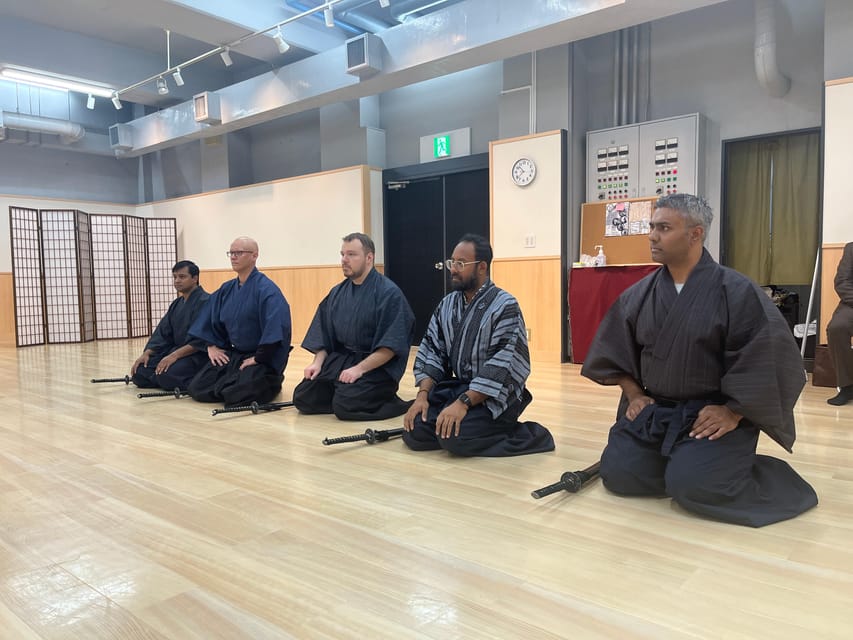
Instruction is available in English, Japanese, and Chinese. That is a strong practical feature for an international audience. French-speaking participants have also taken part successfully in an English-language session, but you should select the language that best suits your booking needs.
The group limit is 10 people. That is small enough to keep the activity personal while still allowing families and friends to join together.
Bring comfortable clothes. You do not need to bring food or drinks, and neither is included. Transportation to the meeting point is also your responsibility, so plan your route before you leave.
The location is close to both Kitasandou and Harajuku stations. Kitasandou is the shorter walk, at about five minutes. Harajuku takes about eight minutes. Enter through the red door and continue to the second-floor basement.
Booking Flexibility and Practical Limits
You can cancel up to 24 hours in advance for a full refund. The reserve-now-and-pay-later option also helps if your Tokyo schedule is still changing.
Starting times vary, so check availability for the date you want. Since the class lasts only an hour, it can fit before or after other plans in Harajuku, but leave enough time for the station walk and finding the entrance.
The class is not wheelchair accessible, and children under five cannot join. Those limits are worth checking before you book, particularly if you are arranging an outing for a large family group.
The activity has received a top rating across 25 reviews, with especially strong praise for friendly instructors, clear movement explanations, and the fun of doing something different. I would treat that as a sign that the class delivers its main promise: an upbeat introduction rather than an advanced course.
Should You Book the Samurai Experience?
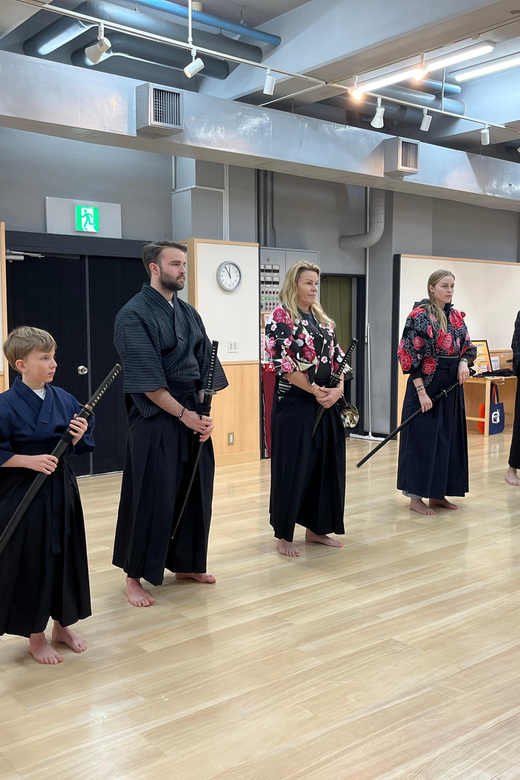
Book it if you want a short, active Tokyo activity with samurai clothing, etiquette, sword movement, and photographs in one package. The small group, multilingual instruction, and central Harajuku location make it easy to add to a day in the city.
I would especially recommend it for families with children five and older, friends who enjoy playful photos, and anyone curious about stage-style sword fighting. The instructor’s work in video and theater adds a useful performance angle to the tachimawari section.
Skip it if you expect deep historical study or serious martial-arts training. At one hour, this is a polished introduction and a memorable photo experience, not a path to mastery. For most visitors seeking a fun cultural activity at a manageable price, that is exactly the right expectation.
FAQ
How long does the samurai experience last?
The activity lasts one hour.
How much does the experience cost?
The listed price is $70 per person.
Where does the activity take place?
It takes place in Tokyo, in the Harajuku area. Enter through the red door and go to the second-floor basement.
How far is the meeting point from nearby stations?
The meeting point is about a five-minute walk from Kitasandou Station and an eight-minute walk from Harajuku Station.
What languages are available?
The instructor can teach in English, Japanese, or Chinese.
What is included in the price?
The price includes the instructor, a samurai kimono to wear, a samurai etiquette lesson, the sword-fighting experience, and a photoshoot.
What should I bring?
Bring comfortable clothes. Transportation, food, and drinks are not included.
Can young children or wheelchair users join?
Children under five cannot participate, and the activity is not suitable for wheelchair users.
Newly reviewed around Tokyo
- Tokyo Asakusa:Calligraphy & Make T-shirt Activity★ 5.0 · 62 reviews
- Travel Tokyo with Your Own Personal Photographer★ 5.0 · 43 reviews
- Intercity Shuttle, Tokyo to Haneda /Narita /Yokohama /Makuhari★ 5.0 · 5 reviews
- 1 Hour Travel around Tokyo with a Professional Photographer★ 5.0 · 3 reviews
- Train in Samurai Swordsmanship and Defeat the Demon in Tokyo★ 5.0 · 5 reviews
- Shuttle Van 6hr Tokyo Tour to-and-from Tokyo, Yokohama and Narita★ 5.0 · 9 reviews
- Kickboxing & Body Training with EX-Pro Fighter★ 5.0 · 4 reviews
- Traditional Japanese Knife Sharpening Class★ 5.0 · 18 reviews
Tokyo Samurai and Ninja Experiences, compared.
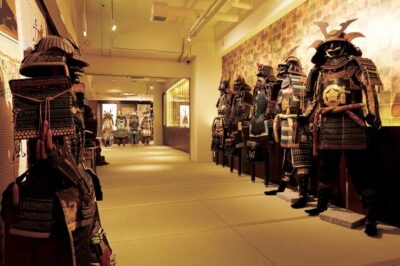
Samurai Ninja Museum Guided tour and Experience
Read our review →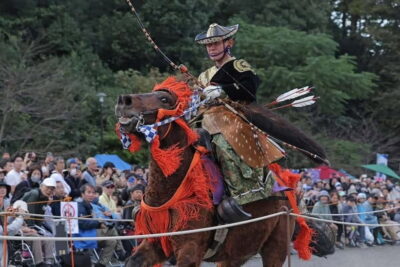
Samurai Sword & Archery Class from Samurai Descendant
Read our review →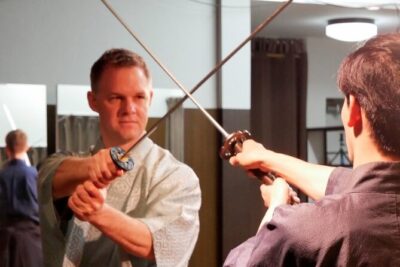
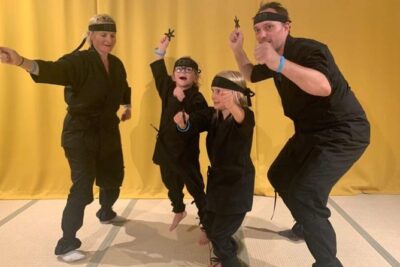
Ninja Experience (Family Friendly) at Samurai Ninja Museum TOKYO
Read our review →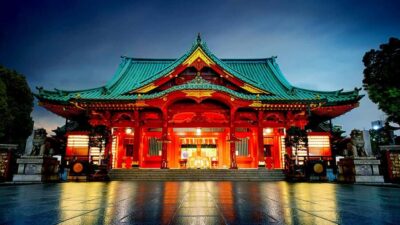
Samurai Entertainment Night Show in Kanda Shrine
Read our review →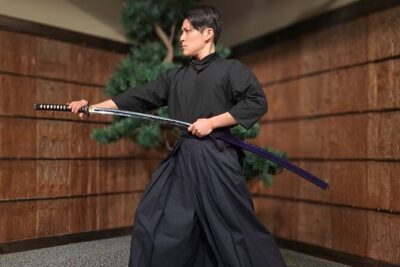
Tokyo Sword Experience – includes Museum Ticket/Ninja Experience
Read our review →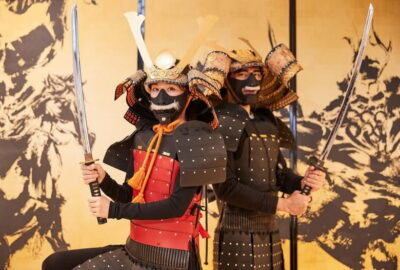
Samurai Ninja Museum Asakusa: Samurai Sword Lesson & Tour
Read our review →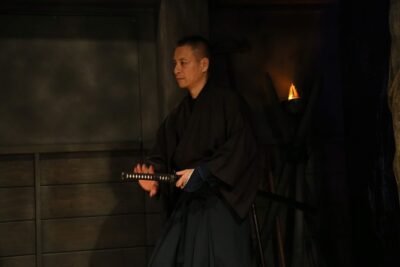
Ninja Samurai 2-hour hands-on lesson by Japanese master in Tokyo
Read our review →Browse the lists this tour appears in